The Caledonian Edinburgh, Curio Collection by Hilton



La Liste Top Hotels · Virtuoso Luxury Hotel Partner · World Luxury Hotel Awards WLHA Regional Winner
Opened in 1903 as Edinburgh's grand Caledonian Railway terminus hotel, the Caley occupies the West End of Princes Street in a rose-tinted sandstone building that faces Edinburgh Castle. Its 231 rooms sit above Dean Banks at The Pompadour, a spa with castle views, and The Caley Bar. La Liste ranked it 92 points in 2026, and it holds Continental Winner status for Luxury Heritage Hotel.

Pearl is the En Primeur Club membership app — saves, bookings, and concierge access live there. Same editors, same standards.
- Address
- Princes St., Edinburgh EH1 2AB
- Phone
- +44 131 222 8888
- Website
- hilton.com
- Directions
- Get directions
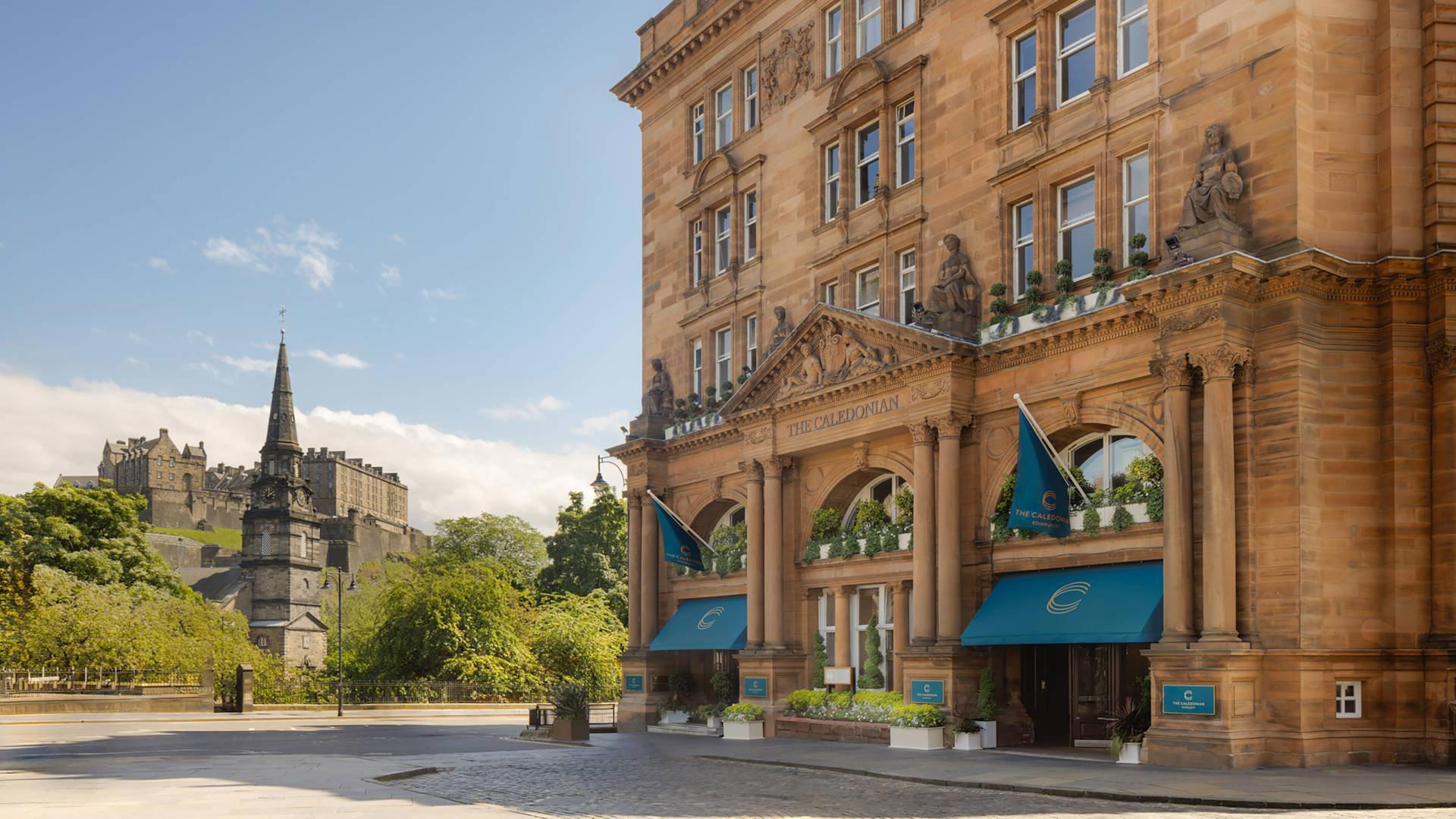
A Victorian Railway Hotel at the West End of Princes Street
Approaching the West End of Princes Street from the east, the sandstone facade of The Caledonian Edinburgh reads against the sky before you reach it: rose-tinted stonework, sculpted arches, and a scale that reflects its origin as the terminus building of the Caledonian Railway. Opened in 1903, it was designed to project civic authority, and more than a century later the structure still does exactly that. Edinburgh Castle rises to the south; the George Street grid falls away to the north. Few positions in the city place a guest more squarely inside Edinburgh's geography.
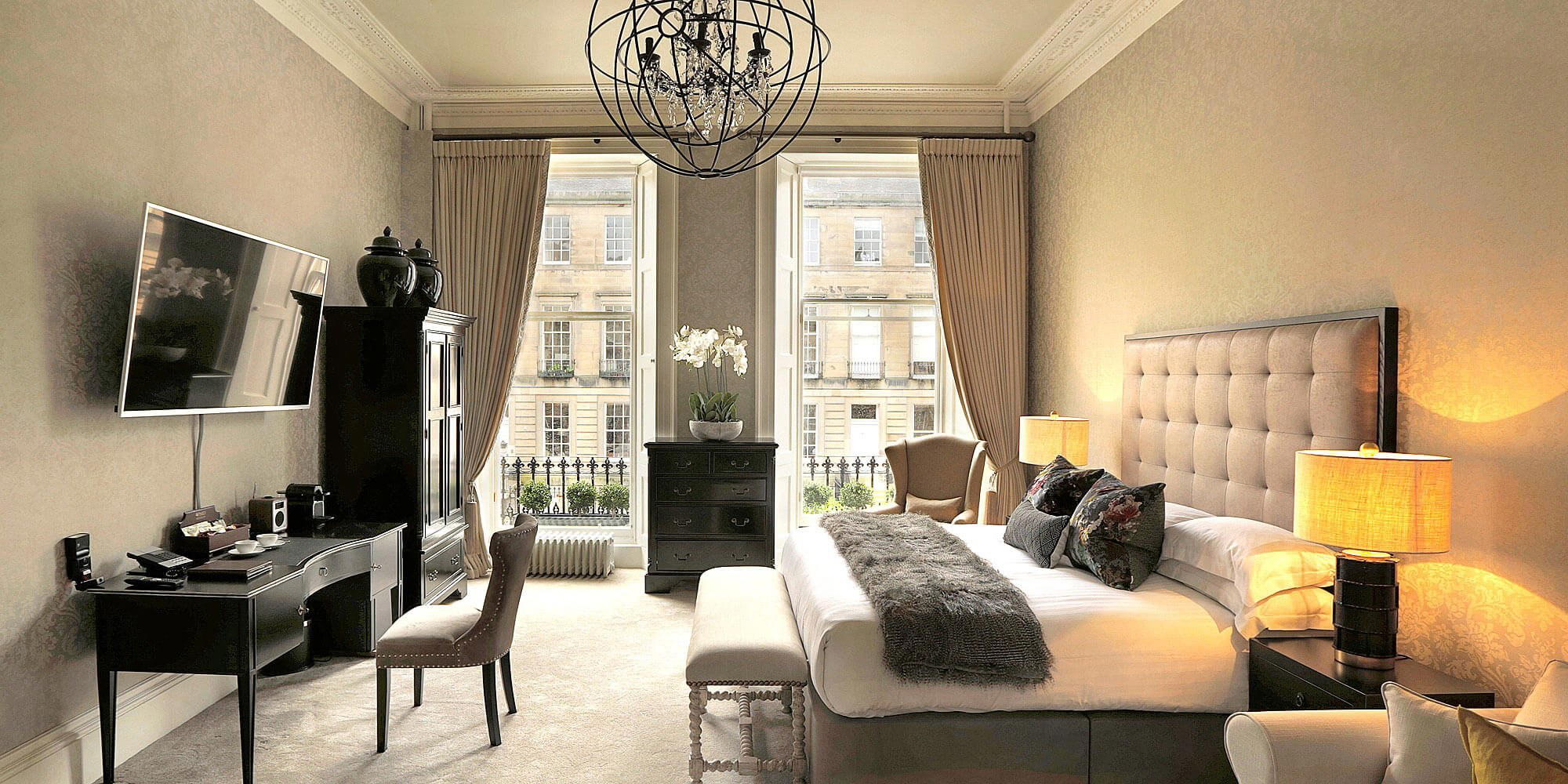
Within the Curio Collection by Hilton portfolio, the property occupies the heritage end of the spectrum rather than the design-led boutique category. Its 231 guestrooms and suites are distributed across the former railway building's upper floors, and several face directly toward the castle. For hotels in this part of the city, that view alignment is a meaningful differentiator: properties along Princes Street occupy some of the most theatrically positioned real estate in Scotland. Comparable addresses include 100 Princes Street and InterContinental Edinburgh The George, each operating within the same premium tier but with distinct design philosophies.
What the Dining Program Actually Represents
The hotel's food and drink operation spans three distinct formats, each occupying a different part of the former station building. The Pompadour by Dean Banks carries the formal dining standard, described as award-winning Scottish fine dining. The Court represents a re-imagined version of the historic station concourse, now framed as a heritage dining experience. The Lounge, which occupies the former ticket office, handles breakfast, afternoon tea, and evening drinks in the building's original heart.
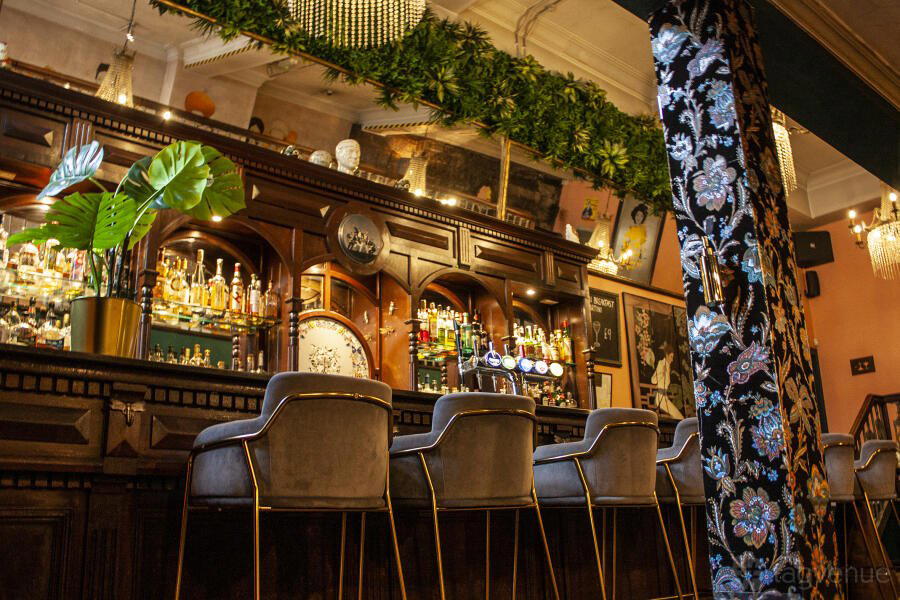
The broader context here matters. Edinburgh's fine dining scene has consolidated around a handful of hotel restaurants that carry enough weight to draw non-resident diners, and Dean Banks at The Pompadour operates within that tier. The menu at The Lounge incorporates locally sourced Scottish ingredients alongside a six-course surprise tasting menu, which places it in the growing category of Scottish fine dining that foregrounds provenance and regional produce without necessarily requiring full tasting-menu commitment from every guest. The Caley Bar adds a cocktail program built around signature serves, extending the hotel's evening offer beyond the restaurant formats.
What defines this kind of multi-format hotel dining is the coordination required across different service teams operating simultaneously under one roof. The front-of-house culture at The Caledonian has historically been shaped by the building's role as a setting for significant events, from corporate gatherings to formal banquets and weddings, which demands a service register capable of shifting between high-volume ceremonial and quieter residential hospitality. That institutional depth is a characteristic of grand railway hotels that newer boutique properties in cities like Edinburgh, such as Gleneagles Townhouse or Kimpton Charlotte Square Hotel, are structurally unable to replicate.
The Heritage Hotel Category in Edinburgh's Premium Tier
La Liste placed The Caledonian Edinburgh at 92 points in its 2026 rankings, and the property holds two category awards: Continental Winner for Luxury Heritage Hotel, and Regional Winner for Luxury Wedding Hotel. These two designations together say something precise about how the property positions itself. Heritage hotel recognition signals architectural and historical depth; wedding venue recognition signals event capability and a certain kind of formal grandeur. Both reflect the building's original purpose as a statement structure built to impress arriving rail passengers and, by extension, the city.
Across the United Kingdom, the grand railway hotel as a category carries its own logic. Properties like Claridge's in London operate within a similar tradition of institutional hospitality built around a specific historical moment in British civic life. The Caledonian's rose-tinted sandstone and Victorian stone arches are the Edinburgh expression of that impulse: a building that served a function and became, through longevity and occasion, something larger than that function. The property has hosted generations of notable visitors since 1903, and that documented continuity is itself a credential in a city that places high value on historical permanence.
For guests choosing between Edinburgh's premium hotel tier, the comparison often runs between The Caledonian and addresses like Fingal Hotel, a converted Royal Mail ship moored at Leith, or Black Ivy, which operates at the design-boutique end of the market. The Caledonian sits at the opposite pole: scale, ceremony, and a century of institutional weight, rather than intimacy or contemporary design language.
The Spa and the Broader Wellness Offer
The Spa at The Caledonian operates on multiple floors within the hotel, with an indoor swimming pool that overlooks Edinburgh Castle. The facilities include a steam room, sauna, whirlpool, and a two-floor gym. In the context of city-centre hotels, that level of spa infrastructure is relatively unusual: most Edinburgh boutique properties in the 50-100 room range do not maintain pool facilities at all. The spa offering extends to curated treatments and a range of hand and foot therapies, positioning it as a full wellness facility rather than a treatment room annexed to a hotel gym.
Edinburgh's festival calendar shapes hotel usage patterns significantly. The Edinburgh International Festival and Fringe, which runs through August, creates sustained high-demand pressure across the city's entire accommodation stock. The Old Town, designated a UNESCO World Heritage Site, sits within walking distance of the West End address. Guests arriving during festival season are advised to account for city-wide occupancy spikes and refined pricing; outside that window, particularly in winter, the hotel's atmospheric setting against a quieter, often mist-covered city offers a different register entirely.
For reference points across Scotland and the wider UK, the grand country house hotel tradition runs through properties like Gleneagles in Auchterarder and more intimate options such as Burts Hotel in Melrose or Langass Lodge in Na H Eileanan An Iar. The Caledonian occupies a different position within that spectrum: urban, monumental, and tied to a specific chapter in Scottish railway and civic history that its rural counterparts cannot claim.
Planning a stay: the hotel sits at the western end of Princes Street, EH1 2AB, within direct walking distance of Edinburgh Waverley station, the Royal Mile, and the New Town's principal streets. For additional Edinburgh context and further hotel options across price tiers, see our full Edinburgh restaurants guide. Other Edinburgh addresses in the premium category include 24 Royal Terrace Hotel and Cheval Old Town Chambers.
A Credentials Check
Comparable venues nearby, for context on price, style, and recognition.
| Venue | Cuisine | Price | Awards | Notes |
|---|---|---|---|---|
| The Caledonian Edinburgh, Curio Collection by HiltonThis venue — the venue you are viewing | Historic luxury hotel with railway heritage theme. | $300–500 | La Liste Top Hotels · Virtuoso Luxury Hotel Partner | Not listed |
| The Balmoral | Victorian-era baronial landmark with contemporary luxury updates | $300–500 | 2 Michelin Keys · La Liste Top Hotels | New Town |
| InterContinental Edinburgh The George | Historic luxury hotel with restored grandeur | Not listed | Michelin Selected · Forbes Recommended | New Town |
| Radisson Collection Hotel, Royal Mile Edinburgh | Contemporary boutique hotel blending Scottish heritage with modern design, positioned as a design-led luxury destination. | $300–500 | Not listed | Old Town |
| Fingal Hotel | luxury floating superyacht with old-world elegance | $200–300 | La Liste Top Hotels | Leith |
| Old Town Chambers, Autograph Collection | Historic aparthotel blending heritage charm with contemporary luxury apartments | $300–500 | Michelin Selected · La Liste Top Hotels | Old Town |
Recognition history
Dated appearances from independent guides and award organizations, with the underlying list record or original source where available.
La Liste Top Hotels
La Liste
Virtuoso Luxury Hotel Partner
Virtuoso
World Luxury Hotel Awards WLHA Regional Winner
World Luxury Hotel Awards
Full recognition history (4 entries)
World Luxury Hotel Awards WLHA Continent Winner
World Luxury Hotel Awards
Details
- Elegant
- Classic
- Sophisticated
- Ornate
- Romantic Getaway
- Business Trip
- Anniversary
- Historic Building
- Panoramic View
- Wi Fi
- Pool
- Spa
- Fitness Center
- Room Service
- Concierge
- Business Center
- Valet Parking
- Skyline
- Wheelchair Accessible
- Elevator
- Step Free Entrance
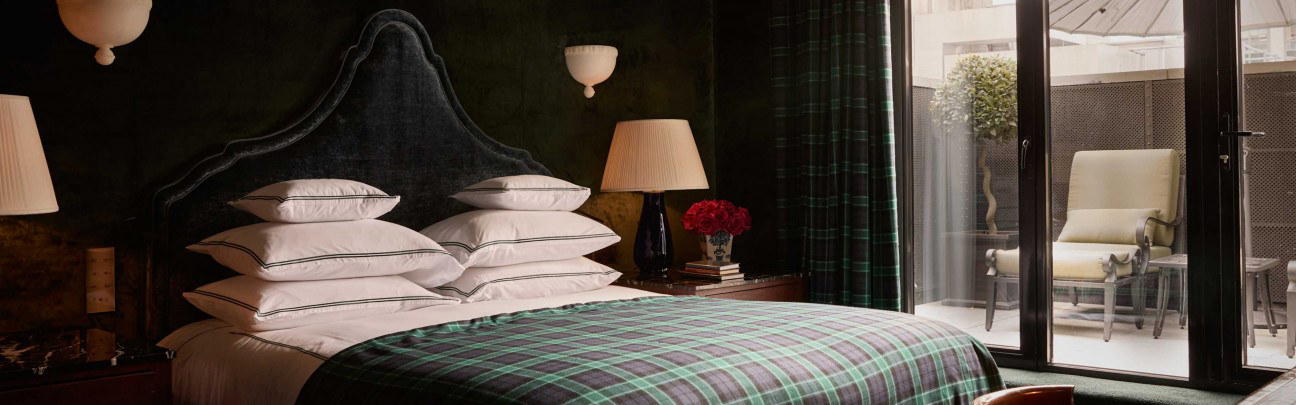
Grand and elegant atmosphere with luxurious spa lighting and serene relaxation areas.