InchDairnie Distillery

InchDairnie Distillery operates from Glenrothes in the Kingdom of Fife, a region more associated with industrial heritage than single malt tradition, which makes its 2025 Pearl 3 Star Prestige award a signal worth paying attention to. The distillery represents a strand of Scottish whisky production that prioritises technical precision and regional grain character over established name recognition. Visitors arrive at a working distillery, not a heritage attraction.
 Discover on Pearl
Pearl is the En Primeur Club membership app — saves, bookings, and concierge access live there. Same editors, same standards.
- Address
- Whitecraigs Rd, Glenrothes KY6 2RX, UK
- Phone
- +44 1592 210010
- Website
- inchdairniedistillery.com
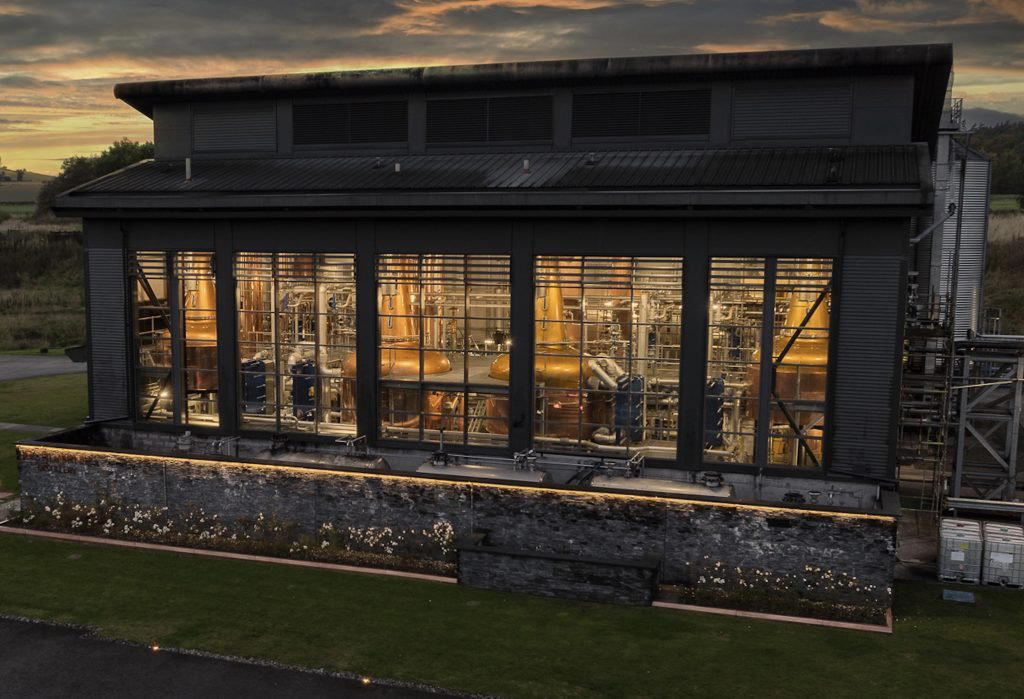
Fife's Unlikely Whisky Address
Scotland's whisky geography is rarely discussed in terms of Fife. The Kingdom sits between Edinburgh and Dundee, historically shaped by coal, linoleum, and golf rather than the distilling traditions that define Speyside or Islay. That context matters when considering InchDairnie Distillery, located on Whitecraigs Road in Glenrothes, a planned post-war town that carries none of the romantic Highland associations attached to most Scottish distilleries. The setting is deliberately functional, and that functionality is the editorial point. A new generation of Scottish distilleries, InchDairnie among them, is building credibility through technical rigour rather than landscape mythology.
Within this broader shift, the distillery's 2025 Pearl 3 Star Prestige award positions it in a tier of producers whose output is being evaluated on merit against established names with decades of aged stock behind them.
The Terroir Argument in Scottish Whisky
The concept of terroir, used freely in wine, debated seriously in whisky, has gained ground as newer distilleries distinguish themselves from blended commodity production. In Fife specifically, the agricultural character of the region provides a legitimate foundation for that argument. Fife is one of Scotland's most productive barley-growing counties, with soils and maritime climate conditions that influence grain character in ways that distillers in more northerly or peat-heavy regions cannot replicate. The proximity between field and still, when taken seriously, produces a whisky that carries the grain's regional signature rather than masking it under heavy peat smoke or extended warehouse contact.
InchDairnie's location in Glenrothes places it within reach of that agricultural supply chain in a way that Speyside giants or Highland distilleries further north cannot easily claim. This is the foundation on which a terroir argument rests: not dramatic scenery or coastal salt air, but the more specific and less romanticised relationship between local grain and local production. Compare this approach with distilleries in more resource-rich or remote settings, Balblair Distillery in Edderton and Clynelish Distillery in Brora both lean into northern Highland provenance, while Ardnahoe in Port Askaig draws on Islay's peat and coastal identity, and InchDairnie's Fife grain focus reads as a conscious counter-positioning.
Technical Production in a Competitive Category
Scottish single malt production has stratified sharply over the past decade. At one end sit heritage houses with deep aged reserves and global brand recognition: Aberlour and Cardhu in Knockando operate in that established tier. At the other end, newer distilleries compete on process transparency, grain provenance, and technical differentiation, a model more familiar in craft wine production than in traditional Scotch. Dornoch Distillery and Dunphail Distillery occupy a similar space, each building a case through process specificity rather than age statements or famous water sources.
InchDairnie fits the latter model. The distillery is equipped with a Fractionating Mash Filter, a rye-capable piece of kit not common in Scottish distilling, which signals an ambition to work with grain varieties beyond malted barley. Rye whisky production in Scotland remains a niche within a niche, but the category is growing as consumers accustomed to American and Canadian rye styles look for Scottish takes on the grain. This technical investment sets InchDairnie apart from distilleries that operate on conventional mash tun and pot still configurations. For reference, Auchentoshan Distillery in Clydebank is Scotland's best-known triple-distillation house, a different kind of technical signature, while Glen Garioch Distillery in Oldmeldrum and Deanston each represent distinct process philosophies in the Scottish independent space.
Regional Positioning and Peer Context
Lowland whisky as a category has historically been undervalued relative to Highland and Islay expressions. Geography alone has worked against it: the Lowlands lack the dramatic coastal or mountain associations that translate into premium retail positioning. But that undervaluation is beginning to correct. Bladnoch Distillery in Bladnoch, the most southerly Scottish distillery, and Glen Scotia in Campbeltown both represent regional identities that punched below their weight for years before critical re-evaluation. InchDairnie, technically classified as a Lowland distillery given its Fife location, is part of the same reappraisal.
The Pearl 3 Star Prestige recognition in 2025 is the clearest external signal that the output is being taken seriously at a category level. Awards in the spirits space vary in rigour, but a three-star prestige rating in the Pearl system places InchDairnie in a tier that includes distilleries with considerably longer trading histories. That is the competitive fact worth noting: the award was not given to a heritage house drawing on decades of matured stock, but to a producer still in the relatively early stages of building aged inventory.
Visiting InchDairnie: What to Expect on the Ground
Glenrothes is a post-war new town with direct road access from Edinburgh (roughly 45 minutes via the M90 and A92) and from St Andrews (under 30 minutes west). The distillery address at Whitecraigs Road is an industrial estate context, not a visitor-centre destination in the manner of larger tourist-facing operations. That matters for expectation-setting: the experience here is closer to a working production visit than to a curated heritage tour.
Visitors travelling from further afield may find it efficient to combine InchDairnie with other Fife or central Scotland producers; the distillery sits within a reasonable drive of several other independently minded operations across the Lowland and Highland border zones.
For those drawing comparisons beyond Scotland's borders, the technical ambition and grain-forward approach at InchDairnie has more in common with producer philosophies in other agricultural regions than it does with mass-market Scotch. The parallel is less obvious but instructive: Accendo Cellars in St. Helena and Achaia Clauss in Patras each represent a version of regional provenance prioritised over category convention, different products, same underlying logic.
The Editorial Assessment
InchDairnie is worth attention precisely because it is easy to overlook. It operates without the brand equity of Speyside's established names, without the maritime mystique of Islay, and without the tourist infrastructure that funnels visitors to more accessible destinations. What it has is technical seriousness, a 2025 Pearl 3 Star Prestige award, and a regional grain argument that is coherent and grounded. In a category where provenance claims are often decorative, that coherence is the differentiator. The distillery represents the part of Scottish whisky's future that is being built on process and place rather than heritage and packaging.
Fast Comparison
Comparable venues nearby, for context on price, style, and recognition.
| Venue | Cuisine | Price | Notes |
|---|---|---|---|
| InchDairnie DistilleryThis venue — the venue you are viewing | Fife | $$ | |
| Whipper Snapper Distillery | Winery | , | Perth |
| La Crema Estate at Saralee’s Vineyard | Winery | , | Windsor |
| Strathisla | Speyside | $$ | Keith |
| Aberlour | Speyside | $$ | Aberlour |
| The Glenturret | Highland | $$$ | The Hosh |
Continue exploring
More in Glenrothes
Wineries in Glenrothes
Browse all →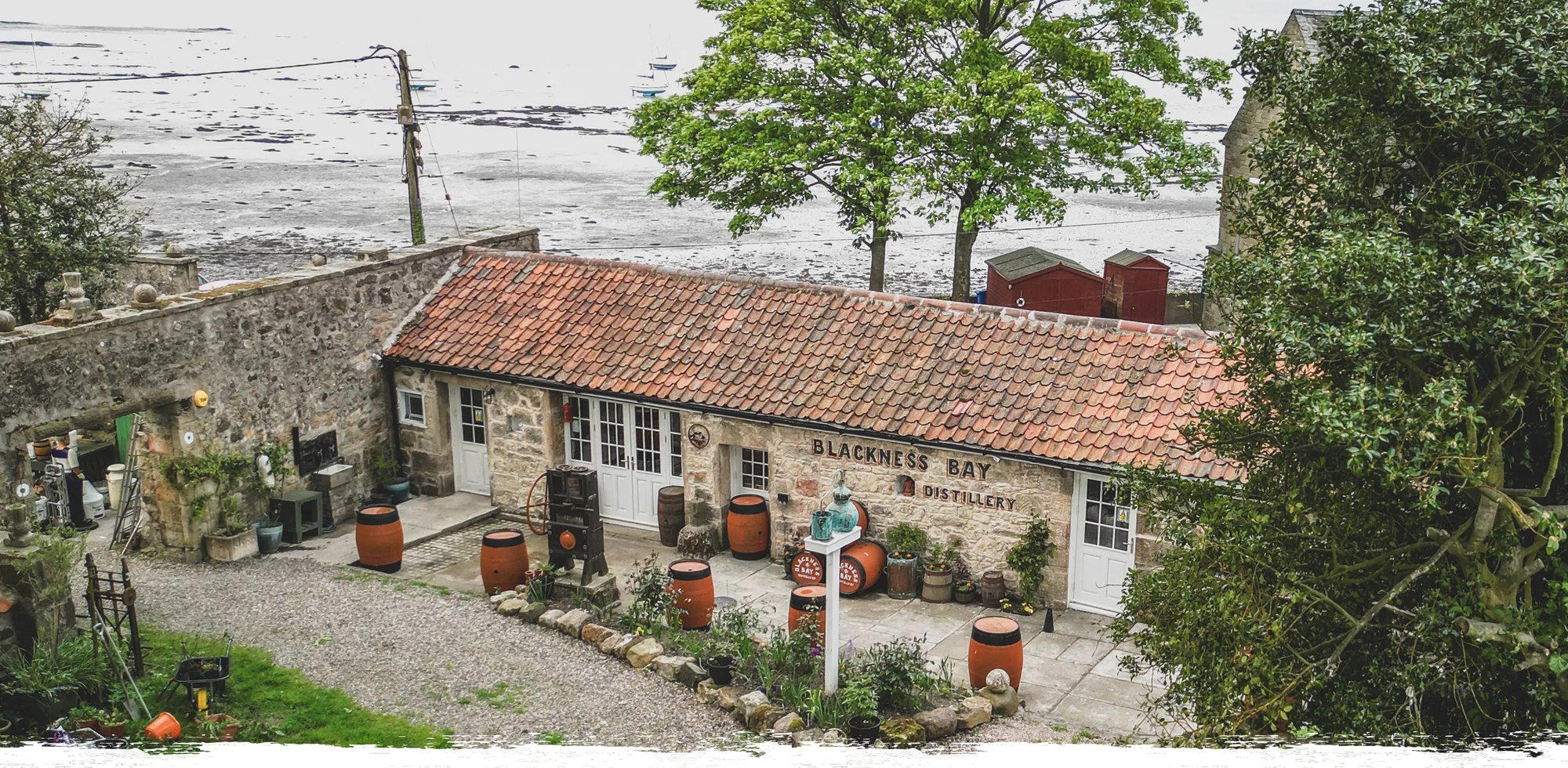
Bars in Glenrothes
Browse all →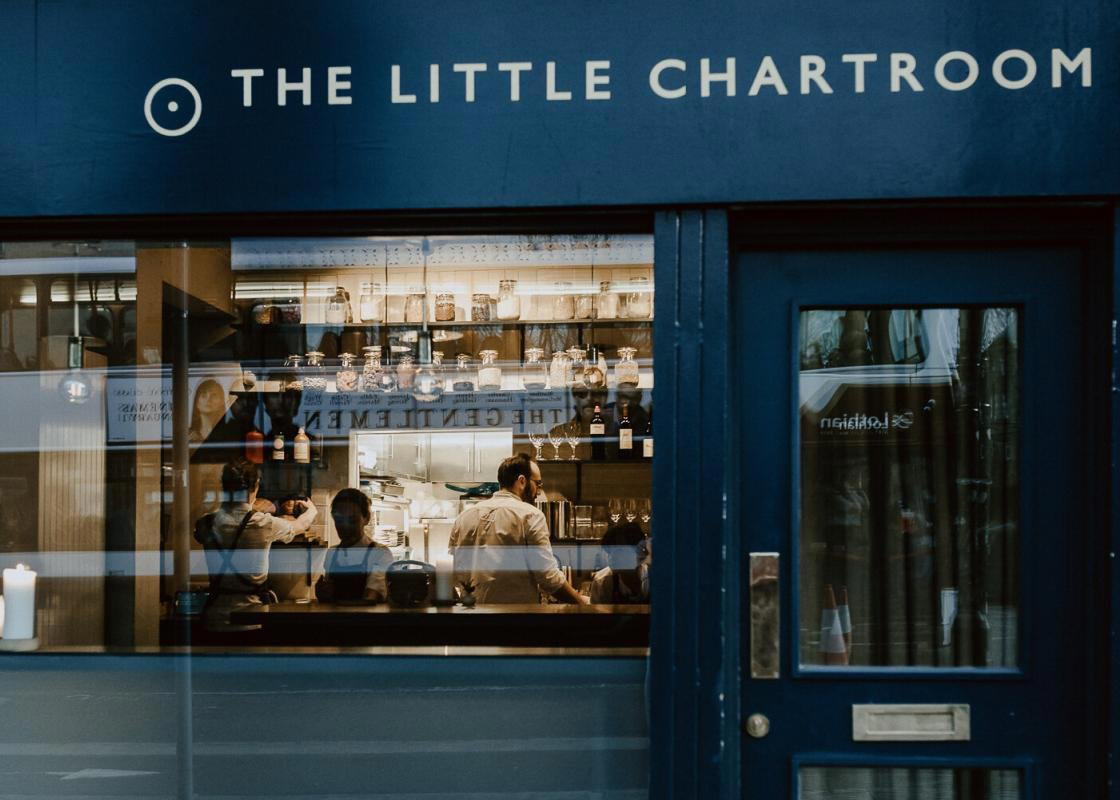
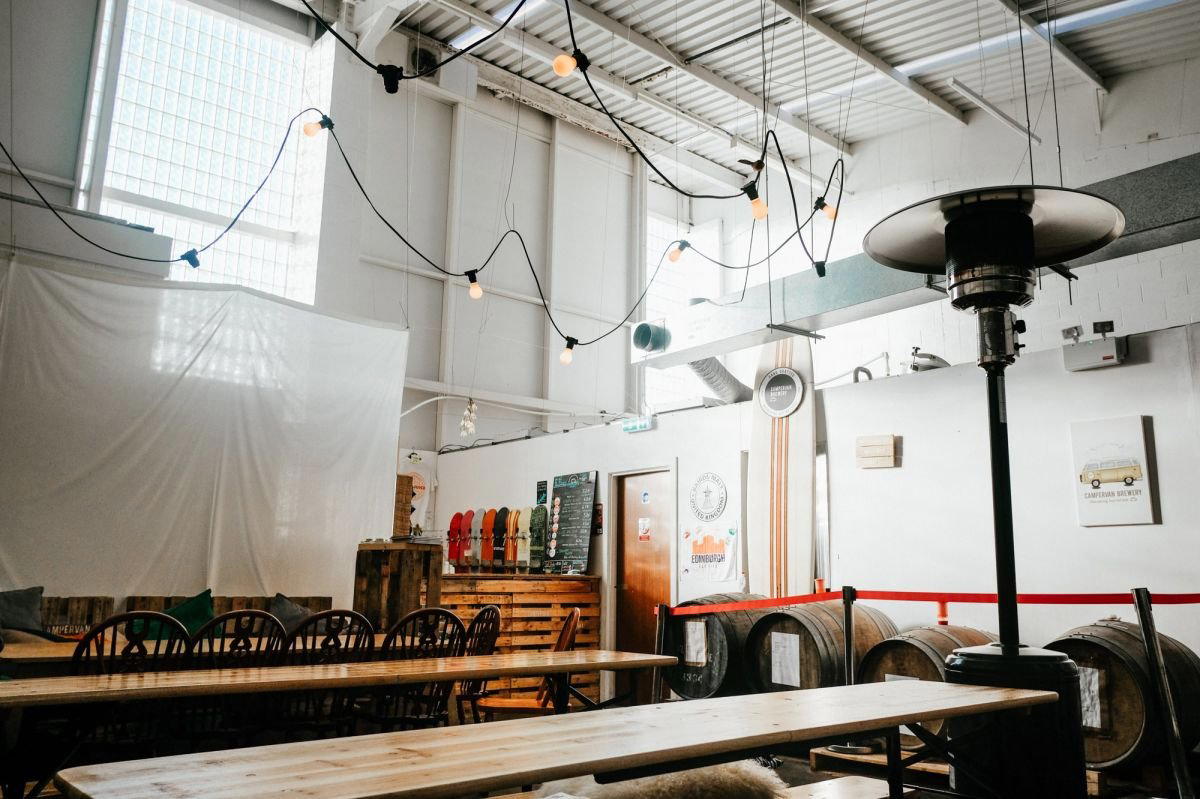
Restaurants in Glenrothes
Browse all →


At a Glance
- Industrial
- Modern
- Rustic
- Wine Education
- Historic Building
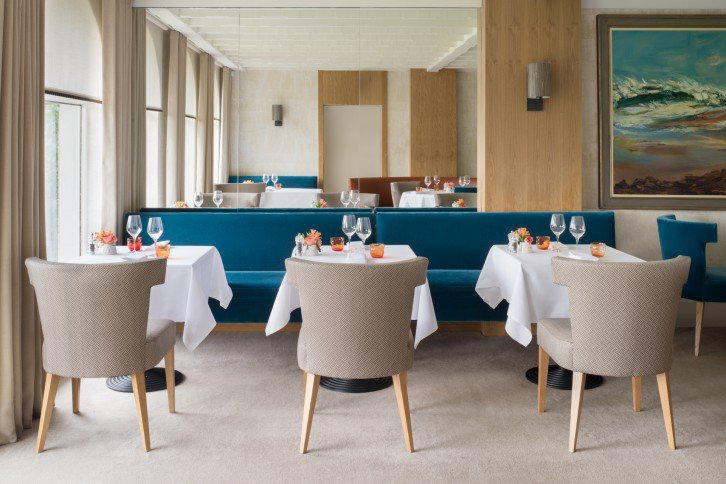
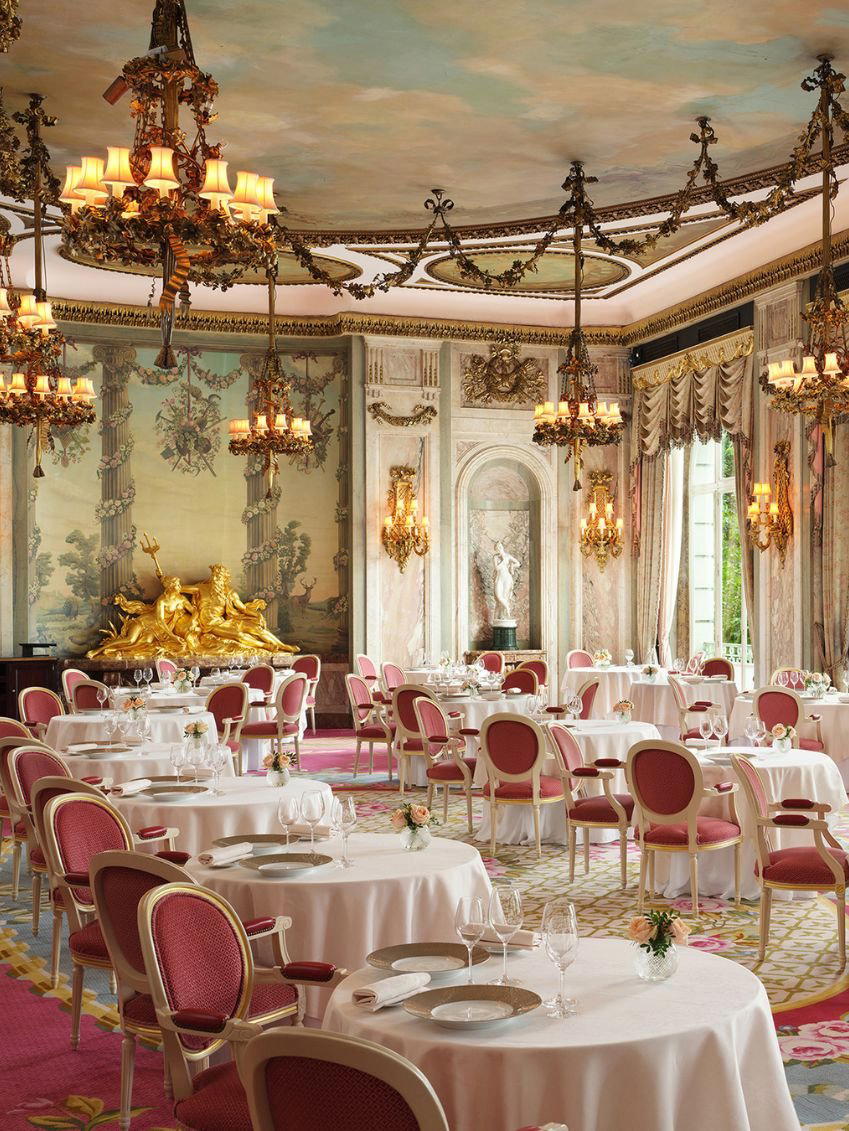
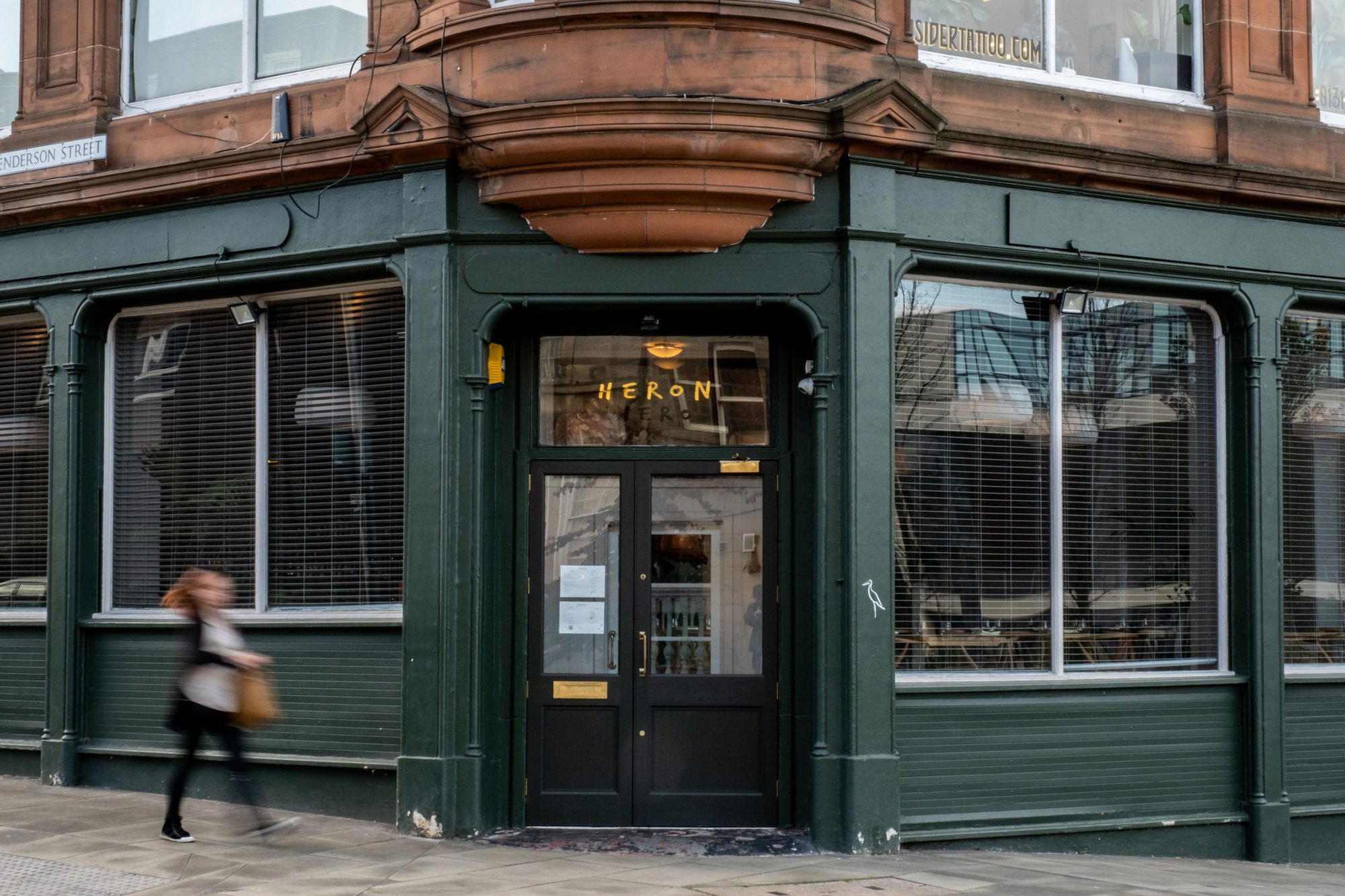
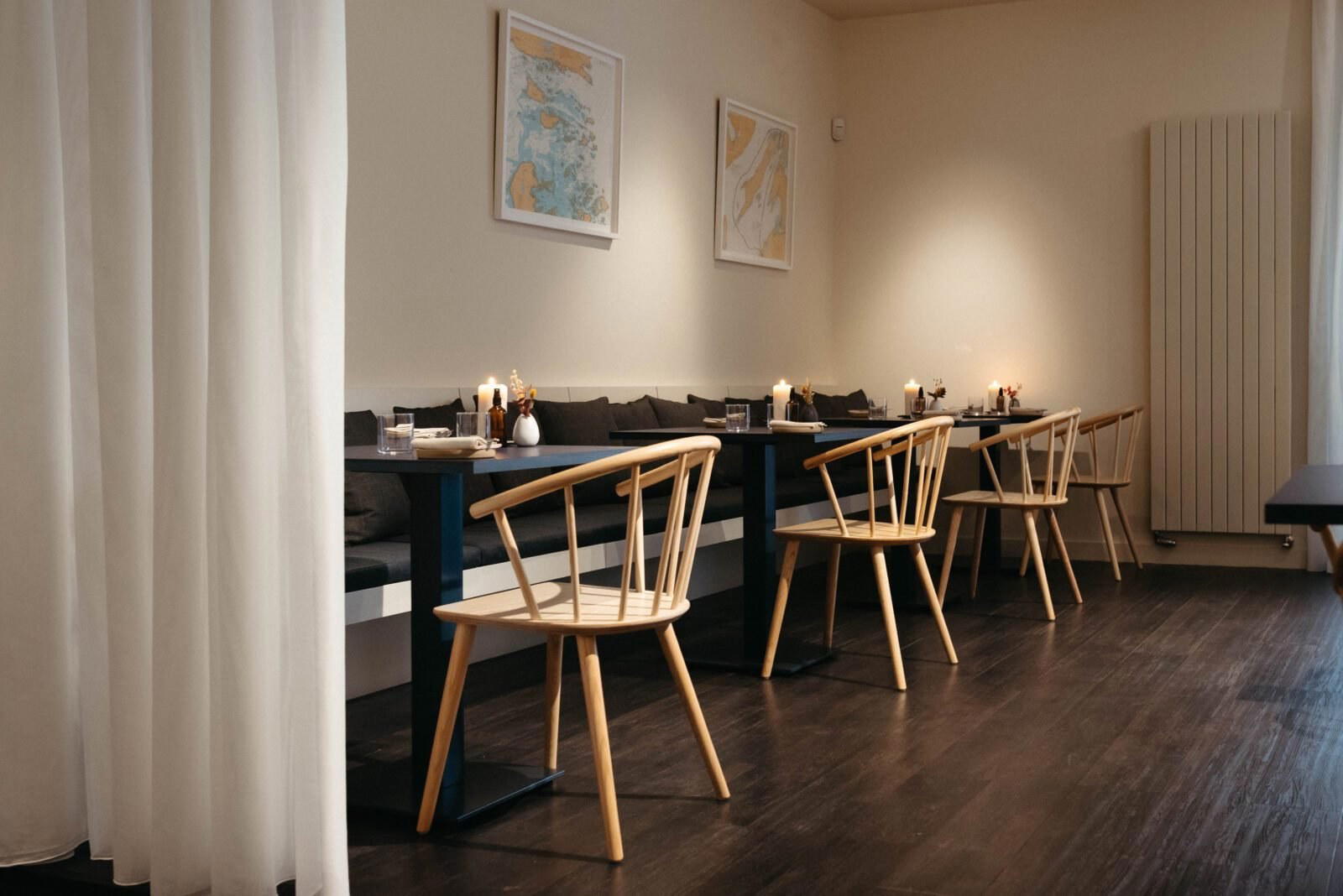
Technologically advanced industrial setting with a focus on precision and flavor extraction, blending historic mill site elements with modern engineering.