Hope Street Hotel

Michelin Selected
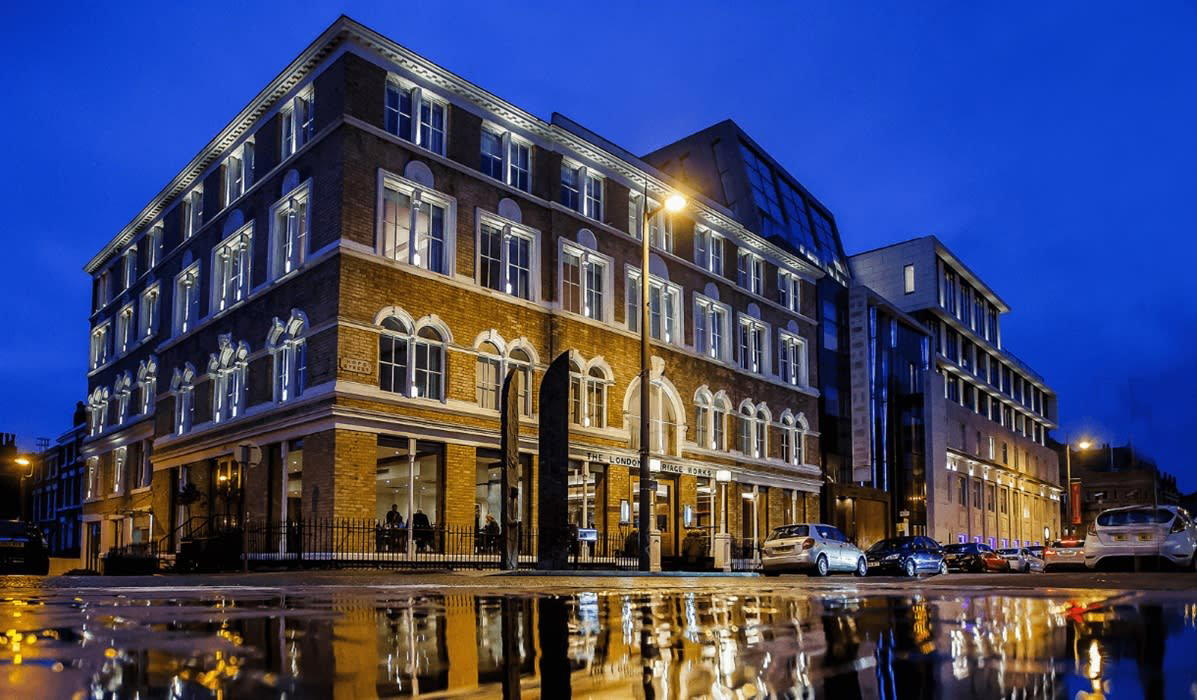
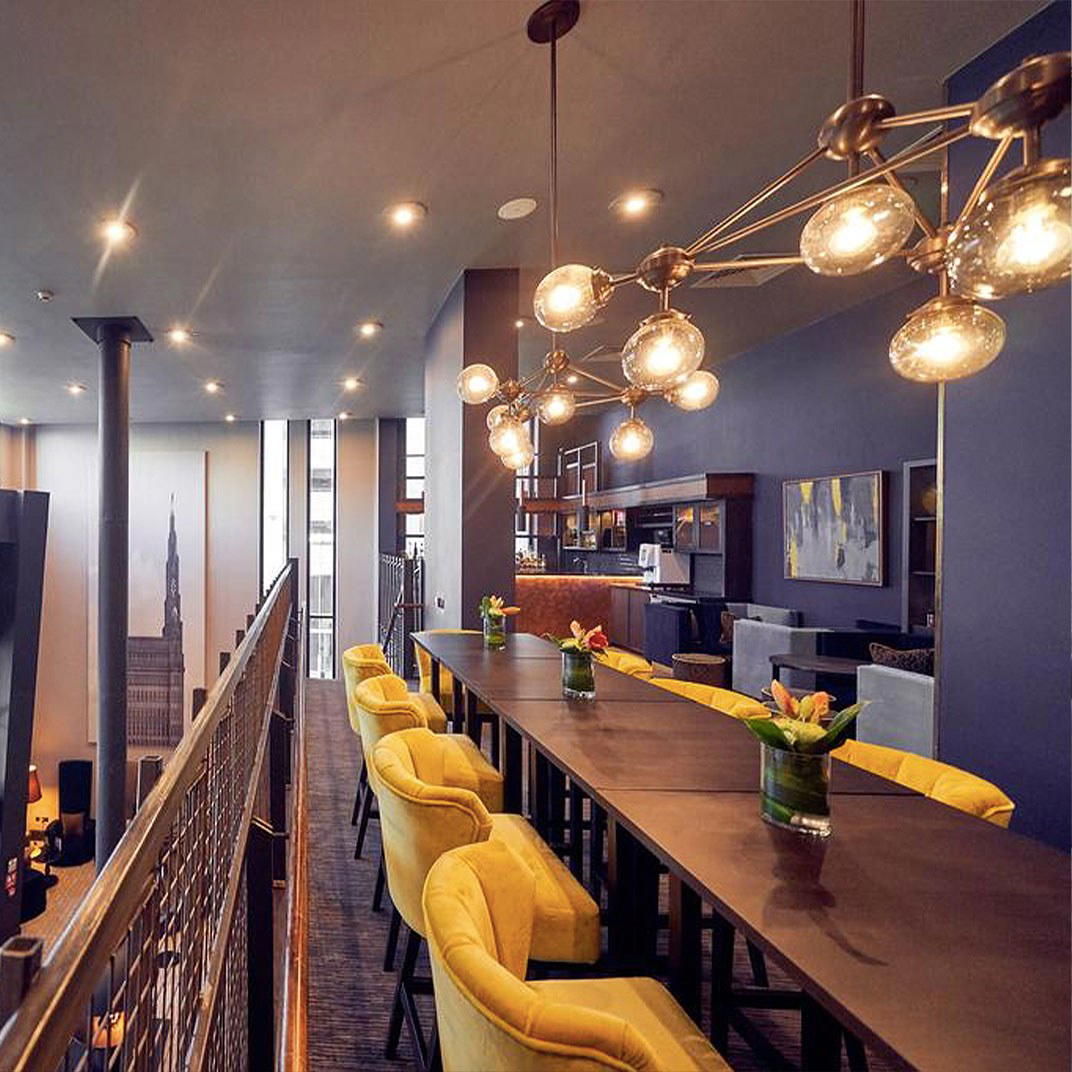
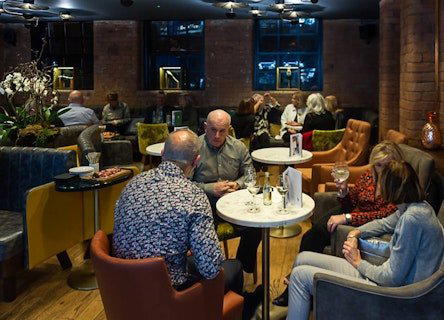
Hope Street Hotel occupies a converted Victorian carriage works on Liverpool's cultural axis, connecting the two cathedrals. The building's industrial bones, exposed brickwork, warehouse volumes, original cast iron, sit alongside considered contemporary detailing, making it one of the city's clearest examples of adaptive reuse hospitality. For visitors whose itinerary centres on the Ropewalks district and Liverpool's architectural heritage, it is a coherent base.

Pearl is the En Primeur Club membership app, where members save venues, book tables and use the concierge.
Between Two Cathedrals: The Architecture of Hope Street
Hope Street runs for roughly half a mile between Liverpool's Anglican and Catholic cathedrals, making it one of the most architecturally charged streets in any British city outside London. The strip concentrates the Philharmonic Hall, the Everyman Theatre, and a cluster of independent restaurants within walking distance of each other, a density of cultural infrastructure that most UK cities four times Liverpool's size cannot match. Hotels that position themselves on or near this corridor are making a deliberate statement about their guest profile, and Hope Street Hotel, at number 40, sits at the centre of that statement.
The building itself was formerly a carriage works, a piece of Victorian industrial Liverpool that survived the twentieth century largely intact in its structural form. Adaptive reuse of this kind has become one of the defining moves in British boutique hospitality over the past two decades, and Liverpool has several examples across its Georgian and mercantile quarters. What separates the more considered conversions from the superficial ones is the degree to which the original fabric is allowed to dictate the spatial experience rather than simply being painted around. At Hope Street Hotel, the exposed brickwork and warehouse volumes are load-bearing in both the structural and the atmospheric sense. The building reads as a building, not a stage set.
Design as Credential
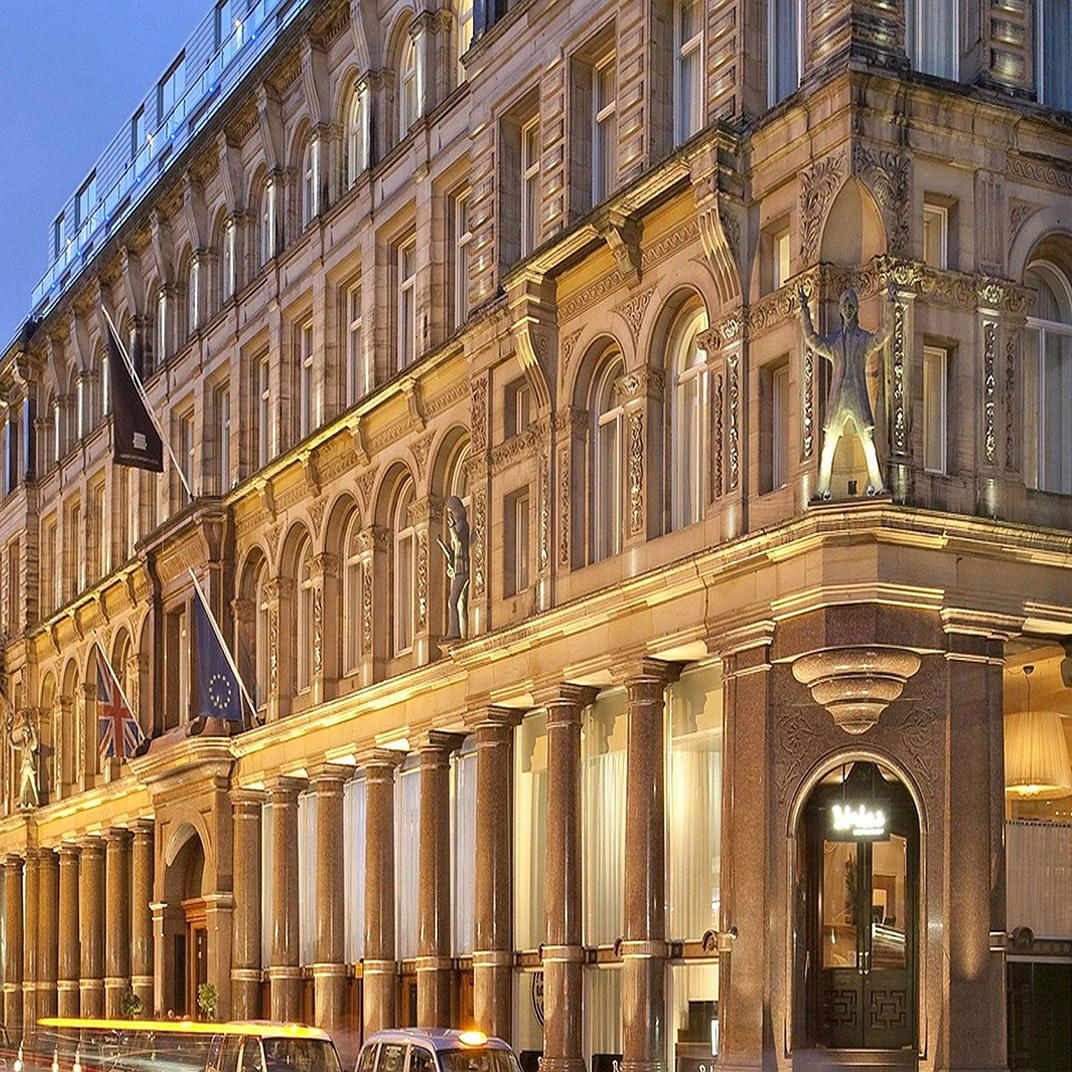
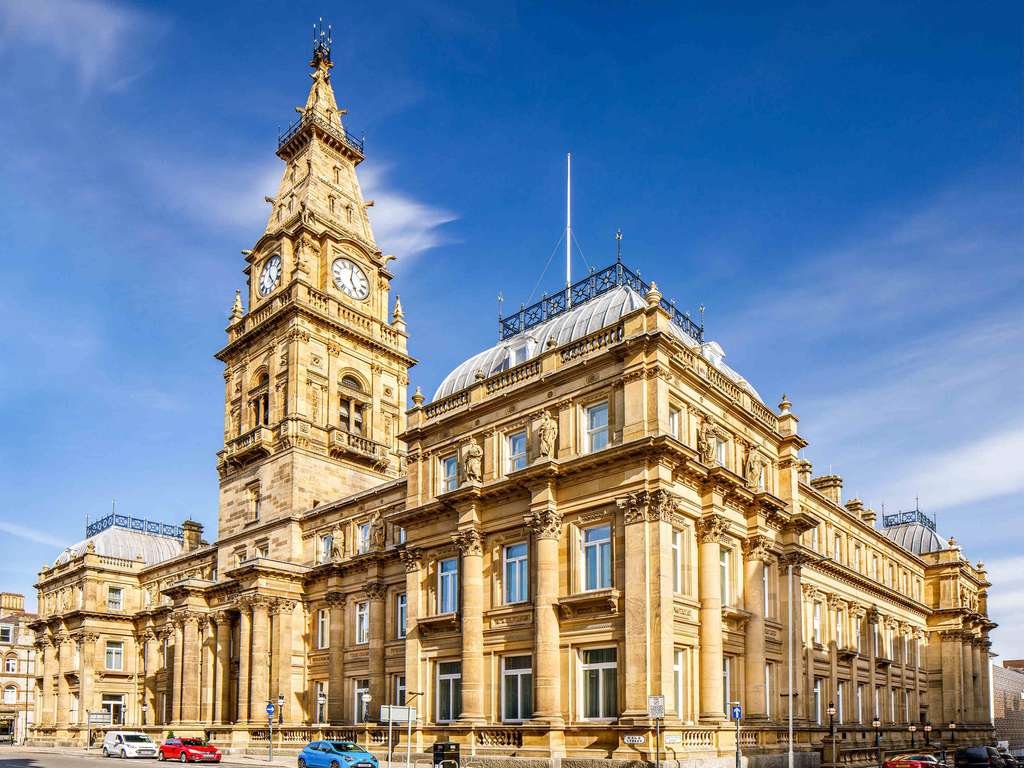
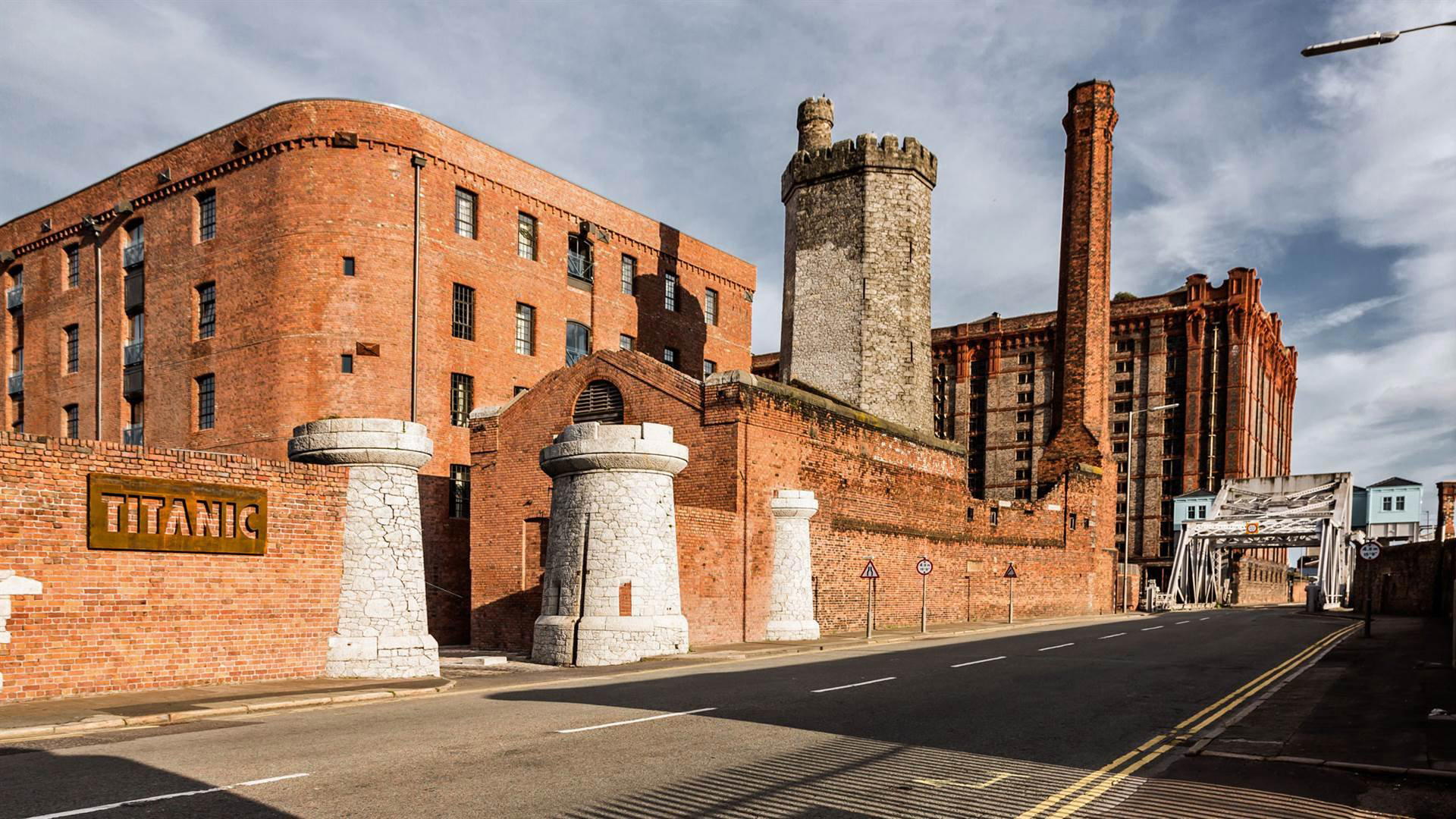
In the independent hotel tier, properties that sit outside the large international chains and operate without the marketing infrastructure those flags provide, architectural identity functions as a primary trust signal. Guests who book The Municipal Hotel & Spa – MGallery Liverpool or Titanic Hotel Liverpool – Stanley Dock are, in each case, purchasing a relationship with a specific piece of Liverpool's physical history. Titanic's Stanley Dock conversion operates at warehouse scale; the Municipal Hotel leans into its civic Beaux-Arts origins. Hope Street Hotel's carriage works provenance places it in a third category: smaller, more intimate, and located in a neighbourhood that rewards pedestrian exploration rather than cab journeys.
The design language that typically accompanies this type of conversion in contemporary British hospitality favours restraint. Industrial heritage buildings tend to be over-decorated by operators who feel the raw materials need softening. The more successful approach, visible in comparable properties across the UK, from Avon Gorge by Hotel du Vin in Bristol to Malmaison Edinburgh in Edinburgh, is to let the spatial proportions and material texture carry most of the weight, and to add contemporary detailing selectively rather than comprehensively. The result is a room that feels rooted in place rather than interchangeable with any other design hotel in any other city.
Location Intelligence: The Hope Street Quarter
The Ropewalks and Hope Street quarter has consolidated as Liverpool's primary destination for visitors whose interest extends beyond the waterfront. The Albert Dock and Pier Head receive the highest footfall, but the cultural infrastructure of Hope Street, the Philharmonic Dining Rooms, the Everyman, the cluster of independent food and wine operations, attracts a different visitor: one who is likely to stay multiple nights, to eat at the table rather than on the move, and to value walkability above all else. A hotel at this address is, for that guest profile, a significantly more efficient base than anything positioned near Lime Street station or the city's commercial core.
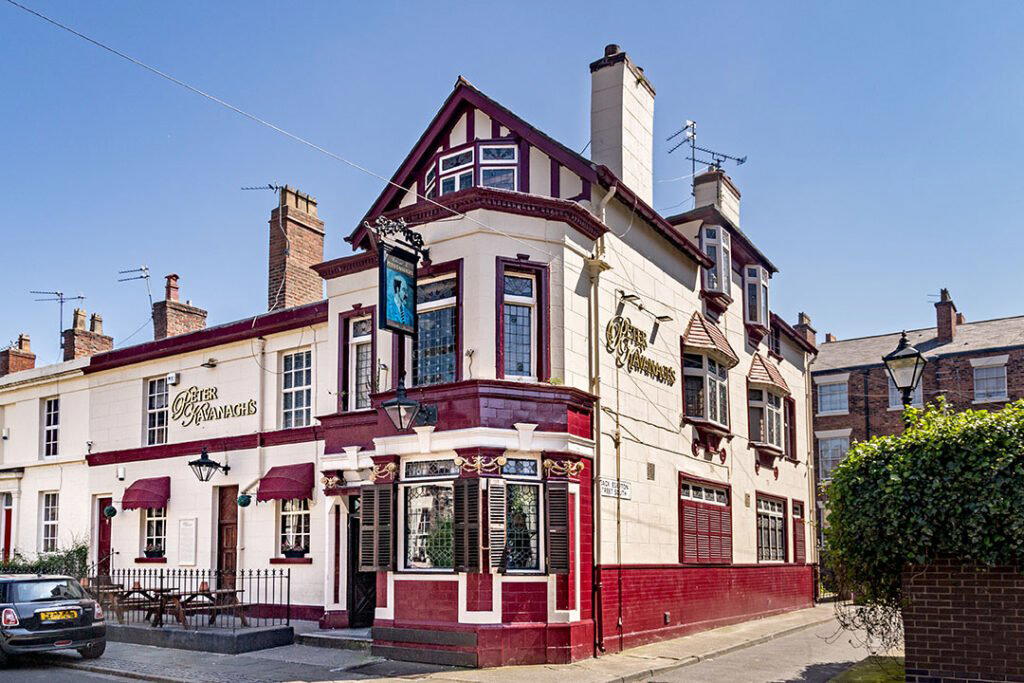
For context on what else Liverpool's hospitality scene offers across different price points and neighbourhood positions, the EP Club's full Liverpool restaurants guide maps the city's dining geography in useful detail. 19 Duke Street represents another independent option within the broader city centre, operating at a different scale and with a different design logic.
Britain's independent hotel sector has stratified considerably over the past decade. At one end, properties like Gleneagles in Auchterarder, Lime Wood in Lyndhurst, Estelle Manor in North Leigh, and The Newt in Somerset in Castle Cary have established a new ceiling for destination-led rural luxury, competing on estate, F&B programme, and experience depth. At the other end, urban independents compete on neighbourhood positioning, architectural identity, and proximity to a city's cultural programme. Hope Street Hotel belongs firmly in the urban independent category, where its address does much of the strategic work.
Comparable urban independents operating in a similar register include King Street Townhouse Hotel in Manchester and Drakes Hotel in Brighton and Hove, both of which use heritage buildings in culturally active city neighbourhoods to compete against chain hotels with significantly larger marketing budgets.
For travellers whose interests run to more remote settings, the Scottish independent hotel circuit, Burts Hotel in Melrose, Langass Lodge in Na H Eileanan An Iar, Glen Mhor Hotel & Apartments in Highland, Dun Aluinn in Aberfeldy, operates on entirely different terrain but with a related commitment to location-specific hospitality. And at the transatlantic end of the spectrum, The Fifth Avenue Hotel in New York City, Aman New York in New York City, and Aman Venice in Venice show how the adaptive reuse model scales into a different price bracket entirely, Muir, A Luxury Collection Hotel, Halifax in Halifax offers a useful North American mid-point for comparison.
Planning a Stay
Hope Street Hotel's address at 40 Hope St, Liverpool L1 9DA puts guests within walking distance of the city's main cultural venues, the Philharmonic Hall is a few minutes on foot, the Everyman Theatre is close, and the Anglican Cathedral's grounds are accessible without leaving the immediate neighbourhood. Liverpool Lime Street station, which connects to London Euston in around two hours on direct services, is roughly fifteen minutes' walk. Liverpool John Lennon Airport handles domestic and European routes; transfers to the Hope Street area take around twenty to thirty minutes depending on traffic. For travellers arriving from coastal corners of the UK, Lifeboat Inn, St Ives in St Ives and Hell Bay Hotel in Bryher indicate how far the independent hotel model extends geographically, but for a city stay with a northern English cultural programme, Liverpool and this postcode are a coherent choice.
Fast Comparison
| Venue | Price | Awards |
|---|---|---|
| Hope Street HotelThis venue (the venue you are viewing) | $100–200 | Michelin Selected |
| The Municipal Hotel & Spa – MGallery Liverpool | Not listed | World Luxury Hotel Awards WLHA Continent Winner |
| 19 Duke Street | $100–200 | Not listed |
| Titanic Hotel Liverpool – Stanley Dock | $200–300 | Michelin Selected |
Recognition history
Dated appearances from independent guides and award organizations, with the underlying list record or original source where available.
Michelin Selected
Michelin
Continue exploring
More in Liverpool
Hotels in Liverpool
All hotels in Liverpool →
Details
- Modern
- Elegant
- Sophisticated
- Cozy
- Romantic Getaway
- Business Trip
- Weekend Escape
- Historic Building
- Rooftop Pool
- Terrace
- Wi Fi
- Pool
- Spa
- Fitness Center
- Room Service
- Concierge
- Restaurant
- Skyline
- Street Scene
- Step Free Entrance
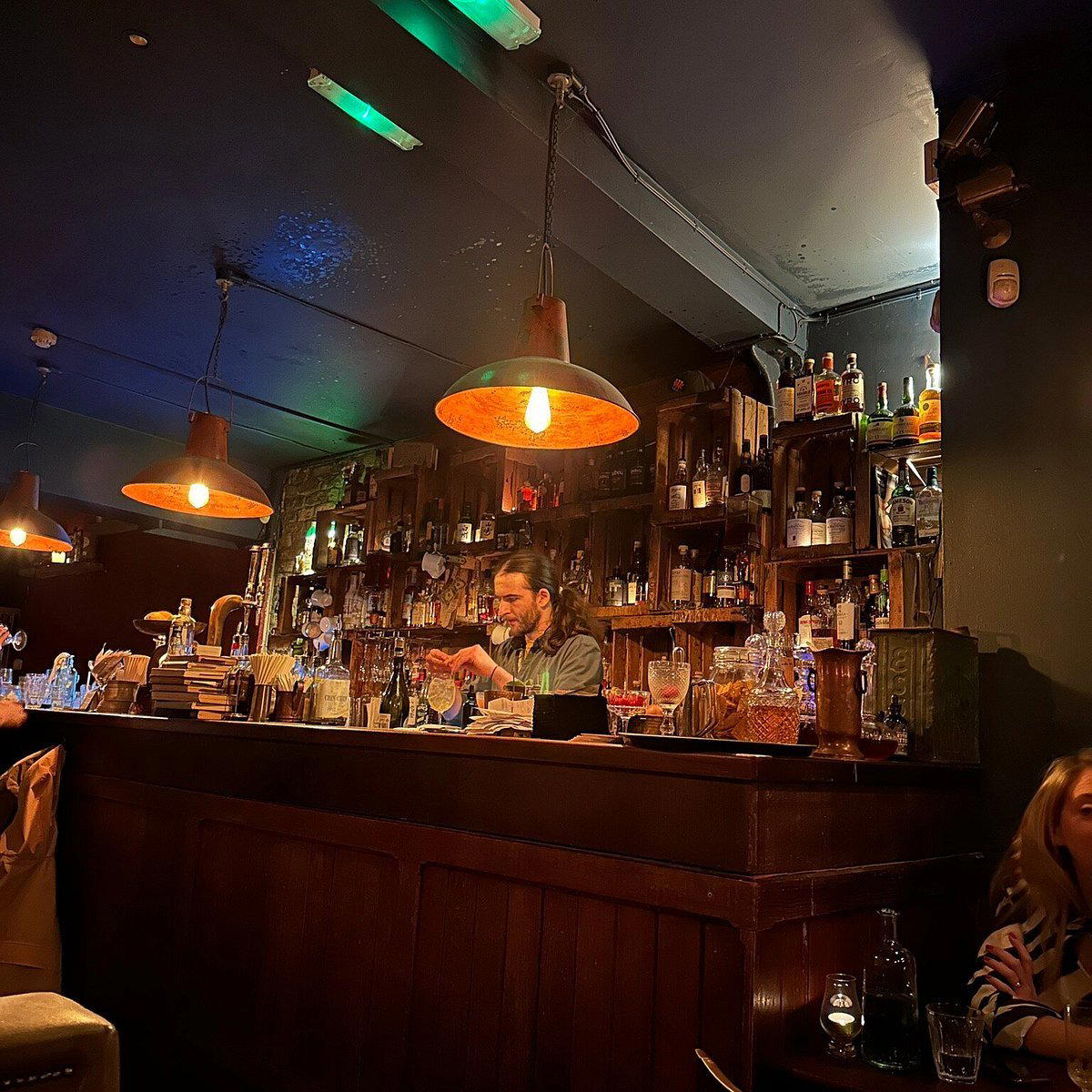
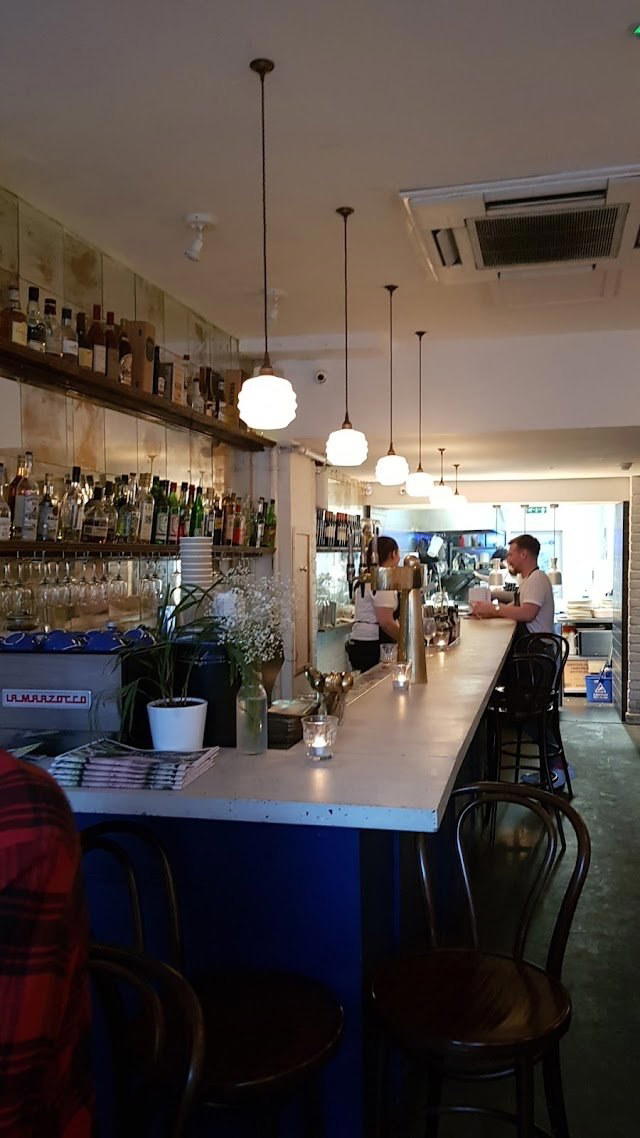
Bright and stylish with natural light, warm woods, exposed brick, and a busy yet refined atmosphere.