Nira Caledonia


Two Georgian townhouses on Gloucester Place give Nira Caledonia a foothold in Edinburgh's New Town that larger hotels on Princes Street cannot replicate. The property pairs period architecture with relaxed, modern interiors, sitting in a niche between boutique independents and the city's grand five-star flagships. It reads as a residential address rather than a conventional hotel, which is precisely the point.
Pearl is the En Primeur Club membership app — saves, bookings, and concierge access live there. Same editors, same standards.
- Address
- 6 and 10 Gloucester Pl, Edinburgh EH3 6EF
- Phone
- +44 131 225 2720
- Website
- niracaledonia.com
- Directions
- Get directions
 Saves & bookings on Pearl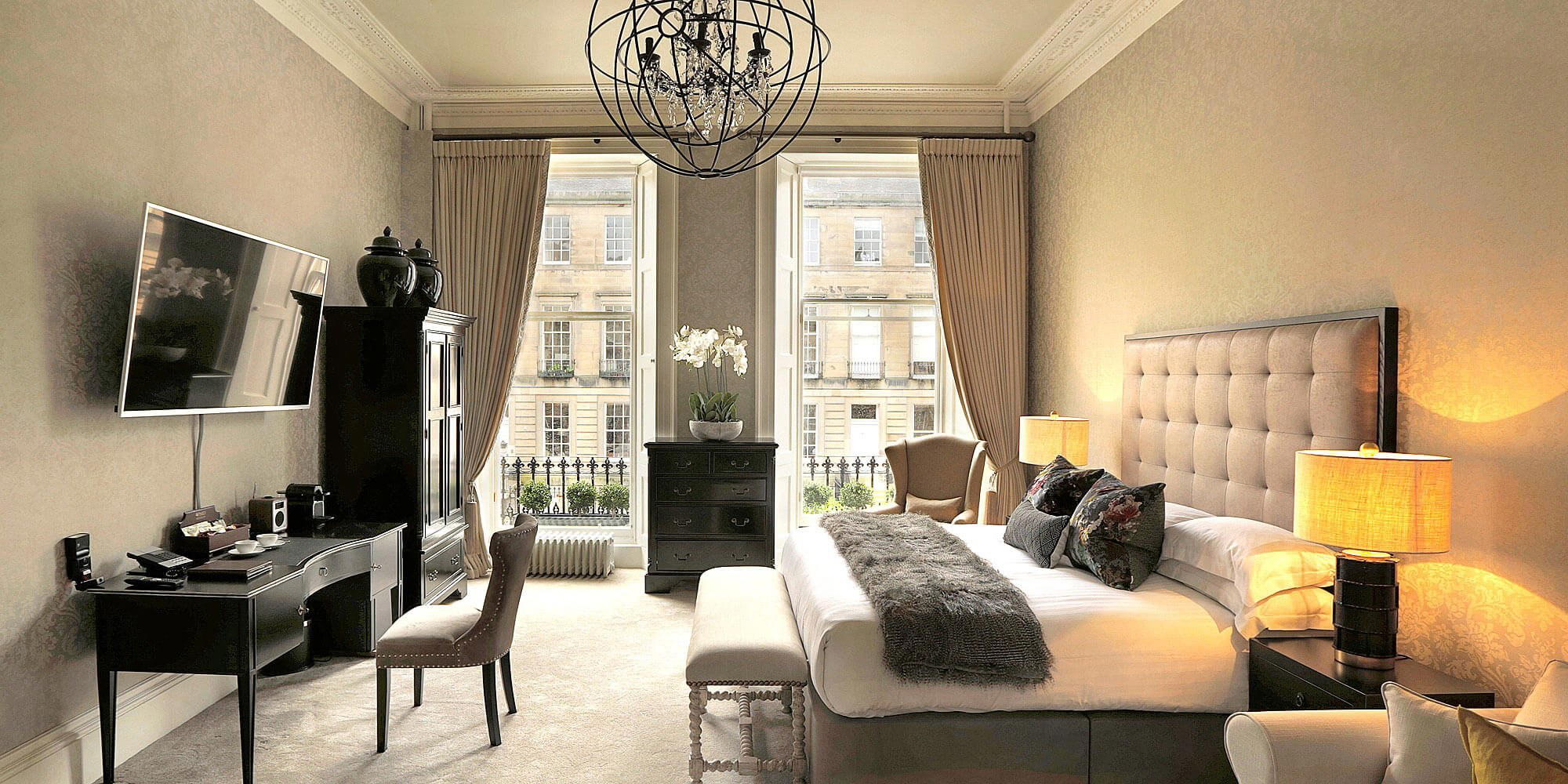
Georgian Stone, Modern Sensibility: Where Edinburgh's New Town Sets the Tone
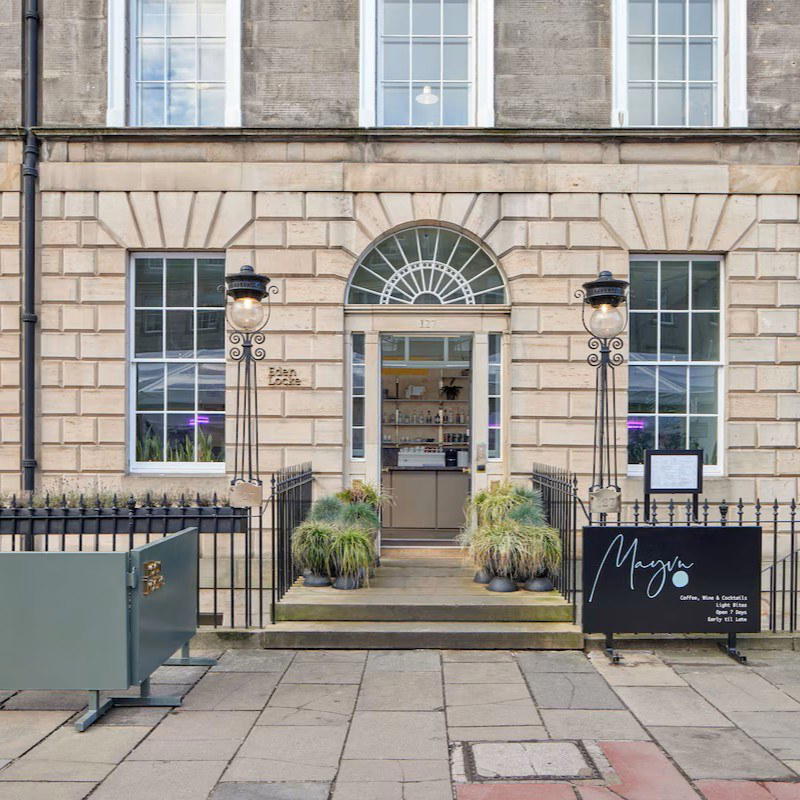
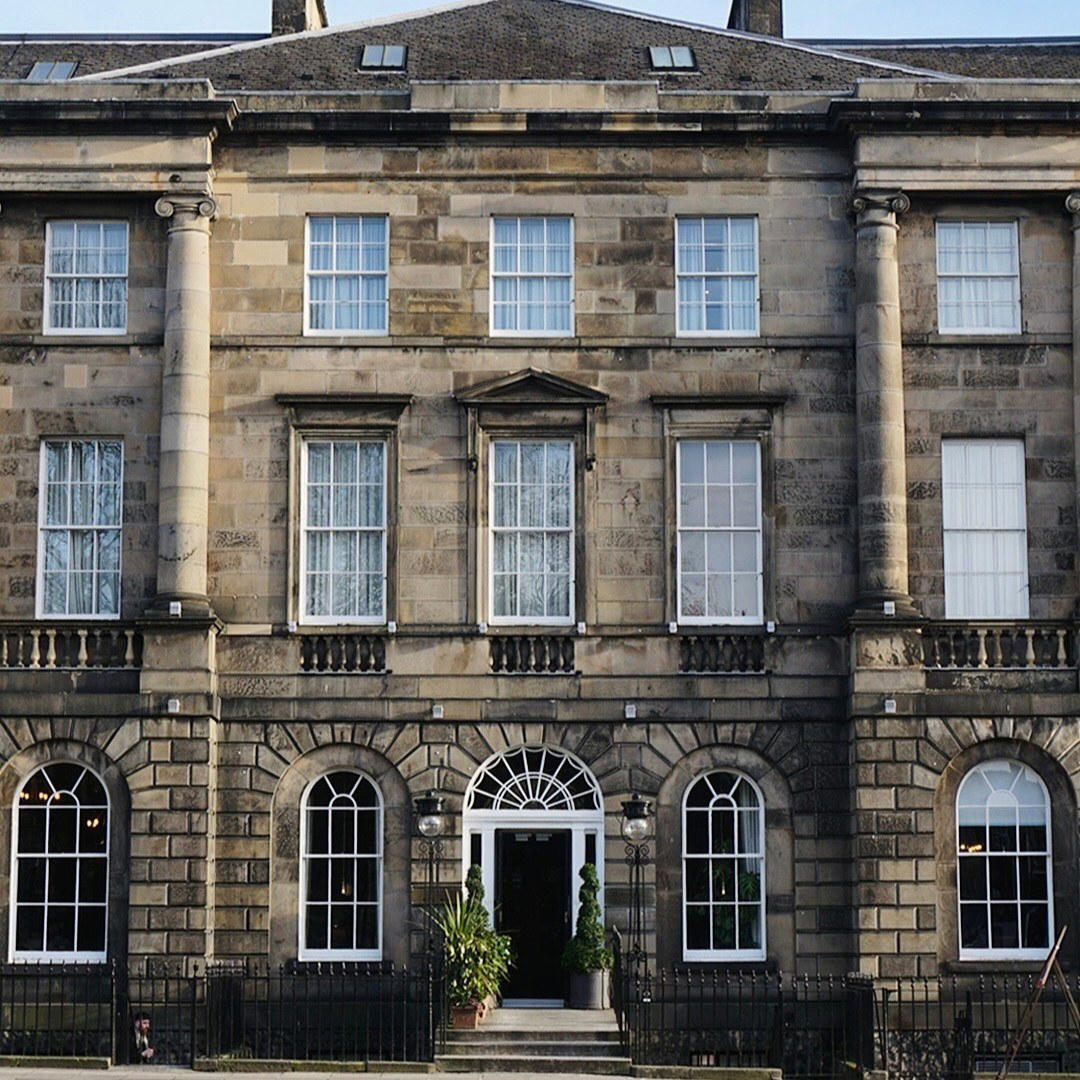
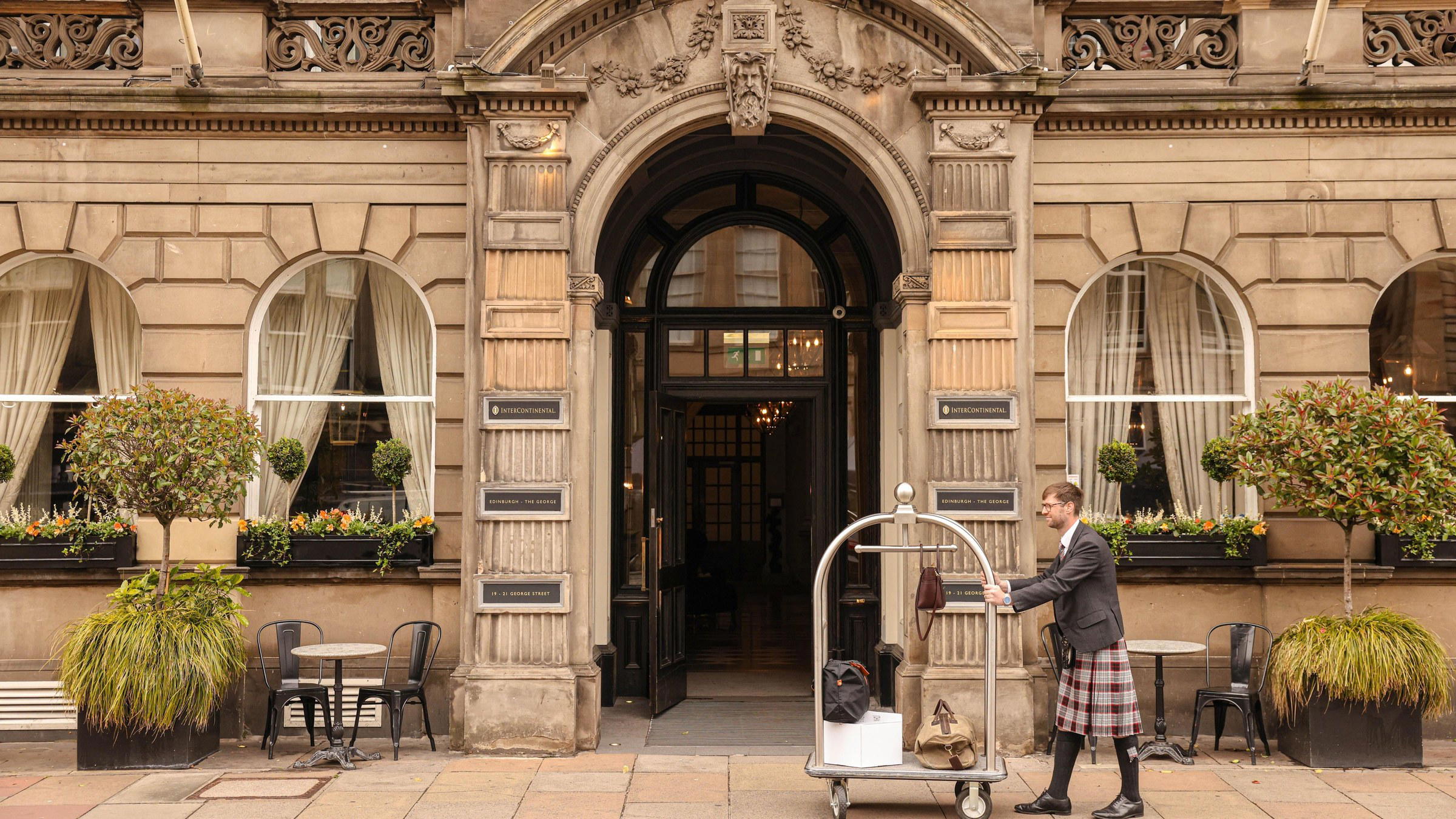
Edinburgh's hotel offer has long been anchored by two poles: the grand Victorian flagships on or near Princes Street, and a growing field of design-led boutique properties tucked into the city's Georgian grid. Nira Caledonia occupies a position in that second category with particular conviction. Spread across two adjoining townhouses at 6 and 10 Gloucester Place, the property sits in the New Town, a UNESCO-recognised district of neoclassical planning whose proportions and stone facades have remained largely unchanged since the eighteenth century. That address matters: the New Town is residential in character, quieter than the Royal Mile, and within walking distance of both the city's main commercial core and the Water of Leith walkway. Choosing to stay here is a different kind of Edinburgh proposition than booking into InterContinental Edinburgh The George or the Balmoral, less about ceremony, more about atmosphere that feels genuinely local.
The Townhouse Format and What It Asks of a Guest
The conversion of Georgian townhouses into hotels is a well-worn practice across British cities. Done poorly, it produces awkward room configurations, creaking staircases, and a faint sense of institutional disappointment. Done well, it preserves the spatial logic of rooms built for domestic life, high ceilings, generous sash windows, proportioned fireplaces, and adds enough contemporary comfort to make those bones work for a paying guest. Nira Caledonia sits in the latter camp. The property's own description points toward a deliberate departure from the shadowy grandeur that Georgian settings can so easily produce: the interiors read as easy-going and comfortable rather than reverential, with modern design layered over the period architecture rather than replacing it.
This approach places Nira Caledonia in a competitive set that includes 100 Princes Street, Gleneagles Townhouse, and Kimpton Charlotte Square Hotel, all of which occupy historic Edinburgh properties and balance period fabric with modern hospitality expectations. What separates these properties is often tone: some lean into the grandeur of their settings, others treat the architecture as backdrop to a contemporary programme. The hotel's emphasis on an approachable, residential feel signals a deliberate choice to underplay rather than amplify.
The New Town as Context
Understanding why Gloucester Place works as an address requires a brief account of how Edinburgh's New Town functions as a neighbourhood. Planned from the 1760s onward as an expansion of the medieval Old Town, the New Town was conceived as a rational, orderly counterpoint to the dense closes and wynds south of the castle ridge. The grid of streets, crescents, and circuses that resulted, Charlotte Square, Queen Street, Moray Place, is among the more coherent examples of Georgian urban planning anywhere in Europe, and it retains its residential character more than many comparable districts in London or Bath.
That residential quality is the New Town's primary gift to a hotel like Nira Caledonia. Guests are not staying in a tourist district; they are staying in a part of the city where lawyers, academics, and gallery directors live and work. The surrounding streets contain independent wine bars, neighbourhood restaurants, and the kind of bookshop that stays open late. It is a different Edinburgh from the one visible from the Royal Mile, and for repeat visitors or those who find the Old Town's summer crowds exhausting, it functions as a more legible, less performative base. Properties such as 24 Royal Terrace Hotel, Black Ivy, and Cheval Old Town Chambers each make versions of this case from different parts of the city, but the New Town's particular equilibrium of quiet and access is hard to match.
Edinburgh's premium hotel offer has expanded considerably over the past decade, and the city now sustains properties at several distinct tiers. At the uppermost level, the major flagships compete on ceremony, F&B; programmes, and facilities. A step below, properties like Fingal Hotel, a converted Royal Yacht berthed at Leith, trade on singular settings and strong identity. The hotel's identity is quieter: two Georgian houses, a commitment to comfort over theatre, and a location that suits guests who want Edinburgh's culture without its tourist infrastructure pressing in from all sides.
For comparison across Scotland and the wider UK, the townhouse model appears at properties like Burts Hotel in Melrose and Dun Aluinn in Aberfeldy, each of which adapts period buildings to a contemporary hospitality offer at a different scale and in a different setting. In England, the residential-into-hotel conversion model has produced properties like Lime Wood in Lyndhurst and Estelle Manor in North Leigh, both of which manage the same tension between period character and modern comfort, albeit in rural rather than urban contexts. The urban townhouse format demands a different resolution: fewer grounds to absorb the architecture's scale, more reliance on interior coherence and neighbourhood integration.
At the international level, the proposition of a Georgian or equivalent period address in a capital city is one that properties like Claridge's in London and Aman Venice in Venice pursue at considerably higher price points and with considerably larger operational footprints. The hotel sits at a more accessible register, which gives it a different utility: it is a property for guests who want architectural character without the formality that the grandest addresses impose.
Gloucester Place is roughly a ten-minute walk from Edinburgh Waverley station and sits in the heart of the New Town, making it convenient for most of the city's galleries, restaurants, and cultural venues without requiring a taxi for every excursion. Those comparing properties in nearby cities may also want to consider Glasgow Grosvenor Hotel or King Street Townhouse Hotel in Manchester for the same period-building template applied to different urban contexts.
A Minimal comparable set
Comparable venues nearby, for context on price, style, and recognition.
| Venue | Cuisine | Price | Notes |
|---|---|---|---|
| Nira CaledoniaThis venue — the venue you are viewing | Stockbridge, Georgian townhouse boutique | $$$$ | Not listed |
| The Scott | Not listed | $$$$ | Southside, Luxury boutique hotel housed in a restored 18th-century baronial mansion, part of the University of Edinburgh Hospitality Collection. |
| Cheval Old Town Chambers | Not listed | $$$$ | Old Town, Contemporary luxury serviced apartments within restored historic buildings, offering apartment-style living with hotel amenities in a heritage setting. |
| Malmaison Edinburgh | Not listed | $$$ | Leith, historic boutique with modern extensions |
| The Balmoral | Not listed | $$$$ | New Town, Victorian-era baronial landmark with contemporary luxury updates |
| Radisson Collection Hotel, Royal Mile Edinburgh | Not listed | $$$$ | Old Town, Contemporary boutique hotel blending Scottish heritage with modern design, positioned as a design-led luxury destination. |
Recognition history
Dated appearances from independent guides and award organizations, with the underlying list record or original source where available.
Michelin Selected
Michelin
Small Luxury Hotels of the World Member
Small Luxury Hotels of the World
At a Glance
- Romantic
- Elegant
- Sophisticated
- Cozy
- Intimate
- Romantic Getaway
- Anniversary
- Weekend Escape
- Historic Building
- Wi Fi
- Room Service
- Concierge
- Restaurant
- Bar
- Street Scene
- Wi Fi
- Room Service
- Concierge
- Restaurant
- Bar
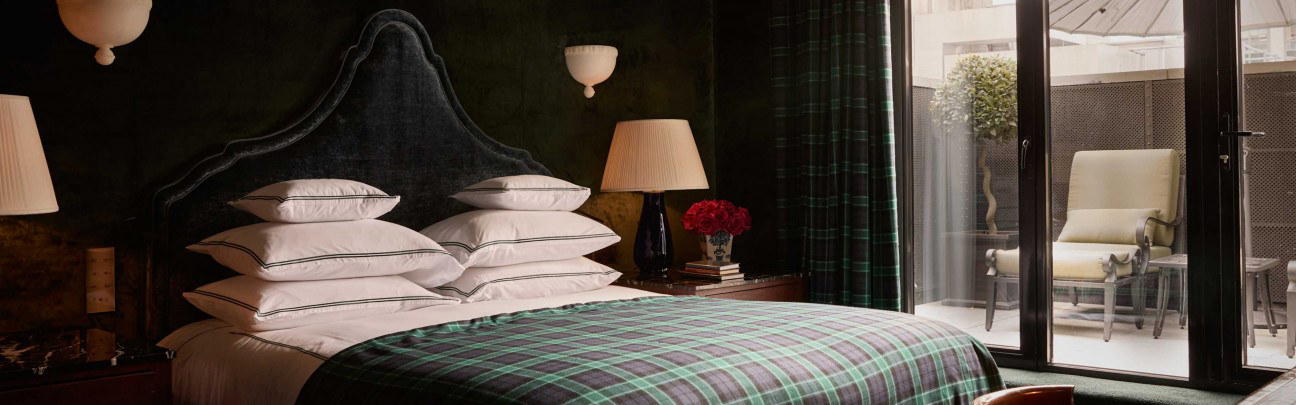
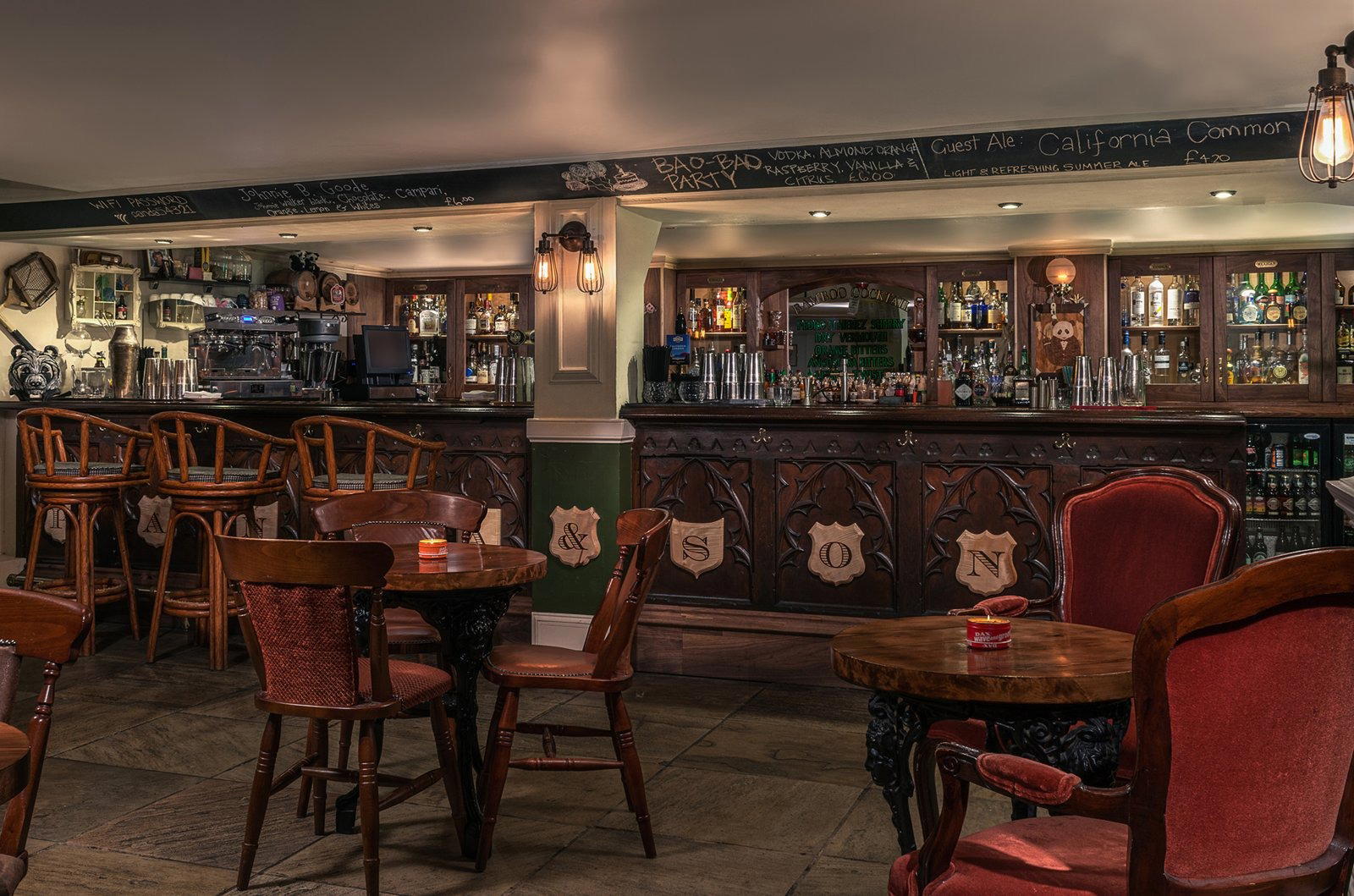
Elegant and cozy with plush textures, rich Georgian features, and a peaceful retreat atmosphere.