Prestonfield House Edinburgh




A seventeenth-century manor house set within twenty acres of Edinburgh parkland, Prestonfield House operates at the far end of the city's luxury hotel spectrum: all brocade, antique furniture, and Venetian glass bathrooms, with peacocks on the grounds and a welcome bottle of champagne waiting in the room. Scored 95.5 points on the La Liste Top Hotels 2026 ranking, it sits firmly in the capital's small cohort of genuinely historic properties.
Pearl is the En Primeur Club membership app — saves, bookings, and concierge access live there. Same editors, same standards.
- Address
- Priestfield Rd, Edinburgh EH16 5UT
- Phone
- +44 131 225 7800
- Website
- prestonfield.com
- Directions
- Get directions
 Saves & bookings on Pearl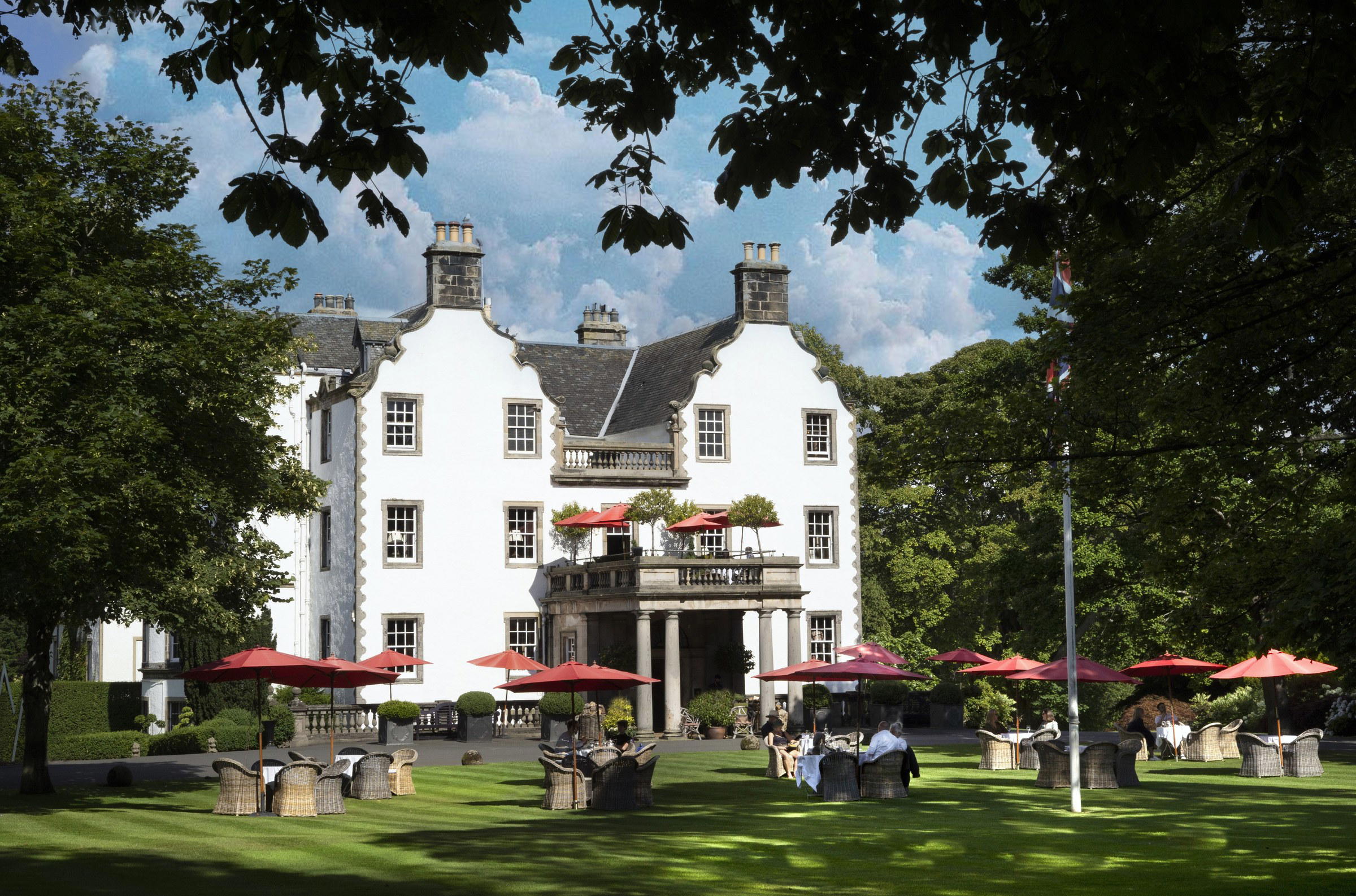
Where Edinburgh's Past Becomes the Present Tense
Approach Prestonfield House along Priestfield Road and the city's Georgian and Gothic skyline gives way to something older and quieter. Twenty acres of parkland absorb the noise, and the seventeenth-century manor materialises through the trees in a way that makes the phrase 'country house hotel' feel like an understatement. Edinburgh has a small cohort of properties that trade on genuine architectural history rather than period-style decoration; Prestonfield stands apart in that group.
In a city where the luxury tier is largely occupied by grand Georgian townhouse conversions, see 100 Princes Street, 24 Royal Terrace Hotel, and Kimpton Charlotte Square Hotel, a seventeenth-century manor with uninterrupted grounds is a different proposition entirely. The competitive set for Prestonfield is not Edinburgh at all; it is closer to Estelle Manor in North Leigh, The Newt in Somerset, or even Lime Wood in Lyndhurst, properties where the grounds and the building are inseparable from the experience. La Liste placed it at 95.5 points in its 2026 Leading Hotels ranking.
The Ritual of Arrival, and What Follows It
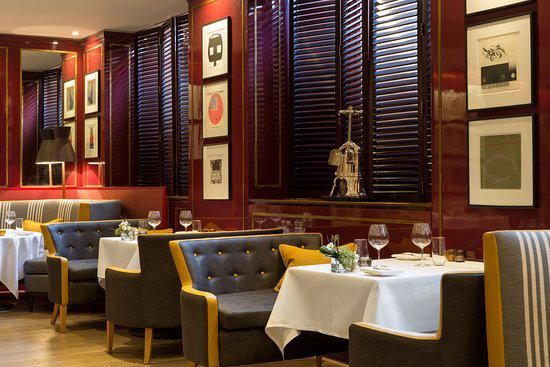
The dining and drinking rhythm at Prestonfield is measured and deliberate. Each booking comes with daily breakfast at Rhubarb, the on-site restaurant whose name traces to a mid-1700s episode when Alexander Cunyngham introduced rhubarb cultivation to Scotland. The crop still grows on the property.
The Room Terrace, which looks out over the entrance to the gardens, sets the tone for the evening. Scottish country house dining has always had its own rhythm: slower, more deliberate, calibrated to guests who have nowhere else to be. The Whisky Room formalises that tradition further, offering a concentrated dose of Scottish heritage in both setting and glass. Properties like Gleneagles in Auchterarder operate on a grander scale, but Prestonfield's 23-room count keeps the pace and attention focused.
Inside the Rooms: What 'Plush' Actually Means Here
Word gets used loosely in hotel writing, but inside Prestonfield it has specific content. Beds arrive piled with fine linens and velvet comforters. Bathrooms are lined with Venetian glass, marble mosaics, and deep tubs, materials that read as period-consistent rather than decorative pastiche. The 18 standard rooms follow this template; the five suites each carry their own individually decorated sitting room. Among the latter, the Owners Suite is especially fully realised: a four-poster bed with ostrich plume decoration, a separate seating room, a book-lined bathroom, and a private stone staircase. The view from that suite takes in the ruins of Craigmillar Castle and the garden, a combination that sits outside what most city-centre properties in Edinburgh can offer.
Two pieces in the house have been present since the late 1600s: Chinoiserie lacquer cabinets and a portrait of Sir William Dick in red robes, Sir James' grandfather. Their continued presence is a quiet signal about how Prestonfield positions itself relative to the renovation-and-relaunch cycle that has affected many of its peers. Where Black Ivy and Gleneagles Townhouse represent Edinburgh's design-led contemporary boutique tier, Prestonfield operates from a different premise entirely: that the original is the point.
The Grounds as an Itinerary
Twenty acres in a capital city is a logistical fact that changes the nature of a stay. Holyrood Park sits directly adjacent to the property, with the hills and crags of Arthur's Seat offering a 360-degree city panorama for those who walk it. St. Anthony's Chapel, a medieval ruin within the park, is accessible on foot. The hotel offers Range Rovers for guests who want to reach attractions further afield. On mild-weather days, peacocks move through the grounds.
For guests arriving from further across the British Isles, Prestonfield occupies a space in the Scottish country house conversation that properties like Langass Lodge and Dun Aluinn in Aberfeldy address in different regional registers. What Prestonfield offers specifically is that rare combination of genuine historic fabric and city-adjacent location, close enough to Edinburgh's Old Town to use it, far enough inside its own grounds to ignore it entirely if the Room Terrace and a glass of whisky seem like sufficient occupation for the evening.
Where It Sits in the Broader Picture
Scotland's luxury hotel tier has fragmented in interesting ways. The large resort format (Gleneagles), the urban boutique (Glasgow Grosvenor, Burts Hotel in Melrose), and the historic manor with contained scale are distinct options that attract different travel contexts. Prestonfield fits the third category and has few real Scottish competitors for it. Internationally, the closest analogues are properties like Claridge's in London or Aman Venice in terms of the conviction with which they commit to a historic identity rather than smoothing it into something more accessible. The 95.5 La Liste score confirms that international assessors are reading Prestonfield within that peer group, not simply grading it against Edinburgh's broader hotel supply.
Guests travelling to or from the city might also reference InterContinental Edinburgh The George or Fingal Hotel for a sense of how the city's hotel register varies across formats and price points. Those extending a UK trip might compare notes with Hope Street Hotel in Liverpool or King Street Townhouse Hotel in Manchester in the townhouse-with-character category, or look further afield to The Fifth Avenue Hotel in New York City and Aman New York for how the historic-property-as-identity model plays at a transatlantic level. For those considering properties in the same broad category as Muir, A Luxury Collection Hotel in Halifax or Glen Mhor Hotel in Highland, Prestonfield offers a useful reference point for how a property can sustain a strong historic identity without diluting it into themed décor. Nightly rates from approximately $150 make this a higher-entry-point option.
Planning Your Stay
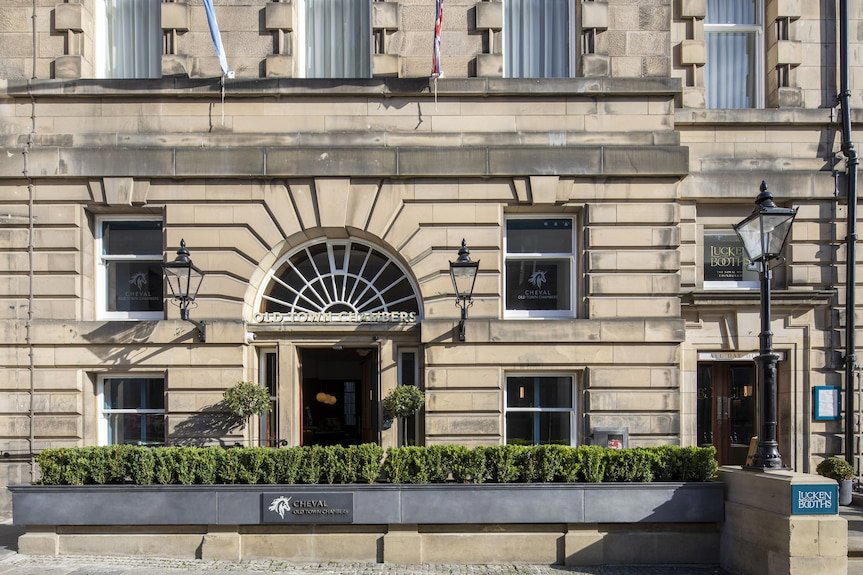
With only 23 rooms, Prestonfield books well in advance during Edinburgh Festival season and over Hogmanay. Outside peak periods, lead times are shorter, but the Owners Suite in particular warrants early reservation given its singular configuration. Booking directly through the hotel is the standard approach for guests seeking specific room preferences or who want to confirm the welcome champagne and breakfast inclusions. The Cheval Old Town Chambers offers an alternative for those who need more flexible serviced accommodation in the city centre, but guests choosing Prestonfield are generally choosing against flexibility in favour of the full country house immersion.
Awards and Standing
Comparable venues nearby, for context on price, style, and recognition.
| Venue | Cuisine | Price | Awards | Notes |
|---|---|---|---|---|
| Prestonfield House EdinburghThis venue — the venue you are viewing | historic luxury boutique | $$$$ | Michelin 1 Key | Not listed |
| Prestonfield House | Ornate 17th-century country estate hotel in urban setting | $$$$ | 5-Star | Prestonfield |
| The Glasshouse Hotel | Contemporary urban boutique with rooftop oasis | $$$$ | 5-Star | Greenside |
| Kimpton Charlotte Square | Modern luxury townhouse blending Georgian heritage with contemporary eclectic design | $$$$ | 5-Star | West End |
| The Caledonian Edinburgh, Curio Collection by Hilton | Historic luxury hotel with railway heritage theme. | $$$$ | 5-Star | West End |
| Radisson Collection Hotel, Royal Mile Edinburgh | Contemporary boutique hotel blending Scottish heritage with modern design, positioned as a design-led luxury destination. | $$$$ | 5-Star | Old Town |
Recognition history
Dated appearances from independent guides and award organizations, with the underlying list record or original source where available.
Forbes 4-Star
Forbes
La Liste Top Hotels
La Liste
Relais Chateaux Award
Relais Chateaux
Forbes 4-Star
Forbes
Michelin 1 Key
Michelin
Continue exploring
More in Edinburgh
Hotels in Edinburgh
Browse all →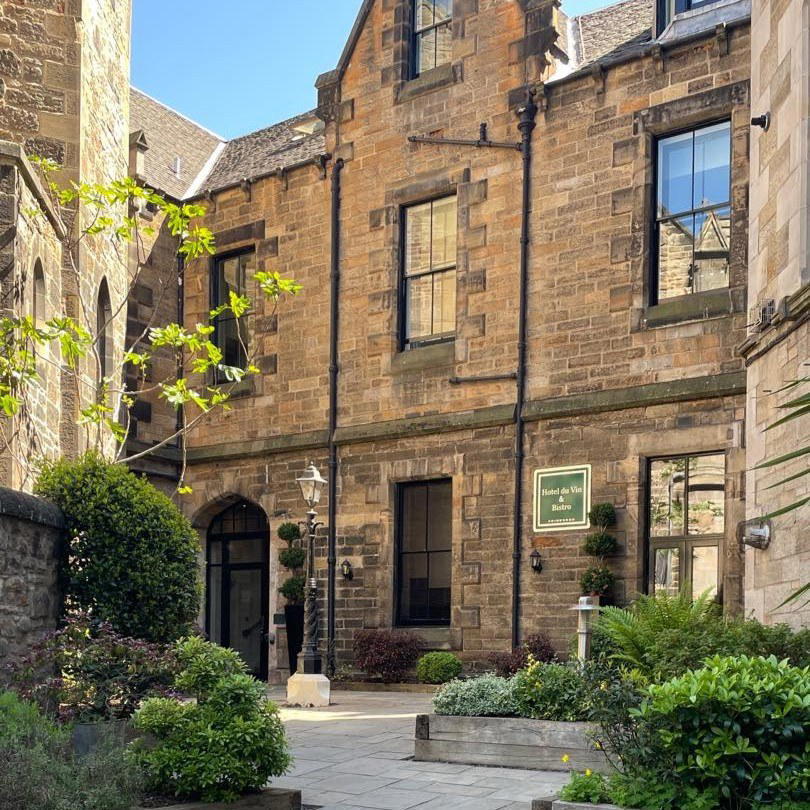
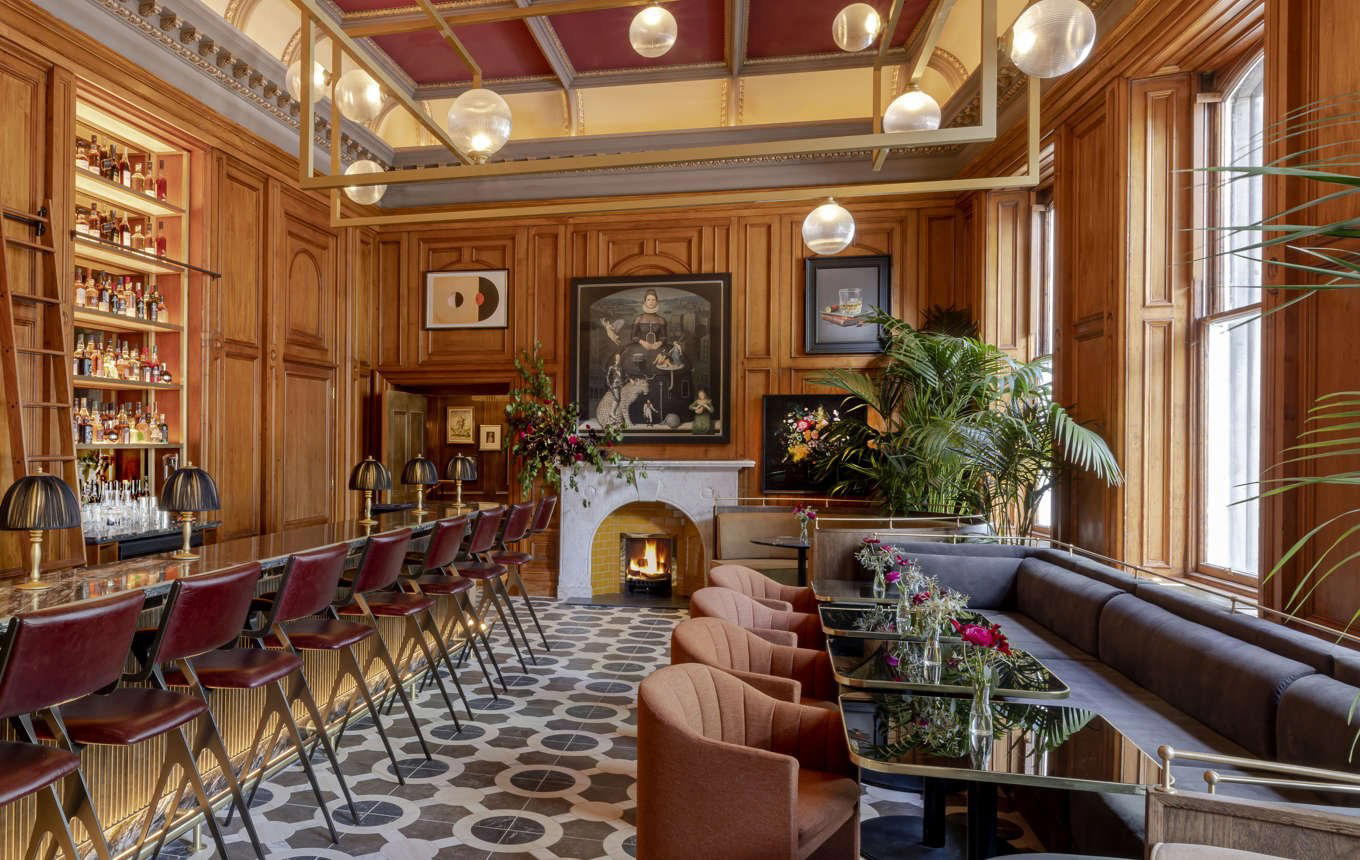
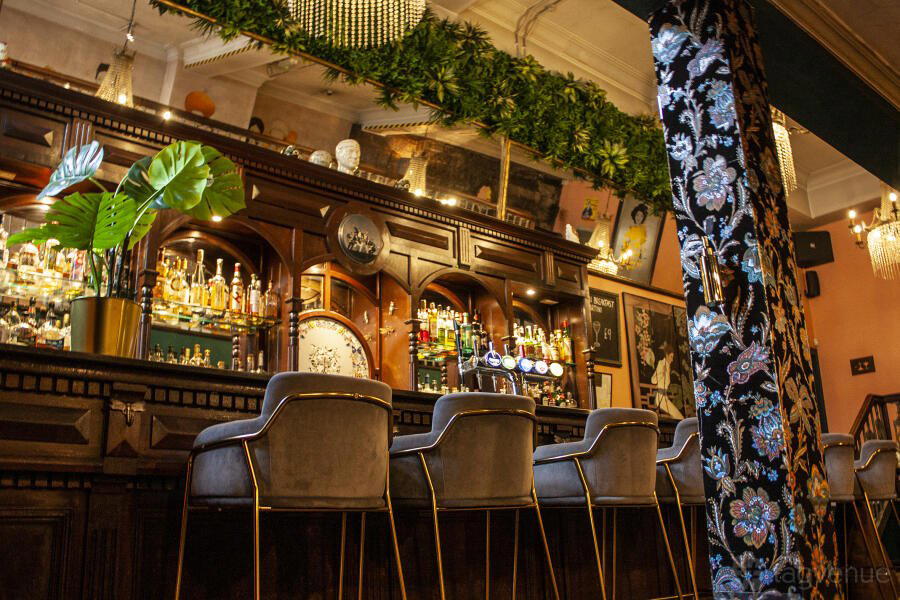
Bars in Edinburgh
Browse all →
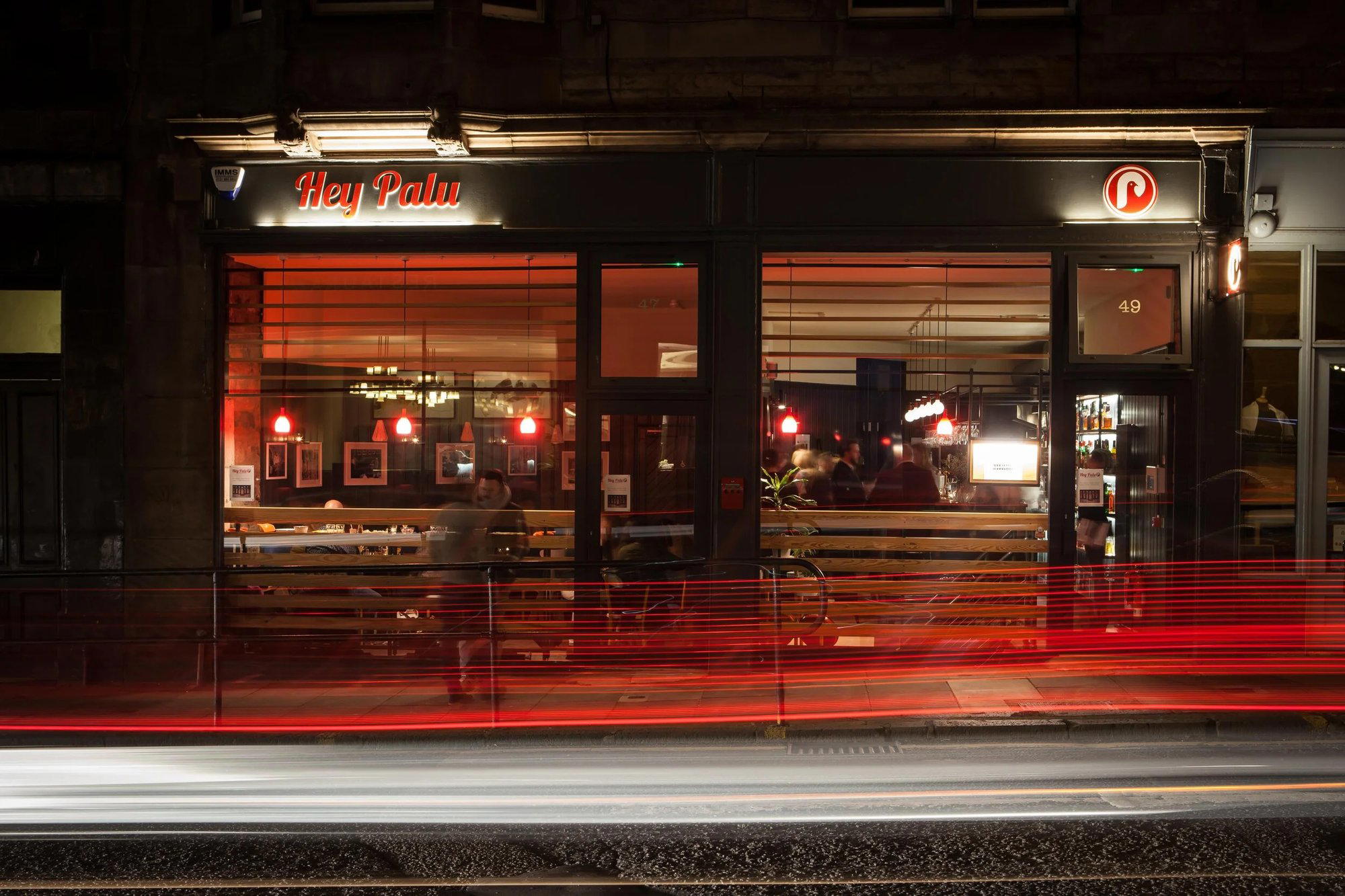
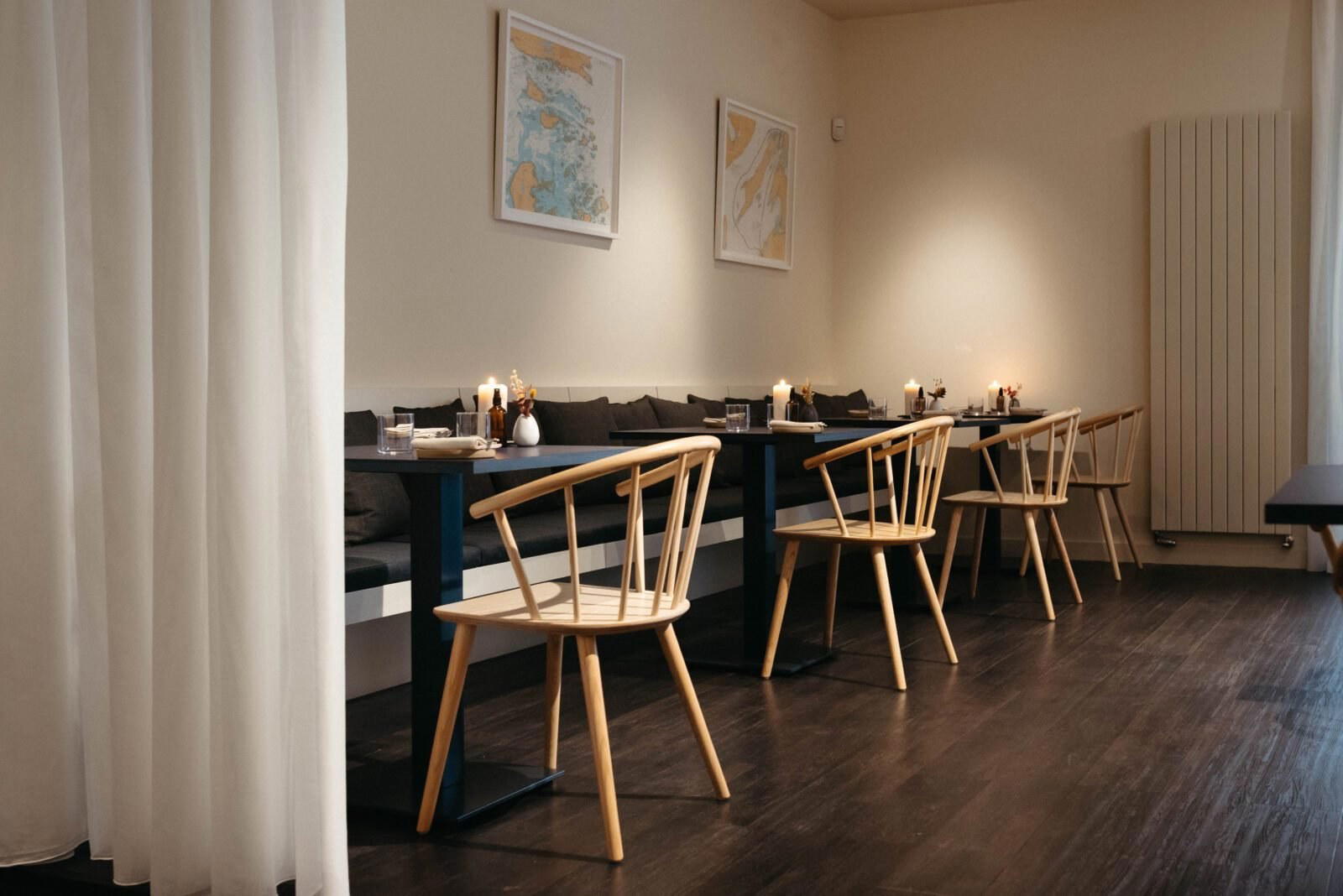
Restaurants in Edinburgh
Browse all →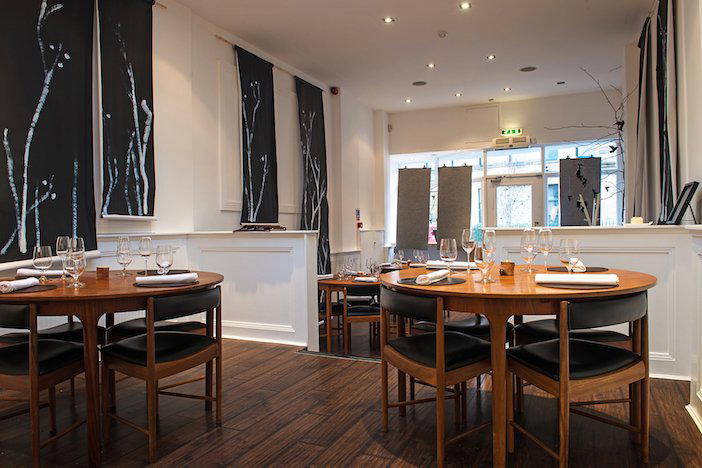
At a Glance
- Romantic
- Elegant
- Ornate
- Scenic
- Classic
- Sophisticated
- Cozy
- Date Night
- Special Occasion
- Celebration
- Private Event
- Historic Building
- Garden
- Private Dining
- Hotel Restaurant
- Terrace
- Panoramic View
- Free Parking
- Free Parking