King Street Townhouse


Michelin Selected · Mr & Mrs Smith Seal of Approval
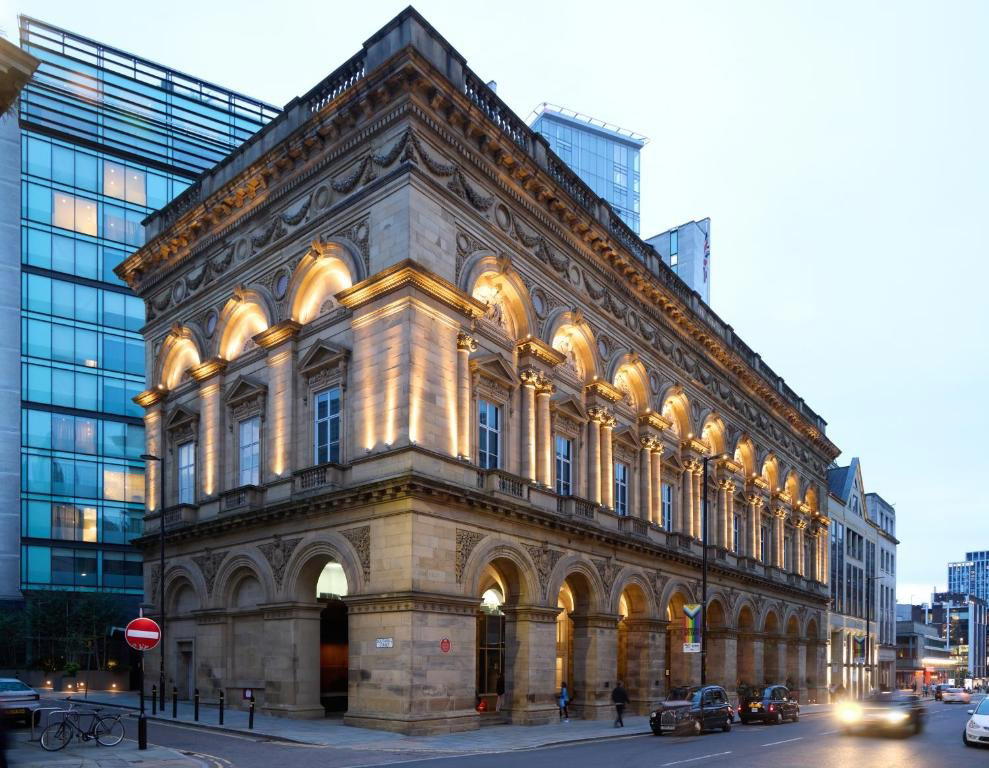
A Michelin Selected hotel occupying a Victorian bank building on one of Manchester city centre's most architecturally coherent streets, King Street Townhouse places guests within walking distance of the civic quarter, the Northern Quarter, and Spinningfields. The address does most of the work: history above, the city's commercial and cultural pulse immediately outside. It sits in Manchester's upper-mid hotel tier alongside properties like Hotel Gotham and Kimpton Clocktower.

Pearl is the En Primeur Club membership app, where members save venues, book tables and use the concierge.
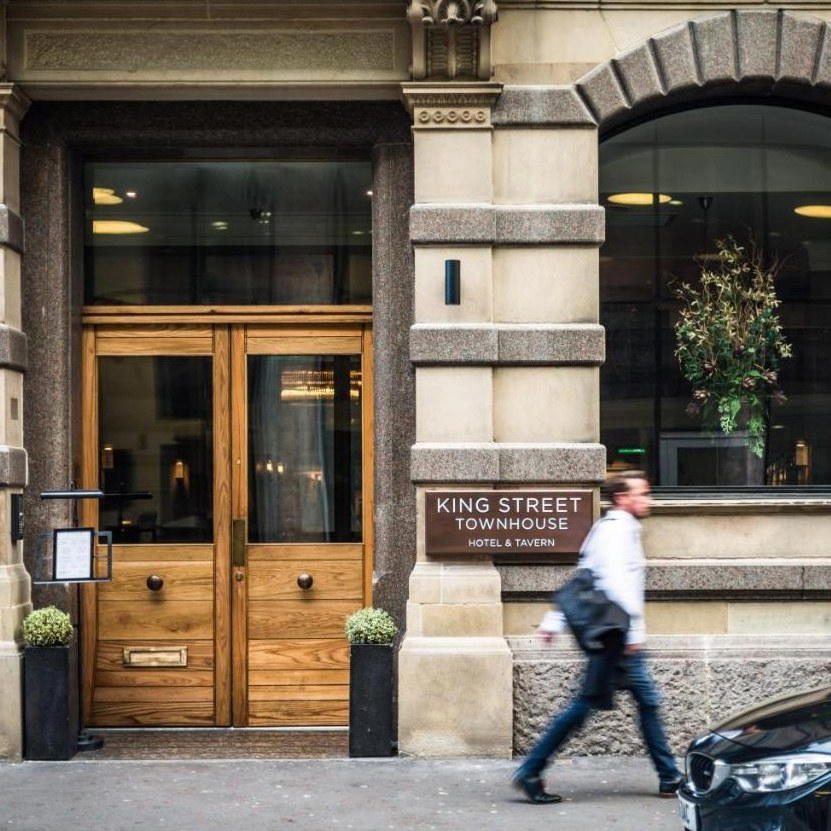
The Address Does the Work
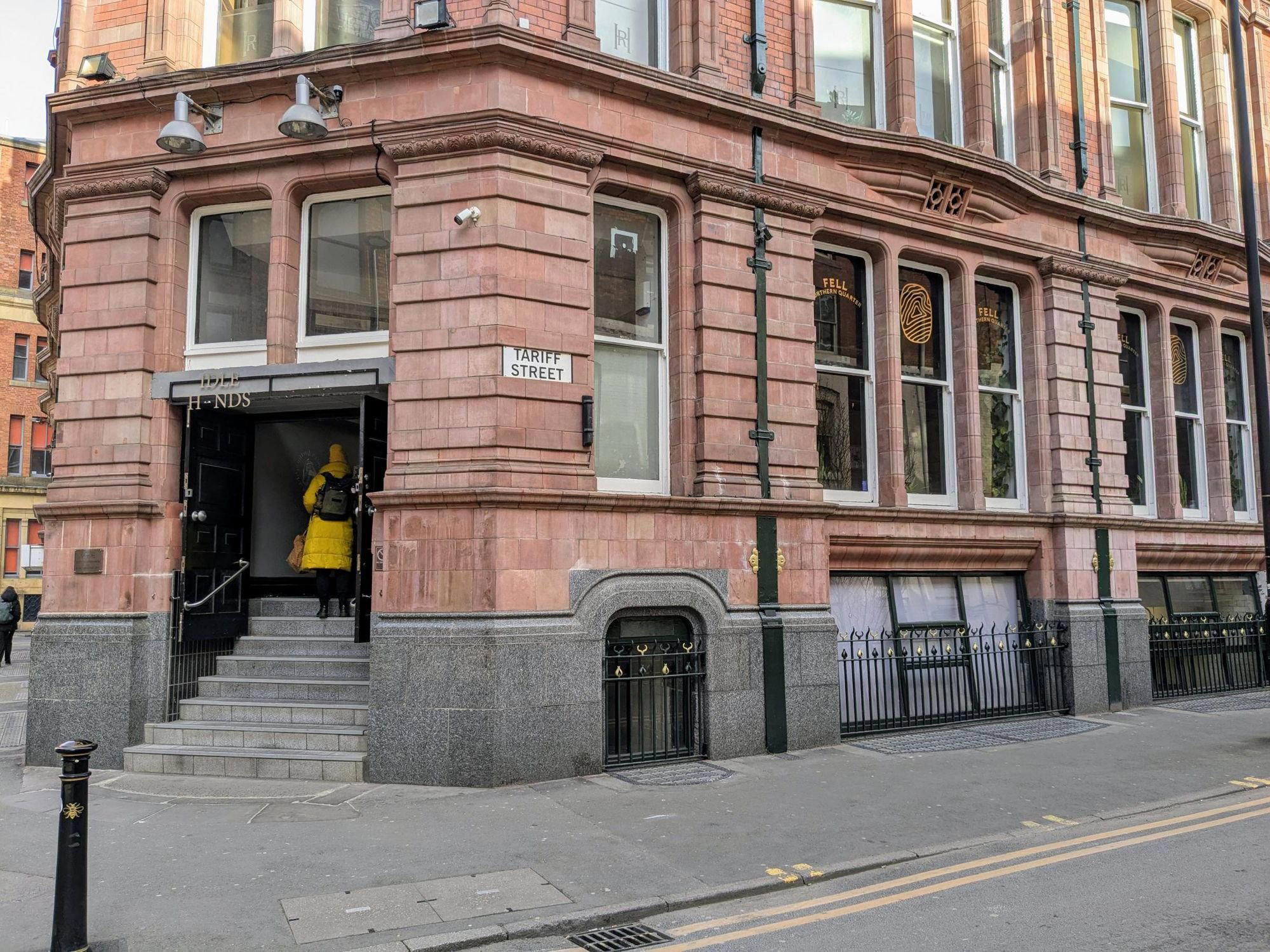
King Street itself is one of Manchester's more quietly self-assured addresses. The street runs through the heart of the city's historic commercial core, flanked by Portland stone and red brick buildings that pre-date the Arndale by half a century. Hotels in this part of the city centre occupy a different register from those closer to Deansgate or the arena district: the surroundings are denser with civic architecture, and the pedestrian scale feels closer to a European city centre than a regenerated waterfront. King Street Townhouse, at 10 Booth Street just off the main strip, sits inside that quieter commercial grain rather than on a main arterial road.
That positioning matters for a particular kind of traveller. The Royal Exchange Theatre is within a few minutes' walk. Manchester Art Gallery is similarly close. The Northern Quarter's independent bars and restaurants are reachable on foot without crossing any of the larger road junctions that can make the city feel fragmented. Spinningfields, where much of the city's corporate legal and financial activity concentrates, is directly adjacent. The hotel functions, in that sense, as a base for the full breadth of central Manchester rather than a slice of it.
Victorian Bones, Contemporary Fit-Out
The building itself is a converted Victorian property, the kind of structure that Manchester's city centre has in reasonable supply but that often gets stripped out in the conversion process. The townhouse format, with its narrower floor plates and original detailing, tends to produce rooms that feel architecturally specific rather than interchangeable. This places it in a cohort of Manchester hotels that derive their character from the shell rather than the interior design alone, a group that also includes Hotel Gotham Manchester, which occupies a former bank on King Street proper, and the Kimpton Clocktower Hotel in the former Refuge Assurance building on Oxford Road.
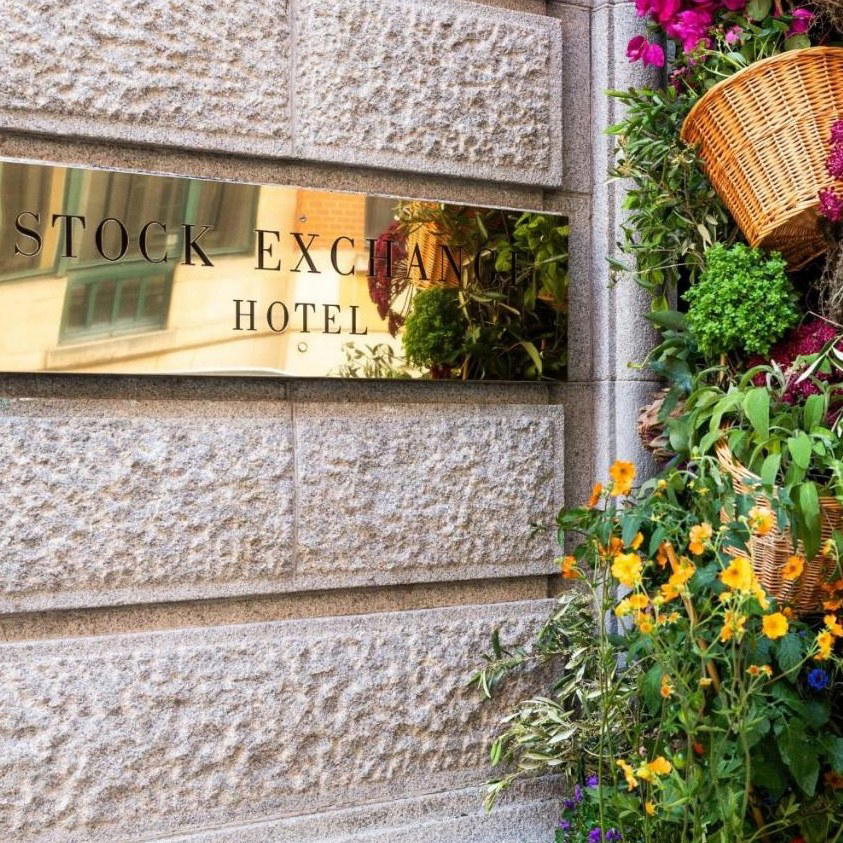
Manchester's premium hotel market has consolidated around a handful of addresses that can credibly claim genuine architectural heritage. The Stock Exchange Hotel in the old trading hall, the Gotham in its banking chamber, the Kimpton in its Victorian gothic tower: these are properties where the building carries part of the editorial weight. King Street Townhouse operates in that same tradition, at a slightly smaller scale and with a townhouse intimacy that the larger conversion hotels don't replicate.
Michelin Selected: What the Recognition Signals
King Street Townhouse holds a place on the Michelin Selected Hotels list for 2025, the guide's curated tier below its starred and key designations. Michelin Selected recognition in the UK hotel context operates as a quality floor rather than a ceiling: it indicates that the property clears a threshold of comfort, consistency, and service that the guide's inspectors consider worth flagging. In Manchester specifically, Michelin Selected properties represent a meaningful subset of the city's hotel offer, distinguishing them from the large international chain inventory that dominates the airport corridor and some of the newer city-centre developments.
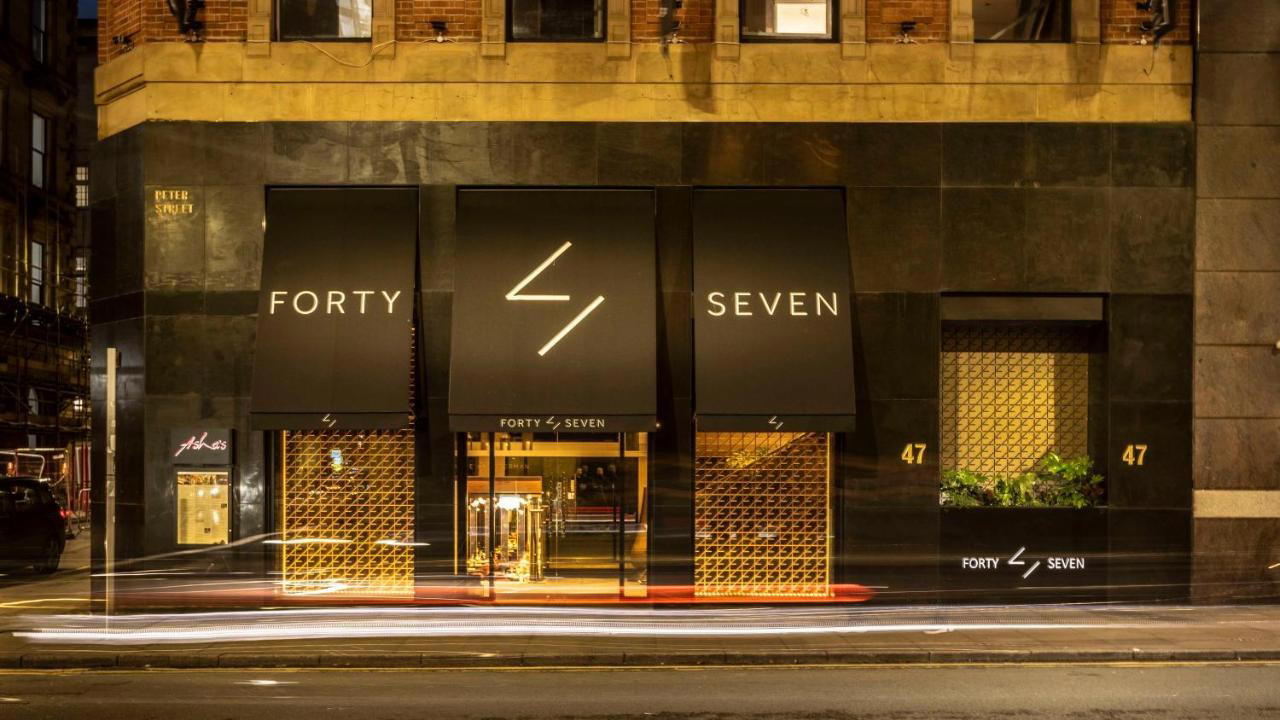
For context, other Manchester properties in comparable positioning include Forty-Seven and Leven Manchester, both of which occupy the independent or boutique end of the city's accommodation spectrum. Across the broader UK, the Michelin Selected tier includes properties as different in scale and character as Lime Wood in Lyndhurst and The Rutland in Edinburgh, which gives a sense of the range the designation covers rather than implying direct comparability.
The Rooftop Position
One of the more specific assets the King Street Townhouse address provides is its rooftop, which sits above the surrounding Victorian streetscape and delivers unobstructed views across the city centre. In a city where rooftop terraces are concentrated in newer high-rise developments further north around NOMA or on the Deansgate towers, a rooftop at this central, mid-rise level offers a different perspective: looking across rather than down, with the Town Hall dome and the civic quarter's skyline readable at close range. The rooftop pool and bar extend that asset through multiple seasons, though Manchester's climate means the outdoor element functions most naturally in the warmer months.
For hotels operating in historic city-centre buildings, rooftop amenity is comparatively rare. The building constraints that give townhouse conversions their character often preclude it. That King Street Townhouse has managed to programme rooftop space is one of the clearer differentiators it holds against properties in the same architectural category.
Placing It in Manchester's Hotel Pecking Order
Manchester's premium hotel tier has deepened considerably over the past decade. Properties like Dakota Manchester and ABode Manchester address the design-conscious mid-market, while the Kimpton and Gotham anchor a slightly higher price point with stronger F&B programmes. Didsbury House Hotel operates further from the centre with a different residential character entirely.
King Street Townhouse sits somewhere between the boutique independents and the fully-programmed design hotels. Its scale keeps it intimate. Its address keeps it genuinely central. Its Michelin recognition places it above the undifferentiated mid-market. For travellers whose primary reason for visiting Manchester is the city itself rather than a specific event or concert, that combination of position and recognition carries practical weight.
Internationally, the logic of choosing a city-centre townhouse conversion over a larger branded property is well-established. Properties like Hotel du Vin at One Devonshire Gardens in Glasgow or The Rutland in Edinburgh demonstrate the appeal of the format in comparable British cities. For a broader sense of how the category operates at higher price points, Estelle Manor in North Leigh and Gleneagles in Auchterarder represent the upper register. You can read more about the broader options in our full Manchester restaurants and hotels guide.
Planning Your Stay
The hotel sits at 10 Booth Street, a short walk from both Manchester Piccadilly and Manchester Victoria rail stations. Piccadilly is the primary arrival point for most intercity services, including the direct link from London Euston, which runs at roughly two hours on faster services. The proximity to both stations without being directly adjacent to either is a practical advantage: the immediate neighbourhood stays relatively calm while the connectivity remains high.
For weekend stays during major events at the AO Arena, Old Trafford, or the Manchester venues that draw large crowds, booking lead times extend considerably. The city's hotel inventory tightens sharply around concert weekends and football fixtures, and Michelin Selected properties at this address tend to fill faster than the larger chain hotels with greater room counts. For standard mid-week business travel or cultural weekends without major events, shorter lead times are typically manageable, though the rooftop rooms and upper-floor suites with city views attract interest year-round.
Just the Basics
Comparable venues nearby, for context on price, style, and recognition.
| Venue | Price | Awards | Notes |
|---|---|---|---|
| King Street TownhouseThis venue (the venue you are viewing) | $200–300 | Michelin Selected · Mr & Mrs Smith Seal of Approval | Not listed |
| Leven Manchester | $100–200 | Michelin Selected | Piccadilly, Design-led lifestyle hotel in revitalized historic warehouse |
| Native Manchester | Not listed | Michelin Selected · Mr & Mrs Smith Seal of Approval | Piccadilly, Aparthotel in converted Grade II listed Victorian warehouse |
| Velvet Hotel | $100–200 | Michelin Selected | Piccadilly, Victorian warehouse with contemporary luxury |
| King Street Townhouse Hotel | $200–300 | Michelin Selected · Mr & Mrs Smith Seal of Approval | Deansgate, Historic boutique with contemporary interiors |
| Stock Exchange Hotel, Manchester, Autograph Collection | $200–300 | Michelin Selected | Deansgate, Boutique luxury hotel in restored historic stock exchange building |
Recognition history
Dated appearances from independent guides and award organizations, with the underlying list record or original source where available.
Michelin Selected
Michelin
Mr & Mrs Smith Seal of Approval
Mr & Mrs Smith
Continue exploring
More in Manchester
Hotels in Manchester
All hotels in Manchester →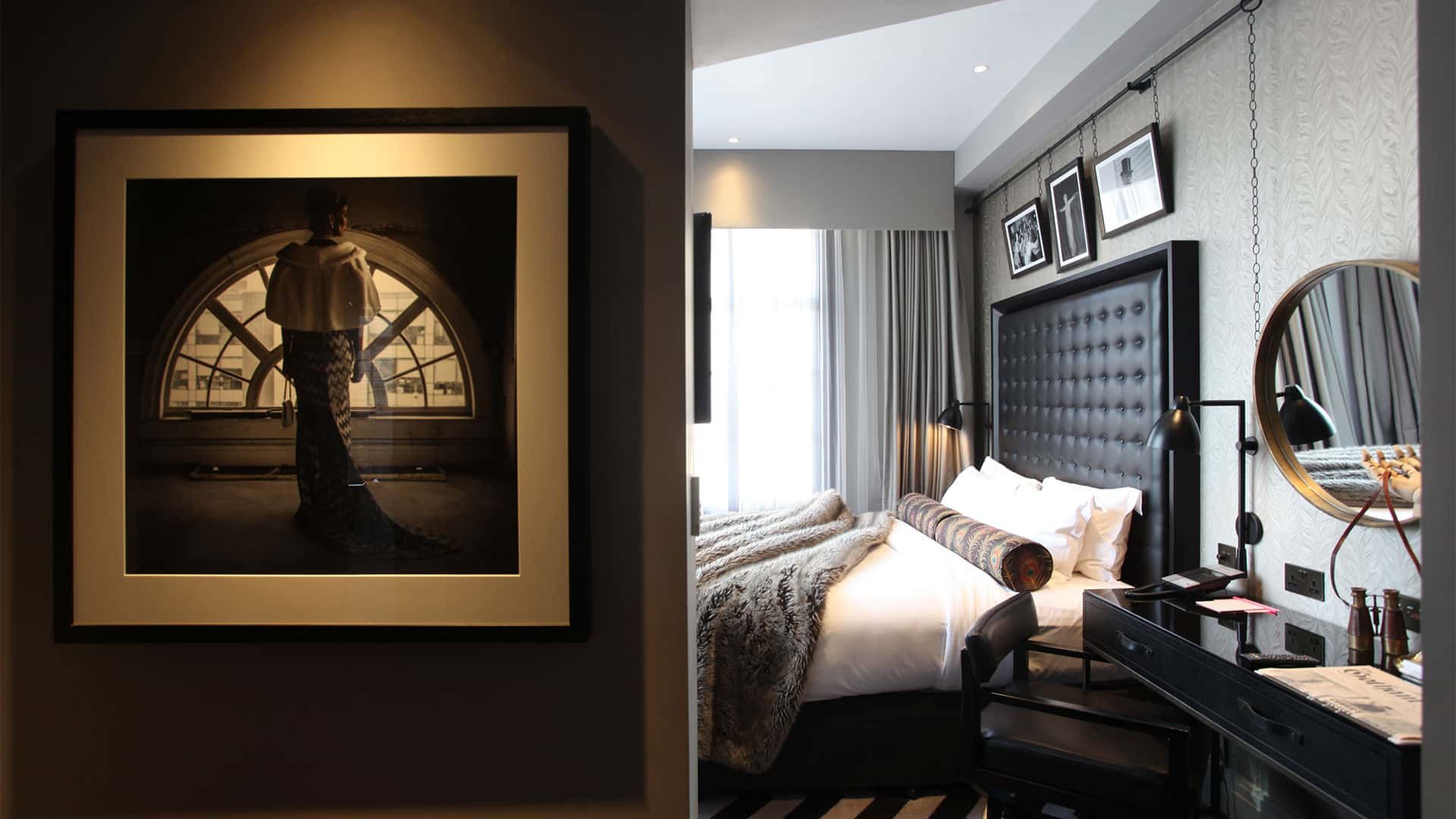
Details
- Trendy
- Elegant
- Sophisticated
- Well Known
- Romantic Getaway
- Celebration
- Weekend Escape
- Business Trip
- Rooftop Pool
- Historic Building
- Design Destination
- Panoramic View
- Destination Spa
- Wi Fi
- Pool
- Spa
- Fitness Center
- Room Service
- Concierge
- Skyline
- Elevator
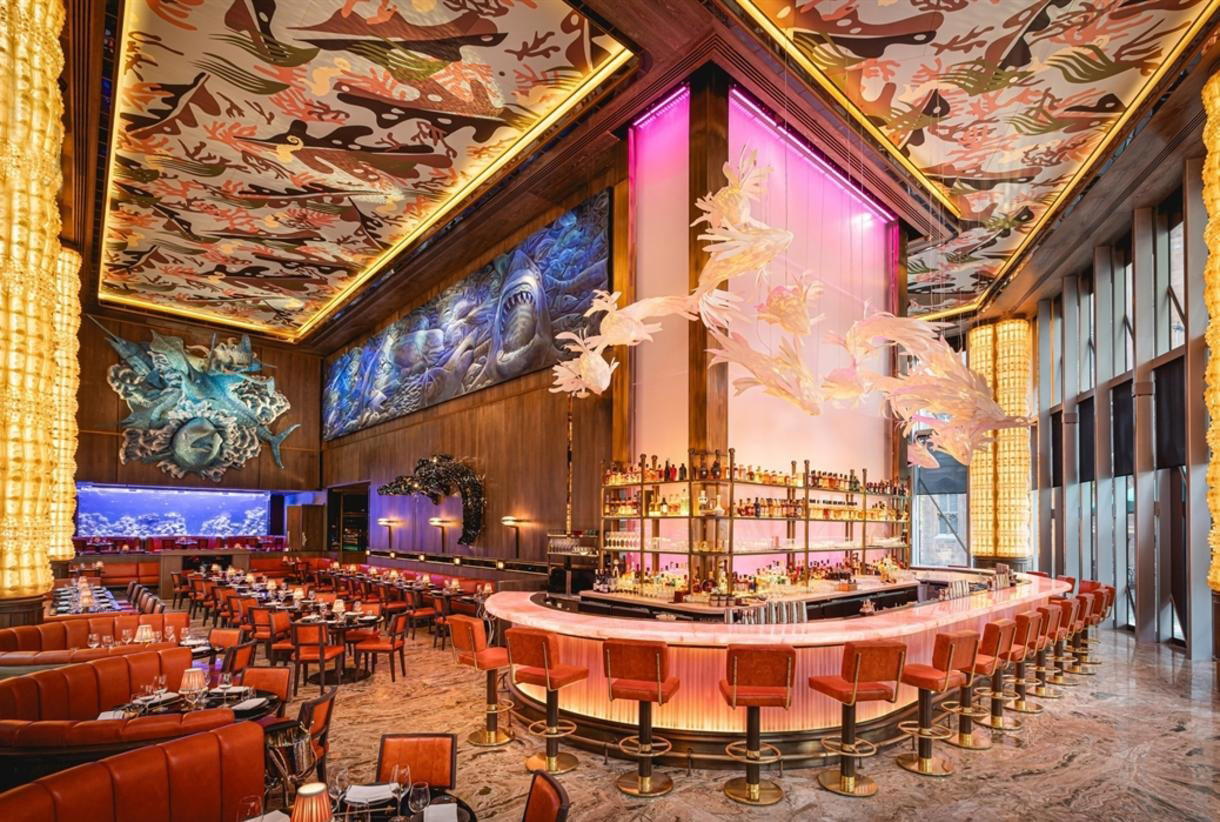
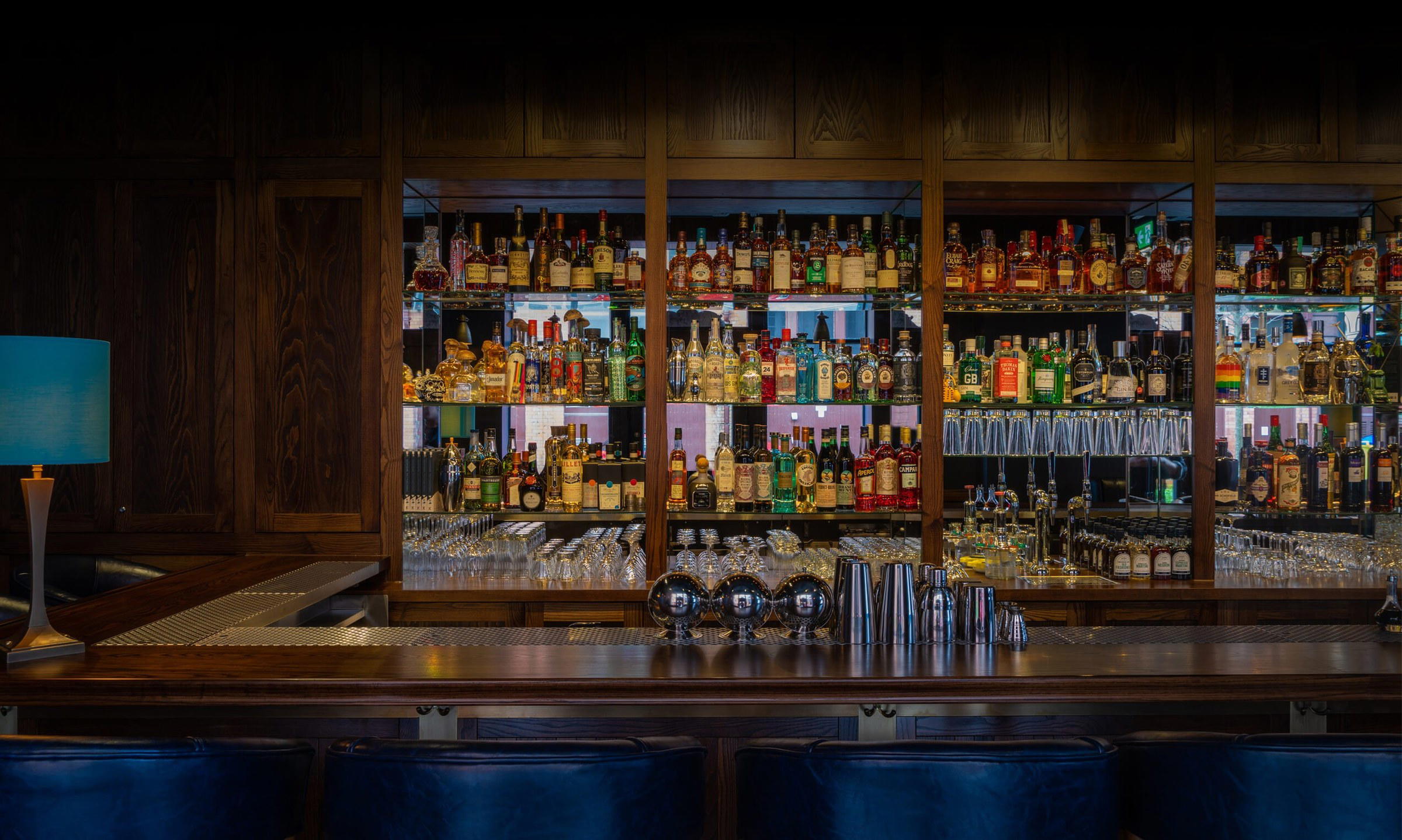
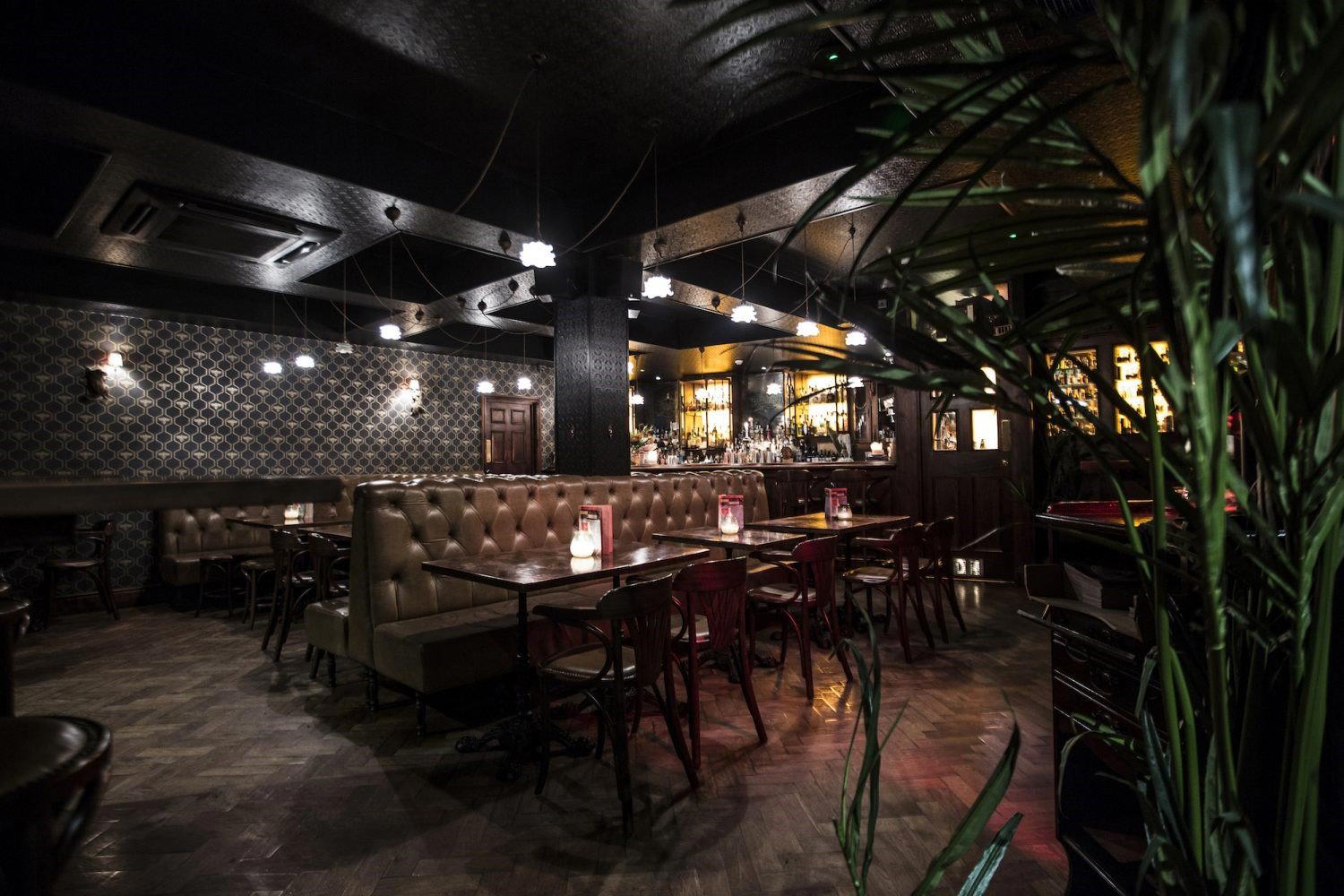
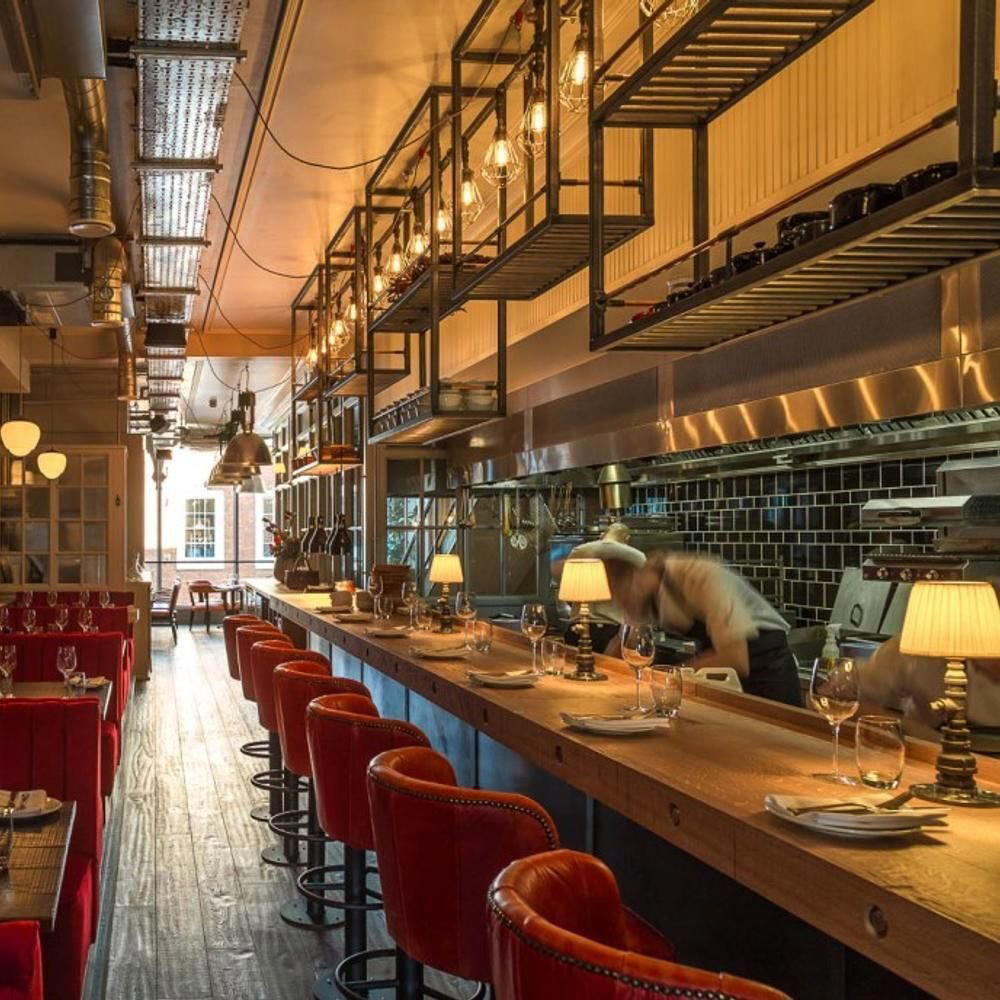
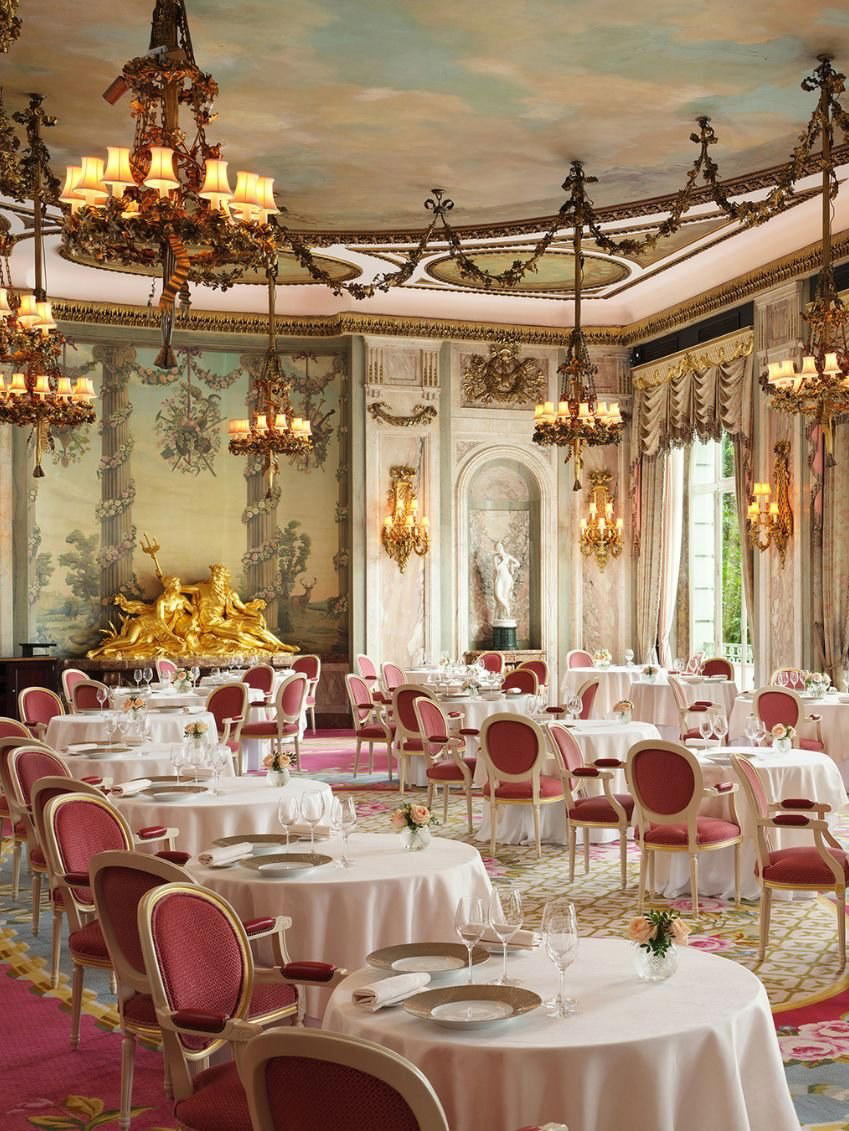
Sophisticated and welcoming with natural light, contemporary design blended with classic charm, and a quiet sense of opulence throughout public areas and guestrooms.