InterContinental Edinburgh The George


Five Georgian townhouses on George Street form the physical spine of InterContinental Edinburgh The George, a property that underwent a multimillion-dollar refurbishment to restore its 18th-century fabric while adding contemporary comfort across 240 rooms. The Printing Press restaurant and bar anchor the ground floor, drawing both guests and Edinburgh residents for aged Scottish beef and whisky-led cocktails. Book well ahead for August festival season and Hogmanay.
Pearl is the En Primeur Club membership app — saves, bookings, and concierge access live there. Same editors, same standards.
- Address
- 19 - 21 George St, Edinburgh EH2 2PB
- Phone
- +44 131 225 1251
- Website
- ihg.com
- Directions
- Get directions
 Saves & bookings on Pearl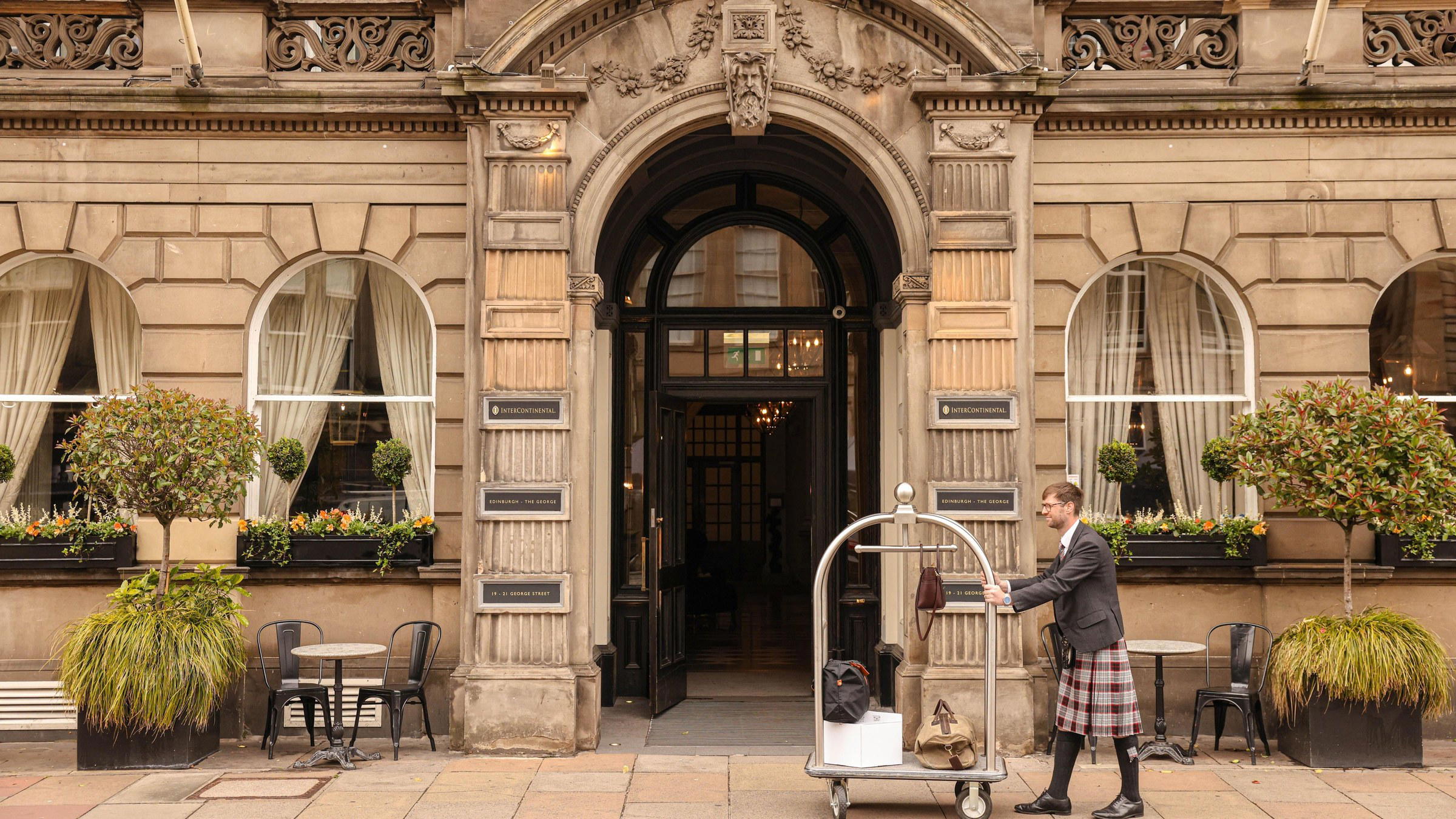
Where Georgian Edinburgh Meets Responsible Restoration
George Street in Edinburgh occupies a particular position in the city's geography and self-image. Laid out in the 1760s as the formal spine of James Craig's New Town grid, it was designed to house the prosperous merchant and professional classes who wanted distance from the medieval density of the Old Town. The banks and institutions that followed them have since given way to restaurants, bars, and hotels, but the architecture remains largely intact: wide pavements, sandstone facades, Corinthian columns, and proportions that reward looking up. InterContinental Edinburgh The George sits within this continuity rather than against it, occupying five linked Georgian townhouses at numbers 19 to 21, a run of buildings with documented connections to Sir Walter Scott. That lineage is not incidental decoration. It positions the property inside Edinburgh's literary and architectural heritage in a way that purpose-built hotels on the city's edge simply cannot replicate.
The multimillion-dollar refurbishment that returned the building to its current condition represents more than cosmetic renewal. Restoring Georgian fabric at this scale involves working within the constraints of listed building status, preserving original ceiling mouldings, retaining the rhythm of room layouts shaped by townhouse construction, and sourcing finishes that read as historically coherent rather than theme-park Georgian. The result is 239 rooms distributed across a building that functions simultaneously as heritage asset and working hotel, a balance that Edinburgh's New Town context makes both necessary and meaningful. For comparison hotels taking a similar approach to historic fabric across the UK, properties like Claridge's in London and Estelle Manor in North Leigh demonstrate how historic structures can be adapted without erasure of their original character.
The Printing Press: Scottish Provenance on a Josper Grill
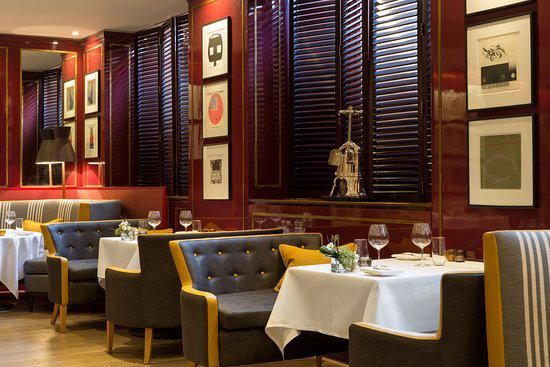
Edinburgh's dining scene has moved steadily toward provenance-led menus over the past decade, with Scottish beef, game, and seafood providing the raw material for a range of formats from casual to formal. The Printing Press restaurant works within that tradition at the premium end, centering its offer on 28-day-aged Scottish beef cuts cooked on a Josper grill. The Josper is a closed charcoal oven-grill combination that operates at higher temperatures than conventional grills, producing a crust and smoke character that open-flame grilling cannot replicate at consistent scale. The sauces reported by the hotel's inspector, including béarnaise, peppercorn, and bone marrow gravy, follow the classic steakhouse grammar, but the Scottish sourcing and the aging specification give the kitchen a local credential that distinguishes it from generic hotel dining.
The name itself connects to the broader cultural context. Edinburgh was one of the great printing cities of the 18th and 19th centuries, with the publishing trade clustered around the Old Town before spreading outward. Naming a restaurant in homage to that history, in a building connected to Scott, is an editorial decision rather than a marketing one, and it carries enough specificity to feel earned rather than manufactured.
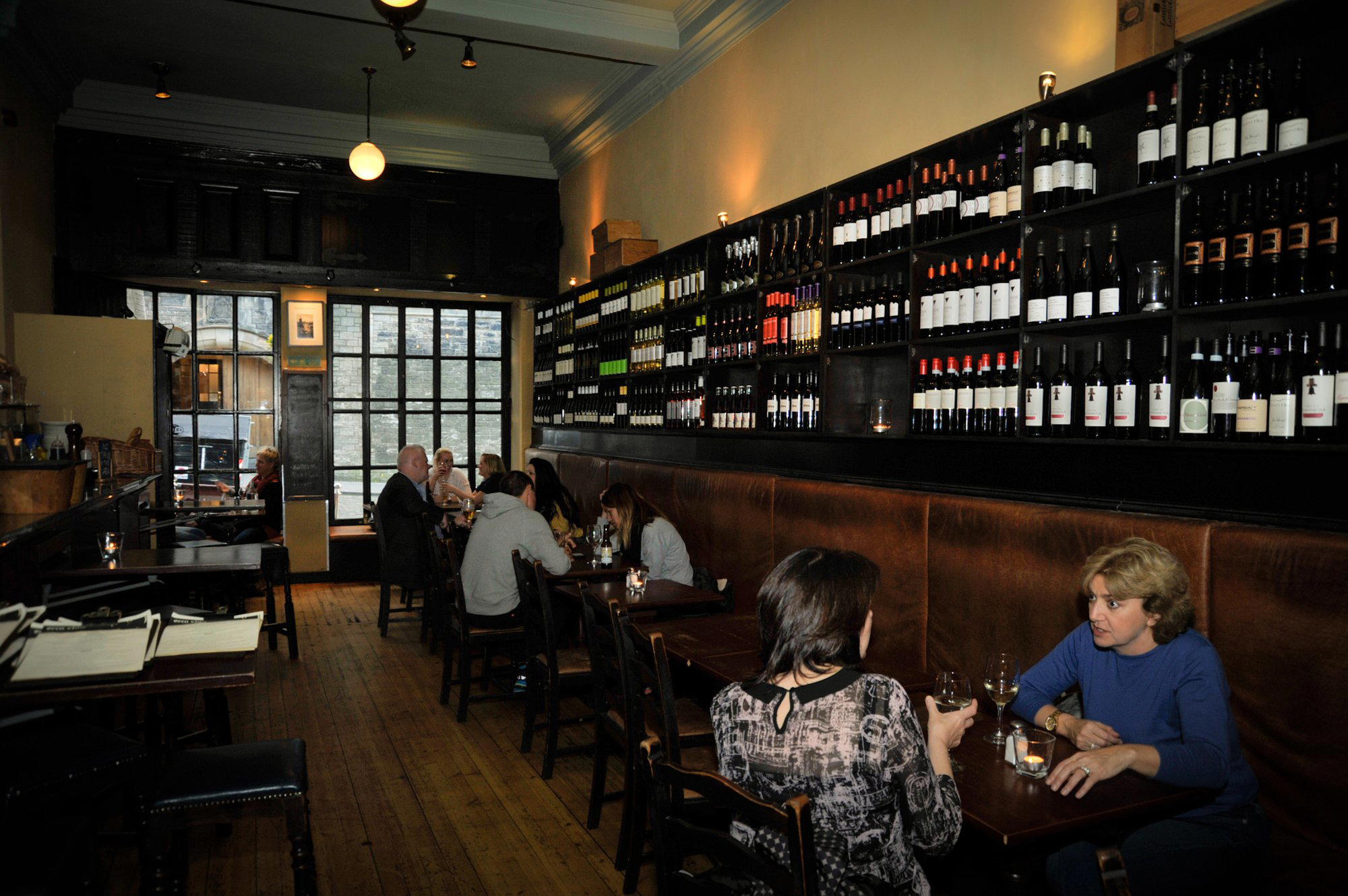
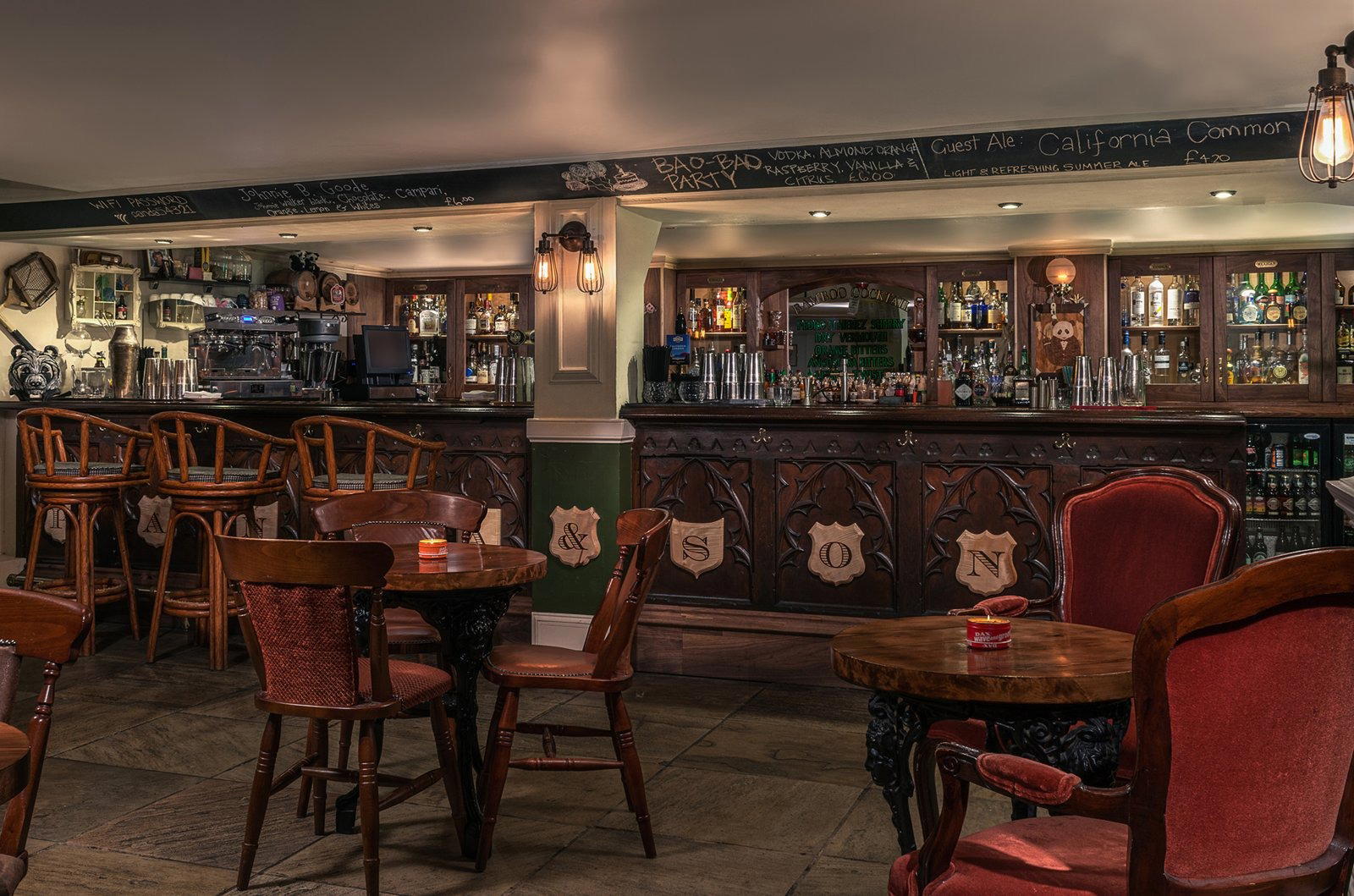
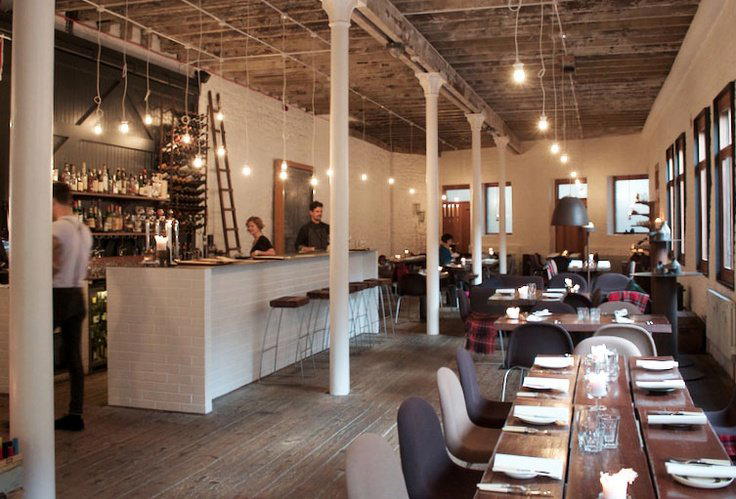
Printing Press Bar operates on a similar logic. The design reads as chic rather than historicist, and the cocktail program has enough depth that the bar draws a non-guest crowd on weekend evenings, which is a reliable indicator that a hotel bar has cleared the threshold between captive-audience hospitality and genuine neighbourhood presence. Whisky-based cocktails are the natural recommendation given the location: Scotland's whisky tradition gives a bar in Edinburgh a provenance argument that its counterparts in other cities cannot make. The mixology team at Printing Press Bar functions as a resource for navigating that category, which runs from accessible blends to aged single malts from distilleries across Highland, Speyside, and Islay.
240 Rooms Across Five Townhouses
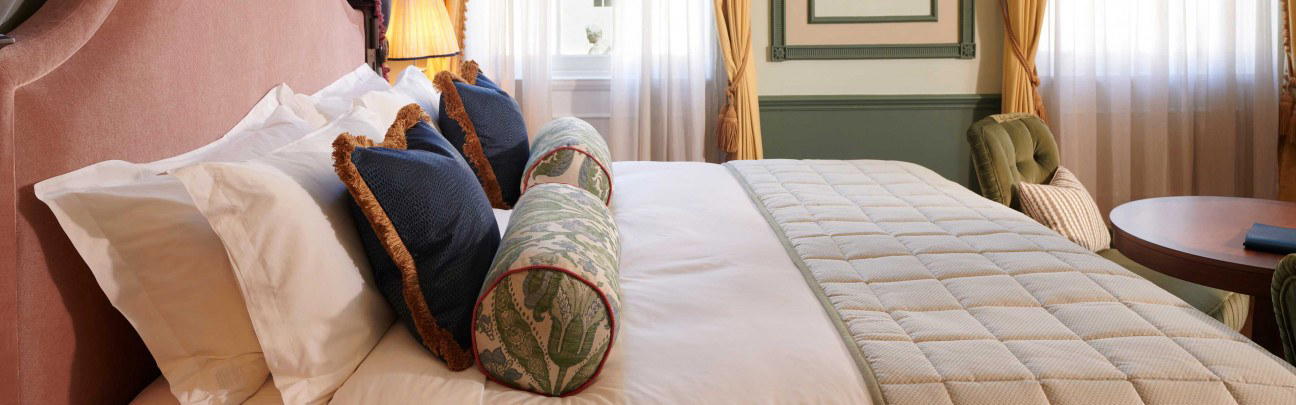
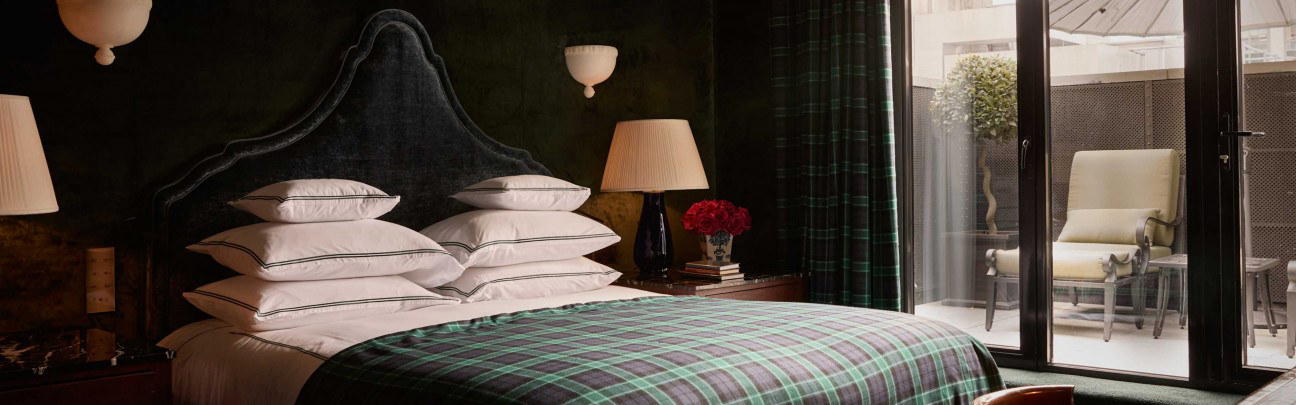
The room count of 240 is substantial for a property built from linked townhouses, and it shapes the guest experience in specific ways. Many rooms retain period features: high ceilings, bay windows, and proportions that reflect their origin as private residences for the city's prosperous citizens. Bathrooms across the property include rainfall showers, bathrobes, and San Francisco-made Agraria toiletries, a detail that signals a sourcing decision rather than the generic amenity package that fills most hotel bathrooms at this price tier.
Room selection at the George involves a meaningful trade-off. Street-facing rooms on lower floors look out over George Street, which by evening draws significant foot traffic from the bars and restaurants that have replaced the former banking institutions along its length. For guests who prioritize atmosphere and city orientation over quiet, this is the correct choice. For light sleepers, north-facing rooms on upper floors offer a calmer outlook that extends, on clear days, to the River Forth estuary. This is not a trivial distinction at a property of this size: the difference between a lower-floor George Street room and an upper-floor rear room is effectively a different experience of the city.
The gym, often overlooked at properties where the architecture commands most of the attention, was included in the refurbishment scope, with new equipment installed. It is a modest facility by the standards of purpose-built leisure hotels, but sufficient for guests who prefer not to route a morning run through Edinburgh's winter streets.
King's Hall and the Heritage Event Tier
Edinburgh supports a substantial events and celebrations economy, fed by its festival calendar, its university institutions, and a cultural self-confidence that makes it a preferred destination for Scottish milestone events. The King's Hall at The George operates in the premium segment of that market. Corinthian columns, moulded ceilings, and a blown-glass chandelier give the room a visual weight that purpose-built hotel ballrooms rarely achieve. Wedding and celebration demand for this space is high, which reinforces the recommendation to book rooms well ahead during peak periods regardless of whether you are attending an event.
Timing, Booking, and What to Know Before You Arrive
Edinburgh's August festival season doubles the city's population, pushing accommodation across all tiers into high demand from early in the year. Hogmanay, Scotland's New Year celebration, creates a second pressure point in late December. Both periods require advance planning that most other European city breaks do not. Guests who arrive during these windows without reservations for both dinner and the bar at Printing Press should expect to find both at capacity on weekend evenings.
The practical approach is to book dinner at the Printing Press alongside room reservations, arrive early enough to take an aperitif at the bar before the evening rush, and confirm room preference at booking rather than on arrival. The George Street address puts the hotel within walking distance of Princes Street, the Royal Mile, and the main festival venues, which reduces the need for taxis during high-traffic periods when the city's transport infrastructure operates under strain.
For guests considering Edinburgh as part of a wider Scottish itinerary, properties like Gleneagles in Auchterarder represent the country-house alternative to urban base hotels, while smaller properties such as Langass Lodge in Na H Eileanan An Iar, Dun Aluinn in Aberfeldy, and Burts Hotel in Melrose illustrate how Scotland's independent hospitality sector operates at a different scale and character from the George's New Town grand hotel model. Within Edinburgh itself, the competitive set includes Gleneagles Townhouse, Kimpton Charlotte Square Hotel, 100 Princes Street, Fingal Hotel, Malmaison Edinburgh, Black Ivy, Cheval Old Town Chambers, and 24 Royal Terrace Hotel, each occupying a distinct niche in terms of scale, character, and location. Our full Edinburgh restaurants guide maps the wider dining and drinking scene for guests looking beyond the hotel.
For broader context on how historic grand hotels are being repositioned across the UK and beyond, properties such as Lime Wood in Lyndhurst, The Newt in Somerset in Castle Cary, and Glen Mhor Hotel and Apartments in Highland each demonstrate different approaches to rooting hospitality in place and material culture. Internationally, Muir, A Luxury Collection Hotel, Halifax, The Fifth Avenue Hotel in New York City, Aman New York, and Aman Venice illustrate the full range of how historic buildings are being adapted across the premium hospitality tier. Closer comparators for the George's combination of urban grand hotel scale and northern English or Scottish city context include Glasgow Grosvenor Hotel, Hope Street Hotel in Liverpool, and King Street Townhouse Hotel in Manchester.
Price and Positioning
Comparable venues nearby, for context on price, style, and recognition.
| Venue | Price | Awards | Notes |
|---|---|---|---|
| InterContinental Edinburgh The GeorgeThis venue — the venue you are viewing | $$$$ | 4-Star | Not listed |
| Virgin Hotels Edinburgh | $$$$ | 5-Star | Old Town, Boutique luxury hotel in landmark historic building with modern twists. |
| The Roseate Edinburgh | $$$$ | 5-Star | Dalry, Restored Victorian townhouses offering intimate luxury in Edinburgh's West End. |
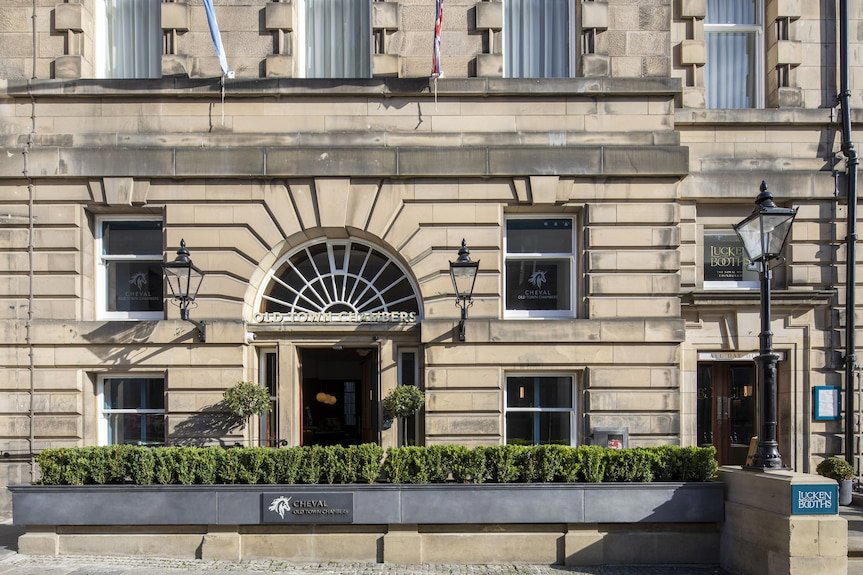
| Cheval Old Town Chambers | $$$$ | 4-Star | Old Town, Contemporary luxury serviced apartments within restored historic buildings, offering apartment-style living with hotel amenities in a heritage setting. |
| The Witchery by the Castle | $$$$ | 5-Star | Old Town, Independent luxury heritage property positioned as a theatrical Gothic experience rather than a traditional hotel, emphasizing drama, history, and romance. |
| 24 Royal Terrace Hotel | $$$ | 4-Star | Abbeyhill, Contemporary art-focused boutique hotel housed in a restored 1820s Georgian townhouse with modern amenities and curated design elements. |
Recognition history
Dated appearances from independent guides and award organizations, with the underlying list record or original source where available.
Forbes Recommended
Forbes
Forbes Recommended
Forbes
Michelin Selected
Michelin
At a Glance
- Elegant
- Sophisticated
- Classic
- Historic
- Business Trip
- Romantic Getaway
- Wedding
- Historic Building
- Wi Fi
- Fitness Center
- Spa
- Room Service
- Concierge
- Business Center
- Restaurant
- Bar
- Street Scene
- Wi Fi
- Fitness Center
- Spa
- Room Service
- Concierge
- Business Center
- Restaurant
- Bar
Elegant historic atmosphere with peaceful ambiance, comfortable rooms featuring luxury Byredo amenities, bathrobes, and Egyptian cotton sheets.