Langass Lodge
On the Atlantic-facing shore of North Uist, Langass Lodge occupies a position that few properties in the British Isles can match, a working lodge set against open moorland, sea loch, and near-total quiet. The Outer Hebrides lodging tier is thin, which concentrates attention on properties like this one: remote by design, shaped by the physical character of the island rather than imported hospitality conventions.

Pearl is the En Primeur Club membership app, where members save venues, book tables and use the concierge.
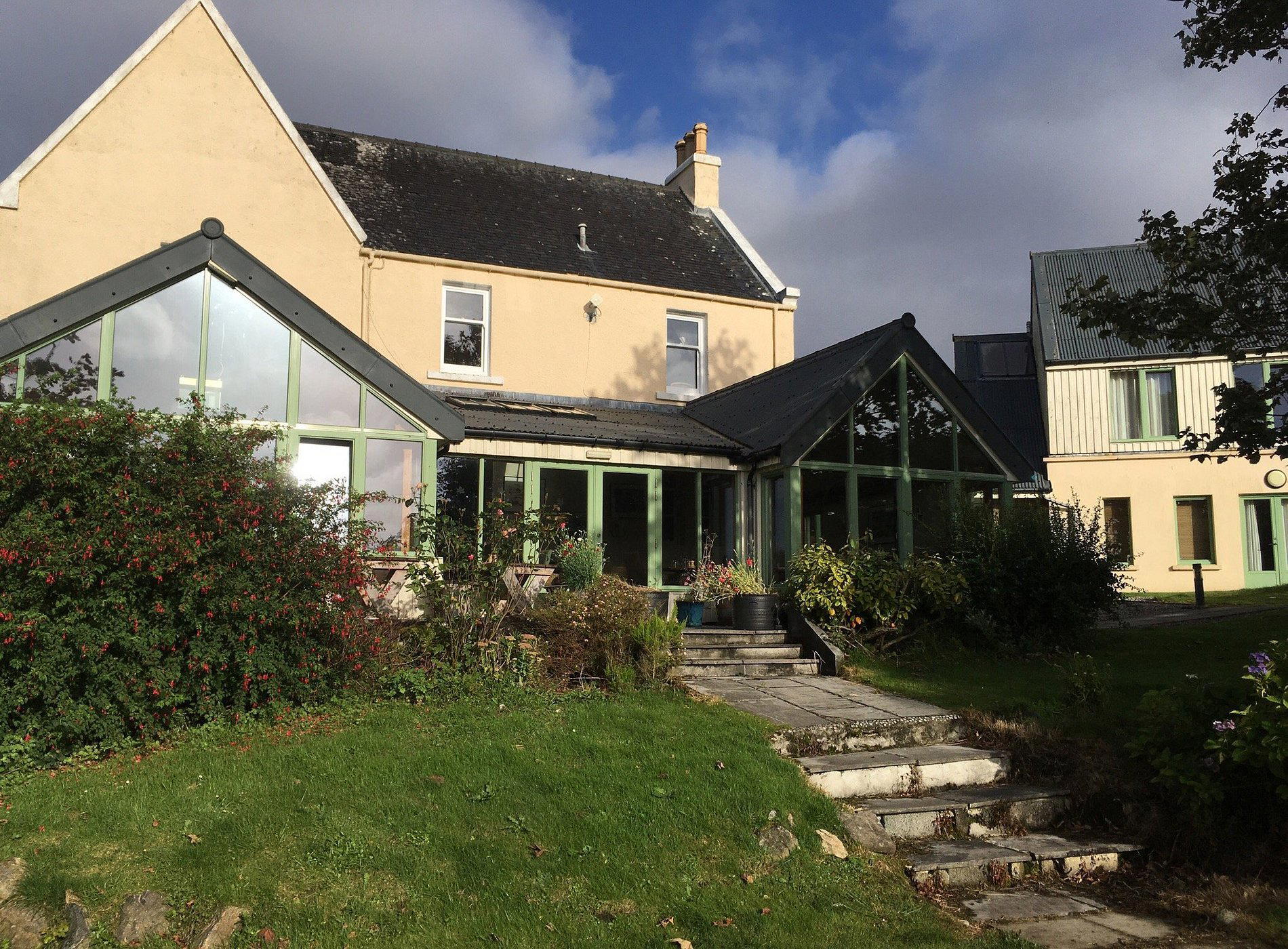
Where the Moorland Meets the Atlantic: Understanding Langass Lodge's Position
The Outer Hebrides sit at the north-western edge of the British landmass, separated from the Scottish mainland by the Minch and exposed directly to the North Atlantic on their western flank. On North Uist, that geography is not a backdrop, it is the defining condition of every building, meal, and hour of the day. Langass Lodge, at Locheport on the island's eastern shore, sits within that reality rather than apart from it. The lodge format that has evolved across Scotland's remote highlands and islands operates differently from mainland country house hotels: the physical environment generates the program, not the other way around.
Properties in this tier, small-scale lodges in genuinely remote Scottish island settings, occupy a niche that contrasts sharply with the grand estate model represented by properties like Gleneagles in Auchterarder. The island lodge format foregoes the manicured grounds and full-service spa infrastructure of the mainland country house in exchange for direct access to working landscape: moorland, sea loch, the movement of weather, and the particularities of island food supply. That is a meaningful trade-off, and visitors who understand it arrive with the right expectations.
The Physical Character of a Hebridean Lodge
North Uist's built environment is defined by low, wind-adapted structures, whitewashed stone, small windows, rooflines that offer minimal resistance to prevailing westerlies. Langass Lodge reads within that vernacular: a stone-built property in a setting where the horizon is rarely interrupted by anything taller than heather. The approach to the lodge across open moorland is part of the experience; there is no urban transition, no graduated arrival through a town or village. The shift from the single-track road to the property is abrupt in the way that Hebridean landscape is generally abrupt, one moment you are in open country, the next you have arrived.
This kind of setting places the lodge in a small peer group of genuinely remote British island accommodations. Comparable in spirit, if not in geography, are properties like Scarista House on Harris, which occupies a similarly spare Atlantic-facing position and operates within the same logic of landscape-first hospitality. Both sit in a different conversation from urban boutique hotels, compare the positioning of Malmaison Edinburgh or Glasgow Grosvenor Hotel and the difference in hospitality proposition becomes immediately clear. The island lodge asks the guest to orient toward the outside; the city hotel asks the outside to wait.
The design logic of remote Scottish lodges is largely functional before it is aesthetic. Thick walls retain heat through Atlantic winters. Orientation matters: rooms that face west catch the long summer light, North Uist's latitude means midsummer evenings remain bright well past ten o'clock, while eastern-facing aspects shelter from the prevailing wind. These constraints produce an architecture that looks unassuming from a distance but performs clearly in use. The same logic applies to properties like Hell Bay Hotel in Bryher on the Isles of Scilly, where island conditions shape spatial decisions in ways that no mainland designer brief would produce.
Island Dining: The Logic of Local Supply Chains
Across the Outer Hebrides, lodge dining follows the structure of the island's food economy: seafood from the surrounding waters, lamb and venison from the land, with the mainland supplement arriving by ferry or small aircraft. North Uist's machair, the fertile coastal grassland unique to the Hebrides, supports grazing that gives the island's lamb a specific character. The sea lochs that indent the island's coastline produce shellfish, and the Atlantic waters beyond support a fishing economy that feeds directly into the local hospitality sector.
This is not a farm-to-table marketing exercise but a practical consequence of geography. Supply logistics to remote island properties are genuinely constrained, and kitchens that work within those constraints tend to produce menus that reflect the season and the available catch with more honesty than menus designed around consistent imported produce. The contrast with London's formal dining tier, Claridge's in London operates in a world of global supply and year-round consistency, is total. Neither model is superior; they are responses to entirely different operating conditions.
For those familiar with the dining programs at properties like The Newt in Somerset or Lime Wood in Lyndhurst, the island lodge kitchen offers a rawer version of the same principle: the place shapes the plate. What differs is the degree of constraint and the distance from the supply centre. On North Uist, the kitchen is not choosing locality as a positioning strategy, it is working with what the island and the sea provide.
Getting to North Uist: The Logistical Reality
Reaching North Uist requires commitment. The most direct routes involve a flight to Benbecula airport, served from Glasgow and Inverness, or a Caledonian MacBrayne ferry from Uig on Skye to Lochmaddy, the island's main settlement. Lochmaddy is approximately ten kilometres from Locheport. Driving from the Scottish mainland adds a ferry crossing and several hours; the typical journey from Glasgow runs to the better part of a day. That logistical barrier is part of what the Outer Hebrides experience offers: the sense of genuine arrival, of having crossed water and changed register.
Visitors who have used remote Scottish properties like Monachyle Mhor Hotel in Stirling or Dun Aluinn in Aberfeldy will recognise the pattern: the journey becomes part of the experience, and the remoteness is not incidental but structural to the appeal. North Uist takes that further than most mainland Highland properties. There is no casual passing traffic, no option to leave for a city dinner and return. Guests are on the island for the duration, which concentrates attention on what the island offers.
Those weighing an Outer Hebrides stay against other remote British island options should also consider Ardbeg House in Port Ellen on Islay, which operates in a similarly concentrated island format, though Islay's whisky infrastructure and ferry access from the Kintyre peninsula place it in a somewhat more connected position than North Uist. For the full experience of Britain's Atlantic edge, the Outer Hebrides remain the more demanding and more immersive choice. Our full Na H Eileanan An Iar restaurants guide covers the wider island eating scene for those planning an extended stay.
In Context: Similar Options
| Venue | Price | Awards |
|---|---|---|
| Langass LodgeThis venue (the venue you are viewing) | $100–200 | Not listed |
| Lime Wood | Not listed | 2 Michelin Keys · La Liste Top Hotels |
| Muir, A Luxury Collection Hotel, Halifax | $300–500 | 1 Michelin Key · Forbes 4-Star |
| Raffles London at The OWO | $1,000–1,500 | 3 Michelin Keys · World's 50 Best #28 |
| The Connaught | $1,000–1,500 | 3 Michelin Keys · World's 50 Best #49 |
Continue exploring
More in Na H Eileanan An Iar
Hotels in Na H Eileanan An Iar
All hotels in Na H Eileanan An Iar →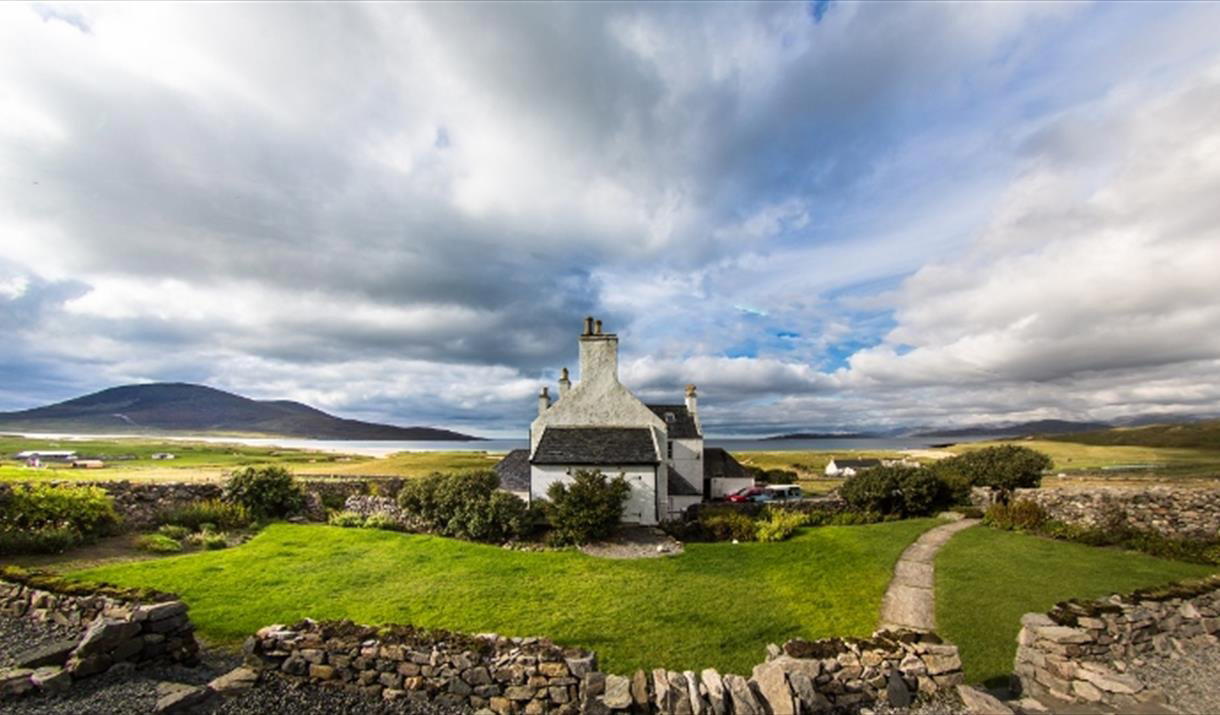
Wineries in Na H Eileanan An Iar
Browse all →
Details
- Cozy
- Rustic
- Scenic
- Romantic
- Romantic Getaway
- Weekend Escape
- Waterfront
- Historic Building
- Wi Fi
- Restaurant
- Bar
- Room Service
- Waterfront
- Garden
- Step Free Entrance
Cozy interiors with beautiful textiles, crisp white bed linen, and wooden floors in a peaceful setting.