The Glasshouse Hotel

Forbes Recommended
A Victorian church facade wrapped in contemporary glass architecture, The Glasshouse Hotel sits at the foot of Calton Hill with 77 rooms, a two-acre rooftop garden, and a whisky list running to nearly 100 expressions. The design contrast — stone against glazing, heritage against minimalism — defines the property's identity within Edinburgh's city-centre hotel scene, and earns it a loyal following among repeat visitors.

Pearl is the En Primeur Club membership app — saves, bookings, and concierge access live there. Same editors, same standards.
- Address
- 2 Greenside Pl, Edinburgh EH1 3AA
- Phone
- +44 131 525 8200
- Website
- marriott.com
- Directions
- Get directions
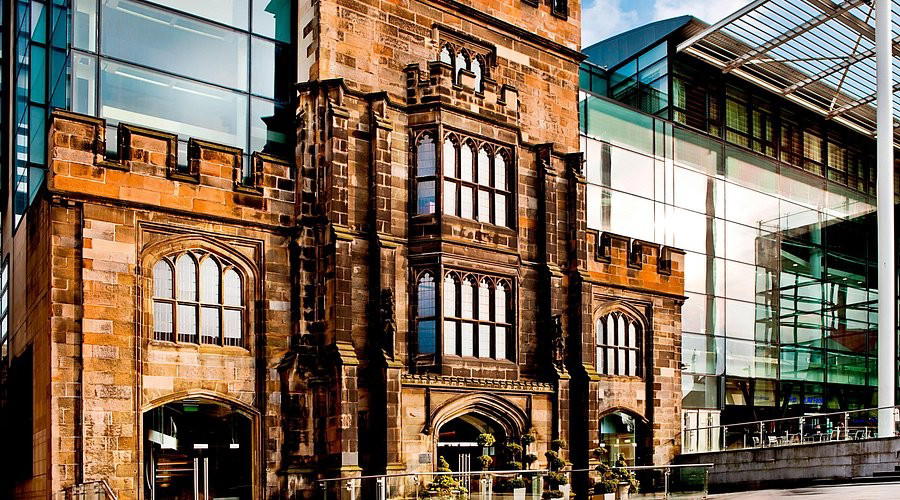
Where Victorian Stone Meets Contemporary Glass
Edinburgh's city-centre hotel stock splits fairly cleanly between grand Georgian traditionalists and modern conversions that use historic shells as structural anchors. The Glasshouse Hotel, at 2 Greenside Place, belongs firmly to the second category — and it makes that structural dialogue more explicit than most. A 170-year-old stone church serves as the entry point and visual anchor, while a sweep of contemporary glazing extends behind and above it, creating a building that reads differently depending on the angle of approach. Calton Hill rises immediately to the east; Princes Street sits within walking distance to the west. The location places it at a geographic midpoint that few competitors in the city can match.
Conversion architecture of this kind carries risk. Glass-and-stone juxtapositions can feel forced, the tension between periods unresolved. Here, the contrast has worn well: a major revamp in 2018 refreshed the interior language without dismantling what made the property distinctive. For design-focused travellers who find the heavy baronial interiors of some Edinburgh institutions slightly airless, The Glasshouse offers a calibrated alternative. The 77 rooms avoid tartan-and-thistle clichés in favour of a sensibility the property describes as tastefully curated Scottish art combined with a Japanese minimalist streak, with wooden screens used to articulate space rather than fill it. Floor-to-ceiling windows throughout emphasise the building's glass architecture from the inside, framing views across the city or back toward Calton Hill depending on room orientation.
The Rooftop as a Differentiator
Among Edinburgh's city-centre hotels, rooftop amenity is relatively rare and usually modest. The Glasshouse's two-acre rooftop garden is the most frequently cited reason repeat guests return, and the scale alone separates it from token terrace offerings. Real grass, palm trees, and seating designed for leisure rather than function give the space a quality that is unusual in a dense urban setting. The garden faces Calton Hill and the broader Edinburgh skyline, and timing matters: the hotel advises visiting early in the morning and in late afternoon to catch the sun at its most useful. That is practical guidance worth following, particularly during Scottish summer when daylight hours are long enough to make both windows viable on the same day.
Access to the rooftop garden is a factor worth building into room selection. Guests on the same floor as the garden can reach it directly; guests elsewhere in the building have slightly more distance to cover. If the garden is a priority, it is worth raising at the time of booking. Rooms with balconies offer a secondary outdoor option for those who prefer private outdoor space to a shared garden.
Rooms: Space, Light, and Considered Detail
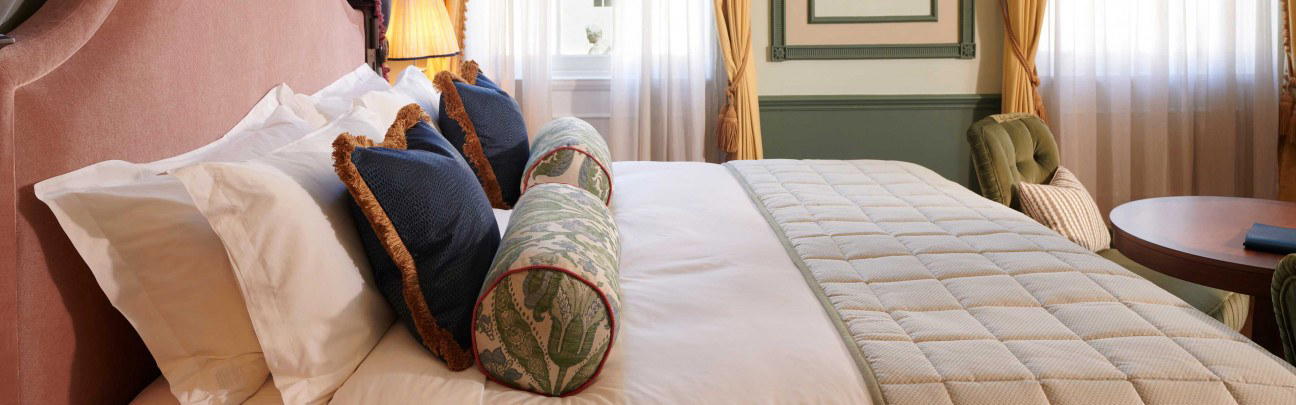
The 77 rooms are configured around the guiding principles of light and space, which the architecture makes easier to deliver than in many city hotels. Upper-floor rooms with floor-to-ceiling windows provide the clearest payoff for that design intention, particularly those angled toward Calton Hill. The room aesthetic leans toward restraint: Scottish context is present through art selection rather than decorative shorthand, and the Japanese minimalist influence shows most clearly in the wooden screens that define zones within larger rooms. Aromatherapy Associates toiletries and Nespresso machines are standard across the board.
Street-facing rooms on the lower levels carry a noise caveat that the hotel is transparent about: Greenside Place is an active urban road, and the proximity to the city's evening economy means noise can carry. Light sleepers should specify upper floors or courtyard-facing rooms when booking. This is a practical consideration at most city-centre hotels in Edinburgh, but the hotel's own guidance makes it explicit here.
Drinking and Dining: The Snug Lounge, Brasserie, and Room Service
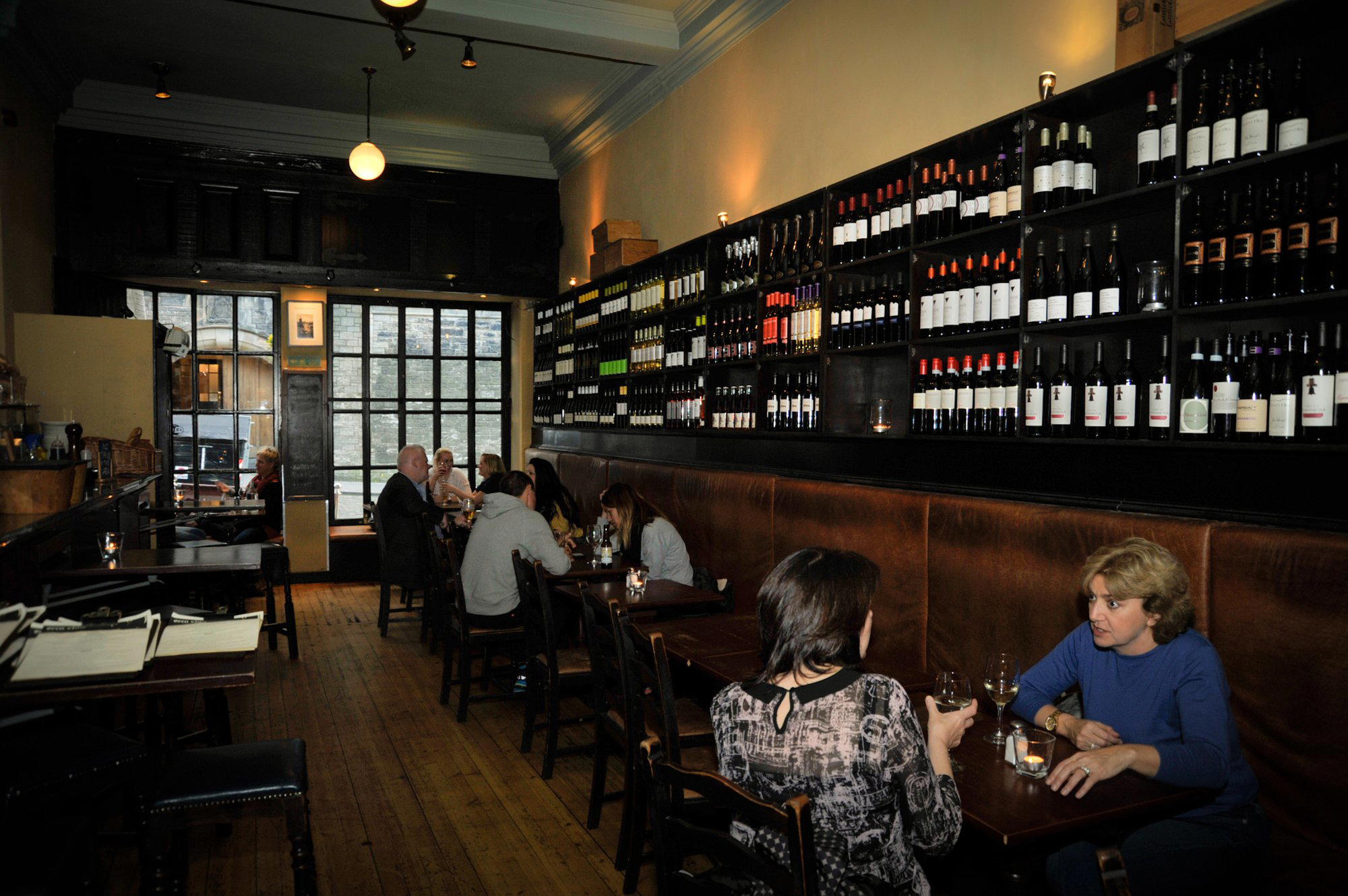
The Snug Lounge positions itself within a distinct Edinburgh tradition: the serious whisky bar. A list approaching 100 expressions places it in reasonable proximity to some of the city's dedicated whisky venues, and the room design — leather sofas, a deliberately den-like atmosphere, is calibrated for extended evening sessions rather than quick drinks. Edinburgh has no shortage of whisky-focused hotel bars, but the Snug's physical character and the depth of its list give it more credibility than a hotel bar that treats whisky as a token gesture toward Scottish identity.
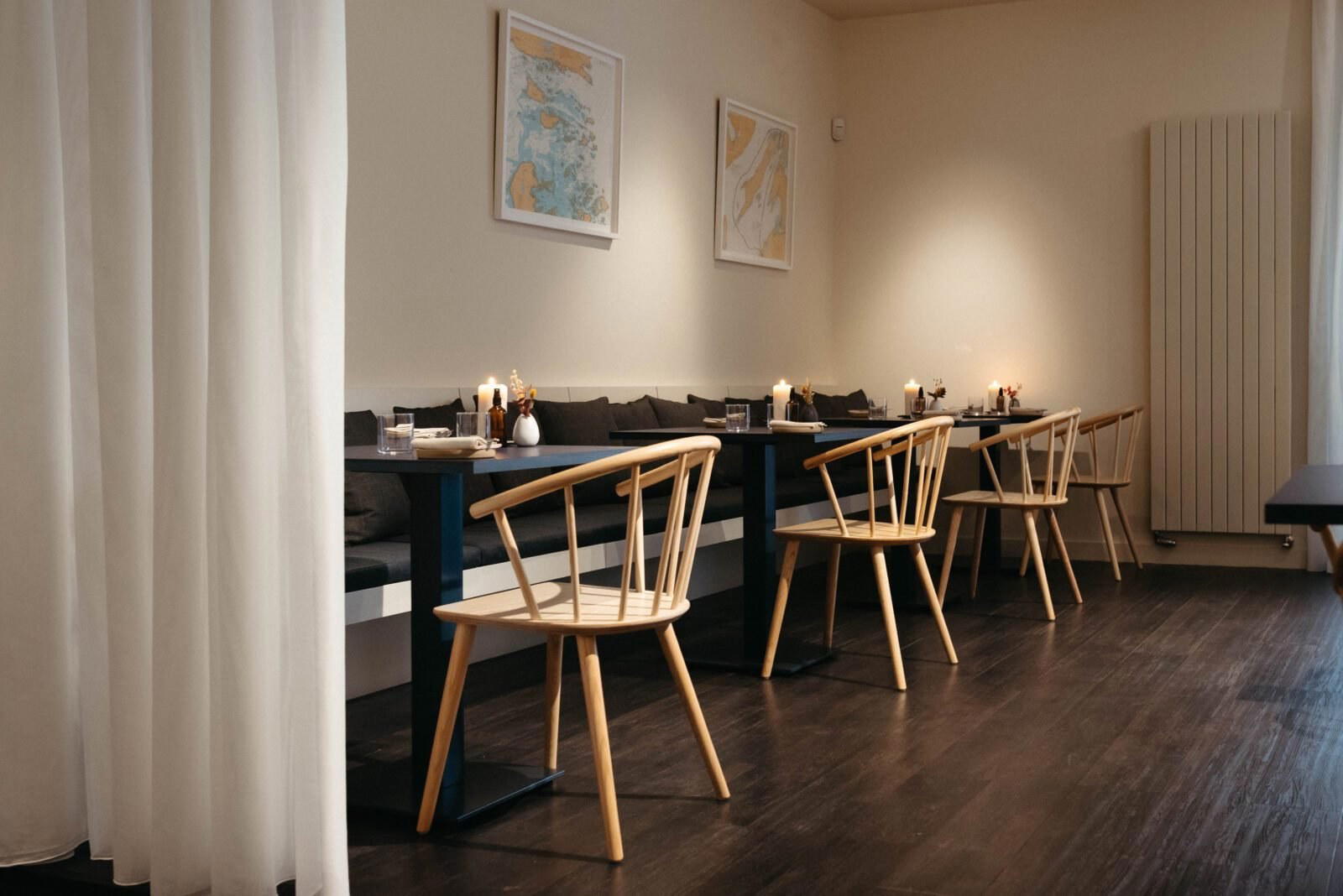
The Brasserie handles breakfast and can get busy during peak periods. The hotel's own advice is to opt for room service if time is short, a useful signal about peak-hour pressure on the dining room. Room service extends to a dinner menu that includes steak and North Sea seafood, both prepared to a standard the hotel presents as genuinely worth ordering rather than a fallback option. For dinner beyond the hotel, Edinburgh's New Town and Old Town restaurant scenes are both within walking reach, with a range of cuisine types and price points covered in our full Edinburgh restaurants guide.
Placing The Glasshouse in Edinburgh's Hotel Set
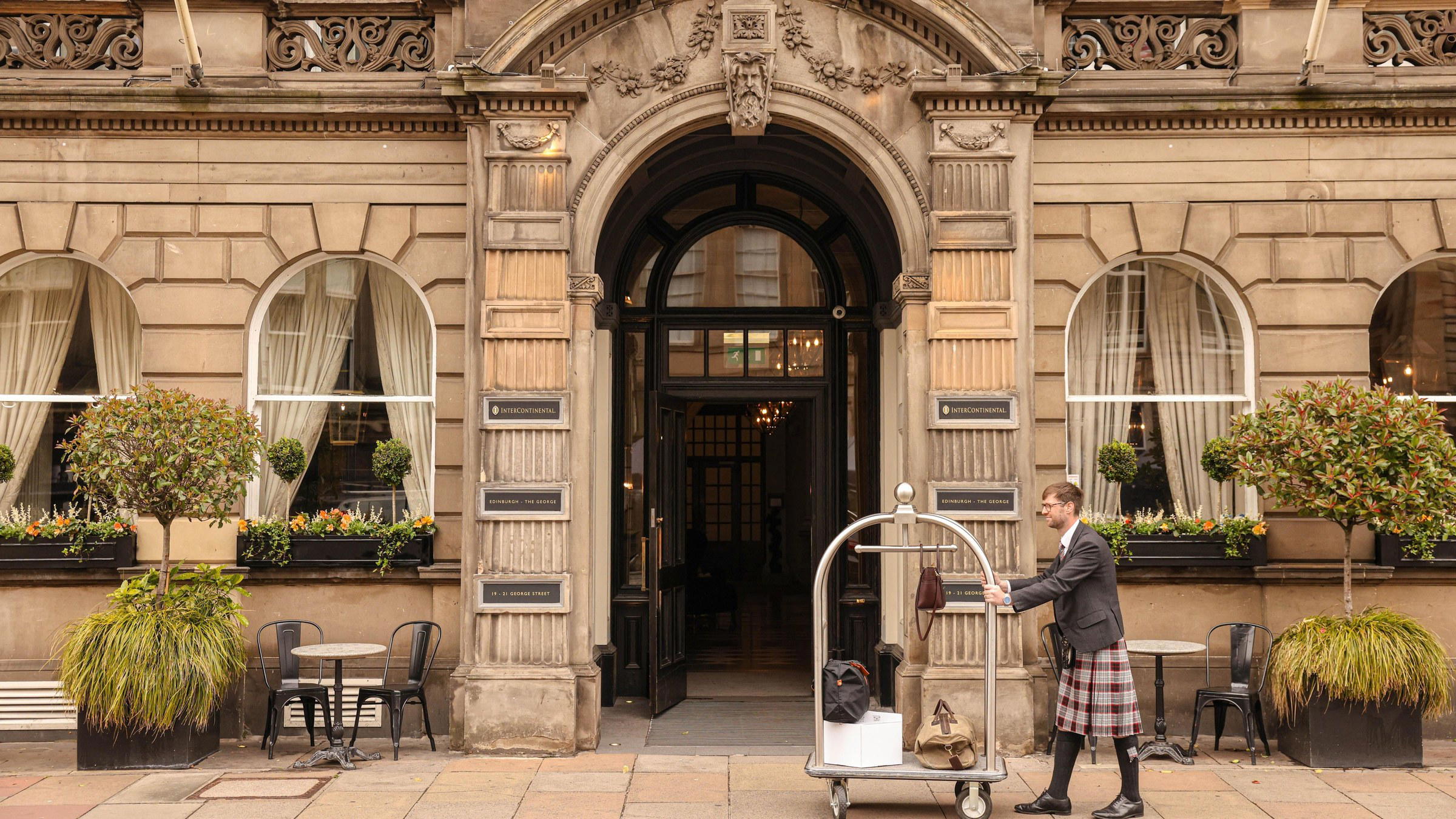
Edinburgh's premium city-centre hotel market encompasses several distinct approaches. The established grand-hotel tier, properties like InterContinental Edinburgh The George, trades on Georgian architecture and formal service traditions. At the design-led end, newer entrants such as Gleneagles Townhouse have brought the Perthshire estate brand into the city in a more contemporary format. The Glasshouse sits apart from both: its conversion architecture gives it a physical identity that the Georgian properties cannot replicate, while its 77-room scale and rooftop garden create a competitive position that is harder to compare directly to boutique newcomers.
Properties like 100 Princes Street, Black Ivy, Kimpton Charlotte Square Hotel, Cheval Old Town Chambers, Fingal Hotel, and 24 Royal Terrace Hotel each occupy different positions within Edinburgh's accommodation range. What distinguishes The Glasshouse is primarily structural: the church-and-glass architecture is not replicated elsewhere in the city, and the two-acre rooftop garden at this scale has no direct city-centre equivalent.
For travellers who find the Edinburgh stay as a stepping-stone within a broader UK itinerary, comparable design-forward conversion hotels elsewhere include Hope Street Hotel in Liverpool and King Street Townhouse Hotel in Manchester. Within Scotland, Gleneagles in Auchterarder represents the estate-hotel alternative for those with a longer schedule, while Burts Hotel in Melrose or Langass Lodge in Na H Eileanan An Iar suit travellers heading further into rural Scotland. The Glasgow Grosvenor Hotel offers a useful comparison for travellers weighing the two Scottish cities, and properties like Dun Aluinn in Aberfeldy or Glen Mhor Hotel and Apartments in Highland cover the Highlands segment. Beyond Scotland, Lime Wood in Lyndhurst, Estelle Manor in North Leigh, and Claridge's in London represent different points on the UK luxury spectrum. Internationally, The Fifth Avenue Hotel in New York City, Aman New York, Aman Venice, The Newt in Somerset, and Muir, A Luxury Collection Hotel in Halifax illustrate the broader range of design-led conversion and luxury properties that share certain architectural priorities with The Glasshouse's approach.
Planning Your Stay
The hotel sits at 2 Greenside Place, EH1 3AA, a short walk from Waverley Station and directly adjacent to Calton Hill, which provides green space and refined city views without requiring a journey out of the centre. For room selection, upper floors with Calton Hill or cityscape views represent the clearest application of the floor-to-ceiling window design; rooms on the same level as the rooftop garden offer direct garden access. Lower-level street-facing rooms are leading avoided by light sleepers. Breakfast in the Brasserie peaks during busy periods; room service is the more reliable option when time is limited. The whisky list in the Snug Lounge, running close to 100 expressions, is worth approaching with a specific request in mind rather than an open-ended browse if the selection feels broad.
In Context: Similar Options
Comparable venues nearby, for context on price, style, and recognition.
| Venue | Cuisine | Price | Awards | Notes |
|---|---|---|---|---|
| The Glasshouse HotelThis venue — the venue you are viewing | Contemporary urban boutique with rooftop oasis | Not listed | Forbes Recommended | Not listed |
| The Witchery by the Castle | Independent luxury heritage property positioned as a theatrical Gothic experience rather than a traditional hotel, emphasizing drama, history, and romance. | $500–750 | La Liste Top Hotels | Old Town |
| Nira Caledonia | Georgian townhouse boutique | $300–500 | Michelin Selected · Small Luxury Hotels of the World Member | Stockbridge |
| The Edinburgh Grand, a Luxury Collection Hotel, Edinburgh | Luxury serviced apartments in a converted historic landmark, designed for modern independent travelers seeking residential-style comfort with five-star service. | Not listed | Virtuoso Luxury Hotel Partner | Greenside |
| Old Town Chambers, Autograph Collection | Historic aparthotel blending heritage charm with contemporary luxury apartments | $300–500 | Michelin Selected · La Liste Top Hotels | Old Town |
| Radisson Collection Hotel, Royal Mile Edinburgh | Contemporary boutique hotel blending Scottish heritage with modern design, positioned as a design-led luxury destination. | $300–500 | Not listed | Old Town |
Recognition history
Dated appearances from independent guides and award organizations, with the underlying list record or original source where available.
Forbes Recommended
Forbes
Full recognition history (2 entries)
Forbes Recommended
Forbes
Details
- Modern
- Elegant
- Sophisticated
- Romantic Getaway
- Anniversary
- Business Trip
- Historic Building
- Panoramic View
- Wi Fi
- Room Service
- Concierge
- Restaurant
- Business Center
- Skyline
- Garden
- Wheelchair Accessible
- Elevator
- Step Free Entrance
Light-filled spaces with floor-to-ceiling windows, plush bedding, and tranquil rooftop garden atmosphere praised for its relaxing and luxurious feel.