100 Princes Street




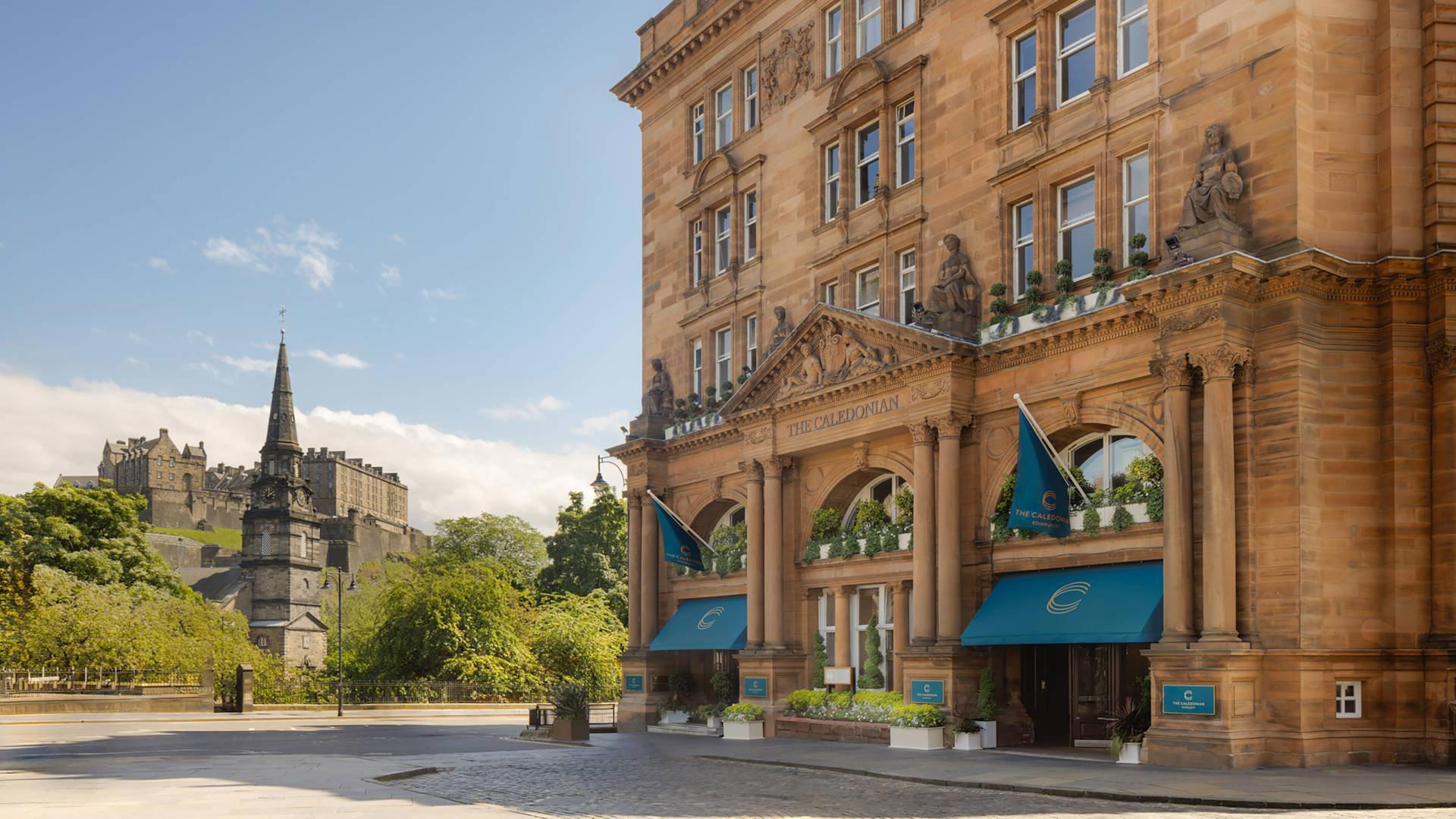
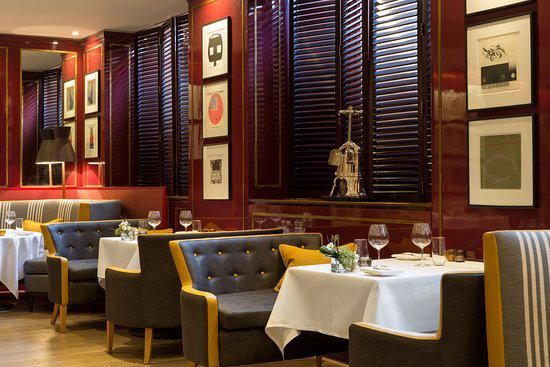
Occupying the former headquarters of the Royal Overseas League on Princes Street, this 30-room Red Carnation hotel operates with the discretion of a private members' club and the sightlines of a front-row seat to Edinburgh Castle. Each room is individually furnished with tartans and Georgian antiques. The Wallace restaurant serves Scottish classics, while Ghillie's Pantry stocks over a hundred whiskies.
Pearl is the En Primeur Club membership app — saves, bookings, and concierge access live there. Same editors, same standards.
- Address
- 100 Princes St., Edinburgh EH2 3AB
- Phone
- +44 131 287 3100
- Website
- 100princes-street.com
- Directions
- Get directions
 Saves & bookings on Pearl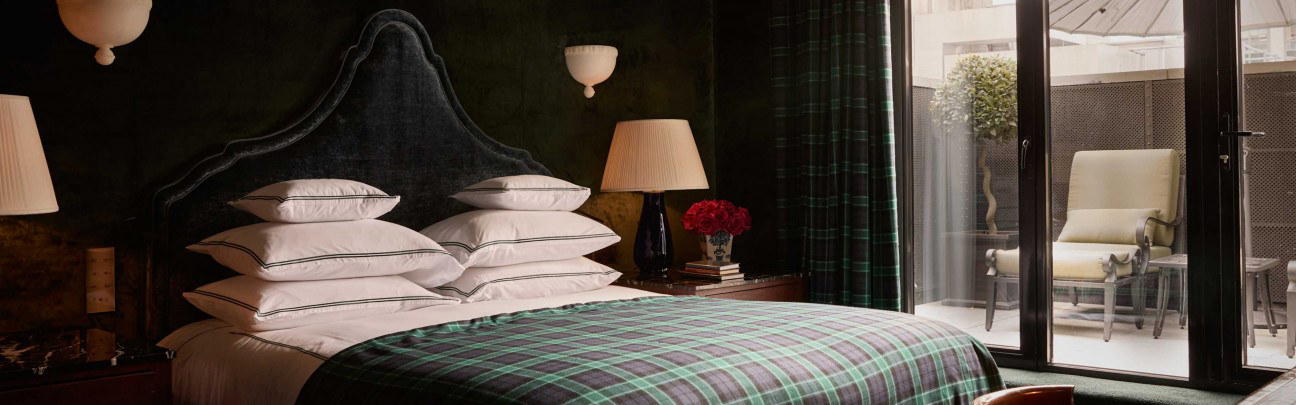
Where Princes Street Meets Private Members' Culture
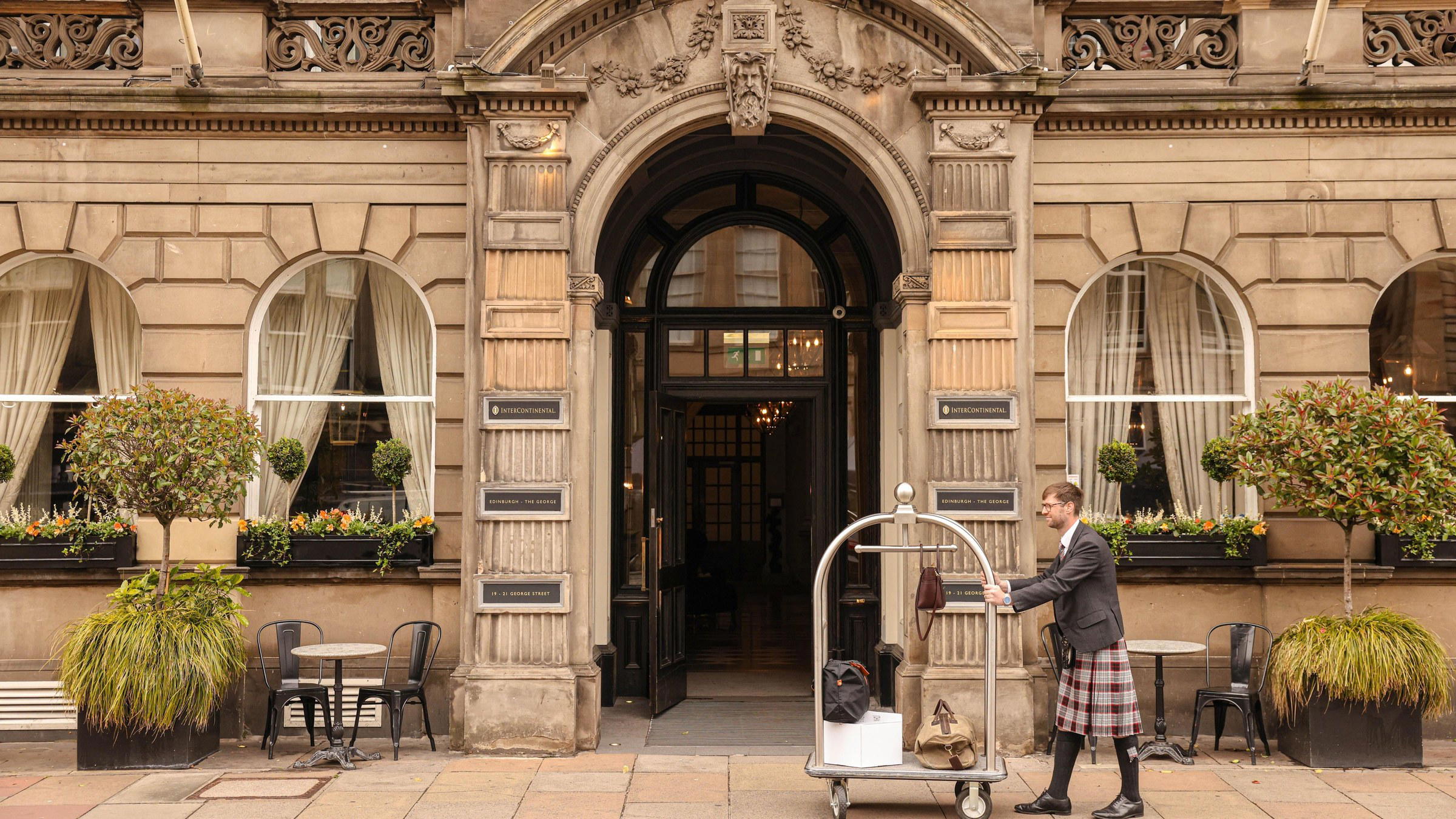
Edinburgh's hotel market has always been weighted toward the grand and the public-facing: the Balmoral's clock tower, the InterContinental's Georgian facade on George Street. The more interesting counter-movement is a smaller cohort of properties that trade volume for discretion, operating at low key counts with service architectures closer to private clubs than conventional hotels. InterContinental Edinburgh The George anchors the traditional full-service end of that market. 100 Princes Street, part of the Red Carnation Hotel Collection, occupies a different position: 30 rooms, a 4-star stay, and a building history, the former headquarters of the Royal Overseas League, that predisposes every design decision toward quiet authority over spectacle.
The address itself does considerable editorial work. Princes Street is Edinburgh's most-trafficked thoroughfare, but the hotel sits within it rather than performing for it. From certain rooms, the view runs directly up the hill to Edinburgh Castle, with the Royal Scottish Academy a short block away. That geography matters: guests are at the centre of the city without being at the mercy of it.
The Logic of Thirty Rooms
At 30 rooms and suites, 100 Princes Street belongs to the tier of Edinburgh properties where scale is a deliberate service choice, not a capacity constraint. Compare this to the large-format city-centre hotels, where corridors are long and the relationship between guest and staff is necessarily transactional. The equivalent proposition in the UK independent luxury market, properties like Estelle Manor in North Leigh or Lime Wood in Lyndhurst, suggests that this room count is where personalised service becomes structurally possible rather than aspirational. You can train for warmth, but you cannot train for memory if the operation is too large to support it.
The rooms themselves are individually furnished rather than built to a repeating template. Tartans and Georgian-era antiques appear across the property, referencing the building's institutional heritage without reducing Scotland to shorthand. Each room is different, which means repeat guests accumulate a specific relationship with the property rather than a generic one. That detail has real implications for how the hotel positions against Edinburgh's more standardised luxury tier, including properties like the Kimpton Charlotte Square Hotel and Malmaison Edinburgh, where brand consistency and room uniformity are part of the offer.
Service as Structure, Not Style
The editorial angle most relevant to 100 Princes Street is not design or location but service philosophy. The members' club reference that appears in multiple descriptions of the property is not decorative, it signals a specific operational posture. Members' club service is anticipatory rather than reactive. Staff know the preferences of regulars. Requests are fielded before they become needs. The tone is personal without being familiar.
Within Edinburgh's current hotel scene, this positions 100 Princes Street alongside a small set of properties pursuing what might be called relationship hospitality: Gleneagles Townhouse, which imports the service culture of the Auchterarder estate into a city-centre format, and 24 Royal Terrace Hotel, operating at comparable scale. In London, the analogy would be Claridge's, where institutional memory and personal recognition define the proposition as much as the rooms themselves. The Red Carnation Collection, which also operates The Fifth Avenue Hotel in New York City, has a consistent track record of building this kind of service culture across its properties.
The Wallace and Ghillie's Pantry
Scotland's hotel dining has moved considerably over the past decade, with the better properties treating food and drink as substantive programmes rather than amenities. At the hotel, The Wallace restaurant serves Scottish classics at the higher end of that register. The offer is grounded in regional produce and traditional formats, which aligns with what Edinburgh's dining scene does well when it avoids trying to compete with London on London's terms.
Ghillie's Pantry, stocked with more than a hundred whiskies, operates as both a practical amenity and a curatorial statement. Scotland produces more whisky expressions than any other country, and a hundred-bottle selection implies a programme with some depth of editorial intent rather than a token gesture to tourism. For guests approaching Scotch seriously, this is a meaningful differentiator. Edinburgh properties at the independent end of the market, like Fingal Hotel, have built distinct identities around Scottish provenance; the hotel's whisky programme places it in that conversation without replicating the same format.
Where It Sits in a Competitive Edinburgh
Edinburgh's hotel market above a certain price point divides roughly into three types: the grand landmark (the Balmoral), the design-forward independent (Black Ivy, Cheval Old Town Chambers), and the low-key, relationship-driven property with institutional character. The hotel belongs to the third category, and it is the least crowded of the three. The building's Royal Overseas League heritage gives it a legitimacy that newly built or recently converted properties cannot replicate, and the Red Carnation Collection's operational discipline, visible also at Muir, A Luxury Collection Hotel in Halifax and Aman Venice in terms of comparable service ambition, means the execution tends to match the premise.
For those interested in how this service culture extends across Scotland, comparable approaches to relationship hospitality at smaller scale can be found at Burts Hotel in Melrose, Dun Aluinn in Aberfeldy, and Langass Lodge in the Outer Hebrides, each operating at low key counts with a strong sense of place. The Glen Mhor Hotel in Highland and Gleneagles in Auchterarder anchor the broader Scottish luxury context. For city-break comparisons beyond Edinburgh, Hope Street Hotel in Liverpool, King Street Townhouse Hotel in Manchester, and Glasgow Grosvenor Hotel offer reference points in the same independent-luxury tier. The Newt in Somerset and Aman New York represent the upper ceiling of this service philosophy internationally.
Planning a Stay
The hotel is at 100 Princes St. Edinburgh EH2 3AB, within walking distance of Waverley Station and the principal galleries of the New Town. Pricing is available on request, which in Edinburgh's premium tier typically signals rates calibrated to the season and room type rather than a published rate card. With 30 rooms across a variety of configurations, prospective guests should contact the property directly to understand availability and current room options. The hotel's members' club posture extends to how it fields enquiries.
What It’s Closest To
Comparable venues nearby, for context on price, style, and recognition.
| Venue | Cuisine | Price | Awards | Notes |
|---|---|---|---|---|
| 100 Princes StreetThis venue — the venue you are viewing | Elegant historic boutique hotel echoing a prestigious members' club. | $$$$ | Michelin 1 Key | Not listed |
| Gleneagles Townhouse | Contemporary Georgian elegance in a historic townhouse with countryside flair. | $$$$ | Michelin 1 Key | Greenside |
| W Edinburgh | Bold architectural landmark with modern luxury in the heart of Edinburgh | $$$$ | 5-Star | Greenside |
| The Glasshouse Hotel | Contemporary urban boutique with rooftop oasis | $$$$ | 5-Star | Greenside |
| The Witchery by the Castle | Independent luxury heritage property positioned as a theatrical Gothic experience rather than a traditional hotel, emphasizing drama, history, and romance. | $$$$ | 5-Star | Old Town |
| The Roseate Edinburgh | Restored Victorian townhouses offering intimate luxury in Edinburgh's West End. | $$$$ | 5-Star | Dalry |
Recognition history
Dated appearances from independent guides and award organizations, with the underlying list record or original source where available.
Forbes 4-Star
Forbes
Mr & Mrs Smith Smith Seal of Approval
Mr & Mrs Smith
Virtuoso Luxury Hotel Partner
Virtuoso
Esquire Best New Hotels
Esquire
Michelin 1 Key
Michelin
At a Glance
- Elegant
- Sophisticated
- Cozy
- Historic
- Ornate
- Romantic Getaway
- Anniversary
- Weekend Escape
- Historic Building
- Panoramic View
- Wi Fi
- Room Service
- Concierge
- Business Center
- Restaurant
- Skyline
- Wi Fi
- Room Service
- Concierge
- Business Center
- Restaurant
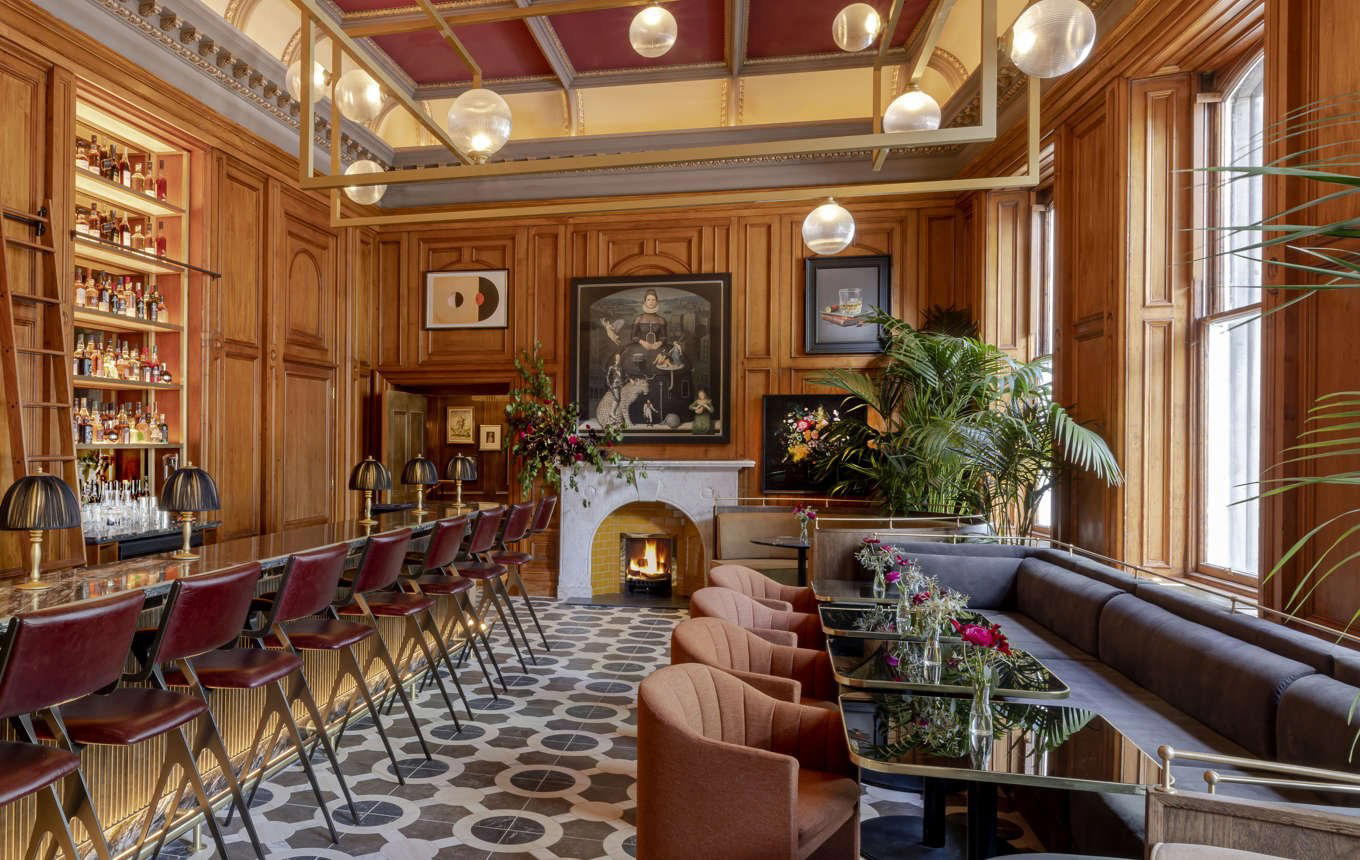
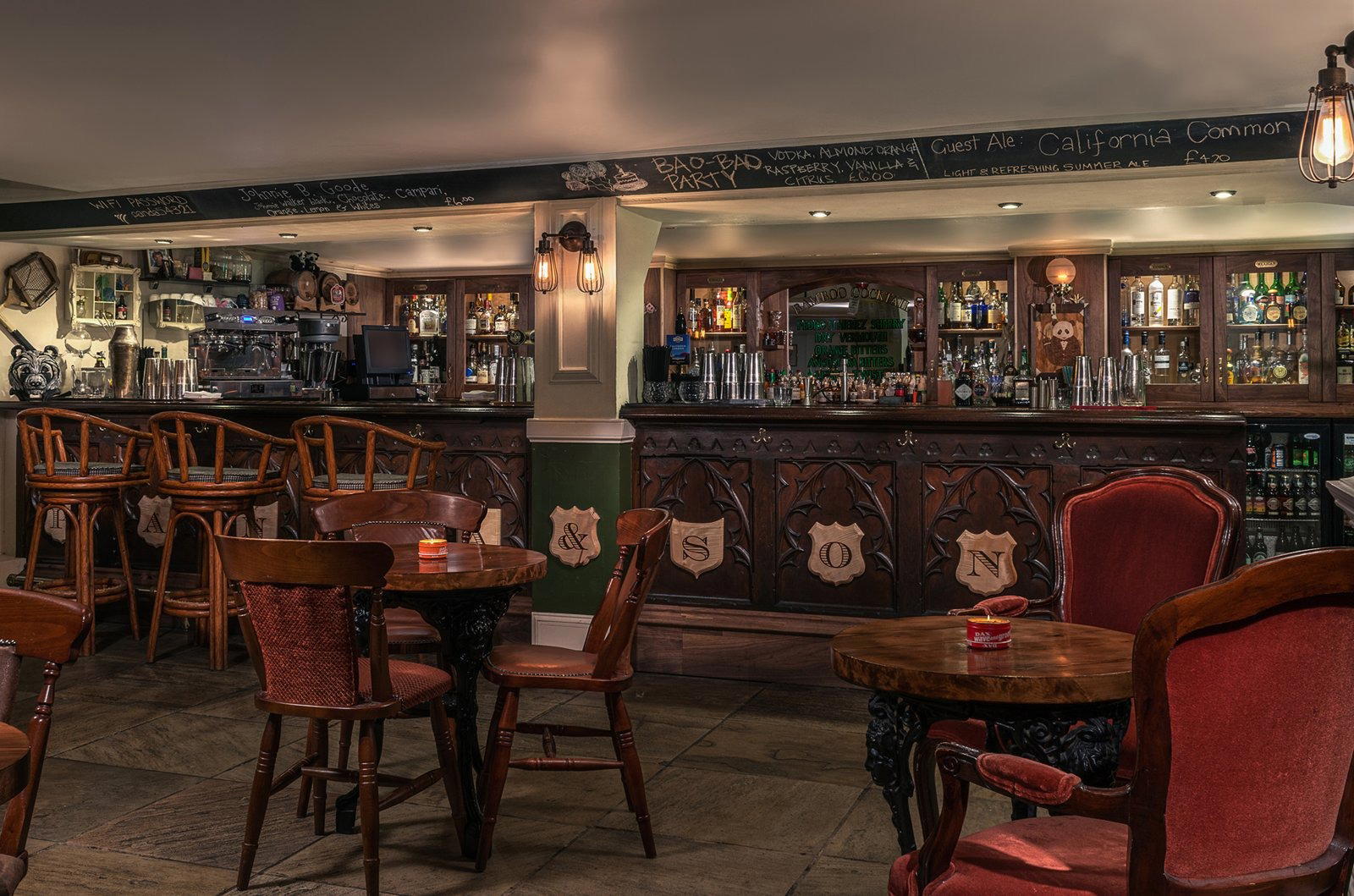
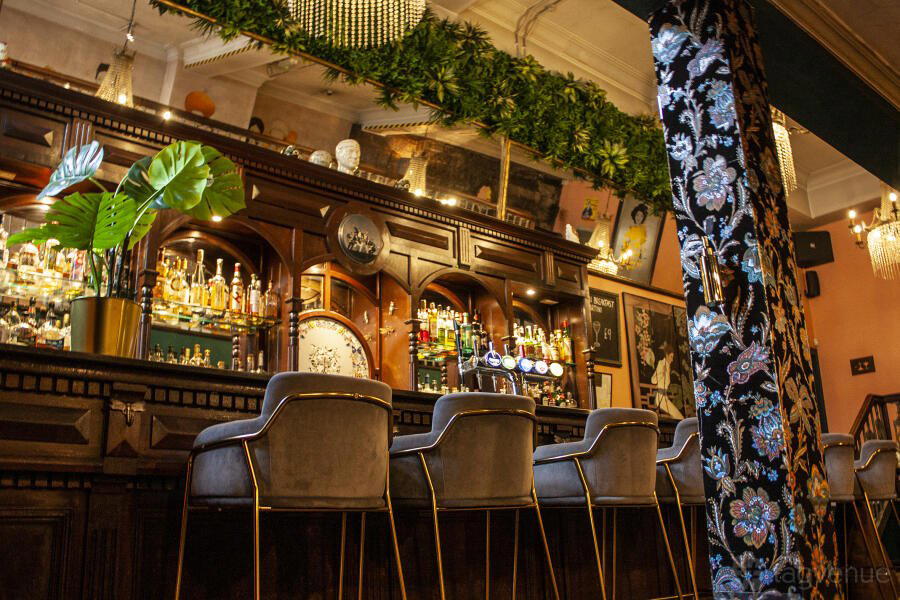
Refined and unhurried atmosphere blending historic Scottish charm with modern luxury, featuring plush reception areas like a curated library, warm lighting, and castle views.