24 Royal Terrace Hotel
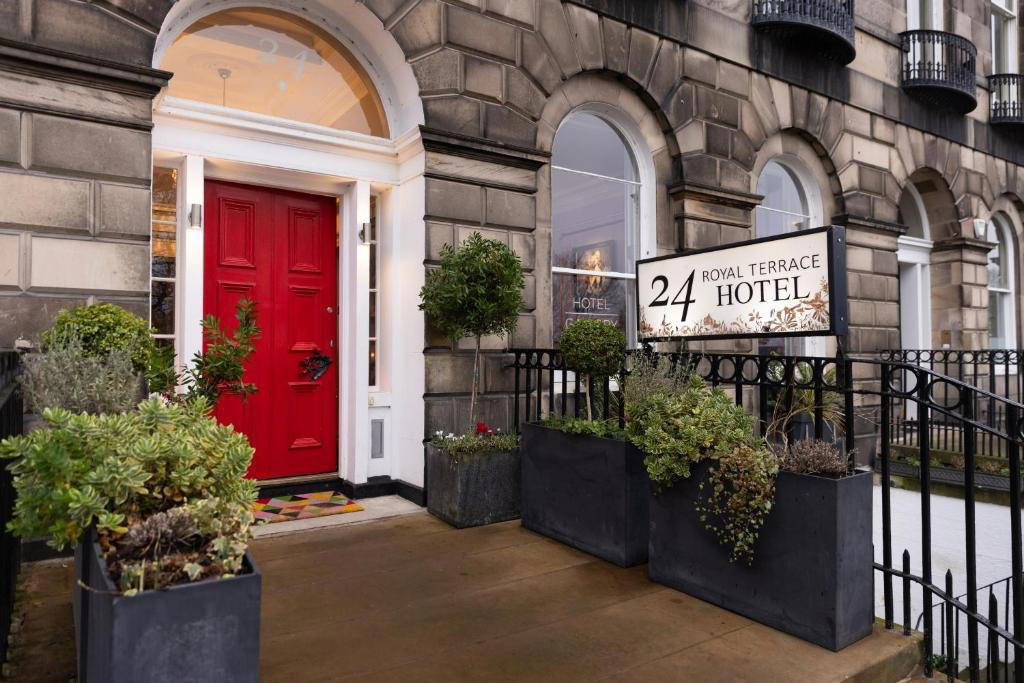
A Georgian townhouse hotel on one of Edinburgh's most handsome residential terraces, 24 Royal Terrace occupies a quiet Calton Hill address that keeps the city centre within easy reach without the noise of the Old Town. The property sits in the tier of independent Edinburgh hotels that trade on period architecture and neighbourhood calm rather than brand recognition or ballroom scale.

Pearl is the En Primeur Club membership app, where members save venues, book tables and use the concierge.
Calton Hill and the Case for Quieter Edinburgh
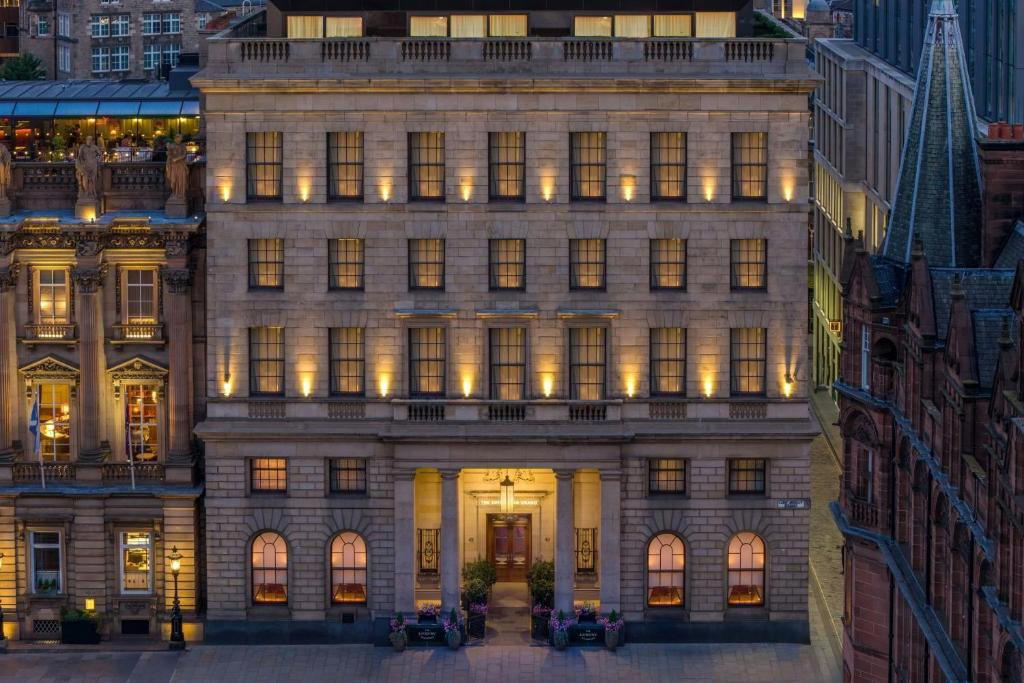
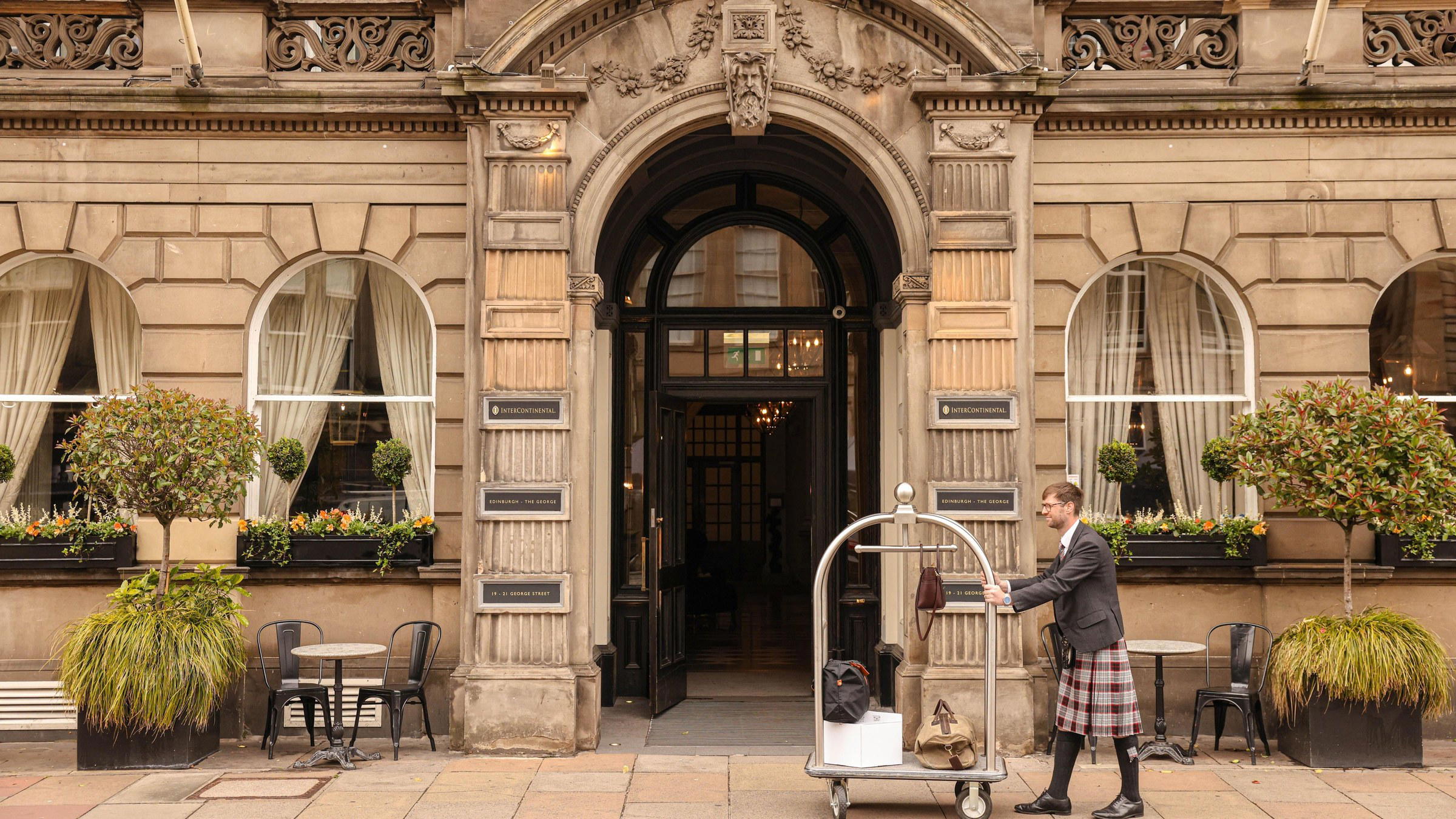
Edinburgh's hotel market divides along a familiar fault line. On one side sit the grand Princes Street addresses and New Town institutions: InterContinental Edinburgh The George, 100 Princes Street, and the Kimpton Charlotte Square Hotel, all of which compete on landmark position and public-facing amenity. On the other side sits a smaller cohort of Georgian townhouse conversions that offer something the big addresses structurally cannot: the sensation of staying inside the city's residential fabric rather than adjacent to it. 24 Royal Terrace belongs to that second category. The address places guests on a sweeping Regency terrace facing private gardens on the eastern shoulder of Calton Hill, close enough to Princes Street to walk in under fifteen minutes, far enough to avoid the footfall that defines the city's main tourist corridor.
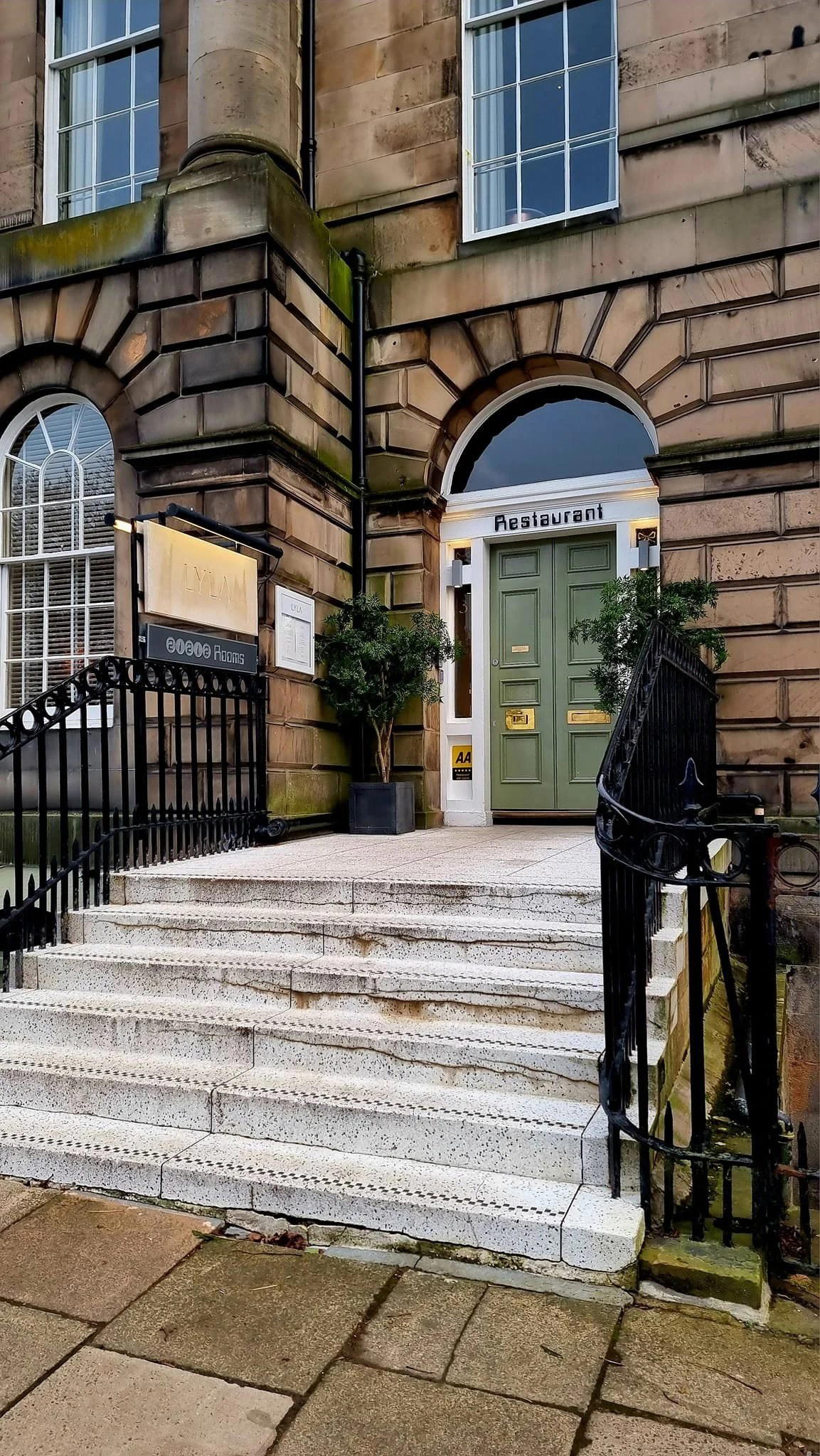
Royal Terrace itself is a piece of Edinburgh's urban ambition made physical. The terrace was laid out in the early nineteenth century as part of the eastward expansion of the New Town, and its scale, long, symmetrical, faced in dressed sandstone, reflects the civic confidence of that period. Arriving here from the busier streets near Waverley or the Grassmarket is a shift in register. The pavement is quieter, the sightlines longer, and the proximity to Calton Hill's open ground means the horizon is never simply another building. Hotels in this mould, whether in Edinburgh or in comparable British cities, tend to attract guests who have already done the standard itinerary and now want a base with genuine neighbourhood character rather than a premium address chosen for its postcode alone.
The Architecture of a Georgian Stay
What independent townhouse hotels in Edinburgh's Georgian stock offer or withhold is largely determined by how much of the original fabric they have preserved versus modernised. The tension is real: high ceilings, original cornicing, and period staircases read well at check-in but can conflict with expectations around noise insulation, lift access, and room proportions that vary significantly across a building designed for single-family occupation. Properties in this category across British cities, from Hope Street Hotel in Liverpool to King Street Townhouse Hotel in Manchester, tend to resolve this tension differently depending on investment level and operator philosophy.
At 24 Royal Terrace, the address itself does considerable editorial work. A terrace of this length and architectural consistency signals something about the ambience before a guest has crossed the threshold: this is a property defined by its setting as much as its fitout. Rooms facing the private gardens at the front of the terrace will naturally read differently from those facing inward, a distinction that matters in townhouse hotels far more than it does in purpose-built blocks where every room is engineered to a consistent specification. Guests with specific preferences should clarify aspect when booking.
Positioning Within Edinburgh's Wider Hotel Scene
Edinburgh's premium independent hotel market is more crowded than it was a decade ago. Properties like Gleneagles Townhouse and Fingal Hotel have raised the bar on what design-led, independently operated accommodation looks like in the city, while Black Ivy and Malmaison Edinburgh occupy a different tier oriented toward design-forward stays at mid-market price points. Cheval Old Town Chambers adds a serviced apartment option for longer-stay visitors. Against this field, 24 Royal Terrace occupies the quieter end of the spectrum, relying on the terrace address and period building as its primary differentiators rather than restaurant programming, spa infrastructure, or brand affiliation.
That positioning has a clear audience. Travellers who have already stayed at the city's larger properties, or who are arriving from properties like Claridge's in London, Gleneagles in Auchterarder, or Lime Wood in Lyndhurst as part of a wider British itinerary, will approach 24 Royal Terrace with different expectations than first-time Edinburgh visitors. The former group tends to place greater value on neighbourhood authenticity and architectural character; the latter may find the absence of a full-service restaurant or extensive amenity package limiting. Both readings are reasonable given the property's format.
For those exploring further afield in Scotland, the country's independent hotel stock extends well beyond the capital: Langass Lodge in the Outer Hebrides, Dun Aluinn in Aberfeldy, Glen Mhor Hotel in Inverness, and Burts Hotel in Melrose each represent a different model of Scottish independent hospitality. Internationally, the townhouse hotel format finds peers in properties like Aman Venice and The Fifth Avenue Hotel in New York City, where historic fabric and discreet scale serve a similar function to what Royal Terrace offers in Edinburgh's context.
The Calton Hill Address in Practice
Calton Hill's position in Edinburgh's geography makes the Royal Terrace address more practical than it might appear on a map. The hill itself is a short walk from the terrace and provides one of the cleaner refined views over the city's Old Town skyline, the Firth of Forth, and Arthur's Seat, without the queuing infrastructure of Edinburgh Castle or the managed-experience format of Holyrood. For guests whose itinerary includes walking rather than taxi-hopping, the terrace is within range of the Scottish Parliament, Dynamic Earth, and the bottom of the Royal Mile in under twenty minutes on foot. The main Princes Street shopping corridor and Waverley Station are walkable in the opposite direction. See our full Edinburgh restaurants guide for dining options within range of the Calton Hill area.
Arriving by train into Waverley is the natural approach from London or Glasgow; the station is roughly a fifteen-minute walk or a short taxi ride from the terrace. Edinburgh Airport connects via the airport tram, which terminates at York Place, a short distance from the foot of the hill, making the terrace accessible without a taxi from the city's main air gateway.
Planning Your Stay
Edinburgh's hotel occupancy spikes sharply during August for the Festival and Fringe, during Hogmanay in late December, and across bank holiday weekends when events are concentrated in the Old Town. The Calton Hill address places guests slightly outside the highest-density festival footprint, which is an argument for the location during those periods. Outside peak season, the city runs at a more manageable pace and room rates across the independent sector soften accordingly. Spring and early autumn represent the clearest balance between reasonable weather, lighter visitor numbers, and access to the city's restaurant and cultural calendar without August's compression.
At-a-Glance Comparison
A quick peer reference to anchor this venue in its category.
| Venue | Price | Awards |
|---|---|---|
| 24 Royal Terrace HotelThis venue (the venue you are viewing) | $100–200 | Not listed |
| InterContinental Edinburgh The George | Not listed | Michelin Selected · Forbes Recommended |
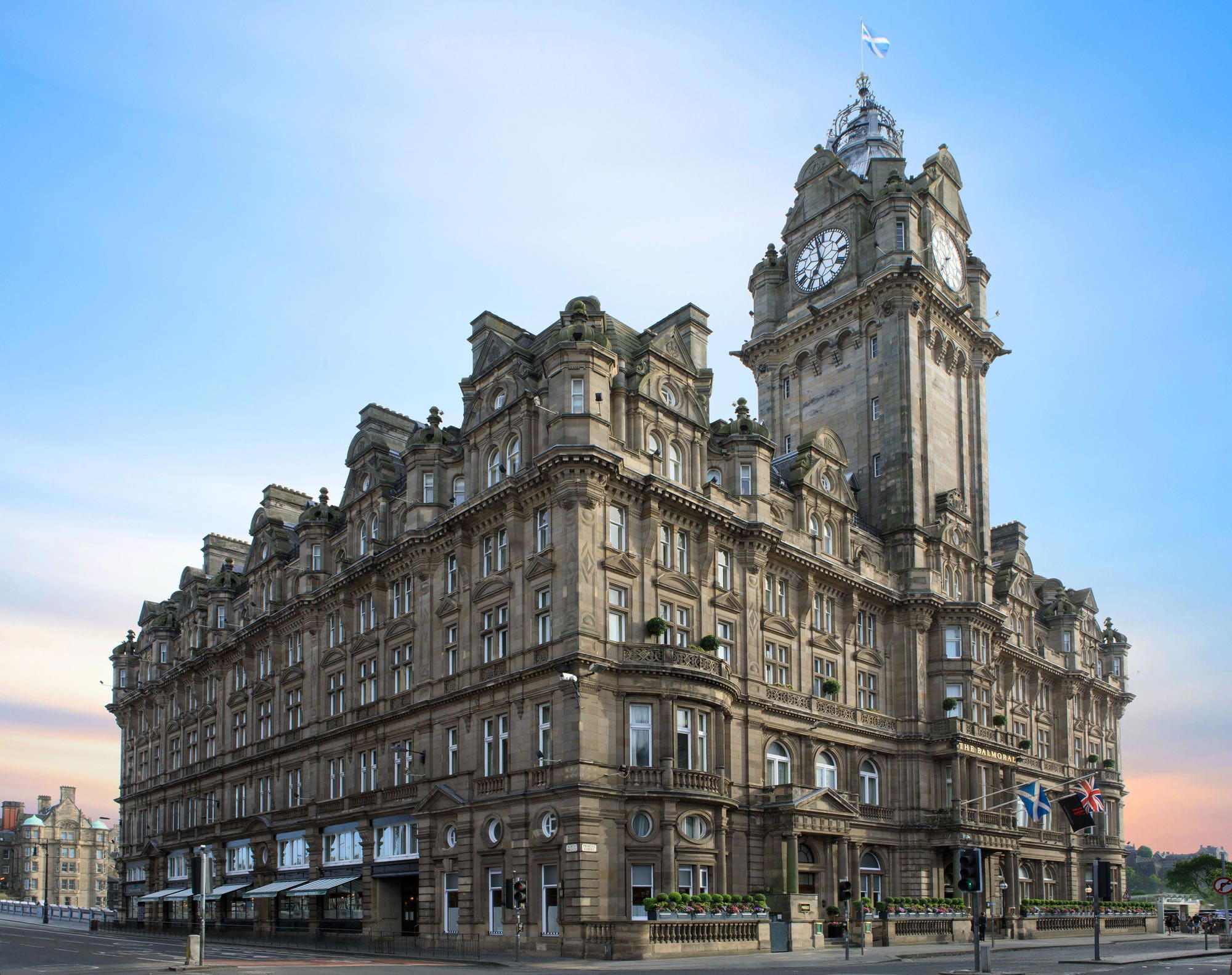
| The Balmoral, a Rocco Forte Hotel | $300–500 | 2 Michelin Keys · La Liste Top Hotels |
| Prestonfield House Edinburgh | Not listed | 1 Michelin Key · La Liste Top Hotels |
| The Glasshouse Hotel | Not listed | Forbes Recommended |
| 100 Princes Street | Not listed | 1 Michelin Key · Mr & Mrs Smith Seal of Approval |
Continue exploring
More in Edinburgh
Hotels in Edinburgh
All hotels in Edinburgh →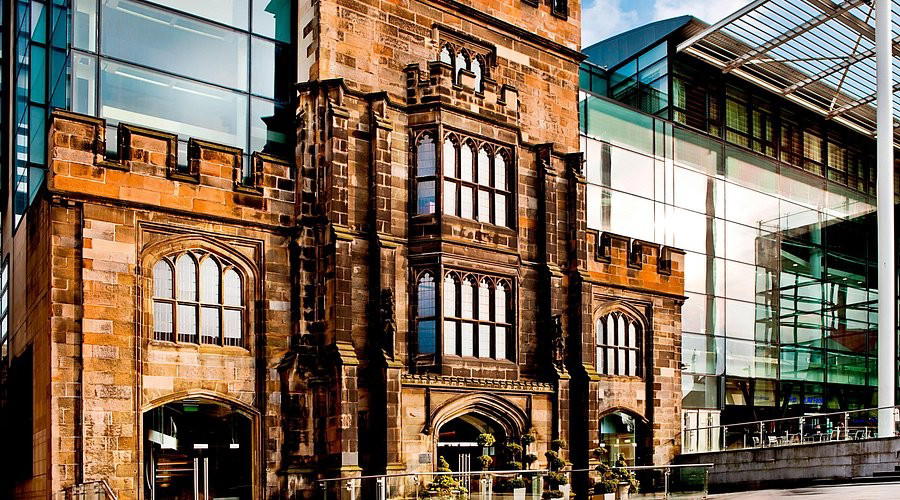
Details
- Elegant
- Intimate
- Sophisticated
- Classic
- Romantic Getaway
- Weekend Escape
- Business Trip
- Historic Building
- Design Destination
- Garden
- Terrace
- Panoramic View
- Wi Fi
- Bar
- Restaurant
- Garden
- Room Service
- Garden
- Skyline
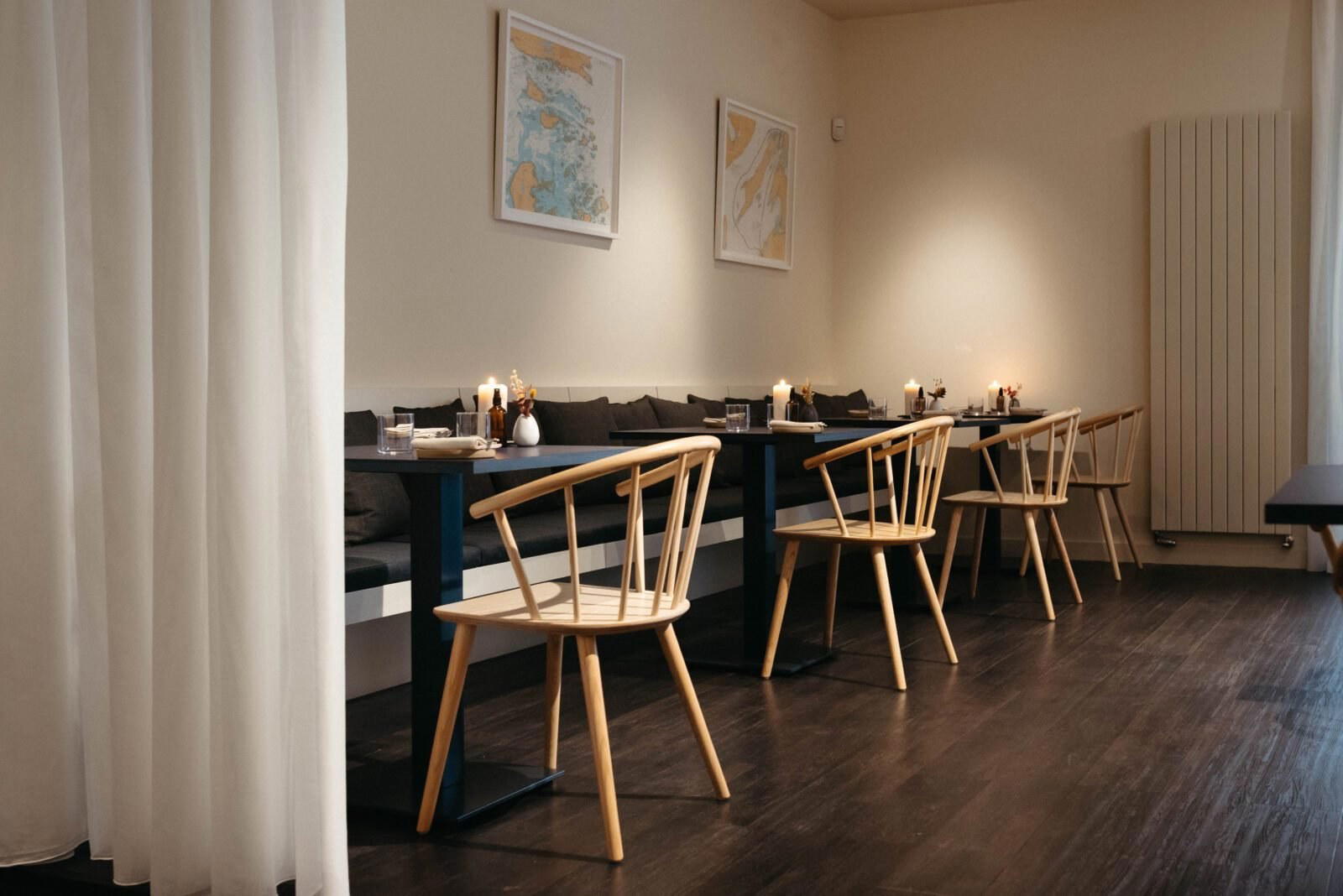
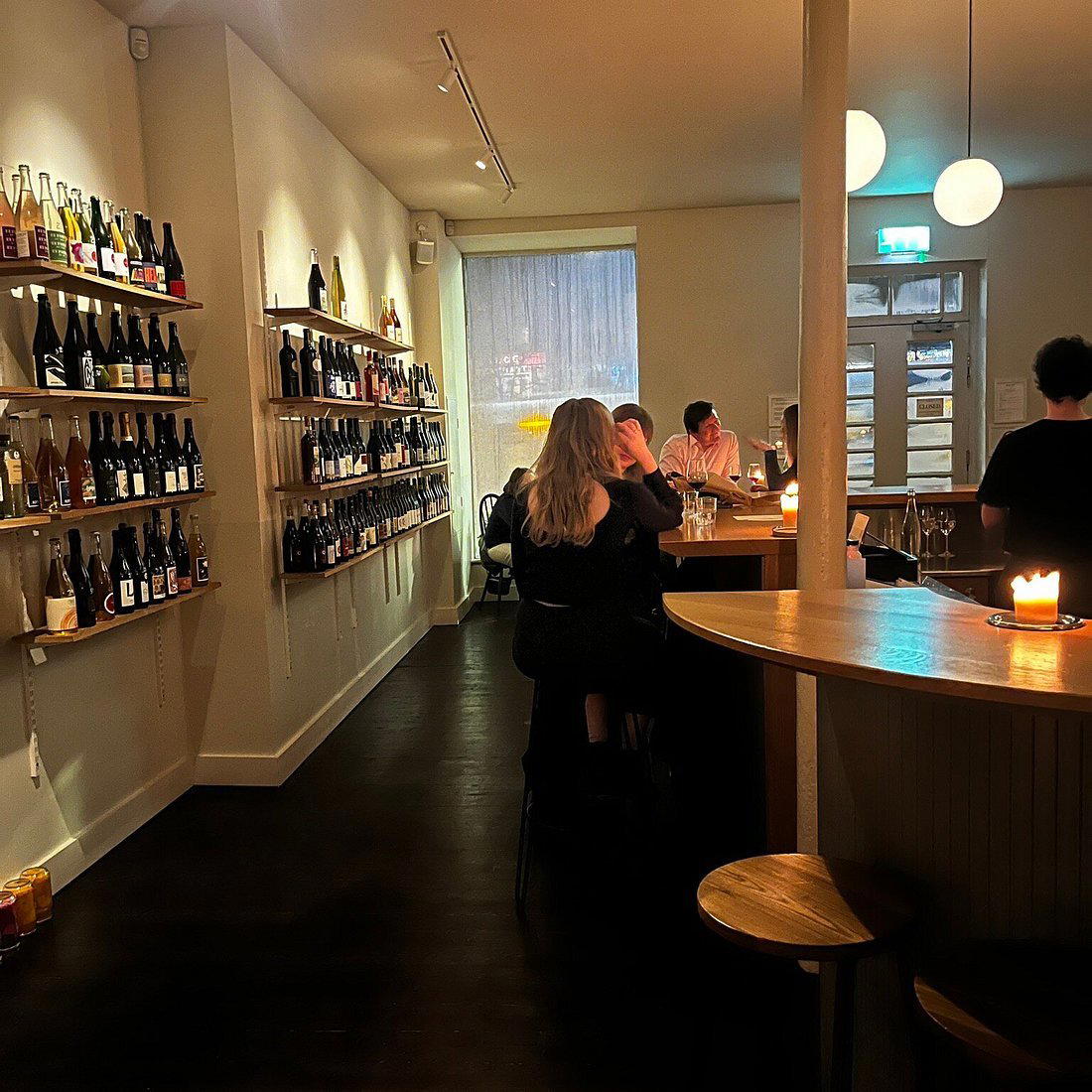
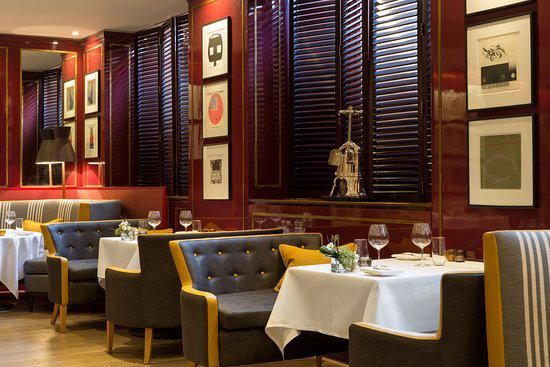
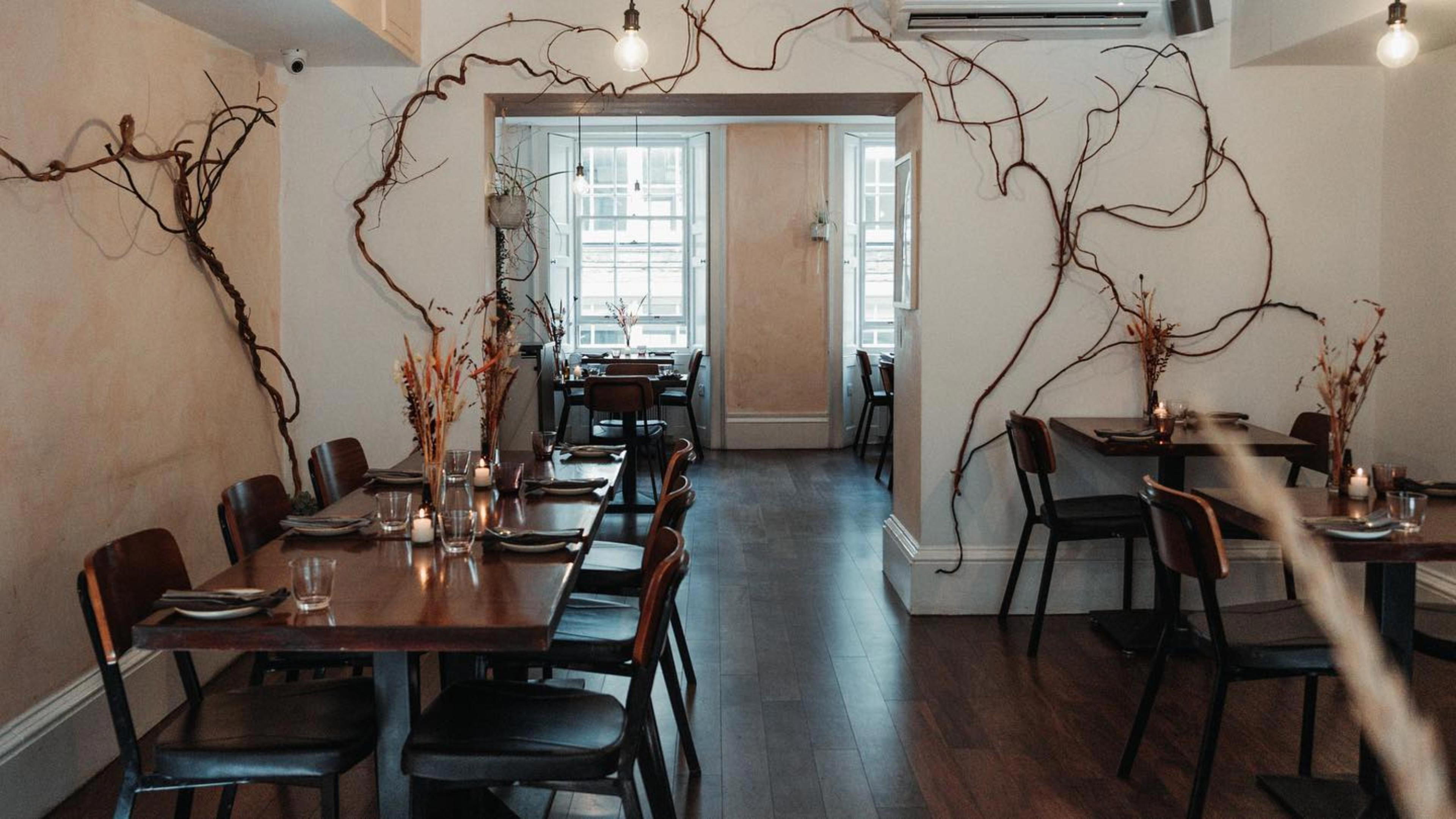
Intimate and colorful with eclectic contemporary art throughout public areas and rooms; warm lighting with modern furnishings contrasting original Georgian architectural details; sophisticated yet welcoming atmosphere.