The Beyul Hermitage Lodge And Farm
The Beyul Hermitage Lodge And Farm sits in Nepal's Sagarmāthā Zone, the high-altitude region that frames the approach to Everest. Positioned within a trekking corridor where self-sufficient farm-lodge operations have replaced earlier generations of basic teahouses, it occupies a niche between expedition basecamp and retreat. Travellers seeking a grounded Himalayan stay will find this property worth tracking through specialist Nepal operators.
Pearl is the En Primeur Club membership app — saves, bookings, and concierge access live there. Same editors, same standards.
- Address
- Sagarmatha Zone, Nepal
- Directions
- Get directions
 Saves & bookings on Pearl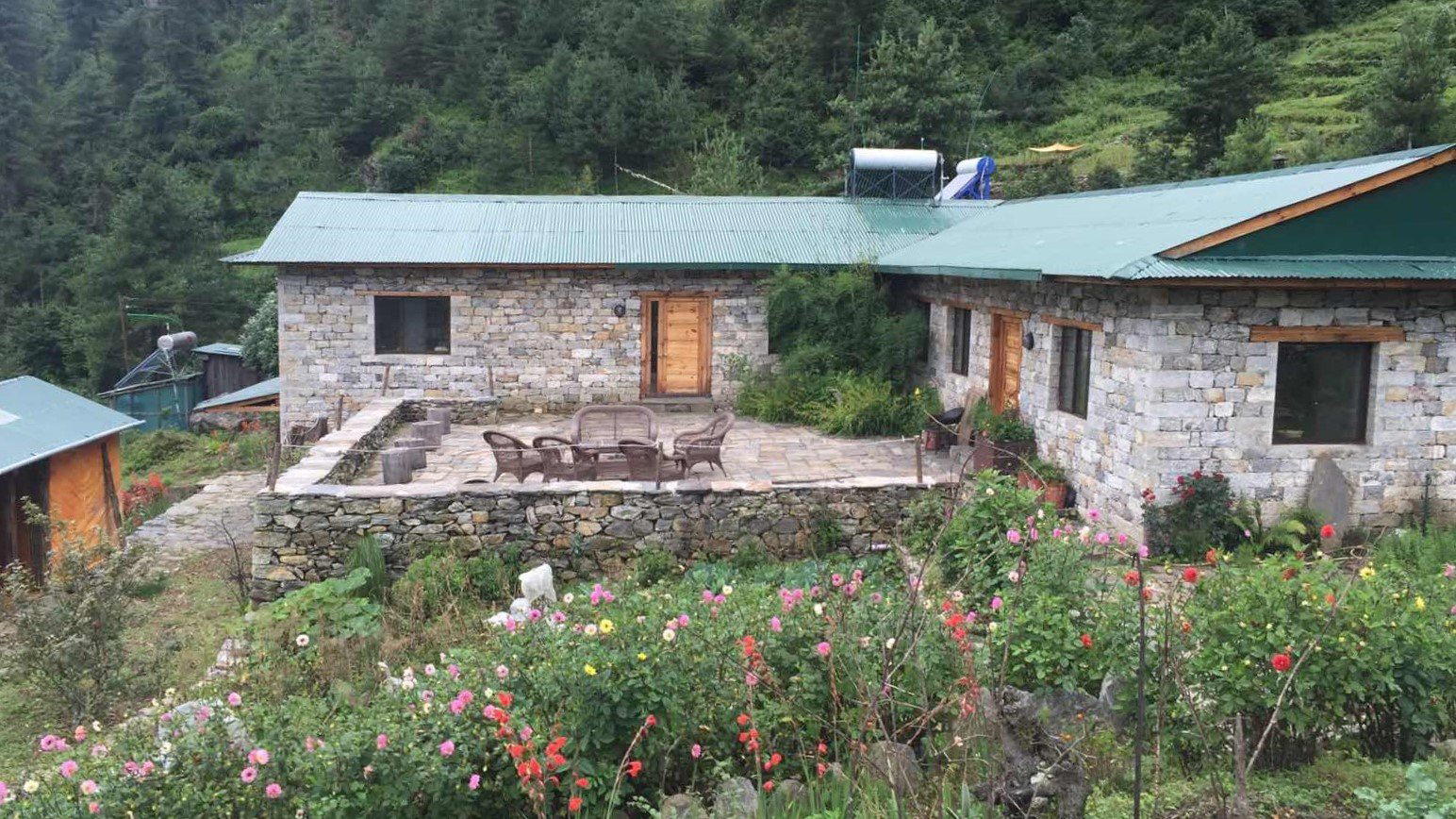
High-Altitude Lodge Culture in the Sagarmāthā Zone
The Sagarmāthā Zone, Nepal's northeastern highland district encompassing Khumbu and the wider Everest region, has, over the past two decades, seen its accommodation tier quietly restructure. What began as a network of simple teahouses serving dal bhat to expedition porters has split into two distinct categories: the high-volume trail lodges that line the Namche-to-Base-Camp corridor, and a smaller cohort of farm-integrated hermitage-style retreats that sit off the primary trekking artery. The Beyul Hermitage Lodge And Farm belongs to that second, quieter tier. The word beyul itself is drawn from Tibetan Buddhist geography, referring to hidden valleys of refuge.
At this altitude and in this region, the farm-lodge model carries particular weight. Growing seasons are compressed, supply chains are slow, and most provisions either arrive by yak or are cultivated on-site. Properties that operate genuinely integrated farming programmes, rather than using the term as branding, occupy a meaningful position in the Khumbu accommodation conversation. The Beyul's name and format suggest an operation of the latter kind, aligned with a broader regional shift toward self-sufficiency and slower travel.
The Dining Programme: Farm Table at Elevation
In the Himalayas, what a lodge serves for dinner tells you more about its operating philosophy than any room category. The farm-to-table premise that reads as a marketing gesture in urban restaurants is, at altitude in the Khumbu, a practical and logistical reality. Properties with working farms attached to their lodge operations produce vegetables, eggs, and in some cases dairy in conditions that make every plate a minor feat of agricultural management.
The Beyul Hermitage Lodge And Farm's name suggests dining is central to the experience, not incidental to it. In the Sagarmāthā Zone, that means meals grounded in the Sherpa and Nepali highland traditions, soups, dal, roasted root vegetables, tsampa preparations, and bread-based dishes that perform well at altitude and provide genuine caloric support for trekkers. Particularly considered lodge kitchens in this region have moved away from attempting Western dishes at 3,500 to 4,000 metres, where flour behaves differently and ingredient sourcing is unreliable, and instead have leaned into the regional food culture, which is both appropriate and significantly better executed. This is the culinary direction that defines Khumbu lodge dining, and it is the tradition that a hermitage-farm property may inhabit.
Compare this approach to what you find lower on the trail: at properties like the Dingboche Inn or the Trekker's Holliday Inn in Pangboche, the emphasis is on volume and reliability for through-hikers. The farm-lodge format targets a different traveller: one who is willing to stay longer and accept the rhythms of a high-altitude agricultural calendar rather than demanding menu flexibility.
Where It Sits in the Regional Property Hierarchy
Nepal's mountain accommodation sector has, in recent years, attracted significant investment in the luxury-adjacent and design-led tiers. Properties like Shinta Mani Mustang in Jomsom represent one end of the spectrum: internationally branded, high-design, and positioned against a global luxury travel comparable set. The Beyul Hermitage model is a different proposition, closer to a retreat philosophy that emphasizes slow integration with landscape and local culture rather than amenity accumulation.
Further down the trail system, reference points like the Sherpa Lodge in Lobuche, the Thukla Kalapathar Lodge, and the Zambala Lodge and Restaurant illustrate how the trail-lodge tier functions at its most utilitarian. The hermitage-farm category that Beyul represents asks a visitor to move laterally off that utilitarian axis. It is a format shift, prioritising immersion over convenience.
For travellers arriving from Kathmandu, the transition to a high-altitude farm lodge represents a deliberate step away from networked hospitality infrastructure. That step, managed well, is precisely the point.
Planning a Stay: Logistics in a Remote Zone
The Sagarmāthā Zone demands more planning lead time than almost any other trekking region in Asia. Flights into Tenzing-Hillary Airport at Lukla operate on a weather-dependent schedule, and the trail system beyond Namche Bazaar requires acclimatisation stops that extend overall itinerary length well beyond what point-to-point distances suggest. Itineraries should account for the possibility of weather delays at both the Lukla approach and on the trail itself.
Trekking permits, including the Sagarmatha National Park entry permit and the Khumbu Pasang Lhamu Rural Municipality fee, are mandatory for all visitors and are typically arranged through a registered trekking agency. Acclimatisation protocol is non-negotiable: the standard advice calls for at least two nights in Namche Bazaar before moving higher, regardless of individual fitness levels.
Travellers considering the Sagarmāthā Zone for the first time may also find useful reference points in properties accessible from Phaplu and Chaunrikharka. The Happy House in Phaplu and the Hikers Inn in Chaunrikharka represent entry points into the region that feed eventually into the same trail network.
For those planning a broader Nepal circuit that moves between the mountains and Pokhara's lake district, the Himalayan Hideaway Resort Pokhara, The Centara Collection and the See You Lodge and Restaurant in Dhampus Phedi offer mid-altitude alternatives before or after a Khumbu leg.
A Pricing-First Comparison
Comparable venues nearby, for context on price, style, and recognition.
| Venue | Cuisine | Price | Awards | Notes |
|---|---|---|---|---|
| The Beyul Hermitage Lodge And FarmThis venue — the venue you are viewing | Not listed | $$$ | Not listed | Not listed |
| Dingboche Inn | Not listed | $$ | 3-Star | Dingboche, Traditional family-run teahouse lodge integrated into the Everest trekking circuit |
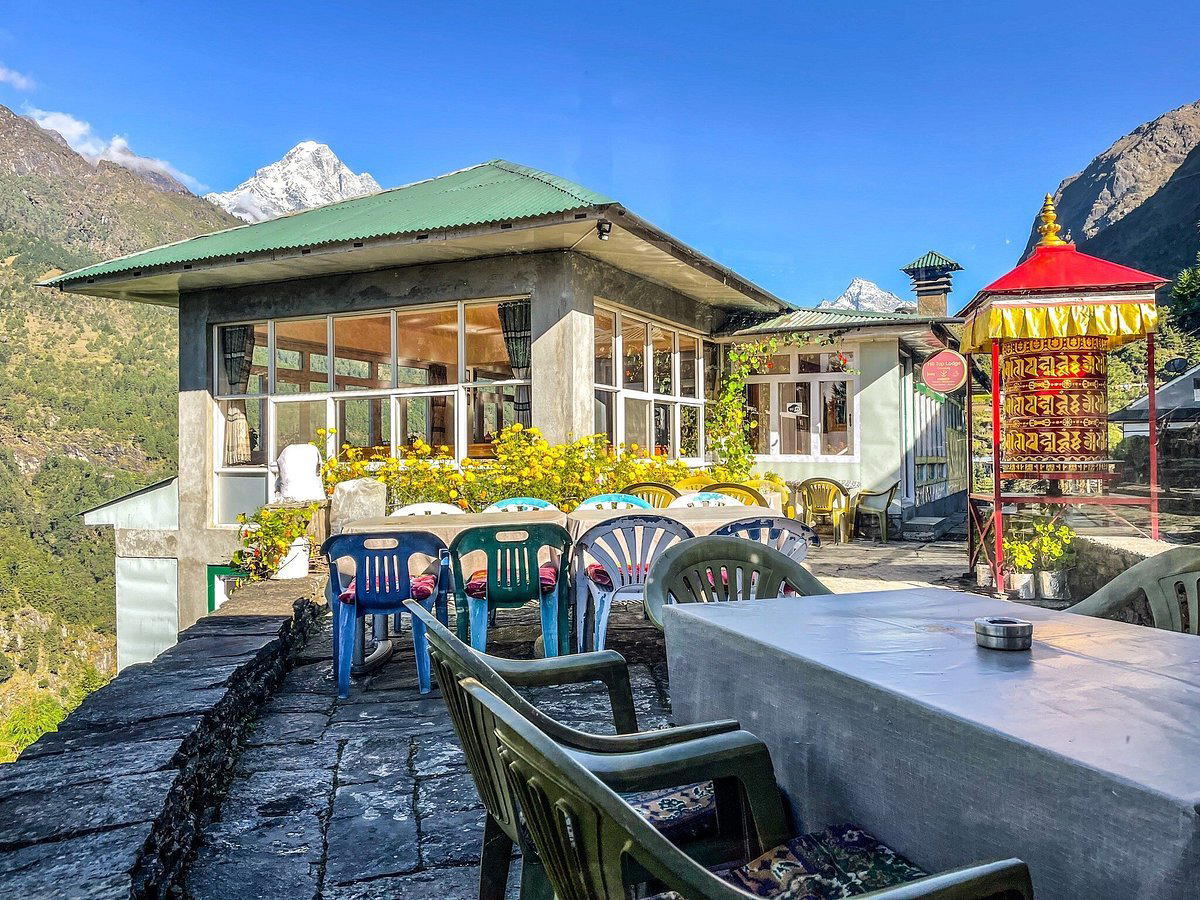
| Zambala Lodge & Restaurant | Not listed | $$ | Not listed | Khumbu Pasanglhamu Rural Municipality, Traditional Sherpa teahouse with stone and wood construction. |
| Trekker's Holliday Inn | Pangboche, rustic trekking lodge | $ | Not listed | Not listed |
| See You Lodge And Restaurant | Not listed | $$ | Not listed | Dhampus Phedi, Eco-friendly mountainside lodge inspired by local designs |
| Himalayan Hideaway Resort Pokhara, The Centara Collection | Not listed | $$$$ | Not listed | Kaskikot, Secluded sanctuary blending modern comforts with authentic Nepali charm and Thai-inspired hospitality. |
Continue exploring
More in Sagarmatha Zone
Hotels in Sagarmatha Zone
Browse all →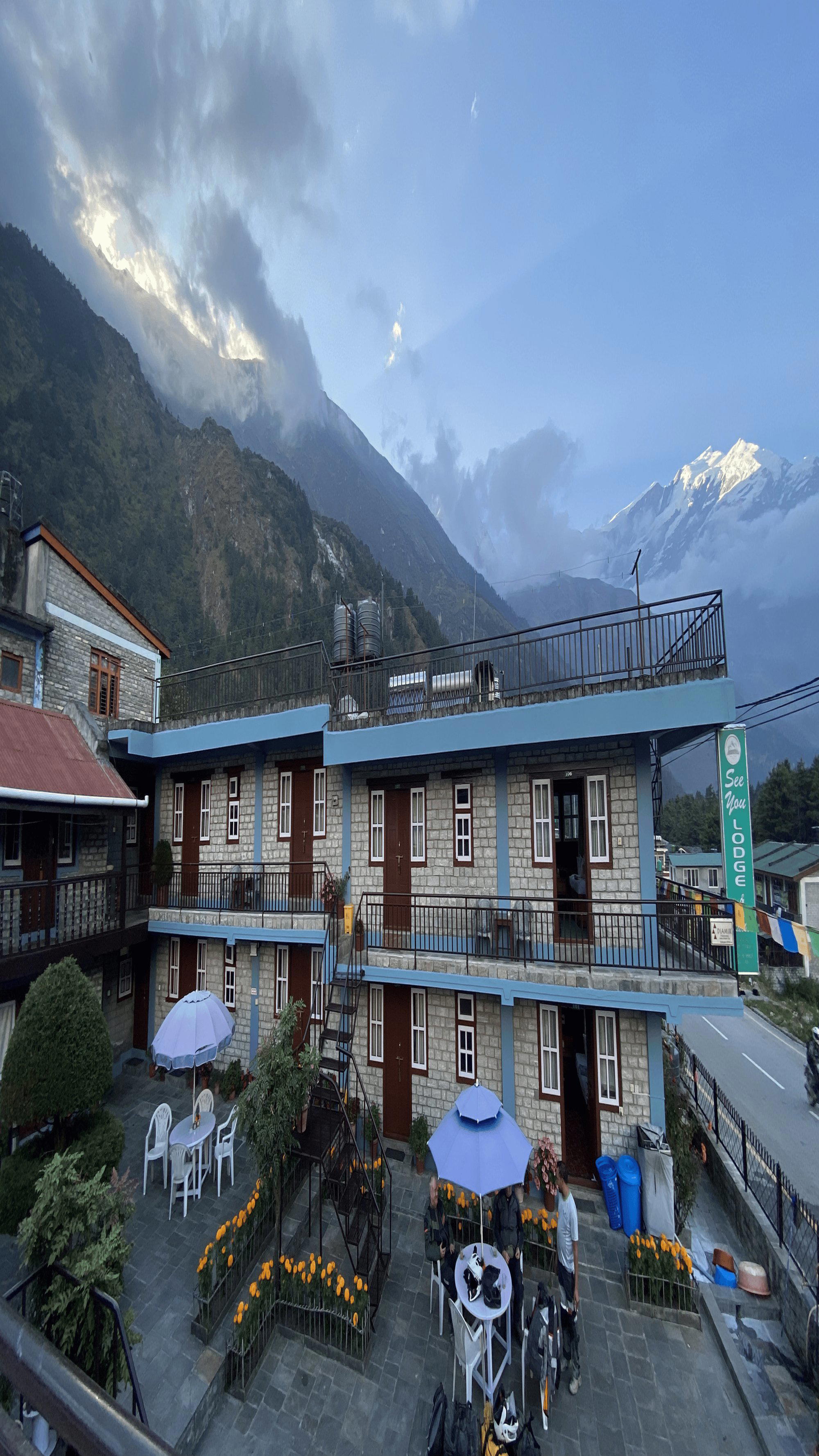
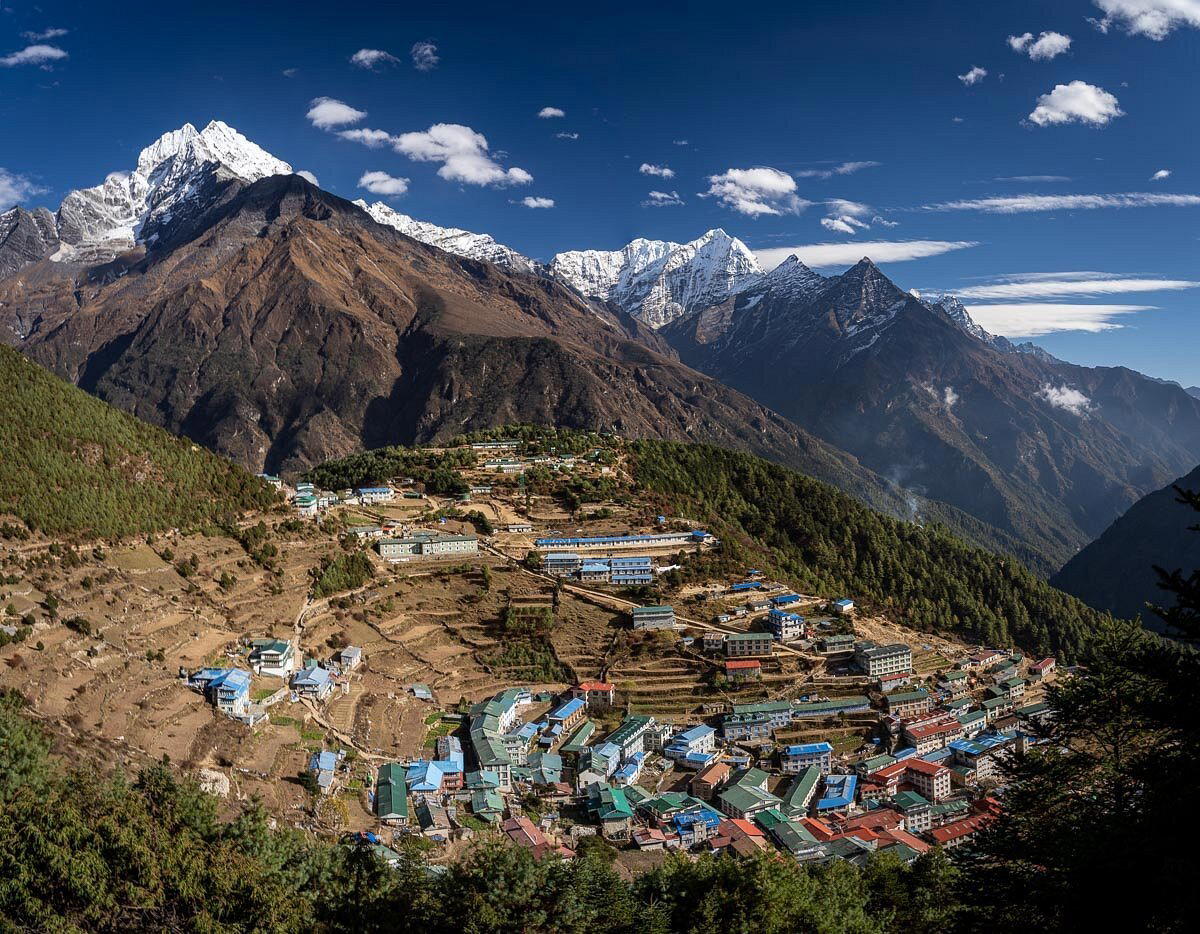
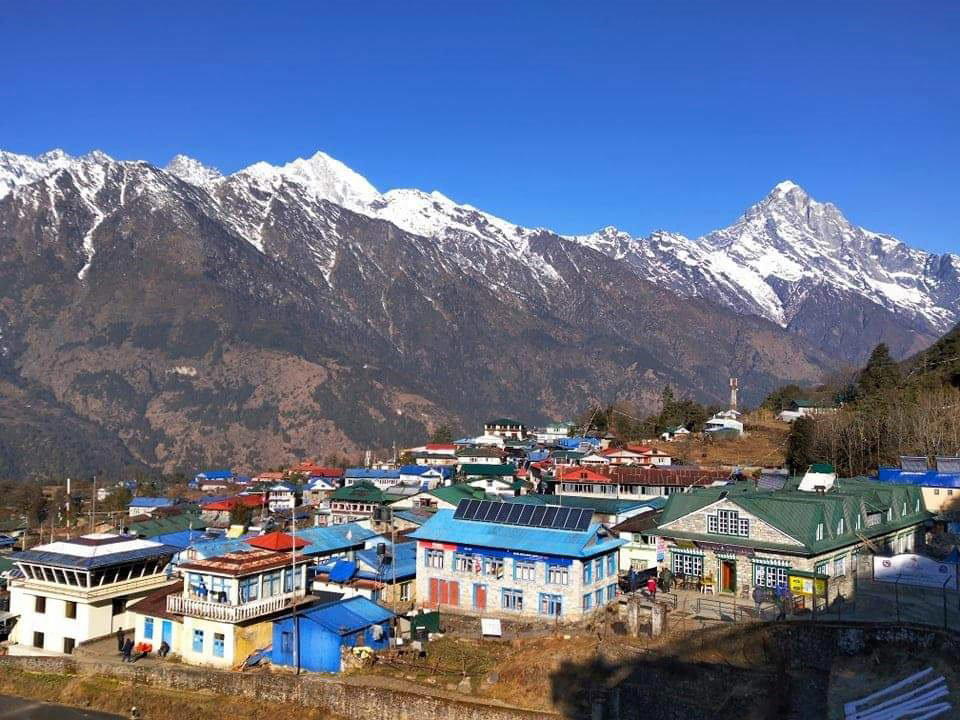
Restaurants in Sagarmatha Zone
Browse all →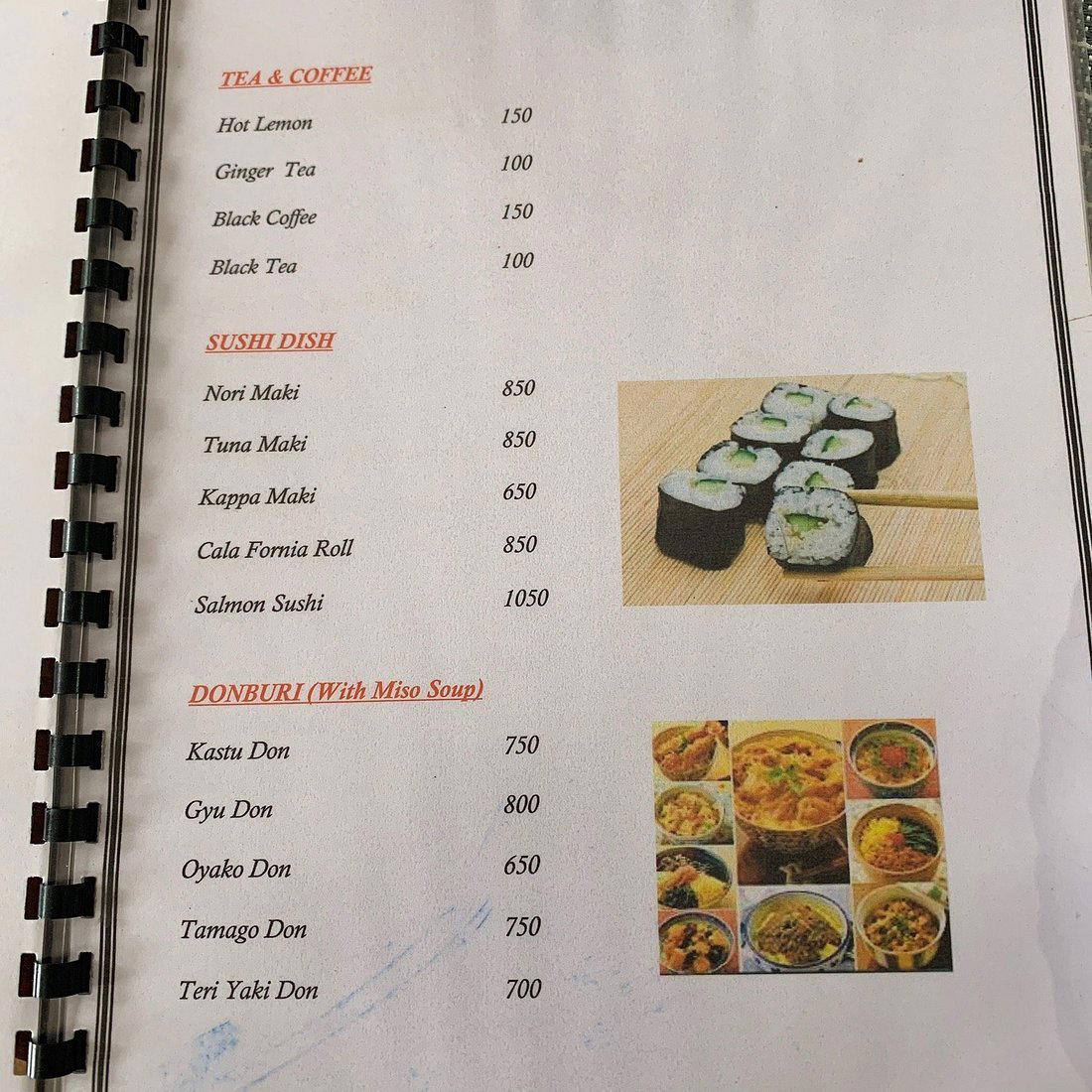
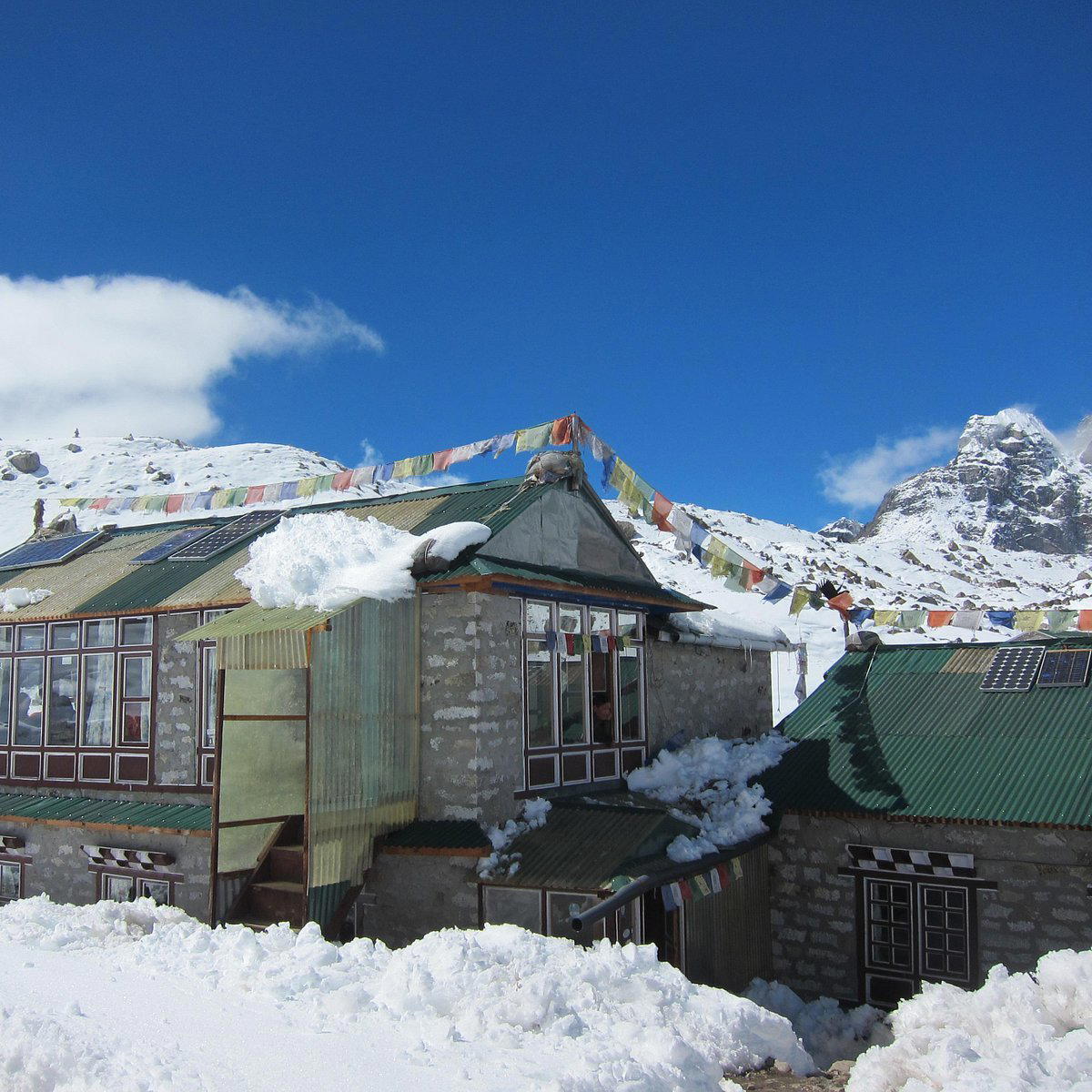
At a Glance
- Quiet
- Scenic
- Rustic
- Cozy
- Wellness Retreat
- Romantic Getaway
- Weekend Escape
- Panoramic View
- Garden
- Wi Fi
- Restaurant
- Mountain
- Wi Fi
- Restaurant
Cozy and tranquil with comfortable rooms, natural surroundings, and a restorative atmosphere ideal for yoga retreats.