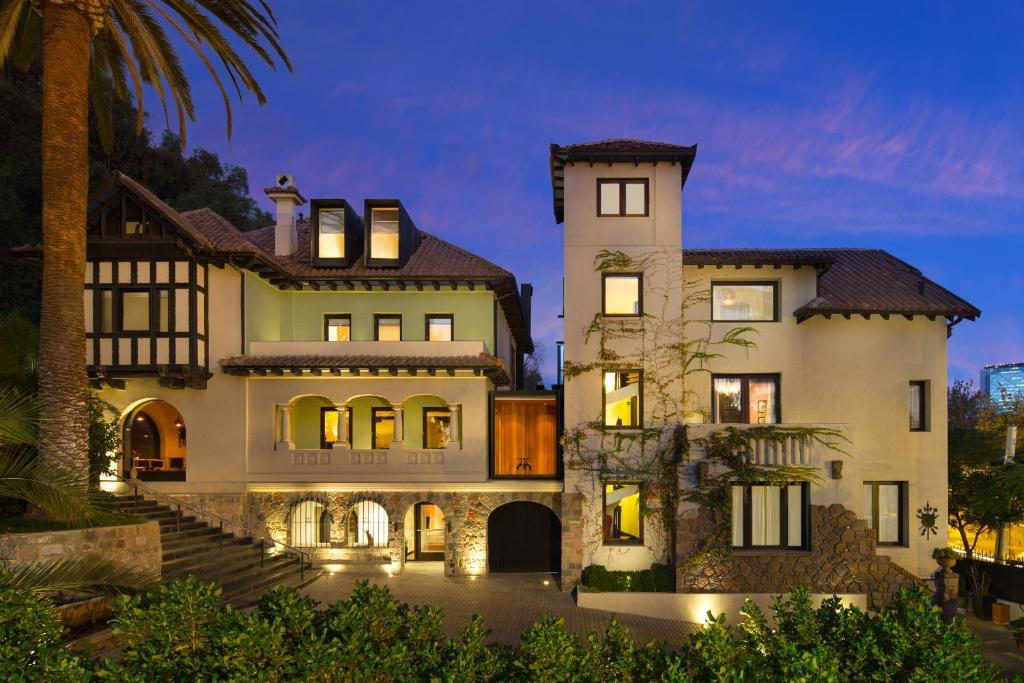
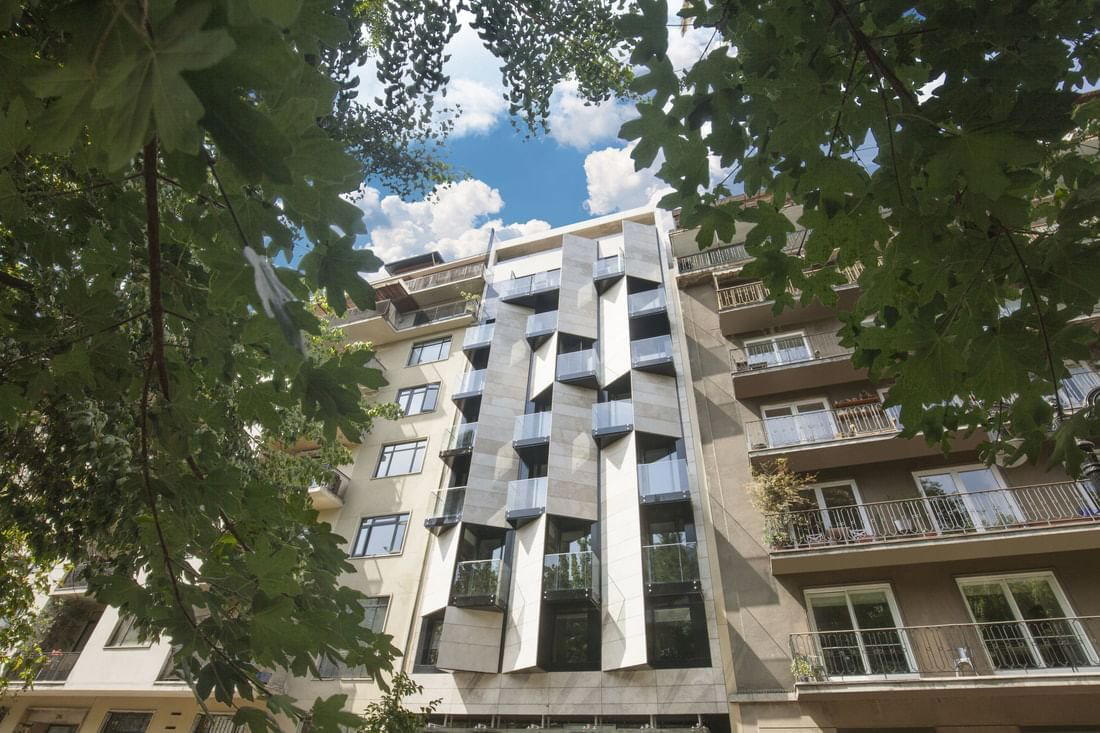
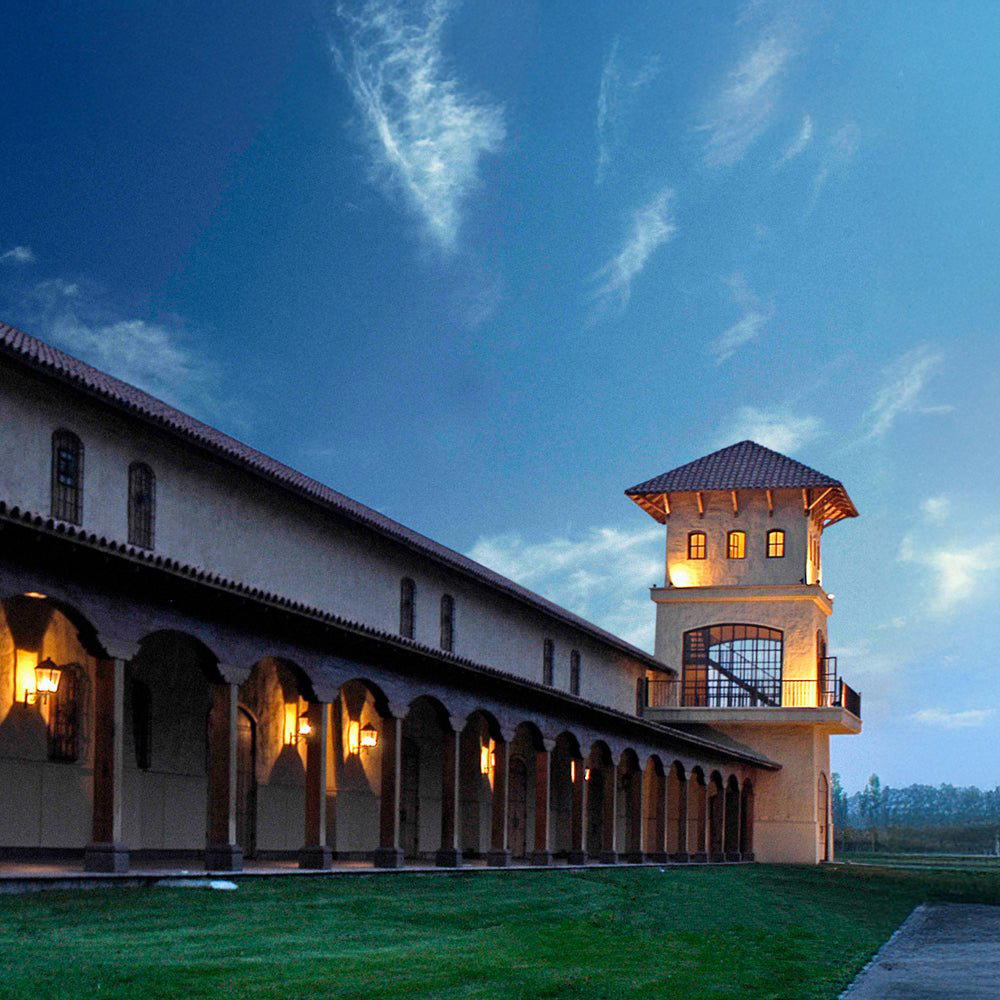
The Aubrey occupies a restored heritage building on Constitución 317 in Santiago's Providencia district, placing it firmly within the city's design-led boutique tier rather than the international chain corridor along El Golf. The property's address situates it close to the Lastarria neighbourhood, where responsible stewardship of architectural heritage has become a defining expectation for premium hospitality.
- Address
- Constitución 317, 7520291 Santiago, Providencia, Región Metropolitana, Chile
- Phone
- +56 2 2940 2800
- Website
- theaubrey.com
- Directions
- Get directions
Providencia's Boutique Tier and What It Asks of a Property
Santiago's premium accommodation market has split along a clear axis in recent years. On one side sit the large-footprint international brands, properties like the Mandarin Oriental, Santiago, the The Ritz-Carlton, Santiago, and the W Santiago, which compete on scale, loyalty programs, and branded reliability. On the other side, a smaller cohort of design-led boutique properties has emerged in historic neighbourhoods, where the value proposition rests on architectural character, neighbourhood integration, and, increasingly, a credible commitment to how the building and its operations interact with the city around them. The Aubrey belongs to this second group. It is a 4-star hotel with 15 rooms at Constitución 317 in Providencia, Santiago.
Constitución 317, in the Providencia district close to the Lastarria cultural quarter, is not incidental geography. Lastarria has become Santiago's most deliberate neighbourhood for heritage conservation and independent cultural programming, and hotels that anchor there are read against that context whether they intend it or not. The expectation, from the guest profile that gravitates to this part of the city, is that a property does more than occupy a beautiful old building, it sustains one, and does so in a way that extends to sourcing, community relationship, and the broader environmental footprint of its operations.
The Architecture as Stewardship Argument
Across Chile's premium hospitality tier, the properties that have distinguished themselves on sustainability grounds tend to cluster around two approaches. The first is the remote-lodge model: properties like Ecocamp Patagonia in Torres del Paine, Awasi Atacama in San Pedro de Atacama, and andBeyond Vira Vira in Pucon, where the natural environment is so immediately present that responsible practice is structurally embedded in the model. The second, and less immediately obvious, approach is urban heritage restoration: the argument that preserving and sensitively adapting an existing building, rather than constructing new, represents among the more carbon-efficient forms of premium hospitality. The Aubrey's position on Constitución 317 places it in this second category.
Restoring a historic Santiago residence to boutique hotel standard requires decisions at every stage, materials sourcing, the extent of intervention in original fabric, how modern infrastructure is introduced without erasing what makes the structure worth preserving. Properties in comparable comparable venues across Latin America, such as the Palacio Astoreca Hotel in Valparaiso or the The Singular Santiago, have demonstrated that this approach can anchor a credible sustainability narrative alongside genuine architectural distinction. The guest who books into this tier is usually choosing against new-build luxury, and that choice carries an implicit environmental logic.
The Neighbourhood Frame
Lastarria and its immediate surrounds have developed a hospitality character that rewards guests who engage with the neighbourhood rather than treat the hotel as a self-contained destination. The area's café culture, independent bookshops, weekend antiques market, and proximity to Cerro Santa Lucía give it a density of urban interest that larger, more isolated properties cannot replicate. For a property on Constitución 317, the neighbourhood itself is a resource, and how the hotel connects guests to it, through local sourcing, staff drawn from the community, programming that reflects the area's cultural calendar, is a meaningful part of the sustainability picture.
Guests comparing options in the boutique segment of this neighbourhood might also consider the Casa Bueras Boutique - Hotel en Lastarria, the Hotel Boutique Le Reve Hotel, or the Hotel Magnolia, all of which operate within the same heritage-adjacent tier and compete on neighbourhood integration rather than international brand weight. The Ismael Hotel and Debaines Hotel Santiago in Santiago de Chile represent further points of comparison within this cohort.
Chile's Wider Responsible Hospitality Context
It is worth placing The Aubrey inside Chile's national conversation about responsible tourism, which has grown substantially more sophisticated over the past decade. Properties across the country's most ecologically significant destinations, from the Explora Torres del Paine in Torres del Paine National Park and Explora Patagonia National Park in Cochrane to the Explora Rapa Nui in Easter Island, have established a national benchmark for how premium properties engage with place. The Futangue Hotel & Spa in Riñinahue, the Puyuhuapi Lodge & Spa in Aisen, the Noi Puma Lodge in Cachapoal, and the Clos Apalta Residence in Valle de Apalta each approach responsible hospitality through the specific lens of their geography. Urban properties inherit a different version of that conversation: one centred on heritage, community, and the social sustainability of the city itself.
For a guest arriving in Santiago before or after a circuit through Chile's southern or northern extremes, the hotel they choose in the capital functions as a statement about how they read that wider conversation. A property in the Lastarria area, occupying a restored building and serving a neighbourhood with strong independent cultural identity, participates in urban sustainability in ways that a convention-adjacent tower property does not.
Planning Your Stay
The hotel's address at Constitución 317 in Providencia places it within comfortable walking distance of Lastarria's main commercial strip and the park edges of Cerro Santa Lucía. For guests extending beyond Santiago into Chile's wider circuit, the property's neighbourhood position makes it a practical base: the Lastarria area is well-connected by Metro (Baquedano station is close) and sits at a manageable remove from the international airport for both arrival and departure transfers. Visitors intending to move on to destinations such as CasaMolle in El Molle in the north or further south into Patagonia will find Santiago's boutique hotel tier easier to navigate from this neighbourhood than from the financial district. For broader restaurant and experience context, the Santiago guide provides neighbourhood-level specificity across the city's dining tiers. Those planning trips to comparable heritage-adjacent properties internationally may also find useful framing from Aman Venice in Venice or The Fifth Avenue Hotel in New York City, both of which operate in the restored urban heritage segment and set relevant expectations around how this property type balances conservation with comfort.
Cost Snapshot
Comparable venues nearby, for context on price, style, and recognition.
| Venue | Cuisine | Price | Awards | Notes |
|---|---|---|---|---|
| The AubreyThis venue — the venue you are viewing | Not listed | $$$$ | 4-Star | Not listed |
| Casa Bueras Boutique - Hotel en Lastarria | Not listed | $$$ | 4-Star | Lastarria, Restored Art Deco mansion blending traditional and contemporary elegance |
| Valle Nevado | Valle Nevado, Exclusive luxury ski hotel | $$$$ | 5-Star | Not listed |
| Ismael Hotel | Not listed | $$$ | 4-Star | Lastarria, Contemporary boutique hotel reflecting Santiago's bohemian spirit. |
| Hotel Cumbres Lastarria | Not listed | $$$$ | 4-Star | Lastarria, Modern boutique in historic bohemian district |
| Hotel Boutique Le Reve Hotel | Not listed | $$$ | 4-Star | Providencia, Historic French manor-style boutique hotel occupying a Chilean national monument with contemporary updates and European-inspired interiors. |
Continue exploring
More in Santiago
Hotels in Santiago
Browse all →
Bars in Santiago
Browse all →

Restaurants in Santiago
Browse all →



At a Glance
- Elegant
- Sophisticated
- Intimate
- Cozy
- Modern
- Romantic Getaway
- Weekend Escape
- Anniversary
- Terrace
- Historic Building
- Panoramic View
- Wi Fi
- Pool
- Air Conditioning
- Concierge
- Room Service
- Mountain
- Garden
- Wi Fi
- Pool
- Air Conditioning
- Concierge
- Room Service
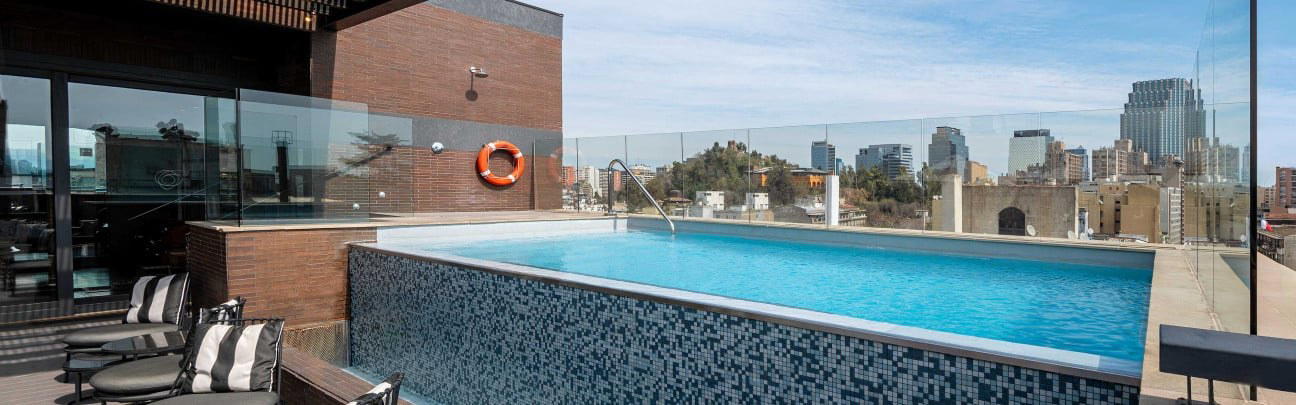
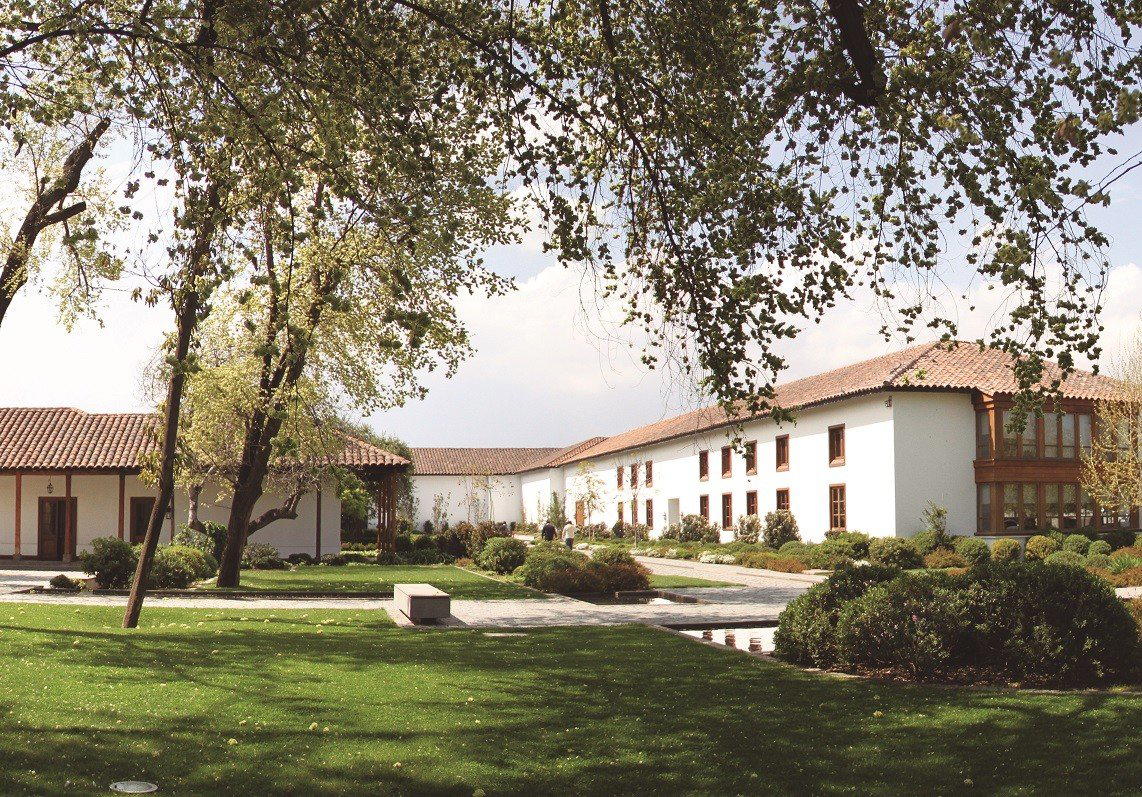
Charming mix of historic preservation and modern sophistication with bright, airy spaces, cozy lounges, and relaxing pool terrace.