Set in the Cachapoal Valley within Chile's O'Higgins Region, Noi Puma Lodge occupies a working cattle and vineyard estate at the foot of the Andes. The lodge sits in the smaller tier of design-led Chilean wilderness properties, where architecture, landscape integration, and curated rural immersion define the offer rather than resort scale or urban amenity.
Pearl is the En Primeur Club membership app — saves, bookings, and concierge access live there. Same editors, same standards.
- Address
- Fundo Sierra Nevada S/N, Machalí, O'Higgins, Chile
- Phone
- +56 2 2432 6850
- Website
- noihotels.com
- Directions
- Get directions
 Saves & bookings on Pearl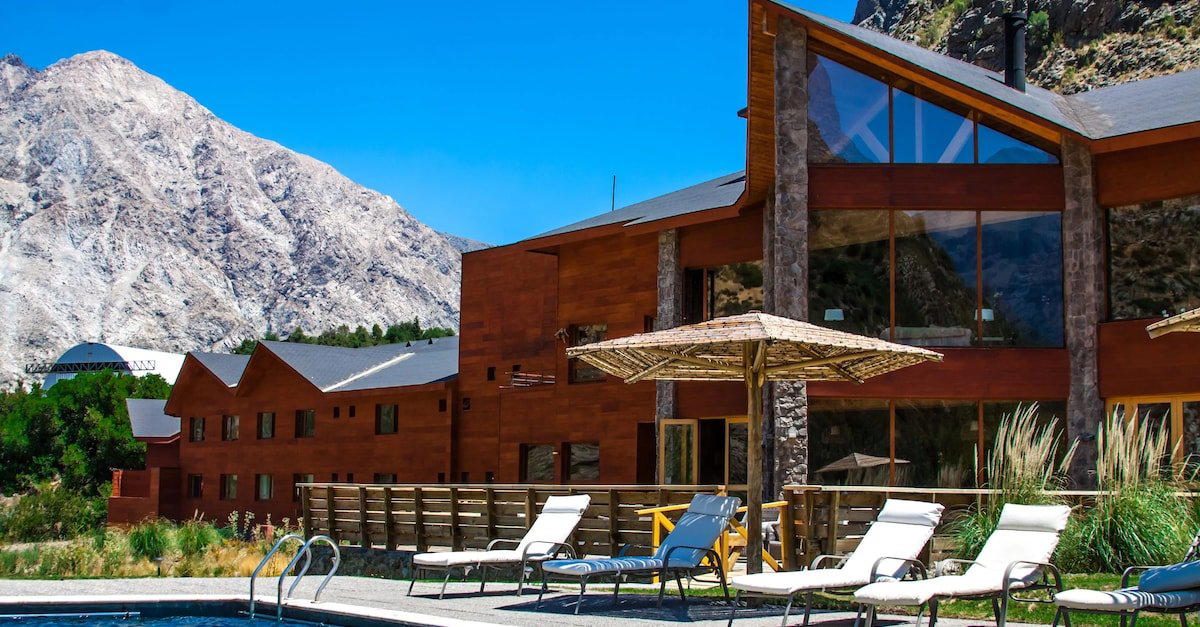
Where the Andes Begin and the Valley Ends
The O'Higgins Region, named for Chile's founding liberator and still largely agricultural, contains one of Chile's least-trafficked valleys. Cachapoal runs east from Rancagua toward the cordillera, its floor given over to cattle estancias, emerging wine production, and a geography that shifts from flat farmland to steep Andean foothills within a short drive. Noi Puma Lodge sits at that transition point, on the Fundo Sierra Nevada estate in Machalí, where the land rises and the built environment thins out. The approach matters here: the road narrows, the horizon fills with ridge lines, and the lodge announces itself against that backdrop rather than from a signposted entrance off a highway.
Chile's premium lodge sector has split along recognizable lines over the past decade. On one side sit the high-capacity resort properties anchored around Santiago's urban orbit, and on the other a smaller, design-serious cohort that treats landscape integration as the primary architectural problem. Noi Puma Lodge belongs to the second group, alongside properties like Vik Chile in San Vicente de Tagua Tagua and Clos Apalta Residence in Valle de Apalta, where the physical construction is inseparable from the surrounding terrain. What separates Noi Puma from those neighbors is its valley position: high enough to read as mountain architecture, close enough to Rancagua to work as a two-night extension from Santiago.
Architecture as the Primary Statement
Chilean lodge design in the Andes has historically borrowed from two traditions: the rustic patagonian estancia vocabulary of dark timber and pitched corrugated roofing, and the cleaner interventions of contemporary Latin American architecture that treat glass and raw concrete as honest materials rather than intrusions. Noi Puma operates within the latter register. The lodge's structures are low-set and horizontal, reading with rather than against the terrain rather than imposing a vertical signature. That approach is common to the Noi Hotels group's broader sensibility, which tends toward material restraint and site responsiveness across its Chilean properties.
At the scale of individual spaces, design-led lodges in this tier typically resolve the tension between indoor comfort and outdoor exposure through covered transition zones, oriented glazing, and the calibration of ceiling heights to frame specific views. The physical relationship between the accommodation and the landscape is not incidental, it is the functional argument for staying rather than driving through. At Noi Puma, the Andes serve as the dominant visual element from most parts of the property, and the architecture is positioned to hold that view rather than compete with it. For the broader category of Chilean wilderness lodges, that orientation is where the design is either earned or wasted.
Properties competing in this space elsewhere in Chile, including Awasi Atacama in the northern desert and Ecocamp Patagonia in Torres del Paine, each resolve the architecture-landscape problem in territory-specific ways: Awasi through adobe-influenced enclosure, Ecocamp through geodesic transparency. The Central Valley approach at Noi Puma is more temperate in its conditions but still demanding as a design problem, given that the site lacks the monochrome drama of desert or glacier and must work with varied agricultural and mountain scenery.
The Cachapoal Valley in Context
Within Chile's wine geography, Cachapoal sits inside the broader Rapel Valley appellation, producing reds, principally Carménère and Cabernet Sauvignon, that trade on soil depth and Andean meltwater irrigation rather than the coastal influence that defines Casablanca or San Antonio. The valley's wine profile is less internationally discussed than Colchagua to the south, which may partly explain why the surrounding territory remains less visited by international travelers despite its proximity to the capital. Santiago sits roughly 90 kilometers north, reachable in under two hours by road, which positions Noi Puma as a viable addition to a Santiago itinerary rather than a standalone destination requiring a domestic flight.
That positioning matters for how you plan around it. Unlike Remota in Puerto Natales or Explora Torres del Paine, which require significant travel investment to reach and justify multi-night stays by necessity, Noi Puma is accessible enough to be a deliberate two-night add-on. The practical case for it is a Central Valley wine circuit: Cachapoal, then south through Colchagua toward properties like Hotel Las Majadas in Pirque, rather than a standalone wilderness retreat. Guests flying into Santiago who want Andean proximity without the full southern Patagonia commitment will find the O'Higgins Region offers that more efficiently than any other Chilean region.
For a broader sense of the Santiago-anchored travel circuit, W Santiago and Debaines Hotel Santiago serve as the urban bookend before or after a valley stay. Those who want to extend deeper into Chilean wine country after Cachapoal will find Viña Antiyal in Huelquén and Palacio Astoreca in Valparaíso as complementary stops on a circuit that balances landscape, wine, and coastal architecture. See our full Cachapoal guide for the broader regional picture.
Planning a Stay
The Cachapoal Valley operates leading as a destination from October through April, when the Andean foothills are accessible and the Central Valley climate is dry and warm. Winter months from June through August bring cold nights and reduced visibility at elevation, which affects both the architectural experience of an open-facing lodge and any trekking or riding programs the property may offer. Guests with a Chilean wine focus should note that harvest season in this valley typically runs from late February through early April, a meaningful experiential anchor if wine tourism is part of the itinerary.
A Quick Peer Check
Comparable venues nearby, for context on price, style, and recognition.
| Venue | Cuisine | Price | Awards | Notes |
|---|---|---|---|---|
| Noi Puma LodgeThis venue — the venue you are viewing | rustic mountain lodge with locally inspired design | $$$$ | Not listed | Not listed |
| Viña Antiyal | Family-operated artisanal winery estate blending residential and production spaces with organic farming practices | $$$ | Not listed | Huelquén |
| Huilo Huilo Montaña Mágica Lodge | Mountain lodge with waterfall feature | $$$$ | Not listed | Huilo Huilo Reserve |
| Hotel Casa Real - Viña Santa Rita | Historic boutique hotel in restored 19th-century mansion | $$$$ | Not listed | Maipo Valley |
| The Aubrey | Restored historic mansion blending classic comfort with contemporary luxury | $$$$ | 4-Star | Bellavista |
| Clos Apalta Residence | Luxury boutique wine estate combining French and Chilean design aesthetics with contemporary comfort and heritage winemaking tradition. | $$$$ | 4-Star | Apalta Valley, Colchagua |
Continue exploring
More in Cachapoal
Bars in Cachapoal
Browse all →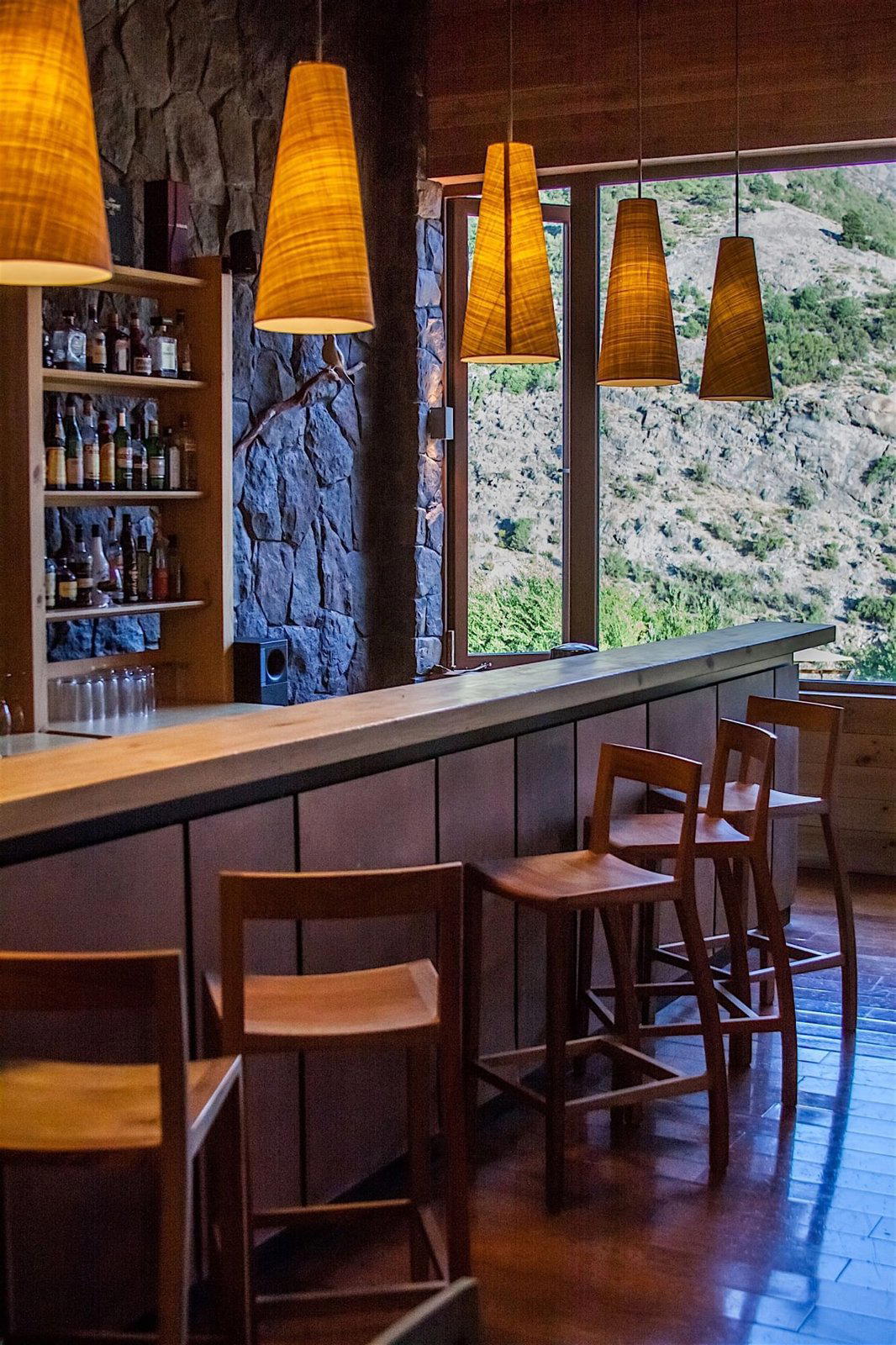
Restaurants in Cachapoal
Browse all →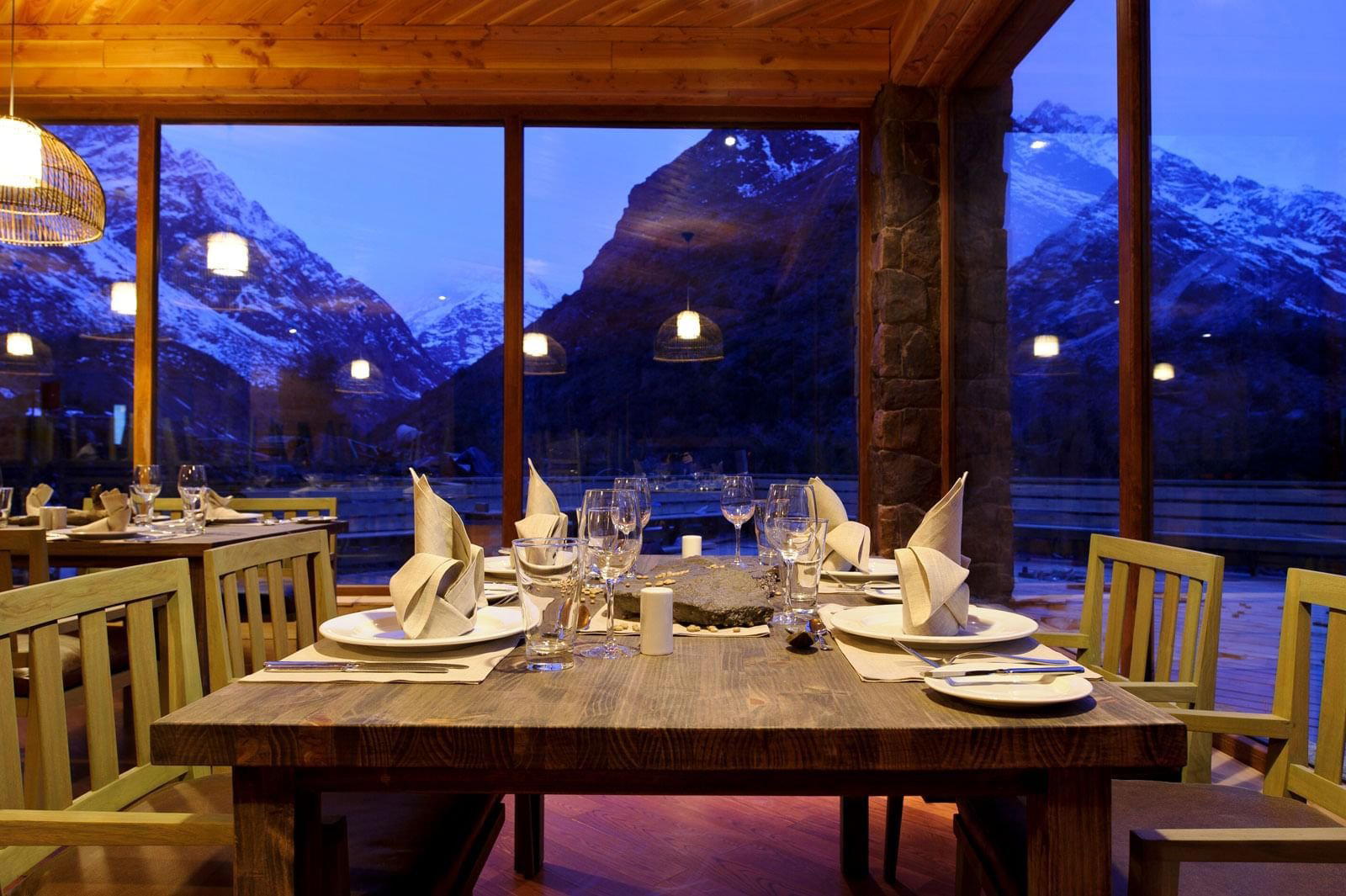
At a Glance
- Rustic
- Cozy
- Scenic
- Quiet
- Elegant
- Romantic Getaway
- Wellness Retreat
- Weekend Escape
- Group Retreat
- Panoramic View
- Terrace
- Wi Fi
- Pool
- Spa
- Fitness Center
- Room Service
- Concierge
- Sauna
- Hot Tub
- Garden
- Mountain
- Wi Fi
- Pool
- Spa
- Fitness Center
- Room Service
- Concierge
- Sauna
- Hot Tub
- Garden
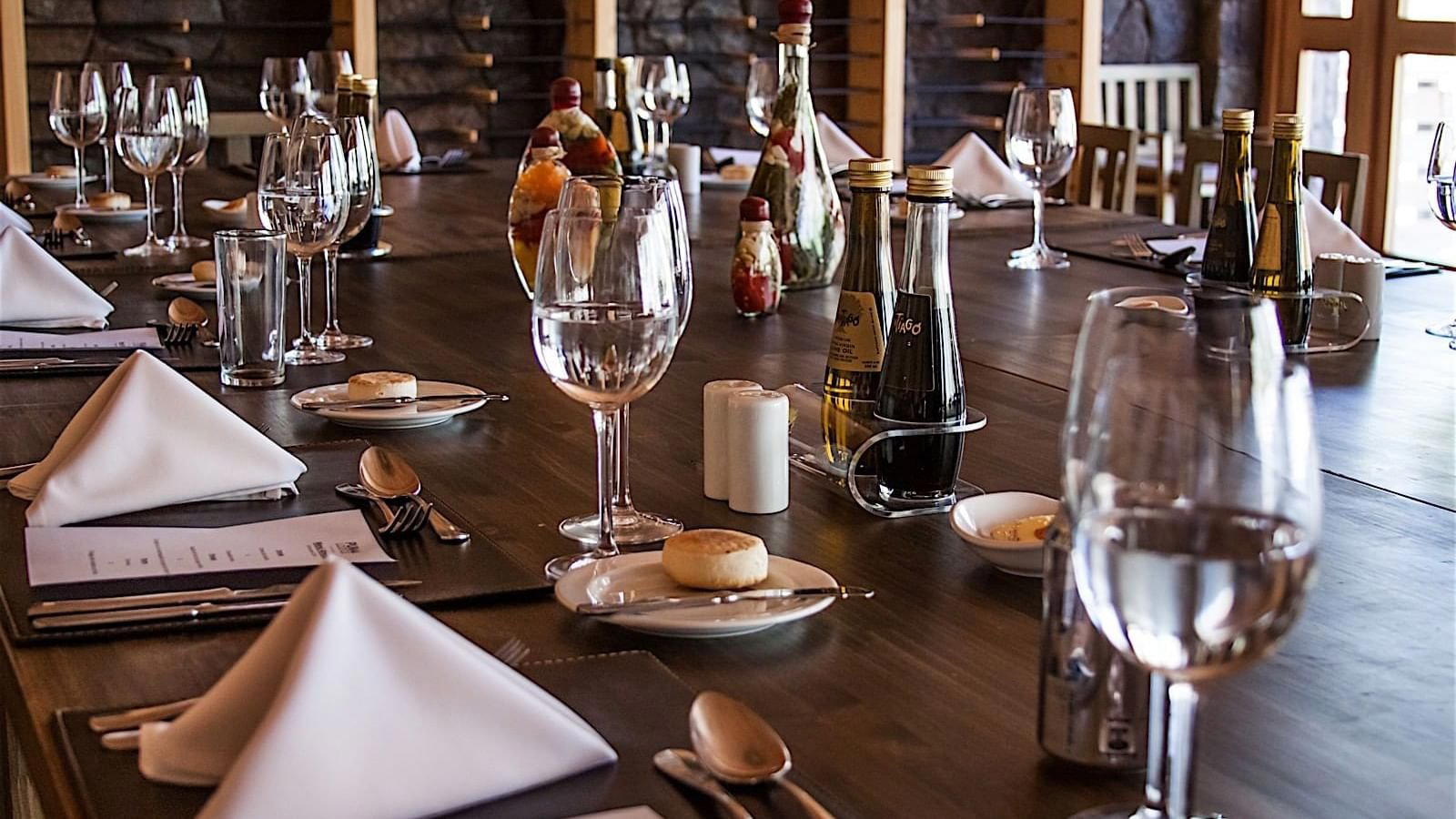
Cozy ski chalet atmosphere featuring wooden interiors, a large central fireplace, and serene mountain views.