Clos Apalta Residence

Relais Chateaux Award
Clos Apalta Residence occupies a private corner of Colchagua's Apalta Valley, where the architecture is shaped by the vineyard rather than imposed upon it. Private villas start from US$900 per night and deliver an intimacy that urban wine lodges cannot replicate. The setting draws guests who want direct, unhurried access to one of Chile's most celebrated wine appellations.

Pearl is the En Primeur Club membership app — saves, bookings, and concierge access live there. Same editors, same standards.
- Address
- KM 4 - Apalta Colchagua, Santa Cruz, O'Higgins
- Phone
- +56 72 295 3360
- Website
- closapaltaresidence.com
- Directions
- Get directions
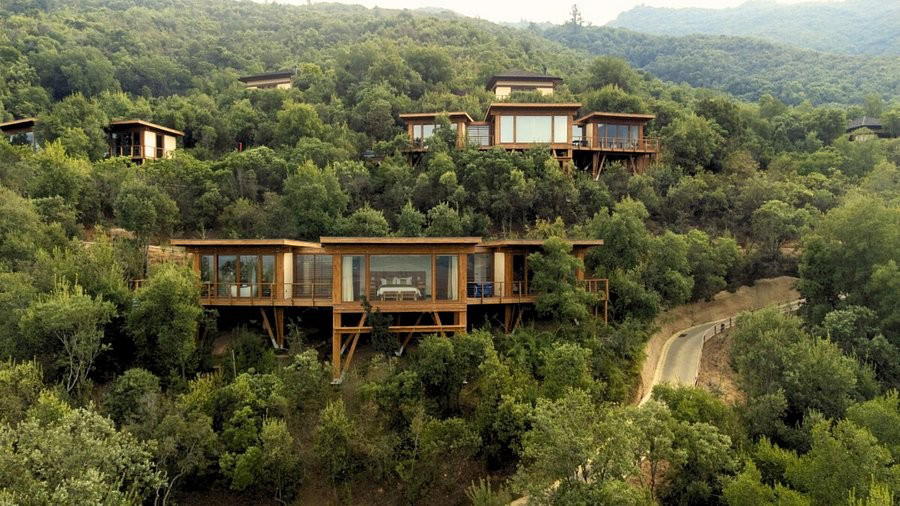
Where the Vineyard Defines the Architecture
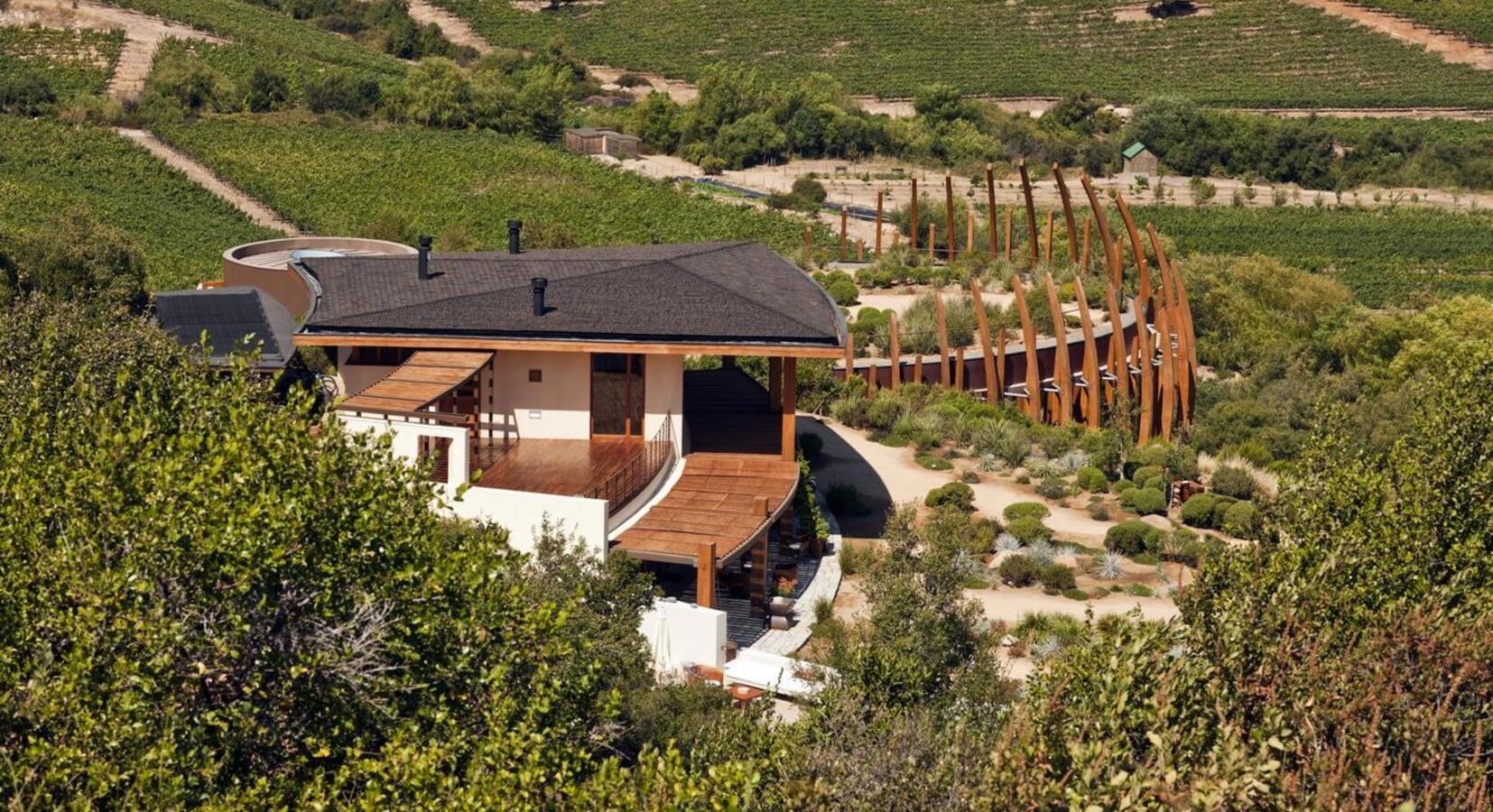
In Chile's premium wine lodges, a clear division has emerged between properties that use landscape as backdrop and those where the physical structure is genuinely answerable to its terrain. Clos Apalta Residence belongs firmly to the second category. Positioned at kilometre 4 along the Apalta road in Colchagua's O'Higgins Region, the Residence sits adjacent to the Clos Apalta winery, and the relationship between the two is not incidental. The built form reads as an extension of the vineyard's geometry, not a separate gesture imposed upon it. For guests accustomed to wine country hotels that could theoretically be relocated to any rural setting without losing their character, the Apalta Residence offers something structurally different: a property whose sense of place is tied to a specific appellation.
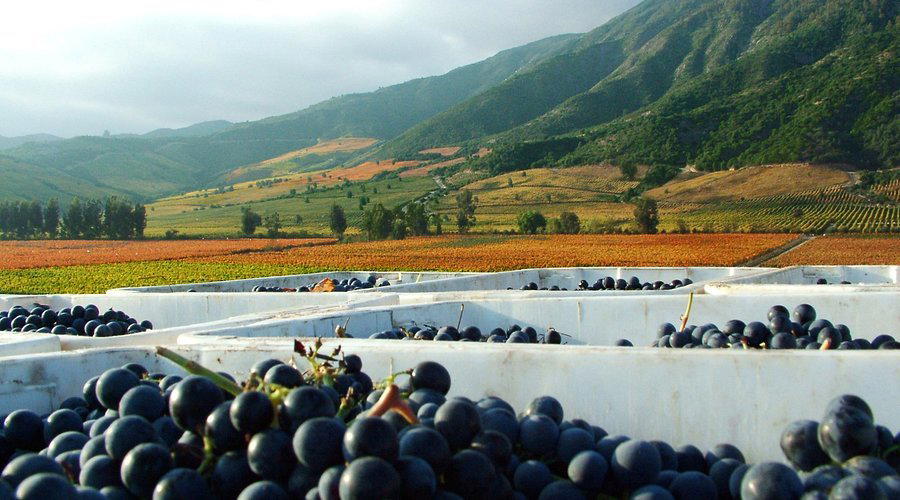
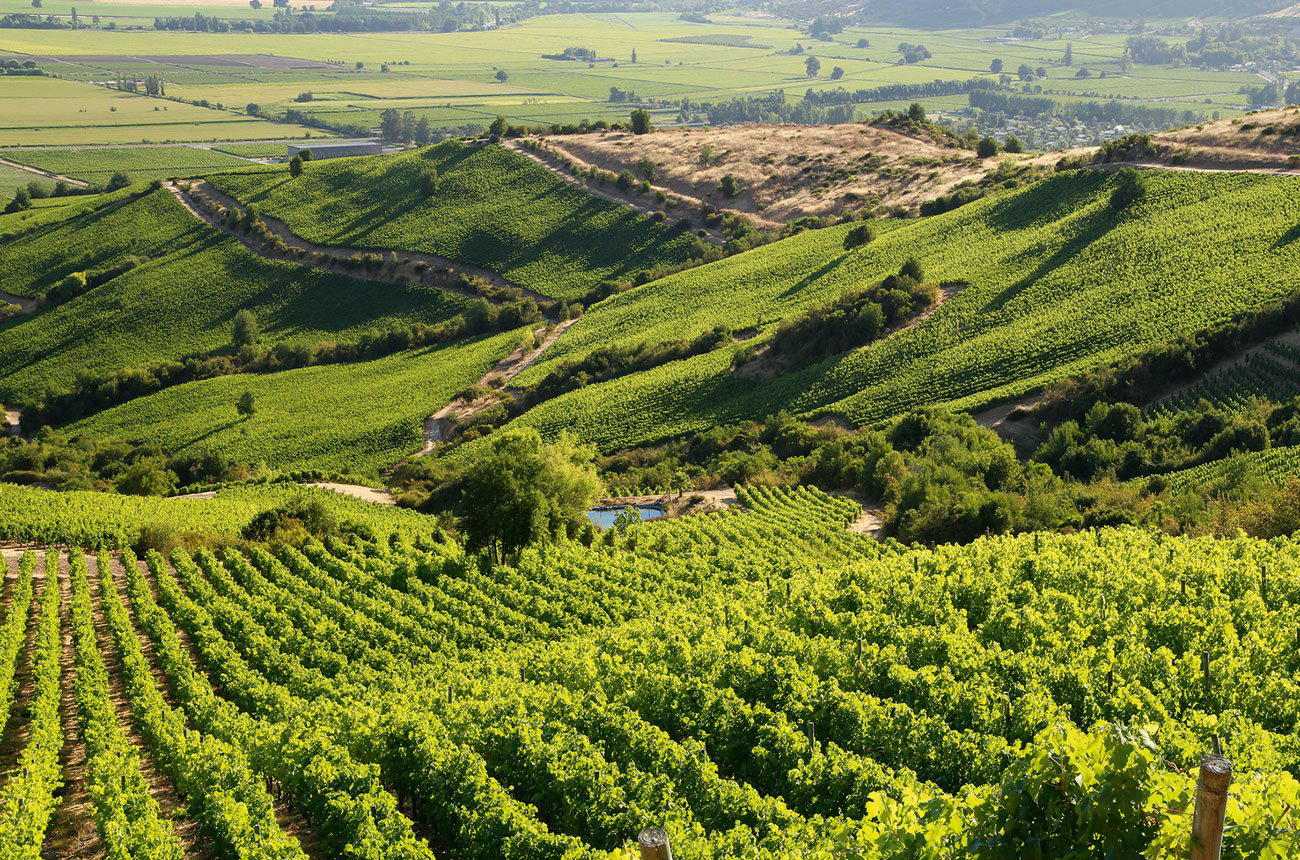
The Apalta Valley itself establishes the terms. A horseshoe-shaped basin, partly sheltered from Pacific winds by the coastal range and subject to pronounced diurnal temperature variation, it produces the kind of concentrated, structured reds that have drawn international attention to Colchagua. The architecture at the Residence takes its cues from the valley's character rather than importing an aesthetic from elsewhere, resulting in a visual continuity between the guesthouses and the rows of vines that surround them. Arriving by car after crossing the Tinguiririca River and driving the final four kilometres toward the winery, the approach itself frames this connection before the guest ever steps inside.
The Private Villa Format and What It Implies
Boutique wine lodges in Chile's central valleys have increasingly moved toward villa formats rather than conventional hotel corridors, and the Clos Apalta Residence reflects that shift. The property operates on an intimate scale, with private villas that preserve a separation between guests that a standard hotel room layout cannot achieve. At that price point, the expectation is not simply a comfortable bed but a complete experiential environment: the views of the Apalta vineyards, the privacy of the villa configuration, and proximity to the winery's production all function as the core offering.
The intimate atmosphere noted in the property's own documentation is borne out by the format: the small number of villas means the property does not operate at scale, which keeps guest density low and interaction with the vineyards unmediated.
Colchagua's Wine Identity and the Residence's Position Within It
Colchagua has consolidated its reputation as Chile's most recognised red wine zone over the past two decades, with Carménère and Cabernet Sauvignon driving its export profile. Within Colchagua, Apalta commands a particular premium, partly due to its topographic complexity and partly due to the international attention brought to the appellation by estates whose wines have appeared in major rankings. Staying at the Residence places guests inside that appellation rather than at its edge, which distinguishes it from wine lodges in Santa Cruz town or along the main Carretera del Vino highway, where the vineyards are more visible as scenery than as immediate environment.
For guests travelling the broader Chilean wine circuit, the Residence functions as the Colchagua anchor of an itinerary that might also incorporate Viña Antiyal in Huelquen or the wine-adjacent properties in the Maipo and Cachapoal valleys. Those planning a Santiago base before or after can consider options ranging from W Santiago to Debaines Hotel Santiago, with the Residence representing the logical transition from urban base to wine country immersion. See our full Valle de Apalta restaurants guide for dining context across the valley.
Getting There: Access and Logistics
The Residence sits approximately 190 kilometres south of Santiago's international airport, a journey that follows the Ruta 5 highway south before turning onto the Carretera del Vino toward Santa Cruz, then continuing 36 kilometres toward the coast. The Tinguiririca River crossing marks the transition into Apalta proper, with the winery appearing on the left four kilometres later. Train travellers can reach San Fernando, approximately 51 kilometres away, before continuing by road. The GPS coordinates (-34.6413, -71.3051) confirm the property's position deep in the valley, past the winery entrance, which reinforces why a car is the practical choice for guests planning day excursions across Colchagua.
The self-drive approach matters architecturally as well as logistically. The Apalta road is not a through route; it ends at the vineyard. That geographic fact shapes the experience at the Residence: there is no ambient traffic, no passing through, and the rhythm of the valley is determined almost entirely by the agricultural calendar of the vines surrounding the property.
Chile's Design-Led Lodge Category in Context
Clos Apalta Residence sits within a wider Chilean movement toward lodges where design and setting are treated as primary hospitality values, not secondary to room count or conference capacity. Properties like Awasi Atacama, Ecocamp Patagonia, REMOTA in Puerto Natales, and Explora Torres del Paine represent the same logic applied to different Chilean environments: small footprints, strong aesthetic identities, and a deliberate resistance to the standardised luxury model. The Residence extends that logic into wine country, where the connection to agricultural production adds a layer that purely wilderness lodges cannot replicate.
Further afield, design-committed properties built around a specific natural or cultural setting, such as Amangiri in Canyon Point or Aman Venice, establish a comparable principle: that architecture responsive to its site creates a fundamentally different guest experience than architecture placed upon it. In that international context, Clos Apalta Residence occupies an equivalent position within Chile's own design-led hospitality tier. For guests also considering other Chilean properties in this category, Refugia Chiloé, Futangue Hotel and Spa in Riñinahue, andBeyond Vira Vira in Pucon, and Puyuhuapi Lodge and Spa in Aisen each address a different Chilean geography within the same design-serious framework. Properties like Explora Rapa Nui, Hotel AWA in Puerto Varas, Mari Mari Natural Reserve Experience, Hotel Las Majadas in Pirque, Explora Patagonia National Park, and Palacio Astoreca Hotel in Valparaiso complete a picture of a country whose lodging market has developed genuine design ambition across its diverse regions. The CasaMolle in El Molle represents the northern end of this spectrum, while The Fifth Avenue Hotel in New York City and Aman New York offer useful reference points for guests calibrating the Residence's price positioning against international alternatives.
Planning a Stay
Rates begin at US$900 per night for private villa accommodation. The property is most accessible by private car from Santiago, using the Ruta 5 south to San Fernando, then the Carretera del Vino toward Santa Cruz and Apalta. Harvest season in Colchagua, typically March to April, brings the valley's agricultural calendar to its most active point; visitors during this window gain access to the winery's production rhythm that off-season stays cannot replicate.
Comparison Snapshot
Comparable venues nearby, for context on price, style, and recognition.
| Venue | Cuisine | Price | Awards | Notes |
|---|---|---|---|---|
| Clos Apalta ResidenceThis venue — the venue you are viewing | Luxury boutique wine estate combining French and Chilean design aesthetics with contemporary comfort and heritage winemaking tradition. | $750–1,000 | Relais Chateaux Award | Not listed |
| Palacio Astoreca Hotel | Restored Victorian mansion blending heritage architecture with contemporary boutique luxury. | $200–300 | Not listed | Cerro Alegre |
| Hotel Boutique Castillo Rojo | Historic castle mansion reborn as exclusive boutique hotel | $1–100 | Michelin Selected | Bellavista |
| Hotel Cumbres Lastarria | Modern boutique in historic bohemian district | Not listed | Michelin Selected | Lastarria |
| Ismael Hotel | Contemporary boutique hotel reflecting Santiago's bohemian spirit. | Not listed | Not listed | Lastarria |
| Hotel Las Majadas | Historic mansion with modern accommodation wing in parklands | $100–200 | Leading Hotels of World Member | Pirque |
Recognition history
Dated appearances from independent guides and award organizations, with the underlying list record or original source where available.
Relais Chateaux Award
Relais Chateaux
Full recognition history (2 entries)
Relais Chateaux Award
Relais Chateaux
Continue exploring
More in Valle de Apalta
Hotels in Valle de Apalta
Browse all →
Restaurants in Valle de Apalta
Browse all →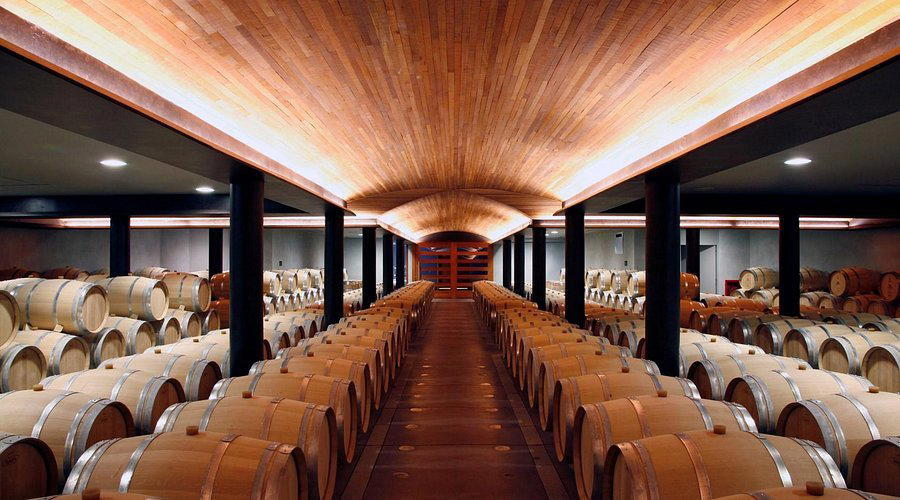

Details
- Romantic
- Quiet
- Elegant
- Intimate
- Scenic
- Honeymoon
- Romantic Getaway
- Anniversary
- Wellness Retreat
- Private Villa
- Panoramic View
- Destination Spa
- Private Dining
- Garden
- Terrace
- Wi Fi
- Pool
- Spa
- Fitness Center
- Room Service
- Restaurant
- Sauna
- Massage
- Tennis Court
- Bicycle Rental
- Vineyard
- Mountain
- Garden
Serene and intimate with floor-to-ceiling windows framing vineyard vistas, warm natural materials, soft lighting from fireplaces, and an overall sense of peaceful luxury and privacy.