Palacio Astoreca Hotel
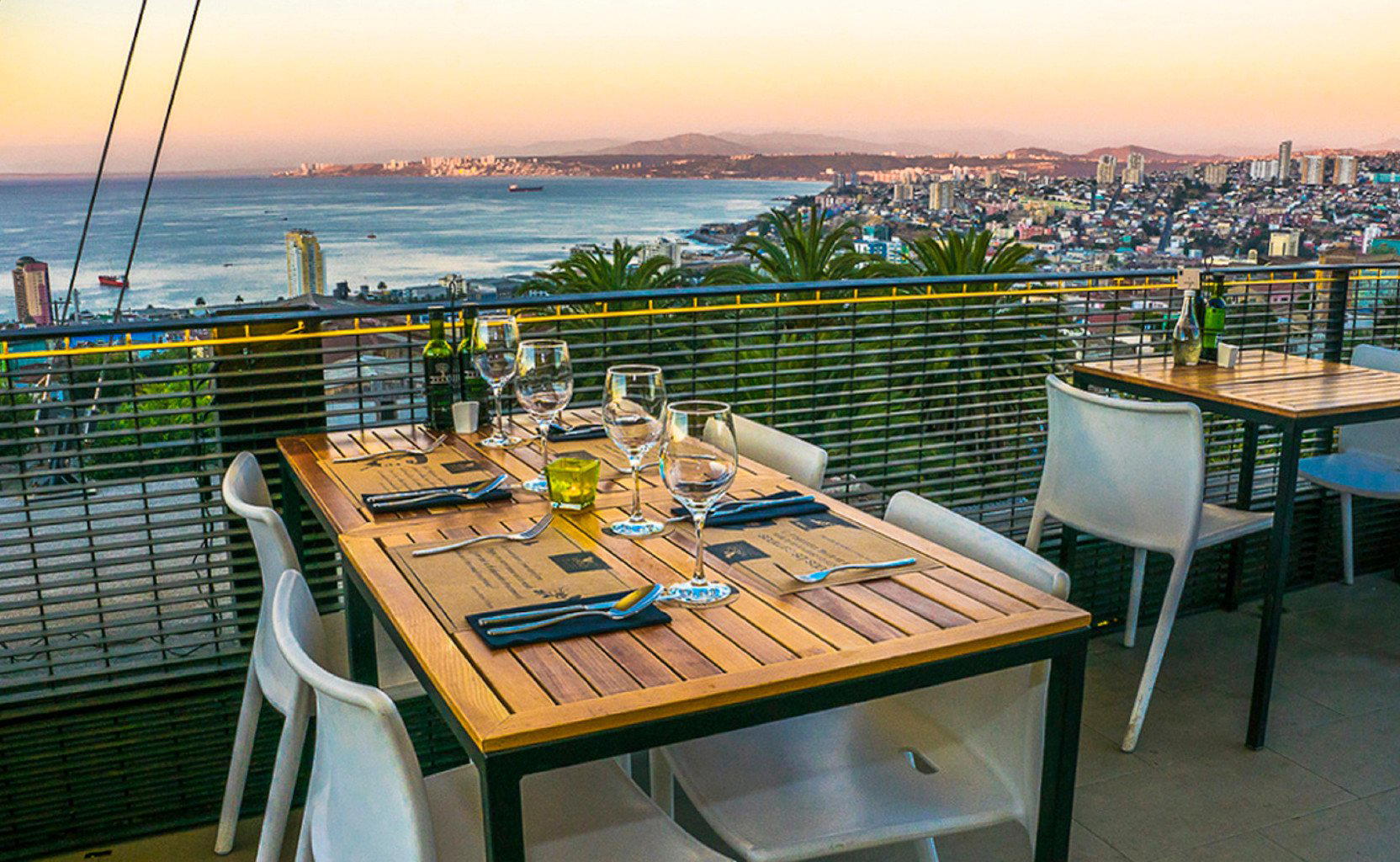
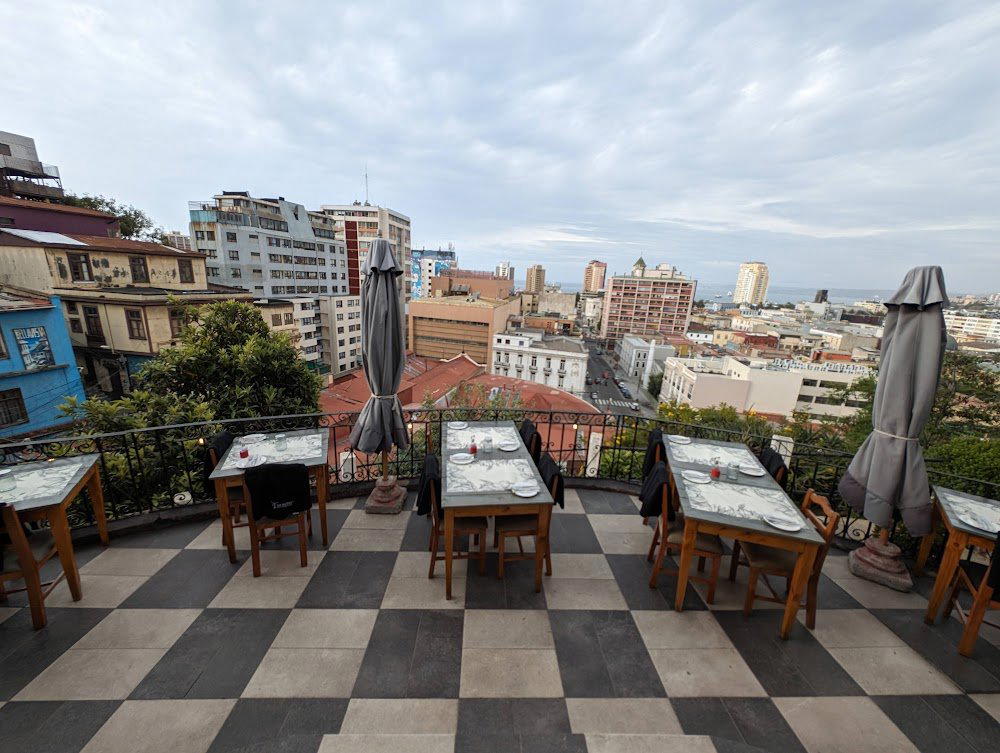
"Built in the 1920s by a Croatian businessman, Palacio Astoreca underwent two years of refurbishment and restoration before opening its doors as a boutique hotel in 2012. The work was carried out to a meticulous degree, maintaining the original parquet floors, and adding splashes of color with art deco furniture and modern art, including one piece by Switzerland ’s Frédéric Clot. The stucco-and-brick mansion rises up from the streets of Chile ’s port city, Valparaíso, like a piece of red-and-white confectionary. A statement staircase winds up to the 23 rooms, some of which have stand-alone bathtubs. And the basement level is home to a small spa with an open-air, wood-fueled hot tub set alongside a living wall. The reception level and entrance hall open out onto a terrace where lunch, tea, and cocktails are served, allowing guests prime views over the hilly city and Pacific Ocean. There are quiet corners for those seeking a solitary moment, including a library and a piano bar, which comes to life in the evenings with live music."
Pearl is the En Primeur Club membership app — saves, bookings, and concierge access live there. Same editors, same standards.
- Address
- Montealegre, Cerro Alegre 149, Valparaíso, Chile
- Phone
- +56 9 8921 1700
- Website
- hotelpalacioastoreca.com
- Directions
- Get directions
 Saves & bookings on Pearl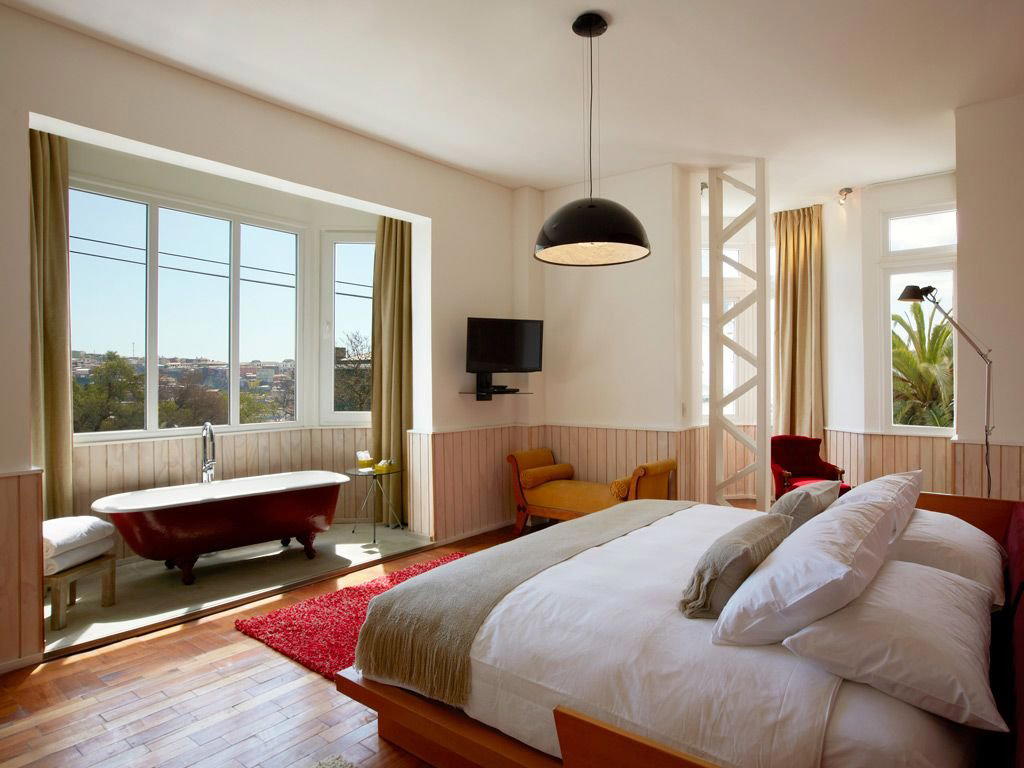
A Hilltop Palazzo in the Age of Cerro Alegre
Approaching Cerro Alegre from the lower city, the switchback ascent by funicular or steep staircase deposits visitors into one of South America's most architecturally dense residential neighborhoods. The streets here read as an open archive: Victorian bay windows beside art nouveau ironwork, German immigrant merchant houses pressed against Chilean eclectic facades, all of it layered across a hillside that Valparaíso's port economy built in the nineteenth century and its creative class has been reinterpreting ever since. Palacio Astoreca Hotel, at Montealegre 149, occupies a restored palacio within this context, and the building's physical presence is the property's first and most durable argument for why it belongs in the conversation about Chilean boutique accommodation at the premium end. The hotel has 23 rooms and a four-star rating, with rates from about $235 per night.
The palacio form itself matters here. Unlike the converted warehouses or reimagined haciendas that define much of Chile's design-led hotel sector, buildings like Astoreca carry the formal language of late nineteenth-century aspirational architecture: high ceilings, symmetrical facades, interior courtyards, and rooms proportioned for display rather than efficiency. Cerro Alegre produced several such structures as wealthy merchant families competed for architectural distinction on the hill. The Astoreca building fits that history, and any hotel operating within its walls is immediately in dialogue with that legacy, whether it acknowledges the fact or not.
Design as Curatorial Argument
Chile's premium hotel market has sorted itself into roughly two camps: the internationally branded properties concentrated in Santiago (properties like Mandarin Oriental and The Ritz-Carlton occupy that tier, as do newer entrants like Debaines Hotel Santiago and W Santiago) and a smaller, design-led independent sector distributed across the country's regions. Palacio Astoreca belongs firmly to the second group. This is the same cohort that includes properties like CasaMolle in El Molle, Clos Apalta Residence in the Colchagua Valley, and Vik Chile further south: properties where architecture and curation do the work that brand recognition handles elsewhere.
In that context, the restored palacio format positions Astoreca differently from most Valparaíso accommodation. The city's boutique hotel supply skews toward compact conversions and artist-run guesthouses, reflecting the neighborhood's bohemian economic baseline. A full palacio restoration at boutique scale represents a different capital commitment and a different editorial statement about what the property is for. Guests arriving with experience of the Aman Venice model, where a historic palace becomes the dominant experience rather than a backdrop for amenities, will recognize the logic.
Cerro Alegre as Competitive Context
The neighborhood's hospitality character has shifted significantly over the past fifteen years. Cerro Alegre and adjacent Cerro Concepción now function as Valparaíso's primary destination for visitors arriving from Santiago for the weekend, a roughly 90-minute drive or two-hour train journey that makes the city a realistic short-break option from the capital. That traffic pattern has generated a concentrated supply of restaurants, bars, and galleries within walking distance of Montealegre, giving guests of Palacio Astoreca a pedestrian radius that is unusually dense for a Chilean regional city.
The weekend-destination dynamic also shapes who books the property. Valparaíso operates on a different rhythm than Chile's wilderness lodge sector, where guests at properties like Awasi Atacama, Ecocamp Patagonia, or REMOTA in Puerto Natales are primarily there for landscape access. Astoreca's pitch is urban and cultural: the city's UNESCO World Heritage Site designation (granted in 2003 for its historic quarter and port engineering), the street mural culture that has made Cerro Alegre a reference point for Latin American public art, and the culinary scene that has followed the cultural attention.
What the Architecture Delivers Inside
Historic palacio buildings in South America's port cities share certain spatial characteristics regardless of which country you're in: the piano nobile arrangement that placed reception rooms above ground-floor service areas, the internal courtyard or patio central that regulated light and air circulation before mechanical systems existed, and the formal staircase that signaled the building's social hierarchy from the moment of entry. These are not trivial details for a hotel operator. A palacio that retains those spatial relationships gives guests something that new construction cannot replicate: rooms and circulation that were designed for ceremony, now repurposed for accommodation.
The critical question for any palacio conversion is how much of that original spatial logic survives the hotel program. Properties that respect the building's room hierarchy (keeping the largest, most formally detailed rooms as the leading accommodation tier) and preserve circulation sequences tend to read more honestly than those that subdivide for room count. This principle holds across the category, from Aman Venice at the extreme high end to smaller regional conversions. For Astoreca's position in the Valparaíso market, the building's integrity is the primary asset.
Placing Astoreca in the Chilean Hotel Map
For travelers building a Chilean itinerary, Valparaíso and Palacio Astoreca occupy a specific slot: the cultural counterpoint to the country's wilderness and wine-country properties. A natural pairing might combine Astoreca with Clos Apalta Residence for wine-focused days in Colchagua, or with Noi Puma Lodge in Cachapoal, then extend south through Futangue Hotel in Riñinahue or andBeyond Vira Vira in Pucón. The property also works as a standalone Santiago extension given the drive time, particularly for travelers staying at city-center properties like Debaines Hotel Santiago who want a coastal day-trip with an overnight option.
The broader Chilean design-led hotel sector also includes outliers like Explora Rapa Nui on Easter Island, Mari Mari Natural Reserve in Los Muermos, and Puyuhuapi Lodge in Aisén. Astoreca is unusual in that cohort for being an urban property: most of Chile's design-led independent hotels are positioned in wilderness or agricultural settings, making a city-center palacio a relatively rare format in the national market.
Planning a Stay
Cerro Alegre is most navigated on foot once you arrive: the steep topography means that the neighborhood's core streets are leading explored by walking, with the city's historic funiculars (ascensores) providing the main vertical transport. Valparaíso's port district and flat lower city are accessible by a downhill walk or taxi. The property's address on Montealegre places it at the heart of Cerro Alegre's gallery and restaurant strip, which means ambient street activity during peak weekend periods. Travelers sensitive to neighborhood noise should factor in that the surrounding streets carry significant evening foot traffic from Thursday through Sunday. Advance booking is recommended, particularly during the Chilean summer months of December through February when Santiago-based visitors fill the hill's limited premium accommodation supply.
In Context: Similar Options
Comparable venues nearby, for context on price, style, and recognition.
| Venue | Cuisine | Price | Awards | Notes |
|---|---|---|---|---|
| Palacio Astoreca HotelThis venue — the venue you are viewing | Restored Victorian mansion blending heritage architecture with contemporary boutique luxury. | $$$$ | 4-Star | Not listed |
| Tierra Patagonia Hotel & Spa | Patagonian-designed luxury wilderness lodge | $$$$ | 5-Star | Torres del Paine National Park |
| Hotel Boutique Castillo Rojo | Historic castle mansion reborn as exclusive boutique hotel | $$$$ | 4-Star | Bellavista |
| The Aubrey | Restored historic mansion blending classic comfort with contemporary luxury | $$$$ | 4-Star | Bellavista |
| Hotel Boutique Le Reve Hotel | Historic French manor-style boutique hotel occupying a Chilean national monument with contemporary updates and European-inspired interiors. | $$$ | 4-Star | Providencia |
| Hotel Las Majadas | Historic mansion with modern accommodation wing in parklands | $$$$ | 4-Star | Pirque |
Continue exploring
More in Valparaiso
Bars in Valparaiso
Browse all →
Restaurants in Valparaiso
Browse all →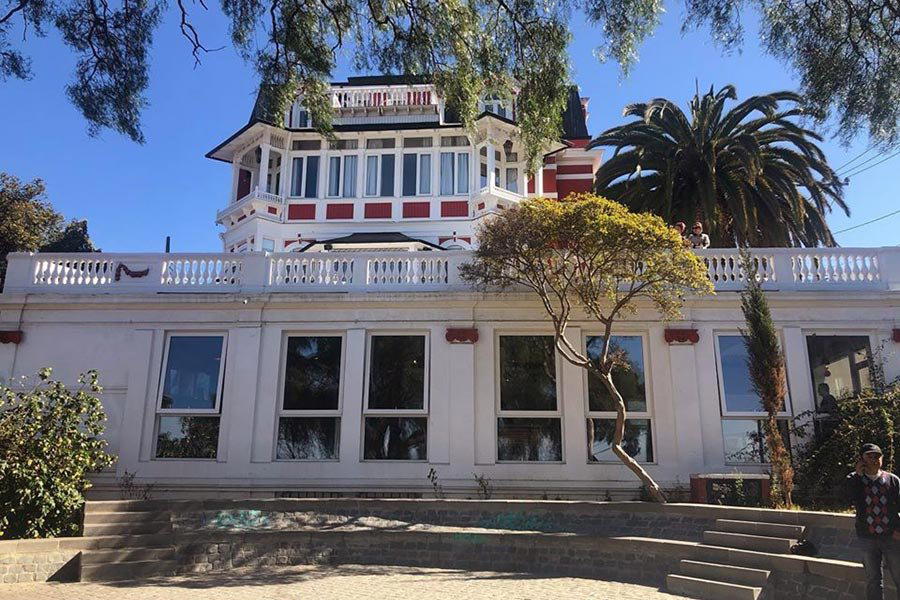
At a Glance
- Romantic
- Elegant
- Classic
- Scenic
- Sophisticated
- Romantic Getaway
- Anniversary
- Weekend Escape
- Historic Building
- Panoramic View
- Terrace
- Wi Fi
- Pool
- Spa
- Room Service
- Concierge
- Restaurant
- Bar
- Waterfront
- Skyline
- Street Scene
- Wi Fi
- Pool
- Spa
- Room Service
- Concierge
- Restaurant
- Bar
Eclectic mix of Victorian grandeur and modern sophistication with colorful velvet furnishings, Art Deco library, and cozy yet ornate atmosphere.