Explora Rapa Nui



2 Michelin Keys · Mr & Mrs Smith Seal of Approval · Virtuoso Luxury Hotel Partner
Explora Rapa Nui occupies one of the most geographically isolated hotel sites on earth, five miles from Hanga Roa on an island 3,700 kilometres from the South American mainland. Its 30 rooms face the Pacific, its architecture blends raw concrete with local Rauli wood, and its guided explorations operate in groups capped at eight. The property requires a three-night minimum stay.

Pearl is the En Primeur Club membership app — saves, bookings, and concierge access live there. Same editors, same standards.
- Address
- Easter Island, Hanga Roa, Isla de Pascua, Valparaíso
- Phone
- +56 2 2395 2700
- Website
- explora.com
- Directions
- Get directions
The Architecture of Isolation
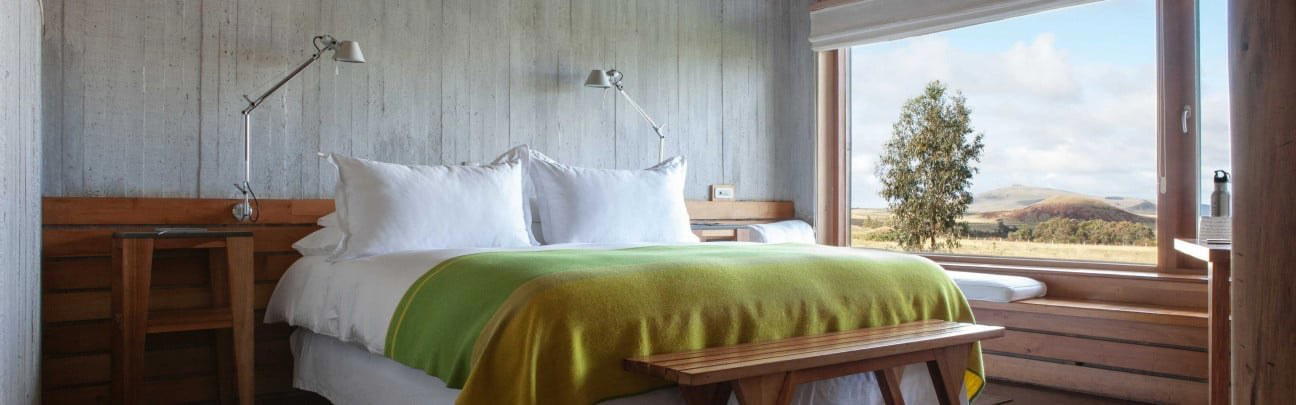
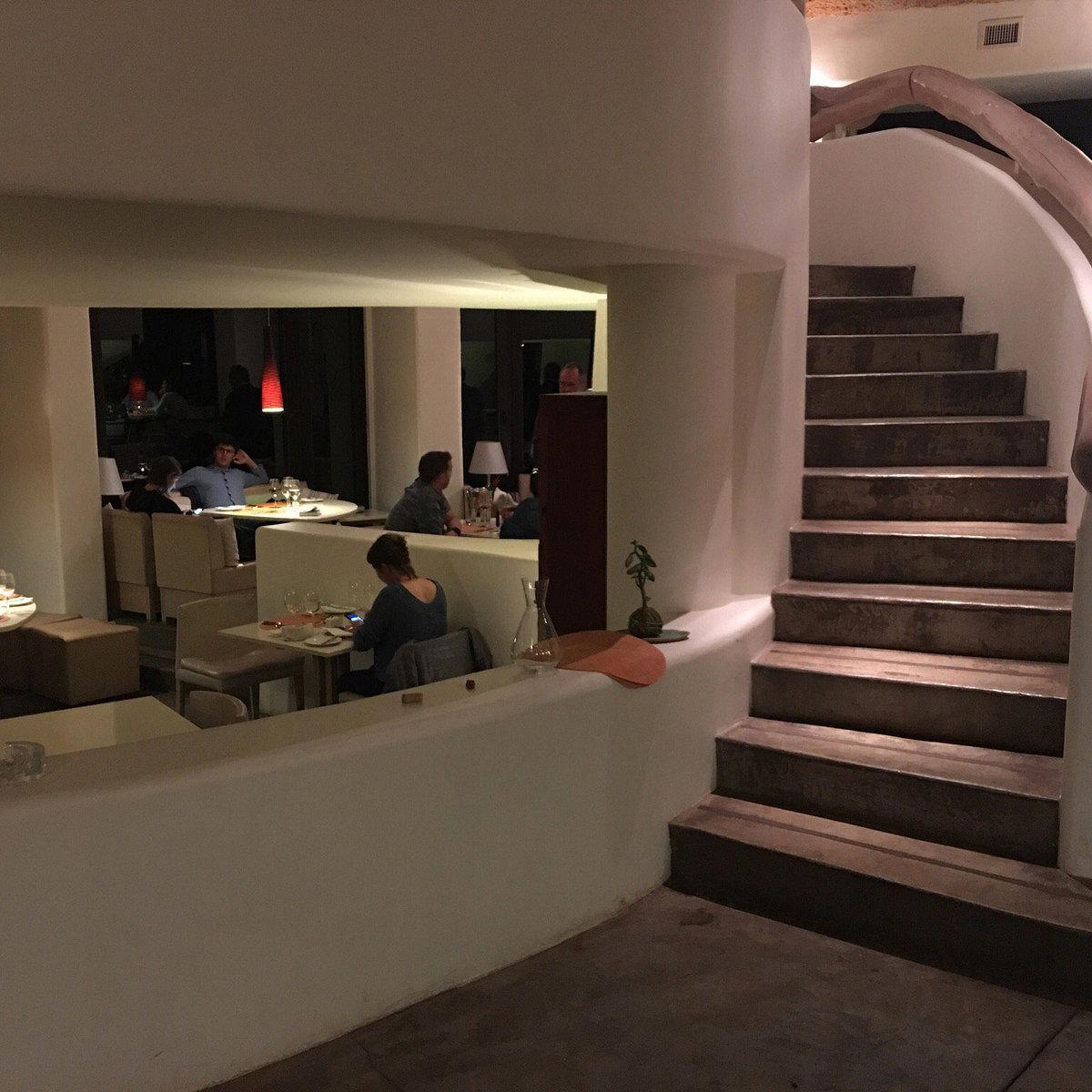
There are places where the building is a distraction from the landscape, and places where it is an argument for it. Explora Rapa Nui belongs to the second category. The structure's rounded, almost planetary forms read as deliberate provocation in a setting already defined by provocation: a volcanic island, 3,700 kilometres from the Chilean coast, strewn with hundreds of massive stone figures whose origins remain archaeologically contested. The architecture does not try to disappear. Raw concrete and unfinished timber sit in deliberate contrast to the Pacific horizon, while open floor plans and wide-format windows convert every interior sightline into a framed view of water, grassland, or sky. The overall effect is less a resort aesthetic and more a considered position on how a building should behave when the landscape is the primary event.
This design logic runs through the Explora brand at its other Chilean properties — from Explora Torres del Paine in Torres del Paine National Park to Explora Patagonia National Park in Cochrane — but the Rapa Nui property pushes the formula further than any of them. Where Patagonia or Torres del Paine at least share a continental address with the rest of South America, Easter Island operates at a genuinely different scale of remoteness. That isolation shapes the architecture's function as much as its form: when the nearest town is five miles away and the nearest continent is a five-hour flight, the building must work harder as a self-contained world.
The Rooms and What They Face
The 30 rooms, including four suites, are arranged so every one of them faces the Pacific Ocean. That single orientation decision is more consequential than it might appear. Easter Island sits at roughly 27 degrees south latitude, where the Pacific is genuinely unobstructed in multiple directions, and sunrise over open water is a daily architectural event that the room design is explicitly organised around. Interiors use materials sourced locally where possible: furniture in Rauli wood, bathroom surfaces in Piedra Pizarra stone, wall panelling in Lenga wood. The result reads as textured rather than curated, materials chosen for their relationship to the island's geology rather than for international hospitality convention.
Each room includes a hydro-massage bathtub, a dedicated sitting area, and a configuration built around the view rather than around the bed. The luxury signal here is spatial and experiential rather than decorative. Compared to properties in the broader Chilean boutique category, including design-forward options like Awasi Atacama in San Pedro de Atacama or Noi Puma Lodge in Cachapoal, Explora Rapa Nui occupies a specific niche: it is a property where the room functions primarily as recovery space between expeditions, and where the design vocabulary reinforces that hierarchy deliberately.
The Exploration Program as the Core Product
The guided exploration program is not an amenity list. It is the actual product. Each day, guests select from five or more distinct routes, chosen according to weather conditions, guest fitness levels, and exploration depth. Group size is capped at eight people per guide, with bilingual guides carrying full equipment. The format keeps visits to the major archaeological sites, the ahu platforms, the moai fields, the volcanic quarry at Rano Raraku, away from the peak-hour traffic patterns that dominate day-trip tourism from Hanga Roa. Walks are supplemented by picnics on coastal outcrops, with the route selection varying between easy coastal traverses and more demanding inland terrain.
The island's archaeological complexity rewards this kind of structured access. Easter Island's moai represent one of the Pacific's most debated cultural records: roughly 900 carved figures distributed across the island's perimeter and interior, created by a Polynesian civilisation whose timeline, internal conflicts, and ultimate fate remain subjects of active scholarly argument. The property's position five miles from town means that guests engaging with the more remote sites do so without the logistical friction of daily transfers from Hanga Roa.
For context, the alternative base in this category is Nayara Hangaroa, which operates closer to town and within a different design and service register. The two properties represent distinct approaches to the same destination: Nayara Hangaroa integrates more directly with Hanga Roa's social fabric, while Explora Rapa Nui positions itself as a self-contained compound from which the island is systematically explored. See our full Easter Island restaurants and hotel guide for a broader comparison across accommodation and dining options on the island.
Shared Spaces and the Compound Logic
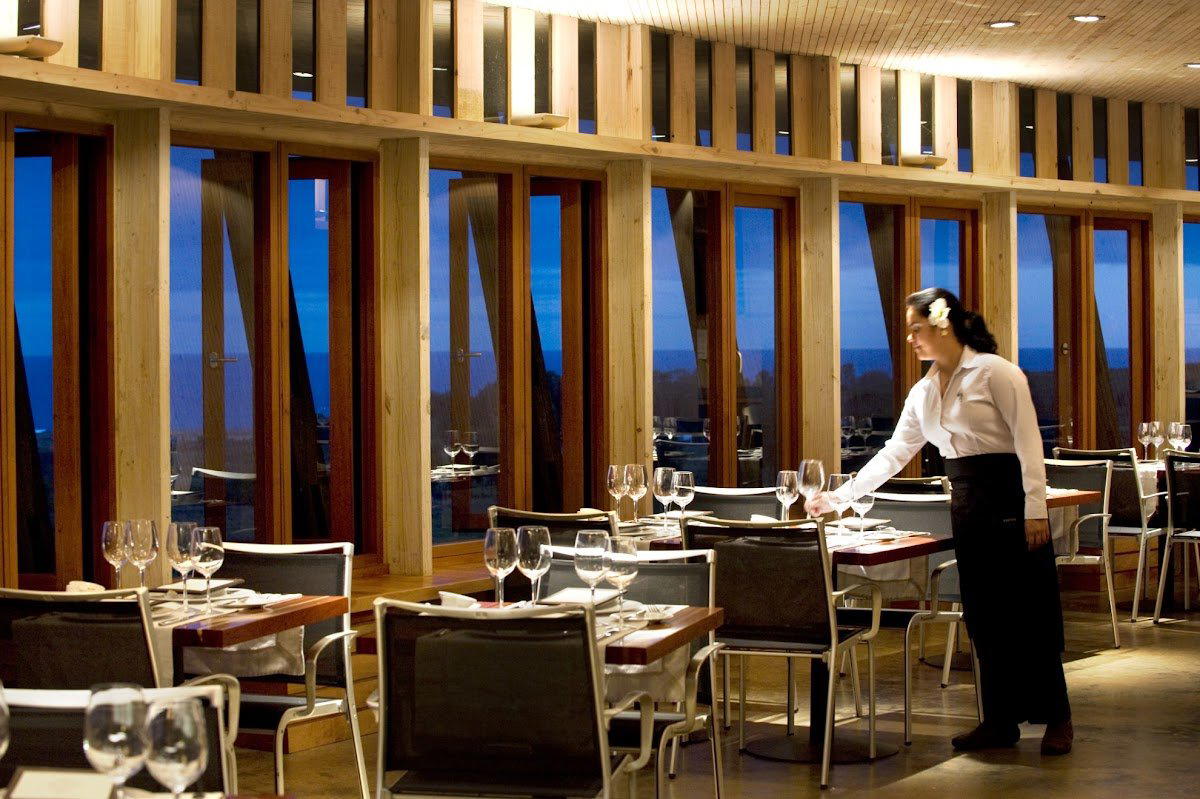
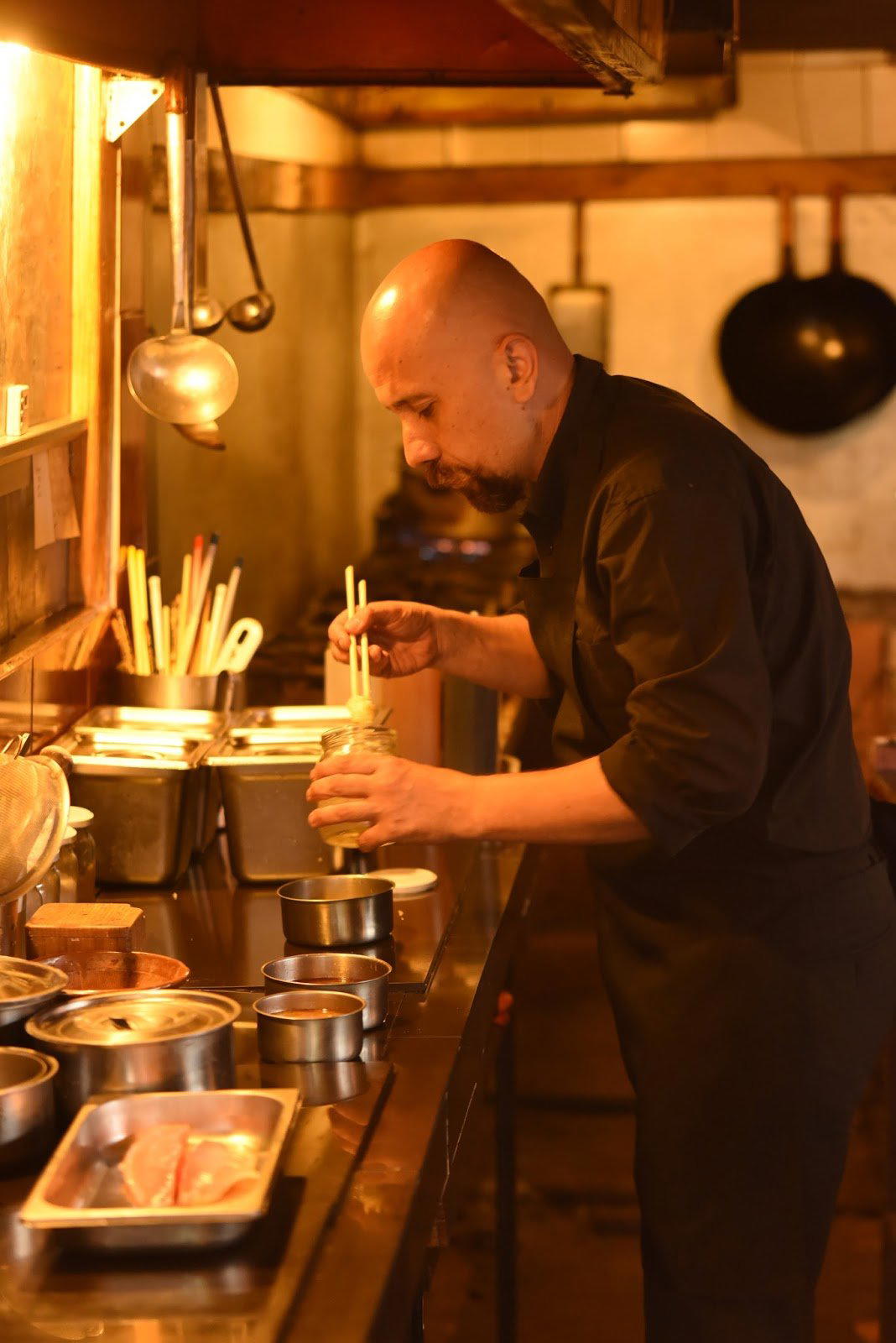
The property's communal infrastructure extends well beyond the room count. The restaurant features a glassed-in kitchen and supports both indoor and outdoor dining configurations. There is a bar, a library, and a meeting space that accommodates up to 30 people. Outdoors, the Casa de Baños Hare Val area contains a pool, open-air Jacuzzis, and a massage salon, facilities designed for decompression after physically demanding days rather than for leisure in isolation. Satellite communication and internet access are available throughout the property, a practical note worth making explicit for a destination where connectivity cannot be taken for granted.
The overall compound logic aligns Explora Rapa Nui with a pattern visible across the brand's Chilean network and across the broader category of expedition-anchored lodges in remote South American settings, including properties like Ecocamp Patagonia in Torres del Paine, REMOTA in Puerto Natales, and Puyuhuapi Lodge and Spa in Aisen. In each case, the property is less a hotel attached to a destination and more a structured system for moving through one.
Planning the Stay
Getting to Easter Island requires a connecting flight from Santiago, with the route from Mataveri Airport in Hanga Roa taking approximately five hours. A flight from Papeete, Tahiti is also available at roughly the same duration, making the island accessible from both the South American continent and Polynesia's air network. On arrival, the property provides transfers from Mataveri, a journey of around five minutes. The minimum stay requirement is three nights, a policy that reflects both the depth of the exploration program and the logistical investment required to reach the island in the first place. Guests planning this within a broader Chilean itinerary often route through Santiago, where properties like W Santiago and Debaines Hotel Santiago cover different ends of the capital's hotel spectrum before or after the island leg.
How It Stacks Up
| Venue | Awards |
|---|---|
| Explora Rapa NuiThis venue — the venue you are viewing | 2 Michelin Keys · Mr & Mrs Smith Seal of Approval |
| Mandarin Oriental, Santiago | 1 Michelin Key · Virtuoso Luxury Hotel Partner |
| The Ritz-Carlton, Santiago | 1 Michelin Key · La Liste Top Hotels |
| Awasi Atacama | 2 Michelin Keys · Relais Chateaux Award |
| Awasi Patagonia | 3 Michelin Keys · La Liste Top Hotels |
| CasaMolle | 2 Michelin Keys · Mr & Mrs Smith Seal of Approval |
Recognition history
Dated appearances from independent guides and award organizations, with the underlying list record or original source where available.
Michelin 2 Keys
Michelin
Mr & Mrs Smith Seal of Approval
Mr & Mrs Smith
Virtuoso Luxury Hotel Partner
Virtuoso
Full recognition history (4 entries)
Michelin 1 Key
Michelin
Continue exploring
More in Easter Island
Hotels in Easter Island
Browse all →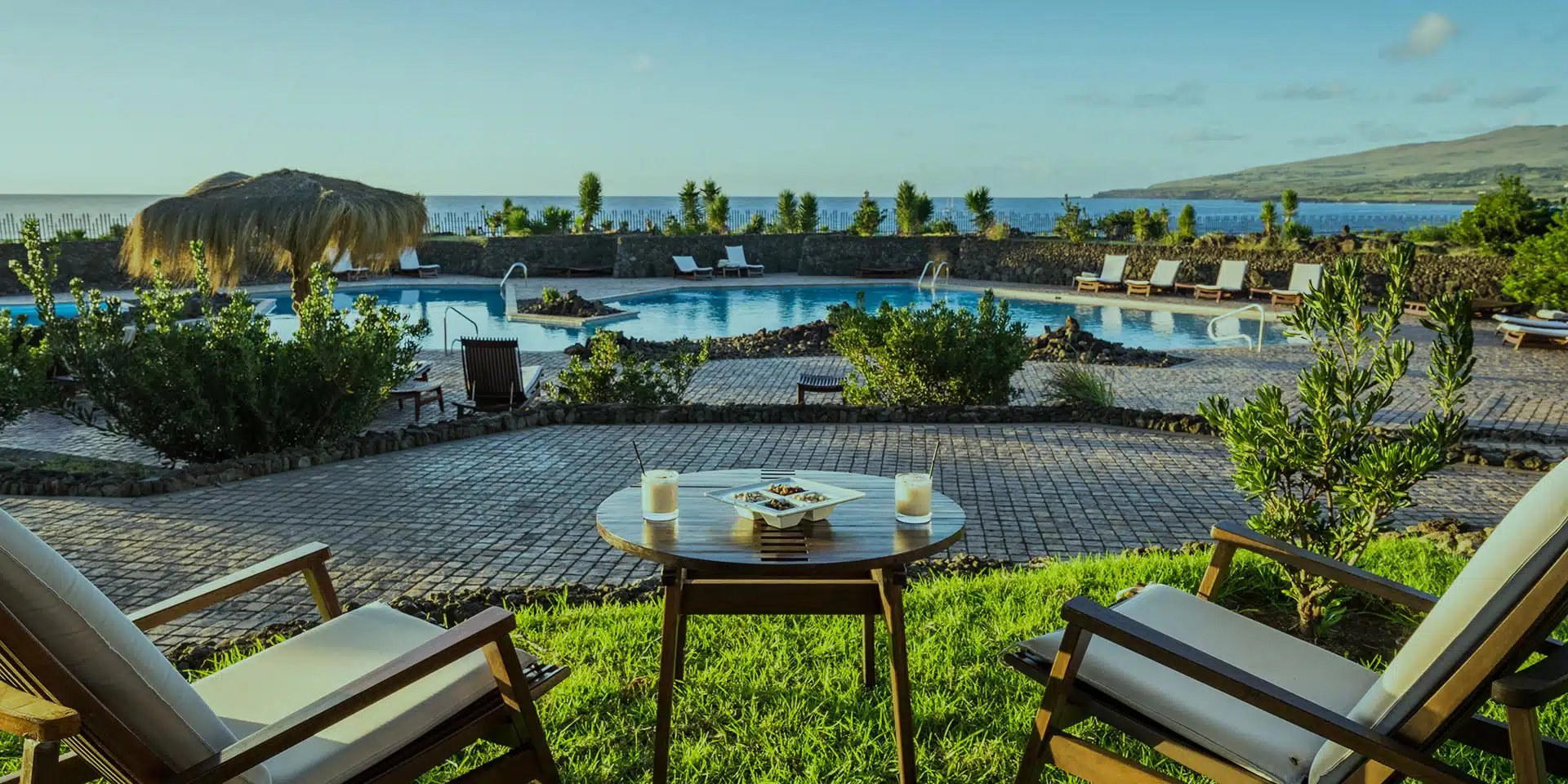
Bars in Easter Island
Browse all →
Details
- Scenic
- Quiet
- Elegant
- Modern
- Intimate
- Romantic Getaway
- Wellness Retreat
- Honeymoon
- Panoramic View
- Terrace
- Pool
- Spa
- Sauna
- Wi Fi
- Restaurant
- Bar
- Concierge
- Waterfront
- Wheelchair Accessible
Tranquil and serene with natural light, wide windows maximizing ocean views, and a peaceful atmosphere praised for silence and exclusivity.