
1 Michelin Key
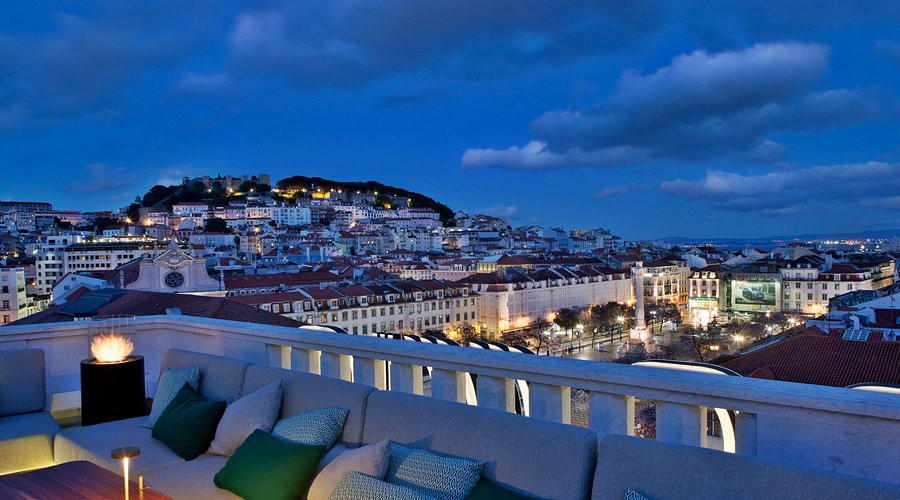
A 15th-century Alfama palace converted into a 19-room family-owned boutique hotel, Santiago de Alfama pairs centuries of architectural history with contemporary design across every room. Views sweep across Lisbon's rooftops and the Tagus, while Audrey's restaurant and Manny's Bar keep the stay grounded in the neighbourhood's unhurried rhythm. At $488 per night, it occupies the upper tier of Lisbon's intimate heritage hotel category.

Pearl is the En Primeur Club membership app, where members save venues, book tables and use the concierge.
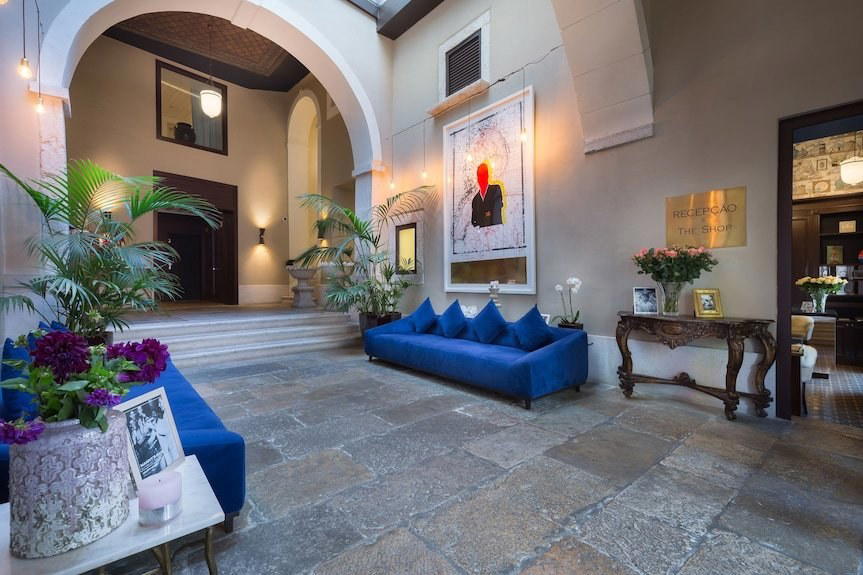
A Palace That Earns Its Setting
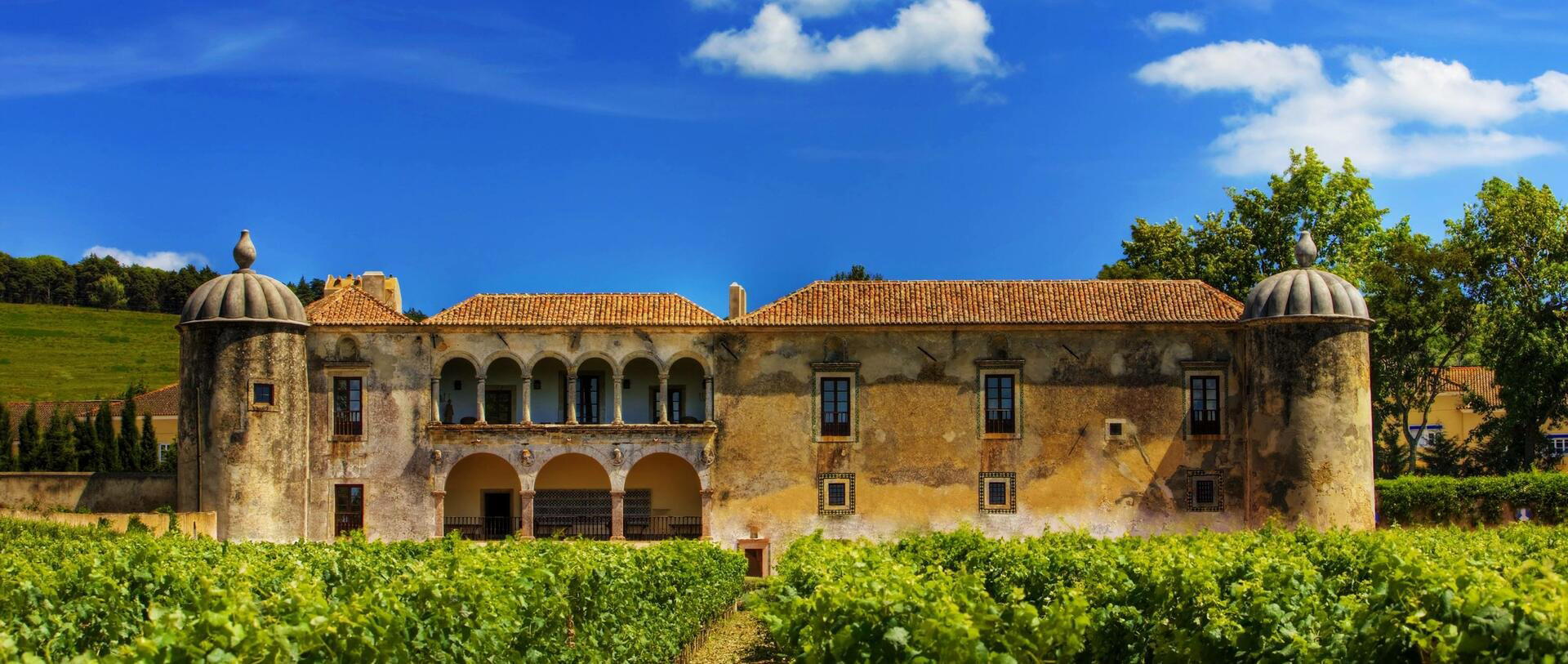
Alfama is the oldest continuously inhabited district in Lisbon, a hillside quarter of narrow lanes, azulejo-tiled facades, and fado drifting from open doorways most evenings. It is also, perhaps counter-intuitively, one of the city's most demanding neighbourhoods for hotel development: the streets are steep, the buildings are protected, and the expectation of authenticity weighs heavily on any property that trades on historical fabric. Santiago de Alfama sits at R. de Santiago 12, inside a palace whose foundations date to the 15th century, with Roman ruins incorporated into the structure. The conversion, led by architect Luís Rebelo de Andrade over several years of careful restoration, belongs to a category of Lisbon heritage project that prioritises material honesty over decorative pastiche.
Portugal's relationship with palace architecture is particularly concentrated in Lisbon. Centuries of Atlantic trade wealth funded ambitious noble construction, and many of those buildings have since cycled through ecclesiastical, governmental, and residential uses before finding new purpose as hotels. What separates the more considered conversions from the merely scenic ones is the quality of curatorial decision-making: which period layers to preserve, which to update, and how to let contemporary guests inhabit a structure without either freezing it in amber or erasing what made it worth saving. The Santiago de Alfama project navigated this by keeping restored period architectural details intact while introducing modern artworks and contemporary furniture, producing rooms that read as layered rather than themed.
Nineteen Rooms and the Logic of Restraint
The Lisbon hotel market has expanded considerably over the past decade, with international chain properties anchoring the Baixa, Chiado, and Avenida da Liberdade corridors. Properties like the Altis Avenida Hotel, the Bairro Alto Hotel, and the larger branded operators serve a well-organised segment of the market. Santiago de Alfama occupies a different position: 19 rooms, family ownership, and a location inside a listed historical building place it in the small-footprint heritage tier, closer in spirit to As Janelas Verdes or A Casa das Janelas Com Vista than to the international flagships.
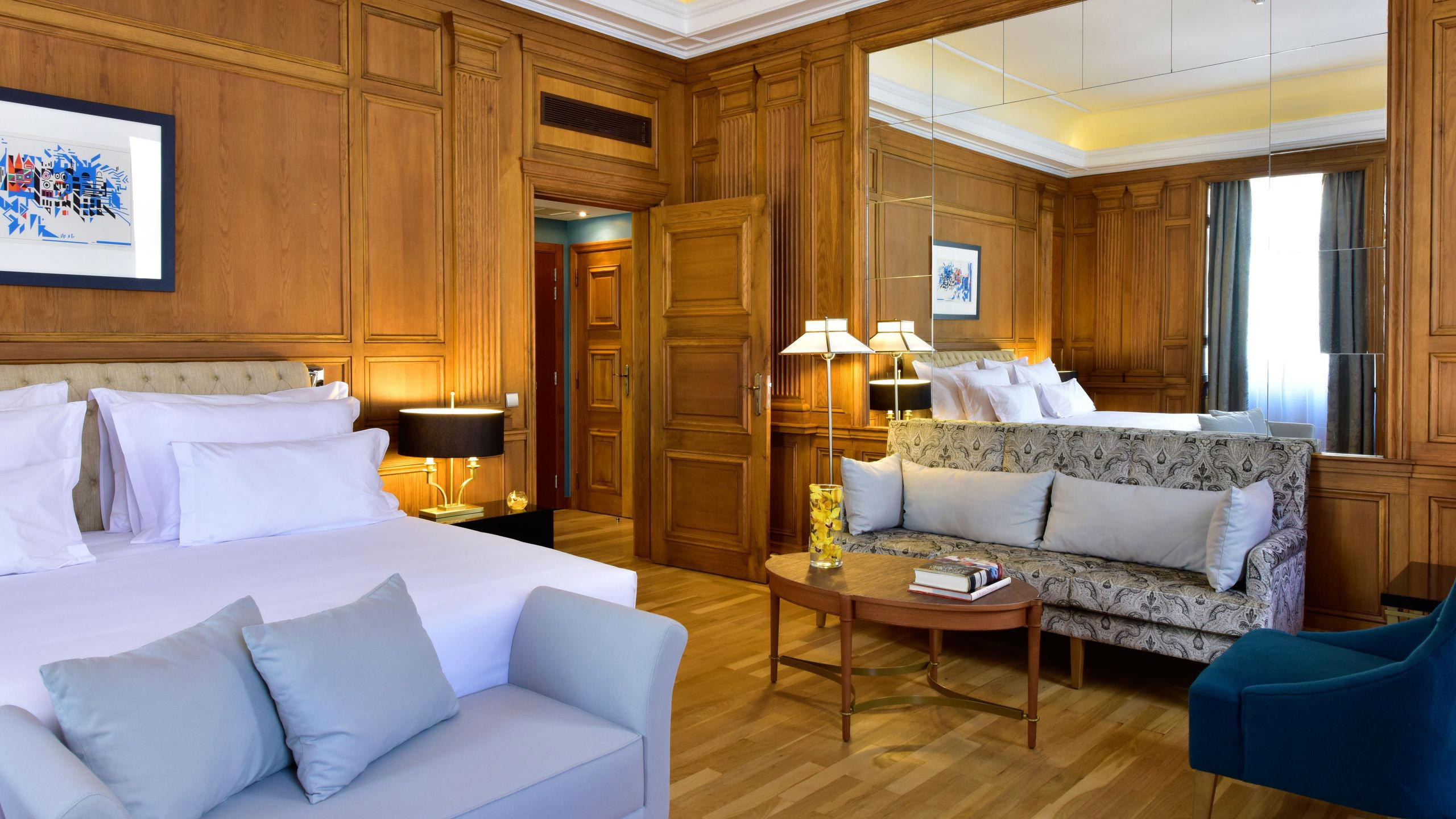
At 19 keys, the property maintains a ratio of staff to guests that larger hotels cannot replicate structurally. That scale is not incidental to the guest experience, it is the mechanism through which a family-owned boutique property delivers the kind of service that feels calibrated rather than procedural. Every room is configured differently, a direct consequence of working within an irregular historic floor plan, and that variation means guests are not slotted into a standardised product. The rooms span varying design registers, connecting architectural restoration to contemporary curation, and all benefit from Lisbon's hilly topography: views extend across rooflines and toward the Tagus, shifting in character depending on room position and orientation.
The $488 per night rate positions the hotel at the upper end of Lisbon's boutique segment. For context, that tier sits below the major international luxury brands but above the converted-guesthouse category that proliferates through Alfama and Mouraria.
On-Site Food, Drink, and the Pace of Alfama
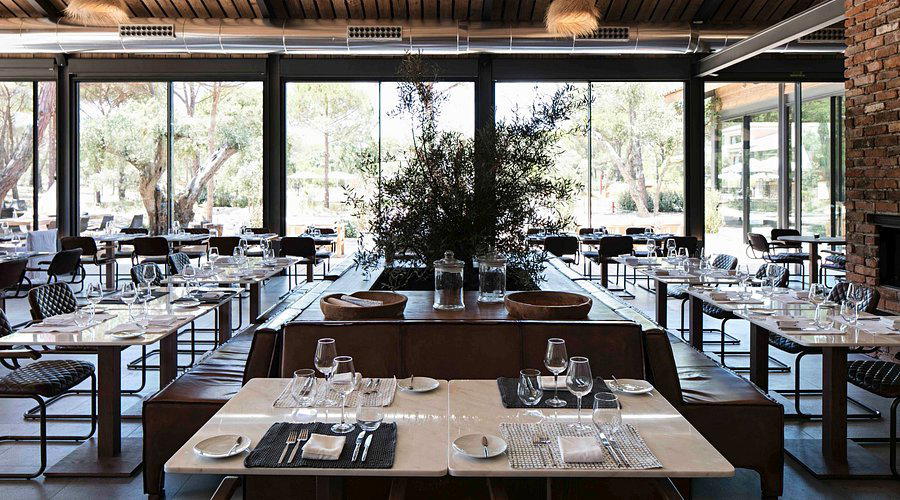
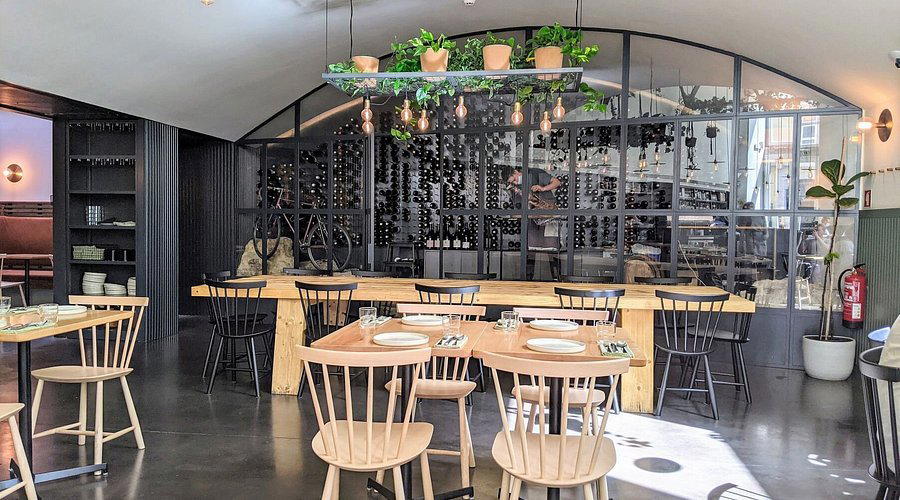
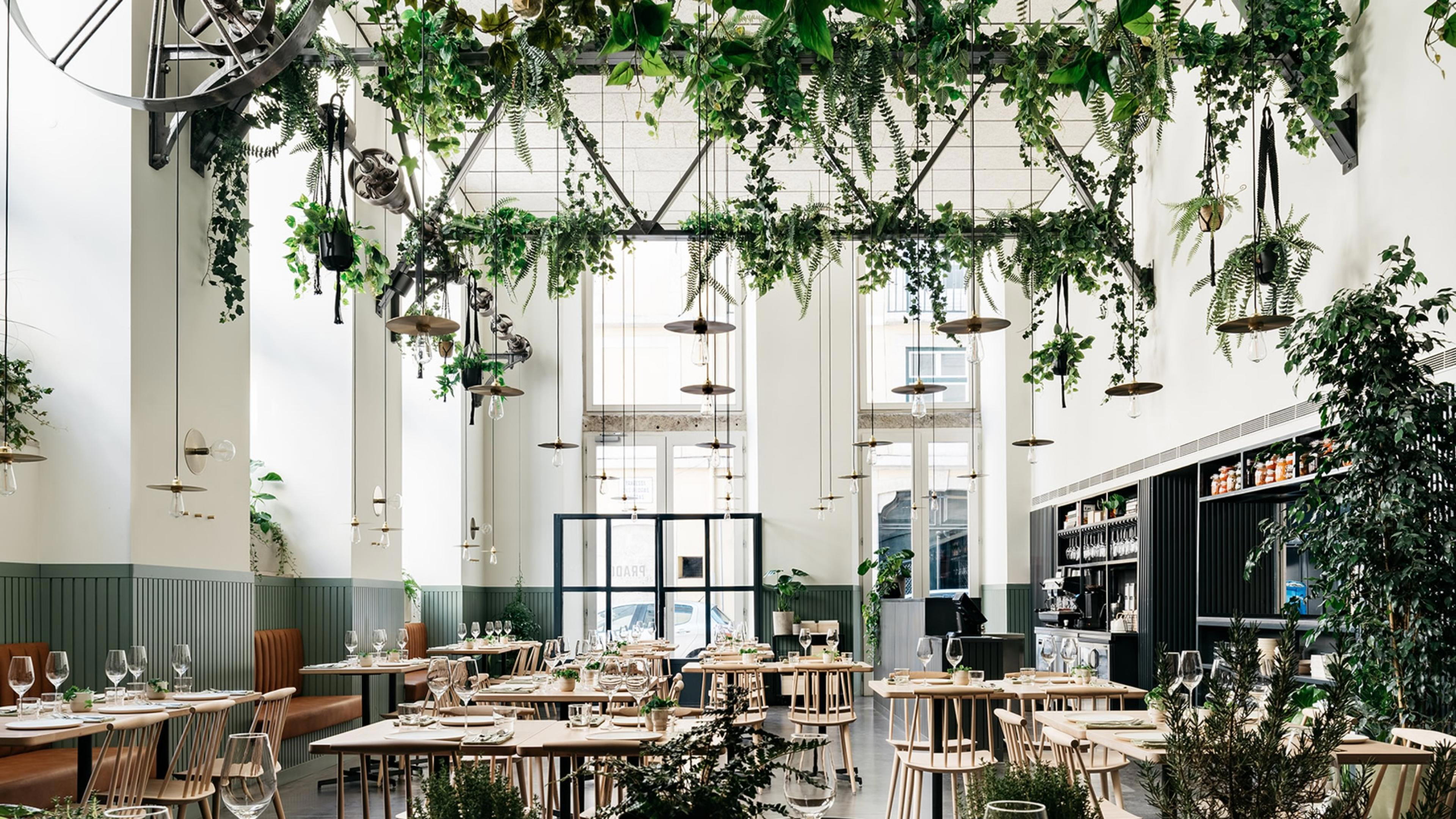
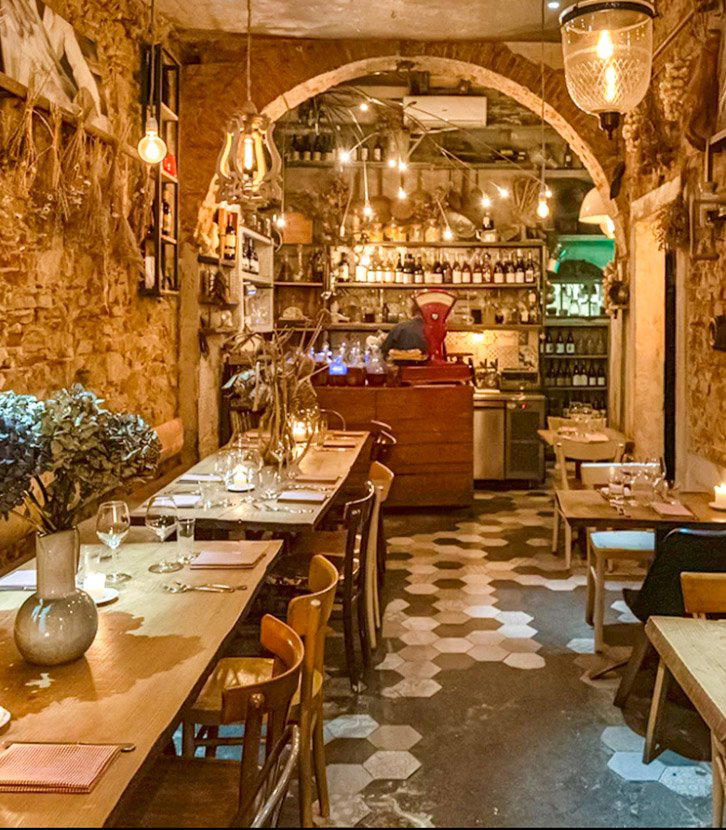
Audrey's, the hotel restaurant, operates across breakfast, lunch, afternoon tea, and dinner, covering the full daily arc without requiring guests to leave the property for any meal. Manny's Bar extends the evening further. For a 19-room hotel in a district not known for late-night dining infrastructure, having functional food and beverage across all dayparts is a practical asset as much as an atmospheric one. Alfama's restaurant scene tends toward neighbourhood tasas and fado houses rather than destination dining; for those wanting to explore further, our full Lisbon restaurants guide maps the broader city across neighbourhoods and price points.
Portugal's boutique hotel sector has developed a vocabulary around this kind of all-day hospitality, particularly in historic properties where the building itself functions as a destination. 1908 Lisboa Hotel, AlmaLusa Baixa/Chiado, and Art Legacy Hotel Baixa-Chiado each operate within that model across different city districts. The common thread is a recognition that guests in smaller, character-led hotels tend to treat the property itself as part of the experience rather than purely as a base of operations.
Planning Your Stay
Santiago de Alfama's address on Rua de Santiago places it within walking distance of the Sé Cathedral and the Miradouro das Portas do Sol, two of Alfama's fixed reference points. The neighbourhood's steep topography is worth factoring into logistics: arriving with significant luggage by foot requires some planning, and the area's lanes are not navigable by standard vehicle in many sections. Tuk-tuk services and smaller taxis handle arrivals routinely. The hotel's 19-room scale means availability tightens during Lisbon's peak season (June through September) and around major festivals including Santo António in June, when the city's demand for centrally located heritage accommodation concentrates. Booking well ahead of those windows is the more reliable approach at this price point. At $488 per night, the property sits in a range where cancellation policy terms matter: confirming these at the time of booking is advisable.
For travellers building a wider Portuguese itinerary, the country's boutique hotel tier extends well beyond Lisbon. The Ventozelo Hotel and Quinta in the Douro Valley, M Maison Particulière Porto, Craveiral Farmhouse in the Alentejo, and the Hospedaria da Pensão Agrícola in the Algarve each represent the smaller, design-considered end of the market in their respective regions. Further south, Bela Vista Hotel and Spa in Praia da Rocha and Anantara Vilamoura Algarve Resort cover the coastal luxury segment. For those extending into the Douro, Douro Valley Casa Vale do Douro and Q.ta da Corte offer alternatives across different budget registers. Closer to Lisbon, Villa Epicurea in Sesimbra and the Altis Belém Hotel and Spa extend the stay westward along the coast.
Comparable Venues
Comparable venues nearby, for context on price, style, and recognition.
| Venue | Cuisine | Price | Awards | Notes |
|---|---|---|---|---|
| Santiago de Alfama - Boutique HotelThis venue (the venue you are viewing) | Historic boutique in Lisbon's Alfama district | $300–500 | 1 Michelin Key | Not listed |
| Brown's Avenue Hotel | Luxurious urban boutique hotel | Not listed | 1 Michelin Key · Mr & Mrs Smith Seal of Approval | Estefania |
| The One Palácio da Anunciada | Historic palace hotel blending 16th-century Portuguese architecture with contemporary luxury and wellness-focused amenities. | $300–500 | 1 Michelin Key · Preferred Hotels L.V.X. Collection | Baixa |
| Palácio Ludovice Wine Experience Hotel | Historic palace transformed into a luxury wine experience hotel | Not listed | 1 Michelin Key · La Liste Top Hotels | Bairro Alto |
| Pousada de Lisboa | Historic luxury pousada in restored government building | Not listed | 1 Michelin Key · Forbes Recommended | Chiado |
| Art Legacy Hotel Baixa-Chiado | Artistic boutique luxury hotel with individually themed rooms | $200–300 | 1 Michelin Key | Baixa |
Recognition history
Dated appearances from independent guides and award organizations, with the underlying list record or original source where available.
Michelin 1 Key
Michelin
Full recognition history (2 entries)
Michelin 1 Key
Michelin
Continue exploring
More in Lisbon
Hotels in Lisbon
All hotels in Lisbon →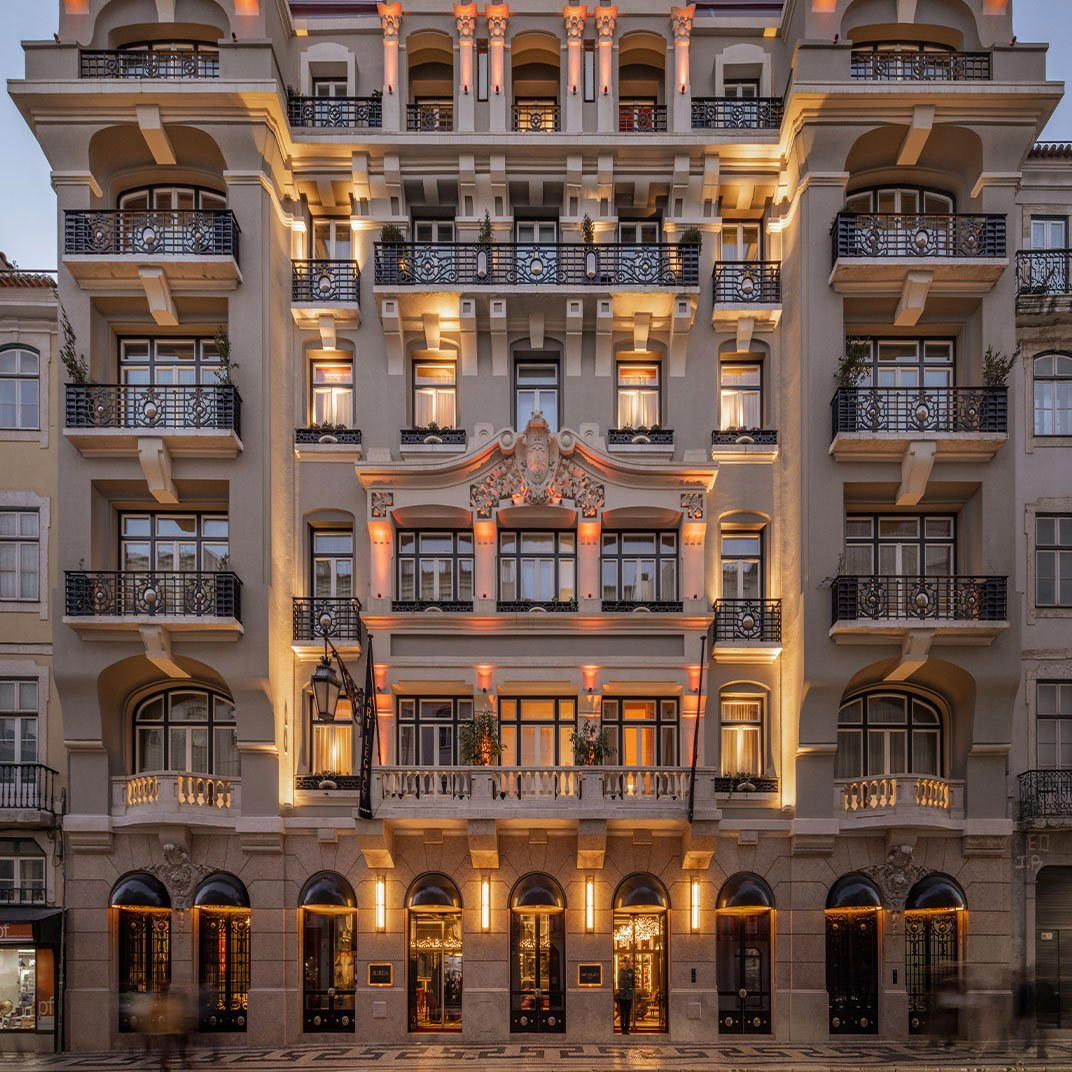
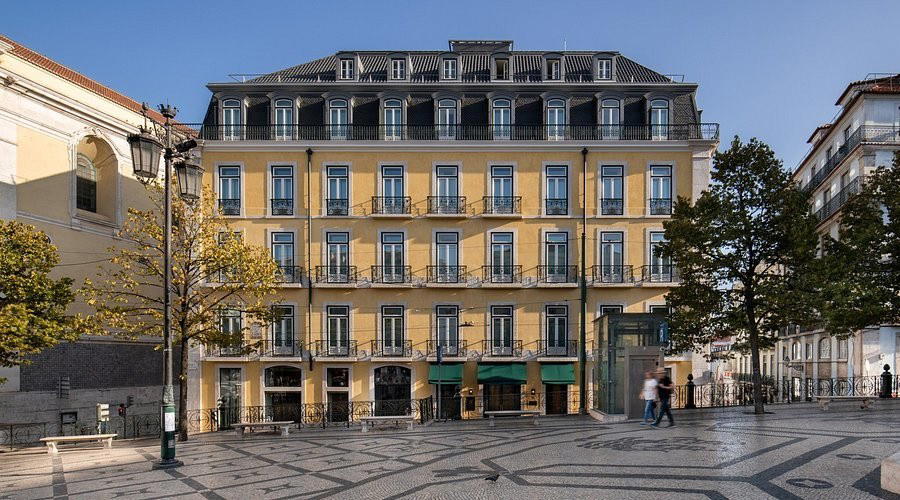
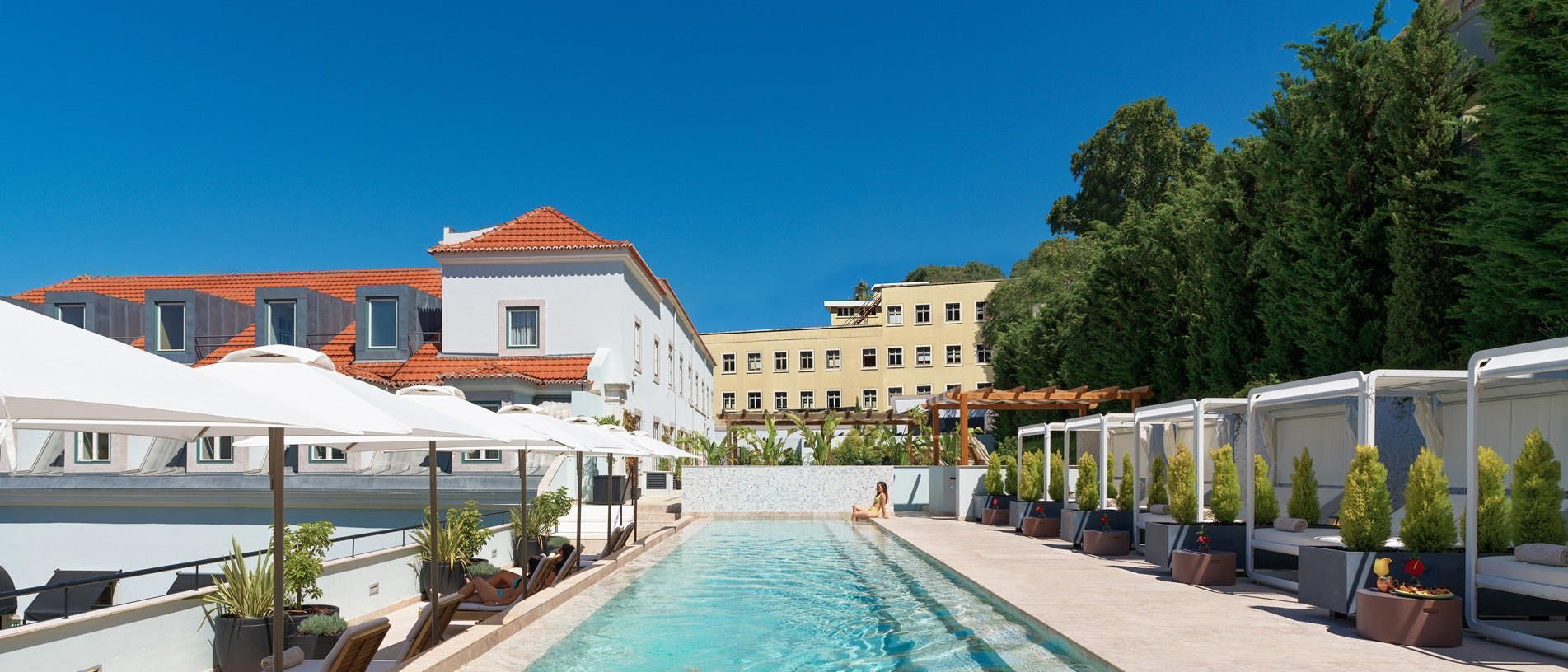
Bars in Lisbon
All bars in Lisbon →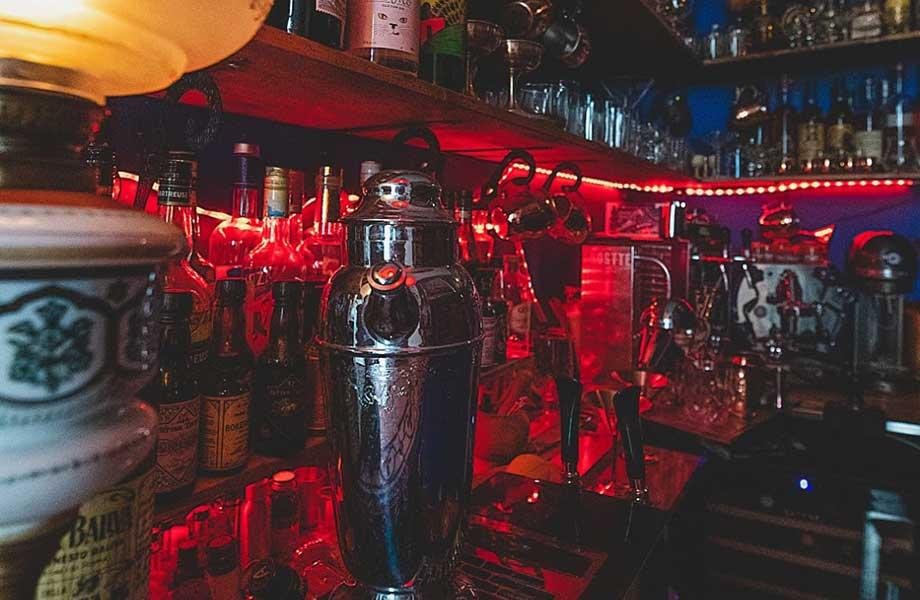
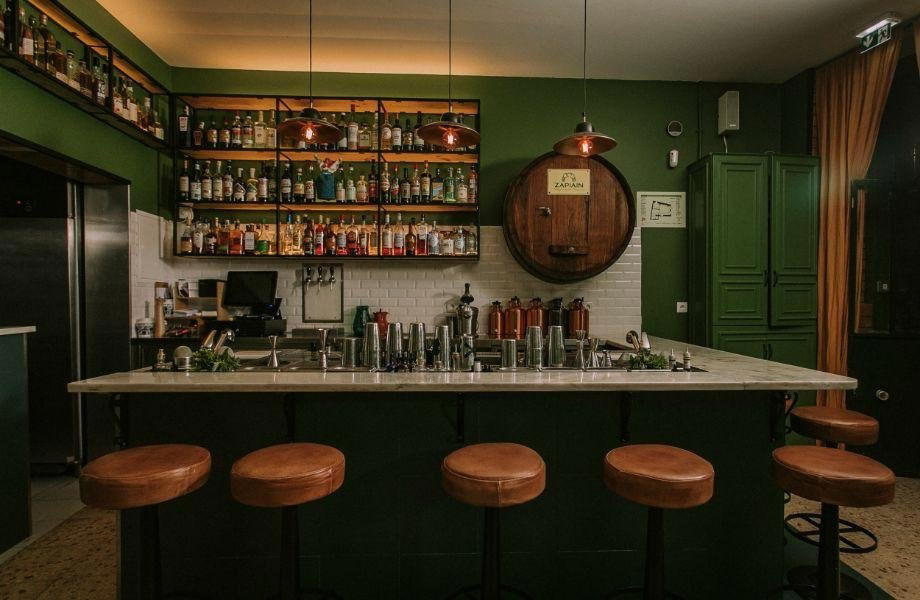
Restaurants in Lisbon
All restaurants in Lisbon →

Details
- Romantic
- Quiet
- Elegant
- Intimate
- Sophisticated
- Romantic Getaway
- Anniversary
- Weekend Escape
- Historic Building
- Terrace
- Panoramic View
- Wi Fi
- Spa
- Restaurant
- Bar
- Room Service
- Concierge
- Street Scene
- Wheelchair Accessible
Elegant and tranquil with soft lighting, cozy rooms, and a relaxing bar atmosphere praised for its intimate charm.