A community association rooted in Mouraria, Lisbon's oldest Moorish quarter, Renovar a Mouraria operates from a narrow alley off the hill that gave fado its earliest urban form.

Pearl is the En Primeur Club membership app — saves, bookings, and concierge access live there. Same editors, same standards.
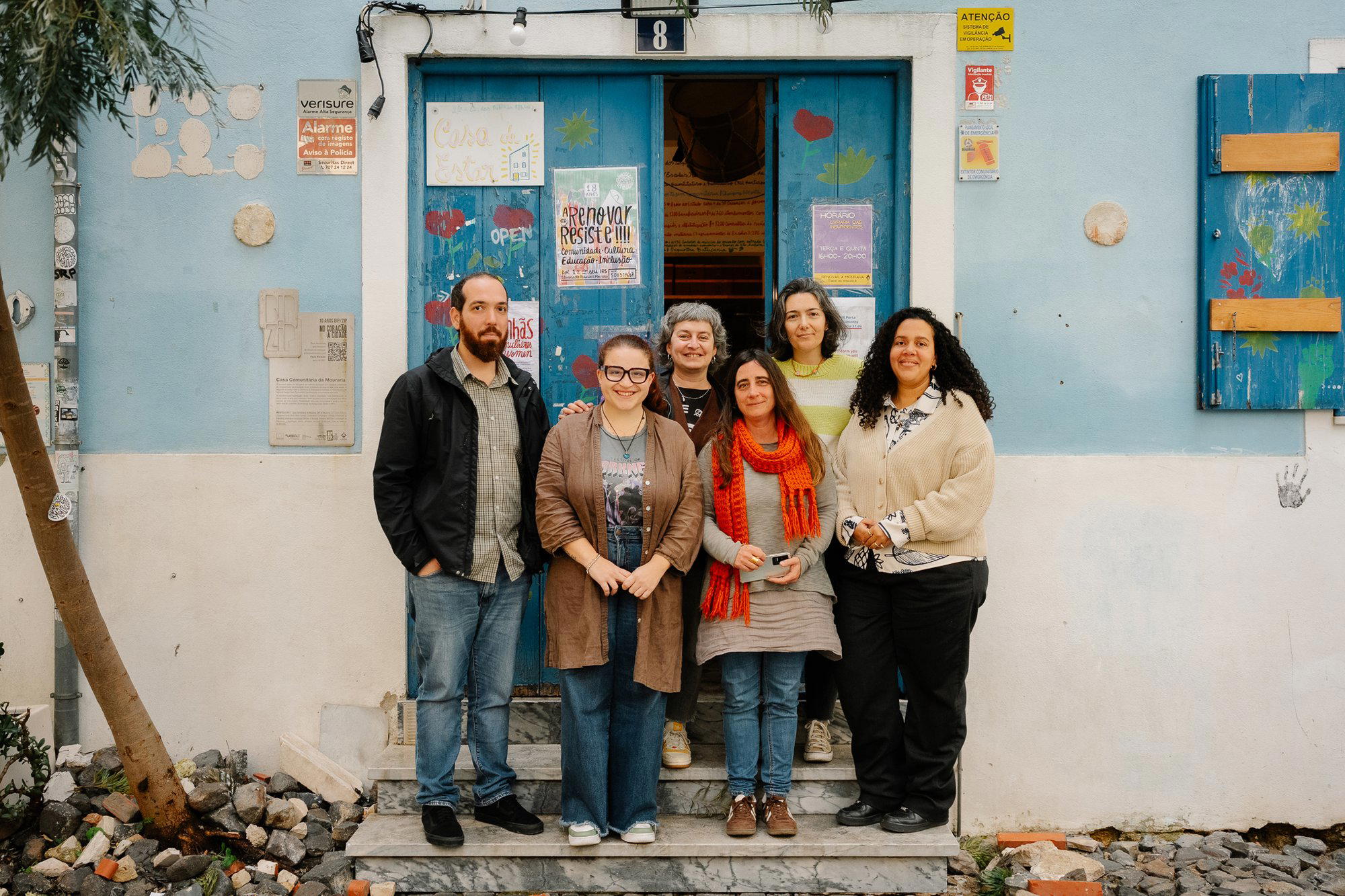
Mouraria Before the Tourist Map Arrived
Lisbon's relationship with its oldest quarter has never been uncomplicated. Mouraria, the hillside district that absorbed Moorish residents expelled from the castle neighbourhood after the Christian reconquest of 1147, spent centuries operating as a working-class enclave largely outside the city's official cultural narrative. It was here, in cramped tascas and shared courtyards, that fado took its earliest recognisable urban form. The neighbourhood's density, its layered immigration history, and its physical remove from the Pombaline grid below gave it a character that resisted gentrification longer than Alfama or Bairro Alto.
What This Address Actually Represents
Community associations in Lisbon's historic quarters occupy a specific and underappreciated role. They are not bars in the conventional sense, not cultural centres in the institutional sense, and not restaurants. They function as neighbourhood anchors, providing space for residents, running programming that serves the local population, and often operating a modest bar or canteen that funds the wider activity. Renovar a Mouraria sits within this tradition. The address, a beco (dead-end alley) off the main pedestrian routes through the quarter, is the kind of location that does not appear on mainstream dining itineraries, which is precisely the point. The venue's function is primary to its community context, not secondary to it.
Where Red Frog operates as a technically precise cocktail programme drawing an international clientele, or where A Cabreira sits within a neighbourhood bar tradition aimed at a mixed local and visitor audience, Renovar a Mouraria's primary accountability is to the residents of the quarter itself. Visitors are not unwelcome, but the venue does not orient itself toward them. The quarter runs up toward the castle from Martim Moniz, the large square at its base that has become a transit hub and, more recently, a focal point for the neighbourhood's multicultural food vendors. From Martim Moniz, the streets narrow quickly. The approach on foot, from the Intendente side or down from the castle walls, involves stone stairs, tight corners, and the ambient noise of a neighbourhood that is neither tourist attraction nor quiet residential enclave but something in between. That physical approach is itself information about what kind of place this is.
The Booking Question, Addressed Directly
Given the editorial angle here, it is worth being direct about logistics. Community associations of this type in Lisbon typically operate without reservation systems, running instead on a walk-in basis with hours tied to programming schedules, events, or volunteer availability rather than fixed commercial opening times. This is not a failure of information; it is a structural feature of how these organisations operate. Turning up without confirmed hours is a real risk, and visitors who plan their Mouraria visit around this address specifically should build in flexibility, ideally pairing it with other stops in the quarter that have confirmed trading hours.
For comparison, A Ginjinha on Largo de São Domingos operates with predictable daily hours and no reservation requirement, making it a reliable anchor for any Mouraria-adjacent afternoon. A Marisqueira do Lis provides a different kind of anchor if the visit extends into a meal. Planning a Mouraria afternoon around multiple stops, rather than a single destination, is the more resilient approach when one address has uncertain hours.
Where This Fits in Lisbon's Wider Drinking Scene
Lisbon's bar scene has diversified considerably over the past decade. The city now runs a clear range from high-concept cocktail programmes, through neighbourhood wine bars, to heritage ginjinha counters that predate the modern hospitality industry by a century. Community association bars occupy a separate register entirely: they exist because the neighbourhood needs them, not because a hospitality entrepreneur identified a market. That distinction matters for how you read the experience. The pricing at these venues, where data exists, tends to sit at the lower end of any Lisbon comparison, structured to serve local incomes rather than tourist spending power.enprimeurclub.com/bars/base-porto-porto-bar">Base Porto in Porto, which operates in a comparable district with a similar community-facing orientation, and Venda Velha in Funchal, which draws on a different regional tradition but shares the characteristic of being anchored to place rather than to a hospitality concept. For contrast, the coastal venues like Bar do Guincho in Alcabideche, Bar e Duna da Cresmina in Cascais, and Estoril in Estoril operate in a register defined by leisure tourism rather than neighbourhood function, which is a useful reminder that the same country produces very different hospitality contexts depending on who the venue is primarily serving.
Planning Your Visit
The practical advice for Renovar a Mouraria is condensed here because certainty is limited. Hours should be treated as variable and event-dependent. The walk from Martim Moniz metro station takes approximately ten minutes on foot, accounting for the hill and the street pattern. A visit structured around a broader Mouraria afternoon, taking in the square, the main pedestrian lane through the quarter, and potentially the castle perimeter, absorbs the uncertainty of any single venue's availability without wasting the trip. For a full orientation to what Lisbon's bars and restaurants offer across the city's various quarters and price tiers, the full Lisbon guide provides the context. Internationally, the contrast with a tightly programmed cocktail operation like Bar Leather Apron in Honolulu or the specialist wine focus at Epicur Wine Boutique and Food in Faro underlines how different the category logic is for a community association versus a destination drinking venue.
How It Stacks Up
| Venue | Price | Awards |
|---|---|---|
| Association Renovar a MourariaThis venue — the venue you are viewing | $10–20 | Not listed |
| Red Frog | $10–20 | World's 50 Best #94 · Falstaff Bar - 95 Falstaff Points |
| Black Sheep | $10–20 | Star Wine List |
| Boca D'uva | $30–50 | Star Wine List |
| Cinco Lounge | $20–30 | Top 500 Bars Best Bars #458 · Falstaff Bar - 94 Falstaff Points |
| Club des Châteaux | $30–50 | Star Wine List |
Continue exploring
More in Lisbon
Bars in Lisbon
All bars in Lisbon →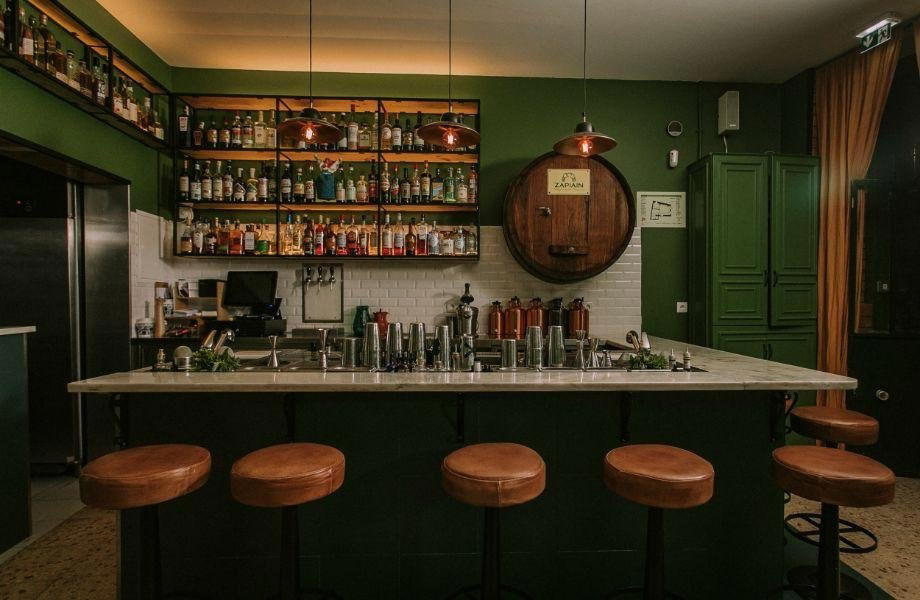
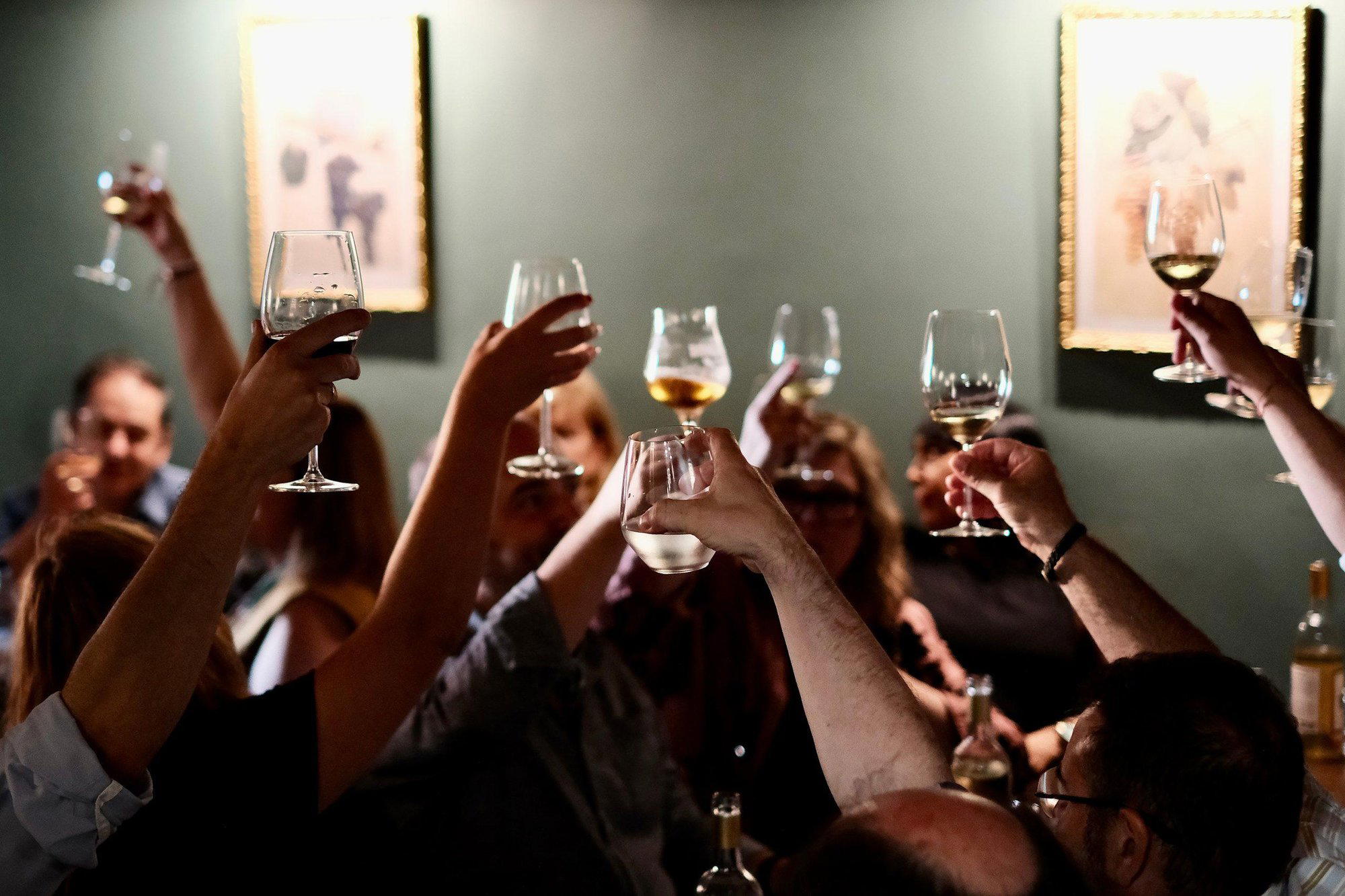
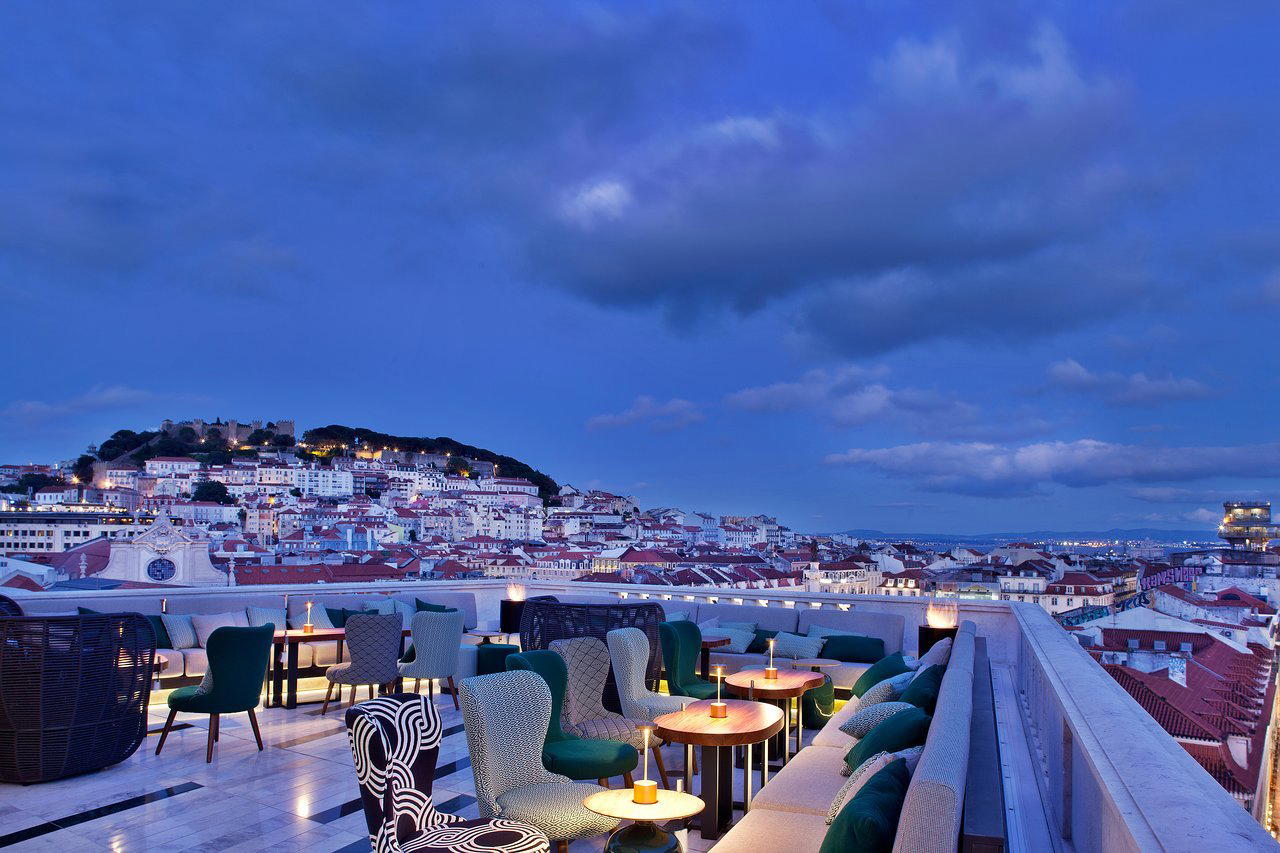
Restaurants in Lisbon
All restaurants in Lisbon →

Details
- Cozy
- Bohemian
- Casual Hangout
- Group Outing
- Historic Building
- Seated Bar
Current opening hours
- Monday
- 10 AM–5 PM
- Tuesday
- 10 AM–5 PM
- Wednesday
- 10 AM–6 PM
- Thursday
- 10 AM–6 PM
- Friday
- 10 AM–6 PM
- Saturday
- Closed
- Sunday
- Closed
Hours can change for holidays and private events. Last verified .
Busy one-room bar and eatery in a cozy nook atop ancient stone steps, filled with lively multicultural energy and stimulating music.