
Michelin Selected for 2025, Hotel Oasia Aarhus sits in the Scandinavian mid-century tradition of letting considered design do the talking. Located on Kriegersvej in one of Denmark's most architecturally self-conscious cities, it occupies a quieter register than the city's grander historic hotels, offering a case study in how Nordic restraint translates to contemporary hospitality.
Pearl is the En Primeur Club membership app — saves, bookings, and concierge access live there. Same editors, same standards.
- Address
- Kriegersvej 27, 31, 8000 Aarhus, Denmark
- Phone
- +45 87 32 37 15
- Website
- hoteloasia.dk
- Directions
- Get directions
 Saves & bookings on Pearl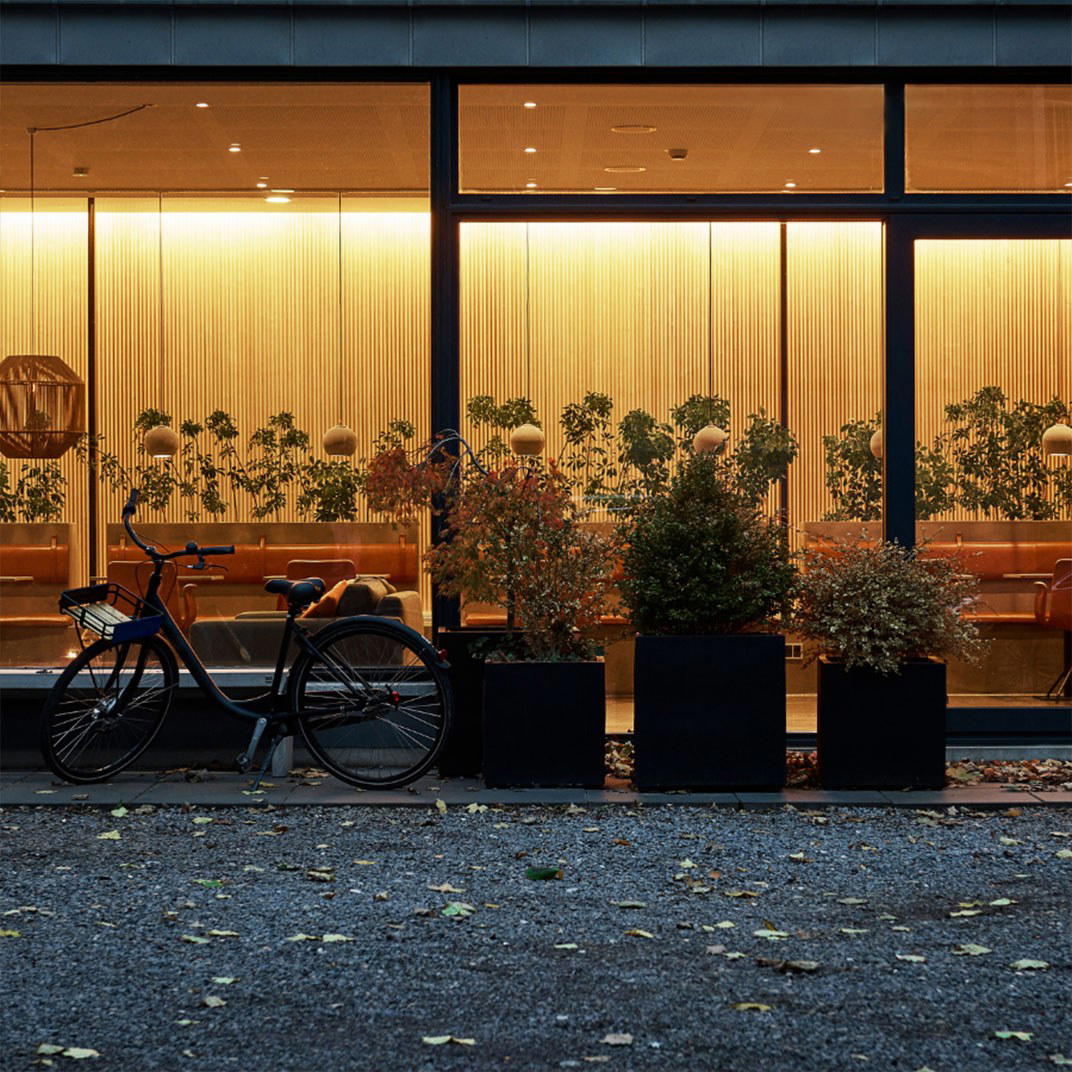
Design Language in a City That Takes Architecture Seriously
Aarhus is not a city that treats buildings as background. The presence of ARoS Aarhus Art Museum, Utzon's Bagsværd-influenced civic work, and a dense concentration of converted industrial spaces means visitors arrive with a calibrated eye, and hotels are read accordingly. In that context, Hotel Oasia Aarhus at Kriegersvej 27-31 makes a specific kind of argument: that restraint, material honesty, and spatial clarity are sufficient credentials on their own terms.
The broader category of Nordic design hospitality has bifurcated over the past decade. One branch has moved toward maximalist heritage gestures, as seen in grand railway hotel restorations across Scandinavia. The other has leaned further into pared-back contemporary work, where the discipline of fewer elements, better executed, carries the room. Hotel Oasia belongs to the second tradition, placing it in a comparable set defined less by trophy architecture than by coherent, considered interiors that hold up across a multi-night stay.
Michelin's 2025 hotel selection, which includes Hotel Oasia Aarhus, reflects overall guest experience quality, physical environment, and a sense of place. Selection at that level places a property within a curated tier above standard category ratings. For Aarhus specifically, Michelin Selected status places Hotel Oasia in company with properties that have earned independent critical attention rather than relying on brand infrastructure or historic prestige.
Where Oasia Sits in the Aarhus Hotel Conversation
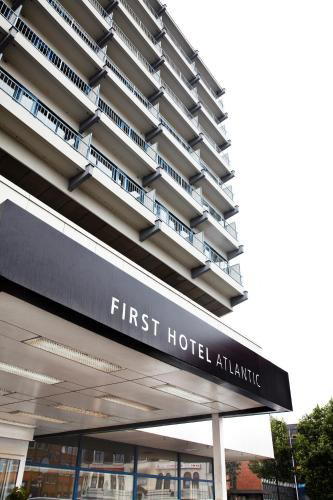
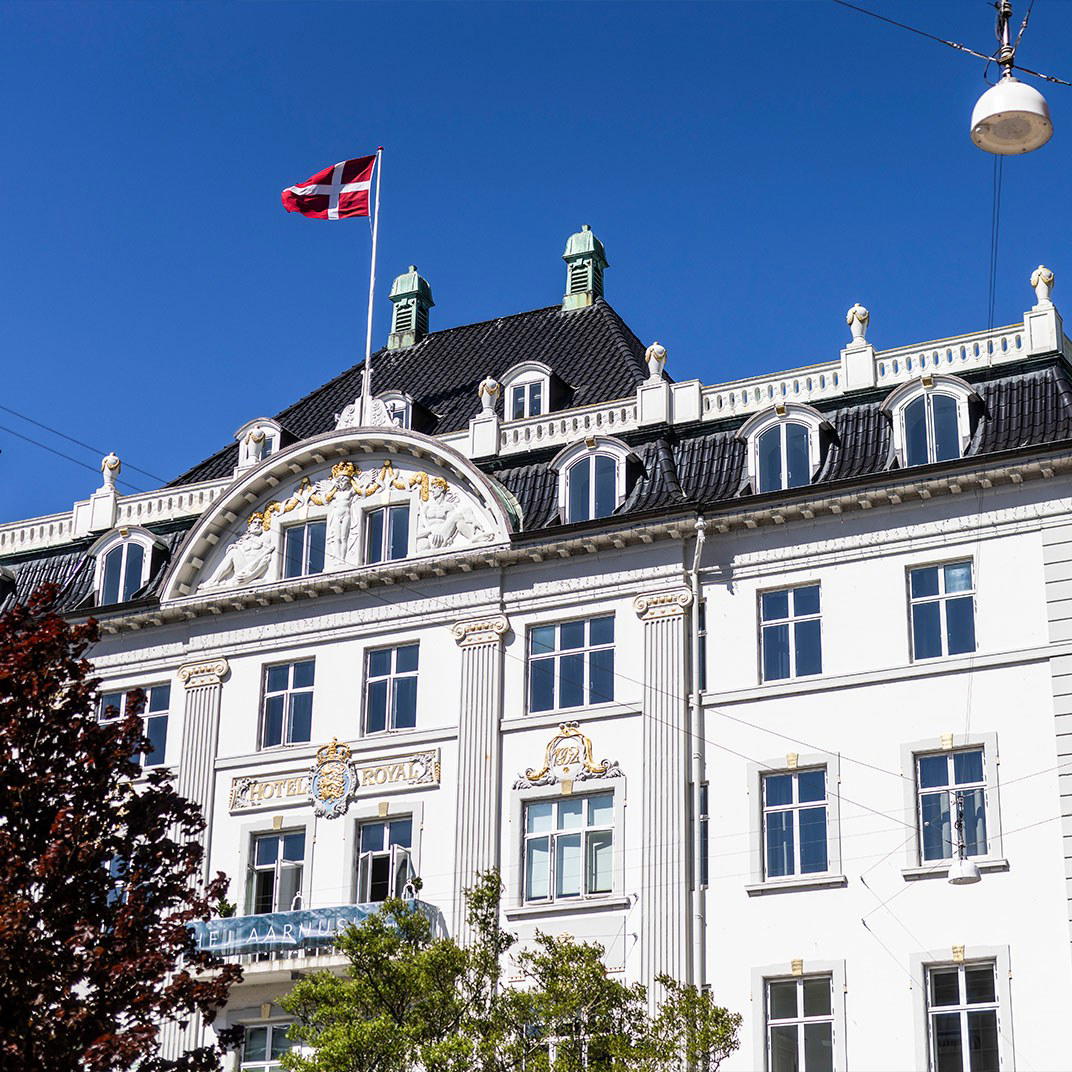
Aarhus's hotel options divide along fairly clear lines. Hotel Royal represents the city's grand civic tradition, a nineteenth-century address with ballroom scale and the formal register that implies. Villa Provence Hotel Aarhus works a French-Provincial boutique angle that appeals to guests who want warmth and character over strict Scandinavian austerity. First Hotel Atlantic and Scandic The Mayor each bring the efficiency and consistency of established Nordic hotel groups.
Hotel Oasia occupies a different position in that set. It is neither anchored to a historic identity nor operating under a large group's standardised formula. That independence allows for design decisions that a brand-managed property rarely takes: material choices tied to local sourcing, spatial configurations that prioritise quality of light over room count maximisation, common areas that read as genuinely inhabited rather than staged for photography. Whether that calculus works for a given traveller depends on what they weight: those who want a reliably programmed loyalty-scheme stay should look elsewhere; those whose criteria begin with how a space feels to move through will find Hotel Oasia's approach more aligned with their expectations.
Aarhus as a destination rewards this kind of hotel because the city itself operates on a similar logic. Denmark's second city has built international recognition not through scale but through concentration: of design talent, gastronomic ambition, and civic investment in cultural infrastructure. Guests who have followed that story will find Hotel Oasia's sensibility consistent with the city's overall register.
The Nordic Design Tradition Hotel Oasia Connects To
The Scandinavian approach to hospitality design has deep roots in functionalist doctrine: spaces should serve their occupants before they serve the camera. Denmark's contribution to that tradition runs from Arne Jacobsen's furniture work through Henning Larsen's institutional architecture to a current generation of studios that treat material texture as a primary communication tool rather than an afterthought.
Hotels that operate in this tradition tend to share certain characteristics: natural materials used at a scale where their variation becomes a feature rather than a flaw; lighting designed for the deep Danish winter rather than optimised for a single golden hour; spatial sequencing that creates genuine transitions between public and private areas. These are not luxuries in the conventional sense, they do not announce themselves through volume or gilding, but they accumulate into a stay that feels considered in a way that more performative design does not.
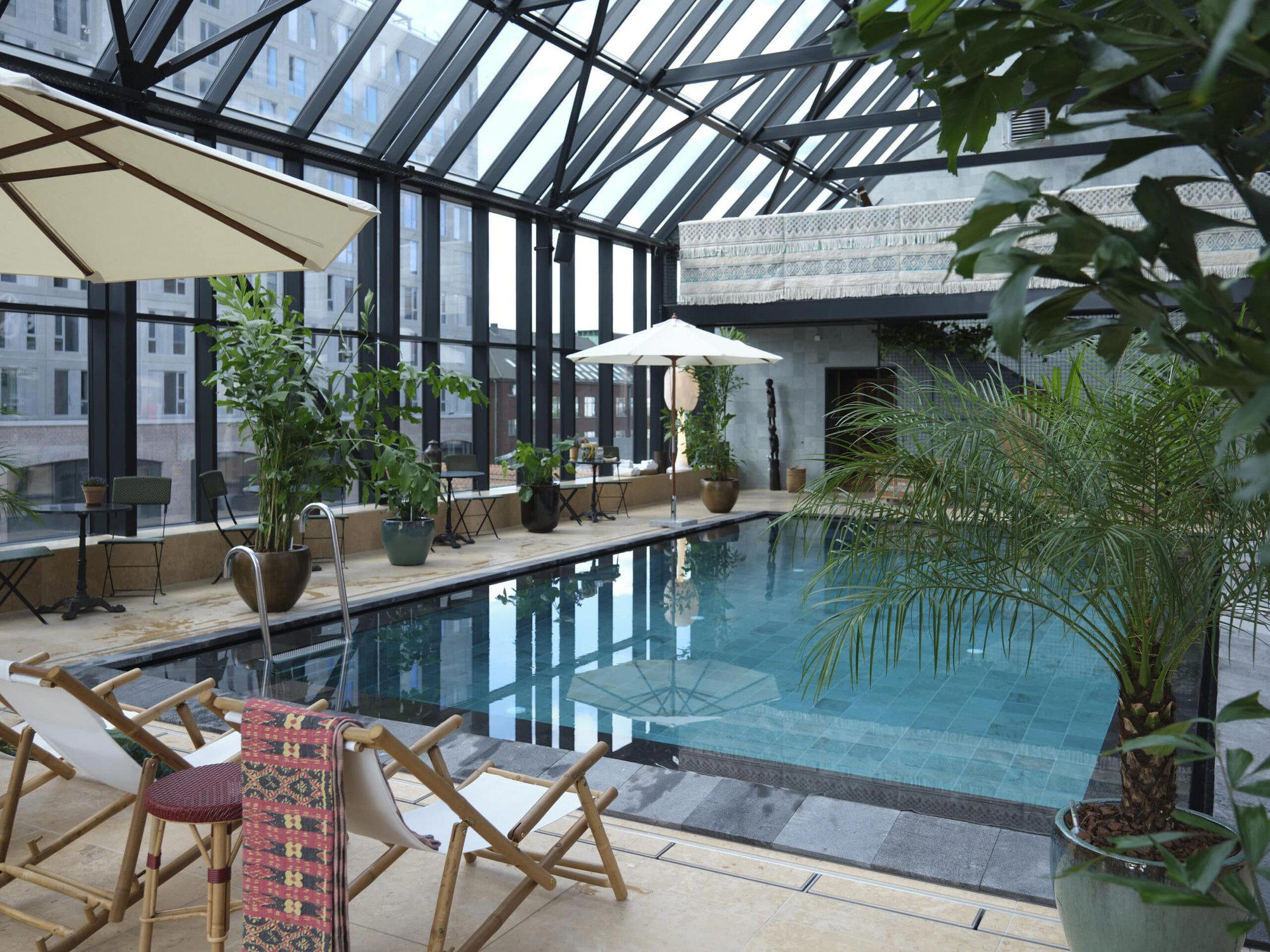
Dragsholm Slot in Hørve and Falsled Kro in Falsled represent the rural end of Danish design hospitality, where landscape and building enter into a direct conversation. Kokkedal Castle Copenhagen in Hørsholm and Park Lane Copenhagen in Hellerup show how the tradition adapts to the capital's more urban pressures. Hotel Oasia's Aarhus version sits between those poles, urban in its address but unhurried in its pace.
Aman Venice, Bvlgari Hotel Tokyo, and Cheval Blanc Paris command stronger examples from that conversation with architectural commissions and heritage buildings of generational significance. Hotel Oasia does not compete at that altitude, nor does it try to. Its reference set is closer to the tier occupied by Helenekilde Badehotel, Dyvig Badehotel in Nordborg, and Allinge Badehotel in Allinge: Danish properties where the quality argument rests on atmosphere and coherence rather than trophy credentials.
Planning Your Stay
Hotel Oasia Aarhus is located at Kriegersvej 27-31 in Aarhus, a short distance from the city centre. Aarhus is accessible by direct rail from Copenhagen, with journey times around three hours from Copenhagen Central. For guests building a Denmark itinerary that might also include Radisson Collection Royal Hotel, Copenhagen or smaller coastal properties like Falsled Kro, Hotel Oasia represents Aarhus's contribution to that caliber of travel.
Aarhus's summer months from June through August bring the city's cultural calendar to full intensity, with outdoor programming, the Aarhus Festival in late August, and the longest usable daylight hours. For those who prefer the city at a lower temperature and slower pace, the shoulder months of April through May and September through October offer genuine access to restaurants and cultural venues without the festival-season compression. The hotel's design-led character suits both registers.
How It Stacks Up
Comparable venues nearby, for context on price, style, and recognition.
| Venue | Cuisine | Price | Awards | Notes |
|---|---|---|---|---|
| Hotel Oasia AarhusThis venue — the venue you are viewing | Scandinavian design with clean lines and discreet luxury | $$$ | 3-Star | Not listed |
| First Hotel Atlantic | Contemporary business-oriented hotel with modern Scandinavian design sensibility | $$$ | 4-Star | Downtown Aarhus, Waterfront |
| Villa Provence Hotel Aarhus | Charming French-style boutique in a traditional Danish townhouse. | $$$ | 4-Star | Fredens Torv |
| Scandic The Mayor | Cozy urban hotel with modern refurbishments in the heart of Aarhus. | $$ | 4-Star | Aarhus C |
| Belle Guldsmeden Aarhus | Eco-luxury boutique hotel with a contemporary Nordic-bohemian identity. | $$$$ | 4-Star | Sydhavnskvarteret |
| Hotel Royal | Well-known historic boutique hotel with Neoclassical architecture renovated in 2024. | $$$ | 4-Star | Indre By |
Recognition history
Dated appearances from independent guides and award organizations, with the underlying list record or original source where available.
Michelin Selected
Michelin

At a Glance
- Modern
- Minimalist
- Elegant
- Business Trip
- Weekend Escape
- Design Destination
- Wi Fi
- Fitness Center
- Bar
- Street Scene
- Wi Fi
- Fitness Center
- Bar
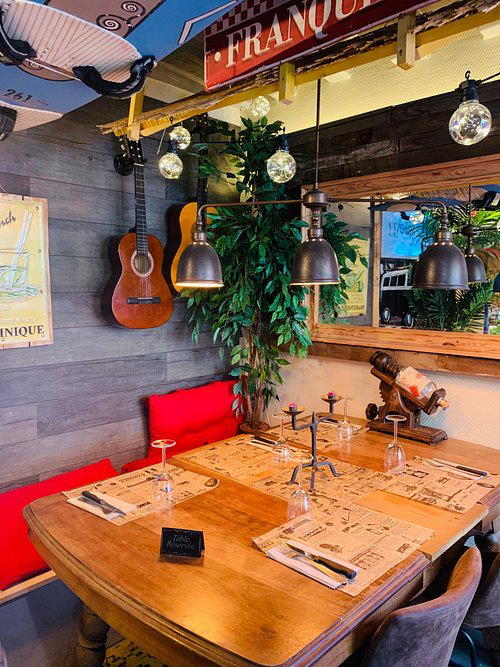
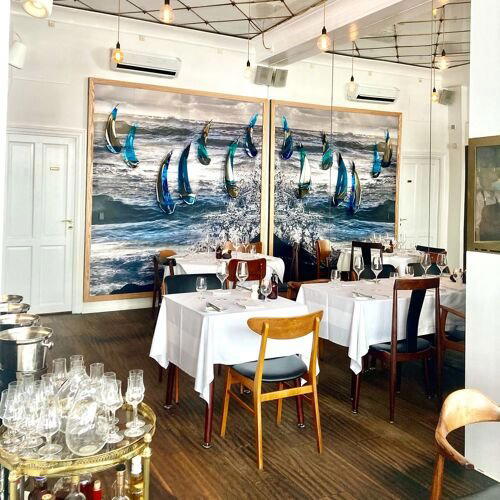
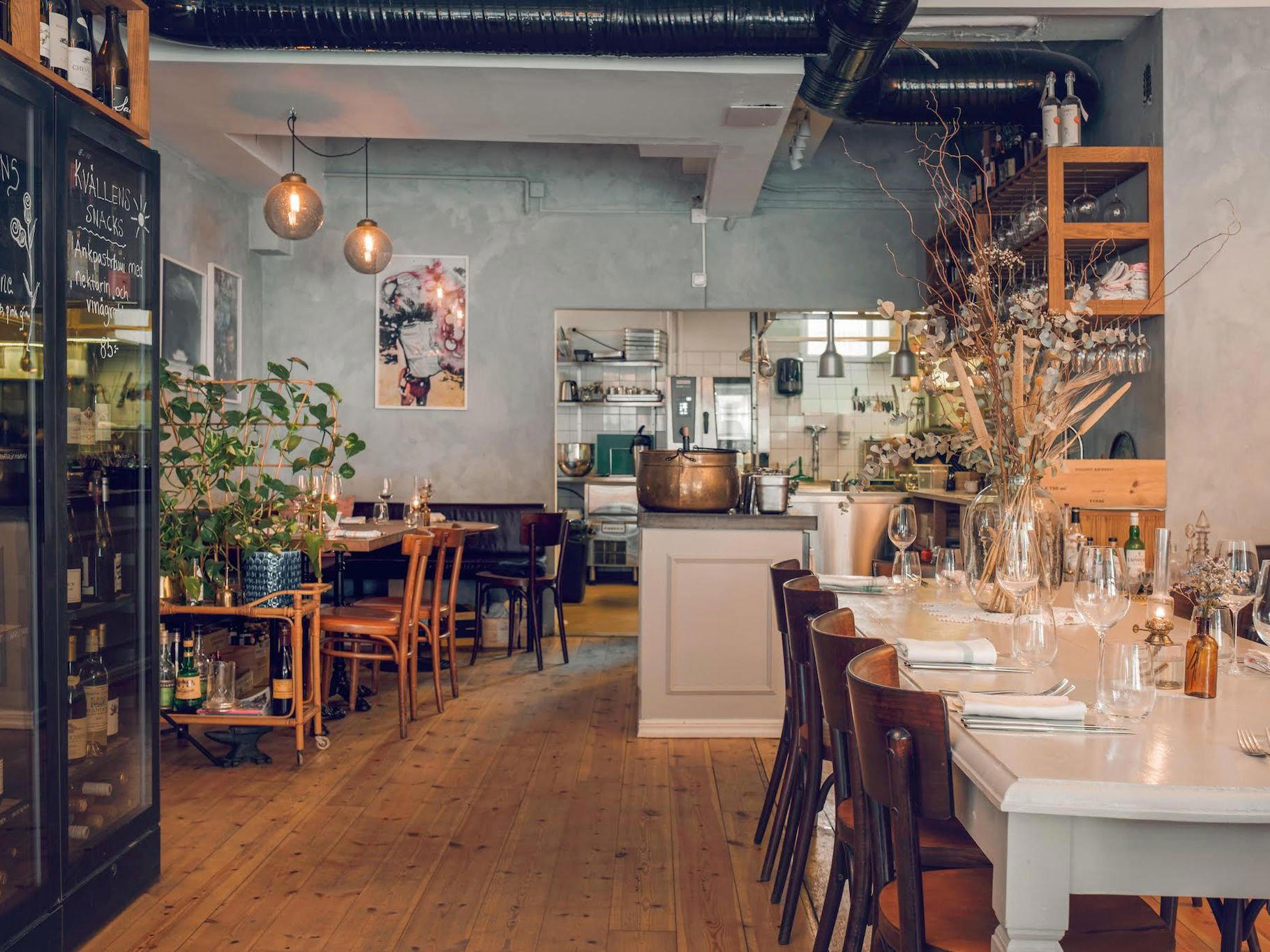
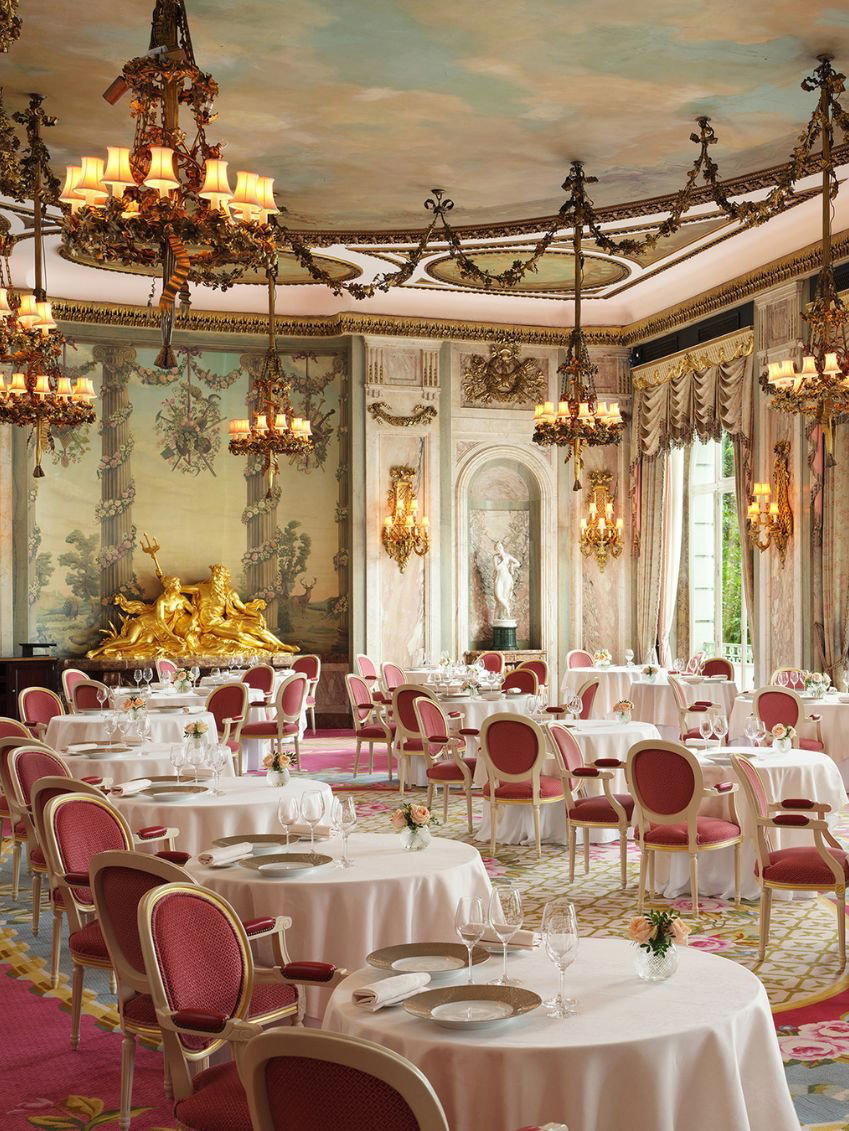
Natural-light-soaked spaces with clean lines, minimalist style featuring white walls and dark furniture, creating a cozy, inviting, and tranquil atmosphere.