Noma








Noma holds three Michelin stars and a multi-year record atop the World's 50 Best Restaurants list, making it the restaurant most associated with the global rise of New Nordic cooking. René Redzepi's kitchen on Refshalevej organises the year into three seasonal programmes built around foraged and local ingredients. Booking windows run months ahead, and dinner service runs Tuesday through Friday only.
Pearl is the En Primeur Club membership app — saves, bookings, and concierge access live there. Same editors, same standards.
- Address
- Refshalevej 96, 1432 Indre By, Denmark
- Phone
- +45 32 96 32 97
- Website
- noma.dk
- Directions
- Get directions
 Saves & bookings on Pearl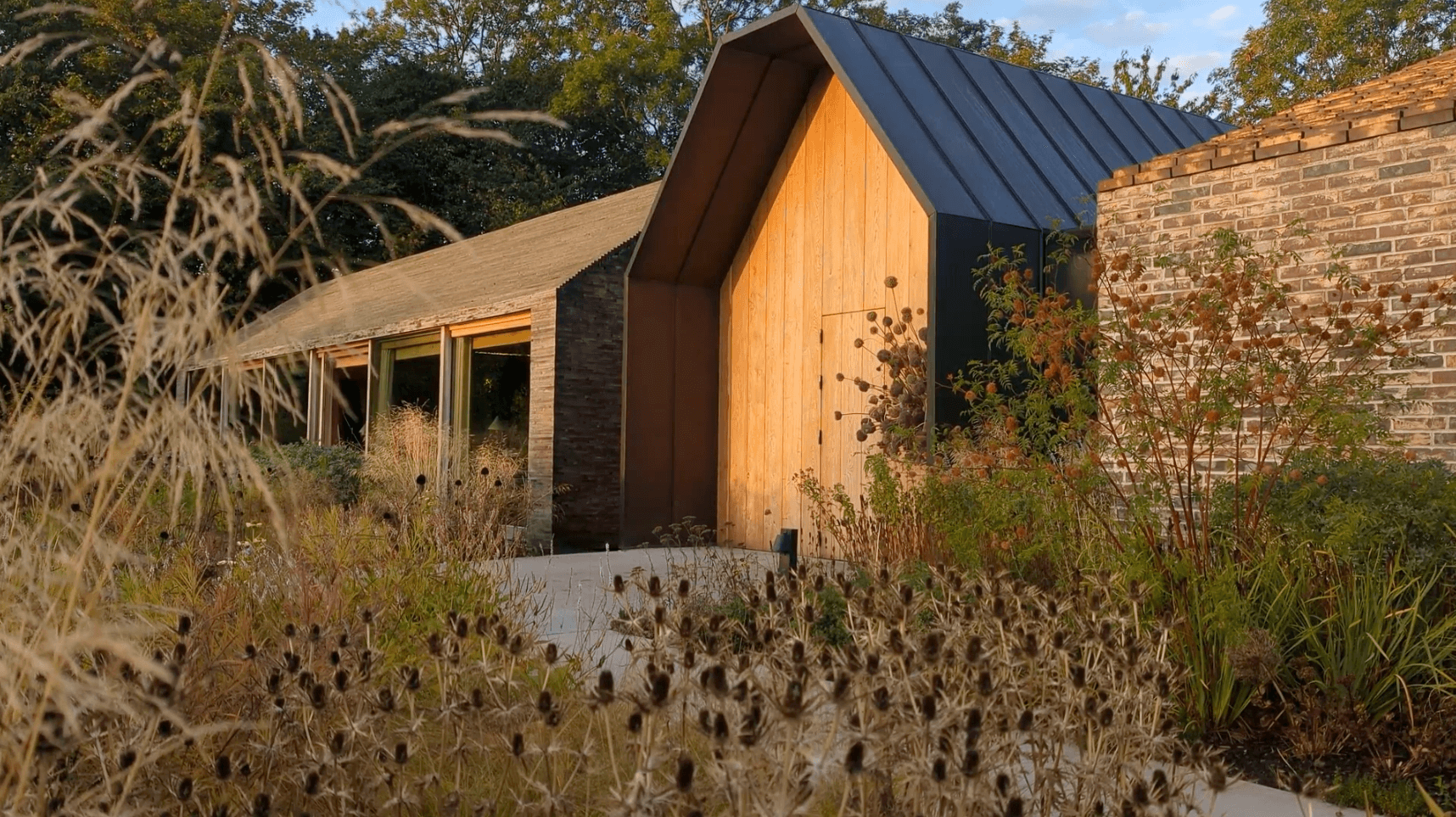
What Refshalevej Changed About European Fine Dining
The address on Refshalevej, on a former industrial harbour island east of Copenhagen's city centre, is more than a postcode. It represents a deliberate rejection of the classical European fine dining template. Where Paris and Milan anchored prestige cooking in rich sauces, imported luxury ingredients, and long continental lineage, Copenhagen built a counter-argument on lichen, sea buckthorn, and wood sorrel. Noma is one documented expression of that counter-argument, but the argument itself, that Nordic ingredients carried sufficient complexity to carry a room of the world's most demanding diners, was the real disruption. The restaurant did not merely win awards; it changed what counts as a reference point when professional cooks debate ingredient philosophy.
That context matters when visiting today. A table at Noma is not simply a meal at a decorated address. It is a direct encounter with the idea that redefined how a generation of European chefs thought about place, season, and what belongs on a plate. Whether the kitchen is executing that idea at the level of its peak 50 Best years or has evolved toward something more searching is the question a first visit asks in 2025.
The Seasonal Structure as a Menu Philosophy
Few three-Michelin-star kitchens in Europe impose as rigid a seasonal grammar on their menus as Noma does. The year divides into three programmes: a seafood season in winter and early spring, a vegetable season across the warmer months, and a game and forest season in autumn. Each menu shifts not only in ingredient focus but in the entire logic of the plate. During the vegetable season, plant matter is not a supporting element dressed around protein, it carries the full structural and flavour weight of every course. This is a harder proposition to deliver at the level the kitchen sets for itself than the description suggests, and the Michelin committee's three-star retention through 2025 indicates the kitchen continues to meet its own standard.
The three-season model also means that two visits to Noma twelve weeks apart produce experiences with almost no overlap. Regulars who return annually to catch different seasons are a known booking cohort. The compressed weekly schedule tightens already limited availability.
Where Noma Sits in Copenhagen's €€€€ Tier
Copenhagen now runs several kitchens competing in the same leading price tier. Geranium, which holds three Michelin stars of its own, operates from the eighth floor of the national football stadium with a different seasonal logic and a more overtly technique-led presentation. Aure and Udtryk represent a younger generation of Copenhagen kitchens working adjacent territory. Mielcke & Hurtigkarl, set in the Frederiksberg Gardens greenhouse, brings a different material aesthetic to the same commitment to Nordic sourcing.
What separates Noma from its Copenhagen peers is its documented record that reshaped how this peer group was perceived internationally. The restaurant appeared in the World's 50 Best list from 2006 onward, reached the number one position in 2010, 2011, 2012, and 2014, and held the leading rank again in 2021. That record made it particularly cited reference whenever critics or chefs outside Scandinavia tried to explain why Copenhagen became a dining destination of serious international weight.
That cross-list consistency is more meaningful than any single ranking position.
The Nordic Ingredient Argument in Practice
New Nordic cooking as a movement codified its principles in the early 2000s through the Manifesto for the New Nordic Kitchen, a document that explicitly called for Nordic producers, seasons, and wild food systems as the basis of regional haute cuisine. The movement spread across Scandinavia and influenced kitchens far outside it, Copenhagen restaurants including The Pescatarian work within a version of the same ingredient ethics, but Noma operated as the internationally visible proof of concept.
The practical implication for visitors is that the menu at any given time is a direct expression of what is at peak maturity in Danish fields, coastlines, and forests during that specific week. This is not a marketing framework. It produces genuine menu variability that other €€€€ rooms in Paris or Milan, working from more stable luxury ingredient bases, do not replicate. For comparison at the European creative level, Alléno Paris au Pavillon Ledoyen and Enrico Bartolini in Milan both operate in the same creative, multi-star category but work from entirely different ingredient philosophies and culinary traditions. The contrast is instructive when trying to understand what distinguishes the Nordic approach from its southern European counterparts.
Within Denmark, the creative approach has spread across cities. Jordnær in Gentofte, Frederikshøj in Aarhus, Henne Kirkeby Kro in Henne, Alimentum in Aalborg, ARO in Odense, and Domæne in Herning all work in the lineage of the same seasonal, place-based cooking that Noma helped establish as an internationally recognised idiom. The reach of that idiom across Danish cities illustrates how thoroughly Noma's premise has been absorbed into the country's broader fine dining infrastructure.
Planning a Visit
The Refshalevej address sits on Refshaleøen, a post-industrial island that has developed a broader food and cultural cluster around it. Getting there from central Copenhagen typically involves a short taxi or rideshare, or the harbour bus in warmer months.
Reservations are essential and should be secured well in advance. Checking the current reservation window as soon as travel dates are confirmed is the practical first step, not something to manage closer to arrival.
Know Before You Go
- Address: Refshalevej 96, 1432 Indre By, Denmark
- Price range: €€€€
- Awards: 3 Michelin stars; World's 50 Best #1
Where It Fits
Comparable venues nearby, for context on price, style, and recognition.
| Venue | Cuisine | Price | Awards | Notes |
|---|---|---|---|---|
| NomaThis venue — the venue you are viewing | New Nordic Fine Dining | $$$$ | Michelin 3 Star | Not listed |
| Geranium | Modern New Nordic Pescatarian | $$$$ | Michelin 3 Star | Østerbro |
| Kadeau | New Nordic Cuisine | $$$$ | Michelin 3 Star | Indre By |
| Alchemist | Avant-Garde Molecular Gastronomy with Social Commentary | $$$$ | Michelin 2 Star | Indre By |
| Koan | Modern Korean-Nordic Fine Dining | $$$$ | Michelin 2 Star | Østerbro |
| Kong Hans Kaelder | Classic French Fine Dining | $$$$ | Michelin 2 Star | Indre By |
Recognition history
Dated appearances from independent guides and award organizations, with the underlying list record or original source where available.
Falstaff Restaurant - 99 Falstaff Points
Falstaff
La Liste Top Restaurants
La Liste
White Guide Denmark Restaurants - Global Masters Level
White Guide
La Liste Top Restaurants
La Liste
Michelin 3 Stars
Michelin
The Best Chef Three Knives
The Best Chef
We're Smart World 5 Radishes
We're Smart World
World Culinary Awards Denmark's Best Restaurant 2025 #1
World Culinary Awards
Michelin 3 Stars
Michelin
Opinionated About Dining Top Restaurants in Europe Ranked #19
Opinionated About Dining
World's 50 Best Best Restaurants #1
World's 50 Best
World's 50 Best Best Restaurants #2
World's 50 Best
World's 50 Best Best Restaurants #5
World's 50 Best
World's 50 Best Best Restaurants #3
World's 50 Best
World's 50 Best Best Restaurants #1
World's 50 Best
World's 50 Best Best Restaurants #2
World's 50 Best
World's 50 Best Best Restaurants #1
World's 50 Best
World's 50 Best Best Restaurants #1
World's 50 Best
World's 50 Best Best Restaurants #1
World's 50 Best
World's 50 Best Best Restaurants #3
World's 50 Best
World's 50 Best Best Restaurants #10
World's 50 Best
World's 50 Best Best Restaurants #15
World's 50 Best
World's 50 Best Best Restaurants #33
World's 50 Best
Continue exploring
More in Copenhagen
Restaurants in Copenhagen
Browse all →
Bars in Copenhagen
Browse all →
Hotels in Copenhagen
Browse all →

At a Glance
- Well Known
- Sophisticated
- Minimalist
- Special Occasion
- Open Kitchen
- Extensive Wine List
- Local Sourcing
- Sustainable Seafood
- Waterfront
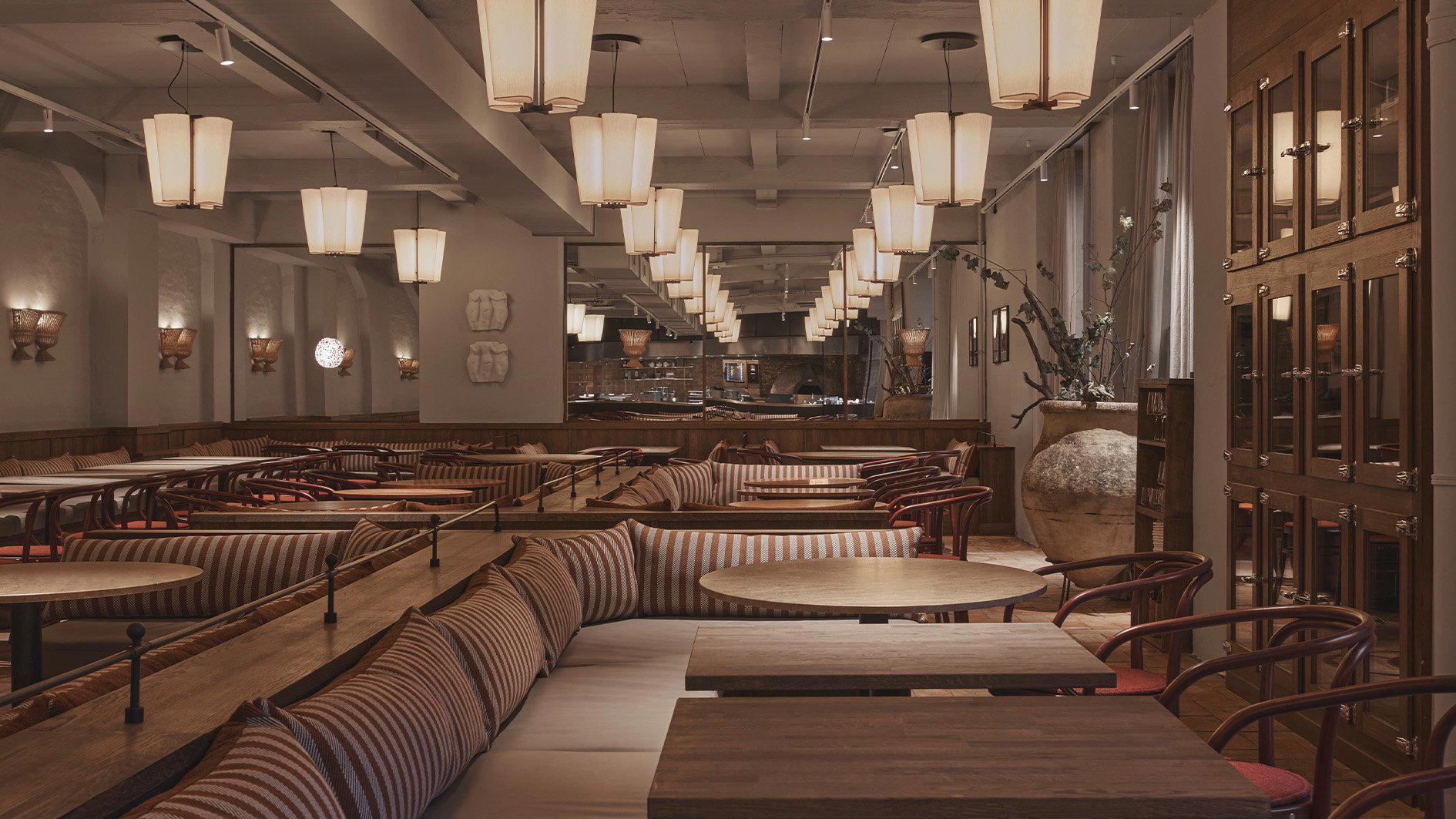
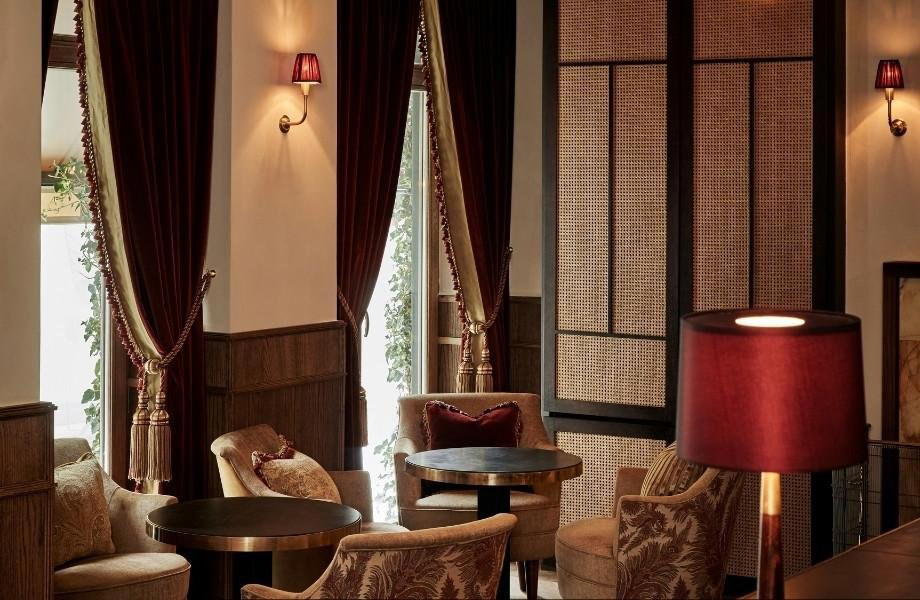
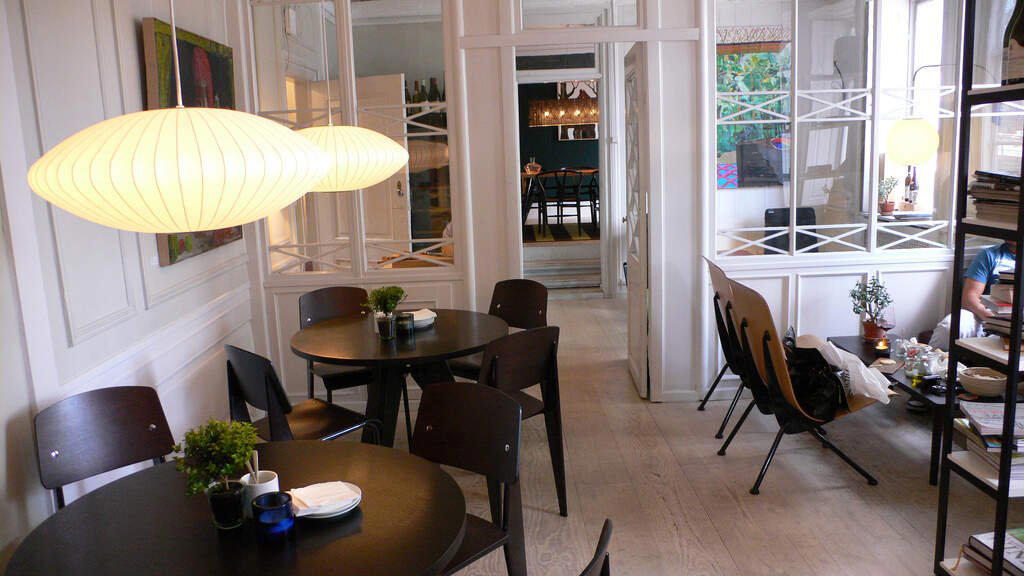
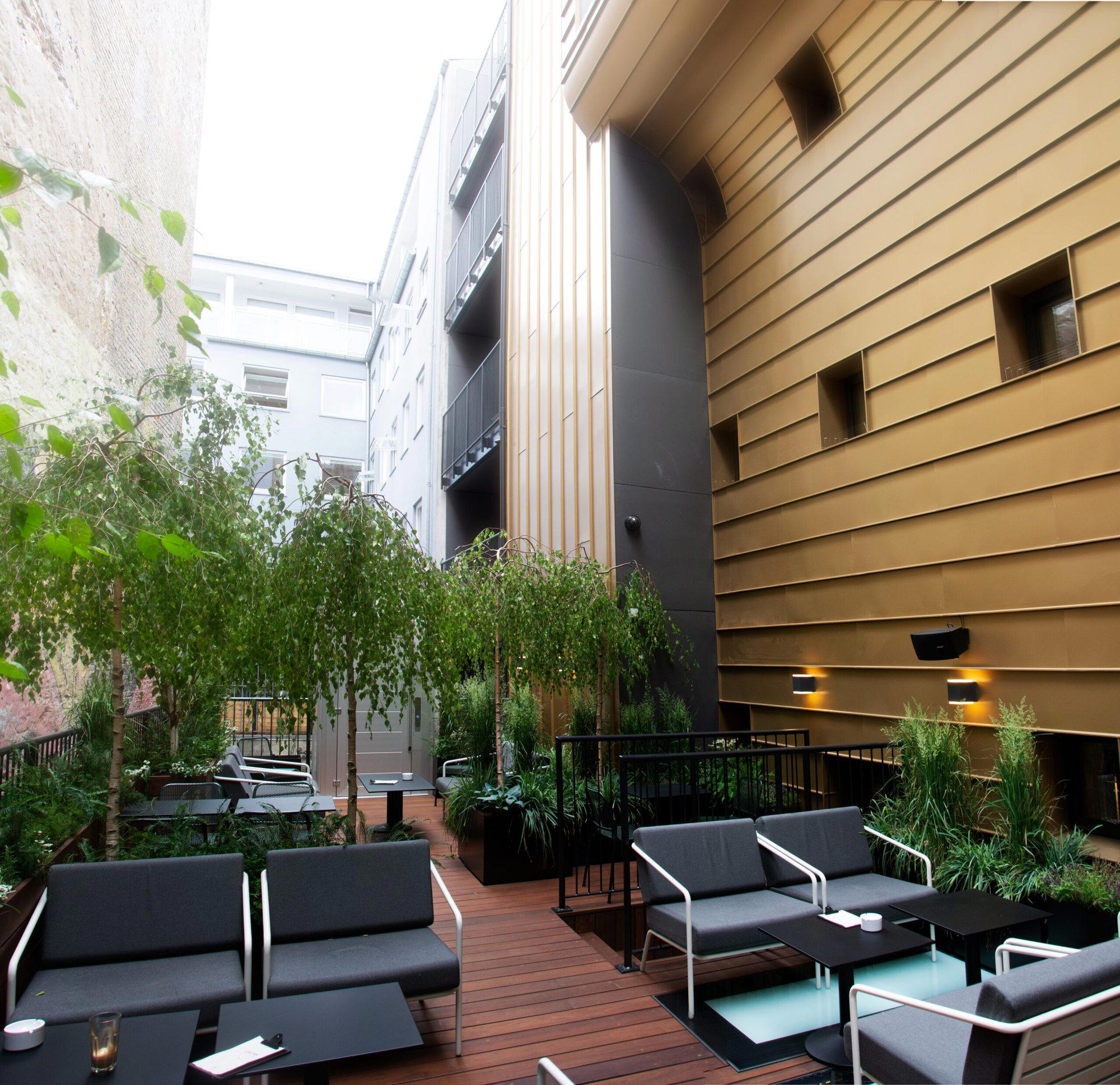
Scandi-minimalist with natural wood elements, soft lighting, and an intimate, welcoming atmosphere.