
Riad 72 is a Michelin Selected property in Marrakech's Bab Doukkala quarter, operating within the medina's tradition of courtyard-centred accommodation. The address places guests inside the historic fabric of the old city, within walking distance of its principal souks and monuments. It represents the smaller, owner-scale end of Marrakech's riad category.
Pearl is the En Primeur Club membership app — saves, bookings, and concierge access live there. Same editors, same standards.
- Address
- 72 Arset Aouzal Rd, Marrakesh 40000, Morocco
- Phone
- +212 5 24 38 76 29
- Website
- riad72.com
- Directions
- Get directions
 Saves & bookings on Pearl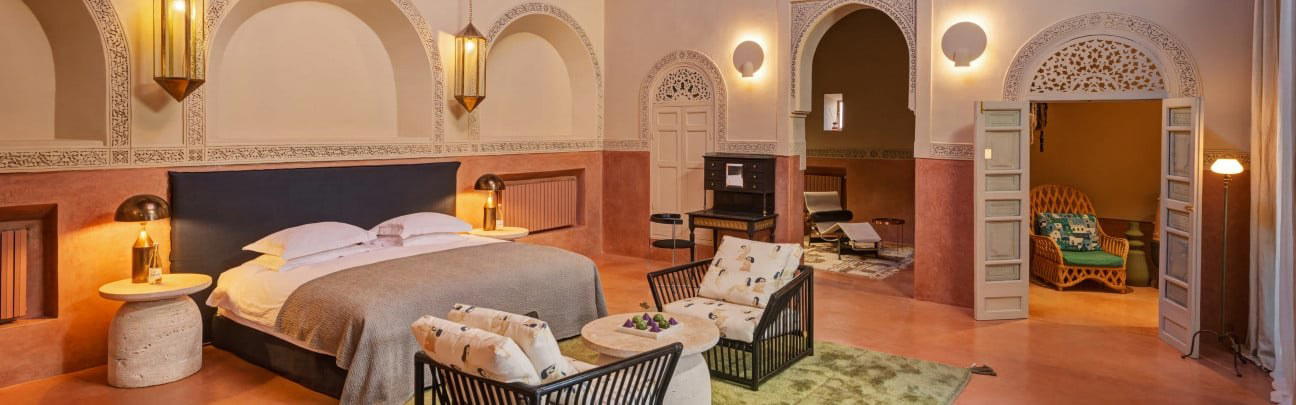
Inside the Medina's Quieter Quarter
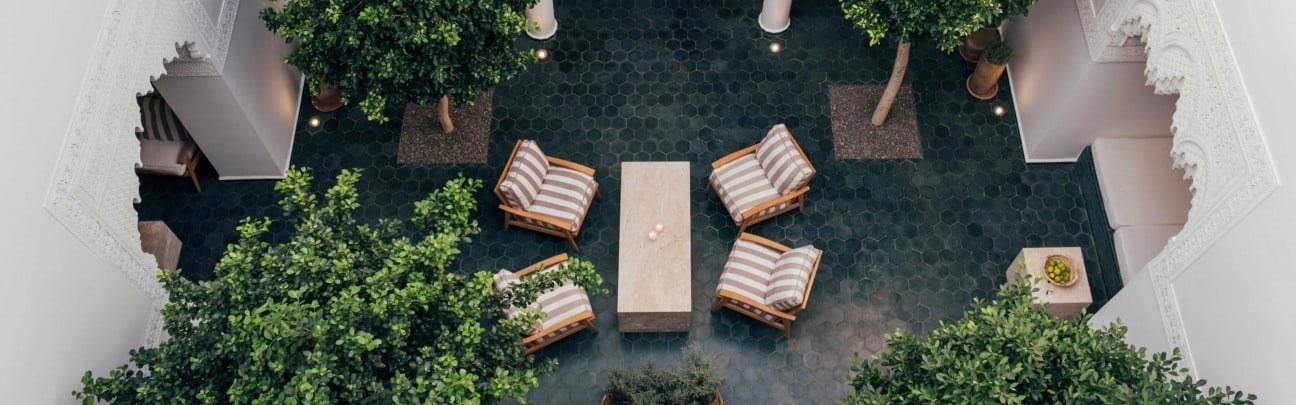
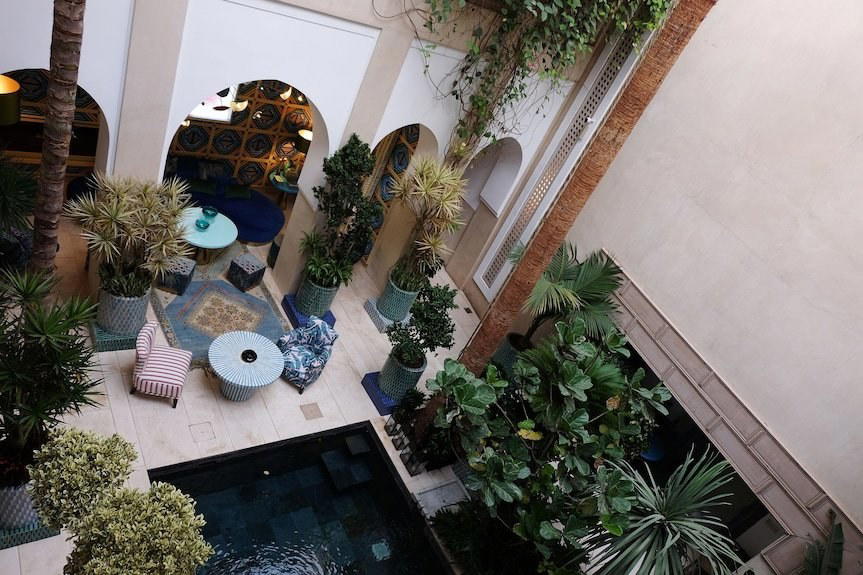
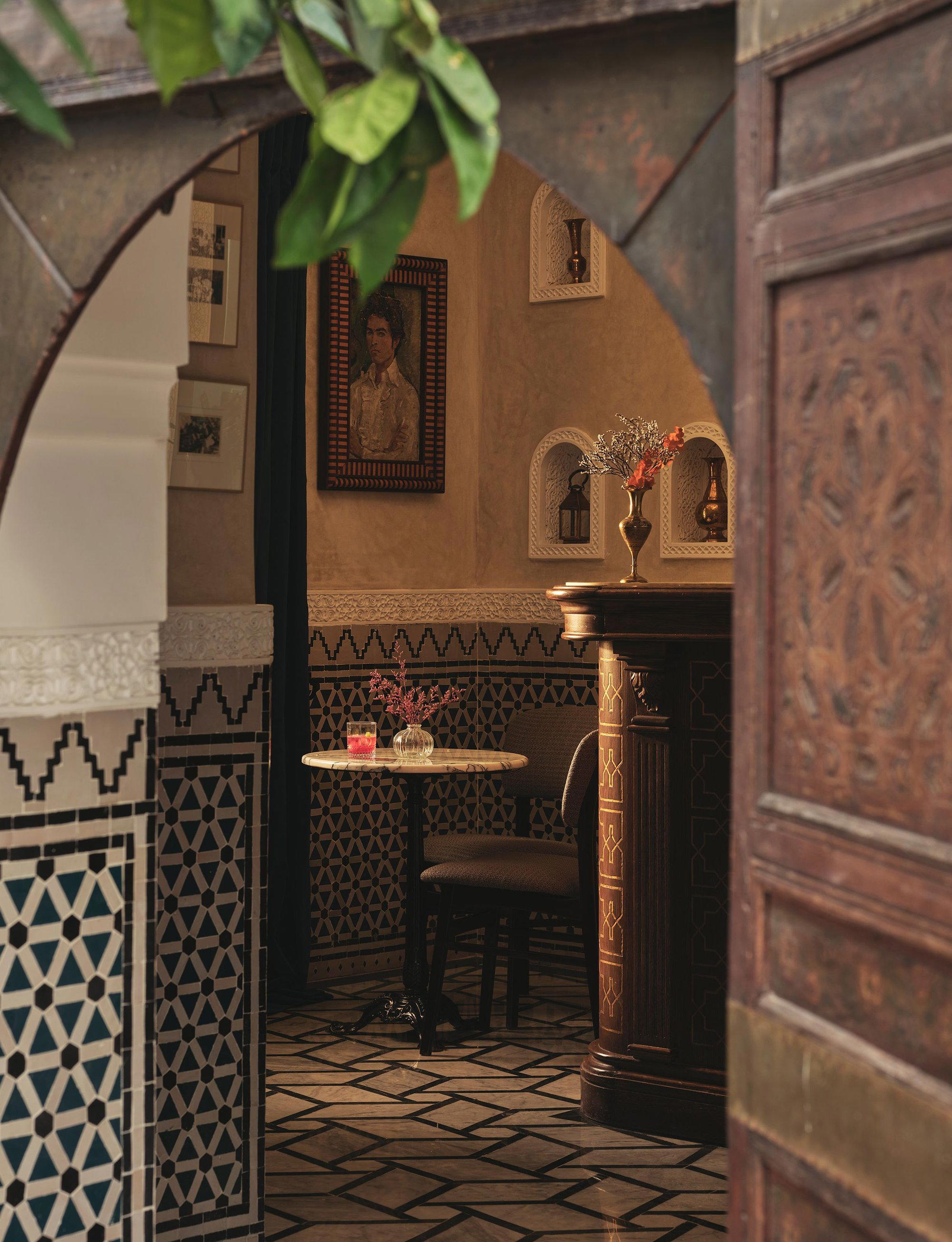
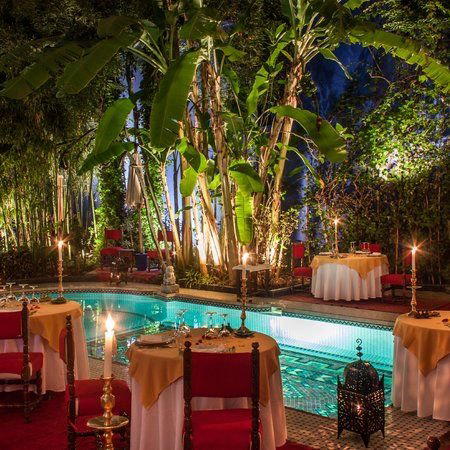
Bab Doukkala sits at the northwestern edge of Marrakech's medina, far enough from Jemaa el-Fna to operate at a different register entirely. The streets narrow to the width of a loaded mule cart, the calls to prayer arrive from three directions at once, and the foot traffic belongs to residents rather than visitors. Riad 72 occupies a traditional townhouse at number 72 of Arset Aouzal, a lane that gives no hint from the outside of what a riad address typically conceals: a courtyard, a pocket of sky, and the kind of silence that a thick lime-render wall can still deliver inside a living city.
This is the architectural logic that defines the riad category across Moroccan medinas. The exterior presents blank walls and a studded wooden door; everything worth seeing faces inward. It is a building type that predates the tourism economy by centuries, and its persistence in Marrakech as a lodging format is not purely commercial. The courtyard-centred plan is also genuinely well-suited to the climate, where thick walls regulate temperature without mechanical assistance and the central garden or fountain acts as a passive cooling system. Choosing a riad in this quarter over a larger hotel on the Hivernage side of the city is a decision about proximity to the medina's actual texture, not just its monuments.
Michelin Recognition in the Riad Category
Michelin's hotel selection programme, which operates separately from its restaurant stars, applies editorial criteria around quality of experience, setting, and character. Riad 72's inclusion in the Michelin Selected Hotels 2025 list places it within a curated tier of Marrakech accommodation that has cleared a documented quality threshold. The designation does not rank properties against each other, but it does separate them from the uncurated mass of riad listings that circulate on booking platforms. For travellers using Michelin's hotel guide as a filter, this is a meaningful signal.
Within Marrakech's Michelin Selected cohort, the properties span a range from larger palatial addresses to smaller medina houses with four to eight rooms. The smaller end of that range, which includes addresses like Riad 72, competes on intimacy and architectural authenticity rather than amenity count. Comparable properties in this tier include AnaYela, Dar Assiya, Dar Darma, Dar Housnia, and Dar Kandi. At the larger end of the Marrakech market, La Mamounia and BELDI COUNTRY CLUB represent a different scale and proposition entirely.
Responsible Luxury in a Built Heritage Context
The riad format carries an implicit sustainability argument that is worth making explicit. Occupying and restoring a traditional medina house conserves a form of vernacular architecture that would otherwise be lost to vacancy, subdivision, or demolition. The rehabilitation of these structures keeps craft knowledge in circulation: tadelakt plastering, carved plasterwork, zellige tilework, and cedar joinery are all skills that require active commissions to survive as living trades rather than museum-piece demonstrations.
In the wider context of Moroccan hospitality and responsible travel, smaller medina properties also concentrate economic benefit within the old city itself. Staff are typically drawn from the immediate neighbourhood, procurement from local tradespeople, and the property's footprint does not require the land consumption of resort-scale development. This is a different model from the eco-resort category, but it is not a less considered one. Properties like Dar Les Cigognes and Dar Housnia operate within the same logic: the conservation of the building is itself the primary act of environmental commitment, before any additional green-practice layer is added.
For travellers oriented toward this kind of impact, the choice of a restored medina riad over a purpose-built hotel on the city's periphery is not a sacrifice of comfort. It is a reframing of what comfort means in an old city: human scale, material authenticity, and the kind of quiet that cannot be engineered into a large property.
Morocco's broader accommodation offer extends well beyond Marrakech. Those extending their trip might consider Kasbah Tamadot in the Atlas foothills at Asni, Dar Ahlam outside Ouarzazate, or Dar Azawad in M'hamid at the edge of the Sahara. The riad typology recurs across Morocco's imperial cities: Riad Mayfez Suites & Spa and Palais AMANI in Fez represent the same courtyard tradition applied to a medina that UNESCO considers more intact than Marrakech's. On the Atlantic coast, Villa de l'O in Essaouira and La Sultana Oualidia in Oualidia offer coastal counterpoints. For northern Morocco, Fairmont Tazi Palace Tangier and Sofitel Tamuda Bay Beach & Spa anchor the Tangier and Tamuda Bay ends of the market.
Planning Your Stay
Riad 72's address at Arset Aouzal 72, near Bab Doukkala, is navigable on foot from the main medina gates, though the final approach through the lane system is leading handled with a map download rather than live navigation, since mobile data can be unreliable inside the denser parts of the medina. Taxis from Marrakech Menara Airport drop at the gate rather than the door; the walk from Bab Doukkala to the property is short. Booking should be made directly through the property or through a platform that lists it with confirmed availability, given that smaller riads with limited rooms can close out months in advance during peak season (October through April being the highest-demand window). Guests arriving in summer should account for Marrakech's temperatures, which regularly exceed 38°C in July and August; the riad's thick walls and courtyard design moderate interior temperatures, but the city itself at midday in high summer requires a different pace. For a broader orientation to Marrakech's dining and hospitality options, see our full Marrakech guide.
Those travelling with design-led properties elsewhere in Morocco on their itinerary might also consider Caravan by Habitas Agafay in the Agafay Desert near Marrakech, or Mazagan Beach & Golf Resort in El Jadida for a resort-scale contrast. For international points of comparison in the Michelin Selected hotel tier, The Fifth Avenue Hotel in New York, Badrutt's Palace Hotel in St. Moritz, and Hôtel de Paris Monte-Carlo each illustrate what the Michelin hotel designation covers across very different markets and price points.
Recognition history
Dated appearances from independent guides and award organizations, with the underlying list record or original source where available.
Mr & Mrs Smith Smith Seal of Approval
Mr & Mrs Smith
Michelin Selected
Michelin
Continue exploring
More in Marrakech
Hotels in Marrakech
Browse all →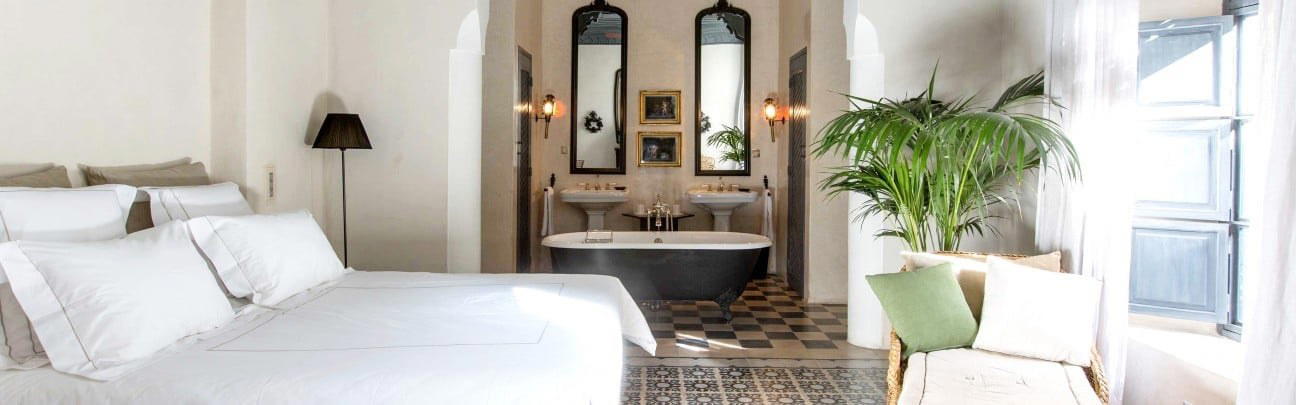
Bars in Marrakech
Browse all →
Restaurants in Marrakech
Browse all →
Wineries in Marrakech
Browse all →
At a Glance
- Elegant
- Intimate
- Sophisticated
- Cozy
- Modern
- Romantic Getaway
- Honeymoon
- Wellness Retreat
- Terrace
- Historic Building
- Panoramic View
- Wi Fi
- Spa
- Pool
- Room Service
- Concierge
- Mountain
- Wi Fi
- Spa
- Pool
- Room Service
- Concierge
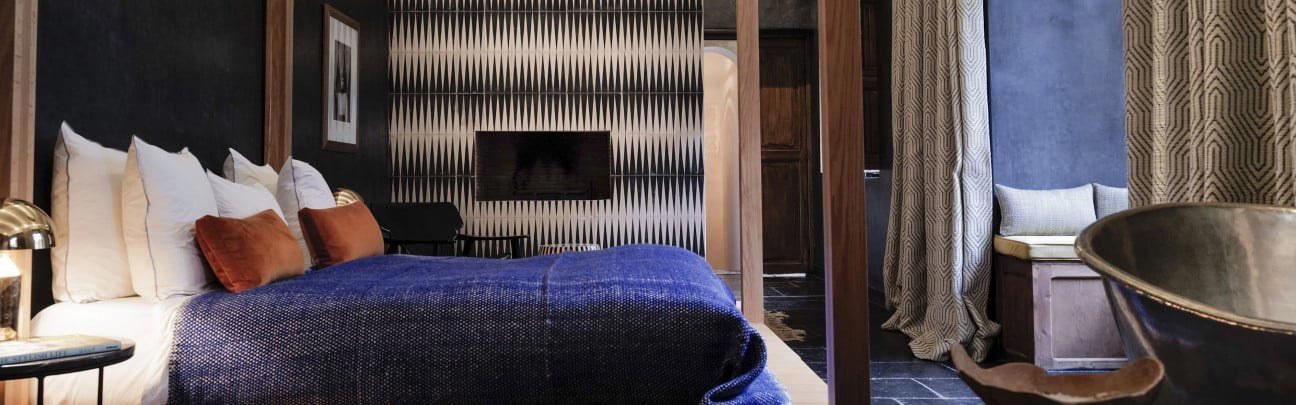
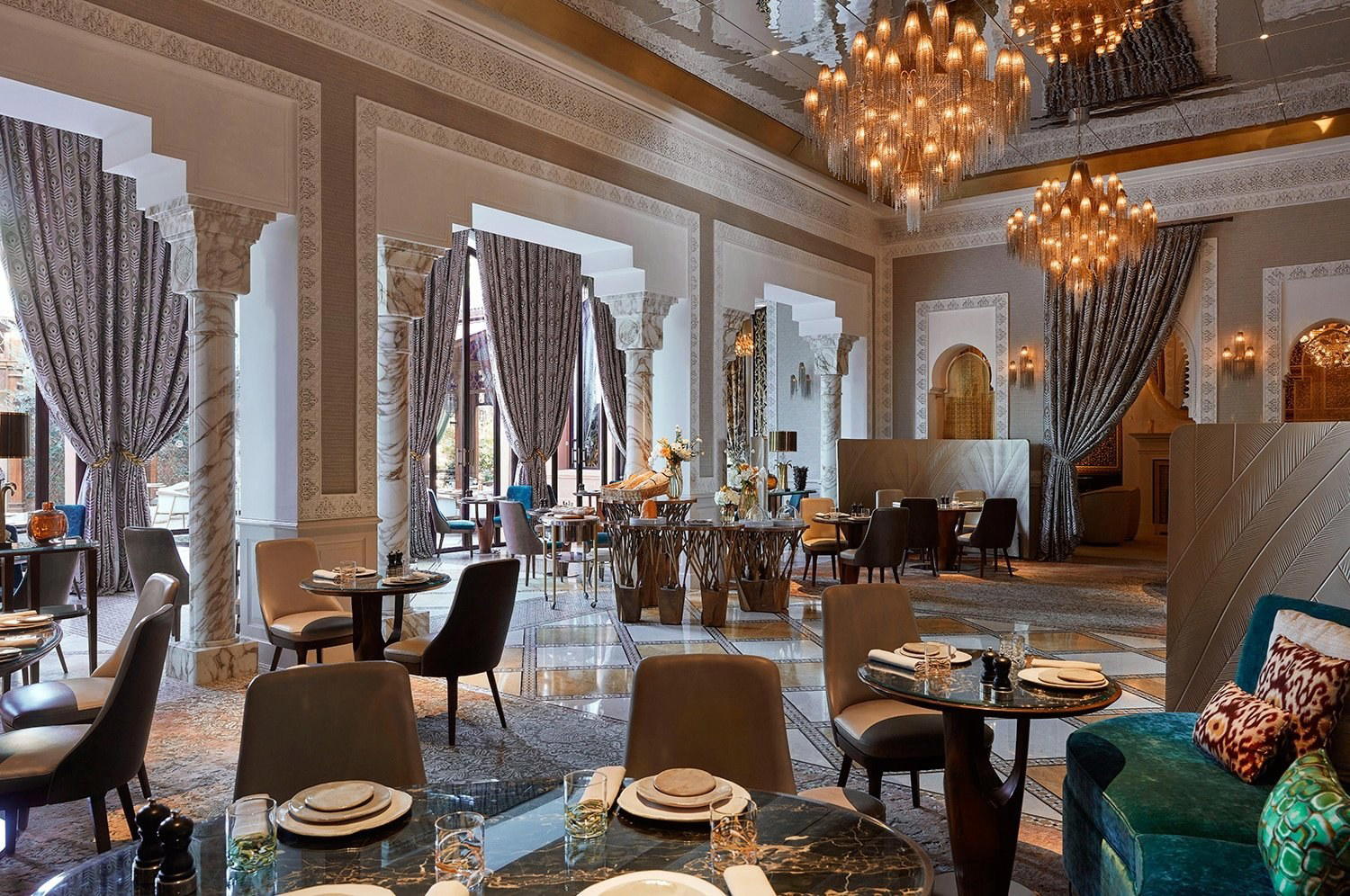
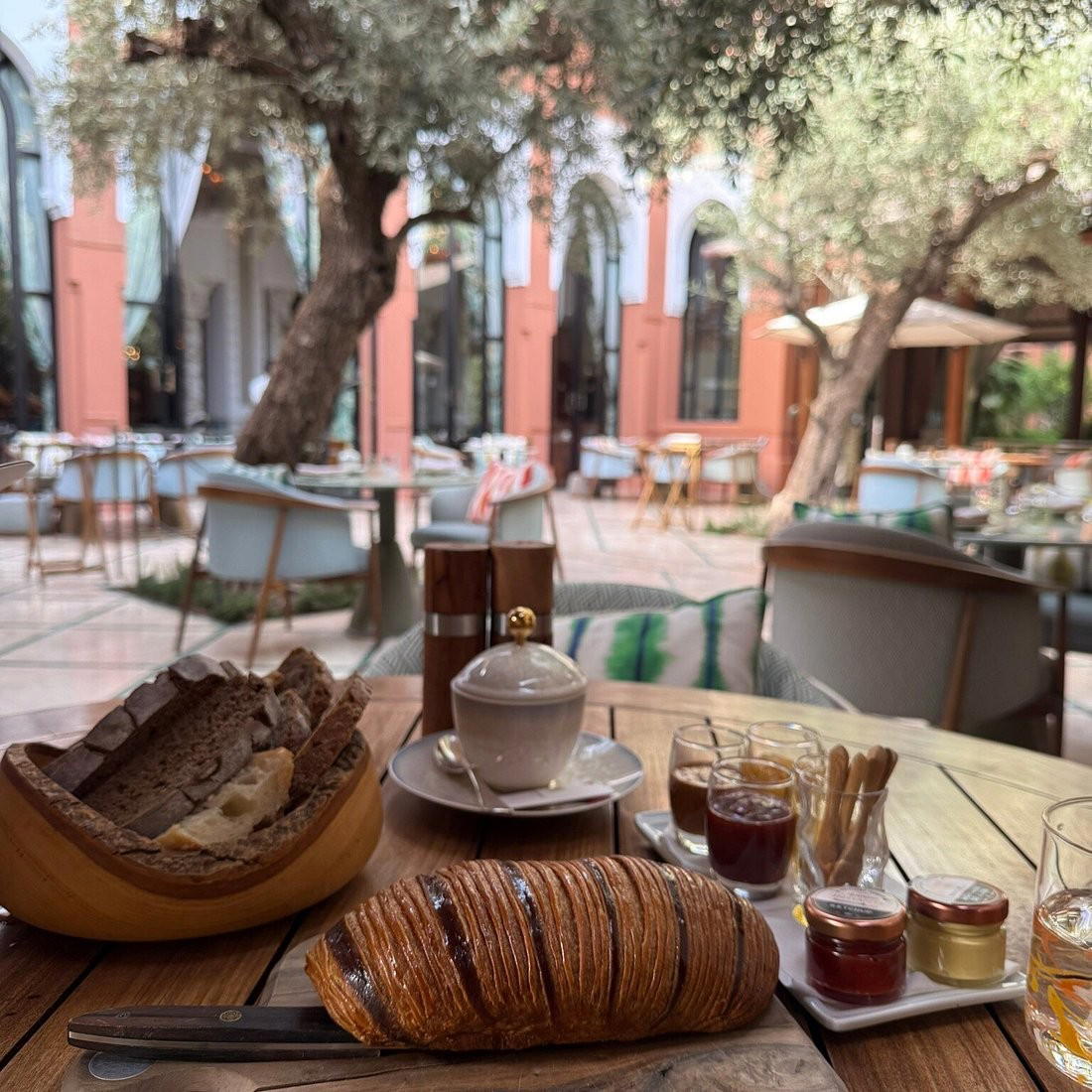
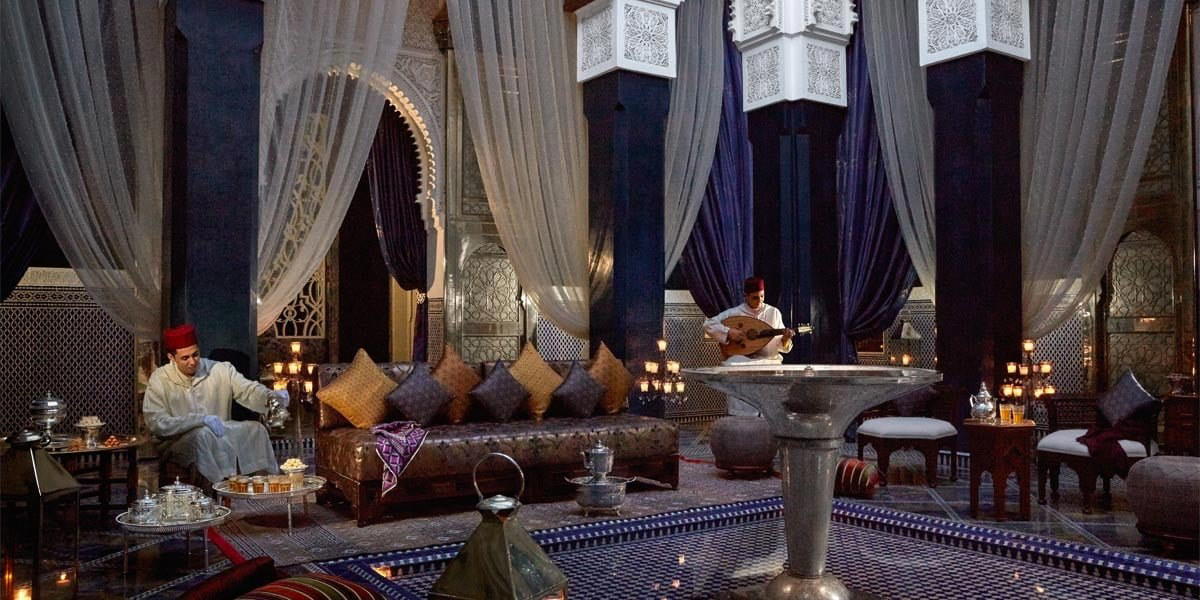
Serene and elegant with shaded courtyards featuring banana trees, intricately carved ceilings, earth-toned furnishings, copper lanterns, and light modern palettes of rose and vanilla.
Know Before You Go
- Getting there
- 72 Arset Aouzal Rd, Marrakesh 40000, Morocco