
Michelin Selected
A Michelin Selected riad in Marrakech's Bab Doukkala quarter, Dar Kandi sits within the medina's quieter northern reaches, where the pace drops and the architecture speaks without amplification. For travellers choosing between medina immersion and resort comfort, Dar Kandi makes a clear case for the former.

Pearl is the En Primeur Club membership app — saves, bookings, and concierge access live there. Same editors, same standards.
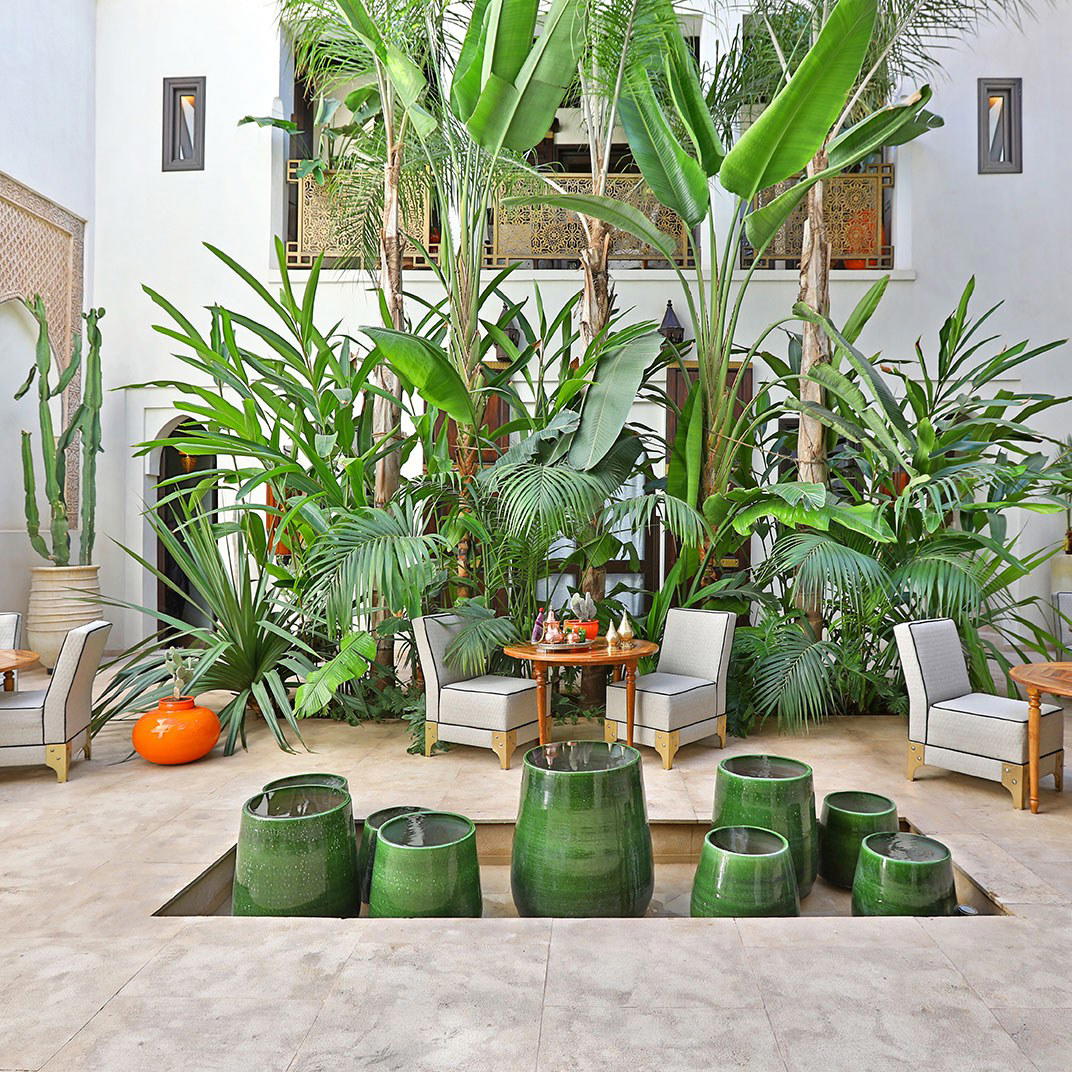
Approach Dar Kandi through Derb Arset Aouzal and the address reads like a coordinate system only the medina understands: a derb number, a gate name, a city that folds its leading addresses into the narrowest possible lanes. The Bab Doukkala neighbourhood sits at the northern edge of Marrakech's medina, away from the Djemaa el-Fna's gravitational pull, and properties here occupy a different register from the riad circuit clustered closer to the souks. Quieter streets, fewer tour groups at the door, and a residential texture that the southern medina has largely surrendered to hospitality volume. This is the context Dar Kandi inhabits.
What Michelin Selection Means in the Riad Market
The Michelin Hotels guide, relaunched with serious editorial intent across its global programme, applies a selection logic that differs from its restaurant stars: properties are not ranked by tier but vetted for quality within their category. Dar Kandi's inclusion in the 2025 Michelin Selected Hotels list places it in a cohort defined by consistency of experience rather than breadth of facilities. In a city where the riad offer ranges from bare-bones guesthouses to overdesigned luxury compounds, Michelin selection acts as a meaningful filter. It signals that the property meets a threshold the guide's inspectors consider reliable, which in Marrakech is a more discriminating call than in cities with standardised hotel infrastructure.
The medina riad category in Marrakech has grown crowded over the past two decades, and differentiation has become harder to establish. Large-footprint properties like La Mamounia in Marrakesh or the sprawling gardens of BELDI COUNTRY CLUB operate at a different scale and with different expectations. Dar Kandi belongs to a smaller, more intimate tier, where the building itself carries most of the editorial weight. That is the tier the Michelin hotel guide tends to favour when it looks at Marrakech's medina stock.
The Bab Doukkala Quarter and What It Offers
Bab Doukkala is one of the medina's original gates, and the neighbourhood around it has retained a working-city character that more tourist-saturated quarters have shed. The morning market near the gate runs on local rhythm rather than visitor appetite, and the lanes connecting to the riad district here feel less performative than those near the Bahia Palace or the central souks. For a property positioning itself through character rather than convenience to landmarks, the location is a deliberate trade-off: slightly longer walks to the major sites, but a stronger sense of the medina as a living city rather than a backdrop.
Within walking distance sit other medina properties that occupy a similar residential-quarter approach, including Dar Darma and Dar Housnia, both operating as smaller riad stays in the medina's less-trafficked reaches. The comparison is useful: the northern medina has quietly accumulated a cluster of considered properties that share a preference for restraint over spectacle. Dar Mo'Da and Dar Assiya represent adjacent options in the same neighbourhood logic, each positioning around the intimacy that a smaller key count and a residential setting can deliver.
Riad Architecture as the Primary Offer
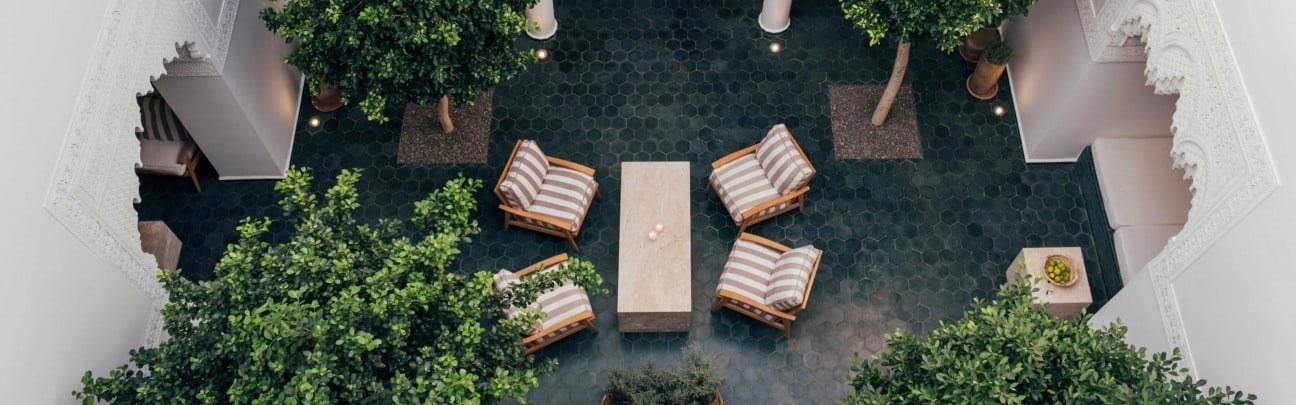
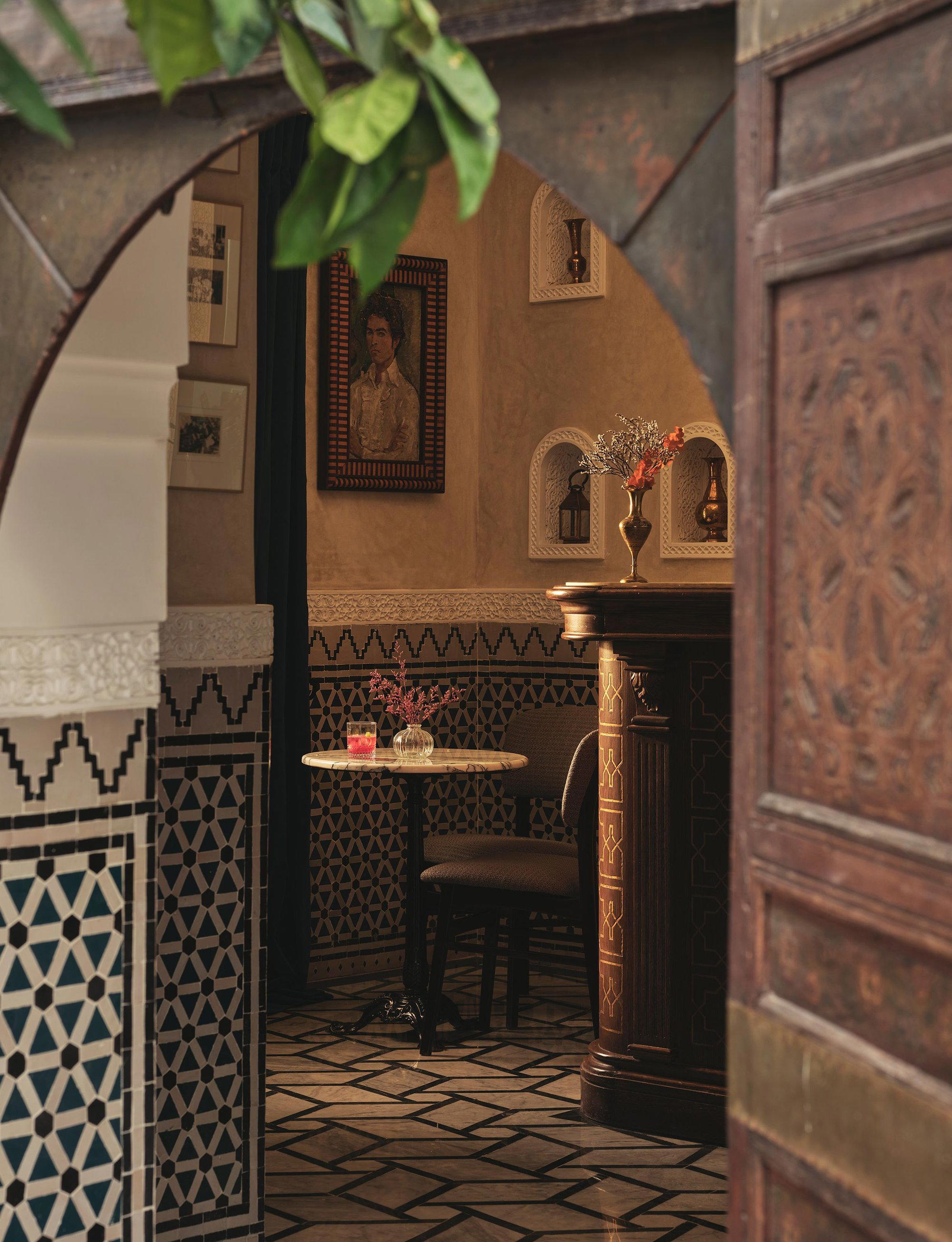
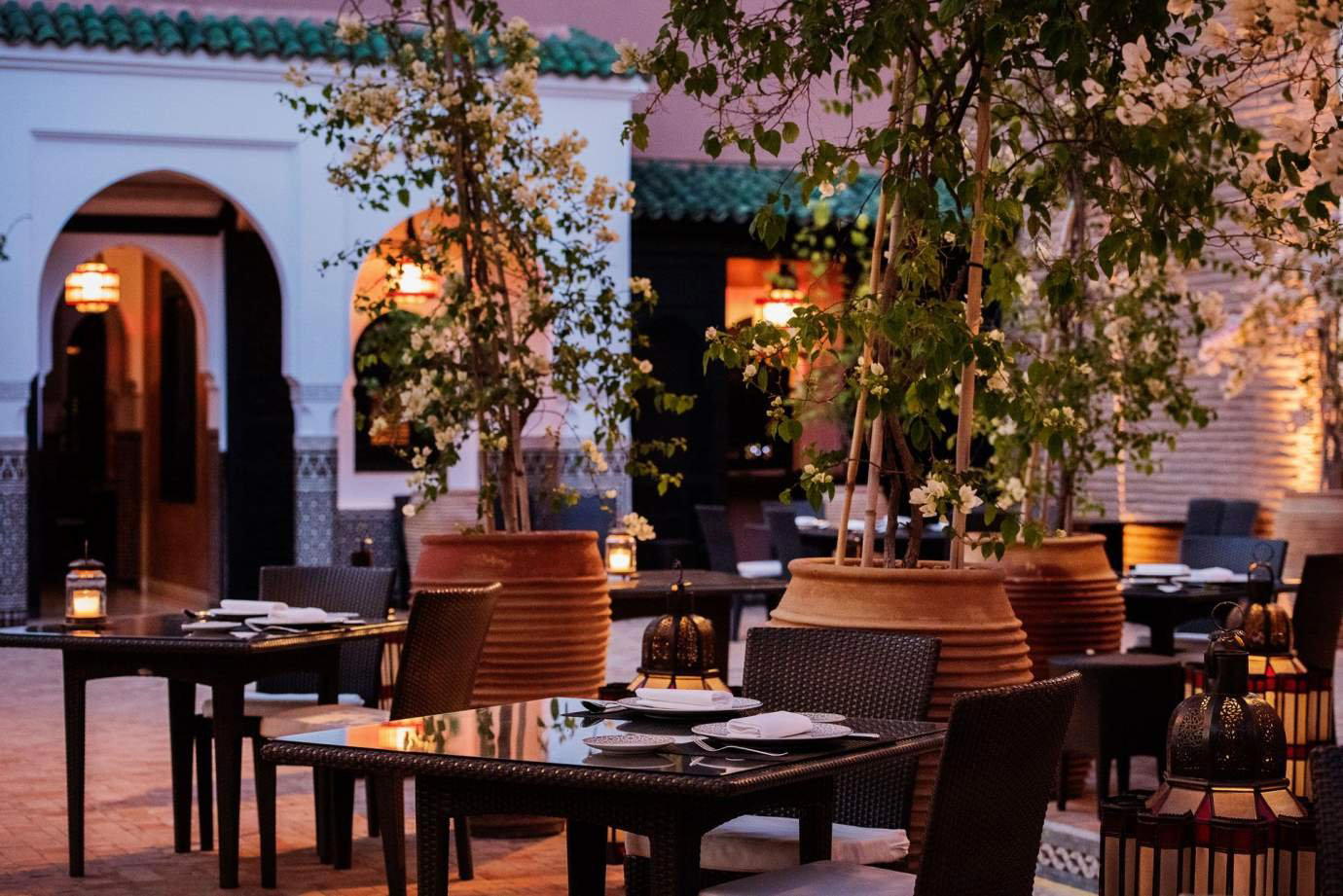
The riad format, a courtyard house that turns inward, organises hospitality around a different geometry than a conventional hotel. The external street facade gives almost nothing away, which is architecturally appropriate and practically disorienting until you understand the convention. Inside, the courtyard becomes the social and spatial centre: a plunge pool or fountain, tiled floors that hold the morning cool, upper terraces that catch afternoon light. This inward-facing logic is what makes the riad category distinct within the global boutique hotel conversation, and it is the quality that Michelin's hotel inspectors appear to be assessing when they select properties in Marrakech's medina.
Properties like AnaYela and Dar Les Cigognes have built reputations on the quality of their courtyard environments and the care taken with interior materials. The selection of zellige tilework, carved plaster, and cedarwood joinery is not decorative detail but structural argument: it tells you whether the property engaged seriously with the tradition or applied a surface version of it. Dar Kandi's Michelin selection implies it cleared that bar, though the specific interior configuration and room count are details the property holds close.
Positioning Within Morocco's Broader Accommodation Range
Dar Kandi sits within a Moroccan hospitality landscape that now spans considerable range. At one end, international resort developments like Hilton Taghazout Bay Beach Resort & Spa in Taghazout and Mazagan Beach & Golf Resort in El Jadida offer standardised luxury at coastal scale. At the other, properties like Dar Ahlam in Ouarzazate and Kasbah Tamadot in Asni have built identities around dramatic landscapes and high-touch service in remote settings. The urban medina riad occupies a different position entirely, competing on specificity of place rather than breadth of programme. Michelin's decision to include Dar Kandi in its 2025 selection acknowledges that the category remains credible and that this property meets the standard the guide applies to it.
Further afield in Morocco's hotel conversation, properties like Palais AMANI in Fès, Riad Mayfez Suites & Spa in Fez, and Fairmont Tazi Palace Tangier in Tangier demonstrate how the medina-riad format translates across different Moroccan cities. Each city has its own version of the tradition, with Fès generally considered to have the most architecturally rigorous medina stock, and Marrakech competing on atmosphere and visitor infrastructure. For travellers building a multi-city Morocco itinerary, understanding where each property sits in its city's riad hierarchy matters more than comparing them across cities directly. Caravan by Habitas Agafay represents yet another Morocco format, the desert-edge camp stay outside Marrakech, which draws a different traveller profile entirely.
Planning a Stay at Dar Kandi
Bab Doukkala is reachable from Marrakech Menara Airport in under thirty minutes by taxi, with the gate itself serving as the navigable landmark since the derb addresses inside the medina do not resolve cleanly on most mapping apps. Arranging a pickup from the property on arrival is the standard approach for first-time medina visitors: the walk from the gate to the riad, while short, requires local knowledge of which derb turns to take. Medina stays in general benefit from advance communication with the property regarding luggage handling, since wheeled cases and narrow lanes are a consistent friction point across the riad category. Contact information for Dar Kandi is best confirmed through the Michelin Hotels listing or the property's direct booking channel, as operational details can shift.
Marrakech's peak seasons run from March through May and September through November, when temperatures sit at manageable levels and the city's calendar of cultural events fills in. Summer stays in the medina are possible but require heat tolerance: July and August regularly push above 38°C, and the narrow lanes that provide shade also trap warmth. The Michelin selection holds for the 2025 edition, which is the current trust signal for the property's quality standing.
For a broader orientation to Marrakech's accommodation and dining scene, our full Marrakech restaurants guide maps the city's offer across neighbourhoods and categories. Those cross-referencing against global luxury hotel standards may find context in how properties like Badrutt's Palace Hotel in St. Moritz and Hôtel de Paris Monte-Carlo in Monte Carlo operate at the high end of that conversation, against which Marrakech's riad category competes on a completely different value proposition: not scale or amenity depth, but the quality of place that only an inward-facing courtyard house in a functioning medina can deliver.
Cuisine and Credentials
Comparable venues nearby, for context on price, style, and recognition.
| Venue | Cuisine | Price | Awards | Notes |
|---|---|---|---|---|
| Dar KandiThis venue — the venue you are viewing | Historic riad blending Moroccan tradition with contemporary elegance | $100–200 | Michelin Selected | Not listed |
| L'Hôtel Marrakech | Luxury boutique riad combining 19th-century Moroccan architecture with contemporary design curated by fashion designer Jasper Conran. | $500–750 | Michelin Selected · La Liste Top Hotels | Marrakech-Médina |
| Les Jardins de la Médina | Traditional Moroccan riad with modern comforts | $200–300 | Michelin Selected | Méchouar-Kasba |
| Riad Dar Saad - Hammam & Spa | Restored 18th-century riad with interconnected houses offering intimate boutique luxury | $100–200 | Michelin Selected | Marrakech-Médina |
| Dar Darma | Historic riad blending traditional Moroccan architecture with oriental-chic luxury. | Not listed | Michelin Selected | Marrakech-Médina |
| Domaine des Remparts Hotel & Spa | Elegant boutique resort in palm grove setting | $200–300 | Michelin Selected | Annakhil |
Recognition history
Dated appearances from independent guides and award organizations, with the underlying list record or original source where available.
Michelin Selected
Michelin
Continue exploring
More in Marrakech
Hotels in Marrakech
All hotels in Marrakech →
Bars in Marrakech
All bars in Marrakech →
Restaurants in Marrakech
All restaurants in Marrakech →
Wineries in Marrakech
Browse all →
Details
- Romantic
- Quiet
- Elegant
- Intimate
- Sophisticated
- Romantic Getaway
- Honeymoon
- Weekend Escape
- Rooftop Pool
- Garden
- Terrace
- Historic Building
- Pool
- Spa
- Wi Fi
- Room Service
- Concierge
- Restaurant
- Garden
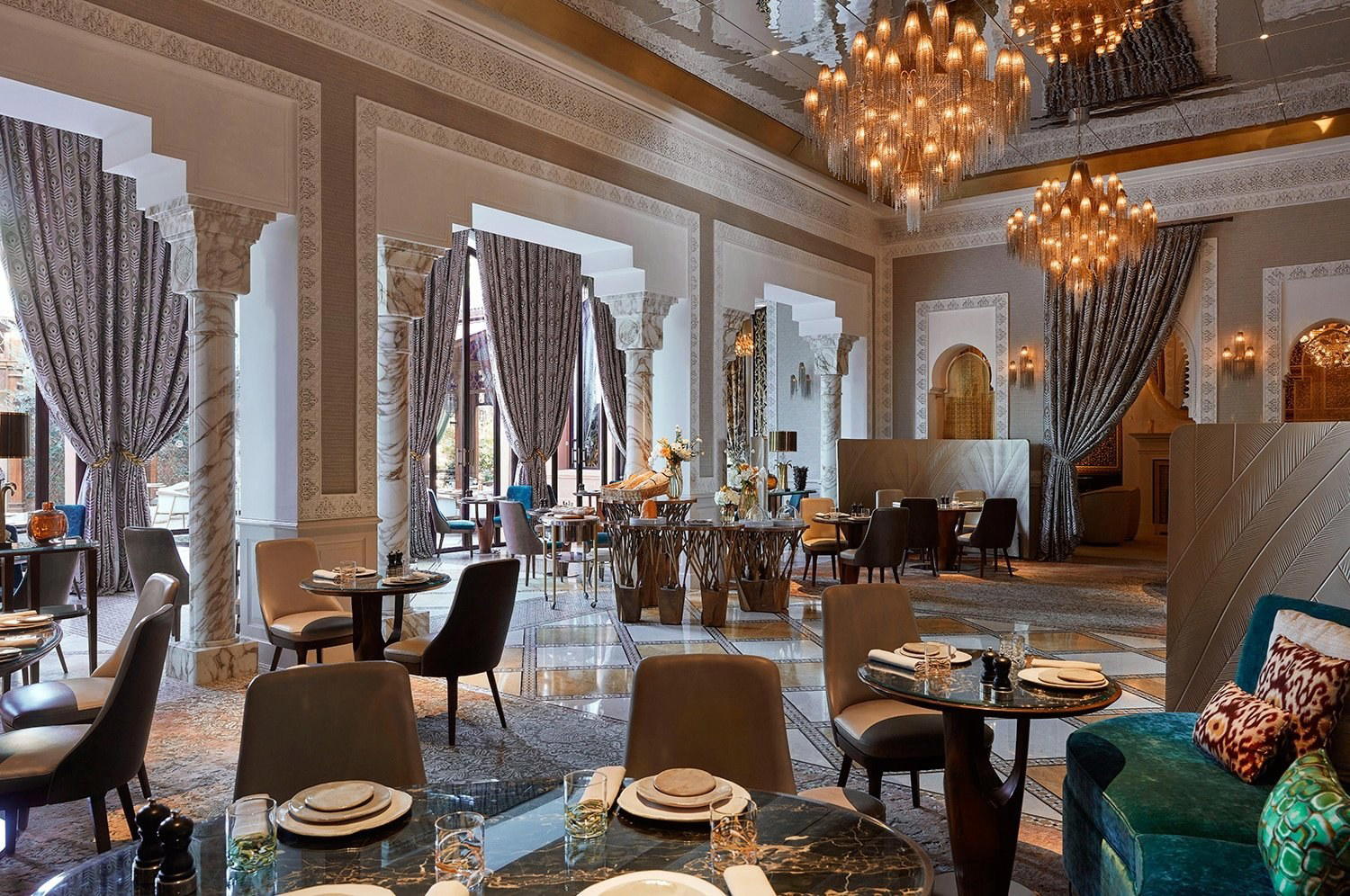
Understated elegance blending effortless style, refined yet unpretentious atmosphere, with serene lighting and tranquil relaxation spaces.