Hotel Alexandra occupies a quieter register in Rome's Via Veneto corridor, where the grand postwar boulevard has largely given way to a more considered, design-conscious hospitality offer. Without the institutional scale of the street's historic flagships, it positions itself toward travelers who want proximity to the centre without the full ceremony of a landmark address. Practical, centrally located, and operating in a mid-tier category that suits both business and leisure stays.

Pearl is the En Primeur Club membership app, where members save venues, book tables and use the concierge.

The Via Veneto Context: What the Address Actually Means
Rome's hotel offer splits, roughly, into two forces: the grand institution and the design-led boutique. The Via Veneto corridor has long been associated with the former, wide pavements, embassy adjacency, and properties whose lobbies are designed to signal arrival rather than comfort. Hotel Alexandra sits within this geography but operates at a different register, the kind of address that trades on neighbourhood prestige without requiring guests to absorb the full ceremonial weight of a landmark Roman hotel.
That positioning matters more than it might appear. The blocks surrounding Via Veneto place guests within walking range of the Borghese gardens, the Trevi Fountain catchment, and the Termini transport axis. For a city where orientation determines how much of your day survives the logistics of getting around, the address carries practical weight independent of the hotel's own qualities. Properties in this corridor, from the larger flagships to smaller independent houses, benefit from a geography that requires relatively few transfers and connects naturally to Rome's historic centre on foot or by brief taxi.
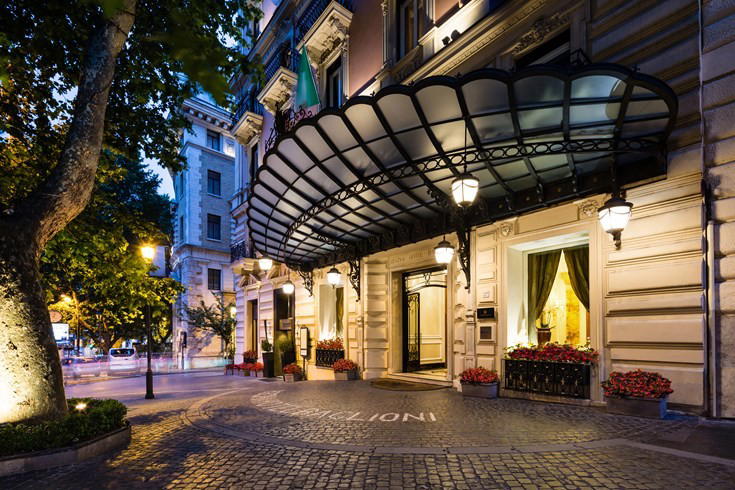
For comparison, the heavier-infrastructure end of the Roman luxury market is well represented in the same general zone. Bulgari Hotel Roma operates at the top of the price and design tier nearby, while Hotel Eden brings the Rocco Forte brand and rooftop views of the city to the Pincian Hill. Hotel Alexandra's position is deliberately less stratospheric, a practical choice for travelers who find the full-service flagship format excessive for a short Roman stay.
How Rome's Mid-Tier Hotel Category Has Shifted
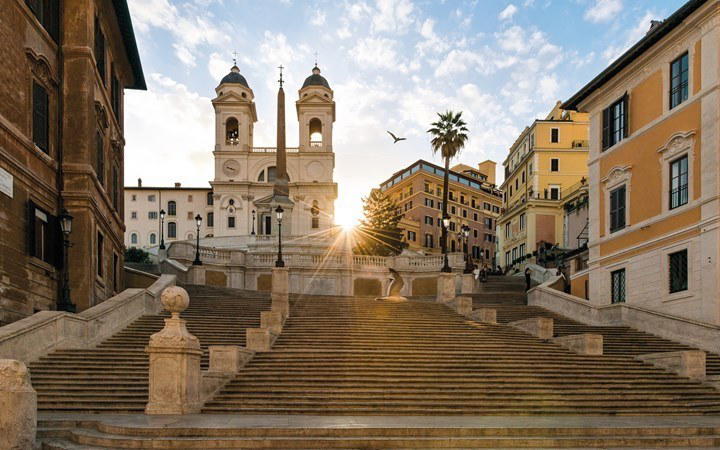
Rome's independent hotel market has been reshaped over the past decade by the arrival of design-focused international players and the renovation of several historic properties. The result is a more defined gap between the institutional five-star (properties like Hassler Roma at the top of the Spanish Steps, or Portrait Roma with its Lungarno group backing) and the smaller, more character-driven properties that have emerged in neighbourhoods like Prati, Trastevere, and the historic Rione districts.
The mid-tier in Rome still carries specific risks. Properties that haven't been renovated recently can feel caught between ambitions, too expensive to compete on price with newer budget entrants, not distinctive enough in design or service to justify boutique rates. The most successful independent addresses in this bracket have typically committed to a clear editorial identity: Hotel Locarno leans on its 1925 Art Nouveau fabric and Liberty-era details, while Hotel Vilòn deploys a strong curatorial design sensibility in a palazzo setting near the Corso. Hotel Alexandra's position in this landscape is that of a conventional Via Veneto address rather than a design-led proposition.
Travelers comparing options in this tier should also consider Maalot Roma and JK Place Roma, both of which bring more pronounced design investment and have established stronger critical profiles in recent years.
What the Address Reveals About the Roman Stay Format
Rome rewards guests who understand that the city's principal drawback is not quality of experience but friction of movement. The centro storico is compact but dense; traffic, limited ZTL access zones, and summer crowds mean that where you sleep shapes every itinerary decision. Hotels in the Via Veneto zone offer a particular compromise: they are genuinely central without being embedded in the most congested pedestrian blocks, and they typically provide easier vehicle access than addresses deep in the historic core.
This is the practical case that properties like Hotel Alexandra implicitly make. The surrounding area supports the kind of Roman stay built around the Borghese gallery visit, an evening passeggiata down to the Pincio, and access to the republic-era streets below. It is a neighbourhood format suited to travelers who want to use the city rather than to be positioned as a spectacle within it, unlike stays closer to the Colosseum or the Piazza Navona cluster, where the hotel's proximity to monuments becomes its primary argument.
Guests planning longer Italian itineraries alongside a Rome base might look at the broader EP Club coverage: Aman Venice in Venice, Four Seasons Hotel Firenze in Florence, and Castello di Reschio in Lisciano Niccone each represent different points on the Italian itinerary spectrum. For coastal extensions, Borgo Santandrea on the Amalfi Coast and Il San Pietro di Positano sit within reasonable drive distance of Rome as a southern continuation. Further afield, Borgo Egnazia in Puglia and Rosewood Castiglion Del Bosco in Montalcino round out the options for travelers building an extended Italian circuit.
Planning a Rome Stay: Practical Framing
Rome's hotel market peaks from late April through September, with the Easter and early summer windows particularly compressed at the top of the market. Properties along Via Veneto and its immediate tributaries tend to fill earlier than lesser-known addresses in outer neighbourhoods, partly because of their visibility in search and partly because the corridor remains a default reference for travelers who know the city's geography from prior visits or cultural reference. Booking three to four months ahead is a reasonable baseline for spring and summer travel in this zone.
For dining, the area around Via Veneto has improved significantly from its 1990s nadir as a tourists-only strip; the blocks behind the main boulevard and toward the Quartiere Salario now carry a more credible neighbourhood restaurant offer. That said, the most interesting Roman dining is distributed across the city rather than concentrated in any one zone. Our full Rome restaurants guide maps the current scene in more detail, covering everything from the Roman trattoria tradition in Testaccio to the newer generation of chef-driven formats in Prati and beyond.
Guests for whom the Via Veneto corridor does not fit should look at the broader Rome property set. Portrait Roma near the Spanish Steps offers a suite-led format with Lungarno-group backing. JK Place Roma brings a consistent design identity and smaller room count that suits travelers who find larger hotels impersonal. For those extending internationally, Passalacqua in Moltrasio on Lake Como, Casa Maria Luigia in Modena, and Il Pellicano in Porto Ercole each offer distinct Italian experiences worth considering in a wider itinerary. For those connecting through New York, The Fifth Avenue Hotel, Aman New York, and the more remote Amangiri in Canyon Point cover different ends of the American market. JK Place Capri and Corte della Maestà in Civita di Bagnoregio round out options for guests looking for something more geographically specific within Italy. The Portrait Milano addresses the northern Italy urban stay for those splitting their time between cities.
How It Stacks Up
Comparable options at a glance, pulled from our tracked venues.
| Venue | Awards |
|---|---|
| Hotel AlexandraThis venue (the venue you are viewing) | Not listed |
| Bulgari Hotel Roma | 3 Michelin Keys · World's 50 Best #32 |
| Rocco Forte Hotel De La Ville | 2 Michelin Keys · Forbes 5-Star |
| Rocco Forte Hotel de Russie | 2 Michelin Keys · La Liste Top Hotels |
| Singer Palace Hotel | 1 Michelin Key · Virtuoso Luxury Hotel Partner |
| Six Senses Rome | 1 Michelin Key · Virtuoso Luxury Hotel Partner |
Continue exploring
More in Rome
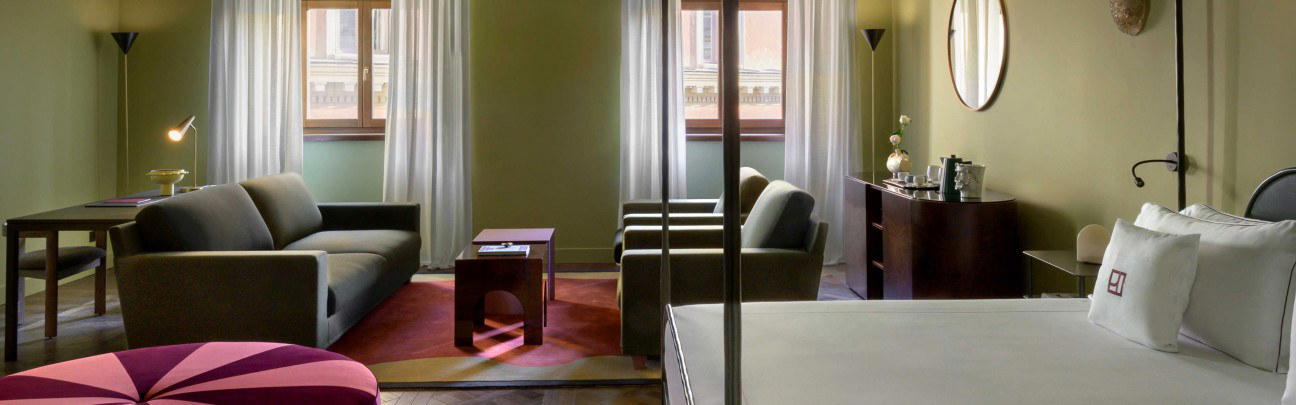
Hotels in Rome
All hotels in Rome →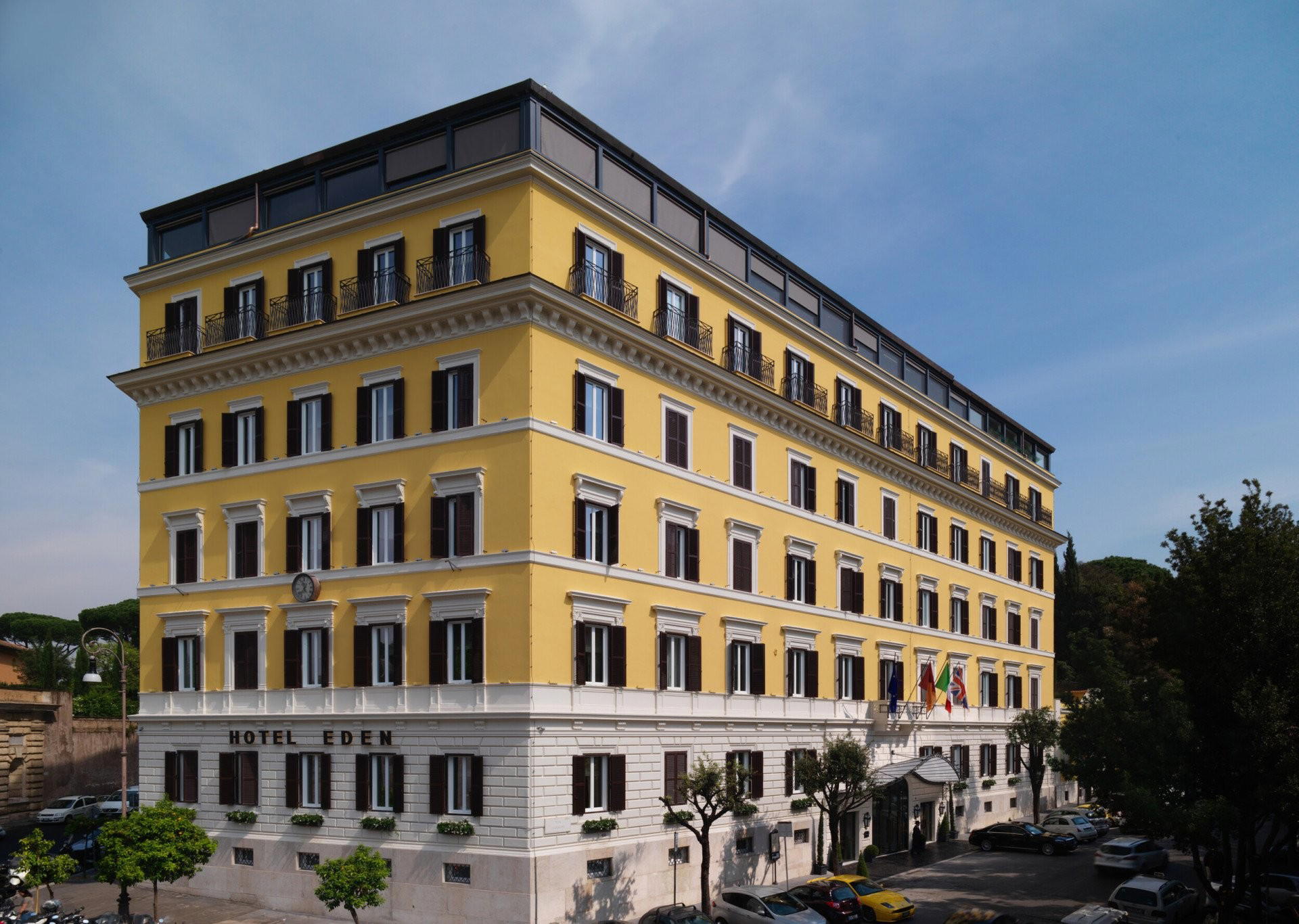
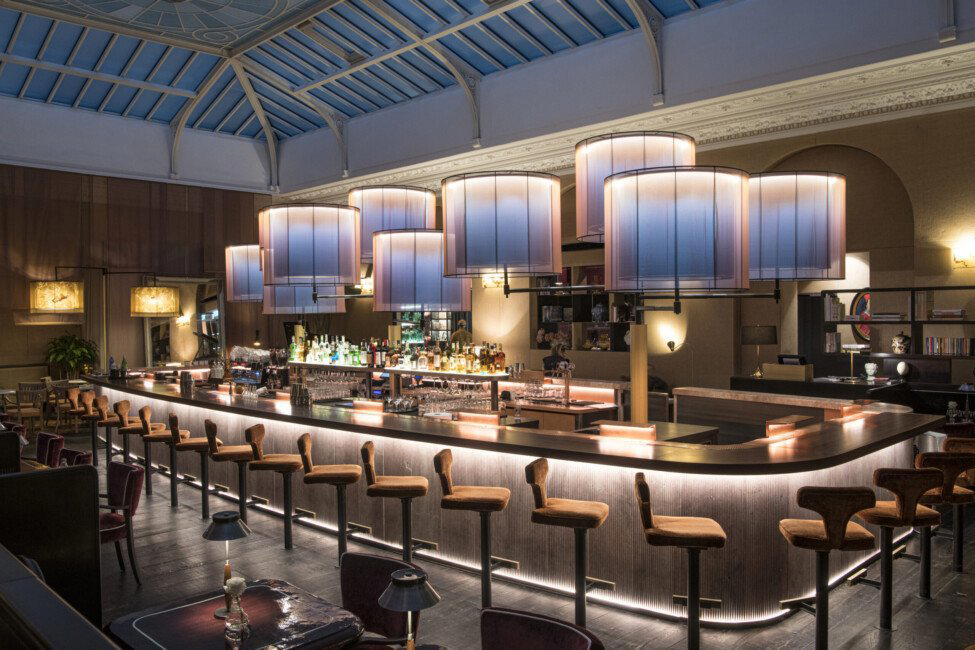
Bars in Rome
All bars in Rome →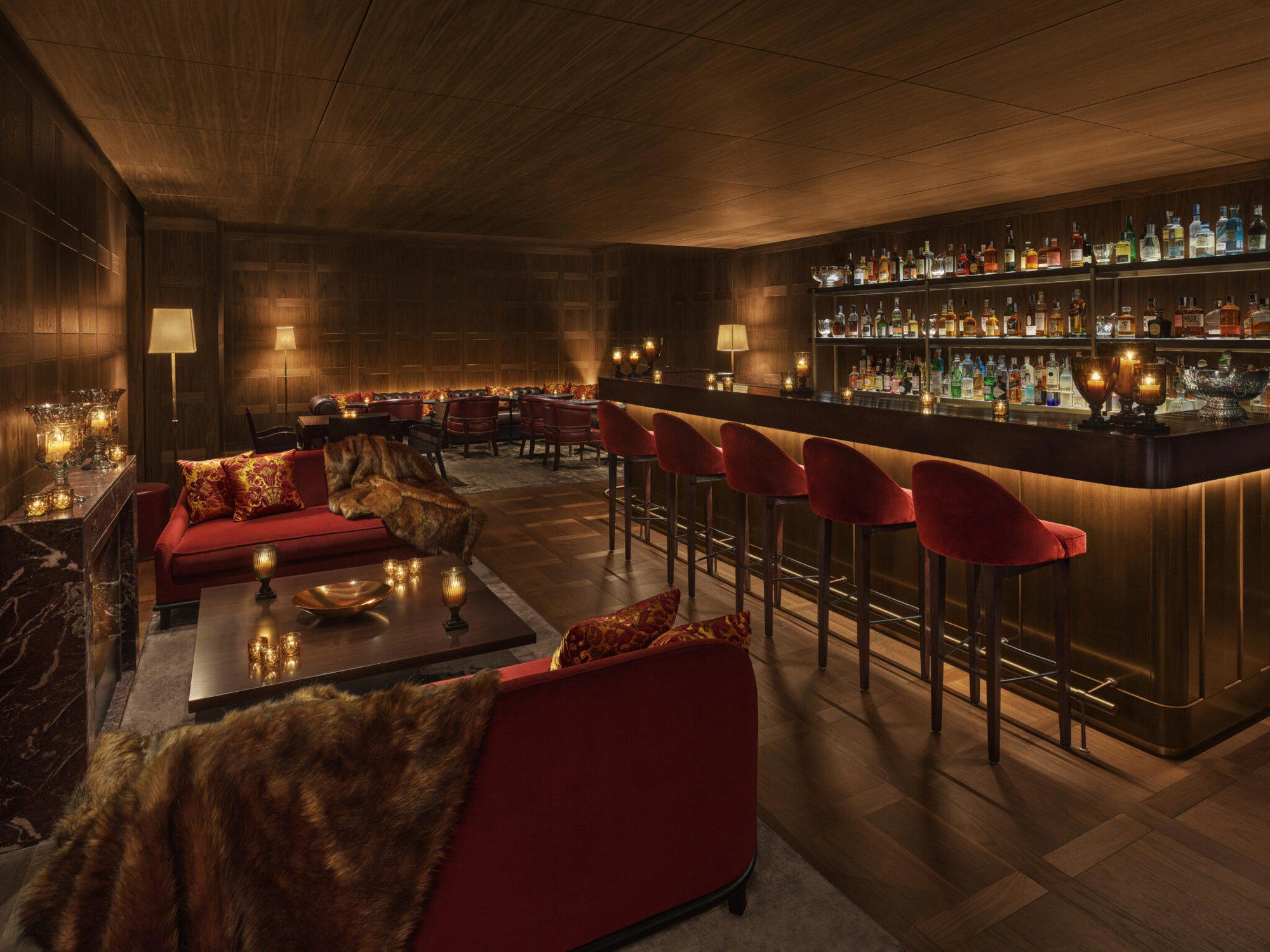
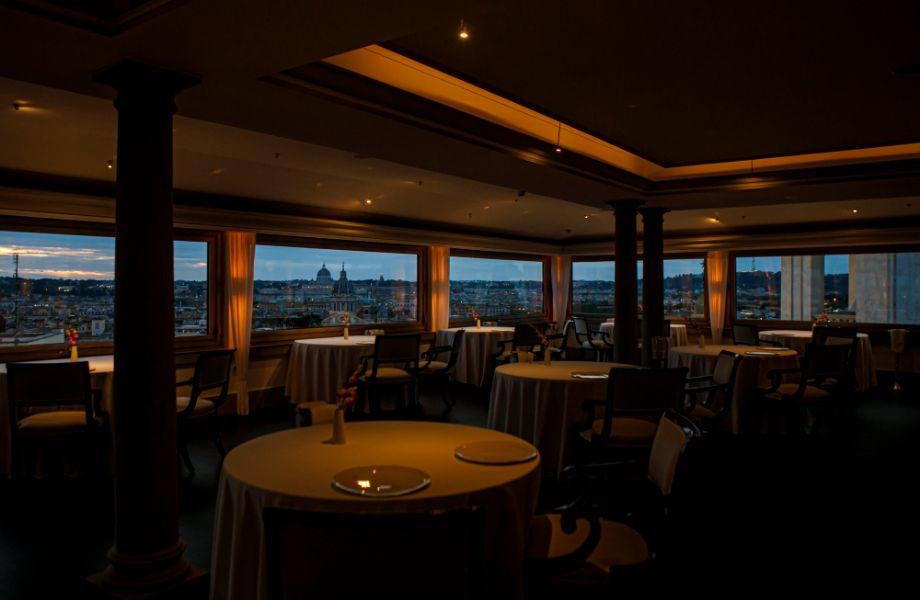
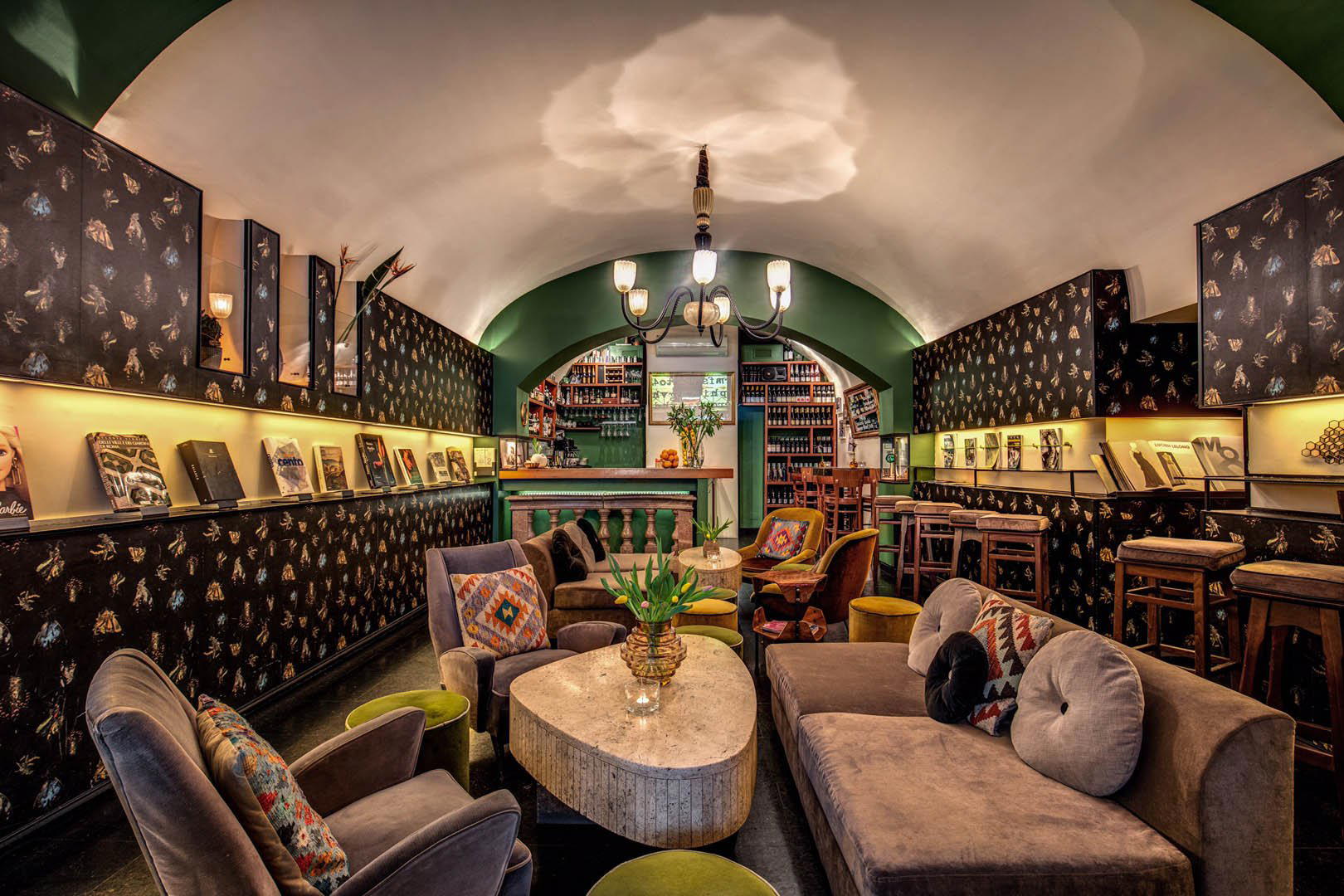
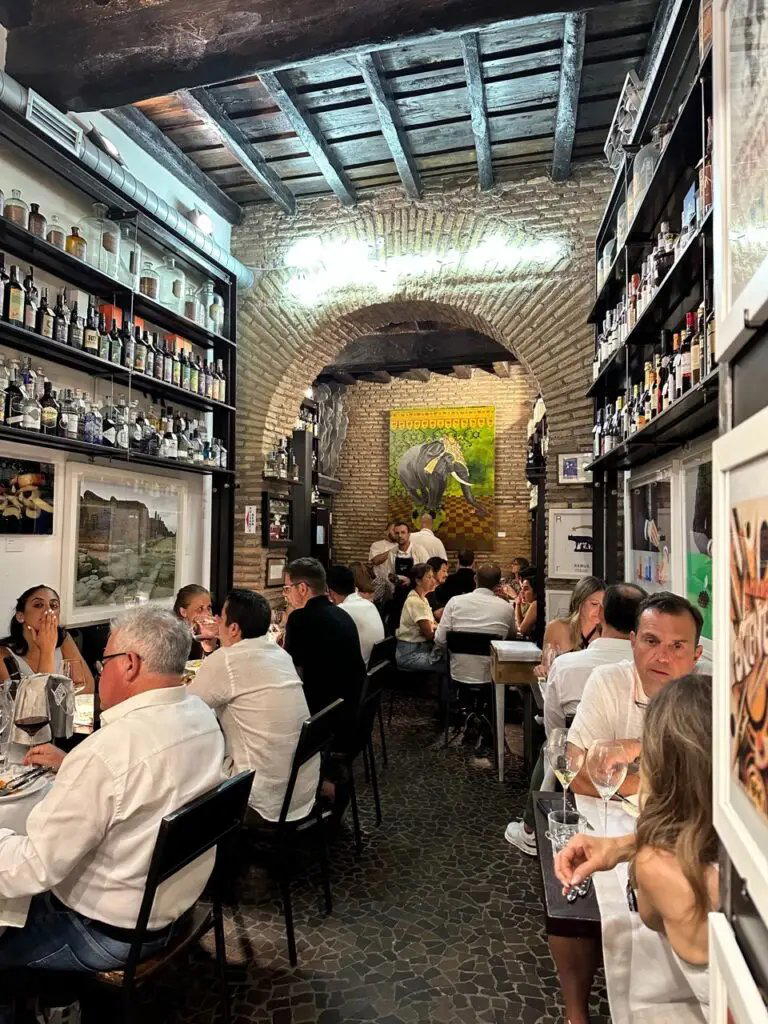
Restaurants in Rome
All restaurants in Rome →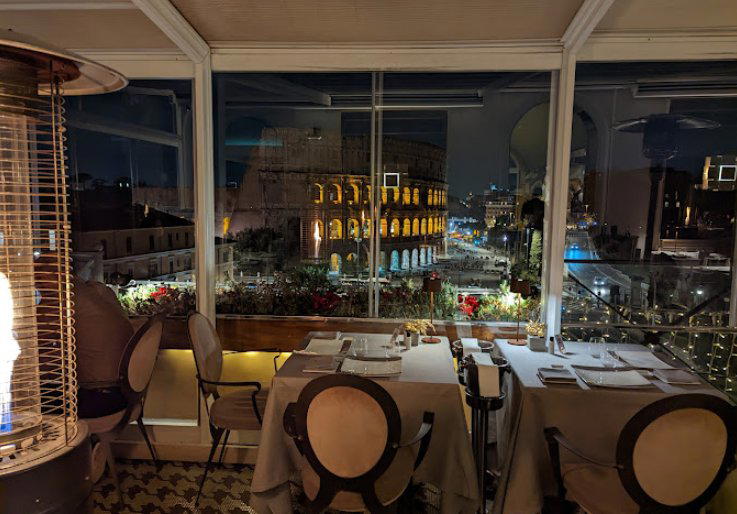
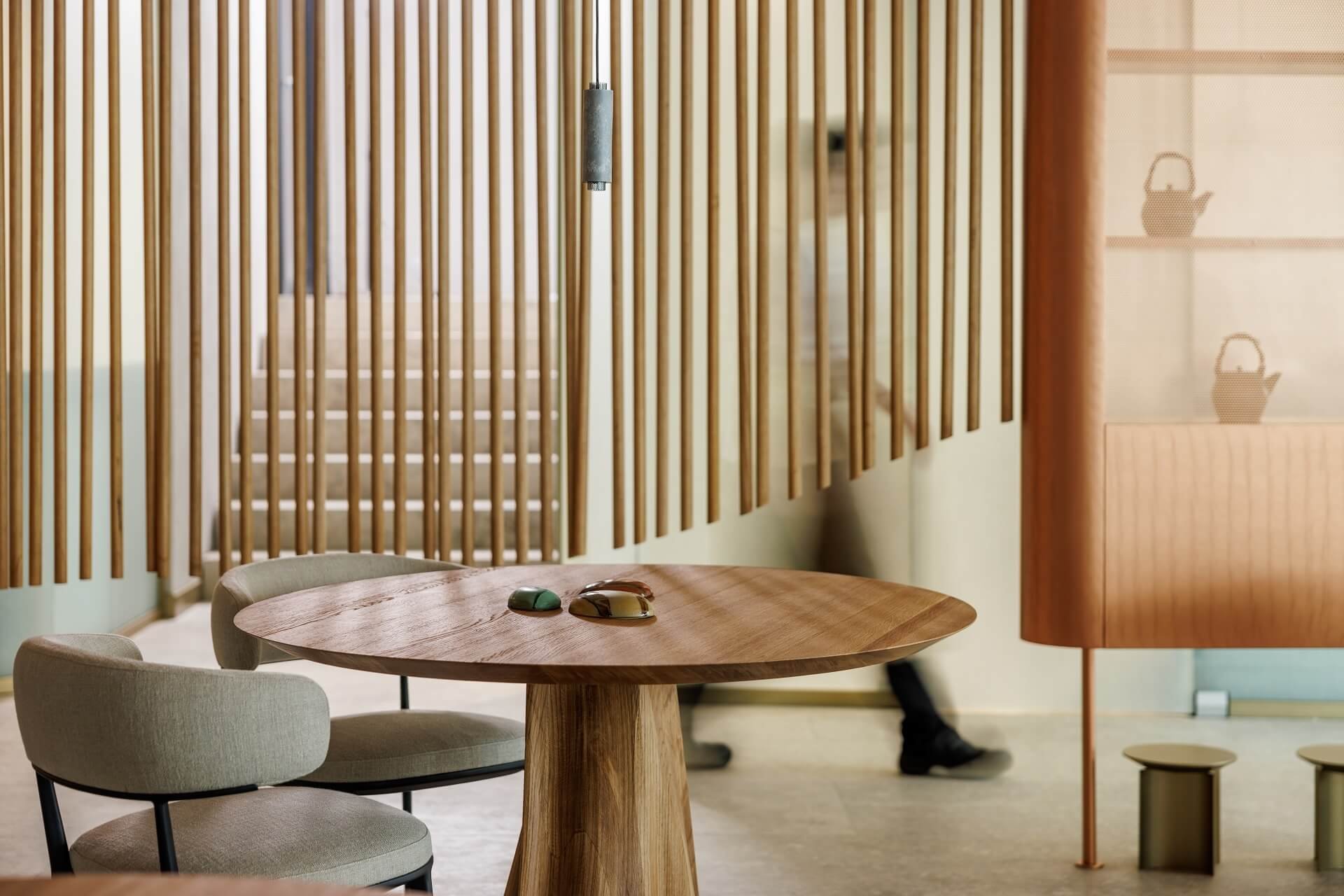

Details
- Elegant
- Classic
- Sophisticated
- Romantic Getaway
- Business Trip
- Weekend Escape
- Historic Building
- Garden
- Terrace
- Wi Fi
- Room Service
- Concierge
- Garden
- Street Scene
- Elevator
Serene retreat with classic Italian charm, tasteful decorations, soundproofed rooms, and lush garden oasis amid lively Dolce Vita.