
Michelin Selected for 2025, The Radical Hotel Roma occupies a deliberate position in Rome's converging design-hotel tier, where independent properties are redefining what a Roman address can feel like. Located at 7 Via Umbria in the Veneto quarter, it sits between the grand-palace tradition and a newer wave of concept-driven hospitality that treats the building itself as an editorial statement.
Pearl is the En Primeur Club membership app — saves, bookings, and concierge access live there. Same editors, same standards.
- Address
- 7 Via Umbria, Rome, Italy
- Phone
- +39 06 9893 7366
- Directions
- Get directions
 Saves & bookings on Pearl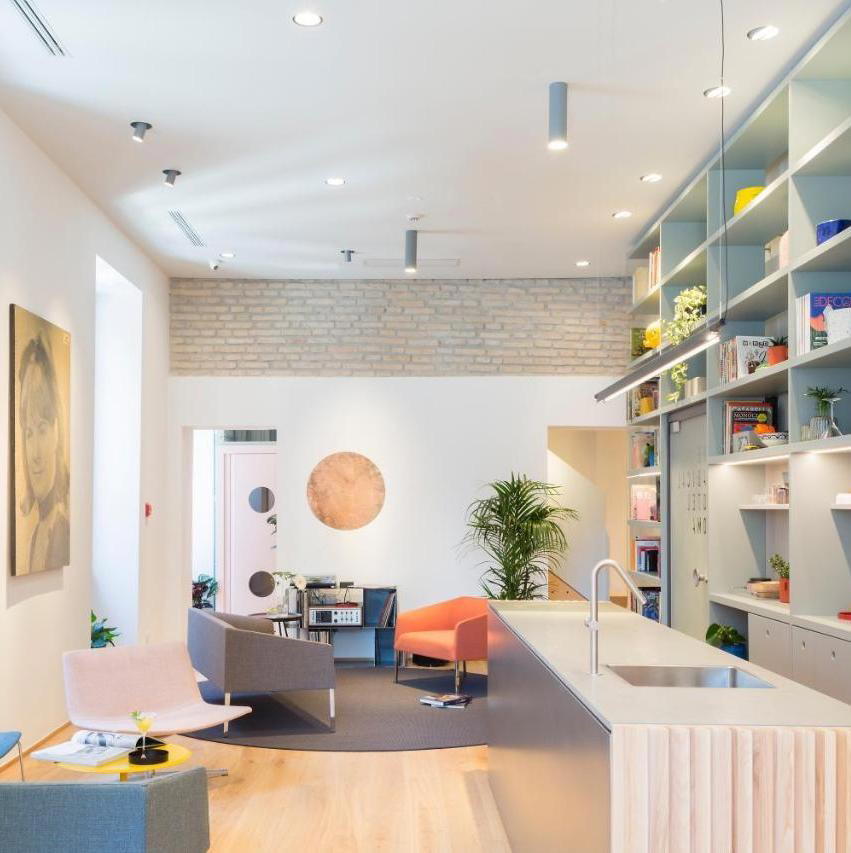
Rome's Design-Hotel Shift and Where The Radical Sits
Rome's luxury hotel market spent decades organized around a clear hierarchy: grand palaces near the Spanish Steps, a clutch of discreet townhouse properties, and everything else. That structure has been disrupted, slowly and then quickly, by a wave of design-led independents that treat the Roman address as a canvas rather than a credential. The Radical Hotel Roma, at 7 Via Umbria in the Veneto district, arrives in that context, a property whose name is a program, positioned in the tier where concept and curation are doing more work than heritage or scale.
The Radical Hotel Roma is a 3-star hotel in Rome's Veneto quarter, at 7 Via Umbria, with Michelin Selected 2025 recognition. Michelin's hotel selection process evaluates character, service quality, and the internal coherence of a property's identity, not simply thread count or lobby grandeur. Inclusion alongside Rome's more established addresses signals that the property has achieved a legible point of view, which is precisely what this tier of the market rewards. For comparison, the Michelin Selected designation also appears on properties like Hotel Vilòn and Maalot Roma, smaller, design-conscious Roman hotels that have built reputations on atmosphere and specificity rather than on institutional scale.
The Veneto Quarter as Context
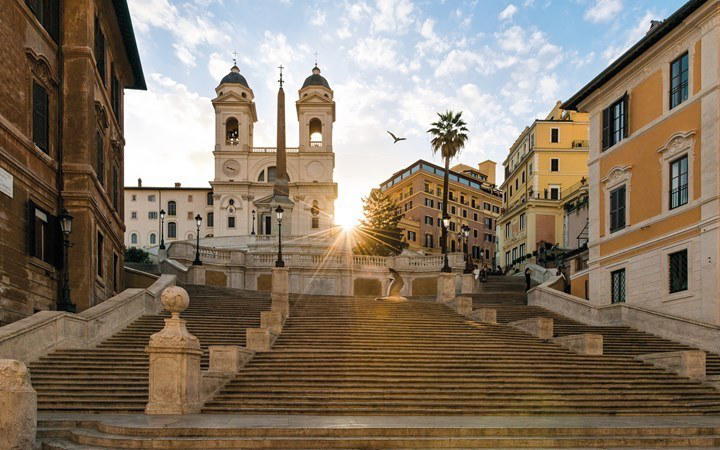
Via Umbria sits in the stretch between the Borghese Gardens and Via Veneto, a neighbourhood that carries its own layered history. Via Veneto was the epicentre of Rome's postwar dolce vita, the pavement cafes, the foreign correspondents, the era captured in Fellini's lens. That energy dissipated for decades, leaving the area in a kind of elegant dormancy. The recent return of design-led properties to this quarter is part of a broader pattern visible across European capitals: hospitality investment gravitating toward neighbourhoods with dormant cultural capital that can be reactivated rather than invented from scratch.
That positioning matters for The Radical specifically. The property doesn't have to manufacture a sense of place, the neighbourhood provides the bones, and the hotel's job is to find a contemporary frequency that sits inside them. This is a different challenge from, say, a grand-palace hotel on a trophy street, where the building's reputation precedes every guest. Design hotels on secondary-but-resonant streets have to earn attention through coherence of experience, and the Michelin recognition suggests this one has made a credible case.
The Evolution of the Roman Independent Hotel
The current generation of Roman independents has moved through several phases. Early design-hotel entrants in the 2000s competed on aesthetics alone, a recognizable architect, a statement lobby, a rooftop bar. The second wave added programming depth: partnerships with local artisans, food and beverage concepts with actual editorial identity, and room designs that referenced local craft rather than imported minimalism. The Radical's name implies it is operating in a third register, one where the hotel's position relative to the mainstream is itself the premise.
This approach has precedents in other Italian cities. Casa Maria Luigia in Modena built an identity around a specific cultural and culinary ecosystem. Passalacqua in Moltrasio took a historic villa and reframed it through a contemporary hospitality lens that earned World's Leading Hotel recognition in 2023. These are properties where the concept precedes the execution, and the guest experience is understood as a coherent argument rather than a menu of amenities. The Radical's framing fits that lineage, even if its Roman urban context presents different constraints and opportunities than a lakeside villa or a Modena farmhouse.
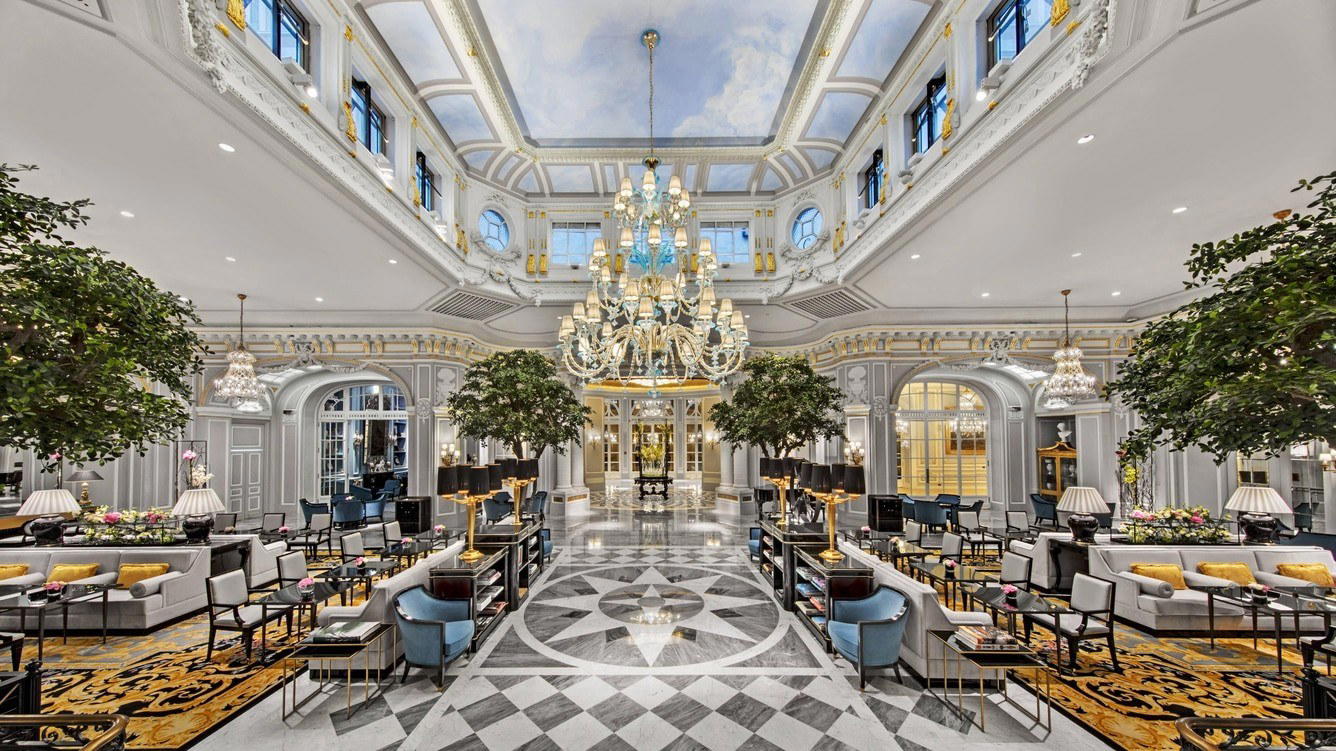
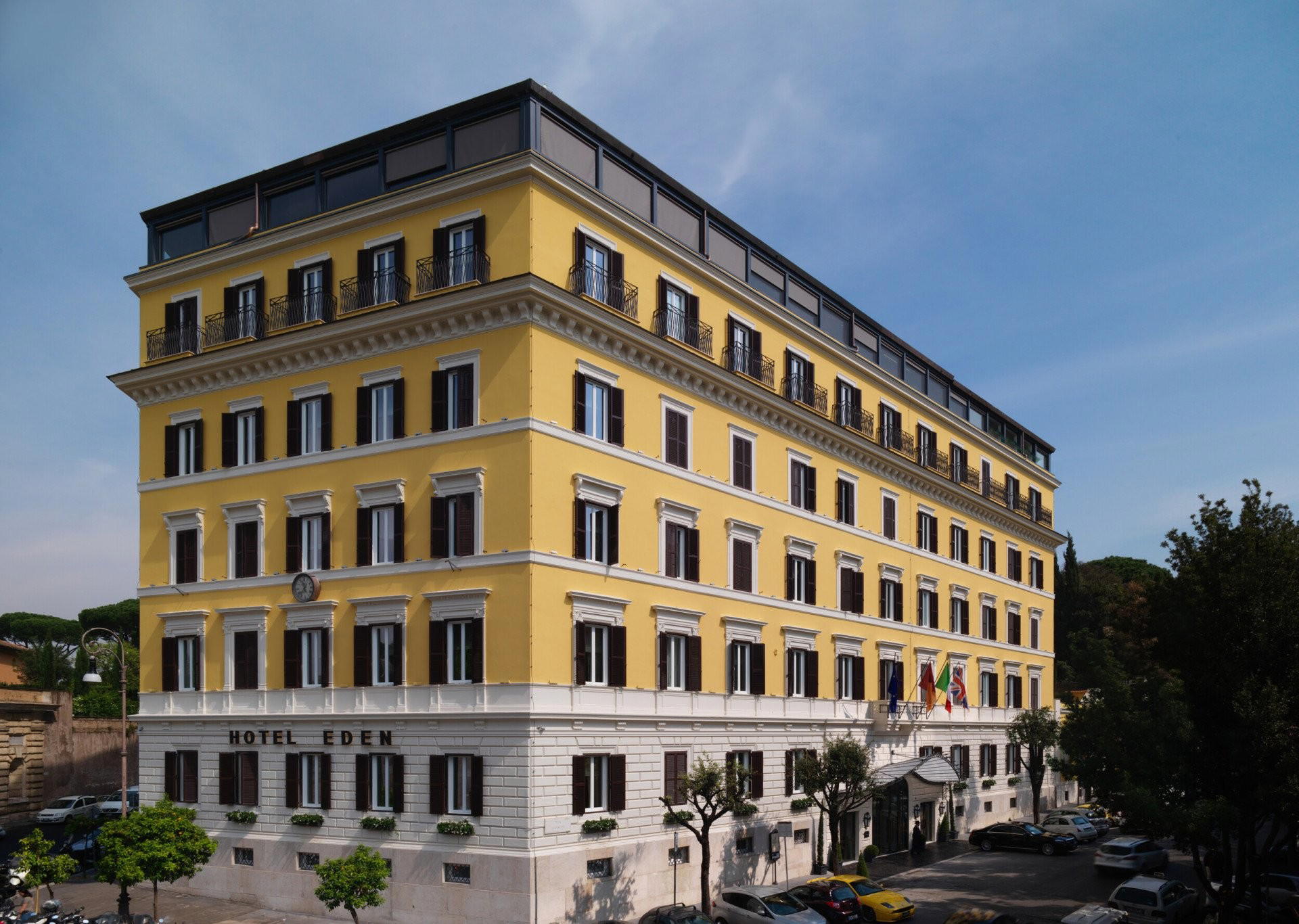
Among Rome's more established options, Portrait Roma and JK Place Roma occupy the intimate-luxury tier with strong design credentials of their own. At the opposite end of the scale, Bulgari Hotel Roma and Hotel Eden anchor the grand-scale end of the market. The Radical's apparent positioning sits between those poles, in the zone where atmosphere is the product and where guests are selecting it as a counterpoint to both the palace hotels and the anonymous international chains.
What Michelin Selection Actually Signals
It is worth being precise about what the Michelin Selected designation means in the hotel context, because it carries different weight from a restaurant star. Michelin's hotel program, distinct from its restaurant guide, does not use a star hierarchy in the same way. Selected status indicates that inspectors found the property worth recommending to a reader who trusts the Michelin editorial standard. It is a quality floor, not a ceiling ranking. That said, in a city where Hassler Roma and Hotel Locarno represent different ends of the Michelin Selected spectrum, the designation is more useful as a trust signal than as a comparative rank.
For international travellers familiar with Michelin hotel selections across Europe, properties like Aman Venice, Four Seasons Hotel Firenze, or Il Pellicano in Porto Ercole, the selection signals that The Radical has cleared a baseline of quality and coherence that makes it a reasonable entry point for a first stay.
Planning a Stay
The property is located at 7 Via Umbria, within walking distance of the Borghese Gardens and the upper end of Via Veneto, which makes it a reasonable base for guests who want proximity to the Villa Borghese gallery complex and the quieter northern residential quarters of central Rome. Direct booking is advisable for design-led properties of this type, where room allocation and service personalisation tend to be handled more attentively through the hotel directly than through third-party platforms, though specific booking channels are best confirmed on the hotel's own channels, as phone and website details were not available at the time of publication.
Travellers building an Italian itinerary around design-led properties might also consider Castello di Reschio in Lisciano Niccone, Rosewood Castiglion Del Bosco in Montalcino, or Borgo Santandrea on the Amalfi Coast as complementary stops that share a similar emphasis on specificity of place and considered design.
Price and Recognition
Comparable venues nearby, for context on price, style, and recognition.
| Venue | Price | Awards | Notes |
|---|---|---|---|
| The Radical Hotel RomaThis venue — the venue you are viewing | $$$ | 3-Star | Not listed |
| Gigli d'Oro Suite Hotel | $$$ | 3-Star | Ponte, Historic boutique palazzo with modern luxury suites |
| Condominio Monti | $$$ | 3-Star | Monti, Renovated early 1900s apartment building transformed into a modern boutique hotel. |
| Campo de Fiori Suits | $$$ | 4-Star | San Eustachio, Elegant independent boutique blending historic charm with modern comforts. |
| Boutique Hotel Anahì | $$$ | 3-Star | Campo Marzio, Art Nouveau boutique in historic building |
| Mama Shelter Roma | $$$ | 4-Star | Monte Mario, Playful urban design hotel blending classical modernism with postmodern irreverence and street art aesthetics. |
Recognition history
Dated appearances from independent guides and award organizations, with the underlying list record or original source where available.
Michelin Selected
Michelin

At a Glance
- Modern
- Minimalist
- Trendy
- Elegant
- Romantic Getaway
- Weekend Escape
- Design Destination
- Historic Building
- Wi Fi
- Room Service
- Concierge
- Bar
- Air Conditioning
- Elevator
- Street Scene
- Wi Fi
- Room Service
- Concierge
- Bar
- Air Conditioning
- Elevator
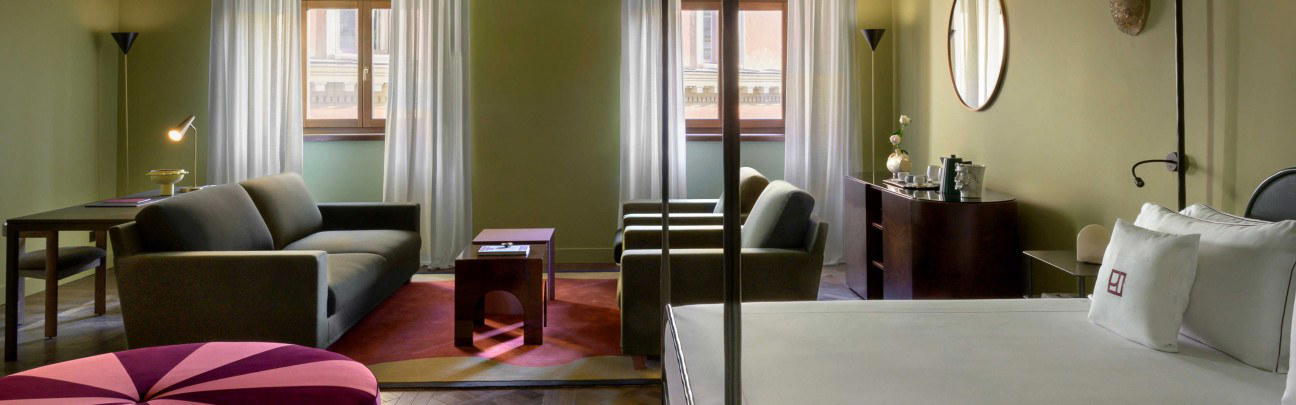
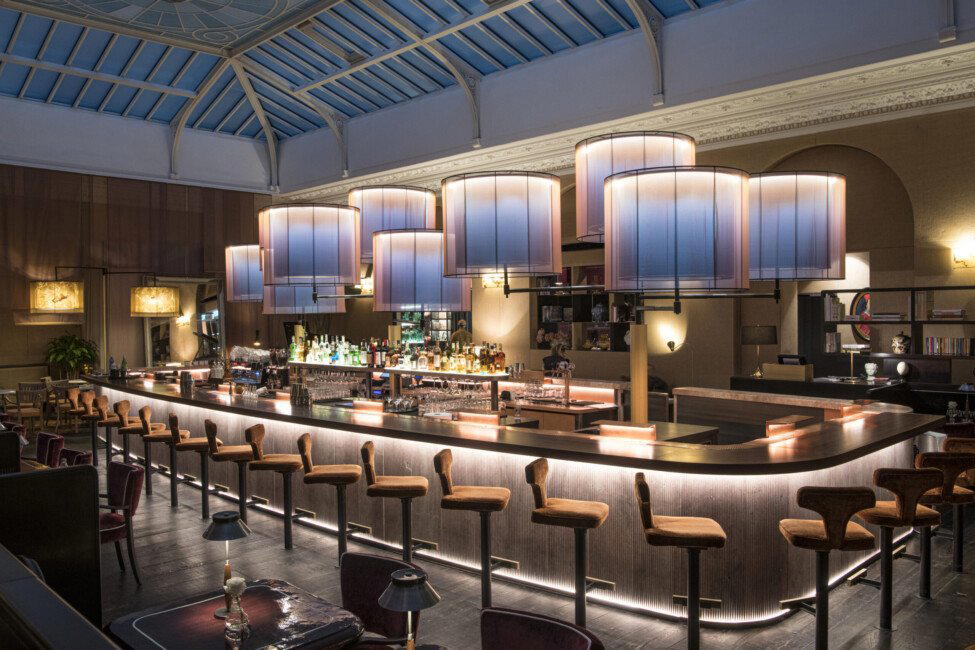
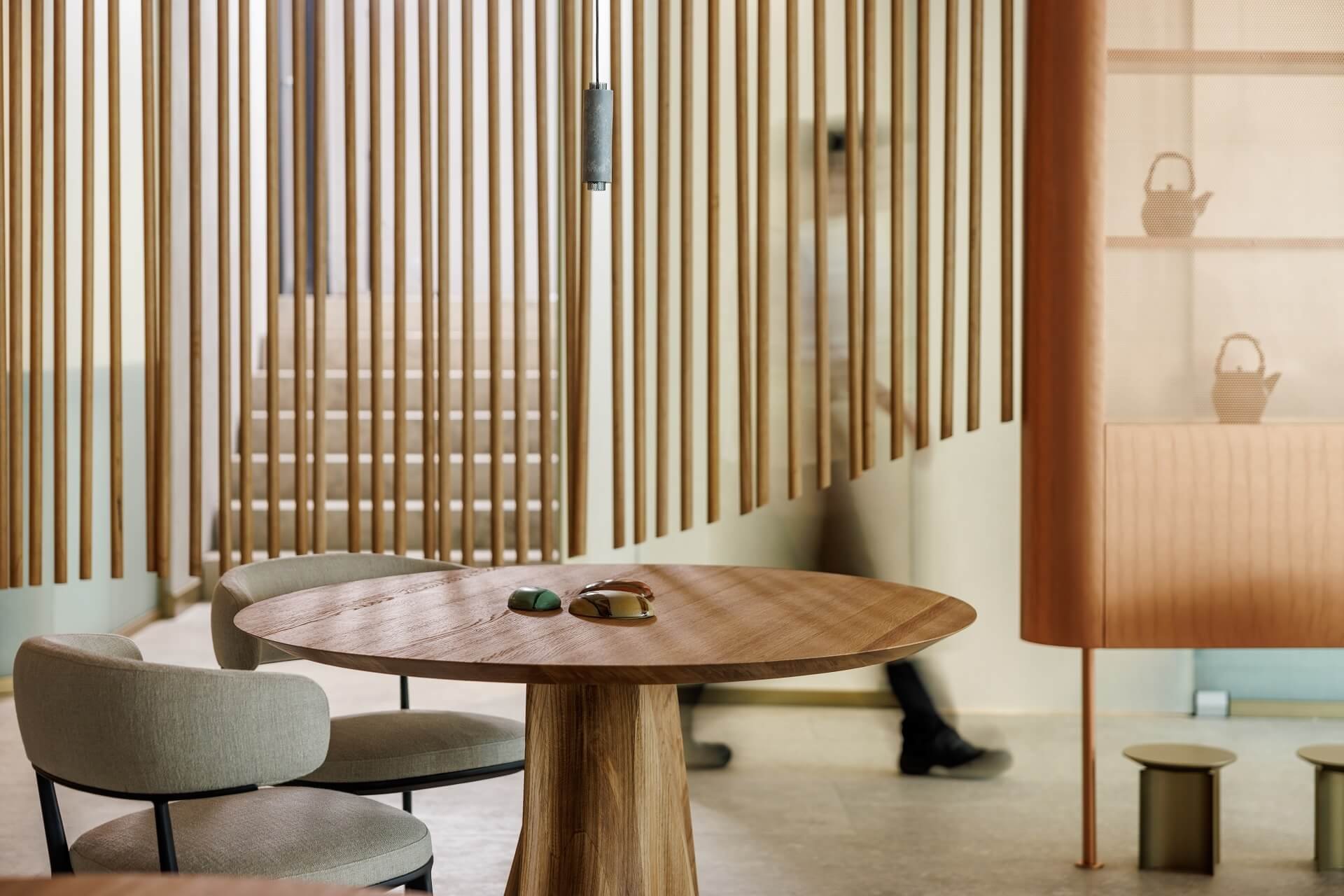
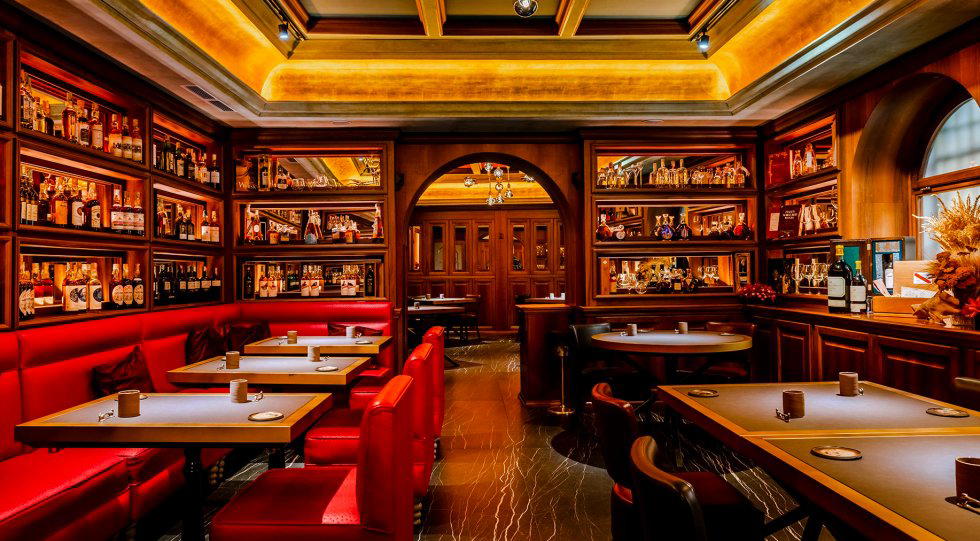
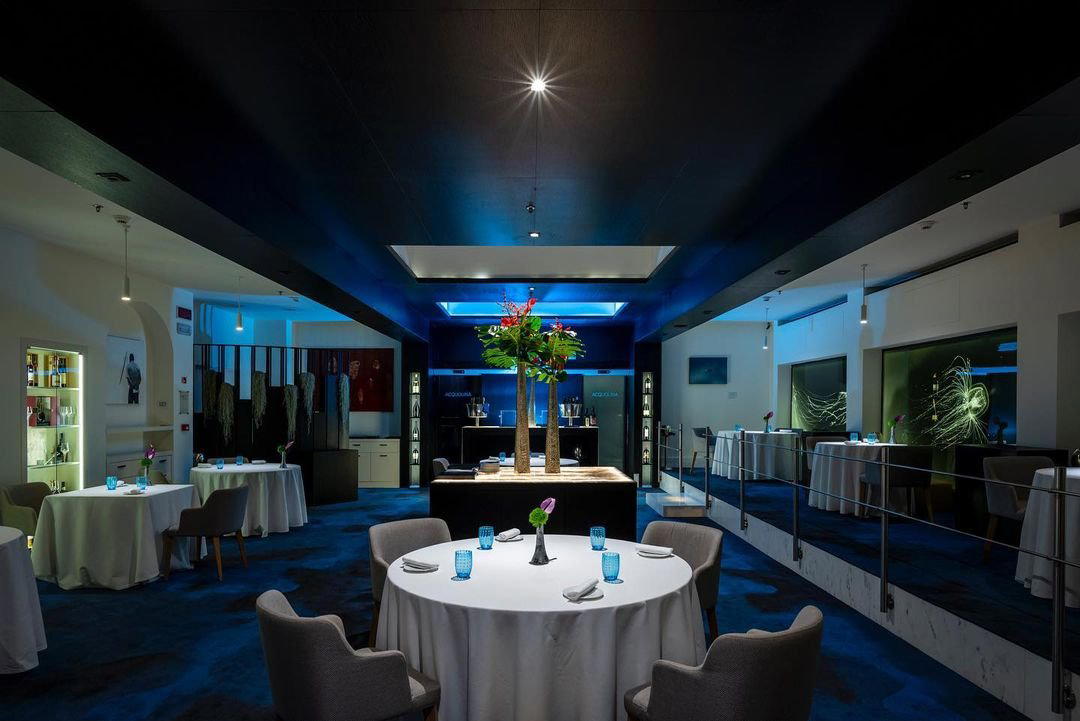
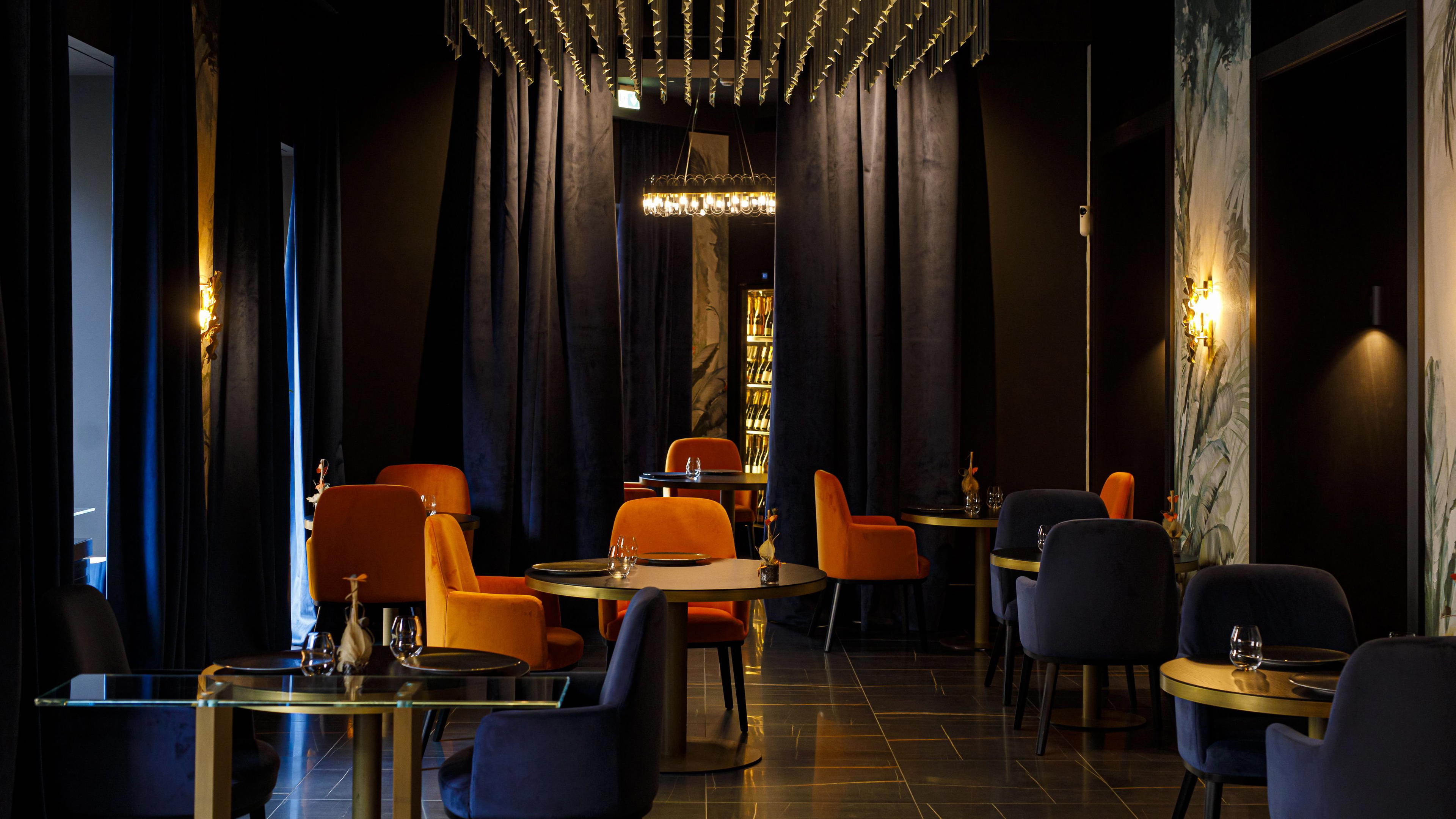
Relaxed and light-filled open lounge space with dazzling artworks, bookshelves, and a clean minimalist aesthetic praised for its welcoming atmosphere.