Nanjing Road East (Nan Jing Dong Lu) is Shanghai's most-trafficked commercial corridor, running from the Bund waterfront through Huangpu district and connecting two of the city's defining public spaces. The street functions less as a dining destination in its own right and more as a geographic anchor — a reference point from which the city's most concentrated cluster of hotels, restaurants, and cultural institutions fans outward.

Pearl is the En Primeur Club membership app — saves, bookings, and concierge access live there. Same editors, same standards.
- Address
- Huangpu, Shanghai, China
- Directions
- Get directions
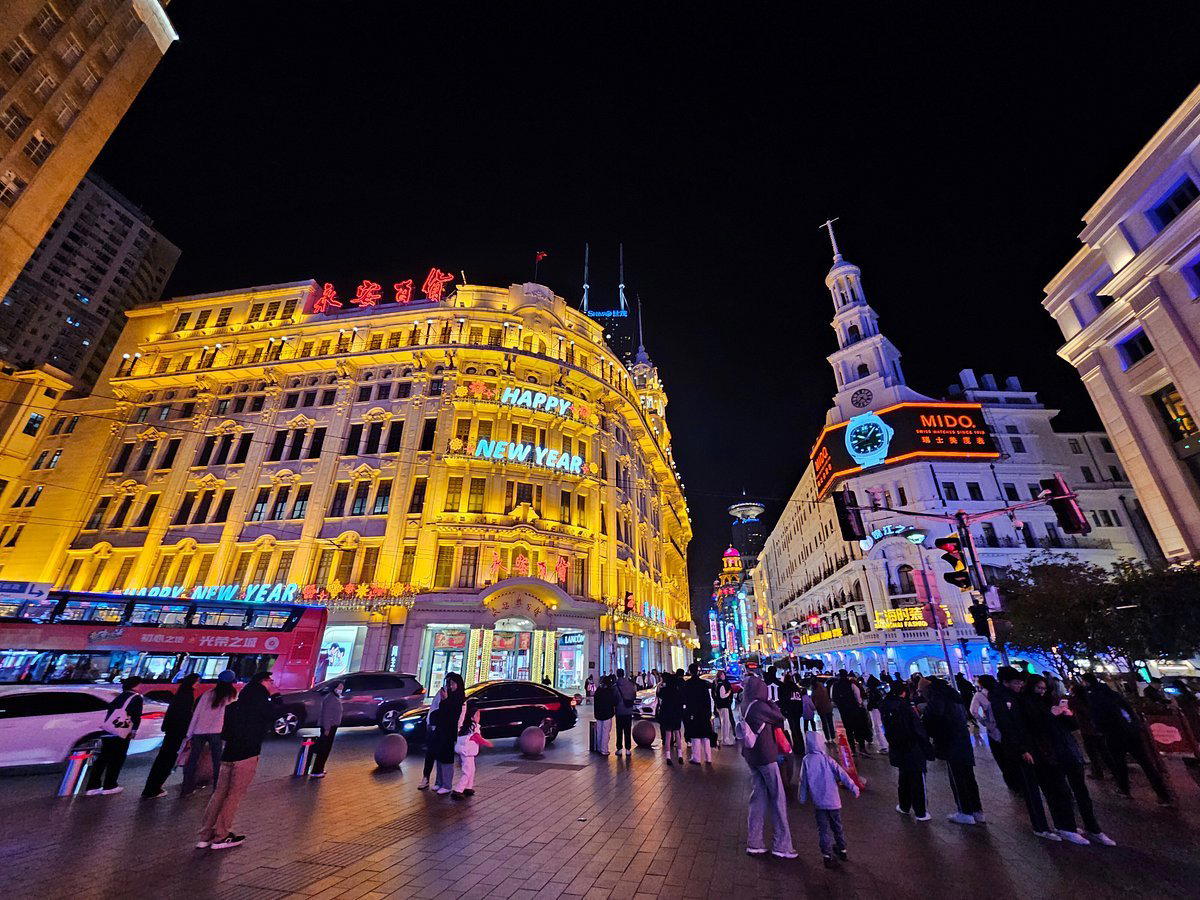
Where Huangpu's Oldest Commercial Strip Meets a New Wellness Sensibility
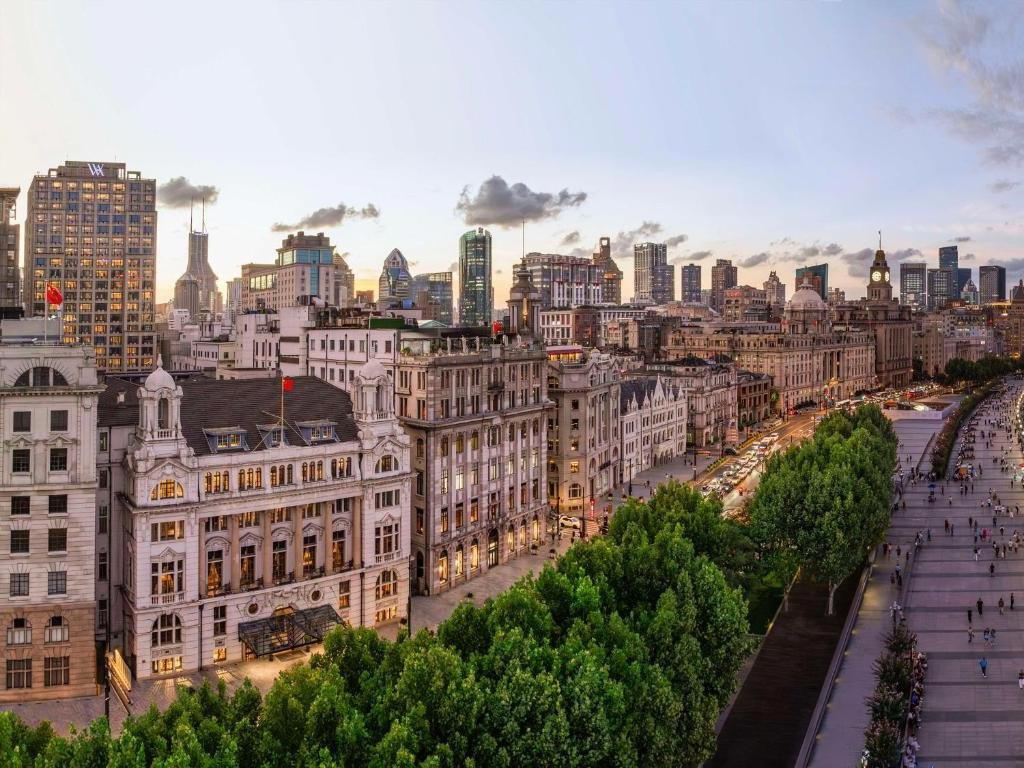
Approach Nanjing Road East on foot from the Bund and the shift is immediate: the riverside calm gives way to a corridor that has carried Shanghai's commercial identity for over a century. The pedestrian section, stretching west from Zhongshan Road into the heart of Huangpu District, draws foot traffic in volumes that rival the most active shopping districts in Asia. The noise, the scale, and the visual density are all intentional — this is a street that has never pretended to be anything other than a public stage. What has changed in recent years is the layer of wellness-adjacent retail, teahouse culture, and considered hospitality options that now operates alongside the flagship department stores and quick-service restaurants that originally defined the strip.
The Pedestrian Experience as an Urban Wellness Format
There is an argument, increasingly made by urban planners and hospitality designers in Chinese cities, that pedestrianized commercial corridors function as wellness infrastructure in their own right. Nanjing Road East's car-free zone extends for roughly 1,200 metres, making it one of the longer uninterrupted pedestrian stretches in the Huangpu core. The act of walking it end to end, particularly in the early morning before retail traffic peaks, has a meditative quality that contrasts sharply with the street's midday character. Travelers staying at properties such as Andaz Xintiandi, Shanghai or Capella Shanghai, Jian Ye Li often incorporate the road into morning routines precisely for this reason, using the relative quiet before 9am to move through a stretch of city that would otherwise demand constant negotiation with crowds.
That early-morning window also reveals the tea culture embedded in the street's older storefronts. Traditional Chinese tea houses in this corridor operate within a broader wellness tradition that treats tea preparation and consumption as a structured slowdown — a counterpoint to the district's commercial pace. The ritual of selecting leaves, watching the steep, and drinking in deliberate sequence aligns with retreat-minded travel more directly than most visitors initially expect from a street of this commercial profile.
Situating Nanjing Road East in Shanghai's Broader Hospitality Map
Shanghai's premium hospitality has distributed itself across several distinct zones. The Bund corridor carries the high-end river-view properties, while the former French Concession holds the design-led boutique tier. Huangpu's Nanjing Road East sits at the intersection of these two gravitational fields, close enough to the waterfront to benefit from Bund adjacency, but anchored to a neighbourhood character that is definitively local and commercial rather than enclave-refined. Properties in this zone trade some of the isolation that defines retreats like Amanyangyun, set apart from urban density, for the counterweight benefit of direct immersion in the city's rhythmic public life.
For guests whose wellness framework includes urban engagement rather than withdrawal, this positioning is an asset. Comparative properties in Shanghai's more secluded zones, from Alila Shanghai to Bvlgari Hotel Shanghai, offer spa programming and controlled environments calibrated for recovery and detachment. The Nanjing Road East experience offers something structurally different: the stimulation is the restorative mechanism, for travelers who recharge through cultural exposure rather than sensory reduction.
The Food and Retail Ecosystem
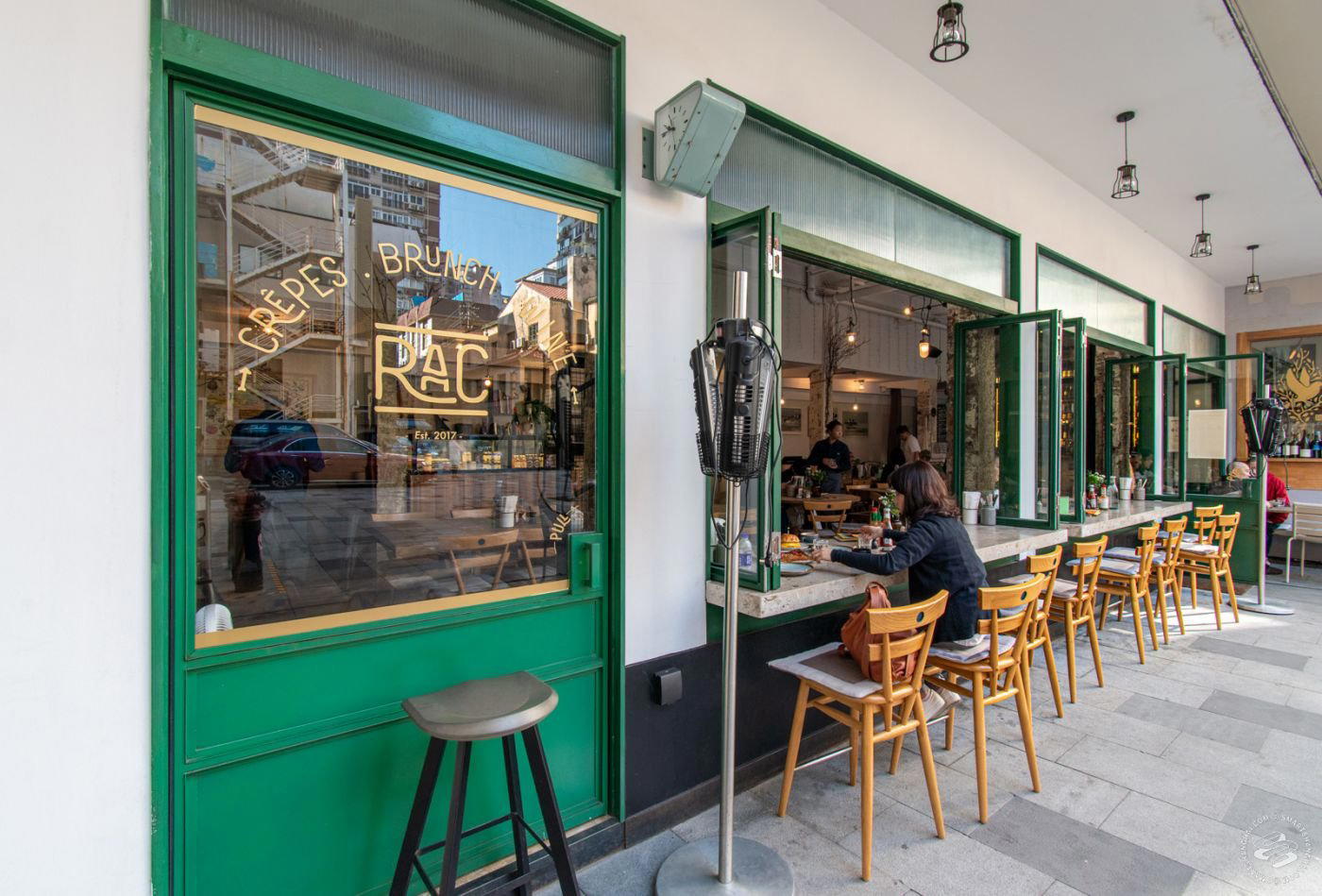
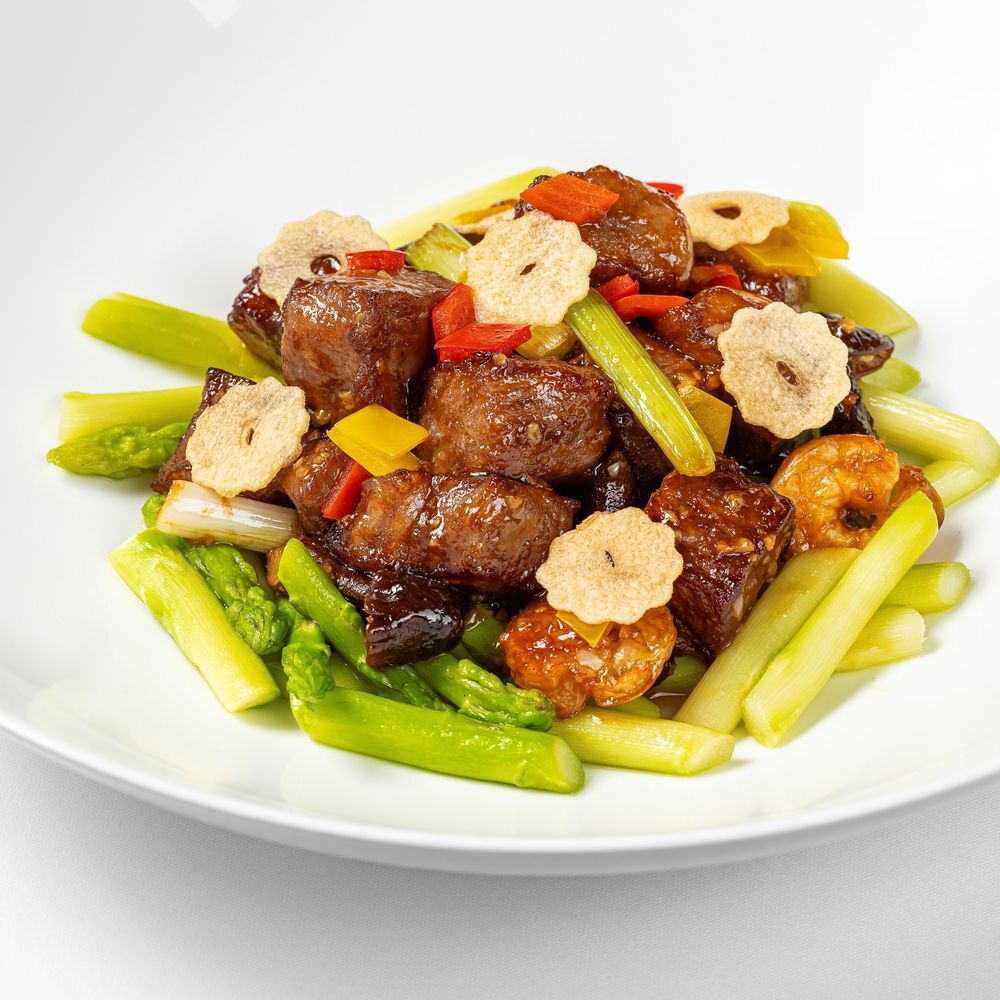
The food options along Nanjing Road East span a range that reflects the street's mass-market identity, but the surrounding blocks in Huangpu contain dining at a more considered register. Shanghai's Cantonese dim sum tradition, the city's own variation on Shanghainese braised preparations, and a growing number of specialty tea and fermented-beverage counters are all accessible within walking distance. For those using the area as a base for broader Shanghai exploration, the subway access at Nanjing Road East station (Lines 2 and 10) makes the entire city navigable without surface transport, which matters for guests building itineraries around multiple neighbourhoods and dining destinations. See our full Shanghai restaurants guide for context on where Huangpu-area dining sits relative to Jing'an and the former French Concession.
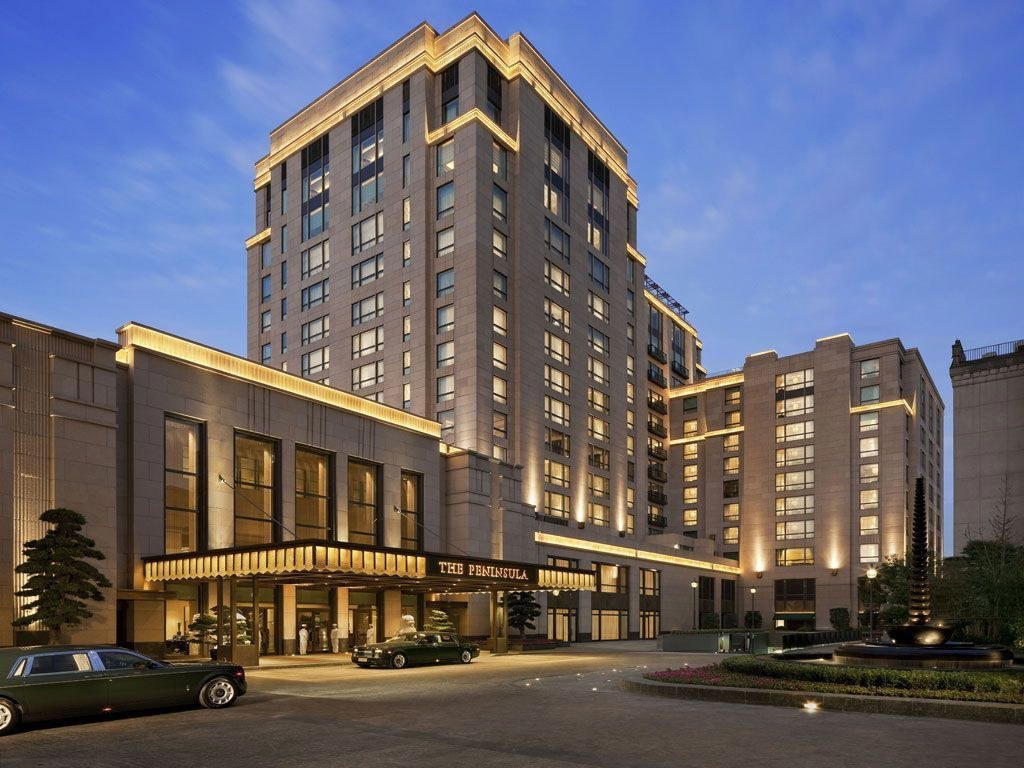
Properties on or adjacent to the strip that maintain their own food and beverage programs, such as Bellagio Shanghai and Artyzen NEW BUND 31 Shanghai, offer an alternative to navigating the street-level options, particularly for guests arriving late or managing schedule-heavy stays. The calculus for most visitors becomes whether to treat the corridor's food ecosystem as the primary dining environment or as a supplement to in-house programming.
Contextualizing the Retreat Mindset in an Urban Commercial Setting
The retreat model that has become standard in Chinese premium hospitality, think Amanfayun in Hangzhou or Amandayan in Lijiang, both built around separation from urban density and deep integration with natural or heritage settings, has its urban counterpart in a different format. Shanghai's commercial core produces a specific kind of traveler: one managing a compressed itinerary across business, culture, and food, for whom recovery happens between engagements rather than in dedicated spa blocks. The Nanjing Road East zone serves that traveler by concentrating access rather than filtering it out.
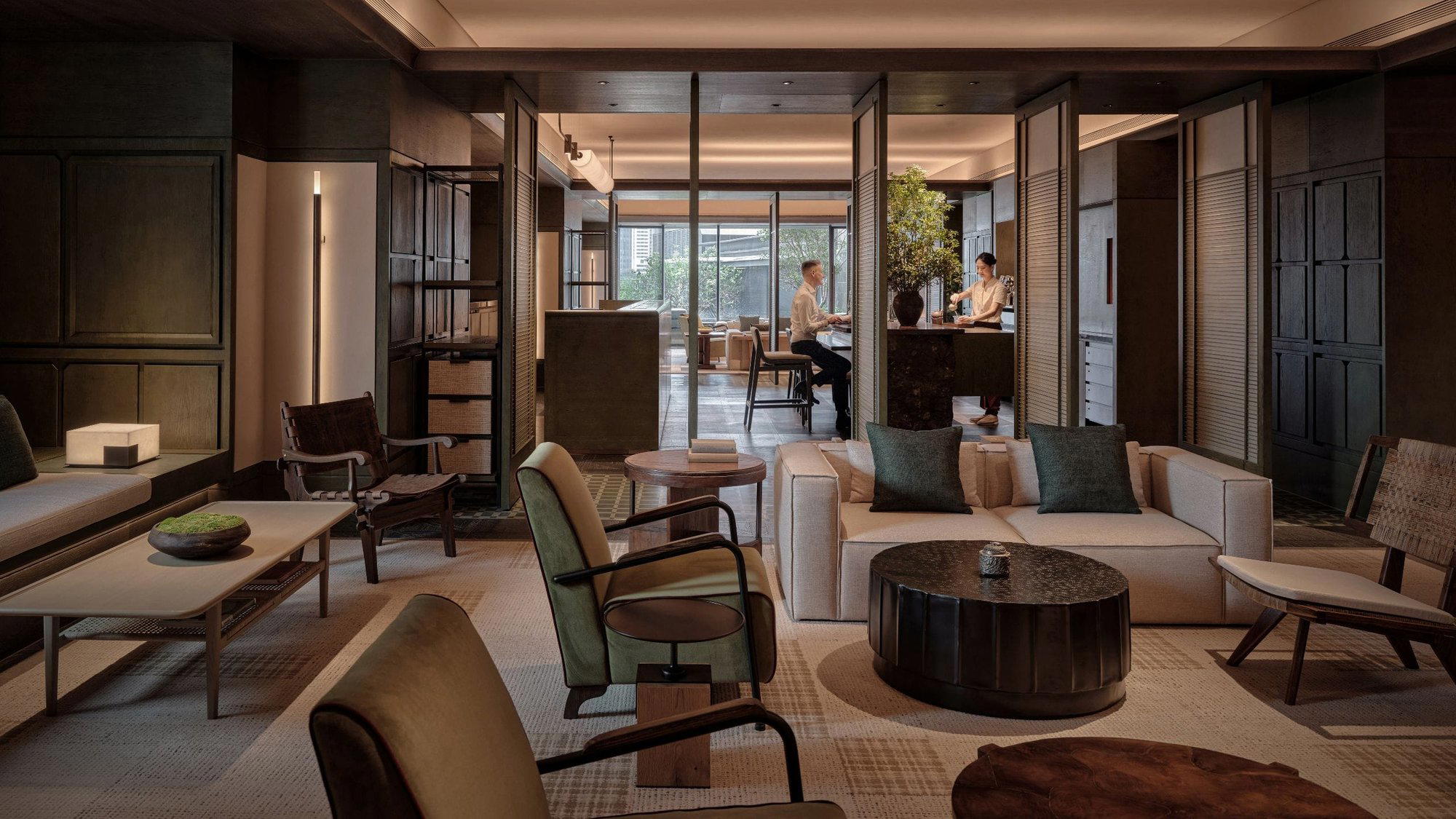
This is not the mode of wellness practiced at Mohe Youran Mountain Residence in Da Hinggan Ling or 1 Hotel Haitang Bay, Sanya, where the programming is explicitly restorative and the setting enforces distance from city life. It is closer to what urban properties in other major markets have started calling active recovery: using the city itself as the therapeutic environment, with hospitality functioning as a well-positioned base rather than a sealed sanctuary. For reference, properties like Aman New York in New York City or The Fifth Avenue Hotel in New York City operate in an analogous register: premium positioning within maximum urban density, where the spa floor and the street are both part of the guest's daily range.
Planning a Stay in the Nanjing Road East Area
Timing shapes the experience significantly. Arriving on a weekday morning positions guests to use the pedestrian strip before it reaches peak density, typically between 10am and 8pm on weekends when foot traffic can exceed 100,000 visitors daily by some municipal estimates. The Huangpu riverfront is a 10-minute walk east, and the Yu Garden area sits roughly 15 minutes south on foot, giving the district natural anchors for structured half-day itineraries. For guests using Shanghai as a transit point within a broader China itinerary, the corridor's connectivity is relevant: Pudong International Airport is reachable via Line 2 from Nanjing Road East station, removing the need for a surface transfer on arrival or departure days. Regional comparisons worth holding in mind include Hyatt Place Nanjing Xuanwu in Nanjing and Andaz Shenzhen Bay in Shenzhen for travelers building multi-city Yangtze Delta or Pearl River Delta circuits where Shanghai is one stop among several.
Credentials Lens
| Venue | Price | Awards |
|---|---|---|
| Nan Jing Dong LuThis venue — the venue you are viewing | Not listed | Not listed |
| Amanyangyun | Not listed | 2 Michelin Keys · Vogue 2026 Vogue Best Hotels in Shanghai |
| Andaz Xintiandi, Shanghai | $100–200 | Michelin Selected · Forbes Recommended |
| Bvlgari Hotel Shanghai | $750–1,000 | 2 Michelin Keys · La Liste Top Hotels |
| Capella Shanghai, Jian Ye Li | Not listed | 2 Michelin Keys · Michelin Guide New Hotels New Hotel |
| Fairmont Peace Hotel | $200–300 | Michelin Selected · La Liste Top Hotels |
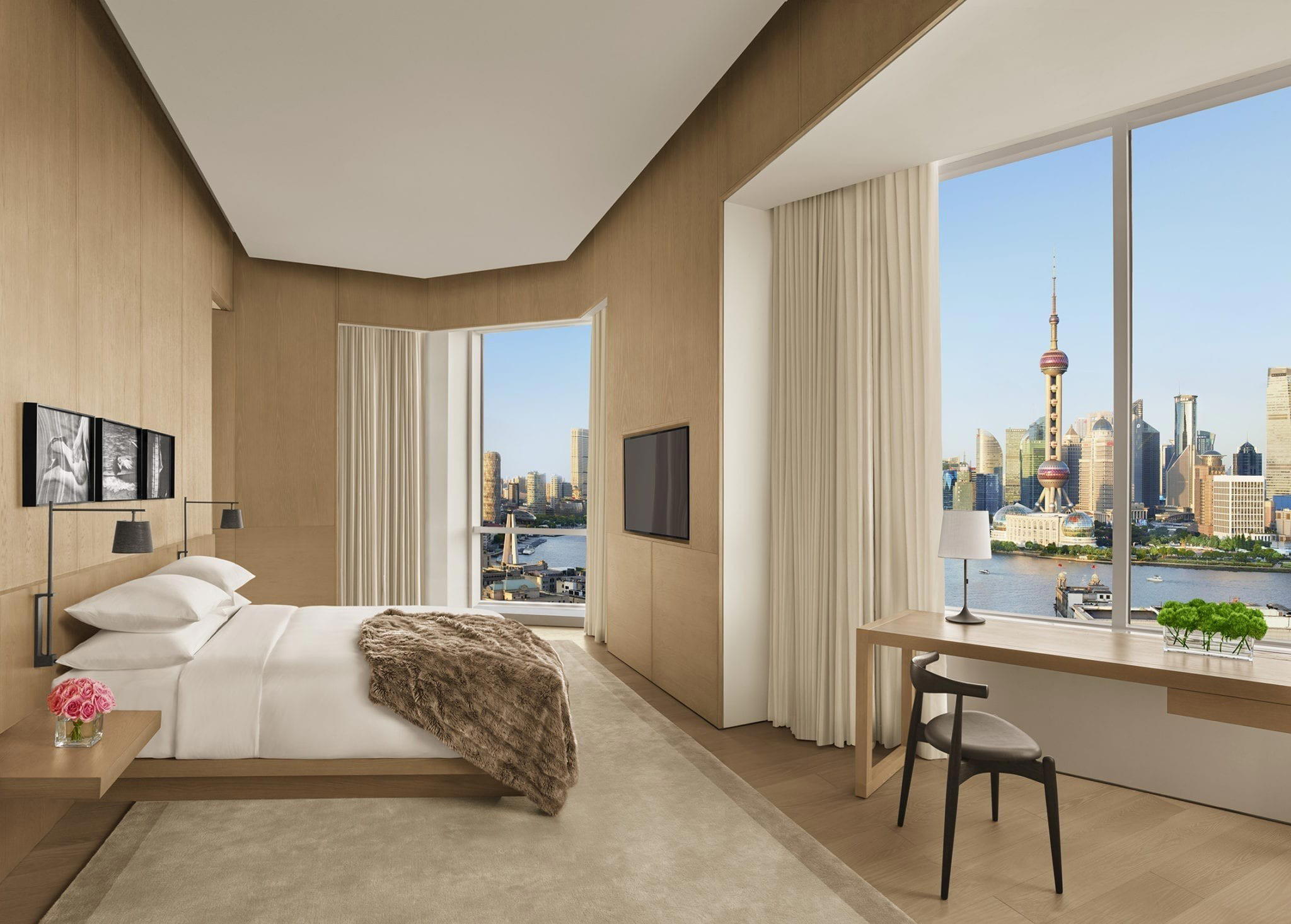
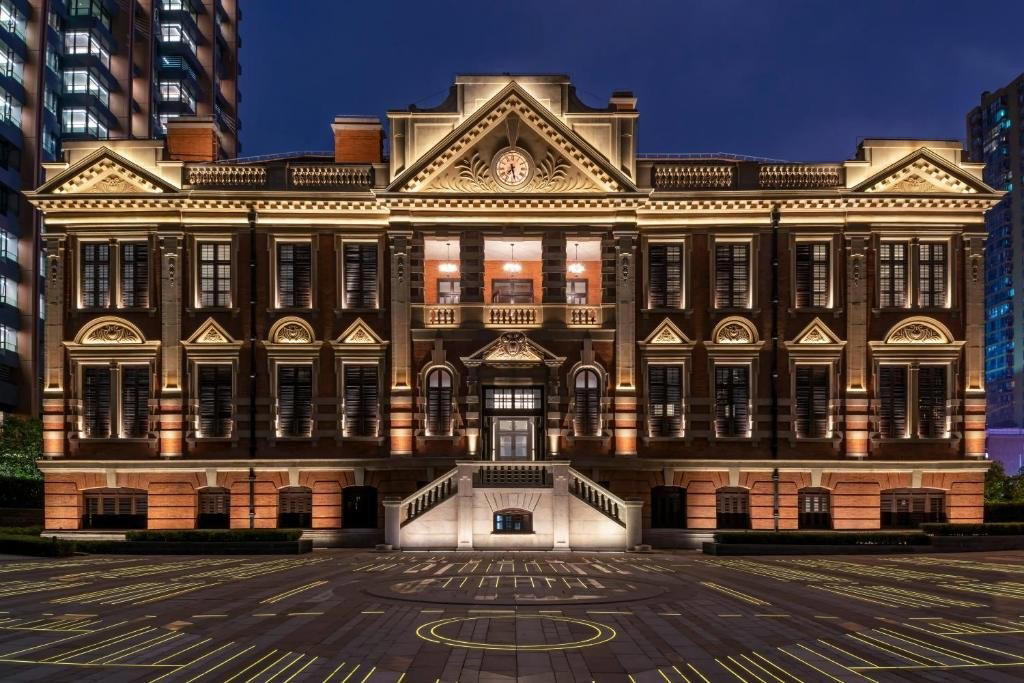
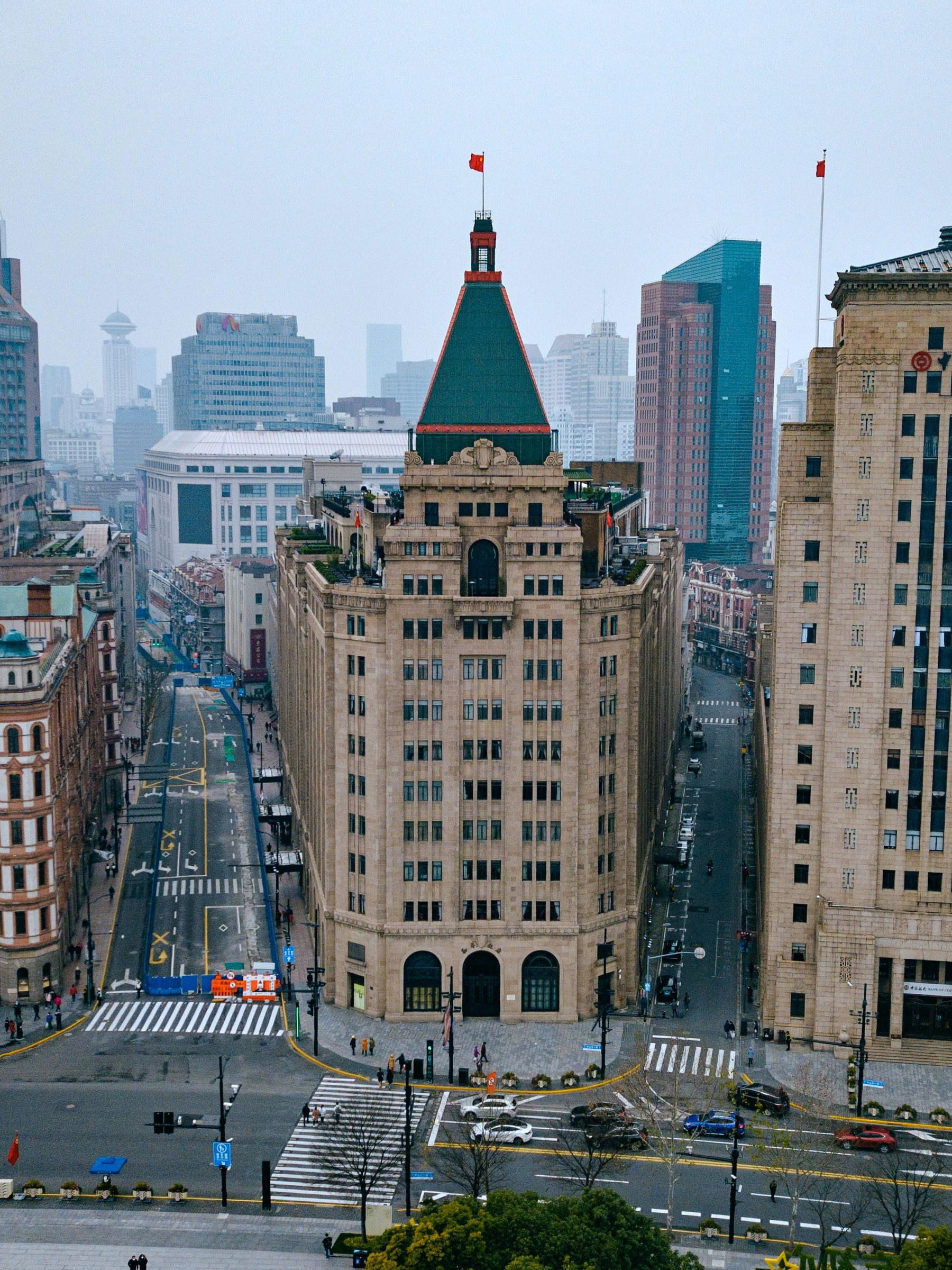
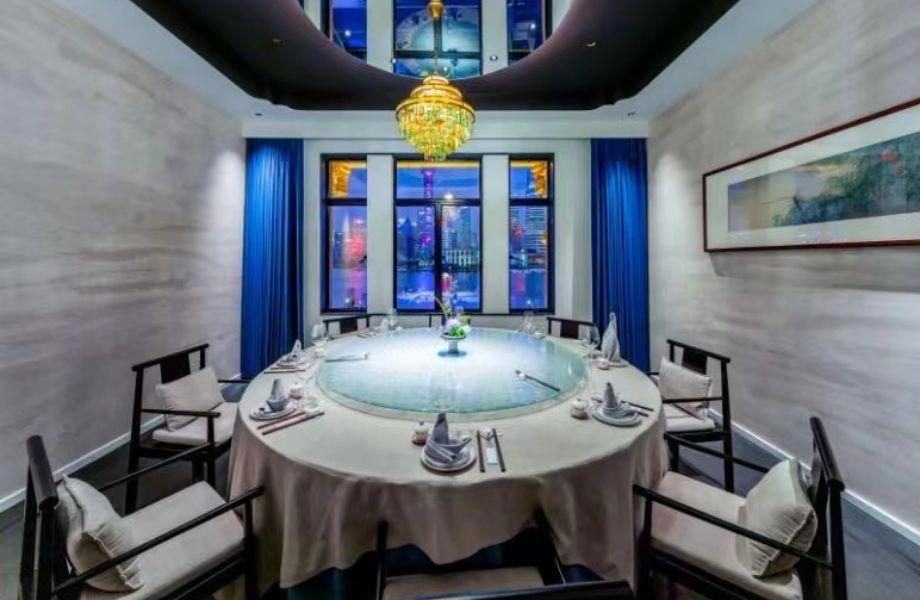
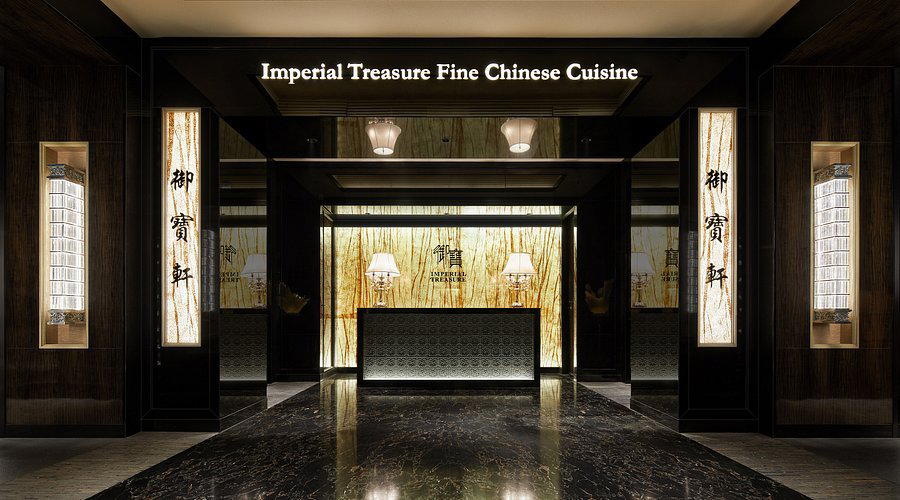
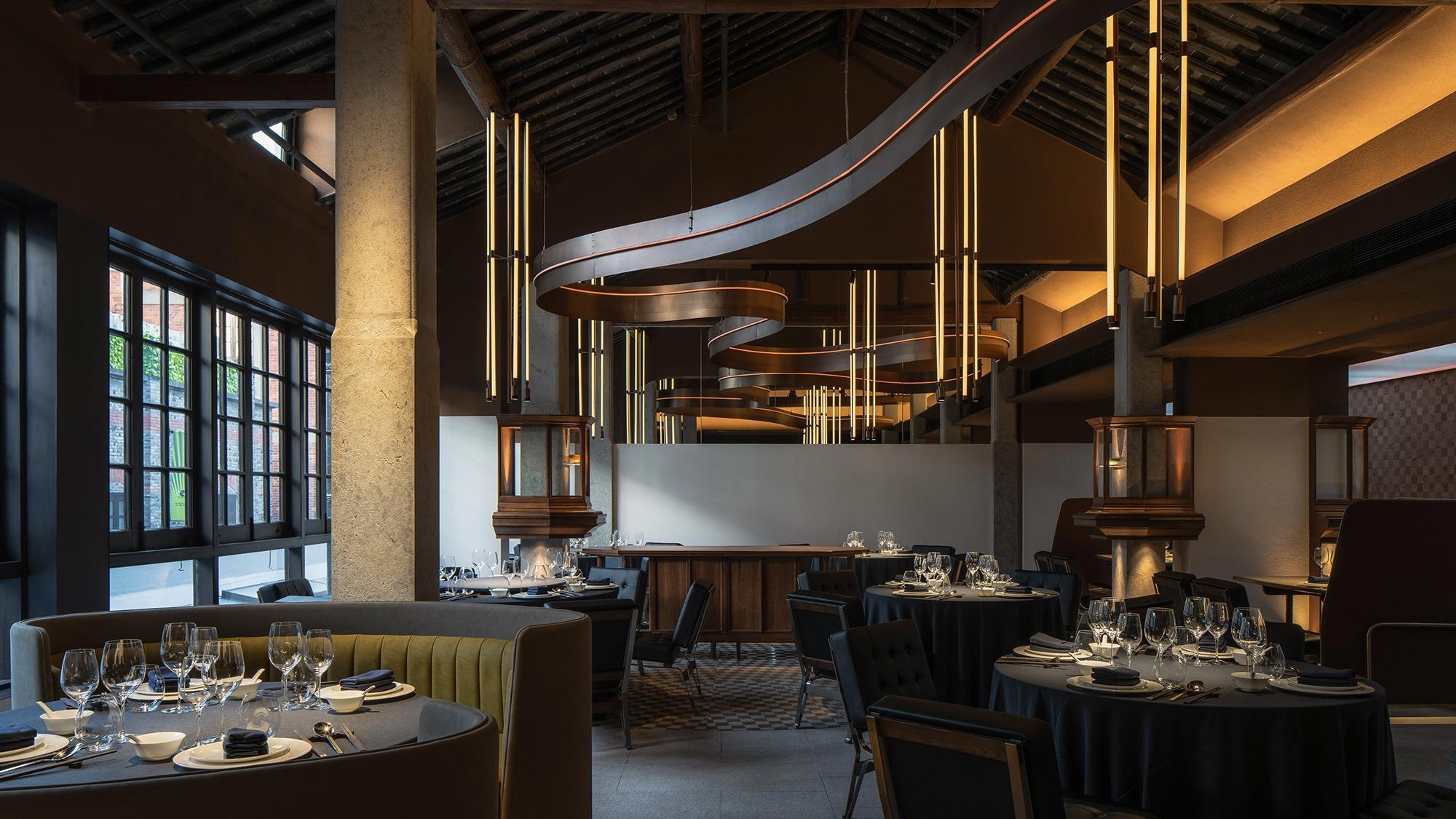
Details
- Modern
- Trendy
- Sophisticated
- Business Trip
- Weekend Escape
- Rooftop Pool
- Panoramic View
- Wi Fi
- Room Service
- Concierge
- Skyline
- Street Scene
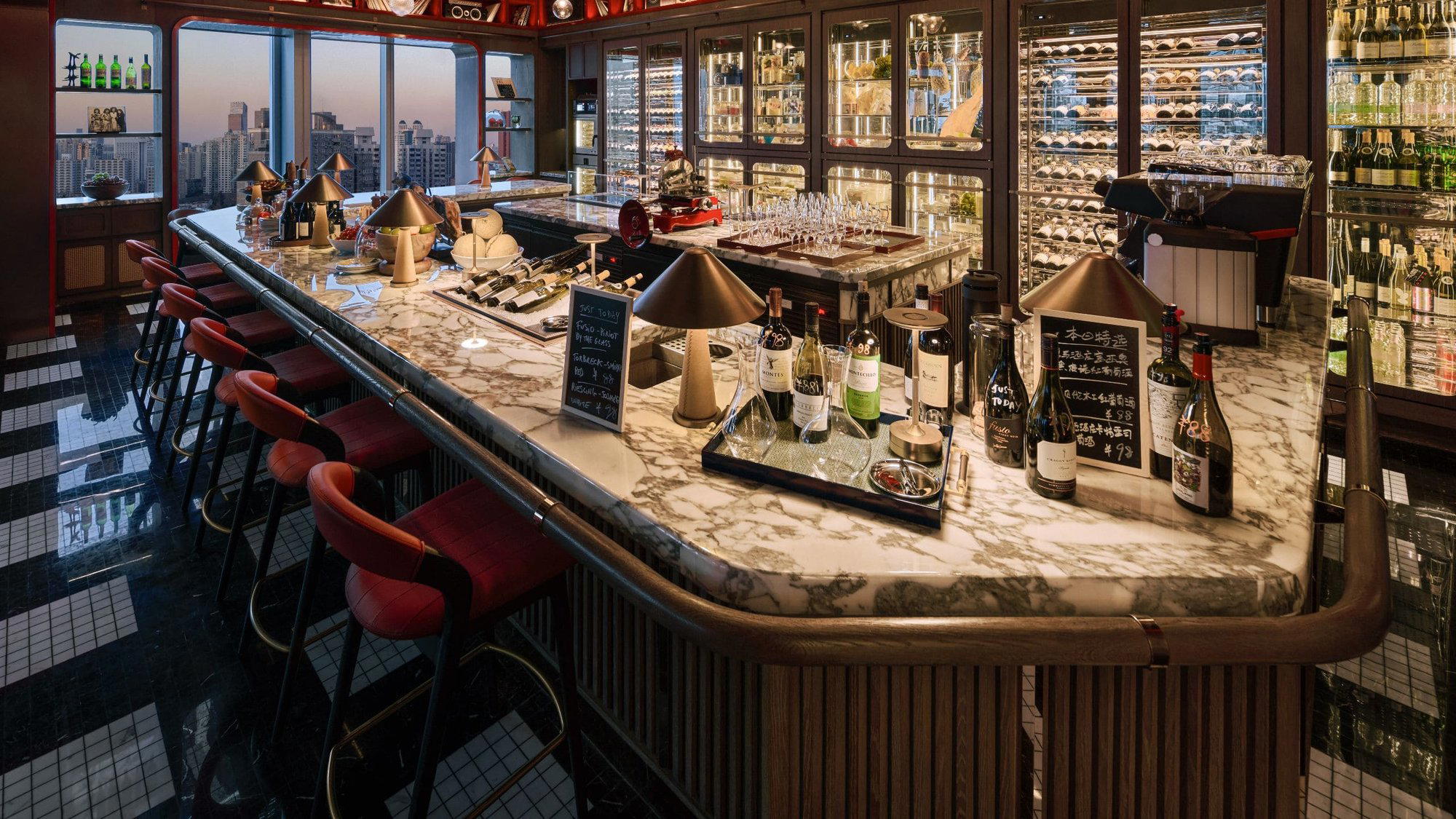
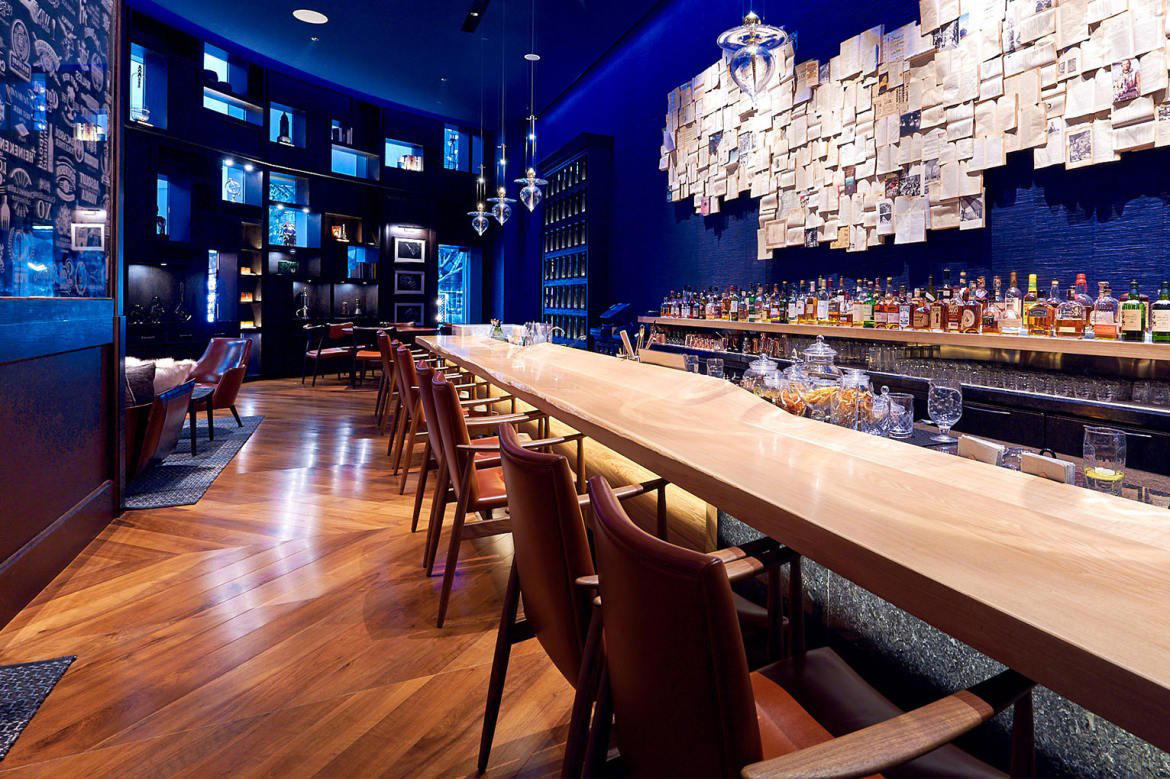
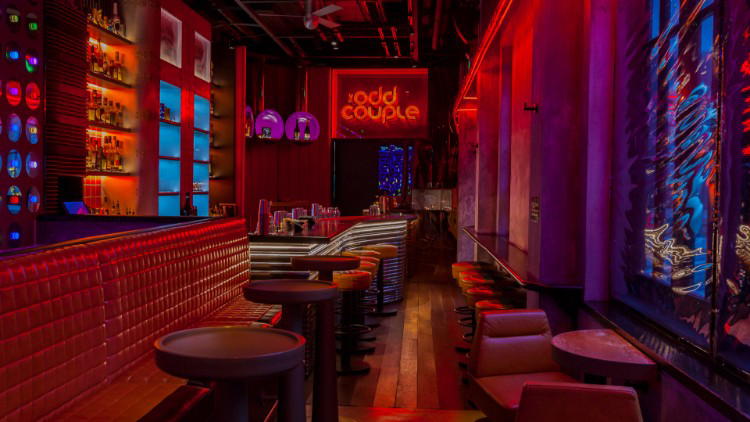
Laid-back modern luxury with light-filled spaces and glamorous nightlife atmosphere.