Google: 4.4 · 233 reviews

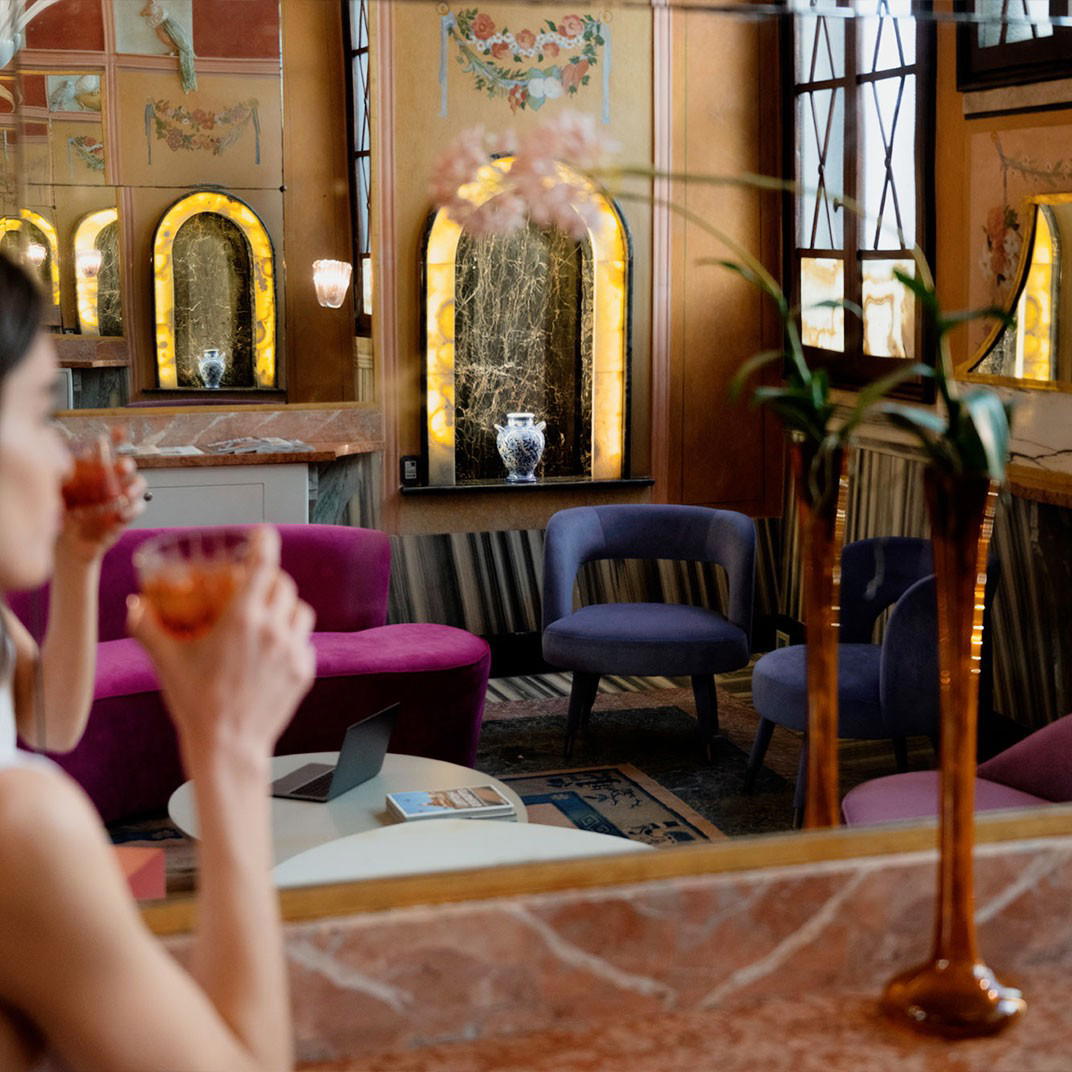
Palazzo Maria Formosa holds a 2024 Michelin Key in a city where historic palazzo conversions set the standard for Italian hospitality. Positioned in Venice's eastern sestieri, the property sits within a different peer set than the Grand Canal flagships, offering a quieter approach to the city's layered architectural heritage. Google reviewers rate it 4.4 across 223 responses.
A Different Venice, East of the Crowds
Venice organises itself into sestieri, and where you sleep shapes the city you experience. The stretch east of San Marco, toward Castello and the older residential quarters, moves at a pace the Rialto corridor rarely allows. Streets narrow to single-file, water traffic thins to the occasional delivery barge, and the architecture shifts from landmark spectacle to lived-in palazzo fabric. Palazzo Maria Formosa occupies this quieter register of the city, and that positioning is a deliberate editorial statement about what kind of Venetian stay the property offers.
The broader Venice hotel market splits clearly into two camps. On one side: the Grand Canal flagships, where properties like Aman Venice (Michelin 3 Keys) and Cipriani, A Belmond Hotel, Venice (Michelin 3 Keys) trade on maximum-visibility addresses and full-service scale. On the other: the smaller palazzo conversions that position themselves through architectural character, neighbourhood access, and a more compressed guest experience. Palazzo Maria Formosa's 2024 Michelin 1 Key recognition places it in this second category, acknowledged by the same framework that awards its larger peers but operating at a different scale and with a different value proposition. For comparison, Hotel Gritti Palace holds 2 Keys and sits firmly in the Grand Canal prestige tier — Palazzo Maria Formosa is not competing with that peer set, nor should it be measured against it.
The Logic of the Neighbourhood
Campo Santa Maria Formosa, from which the property takes its name, is one of Venice's most characterful squares: wide enough to feel like a piazza, irregular enough in shape to feel genuinely Venetian rather than designed for tourism. The campo functions as a neighbourhood hub, with a daily market cadence and foot traffic that reflects residents as much as visitors. Staying within its orbit means accessing a version of Venice that the Procuratie Nuove crowds rarely reach.
This neighbourhood positioning has a practical dimension that matters for itinerary planning. The Rialto market, the Arsenale, the Biennale grounds at Giardini, and the eastern waterfront are all within walking range, making the property a logical base for guests whose interests extend beyond the canonical San Marco circuit. Those planning around the Venice Architecture or Art Biennale will find this address particularly well-placed, as the Giardini venues are considerably closer here than from the Dorsoduro or Santa Croce hotels.
The neighbourhood also connects logically to Venice's cicchetti and bacaro culture. The leading of that informal wine-bar tradition, where small plates and local Veneto pours define early evening, tends to cluster in the working-class sestieri rather than the tourist corridors. From a base near Campo Santa Maria Formosa, that geography favours the guest.
Michelin Keys and What the Recognition Signals
The Michelin Key programme, relaunched and expanded in 2024, evaluates hotels across architecture, service consistency, and overall guest experience rather than solely food. A single Key in that framework signals a property that meets a defined threshold of quality without necessarily claiming the full-service depth of a 2 or 3 Key property. For Palazzo Maria Formosa, the 2024 award is the primary trust signal, placing it within a select tier of Venetian properties that have cleared the Michelin standard.
Google review score of 4.4 across 223 responses provides a secondary data point. That sample size is meaningful at this property scale, and a consistent 4.4 suggests reliability across guest types rather than a polarised response skewed by a small number of outliers.
Italy's broader palazzo-hotel category has grown significantly over the past decade as historic building conversion became a recognised investment vehicle in cities where new construction is either prohibited or politically difficult. Venice sits at the extreme end of that constraint: virtually no new hospitality stock has been built within the historic centre in the modern era, meaning every new property is, by definition, a conversion of existing fabric. That makes the quality of the architectural intervention and the sensitivity of the refurbishment central editorial questions for any Venetian palazzo stay, questions that the Michelin Key framework now explicitly addresses.
Palazzo Stays in Context: Italy's Broader Conversion Tier
For guests who track this category across Italy, the palazzo-conversion tier has produced some of the country's most considered hospitality in recent years. Castello di Reschio in Lisciano Niccone represents the Umbrian end of that spectrum, while Casa Maria Luigia in Modena demonstrates how a historic rural property can carry a contemporary food identity. On the southern coastline, Borgo Santandrea on the Amalfi Coast shows a different model: carved into a cliff face rather than built from palazzo stock, but sharing the same logic of place-specific architecture as the primary offer.
Within Venice specifically, the alternative to the Grand Canal flagships includes properties like Ca' di Dio, Corte di Gabriela, Il Palazzo Experimental, Londra Palace Venezia, and Nolinski Venezia. Each occupies a slightly different neighbourhood and price-to-character position. Palazzo Maria Formosa differentiates through its Castello-adjacent address and the specific campo identity that the name makes explicit.
Planning a Stay: Timing and Practical Considerations
Venice's seasonality is more compressed than most Italian cities. High summer, roughly mid-July through August, brings cruise-ship volumes that transform the experience of the central sestieri; the eastern neighbourhoods absorb this pressure more gracefully than San Marco, but it is still present. The shoulder windows — late April through early June, and September through October , consistently deliver the most balanced version of the city: manageable visitor numbers, workable water-taxi availability, and the kind of light that the eastern lagoon produces in those months, low and amber by late afternoon.
The Biennale cycle adds a specific planning layer. In Biennale years (the Art edition runs odd years, Architecture even years), the Castello and Giardini area sees a professional travel spike concentrated in the opening weeks. Guests planning around those openings should factor that into booking timelines.
For broader orientation on where to eat and drink during a stay, EP Club's full Venice restaurants guide, Venice bars guide, Venice wineries guide, and Venice experiences guide cover the full range. The full Venice hotels guide maps the complete accommodation tier across all sestieri.
Guests extending an Italian itinerary beyond Venice will find reference points in Four Seasons Hotel Firenze in Florence, Portrait Milano in Milan, and further south at Il San Pietro di Positano and JK Place Capri. For those whose travel patterns extend to Tuscany wine country, Rosewood Castiglion Del Bosco in Montalcino and Corte della Maestà in Civita di Bagnoregio represent the agrarian end of Italy's historic-property tier. For international comparison, Aman New York, The Fifth Avenue Hotel in New York City, and Amangiri in Canyon Point represent different ends of the design-led spectrum outside Italy.
Comparable Options
A small peer set for context; details vary by what’s recorded in our database.
| Venue | Cuisine | Price | Notes |
|---|---|---|---|
| Palazzo Maria Formosa | This venue | ||
| Aman Venice | Michelin 3 Keys | ||
| Cipriani, A Belmond Hotel, Venice | Michelin 3 Keys | ||
| JW Marriott Venice Resort & Spa | |||
| The St. Regis Venice | |||
| Hotel Gritti Palace | Michelin 2 Keys |
Continue exploring
More in Venice
Hotels in Venice
Browse all →
Restaurants in Venice
Browse all →
Wineries in Venice
Browse all →
At a Glance
- Romantic
- Elegant
- Classic
- Intimate
- Sophisticated
- Honeymoon
- Romantic Getaway
- Anniversary
- Weekend Escape
- Historic Building
- Waterfront
- Destination Spa
- Private Dining
- Wifi
- Spa
- Sauna
- Steam Room
- Restaurant
- Bar
- Room Service
- Concierge
- Air Conditioning
- Street Scene
Chic, quiet, and elegantly understated with historic charm blended seamlessly with modern luxury; guests consistently praise the serene atmosphere and attentive service.