
Tabelog 100 #46
Our verdict
Yanagawa’s eel culture is the point here: river-town cooking built around freshwater fish, rice, smoke and sauce rather than metropolitan tasting-menu theater. Ganso Motoyoshiya Honten sits in the serious unagi bracket, with Tabelog 100 Unagi recognition in 2024 and a large tatami-room format that makes it more useful for groups than many small-counter specialists.

Pearl is the En Primeur Club membership app, where members save venues, book tables and use the concierge.
The menu
What to order
- Unagi no Seiro-mushi
- Grilled eel over rice
Yanagawa announces itself through water before it announces itself through restaurants: canals, low bridges, flat-bottomed boats and the damp, working-town logic of a place where freshwater food has never been decorative. In that setting, eel is not a luxury accessory. It is the local grammar. Ganso Motoyoshiya Honten belongs to that regional register, where unagi carries the meal and the room exists to serve a local habit rather than stage a chef’s biography.
That matters because Japanese eel dining has split into several lanes. Larger cities often make unagi a question of style, speed, tare lineage or urban polish. Yanagawa’s reputation is tied more closely to place: canal country, river trade, rice, and the long association between freshwater fish and local hospitality. The relevant comparison is not a luxury sushi counter or kaiseki room; it is the handful of restaurants that can make a single ingredient feel rooted in a city’s everyday identity. For a lower-cost local contrast in Yanagawa, Saffron sits in a different dining tier, useful mainly as a reminder that eel here occupies a separate price and occasion category.
Yanagawa eel culture, not metropolitan fine dining
The signal to read first is the category: unagi. A meal built around eel rewards sourcing discipline, heat control and sauce management more than menu breadth. The restaurant’s Tabelog 100 Unagi selection in 2024 places it inside a national conversation about specialist eel houses, not general Japanese dining. Its Tabelog score of 3.68 gives another marker of standing within a user-driven Japanese restaurant culture that tends to reward consistency over spectacle.
Ingredient sourcing is the editorial core. Eel is a pressured ingredient in Japan: supply, price and quality fluctuate, and restaurants built around it live or fail on procurement as much as technique. A serious unagi house has fewer places to hide than a broad izakaya or multi-course restaurant. The fish has to carry the table, the rice has to make sense beneath it, and the seasoning has to support rather than bury the texture. That is why Yanagawa’s eel tradition feels distinct from trend-led dining. The cuisine is narrow by design, and that narrowness is part of its authority.
The format reinforces the point. This is not the hushed counter model now associated with scarcity dining in Japan’s larger cities. It reads instead as a regional institution format: more social in feel, more tied to local eating habits, and less dependent on the codes of chef-led tasting-menu progression. Those details place the experience closer to a focused local meal than a performance built around variety.
How to read the meal: eel as a single-ingredient test
Unagi restaurants are often misunderstood by travelers who expect variety to equal ambition. In this genre, repetition is the proof. The house is judged by how it handles eel across the plate, how the sauce behaves with rice, how the fish keeps its structure, and whether the meal feels complete without a long procession of courses. The restaurant’s listed category is unagi, and that is the right lens: this is a procurement-and-cooking restaurant before it is a design or service concept.
The broader regional context also matters. Japan’s larger food cities are often discussed through ramen, seafood, nightlife and counter dining, but inland and river towns tell a quieter food story. Yanagawa’s canals make eel feel geographically legible in a way that urban eel counters cannot fully reproduce. The value of eating here is not only the dish; it is the alignment between ingredient, town and format. That is the reason the restaurant’s national unagi recognition carries weight: the award is tied to a specialist category, and specialist categories are where Japanese regional cooking often reads with the greatest clarity.
Travelers building a wider dining map should treat this as a focused stop rather than a catch-all recommendation. Use Our full Yanagawa restaurants guide for the city’s broader dining picture, then separate overnight planning through Our full Yanagawa hotels guide, drinking options through Our full Yanagawa bars guide, regional bottles through Our full Yanagawa wineries guide, and canal or cultural planning through Our full Yanagawa experiences guide. The restaurant makes more sense when the day is built around Yanagawa itself, not treated as a detached meal between rail transfers.
Where it fits in a Japan-wide itinerary
For travelers comparing specialist Japanese food stops, the useful distinction is format. Beef-led meals, tuna and charcoal formats, compact urban cafés and other city-specific dining rooms answer different needs. Yanagawa eel is slower and more rooted in place. It is also more ingredient-dependent than many casual formats, which is why price tolerance matters.
Other Japanese itinerary references sharpen that contrast: ramen stops, curry specialists, burger shops, historic-city dining rooms, meat-focused restaurants, counter formats and casual addresses all point to different city rhythms. For overseas Japanese-adjacent dining, diaspora dining sits in a different frame rather than a regional-production one.
The editorial verdict is clear: choose Ganso Motoyoshiya Honten when the trip can absorb a Yanagawa-specific meal and when eel is the reason for the table. Its strength is not variety or theatrical rarity. Its strength is a tight fit between place, ingredient and restaurant format, supported by national specialist recognition and a room built for proper meals rather than quick grazing.
Frequently asked questions
Does Ganso Motoyoshiya Honten work for a family meal?
Yes. Its unagi focus and Yanagawa setting make it a sensible choice for a family meal built around a local specialty. The listed budget is Dinner: JPY 5,000 - JPY 5,999; Lunch: JPY 5,000 - JPY 5,999, so it sits in a defined eel-house bracket rather than a casual snack stop.
Is Ganso Motoyoshiya Honten better for a quiet night or a lively one?
It reads as calmer than lively. The appeal is the focused unagi category and the Yanagawa setting rather than a bar-like pace or a long tasting-menu performance. Tabelog selected it for Unagi in 2024, which adds food credibility without changing the meal’s essential focus.
How much does it cost to eat at Ganso Motoyoshiya Honten?
Pricing at Ganso Motoyoshiya Honten is listed as JPY 5,000 - JPY 5,999 JPY 5,000 - JPY 5,999.
What are Ganso Motoyoshiya Honten's hours?
Current hours should be confirmed directly with Ganso Motoyoshiya Honten before visiting.
Where is Ganso Motoyoshiya Honten in Yanagawa?
Yanagawa.
What's the signature at Ganso Motoyoshiya Honten?
The signature is unagi, specifically eel, which is the restaurant’s listed category and the basis of its Tabelog 100 Unagi 2024 selection.
Quick Comparison
Comparable venues by cuisine and price in the same metro.
| Venue | Cuisine | Price | Awards | Notes |
|---|---|---|---|---|
| Ganso Motoyoshiya HontenThis venue (the venue you are viewing) | Traditional Yanagawa Unagi (Seiro-mushi) | $50–100 | Tabelog 100 #46 | Not listed |
| Saffron | Japanese-style Western hamburger steak (yoshoku) | $10–20 | Tabelog 100 #70 | Mitsuhashi-cho |
| 篝火 | Japanese Kaiseki & Chinese | Not listed | Not listed | Yamanouchi-machi, Shimotakai-gun |
| Robata | Japanese Robata Grill | Not listed | Not listed | 倶知安町 |
| Unagi Yondaime Kikukawa | Traditional Japanese Unagi | $30–50 | Not listed | Kanazawa Station Area |
| PRETTY PORK FACTORY & KATSUプリポー | Pork-focused Japanese shabu-shabu, samgyeopsal & tonkatsu | $50–100 | Tabelog 100 #80 | Shibuya (Harajuku) |
Recognition history
Dated appearances from independent guides and award organizations, with the underlying list record or original source where available.
Tabelog 100 #46 · No. 46
Tabelog · Tabelog 100 - Unagi - 2024
Continue exploring
More in Yanagawa
Details
- Classic
- Well Known
- Cozy
- Family
- Group Dining
- Special Occasion
- Solo
- Garden
- Historic Building
- Standalone
- Garden
- A La Carte
- Set Menu
- Tea
- Beer
- Sake
- Pescatarian Friendly
Current opening hours
- Monday
- Closed
- Tuesday
- Closed
- Wednesday
- 10:30 AM–7 PM
- Thursday
- 10:30 AM–7 PM
- Friday
- 10:30 AM–7 PM
- Saturday
- 10:30 AM–7 PM
- Sunday
- 10:30 AM–7 PM
Hours can change for holidays and private events. Last verified .
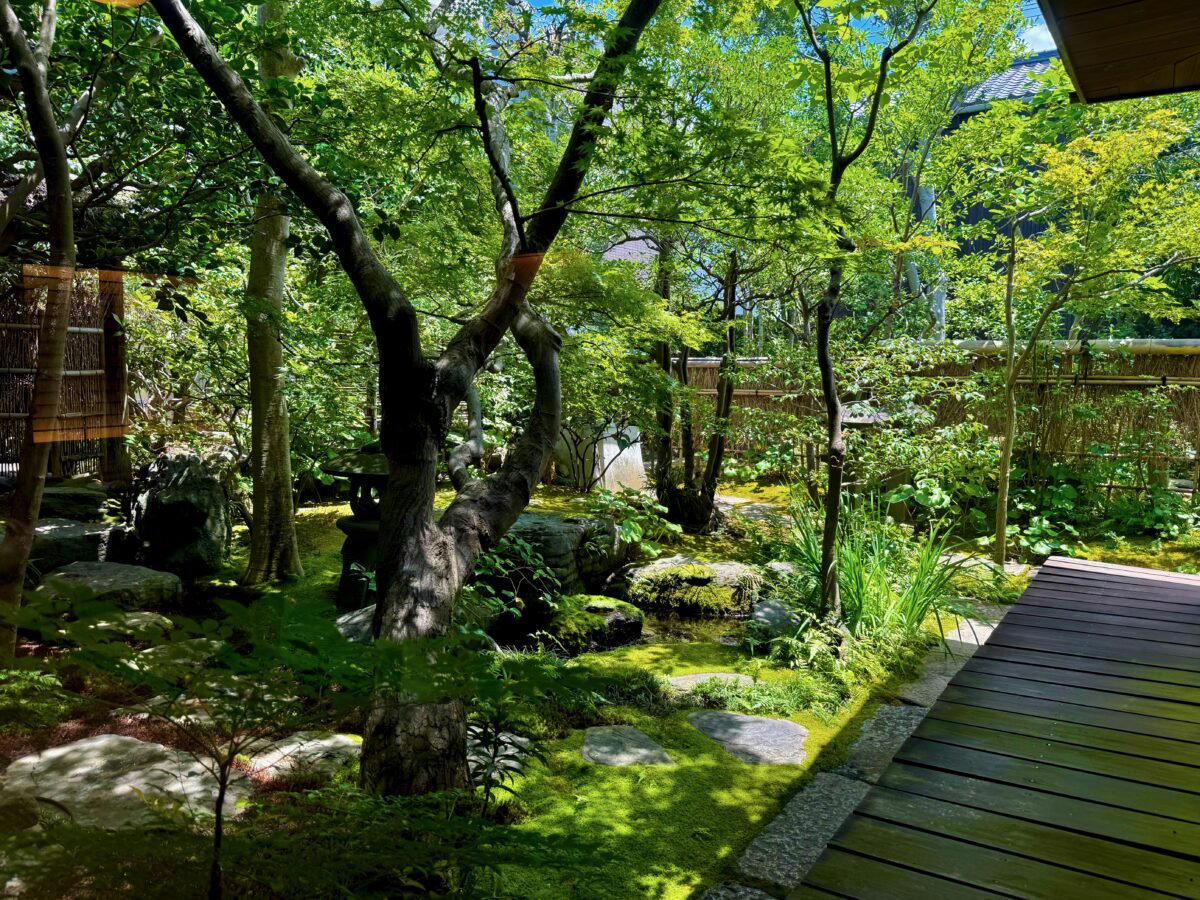
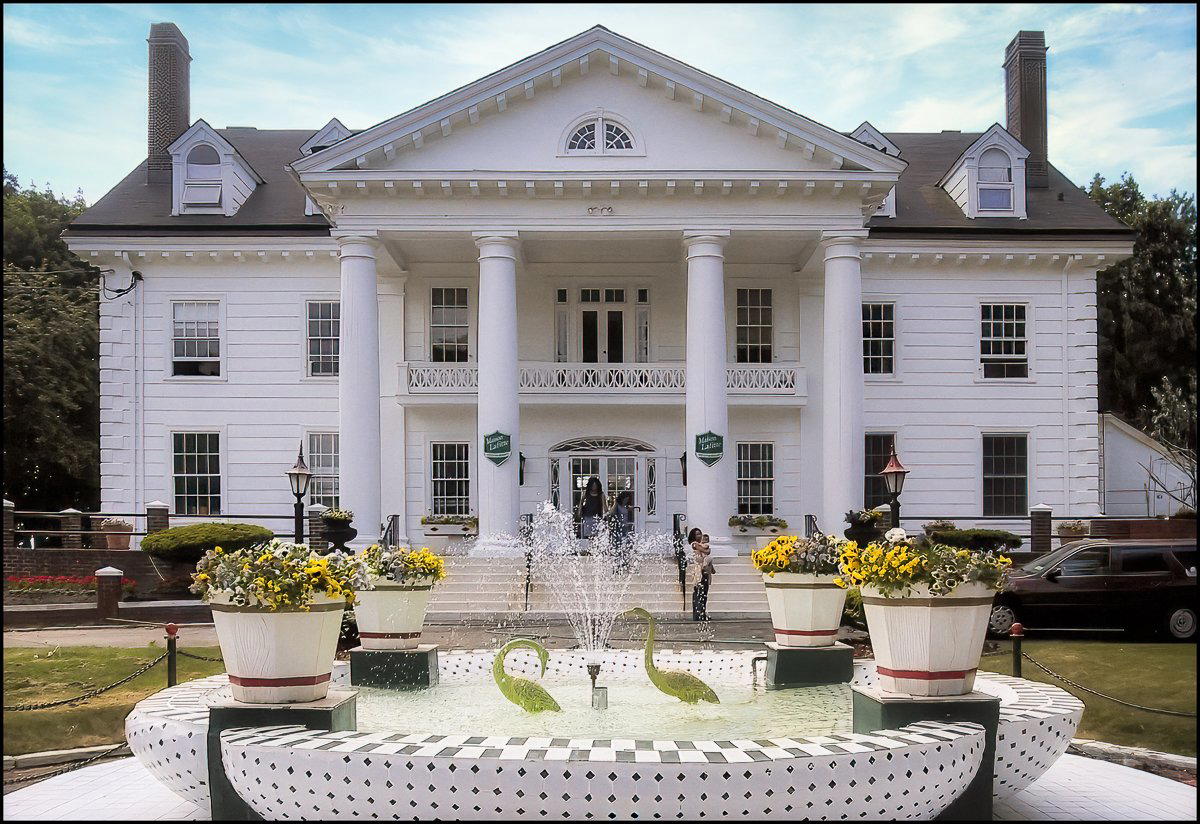
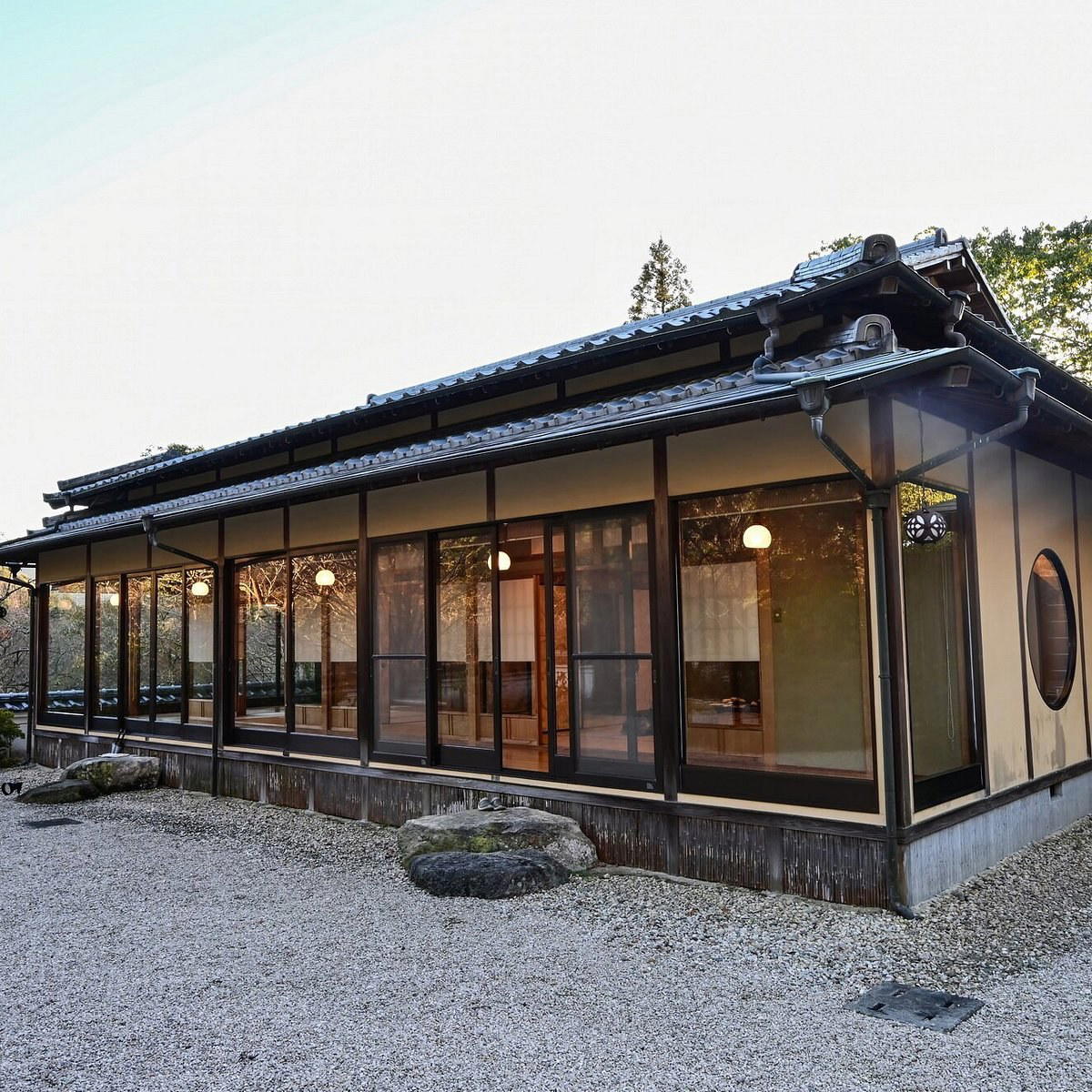
Traditional Japanese atmosphere with tatami rooms and views onto a peaceful garden, creating a calm, classic feel despite the bustle of a popular, long-established eel restaurant.