Noboribetsu Hot Spring
Noboribetsu is Hokkaido's most concentrated onsen town, built over one of Japan's most geologically active hot spring systems. The area around Jigokudani, Hell Valley, delivers sulphurous steam, iron-rich pools, and a layered ryokan district shaped more by volcanic geology than by design trends. For travellers serious about therapeutic bathing culture, it sits in a different category from the coastal or forest onsen found elsewhere in Japan.

Pearl is the En Primeur Club membership app, where members save venues, book tables and use the concierge.
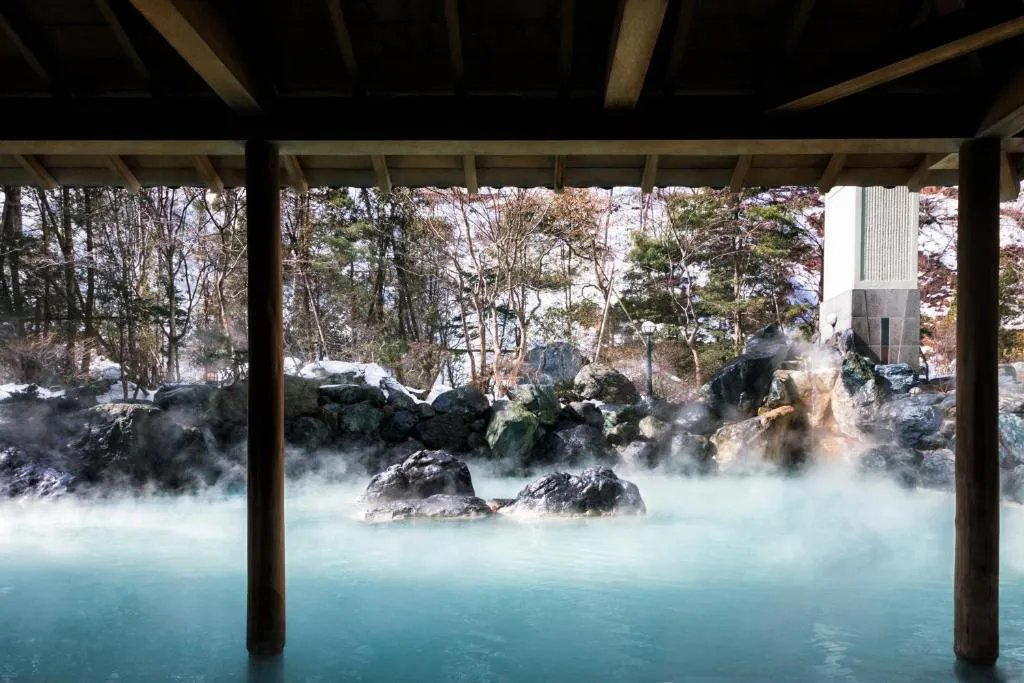
Where the Ground Does the Architecture
Approach Noboribetsu from the highway and the first signal is olfactory: a low, sulphurous note that thickens as the road climbs into the resort district. By the time Jigokudani, Hell Valley, comes into view, the landscape has already announced its terms. Steam rises from cracked earth in columns that shift with the wind, and the wooden bridges threading across the crater floor feel less like tourist infrastructure and more like a negotiation with geology. This is not a spa town that has cultivated an atmosphere. The atmosphere was here first; the town built itself around it.
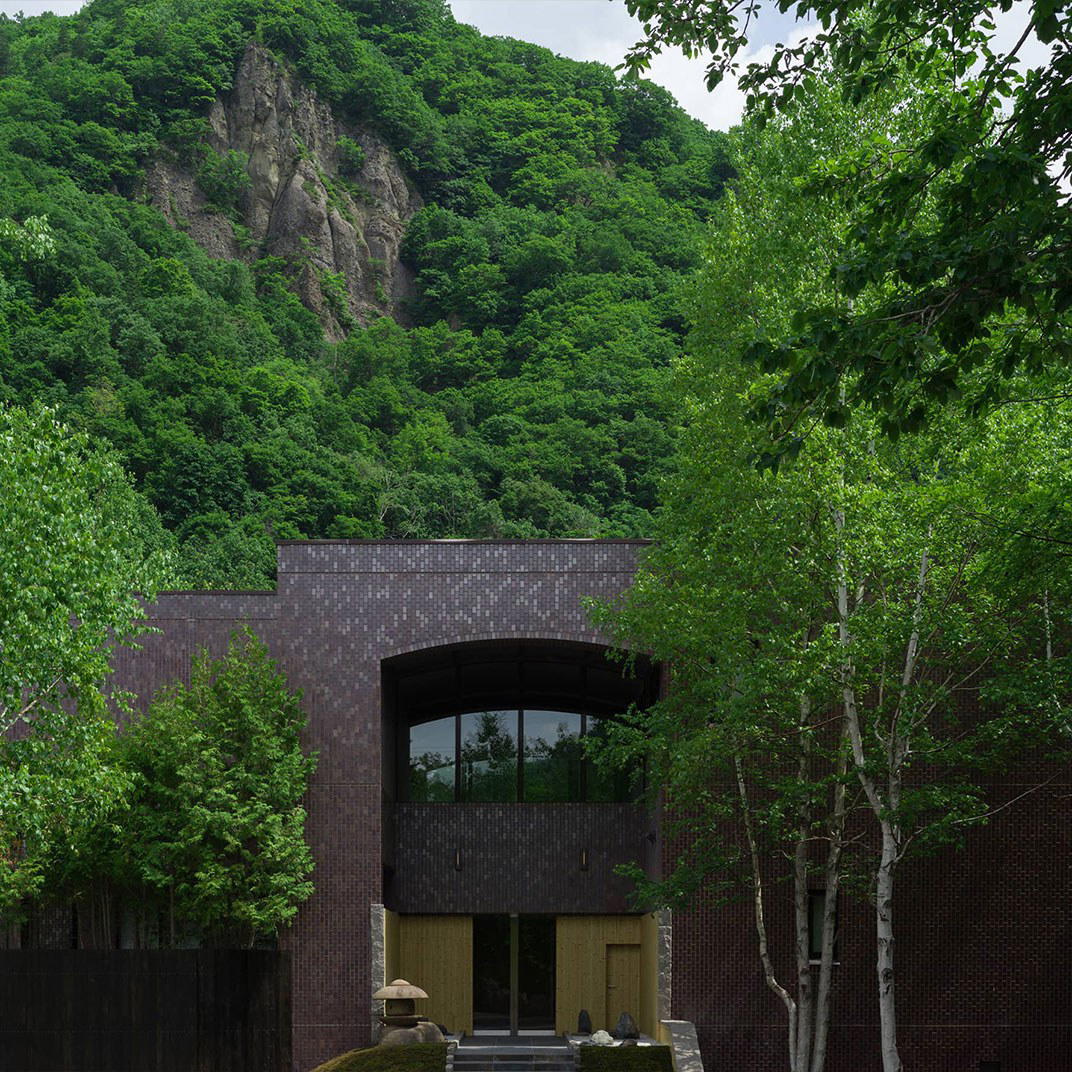
That geological primacy shapes everything about how Noboribetsu reads as a physical environment. The onsen architecture of the main strip, multi-storey ryokan with wide bath wings, covered walkways connecting hot spring facilities to guest rooms, outdoor rotenburo positioned to frame steam vents and forested ridgelines, responds directly to what the ground produces. The water here comes in nine distinct spring types, including sodium chloride, iron, alum, and radium-bearing varieties, which is a concentration found at very few onsen resorts in Japan and almost nowhere outside it. Each spring type requires different tile work, different depth, different temperature management, and different drainage. The bath facilities at the larger ryokan in Noboribetsu are not amenities appended to a hotel: they are the structural logic around which everything else is organised.
Jigokudani as the Reference Point
The Jigokudani crater sits roughly 450 metres above sea level and covers approximately 11 hectares of geothermally active terrain. The boardwalk circuit takes about 40 minutes at a relaxed pace and passes Oyunuma, a grey-green pond that maintains a surface temperature near 50°C year-round, along with smaller mud pools and active vents that periodically change position as the subterranean system shifts. The spectacle is not seasonal in the way that cherry blossoms or autumn colour are seasonal: it operates continuously, which means visiting in winter, when snow accumulates on the surrounding cedar slopes while steam billows from the valley floor, produces one of the starker contrasts available anywhere in Hokkaido. Our full Noboribetsu restaurants guide covers the dining options in the resort district for those planning a longer stay.
The broader Hokkaido onsen circuit includes destinations with quieter forest settings, Zaborin in Kutchan operates at the design-led, low-capacity end of the spectrum, but Noboribetsu occupies a different position: it is the high-density, geologically dramatic anchor of the island's hot spring tourism, with a scale and spring variety that smaller properties cannot replicate.
The Ryokan Register
Ryokan district in Noboribetsu runs along a central street that climbs toward the valley entrance. Properties here range from large, convention-oriented facilities with hundreds of rooms to smaller, more restrained houses with dedicated private bath access. The building stock reflects several decades of expansion, with the largest properties having absorbed annexes and bath wings over time, producing floor plans that are less about architectural coherence than about maximum access to the spring water below. That utilitarian logic is not a flaw: it is honest about what guests are here for.
Across Japan's premium onsen circuit, the design calculus varies considerably. Properties like Gora Kadan in Hakone and Asaba in Izu prioritise refined spatial composition, placing the bath experience inside a broader aesthetic programme. Amanemu in Mie uses Kerry Hill's architecture to frame the onsen ritual within a precisely controlled natural setting. Noboribetsu works differently: the spring variety and geological drama are the differentiators, and the physical environment of the valley provides a context that no interior design programme needs to replicate. For travellers comparing onsen destinations, this matters. The question is not which property has the more considered aesthetic, but which type of spring experience the guest is seeking.
Beyond Hokkaido, the onsen ryokan tradition extends across Japan's main island in formats that reflect local geology and regional cuisine. Nishimuraya Honkan in Kinosaki-cho operates within a town where the bath culture is organised around a set of public bathhouses rather than in-hotel facilities, a different social model entirely. Araya Totoan in Kaga and Bettei Otozure in Nagato each represent the more intimate, curated end of the ryokan format. Atami Izusan Karaku in Atami and Bettei Senjuan in Minakami sit within onsen districts that have their own distinct geological characters. Noboribetsu's comparative advantage is spring diversity at scale, and that position holds regardless of how the individual properties within the town are rated.
Practical Orientation
Noboribetsu is accessible from Sapporo in roughly 75 minutes by limited express train to Noboribetsu Station, followed by a bus connection to the onsen district that takes approximately 15 minutes. From New Chitose Airport, the journey runs about 40 minutes by train to Noboribetsu Station. Most ryokan in the district offer shuttle services from the station, and booking these in advance is the standard practice rather than an optional extra. The onsen district itself is walkable; the main Jigokudani circuit, the central bath street, and the majority of accommodation are within a 10-minute walk of each other.
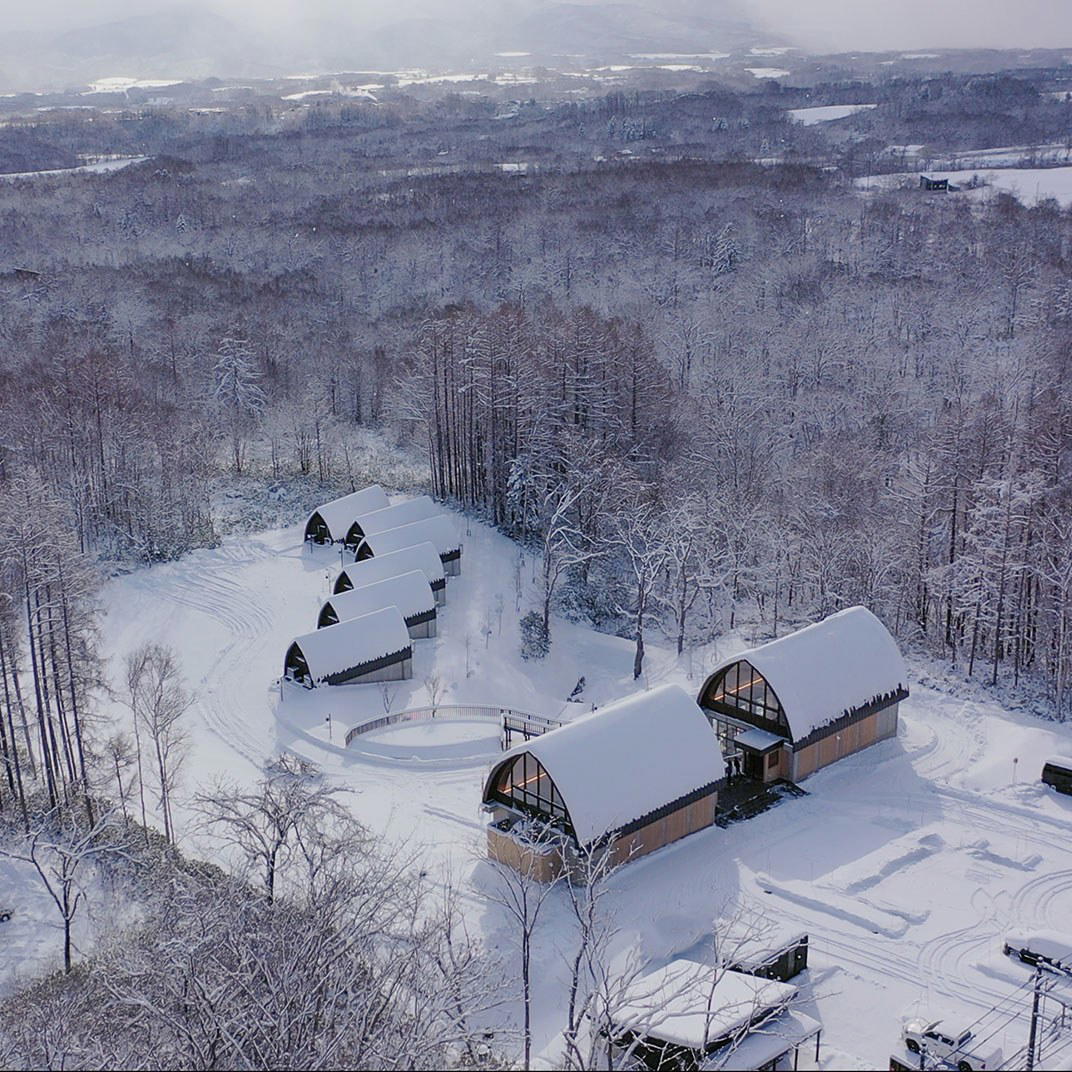
The Hokkaido winter runs from late November through March, with snowfall heaviest in January and February. This is a high-traffic period for the onsen district precisely because the cold amplifies the contrast of outdoor bathing. Summer brings cooler temperatures than Honshu's equivalent months, making it a practical alternative to the main island's heat. The full Hokkaido onsen hotel set, including properties like Fufu Kawaguchiko and the broader Aman Japan portfolio represented by Amanemu, operates year-round, but Noboribetsu's specific winter character is worth scheduling around if the itinerary allows.
How It Stacks Up
| Venue | Price | Awards |
|---|---|---|
| Noboribetsu Hot SpringThis venue (the venue you are viewing) | $200–300 | Not listed |
| Bvlgari Hotel Tokyo | Not listed | 3 Michelin Keys · World's 50 Best #24 |
| Aman Kyoto | Not listed | 2 Michelin Keys · World's 50 Best #74 |
| Aman Tokyo | Not listed | 2 Michelin Keys · World's 50 Best #11 |
| Amanemu | Not listed | 3 Michelin Keys · La Liste Top Hotels |
| Four Seasons Hotel Tokyo at Otemachi | Not listed | 3 Michelin Keys · La Liste Top Hotels |
Continue exploring
More in Noboribetsu
Details
- Scenic
- Elegant
- Classic
- Wellness Retreat
- Romantic Getaway
- Family Vacation
- Panoramic View
- Destination Spa
- Pool
- Room Service
- Concierge
- Garden
- Mountain
Relaxing atmosphere with sunlight streaming into the high-ceilinged dome-shaped Roman bath and tranquil open-air baths facing a waterfall.