
Muroran’s curry ramen tradition is the reason to pay attention here: a port-city bowl built around curry, ramen, and local working-town appetite rather than Sapporo-style miso orthodoxy. Aji no Daiou Muroran honten carries rare authority in that lane, with Tabelog Ramen HOKKAIDO 100 selections in 2024 and 2025 and a format that suits solo diners, families, and quick regional eating.
Pearl is the En Primeur Club membership app — saves, bookings, and concierge access live there. Same editors, same standards.
- Address
- 2 Chome-9-3 Chuocho, Muroran, Hokkaido 051-0011, Japan
- Phone
- +81 143-23-3434
- Website
- muroran-curryramen.com
 Saves & bookings on Pearl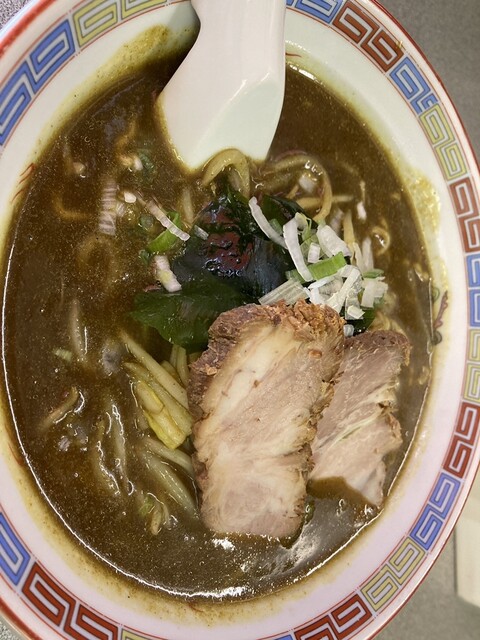
Central Muroran feels like a Hokkaido port town before a polished dining district: practical streets, railway proximity, and restaurants built for lunch without ceremony. That setting matters for curry ramen. The dish is not a decorative regional flourish; it belongs to a city shaped by industry, cold weather, and bowls heavy enough to count as a full meal. In that context, Aji no Daiou Muroran honten is less a ramen stop than a reference point for how Muroran explains itself through food.
Hokkaido ramen talk often defaults to Sapporo miso, Asahikawa shoyu, or Hakodate shio. Muroran curry ramen sits outside that tourist shorthand, which is why it rewards attention. The category joins ramen structure with curry’s spice-and-sauce logic, reading differently from southern Hokkaido’s cleaner seafood salinity or the lard-lacquered miso style farther north. The question is not whether curry ramen is a novelty, but how convincingly a shop keeps curry from flattening noodle, broth, and pork into one-note heaviness.
Muroran curry ramen, treated as a local language rather than a gimmick
The local claim is direct: Muroran tourism material and the curry ramen association identify this main branch with Muroran curry ramen’s origin story. Civic labeling can be overused in regional food culture, but it carries more weight alongside sustained selection in Tabelog’s Ramen HOKKAIDO 100 in both 2024 and 2025. For travelers working through Hokkaido’s ramen map, the shop sits inside a documented regional canon, not a casual lunch detour.
The ingredient angle makes Muroran’s bowl more interesting than its name suggests. Curry ramen depends on calibration: saltiness, sweetness, umami, and spice must hold a line together, while noodles need enough chew to resist the broth’s weight. The shop’s public description emphasizes aged homemade noodles and pork shoulder chashu, pointing to a bowl built around texture and fat as much as spice. Curry can easily dominate ramen; here, the editorial value is seeing how the region folds curry into ramen architecture instead of replacing it.
Compared with broader Japanese ramen culture, Muroran’s version also speaks to place. Hokkaido’s cold-climate food often rewards density: miso ramen with body, dairy-rich sweets, grilled lamb, and seafood served with minimal fuss. Curry ramen fits that pattern but has a different emotional register, closer to canteen comfort than tasting-menu refinement. The category is strongest when it accepts that identity. A bowl like this belongs to the practical Japan where counter seats, raised tatami platforms, and take-out service coexist without drama.
A compact room for a regional staple, not a performance counter
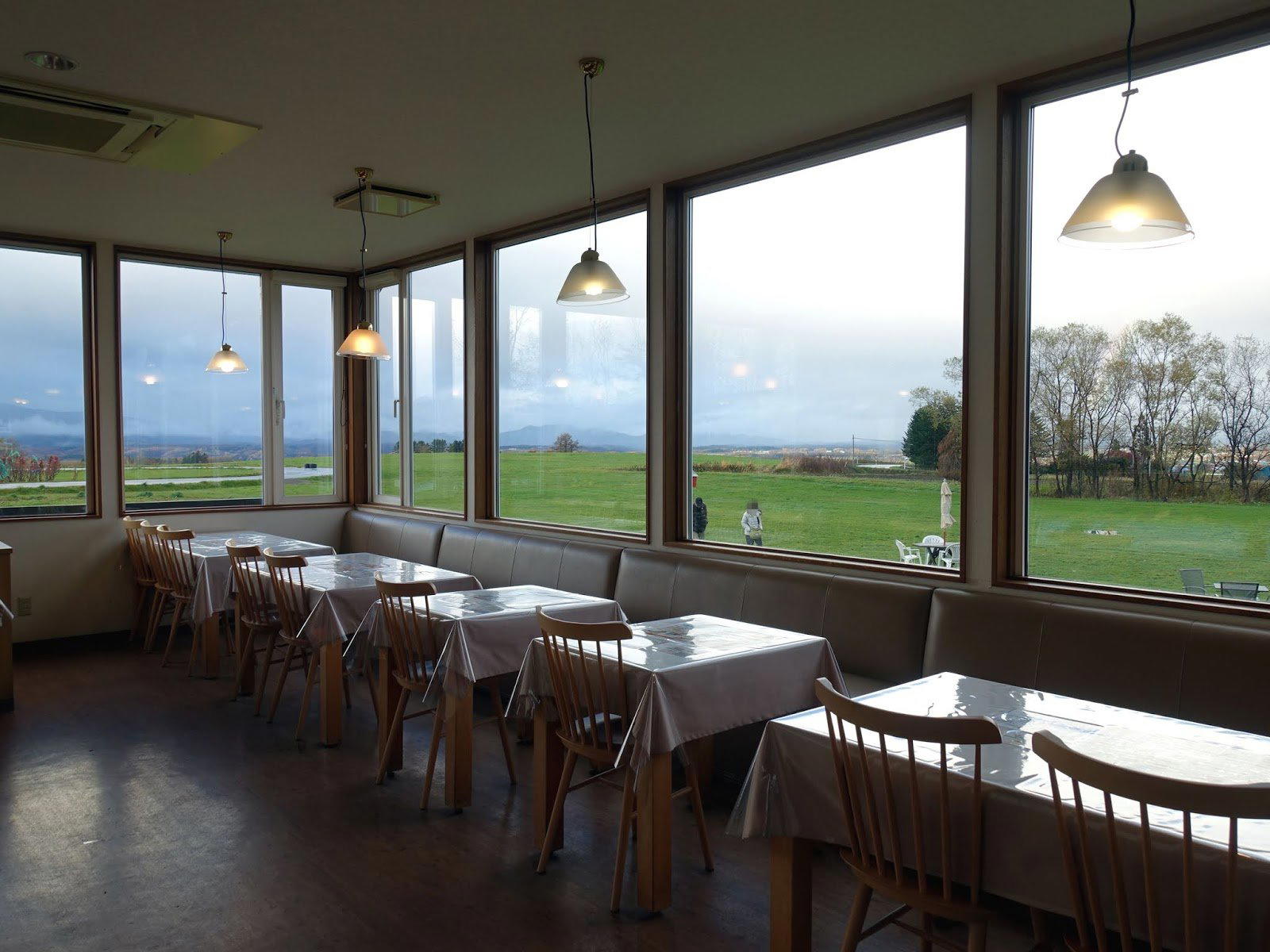
The dining format reinforces the point. The room is small enough to feel local but not so specialized that it excludes casual visitors: counter seating, tables, and raised platform seats all appear in the layout. In Japanese ramen, that mix matters. Counter-only shops often signal speed and solo eating; tatami-style seating brings family and small-group use into the frame. Muroran’s curry ramen is not a rarefied chef’s counter experience. It is a regional staple for a lone diner, a parent with school-age children, or travelers comparing Hokkaido ramen styles.
Price positioning also shapes the reading without making the meal a budgeting exercise. This is not luxury Japanese dining; it is a low-cost regional form that earned recognition through specificity rather than expense. That contrast helps travelers spending much of a Japan itinerary chasing scarce reservations. Some of the country’s clearest food memories are inexpensive, local, and technically narrow. Muroran curry ramen belongs in that group.
The reservation policy aligns with the genre. Ramen in Japan often rewards timing and patience more than months-ahead planning, and this shop sits in that everyday rhythm. Treat it as a lunch anchor while exploring central Muroran rather than a formal dinner centerpiece. The city’s dining identity is compact, and proximity to Muroran Station makes the shop easy to fold into a rail-based Hokkaido itinerary.
How it fits into a sharper Muroran itinerary
Muroran is not a city where visitors should expect Sapporo or Tokyo density. Its appeal is narrower and more specific: port scenery, industrial silhouettes, and regional food signatures that make sense because they belong to the area rather than national food media. Curry ramen is one of those signatures. Aji no Daiou Muroran honten earns its itinerary place by giving that tradition a clear, documented point of entry.
For planning around the city, start with Our full Muroran restaurants guide, then use Our full Muroran hotels guide, Our full Muroran bars guide, Our full Muroran wineries guide, and Our full Muroran experiences guide to decide how much time the city deserves. Travelers building a wider Japan food route can compare regional formats through [Curry Senmon Ten] Maruyama Kyoju. in Sapporo, 1000mヒュッテ 1000m Hut in Kutchan, -Grilled beef Sukiyaki- KAMAKURA TANUKIAN 鎌倉 たぬき庵 in Kamakura, . 鮪と炭火焼き うお炭 秋葉原店 in Tokyo,.cafe in Osaka,.know in Kumamoto, (Shoku) Vietnam in Kawasaki, [ki:] in Kyoto, #肉といえば松田 奈良本店 in Kashihara, 1/3 HAMBURGER FACTORY in Kanazawa, 1000 in Yokohama, Jōdo Saké Bar in Los Angeles, and Onigiri Time in Pasadena.
The critical case is simple: Muroran curry ramen is a regional dish specific enough to justify a stop, and this main branch has the recognition, local association, and format to make that stop legible. It is not competing with high-form ramen counters on scarcity or polish. Its value is cultural clarity: a Hokkaido port-city bowl, served in a practical room, with local authority that turns a quick meal into a useful reading of place.
In Context: Similar Options
Comparable venues by cuisine and price in the same metro.
| Venue | Cuisine | Price | Awards | Notes |
|---|---|---|---|---|
| Aji no Daiou Muroran hontenThis venue — the venue you are viewing | Muroran curry ramen shop | $ | , | |
| Chuka Soba Dokoro Konpiraso | Yamagata Chuka Soba | $ | , | Sanze |
| うらしま | 和歌山ラーメン | $ | , | 花野 |
| Nagata in Kanoka (長田 in 香の香) | Sanuki Kamaage Udon | $ | , | 金蔵寺町 |
| Rishiri Ramen Miraku (利尻らーめん 味楽) | Rishiri-Style Yaki Shoyu Ramen | $ | , | Kohoku-Ku |
| 旭がのぼるまで | Miso Ramen | $ | , | Susukino |
Continue exploring
More in Muroran
Restaurants in Muroran
Browse all →



At a Glance
- Classic
- Cozy
- Lively
- Solo
- Family
- Group Dining
- Casual Hangout
- Late Night
- Standalone
Simple, old‑school ramen‑shop atmosphere with counter seats and small tables plus a tatami area; typically busy and energetic but still comfortable for solo diners and families.