
HIROAKI puts Tomakomai into a sharper dining conversation than the city’s airport-adjacent reputation suggests: creative Sichuan cooking shaped around Hokkaido produce, fish, and a course format rather than casual Chinese dining. Its Tabelog 100 Chinese EAST 2026 selection gives the room a clear signal for travelers comparing regional Japan restaurants beyond Sapporo.
Pearl is the En Primeur Club membership app — saves, bookings, and concierge access live there. Same editors, same standards.
- Address
- Japan, 〒053-0023 Hokkaido, Tomakomai, Nishikimachi, 1 Chome−6−11 NP.BLD2F
- Phone
- +81 144-84-7249
- Website
- kishin-style.com
 Saves & bookings on Pearl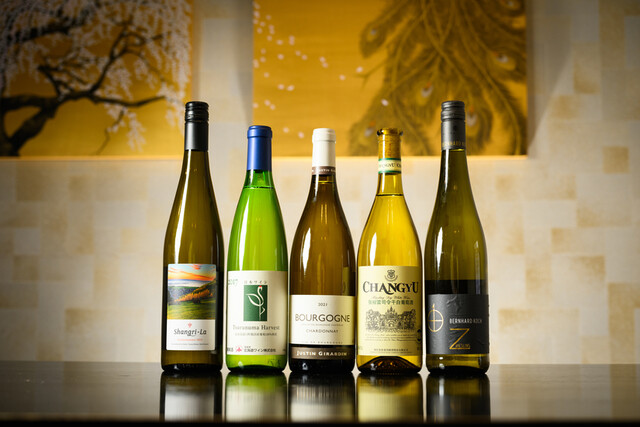
Tomakomai’s dining rhythm is usually read through ports, winter roads, and travelers moving between Hokkaido’s coast and New Chitose Airport. A second-floor room in Nishikimachi shifts that expectation. The setting is compact, with counter seating and table partitions rather than banquet-hall scale, and the cooking sits in the small Japanese category where Chinese technique frames local sourcing rather than following a fixed script.
That matters in Hokkaido. The island’s restaurant culture is often reduced to dairy, crab, lamb, ramen, and sushi, yet its produce and seafood give Chinese kitchens another register: vegetables bring sweetness and texture, fish can replace heavier meat assumptions, and Sichuan heat can be calibrated around freshness rather than volume. HIROAKI fits that thinking, listed for Sichuan, Chinese, and creative cooking, with attention to vegetables, fish, health-conscious menus, and vegetarian options.
Creative Sichuan in Tomakomai, with Hokkaido ingredients doing the work
Chinese dining in regional Japan often splits into two tracks. One is everyday chuka: ramen, fried rice, gyoza, and dependable neighborhood comfort. The other is a smaller, deliberate tier where Sichuan, Cantonese, or Shanghainese references are filtered through Japanese seasonality and course pacing. Tomakomai is not the obvious stage for the latter, which makes the category more interesting here than in a larger dining capital.
The useful comparison is not low-priced airport snacks or casual ramen stops around the travel corridor. Aji no Daiou Souhonten, Milk & Parfait Yotsuba White Koji Shin chitose kuukou ten, ROYCE' Shin chitose kuukou ten, and Hokkaido Gyunyu Castella serve another need: fast, familiar, and price-light. HIROAKI is a planned-meal address, where value depends on course structure, ingredient quality, and balance across spice, oil, sweetness, and texture.
Tabelog’s Chinese EAST 2026 “Tabelog 100” selection gives that position a public marker. The award does not make Tomakomai a Chinese-dining capital, but it identifies a regional outlier within eastern Japan’s Chinese category. The restaurant was also selected in 2023, giving the recognition more weight than a single-cycle appearance. For Hokkaido itineraries, that separates a scheduled dining stop from a convenient transit meal.
The ingredient angle is the reason to pay attention. Sichuan cooking outside China can become shorthand for numb heat, chile oil, and dramatic seasoning; stronger Japanese interpretations use those tools without flattening the produce. A kitchen foregrounding vegetables and fish in Hokkaido has a pantry that supports restraint. The point is not authenticity theater, but how regional Japanese Chinese cooking makes local ingredients legible through fermented, spicy, aromatic, and textural techniques.
A small-room format changes the expectations for Chinese dining
The physical scale changes the meal. With 13 regular seats, including counter seating, this is not a group-banquet model dressed for special occasions. The room sits closer to a Japanese counter restaurant than to the round-table Chinese template, affecting pacing, portion logic, and course structure: less abundance as display, more sequence and control.
Private-room culture in Japan often signals formality, but here separation is softer, with table areas divided by curtains or blinds. The setting reads as intimate rather than ceremonial. Families are not excluded; children are welcomed, and a children’s plate is offered for younger guests. Still, the core identity is a composed course restaurant, not a casual drop-in canteen.
Drinks broaden the frame in a Japanese rather than conventionally Chinese way. Sake, shochu, wine, and cocktails are offered, and the Sapporo Beer “Perfect Classic” certification adds a Hokkaido signal. More than a beverage footnote, it connects the restaurant to local drinking habits in a city tied to working-port pragmatism and beer-country familiarity, while the food works in a Sichuan register.
The broader Tomakomai question is what kind of dining stop justifies a detour. For a quick city scan, Our full Tomakomai restaurants guide gives wider restaurant context, while TONCINI offers a local comparison point. Travelers pairing dinner with an overnight stay can check Our full Tomakomai hotels guide, and those planning the rest of the evening can use Our full Tomakomai bars guide. The city’s broader trip-planning pages, including Our full Tomakomai wineries guide and Our full Tomakomai experiences guide, help decide whether Tomakomai is a pass-through stop or a deliberate Hokkaido base.
How to read it within Japan's regional dining map
Japan’s strongest regional meals often come from places that do not over-explain themselves. A restaurant does not need a capital-city address to enter a serious conversation if the format is disciplined and the recognition specific. Here, the signal is clear: creative Sichuan cooking, Hokkaido sourcing cues, a small seated format, and repeat appearance in a Chinese category award list.
For readers comparing across Japan, separate cuisine from occasion. A beef sukiyaki specialist such as -Grilled beef Sukiyaki- KAMAKURA TANUKIAN 鎌倉 たぬき庵 in Kamakura, a Tokyo charcoal-and-tuna address like . 鮪と炭火焼き うお炭 秋葉原店 in Tokyo, and a Kyoto dining room such as [ki:] in Kyoto answer different travel appetites. So do.cafe in Osaka,.know in Kumamoto, (Shoku) Vietnam in Kawasaki, [Curry Senmon Ten] Maruyama Kyoju. in Sapporo, #肉といえば松田 奈良本店 in Kashihara, 1/3 HAMBURGER FACTORY in Kanazawa, and 1000 in Yokohama. The point is not ranking, but matching the meal to the city, format, and planning level it asks from the traveler.
International readers looking at Japanese dining from abroad may find useful contrasts in Jōdo Saké Bar in Los Angeles and Onigiri Time in Pasadena, where Japanese ingredients and formats travel in the opposite direction. Tomakomai’s case is different: Chinese technique enters a Hokkaido pantry, and the result belongs less to fusion rhetoric than to the disciplined regional cooking that makes Japan’s smaller cities worth studying.
Comparison Snapshot
Comparable venues by cuisine and price in the same metro.
| Venue | Cuisine | Price | Awards | Notes |
|---|---|---|---|---|
| HIROAKIThis venue — the venue you are viewing | Creative Sichuan Chinese | $$$ | , | |
| TONCINI | Pizza | , | , | Tomakomai |
| Chen Kenichi Mapo Tofu Restaurant (陳建一麻婆豆腐店) | Sichuan Mapo Tofu Specialist | $$$ | , | Minatomirai |
| China Kitchen | 本格四川・広東中華 | $$$ | , | Hanazono |
| Chinese Bed | Modern Chinese | $$$ | , | Shibuya |
| 中国料理 獅子 | Traditional Chinese Cuisine | $$$ | , | 志賀高原 (Shiga Kogen) |
Continue exploring
More in Tomakomai
Restaurants in Tomakomai
Browse all →
Bars in Tomakomai
Browse all →

At a Glance
- Sophisticated
- Elegant
- Quiet
- Intimate
- Date Night
- Business Dinner
- Group Dining
- Special Occasion
- Standalone
- Open Kitchen
- Sake Program
- Local Sourcing
An understated, adult-oriented dining room with a calm, elegant mood designed to let the aromas of the Sichuan料理 stand out.