
Small Luxury Hotels of the World Member
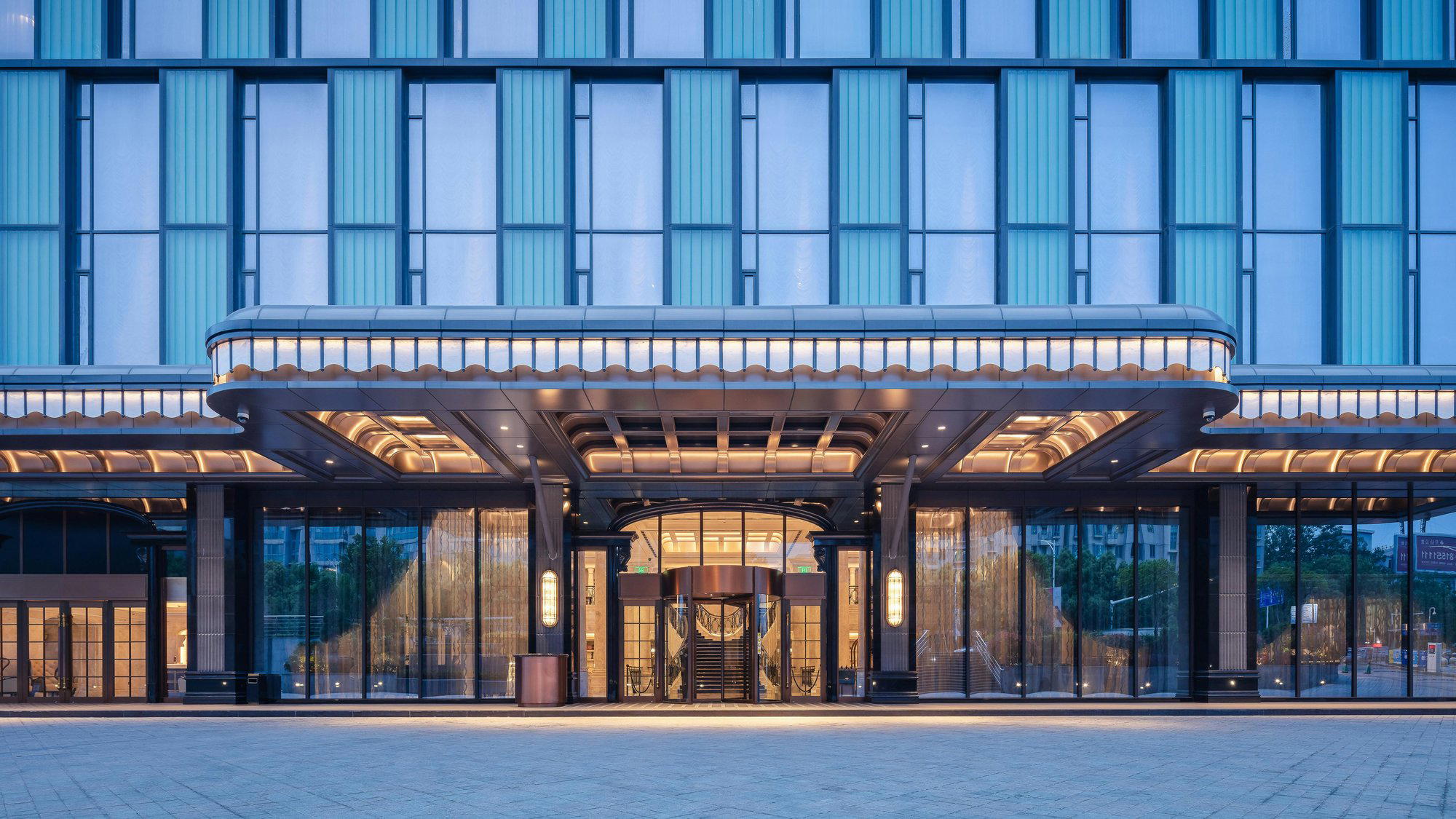
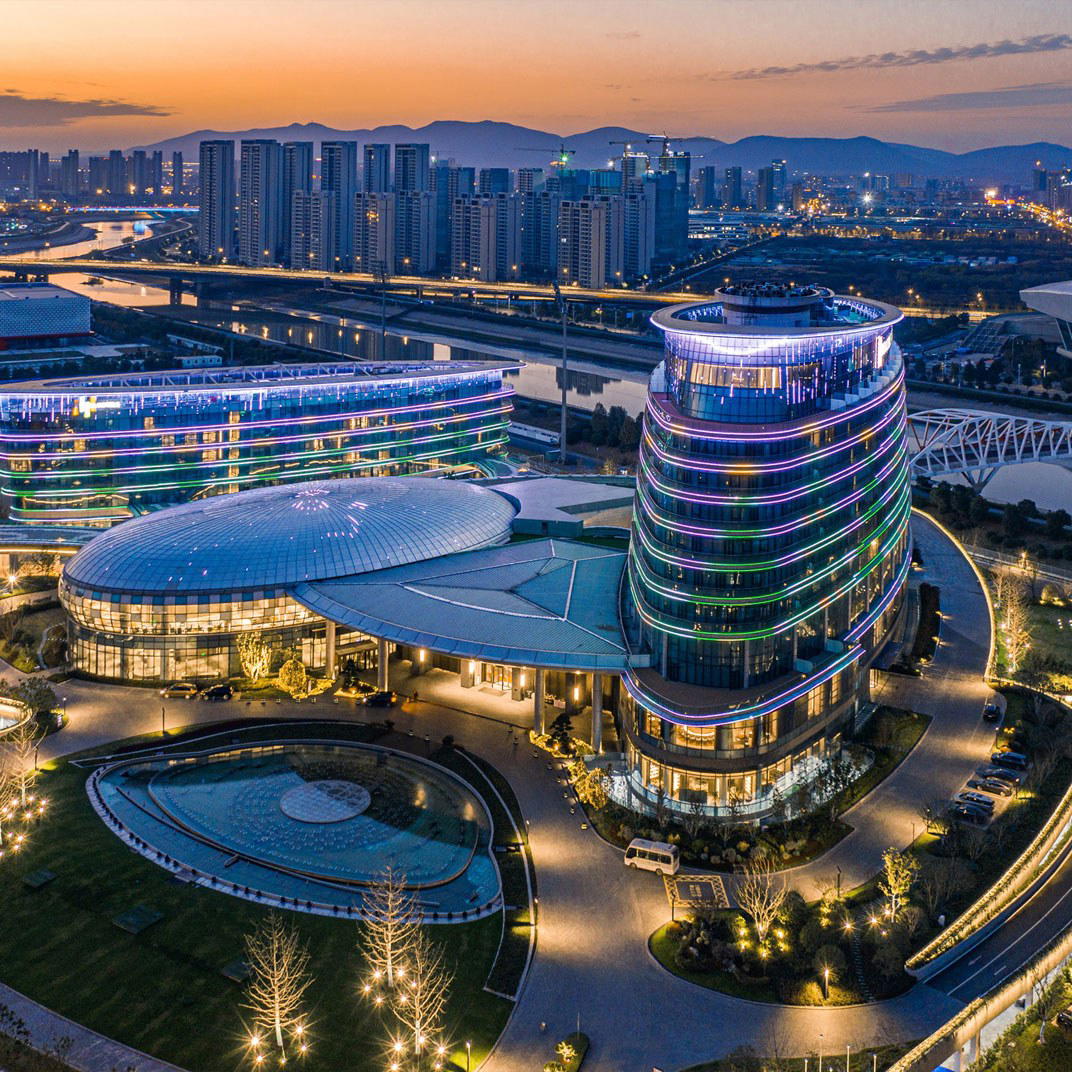
New Jingli Hotel occupies the Yuhuatai district of Nanjing, a city whose role as capital across multiple Chinese dynasties gives it a historical weight that few Chinese cities can match. The property announces itself with a marbled, Romanesque-columned lobby designed to make arrival feel ceremonial. For travellers seeking a boutique foothold in a city more accustomed to international chain hotels, it represents a distinct alternative.

Pearl is the En Primeur Club membership app — saves, bookings, and concierge access live there. Same editors, same standards.
- Address
- No.2, 紫荆花路雨花台区南京市江苏省210022
- Phone
- +86 25 8324 3333
- Directions
- Get directions
Nanjing's Boutique Hotel Tier: Where New Jingli Sits
Nanjing's luxury accommodation market has historically been dominated by the large international brands. The Ritz-Carlton, Nanjing and properties like Hyatt Place Nanjing Xuanwu represent the familiar global footprints that have defined the city's upper accommodation tier for years. A smaller, more characterful cohort has begun to emerge alongside them: boutique properties that position themselves through design language and atmosphere rather than points programmes and conference wings. New Jingli Hotel, located in the Yuhuatai district at No. 2 Zijiinghua Road, sits in this newer tier. Its arrival positions it as the city's latest entrant into the design-led boutique segment, a category that remains relatively sparse in Nanjing compared to cities like Hangzhou or Suzhou.
The distinction matters for the traveller choosing between them. At Yihe Mansions, for instance, heritage atmosphere is the principal draw, with a colonial-era residential character threading through the property. New Jingli's approach appears different: a palatial, marbled lobby of Romanesque columns signals an aesthetic ambition that looks westward in its references while remaining grounded in a city whose layered history gives it unusual cultural density. For a broader read on how these properties compare within the city's accommodation scene, the full Nanjing restaurants and hotels guide maps the competitive set in detail.
The Setting: Yuhuatai and What the District Asks of Its Guests
Nanjing has served as capital under the Eastern Jin, the early Ming dynasty, the Republic of China, and briefly the Taiping Heavenly Kingdom. That compressed political history is most legible in the city's south and southwest, where the Yuhuatai district sits. The area's name references the Rain Flower Terrace, a site that carries both Buddhist legend — monks said to have caused a rain of flowers during a sermon — and twentieth-century memorial weight as a site of mass executions during the Nanjing Massacre. Staying in this part of the city is not incidental. It places guests adjacent to memorial parks and monument landscapes that are absent from the more commercial Gulou or Xinjiekou districts further north.
For travellers whose interest in Nanjing extends beyond the Ming city walls and the lakeside promenades of Xuanwu, a Yuhuatai base makes logistical sense. The district is less saturated with tourist infrastructure than the historic centre, which tends to mean quieter streets and a more local cadence. The trade-off is distance from Nanjing's primary commercial dining strips, so guests relying on the hotel's own food and beverage offering will find that detail more consequential than it might be in a more central location.
The Lobby and the Arrival Experience
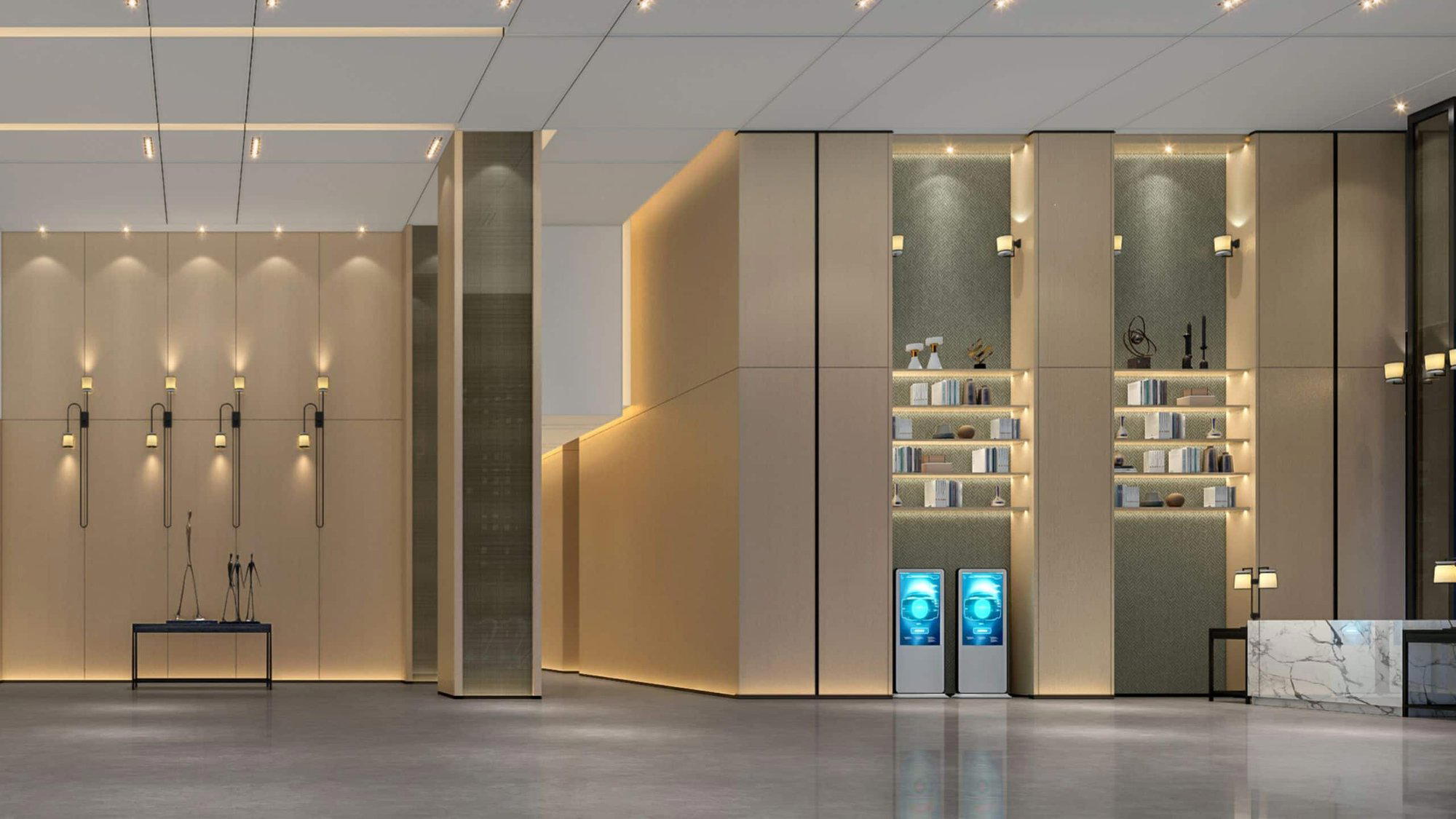
The formal entry point into any hotel's atmosphere is arrival, and New Jingli's is designed to register immediately. A palatial, marbled lobby framed by Romanesque columns sets the spatial tone: high ceilings, reflective floors, and a classical European architectural vocabulary that diverges from both the contemporary minimalism common in newer Chinese business hotels and the courtyard-garden aesthetic associated with heritage properties in cities like Suzhou or Lijiang. This is worth noting because it signals the hotel's target guest: someone drawn to a particular kind of grandeur rather than vernacular Chinese design. Across China's luxury hotel spectrum, properties like Amandayan in Lijiang or Amanfayun in Hangzhou derive their authority from deep integration with local architectural tradition. New Jingli occupies a different position: the marbled Romanesque register is an aesthetic choice that connects it more to palatial hotel traditions associated with properties like Aman Venice or certain grand-hotel formats in New York, such as The Fifth Avenue Hotel or Aman New York, than to the region's courtyard-inn tradition.
What the Dining Programme Signals
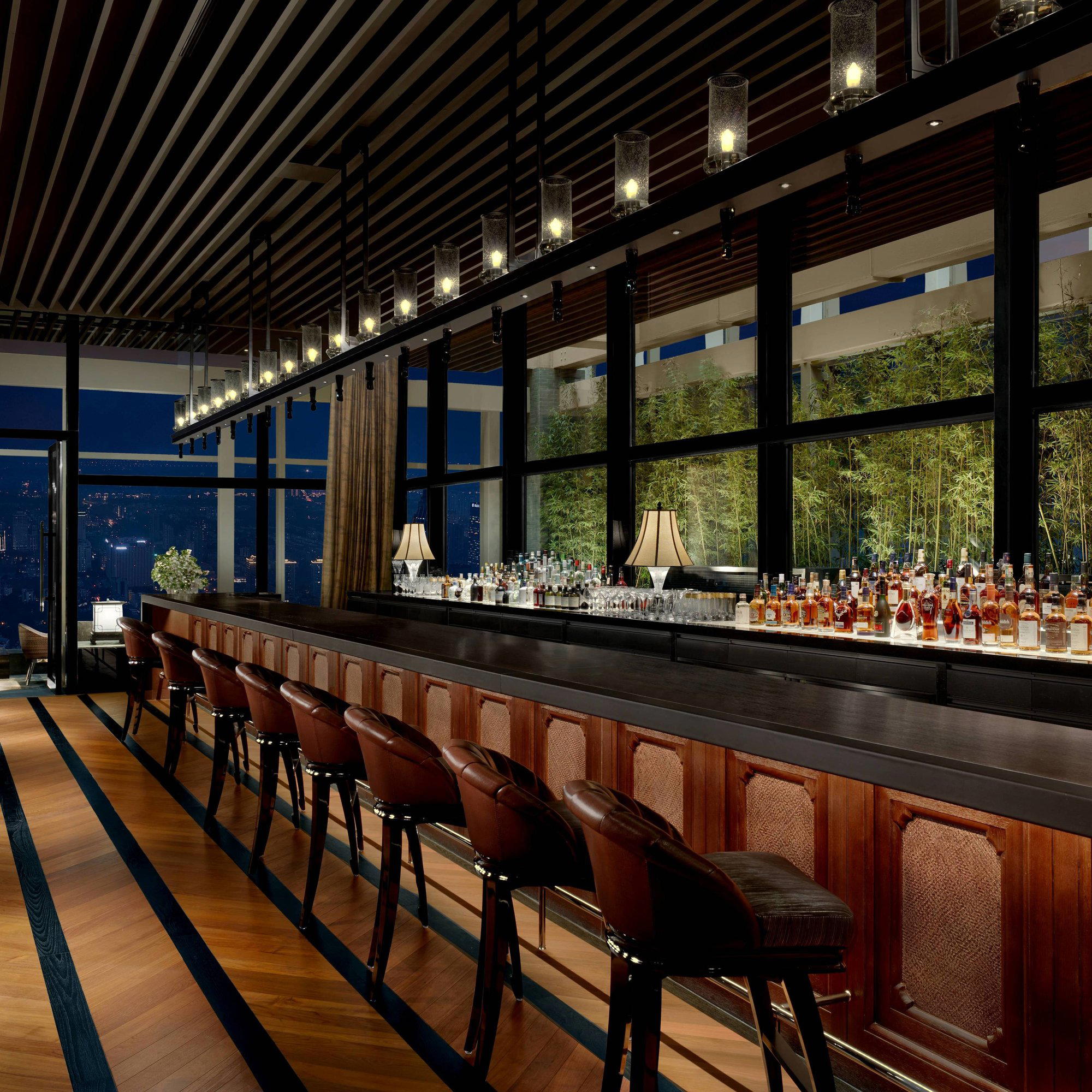
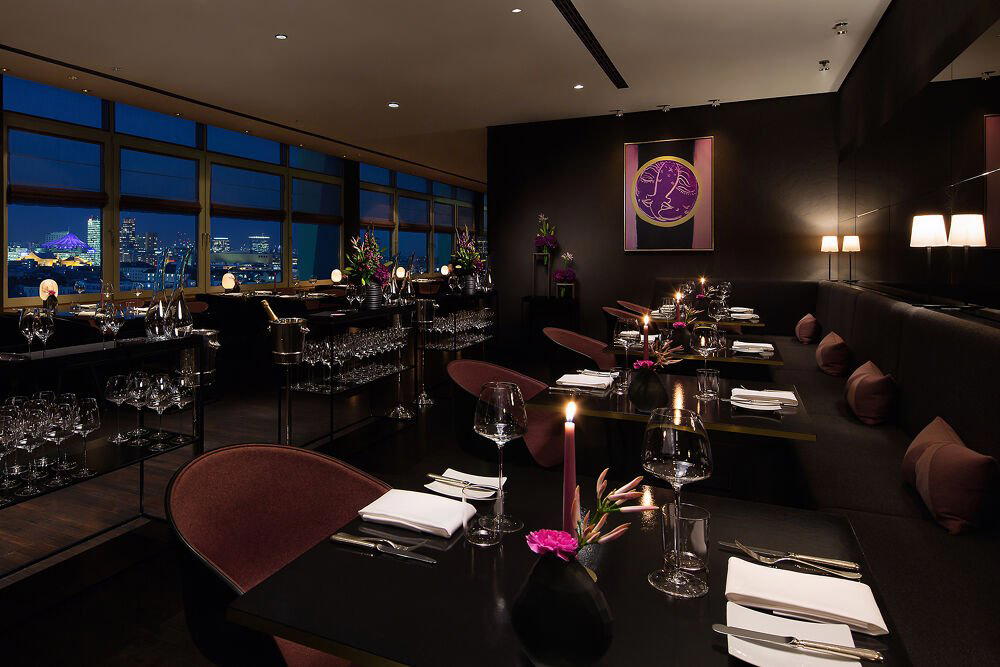
Because New Jingli's venue data does not include confirmed details on restaurants, bars, chefs, or food and beverage formats, this section addresses what the hotel's positioning implies about dining direction rather than making specific claims. Boutique hotels in China's second-tier luxury segment, the bracket below international flagships like Mandarin Oriental Qianmen in Beijing or JW Marriott Shanghai at Tomorrow Square, typically face a structural choice: invest in a destination restaurant capable of drawing non-resident diners, or focus the food and beverage operation inward as a guest amenity.
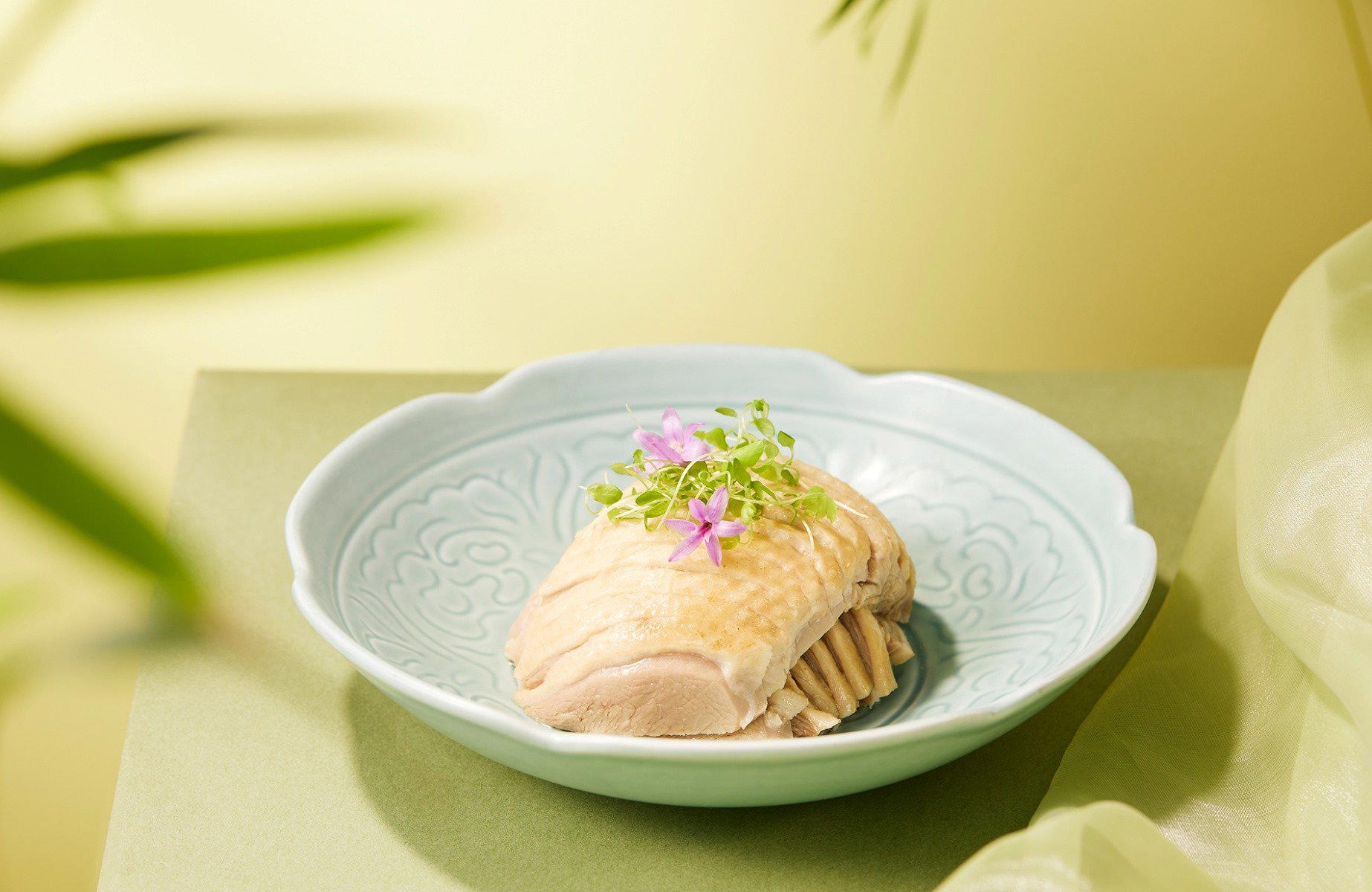
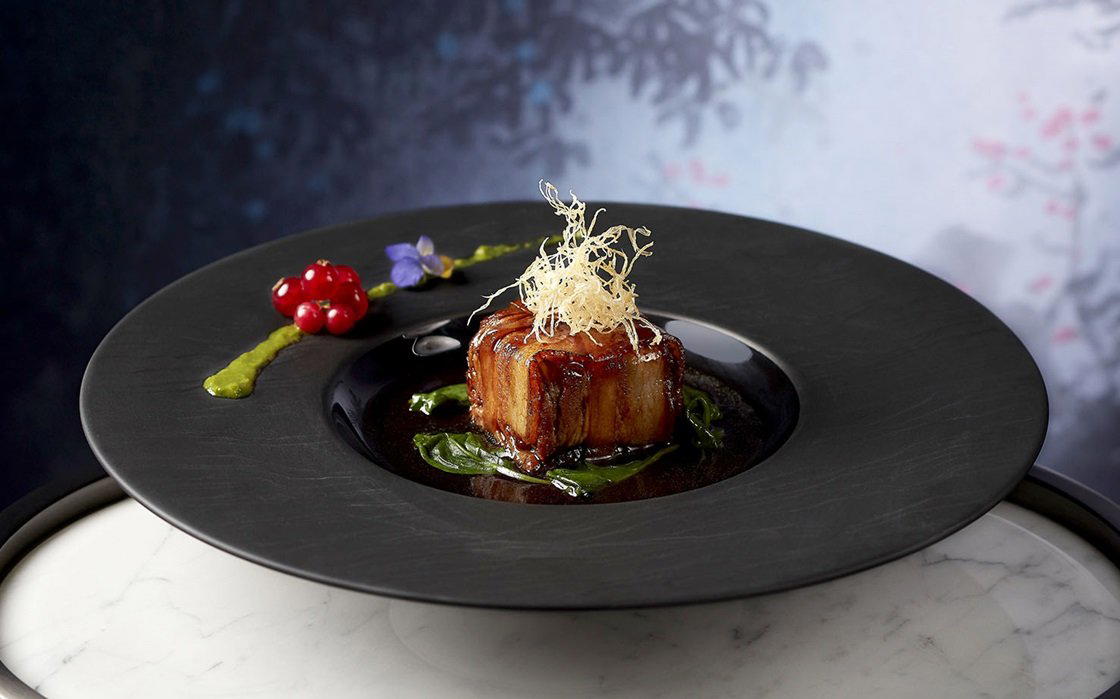
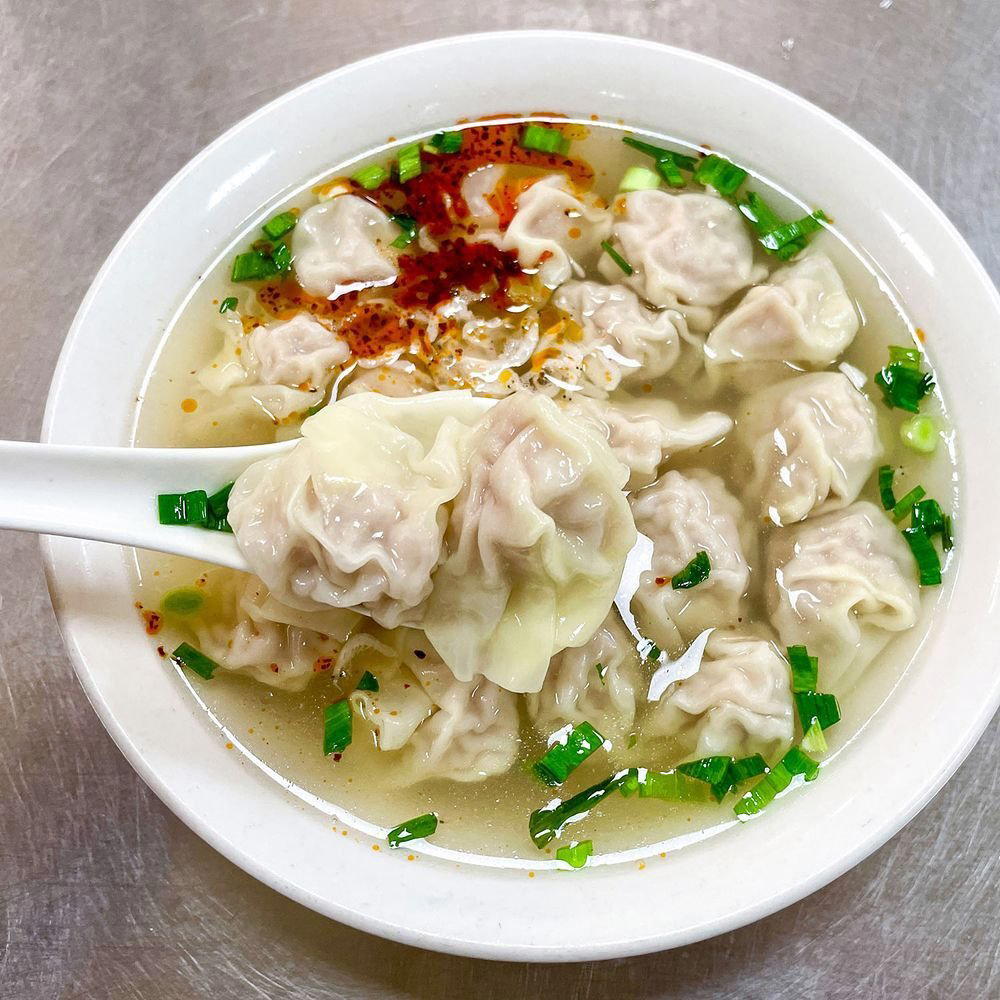
Given the Yuhuatai location, which sits outside the restaurant-dense corridors of central Nanjing, the dining programme carries more weight than it would at a property closer to the city's restaurant clusters. Nanjing's cuisine tradition is worth understanding in its own right. The city is historically associated with pressed salted duck, soup dumplings in a style distinct from Shanghai's, and a broader Jiangsu cooking lineage that prizes freshwater fish and subtle, sweet-salt seasoning. How any hotel in this city positions itself relative to that tradition, whether by interpreting it, ignoring it, or presenting it alongside international alternatives, tells you a great deal about who the property is designed for. Travellers arriving specifically for Nanjing's food culture might cross-reference properties like those found in Xiamen Yunding Resort or Banyan Tree Chongqing Beibei, both of which have integrated regional culinary identity into their food and beverage offer in ways that can serve as a benchmark for comparison.
Planning Your Stay
New Jingli Hotel is located at No. 2 Zijiinghua Road in the Yuhuatai district, postcode 210022. As a newer boutique property in a district without the hotel density of Nanjing's central zones, prospective guests are advised to confirm reservation and booking terms directly, as neither a website nor phone number is currently listed in EP Club's verified database. Nanjing is served by Nanjing Lukou International Airport, approximately 35 kilometres from the city centre, with high-speed rail connections from Nanjing South station linking the city to Shanghai in under two hours. For those building a broader China itinerary, the hotel's position in Jiangsu province makes it a natural stop alongside properties in adjacent cities: Green Lake Hotel Kunming represents the kind of historically rooted city-centre property that Yunnan travellers tend to anchor around, while 1 Hotel Haitang Bay in Sanya or Altira Macau serve the southern coastal segment of a longer itinerary. For visitors pushing further north, Vanke Lake Songhua Yunlu Hotel in Jilin and Mohe Youran Mountain Residence map the remote-escape tier of China's accommodation offer at the opposite end of the country. Closer to Nanjing, Andaz Shenzhen Bay, Conrad Guangzhou, Conrad Tianjin, and Banyan Tree Ringha in offer points of comparison across different city contexts and price tiers. Beidahu Asian Games Village, Huyi District in Xi'an, and Conrad Jiuzhaigou extend the China footprint into heritage and nature-adjacent formats that Nanjing-based travellers frequently include in extended itineraries.
Budget and Context
Comparable venues nearby, for context on price, style, and recognition.
| Venue | Price | Awards | Notes |
|---|---|---|---|
| New Jingli HotelThis venue — the venue you are viewing | $1–100 | Small Luxury Hotels of the World Member | Not listed |
| Hotel Indigo Nanjing Garden Expo | $1–100 | Michelin Selected | Jiangning District, Boutique hotel blending neighborhood mining heritage with modern villa architecture |
| HUALUXE Nanjing Yangtze River | Not listed | Michelin Selected | Pukou, Premium luxury hotel designed for Chinese business elite and culture-appreciating travelers, blending contemporary design with traditional Chinese aesthetics and craftsmanship. |
| Yihe Mansions | $100–200 | 1 Michelin Key · Relais Chateaux Award | Gulou, Republic of China-era historic mansions |
| Andaz Nanjing Hexi | Not listed | Michelin Selected | Hexi, Contemporary urban luxury with cultural fusion |
| The Ritz-Carlton, Nanjing | Not listed | Michelin Guide New Hotels New Hotel · Michelin Selected | Xinjiekou, Contemporary luxury skyscraper blending Nanjing's dynastic heritage with modern opulence |
Recognition history
Dated appearances from independent guides and award organizations, with the underlying list record or original source where available.
Small Luxury Hotels of the World Member
Small Luxury Hotels of the World
Details
- Elegant
- Sophisticated
- Classic
- Business Trip
- Weekend Escape
- Rooftop Pool
- Historic Building
- Wi Fi
- Fitness Center
- Restaurant
- Room Service
- Concierge
- Business Center
- Laundry Service
- Elevator
- Wheelchair Accessible
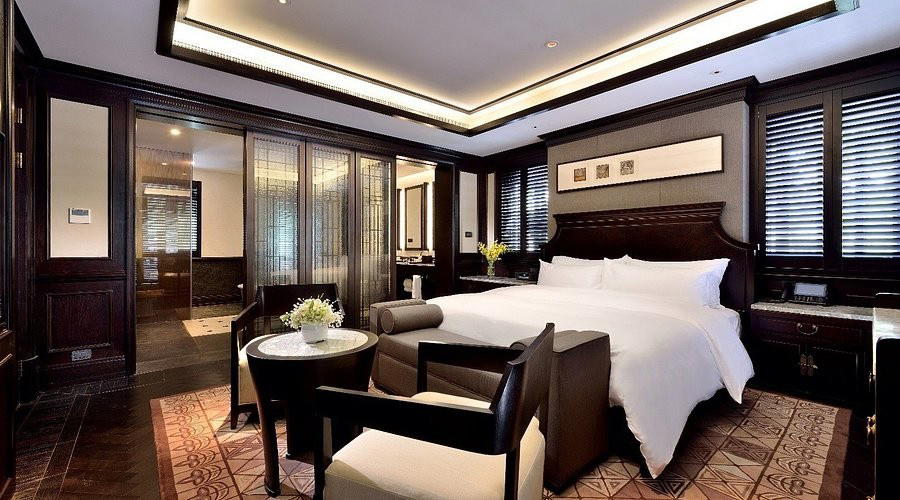
Warmly decorated rooms with elegant European neoclassical style, grand staircase, and a luxurious, comfortable atmosphere.