
1 Michelin Star
Our verdict
Jiangnan Wok · Yun holds a Michelin one-star rating (2025) in Nanjing's Qinhuai District, placing it among the city's most formally recognised addresses for Huaiyang cuisine.

Pearl is the En Primeur Club membership app, where members save venues, book tables and use the concierge.
The menu
What to order
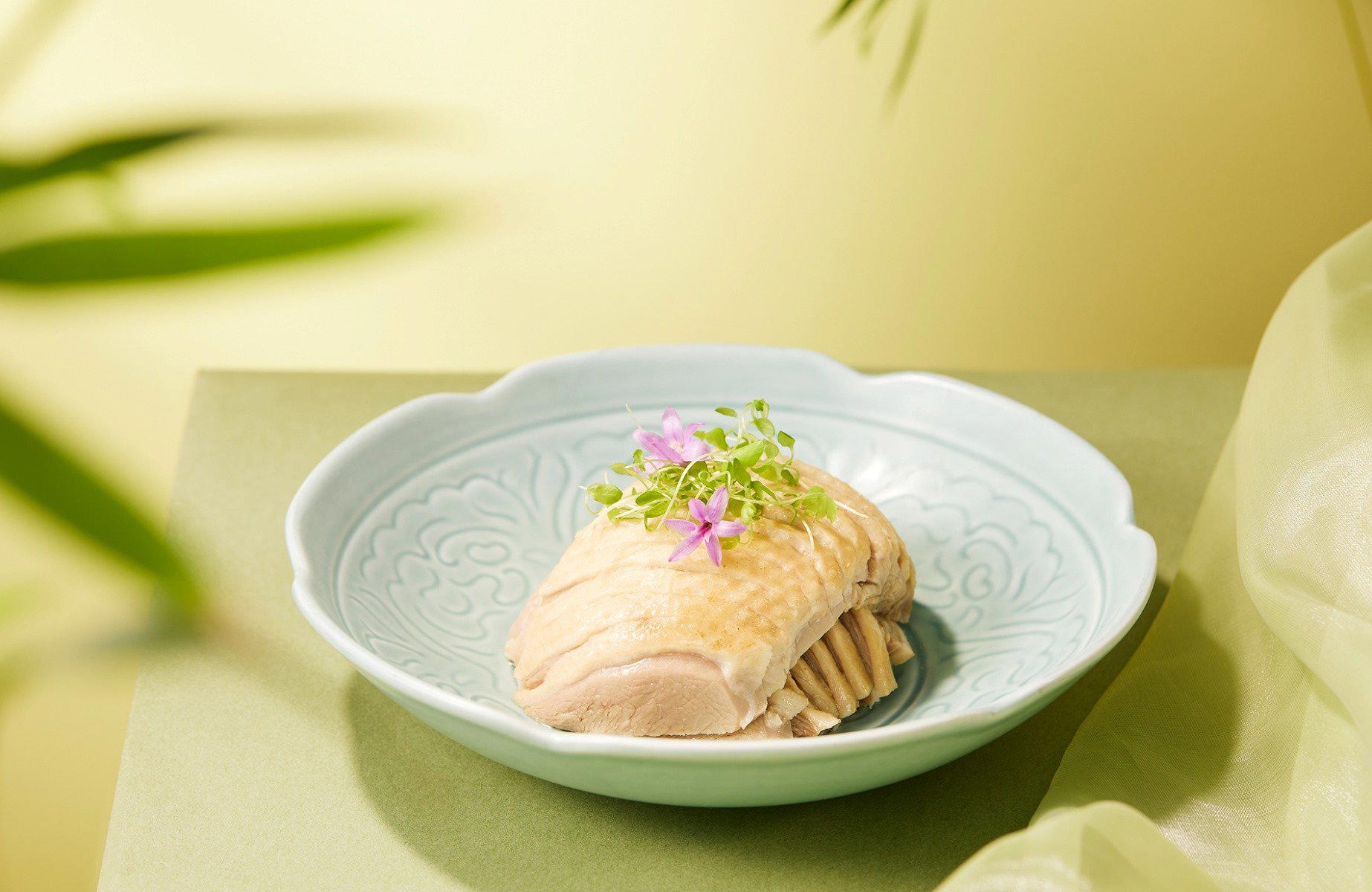
- Braised eight-treasure pigeon with abalone
A Michelin Star in the Home of Huaiyang
Huaiyang cuisine occupies a specific position in the Chinese culinary canon: it is the regional tradition that feeds most directly into the classical banquet cooking of the imperial court, built on knife precision, delicate broths, and ingredients sourced from the Yangtze Delta's rivers and lakes. Nanjing, one of the Four Great Ancient Capitals, sits at the cultural heart of that tradition. When the 2025 Michelin Guide awarded Jiangnan Wok · Yun a one-star rating in this city, the recognition carried particular weight, this is not a cuisine where a star lands on novelty or fusion; it lands on execution.
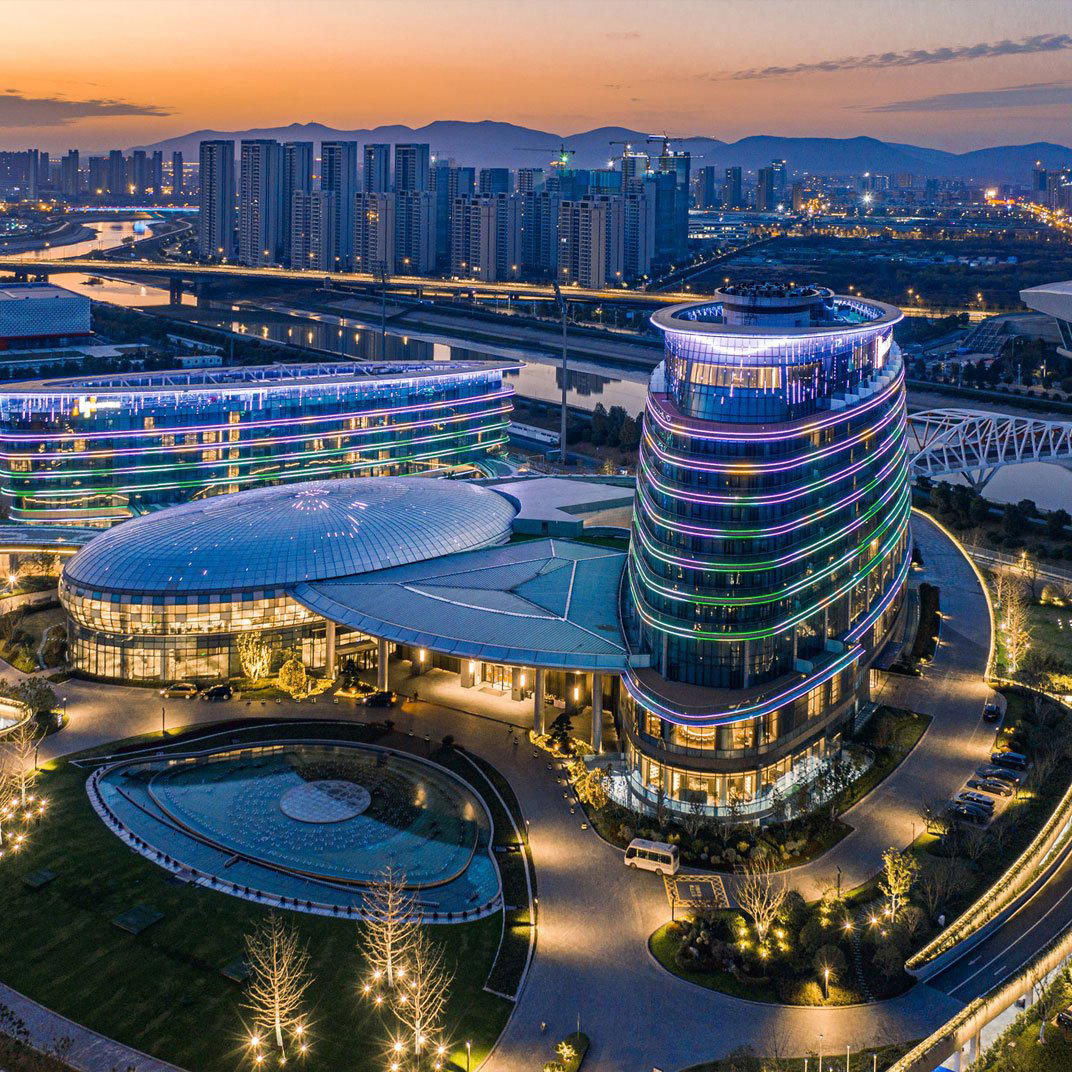
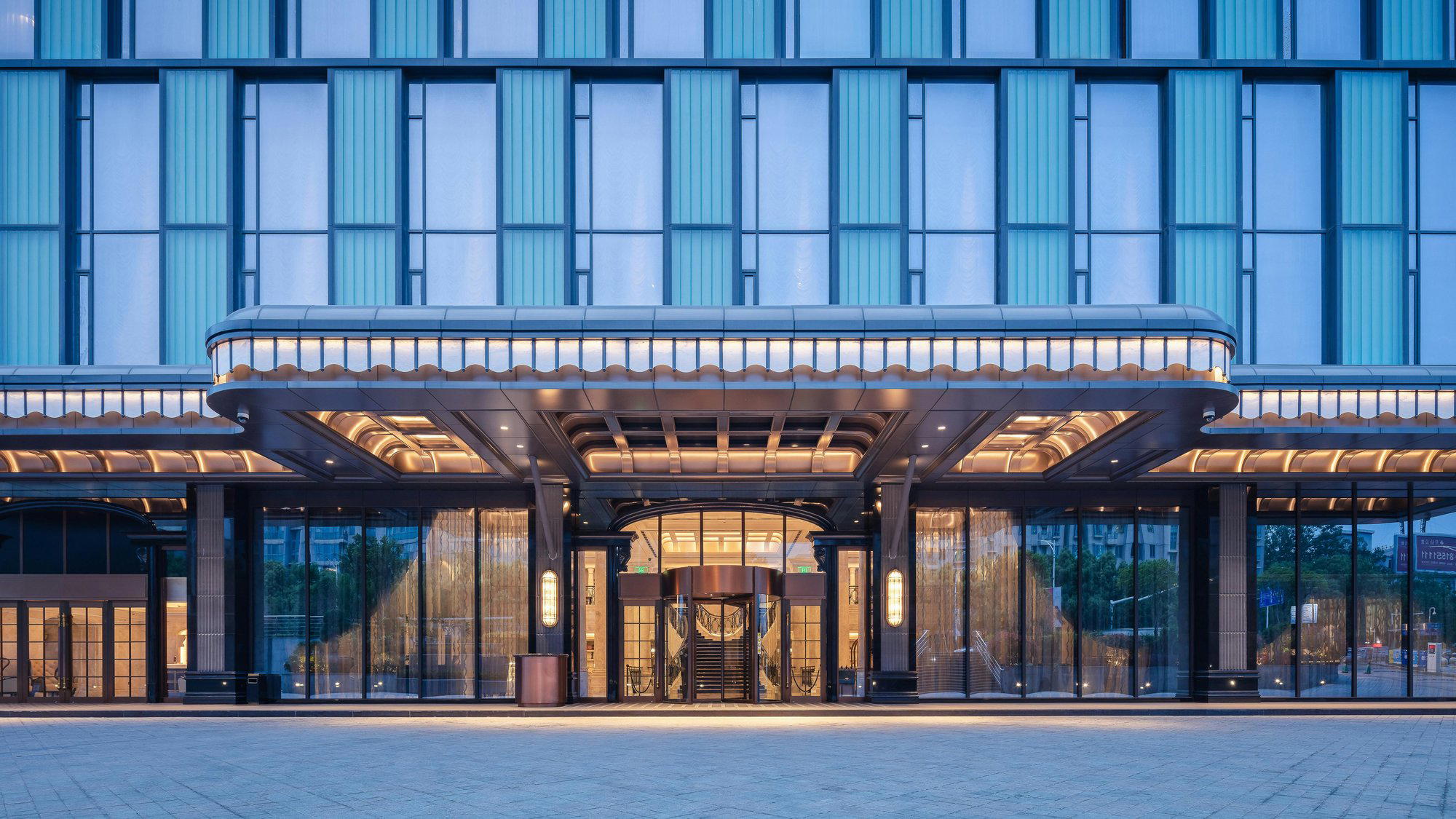
The address is in the Qinhuai District, the neighbourhood that stretches along the old city moat and carries more historical density per square metre than almost anywhere in Jiangsu Province. The physical approach is weighted with that context: old stone, water, and the particular stillness of a district that has been simultaneously a residential, commercial, and cultural zone for over a thousand years. Arriving at a ¥¥¥¥ restaurant here places you at an intersection of ancient culinary geography and contemporary critical validation.
Where the 2025 Star Sits in Nanjing's Dining Picture
Nanjing's recognised fine-dining tier is smaller than its population and tourist draw might suggest. The city has no shortage of Huaiyang addresses, but the gap between everyday regional cooking and formally starred work is significant. Jiangnan Wok · Yun's 2025 Michelin one-star positions it at the top of that local distribution, alongside a handful of restaurants operating at comparable price points and ambition levels.
On the Huaiyang side of Nanjing's dining scene, the contrast with Man Ho, which operates at the ¥¥ tier, makes the segmentation clear: Jiangnan Wok · Yun is priced and positioned for an experience where the cuisine's technical demands, the braising of lion's head pork, the gossamer threading of tofu, the precision of knife-cut fish, are treated as the central event rather than a backdrop to a casual meal. The ¥¥¥¥ designation puts it in the same bracket as the city's most serious Chinese dining rooms, comparable in investment to addresses like Hou Pin Xiao Yuan and Longyin Shanfang (Jiangning).
For context on what a Michelin star signals in this specific cuisine category, it is useful to look at the wider Huaiyang landscape. The Huaiyang Garden in Macau and Huaiyang Fu (Dongcheng) in Beijing represent how the tradition travels and gets reformatted for other cities. Jiangnan Wok · Yun's distinction is that it operates at the source: the Yangtze Delta, the region the cuisine is named for, within a historic district that carries the weight of that origin.
Chef Jereme Leung and the Cross-Regional Fine-Dining Tier
The appointment of Jereme Leung as the chef associated with Jiangnan Wok · Yun connects the restaurant to a tier of Chinese fine dining that operates across multiple cities with a consistent technical standard. Leung has accumulated recognition across venues in Shanghai and beyond, and his presence here positions Jiangnan Wok · Yun within a cohort of serious Chinese restaurants where the chef's credentials function as a guarantee of craft rather than a marketing narrative.
That pattern, a named chef of pan-regional standing working within a highly specific regional tradition, is increasingly common at the top end of Chinese fine dining. It appears at Xin Rong Ji (Xinyuan South Road) in Beijing, at 102 House in Shanghai, and at Chef Tam's Seasons in Macau. The common thread is a commitment to elevating a regional repertoire through technique and sourcing rigour rather than through cross-cultural hybrid invention. Jiangnan Wok · Yun fits squarely in that tendency.
The Huaiyang Tradition at This Price Point
Huaiyang cuisine at ¥¥¥¥ demands a particular kind of restraint from a kitchen. The tradition is not built on luxury ingredients in the way that Cantonese shark fin banqueting or Sichuan high-end cooking can depend on dramatic heat and aromatic intensity. Its markers are subtler: the clarity of a stock, the texture of a slow-cooked component, the balance between sweet and savoury that characterises Jiangsu's palate. At starred level, these subtleties are not incidental, they are the entire argument.
This places Jiangnan Wok · Yun in a different competitive conversation from, say, Lantchen Reserve in Nanjing, or from Cantonese-anchored addresses in other cities. The cuisine asks the diner to bring attention rather than expectation of theatrical presentation. A Michelin star in this context is a critical endorsement of what is not on the plate as much as what is.
For comparison across the Yangtze Delta region, Ru Yuan in Hangzhou and Xin Rong Ji in Chengdu show how eastern Chinese culinary traditions are being treated with increasing seriousness in the critical guides, though each operates within its own regional logic. The Nanjing star at Jiangnan Wok · Yun is part of a broader recognition that Jiangsu-tradition cooking at its most precise deserves the same attention as any other fine-dining category in China.
In fine-dining contexts, particularly those involving a cuisine as technically refined as Huaiyang, the gap between Michelin assessment and general public rating frequently reflects an audience mismatch rather than inconsistent quality. The Michelin inspection system evaluates cooking precision, sourcing, and consistency against category benchmarks. A general public sample, many of whom may arrive with different price expectations, unfamiliarity with the cuisine's deliberate restraint, or comparisons to very different restaurant types, will weight different criteria.
This pattern appears across Chinese fine dining: starred addresses in cuisine categories requiring specialist knowledge of what makes a dish technically excellent often carry middle-range aggregate scores from a broad public pool. Imperial Treasure Fine Chinese Cuisine in Guangzhou operates in a similar dynamic. The signal from the Michelin star and from the 3.8 Google average are not contradictory; they reflect two different evaluation frames applied to the same table.
Planning Your Visit
Jiangnan Wok · Yun sits in Nanjing's Qinhuai District, accessible from the city centre and a logical addition to any itinerary that includes the district's historical sites along the old city walls and canal. The ¥¥¥¥ price point places an evening here in the higher bracket of Nanjing dining expenditure, and given its Michelin recognition, advance reservation is advisable; starred restaurants in Chinese cities at this price tier typically run with full covers, particularly at weekend dinner service. Specific booking methods and hours are best confirmed directly with the venue. For a broader orientation to Nanjing's dining scene, our full Nanjing restaurants guide maps the city's range from casual regional addresses to formal dining rooms. If your trip extends beyond restaurants, our full Nanjing hotels guide, our full Nanjing bars guide, our full Nanjing wineries guide, and our full Nanjing experiences guide cover the city's wider premium offer.
Frequently asked questions
What should I budget for a meal at Jiangnan Wok · Yun?
Pricing at Jiangnan Wok · Yun is listed as ¥¥¥¥.
Is Jiangnan Wok · Yun award-winning?
Jiangnan Wok · Yun has received recognition including: Michelin 1 Star (2025).
Is Jiangnan Wok · Yun reservation-only?
At ¥¥¥¥ pricing with a 2025 Michelin one-star, arriving without a reservation is not a reliable strategy. Starred restaurants at this tier in Chinese cities typically allocate seatings well in advance, particularly since the Michelin guide generated renewed attention for Nanjing's fine-dining addresses.
Category Peers
| Venue | Cuisine | Price | Awards | Notes |
|---|---|---|---|---|
| Jiangnan Wok · YunThis venue (the venue you are viewing) | Contemporary Huaiyang | Not listed | 1 Michelin Star | Not listed |
| Dai Yuet Heen | Modern Cantonese Fine Dining | $100–150 | 1 Michelin Star | Cantonese |
| Man Ho | Modern Huaiyang and Cantonese Fine Dining | $50–100 | Michelin Plate | Huaiyang |
| Wan Guo Chun Chinese Restaurant | Traditional Huaiyang Cuisine | $30–50 | Michelin Plate · Relais Chateaux Award | Chinese |
| Chi Man | Jiangzhe | Not listed | Michelin Bib Gourmand | Not listed |
| Fang Po | Nanjing Small Eats | Not listed | Michelin Bib Gourmand | Small eats |
Recognition history
Dated appearances from independent guides and award organizations, with the underlying list record or original source where available.
Michelin 1 Star
Michelin
Continue exploring
More in Nanjing

Details
- Elegant
- Sophisticated
- Modern
- Special Occasion
- Business Dinner
- Panoramic View
- Private Dining
- Local Sourcing
- Waterfront
- Skyline
- Mountain
- A La Carte
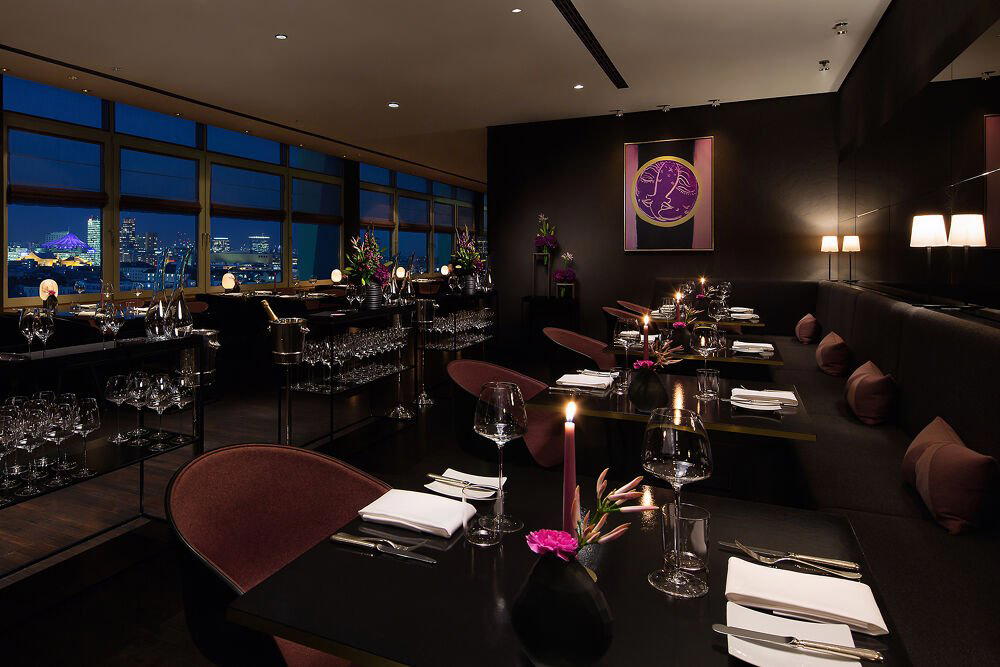
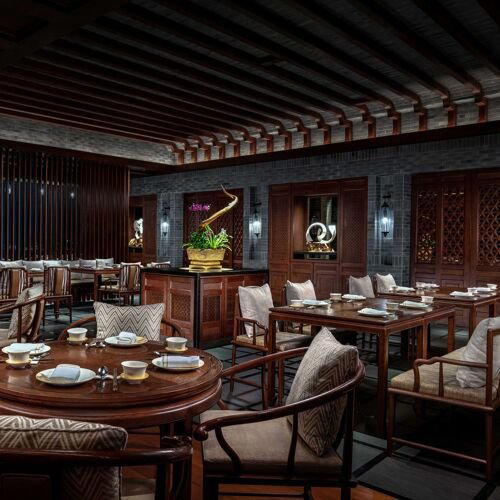
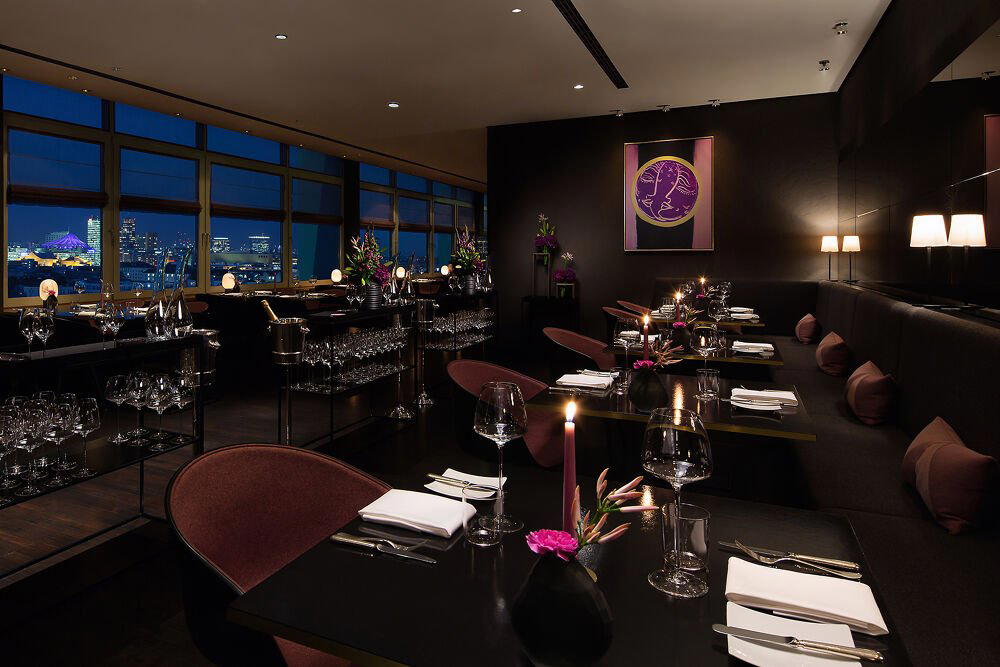
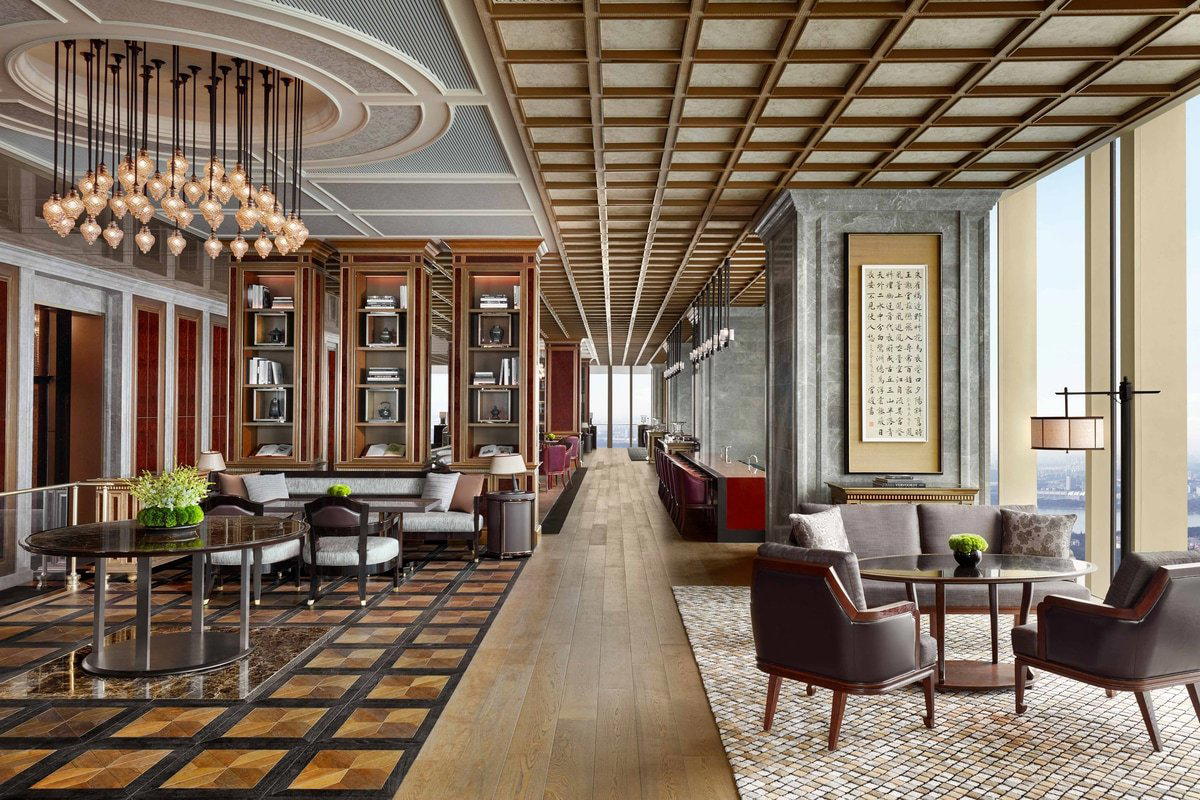
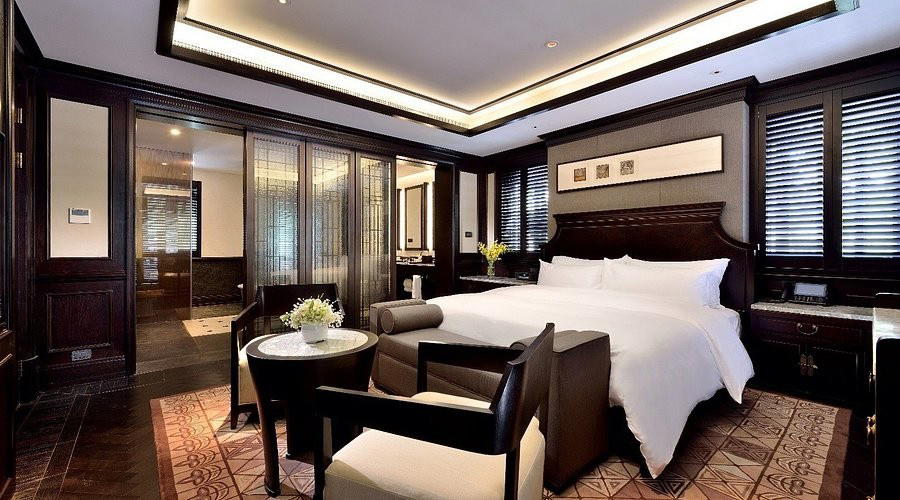
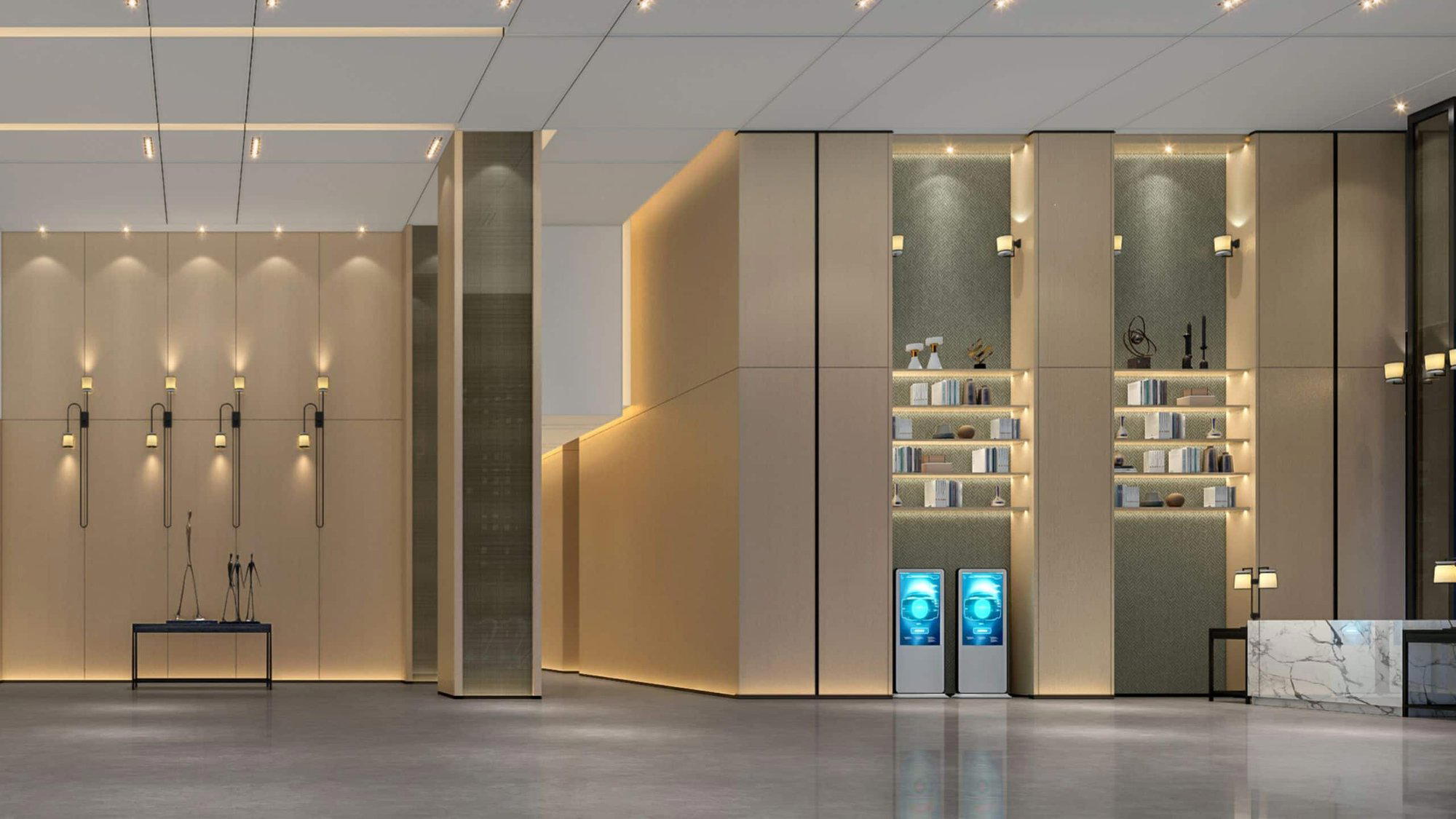
Refined fine dining atmosphere with high-end decor, art pieces showcasing Nanjing culture, and floor-to-ceiling windows offering dramatic vistas.