Mondrian Abu Dhabi
Mondrian Abu Dhabi enters a city where hotel dining often defines the evening as much as the room. With no published public sources for awards, price range, chef, cuisine, address, phone, website, or room categories, the sensible read is contextual: assess it against Abu Dhabi’s restaurant-led luxury hotels and confirm current details directly before planning around a meal or stay.
Pearl is the En Primeur Club membership app — saves, bookings, and concierge access live there. Same editors, same standards.
- Address
- Abu Dhabi, United Arab Emirates
- Website
- mondrianhotels.com
 Saves & bookings on Pearl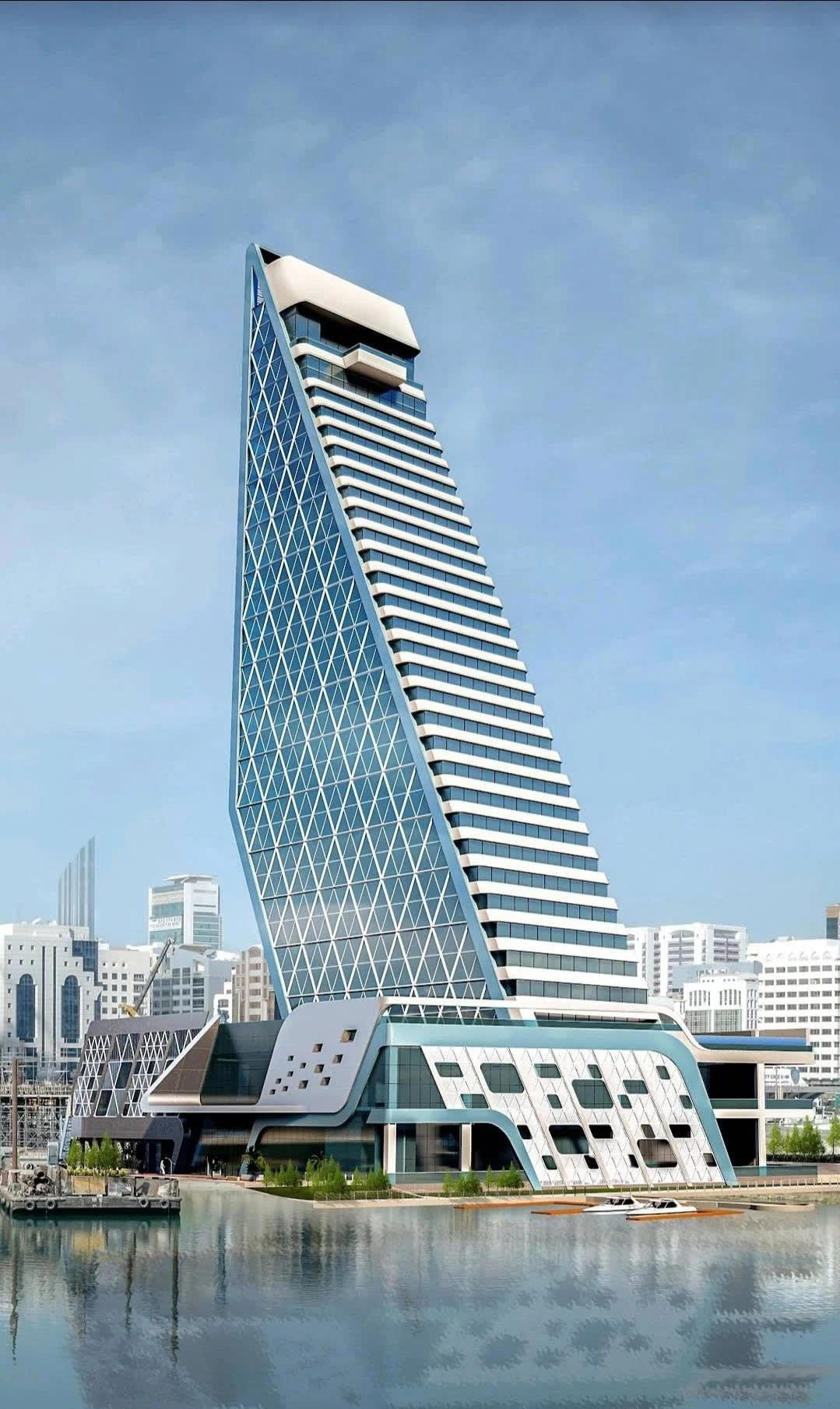
Where hotel dining sets the pace in Abu Dhabi
Approach luxury hospitality in Abu Dhabi and the first impression is rarely just a lobby. The city’s serious hotels are built around arrival rituals, restaurant corridors, terrace drinks, and the after-dark movement between dining rooms, bars, and private cars. In that context, Mondrian Abu Dhabi belongs to a category where the hotel is judged not only by its rooms but by how convincingly its food and drink programme can hold an evening.
That matters in Abu Dhabi because the hotel dining market is unusually competitive. The city has long treated international hotels as dining infrastructure: business lunches, Friday gatherings, late dinners, and terrace-led drinks often happen inside hotels rather than on independent restaurant streets. A new or developing luxury property has to compete with established names whose restaurants and bars already shape travel itineraries. The useful question is not whether a hotel has restaurants, but whether its dining identity gives guests a reason to stay in for dinner instead of crossing town.
For a broader view of the city’s table culture, compare the property with Our full Abu Dhabi restaurants guide, then read across the night-time side of the market through Our full Abu Dhabi bars guide. Those two categories explain why the capital’s hotels carry so much weight: restaurants supply the occasion, bars extend the evening, and the room upstairs becomes part of a larger hospitality circuit rather than a separate purchase.
The dining programme as the real test
Mondrian Abu Dhabi is a hotel in Abu Dhabi with 221 rooms. In Abu Dhabi, a hotel without a clearly legible restaurant and bar identity risks feeling incomplete, however polished the rooms may be. The city’s guests are not short of options: waterfront resorts, desert retreats, business hotels, island properties, and grand palatial addresses all compete for the same dinner hour. A hotel entering that field needs a point of view on cuisine, pacing, service style, and whether the restaurants are designed mainly for residents, local diners, or both.
That does not weaken the hotel automatically; it simply changes the basis of evaluation. Until confirmed dining data is available, the sensible comparison is format-led rather than accolade-led: does the hotel function as a self-contained dining address, or does it operate as a stylish base from which guests use the wider city?
This is where Abu Dhabi differs from cities with dense street-level restaurant districts. In the capital, hotel restaurants often carry the burden of atmosphere, privacy, parking, licensing, and late-evening continuity. For visitors, that can be convenient. For dining-focused travellers, it raises the bar. A property’s restaurants need to feel anchored in the city rather than imported as decorative concepts. The stronger hotel dining programmes in Abu Dhabi tend to understand when to court local residents, when to serve business travellers efficiently, and when to slow the pace for leisure guests who want the evening to remain on property.
How the city's hotel comparable set frames the stay
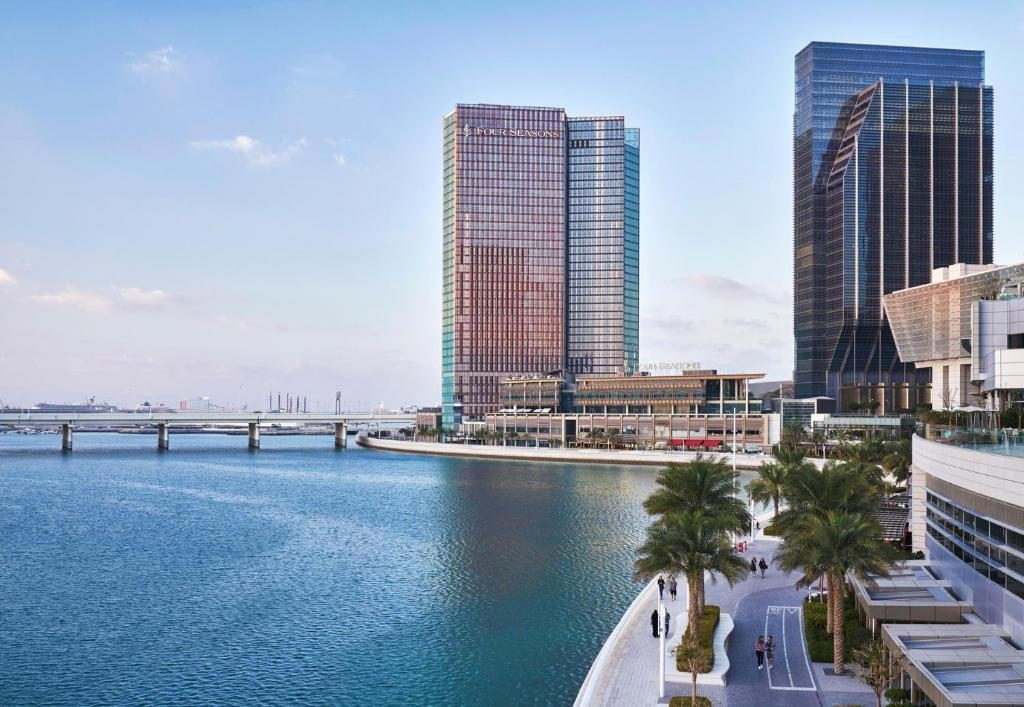
Abu Dhabi’s luxury hotels divide into several clear tribes. Palace-scale waterfront properties trade on ceremony and large-format dining. Business-oriented towers prioritise access, views, and reliable restaurants for corporate schedules. Desert resorts draw meaning from distance, low light, and the drama of the landscape in the literal geographic sense. Island resorts sell privacy and nature. Design-led urban hotels have a narrower task: they need to make the city stay feel sharper, more edited, and more contemporary without losing the practical comforts expected in the Emirates.
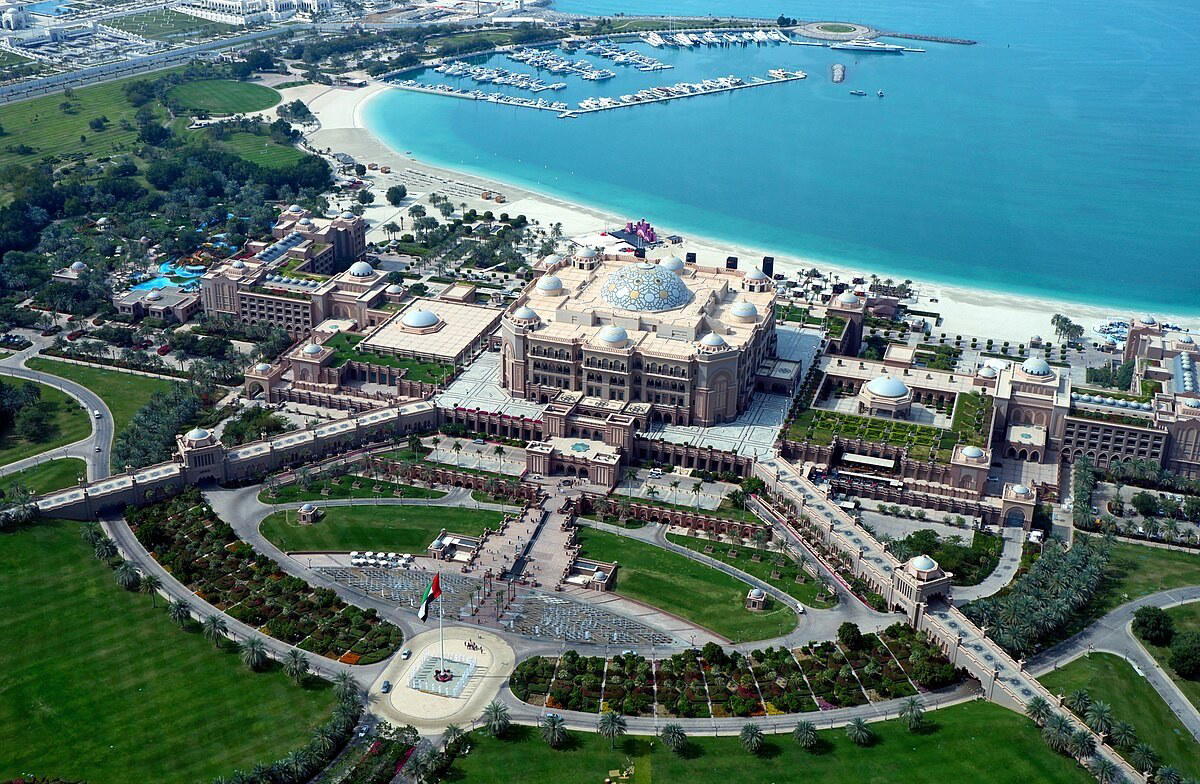
That frame helps position Mondrian Abu Dhabi without inventing details. Readers looking for established waterfront gravitas will naturally compare with Emirates Palace Mandarin Oriental, Abu Dhabi and Conrad Abu Dhabi Etihad Towers. Those addresses sit in a different mental category from smaller or more design-forward urban hotels, where the appeal is usually sharper editing rather than ceremonial scale. For business-meets-design comparisons, Andaz Capital Gate Abu Dhabi gives useful context, while Fairmont Bab Al Bahr points toward a resort-facing version of city hospitality.
The city’s wider hotel set also shows how varied Abu Dhabi travel can be. ERTH Abu Dhabi Hotel brings a different local and institutional register, while Al Wathba, a Luxury Collection Desert Resort & Spa, Abu Dhabi and Arabian Nights Village Rd pull the conversation outside the urban core. Island stays such as Anantara Sir Bani Yas Island Al Yamm Villa Resort prove that the emirate’s hospitality identity is not confined to towers and shoreline dining rooms.
What dining-focused travellers should verify first
No price range is listed, so guests should not infer value tier from brand tone or city reputation. No chef name is listed, which removes a common credential used to assess restaurant ambition. No awards are listed, so accolade-led comparisons would be premature. Direct confirmation should happen through current official channels before anchoring travel plans to a specific meal, bar, or room type.
Walk-in expectations should be treated with the same caution. Abu Dhabi hotel restaurants can be accessible on quiet nights and constrained during weekends, public holidays, conferences, and high season travel periods. Without confirmed hours or booking method in the record, the prudent move is to check availability before setting an itinerary around dinner. This is especially relevant for travellers arriving late, guests planning business meals, or visitors trying to pair dinner with bar service in the same building. In the Emirates, logistics often decide the quality of an evening as much as the cooking does.
Dress code is also unlisted. Abu Dhabi’s luxury hotels usually reward conservative, polished packing, particularly for dinner rooms and bars. A traveller who brings smart evening clothes will be better prepared across the city’s hotel circuit, including properties with formal dining rooms, terrace bars, and private-event calendars.
How to compare it across the Emirates
Within the United Arab Emirates, hotel dining has become a regional competitive language. Dubai often pushes spectacle and chef-name density, while Abu Dhabi tends to prize space, composure, and longer-stay comfort. That distinction is useful when comparing with Atlantis The Royal in Dubai, where the dining conversation is tied to scale and destination restaurants. Abu Dhabi’s stronger urban hotels usually work differently: the meal has to sit inside a calmer rhythm of meetings, culture, beach time, or family travel.
Other Emirates and nearby destinations widen the comparison. Desert-led properties such as Anantara Qasr al Sarab Desert Resort in Liwa Desert, Al Badayer Retreat by Sharjah Collection in Sharjah, Telal Resort Al Ain in Al Ain, and Bateen Liwa Resort in Mzeer Ah sell the meal as part of removal from the city. Coastal and resort comparisons such as Mövenpick Resort Al Marjan Island in Ras al Khaimah, Fairmont Ajman in Ajman, and Anantara Santorini Abu Dhabi Retreat in Ghantoot place food and drink closer to leisure pacing. Wildlife and island formats such as Anantara Sir Bani Yas Island Al Sahel Villa Resort in Sir Bani Yas Island sit in another category again.
Internationally, design-led hotels with serious dining ambitions face a similar burden: the restaurant cannot feel like an amenity tacked onto a room product. For reference points beyond the Gulf, compare the cultural role of food and hotel identity at The Fifth Avenue Hotel in New York City, Hôtel de Paris Monte-Carlo in Monte Carlo, and Badrutt's Palace Hotel in St. Moritz. Each sits in a market where restaurants and bars help define the hotel’s public life, not merely its service list.
Planning notes for a food-led Abu Dhabi stay
For travellers building an Abu Dhabi itinerary around meals, use the hotel as one part of a wider circuit until its own restaurants, bars, chef credentials, and price points are confirmed. The city rewards advance planning during major events, cooler months, and weekend periods, when hotel dining rooms can fill with residents as well as visitors. The record does not list a booking window, so assume nothing about availability. If dinner is central to the trip, confirm restaurant names, opening days, dress expectations, and cancellation terms through current official sources before arranging transport or sequencing other reservations.
Category breadth also matters. Abu Dhabi is not only hotels and restaurants. Travellers who build stronger trips usually connect dining with cultural programming, beach time, desert movement, or island stays. EP Club’s city pages can help map that spread: Our full Abu Dhabi hotels guide covers the room side, Our full Abu Dhabi experiences guide covers the activity layer, and Our full Abu Dhabi wineries guide provides category coverage where relevant. The better itinerary is not the one with endless reservations; it is the one that understands how the city spaces out its meals, heat, driving time, and late evenings.
In Context
Comparable venues nearby, for context on price, style, and recognition.
| Venue | Price | Awards | Notes |
|---|---|---|---|
| Mondrian Abu DhabiThis venue — the venue you are viewing | $$$$ | Not listed | Not listed |
| Bvlgari Resort & Mansions Abu Dhabi | $$$$ | Not listed | .private island off Abu Dhabi Corniche near Qasr Al Watan, Ultra-luxury Bvlgari-branded island palace resort integrating hotel, villas and branded mansions around a marina and yacht club. |
| Arabian Nights Village Rd | $$$ | 4-Star | Al Khatim, Authentic Emirati cultural heritage resort recreating traditional desert dwellings and lifestyle from Abu Dhabi's past. |
| Nobu Hotel Saadiyat Island | $$$$ | 5-Star | Saadiyat Island Cultural District, Luxury lifestyle beachfront resort integrated into Saadiyat Island’s cultural district with branded residences and a focus on gastronomy and wellness. |
| Anantara Sir Bani Yas Island Al Yamm Villa Resort | $$$$ | 5-Star | Sir Bani Yas Island, Eco-luxury beachfront villa resort blending rustic Emirati heritage with contemporary sophistication |
| Fairmont Bab Al Bahr | $$$$ | 5-Star | Al Maqtaa, Contemporary beachfront luxury resort |
At a Glance
- Modern
- Scenic
- Trendy
- Sophisticated
- Whimsical
- Ornate
- Business Trip
- Romantic Getaway
- Family Vacation
- Weekend Escape
- Celebration
- Group Retreat
- Infinity Pool
- Rooftop Pool
- Destination Spa
- Waterfront
- Design Destination
- Panoramic View
- Pool
- Spa
- Fitness Center
- Kids Club
- Business Center
- Waterfront
- Skyline
- Pool
- Spa
- Fitness Center
- Kids Club
- Business Center
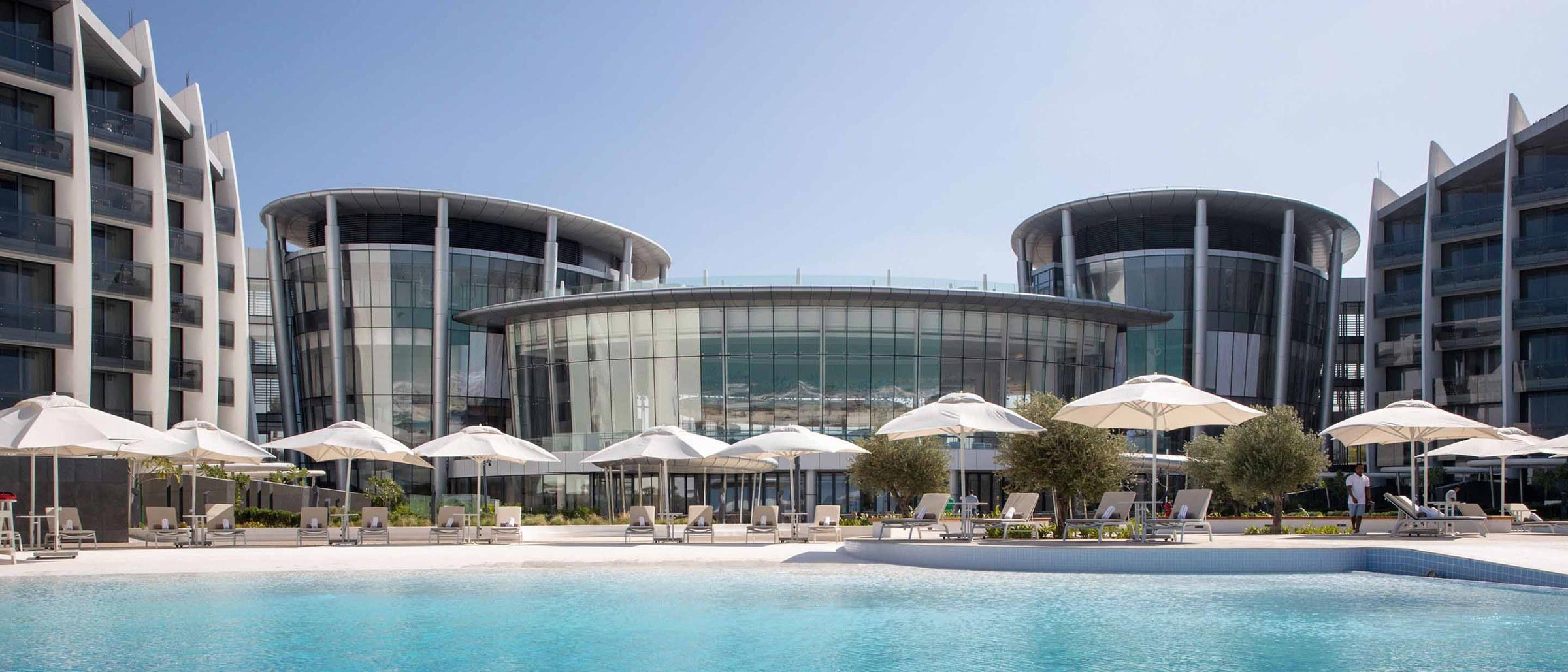
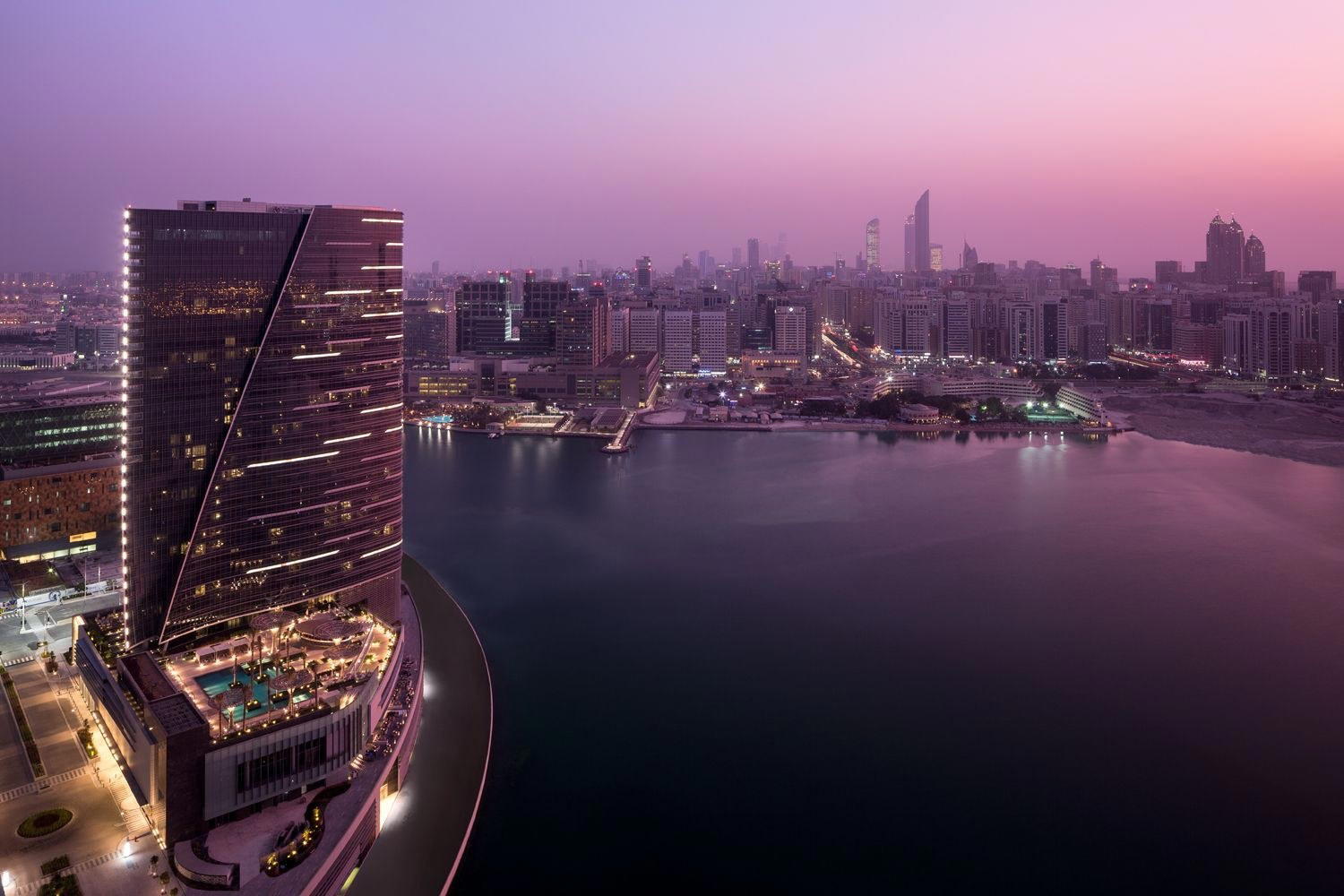
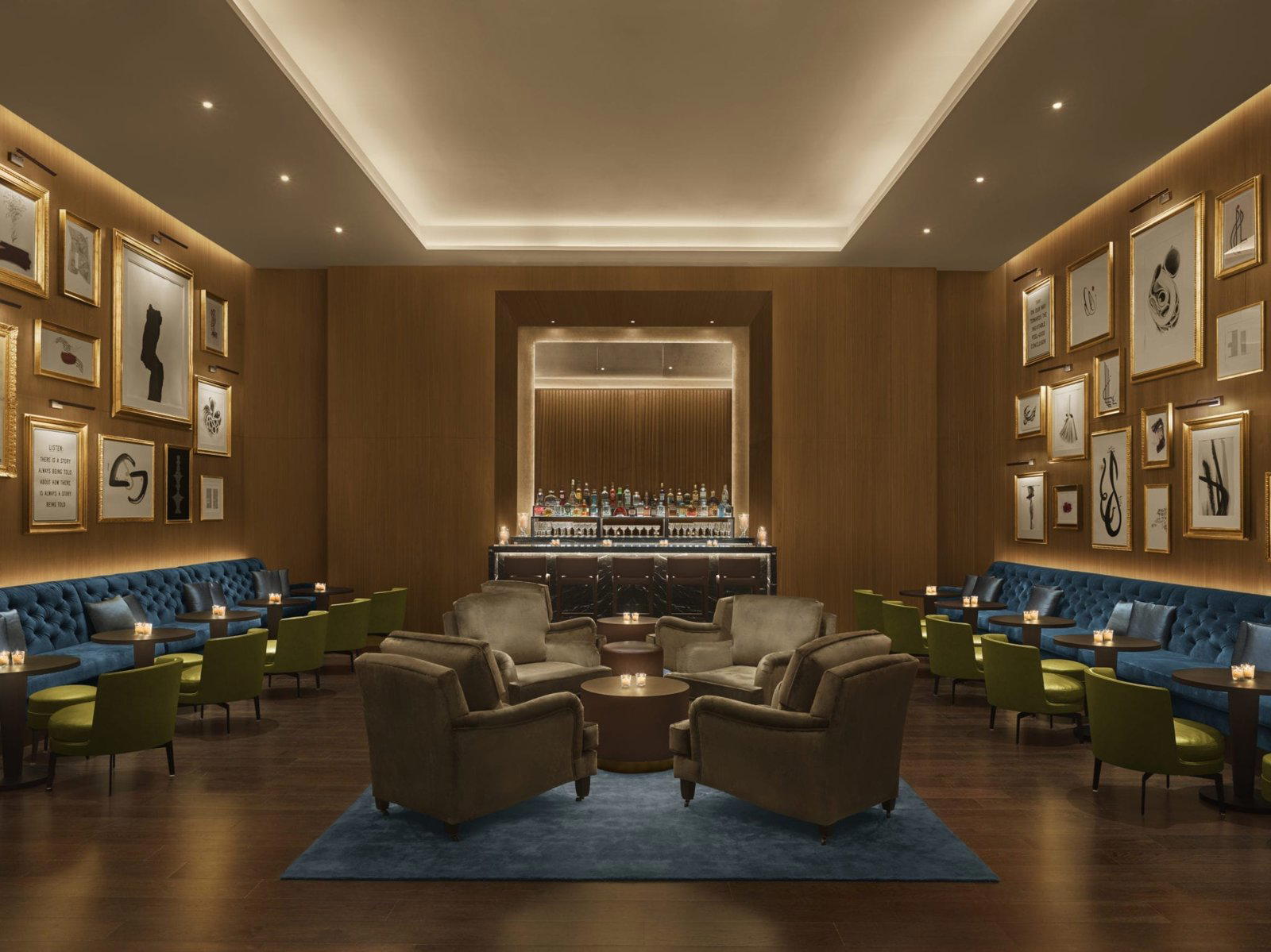
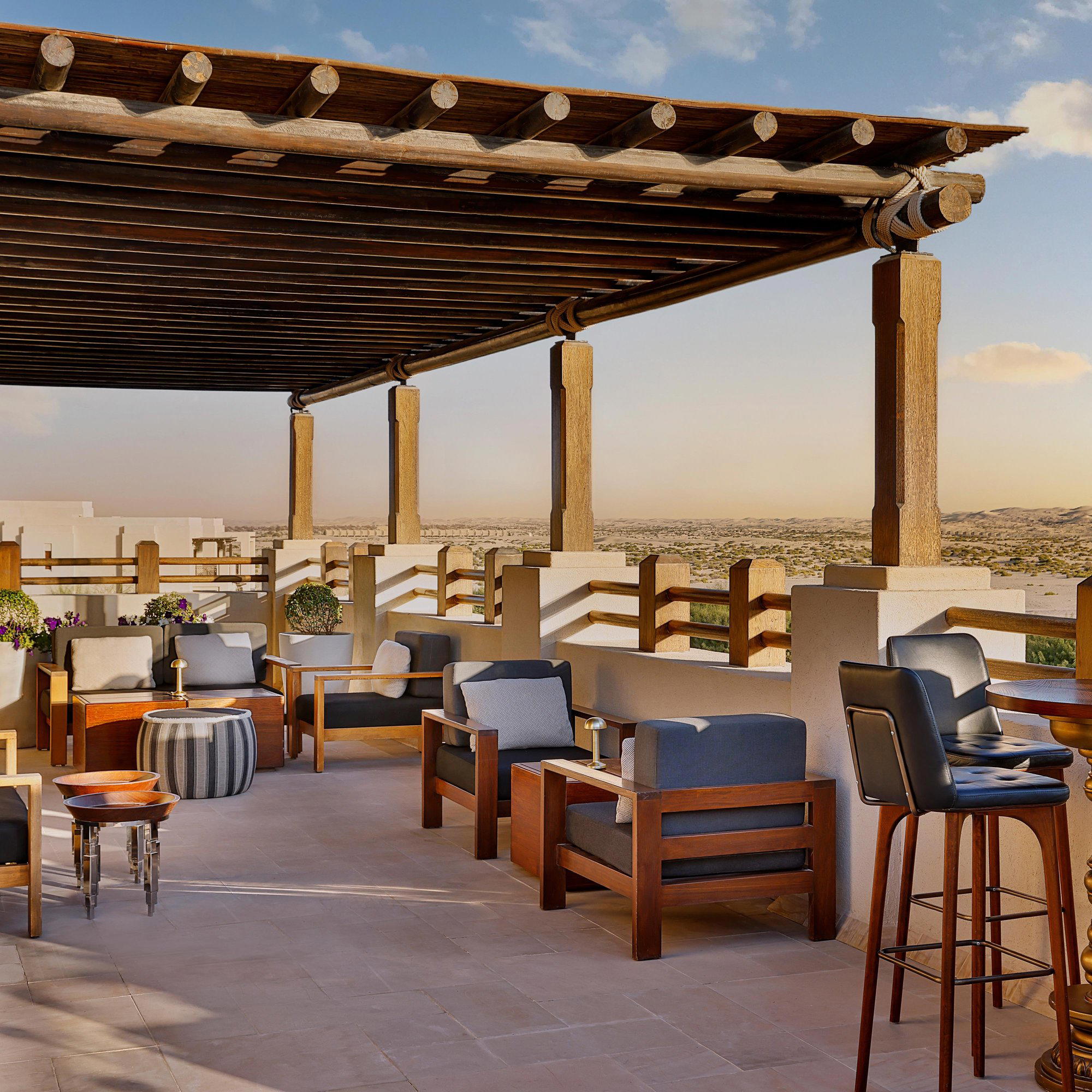
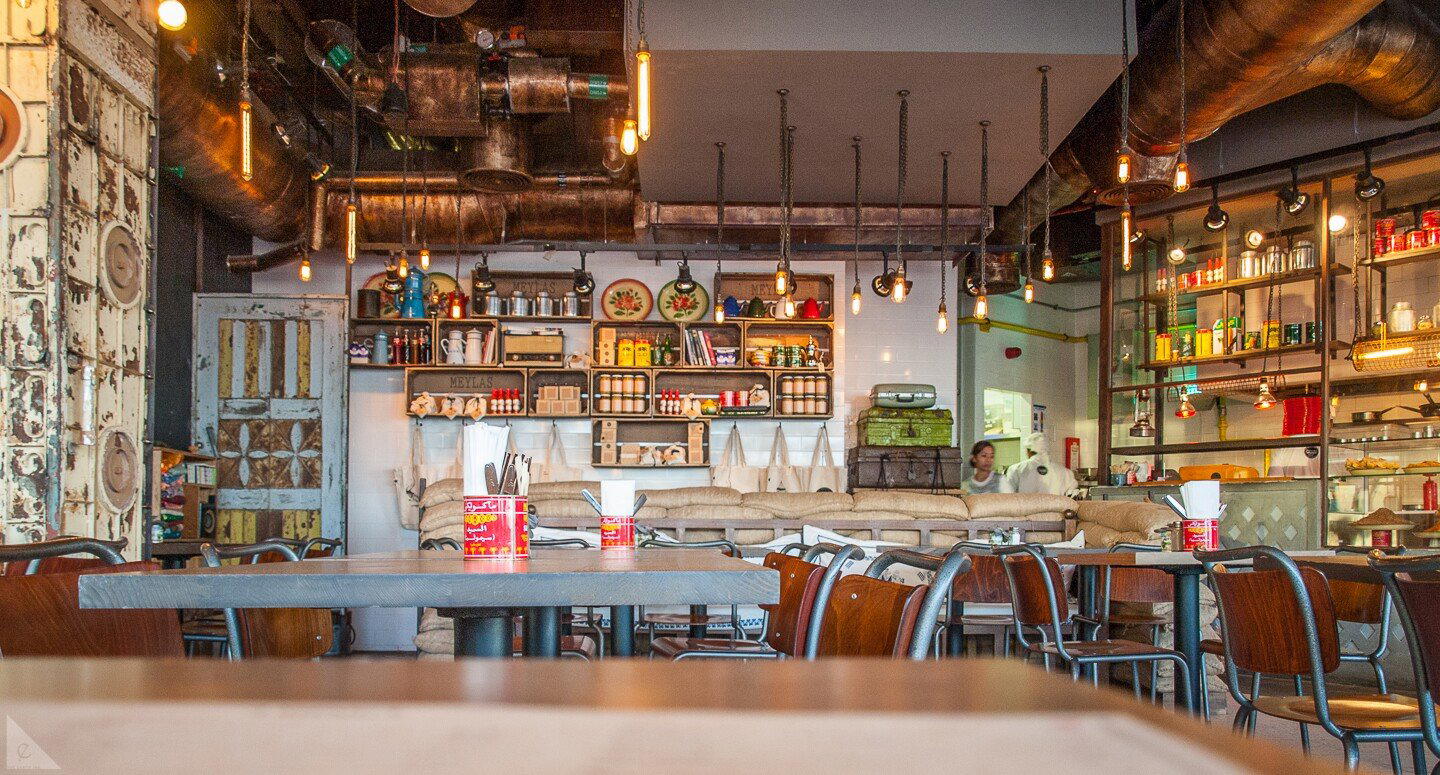
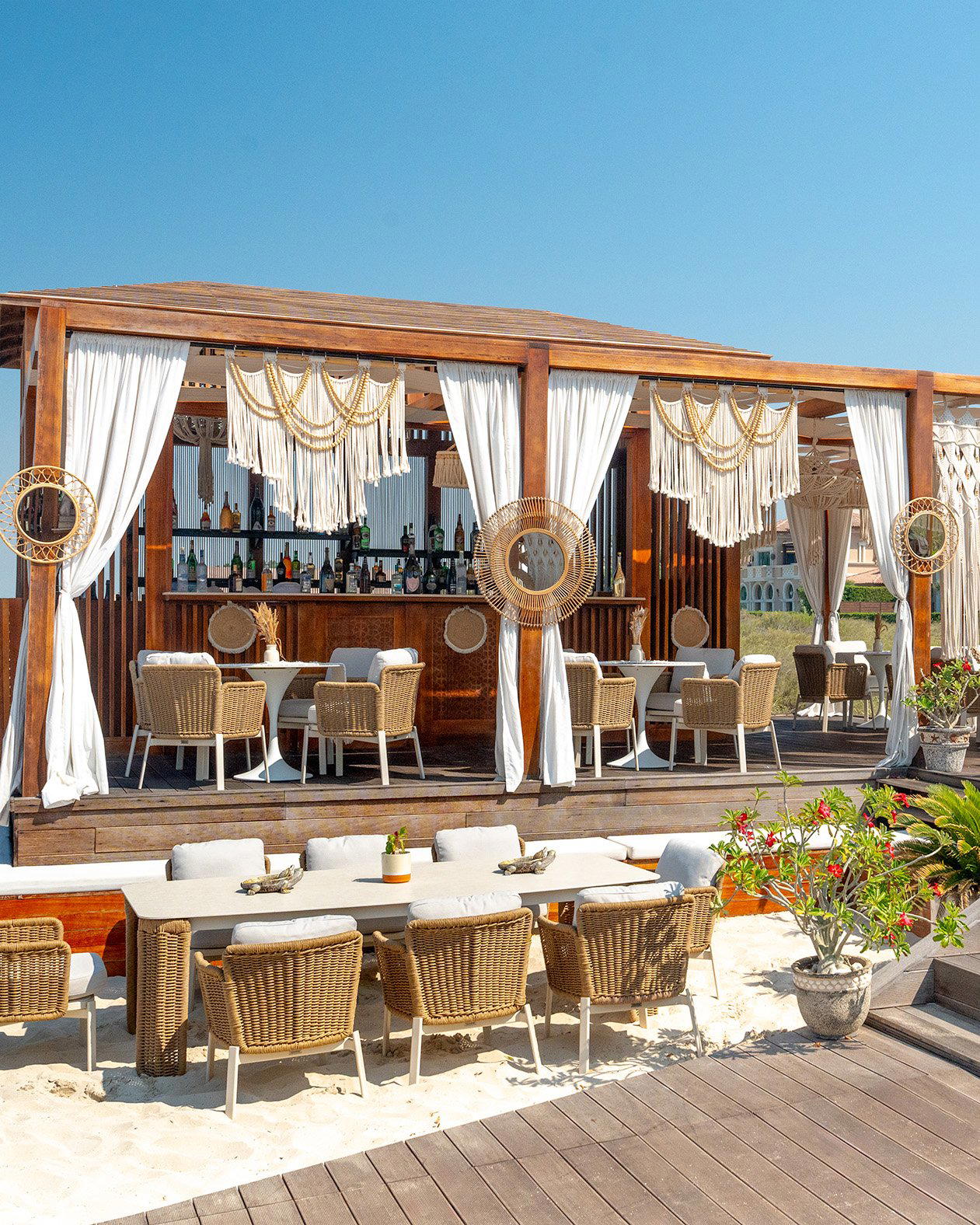
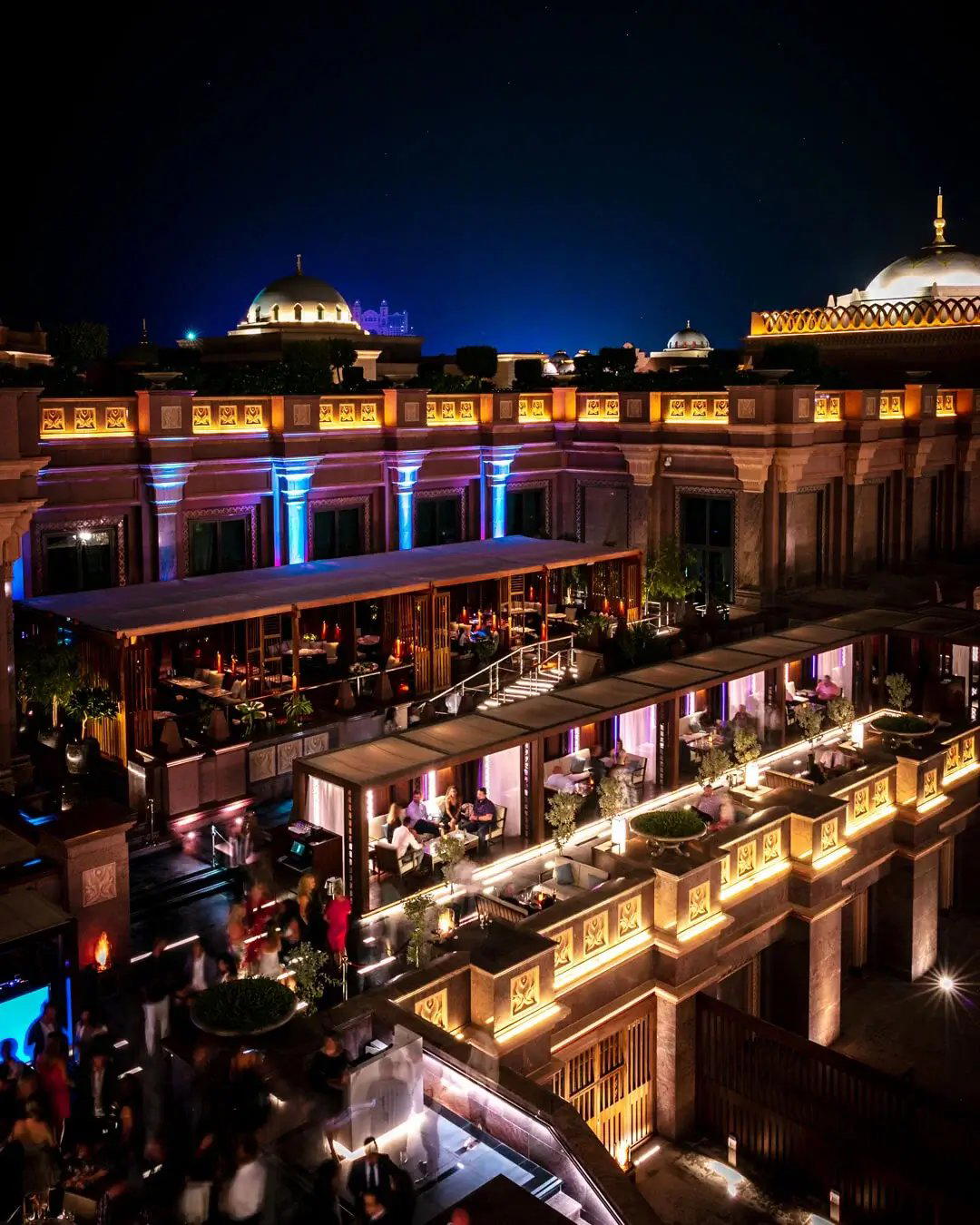
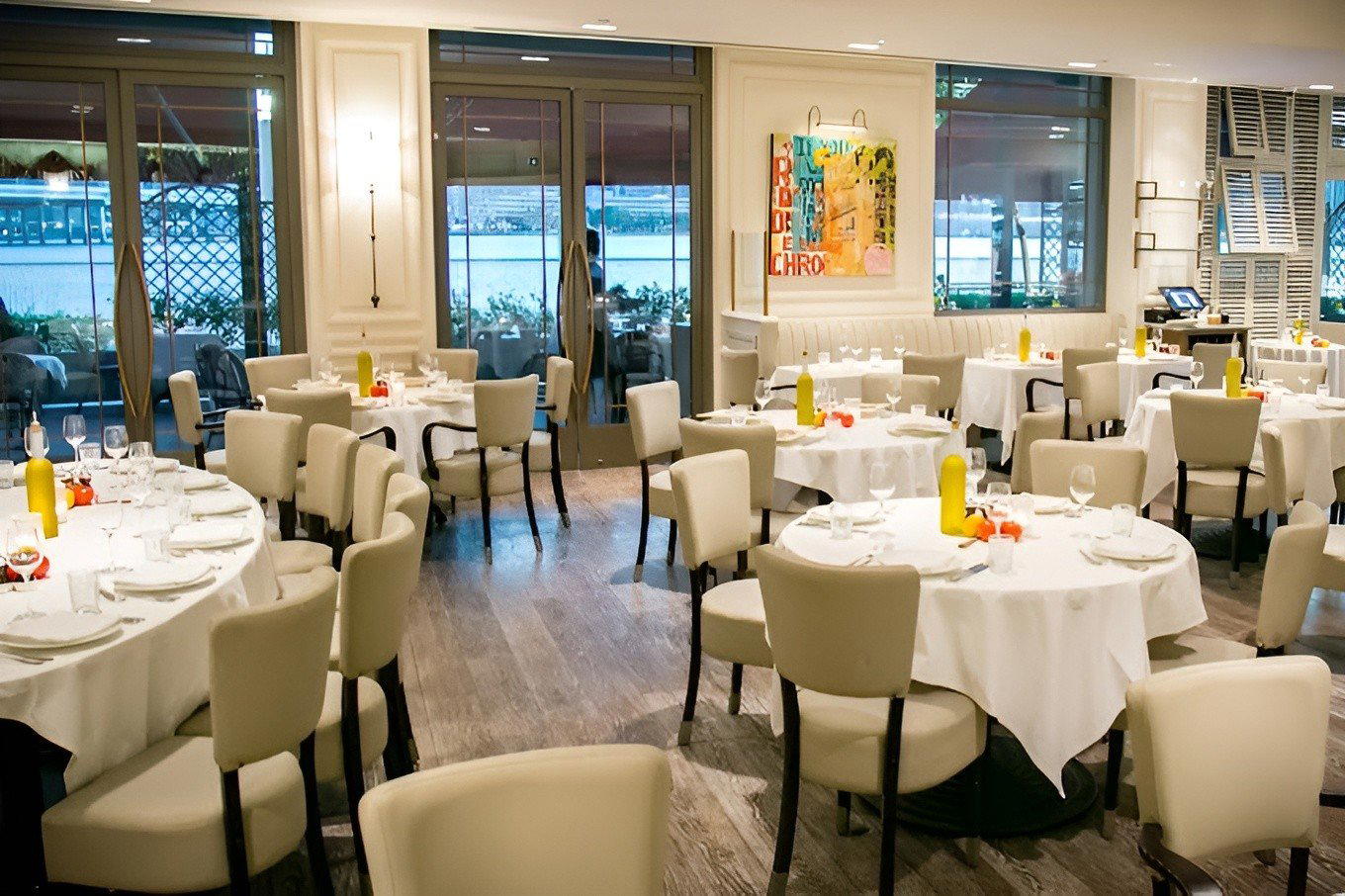
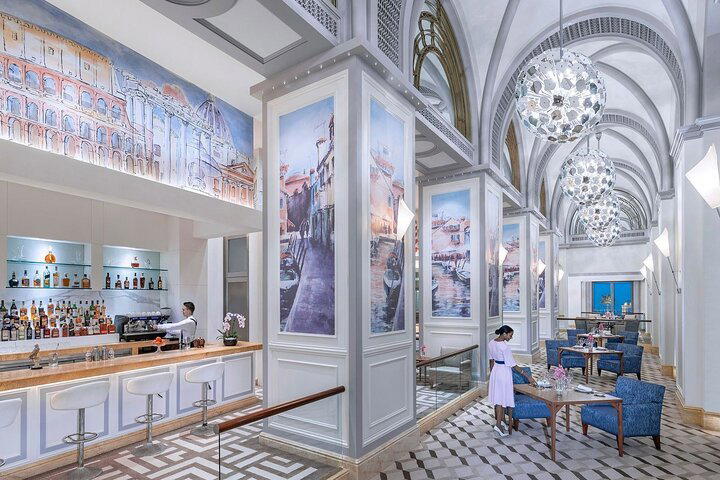
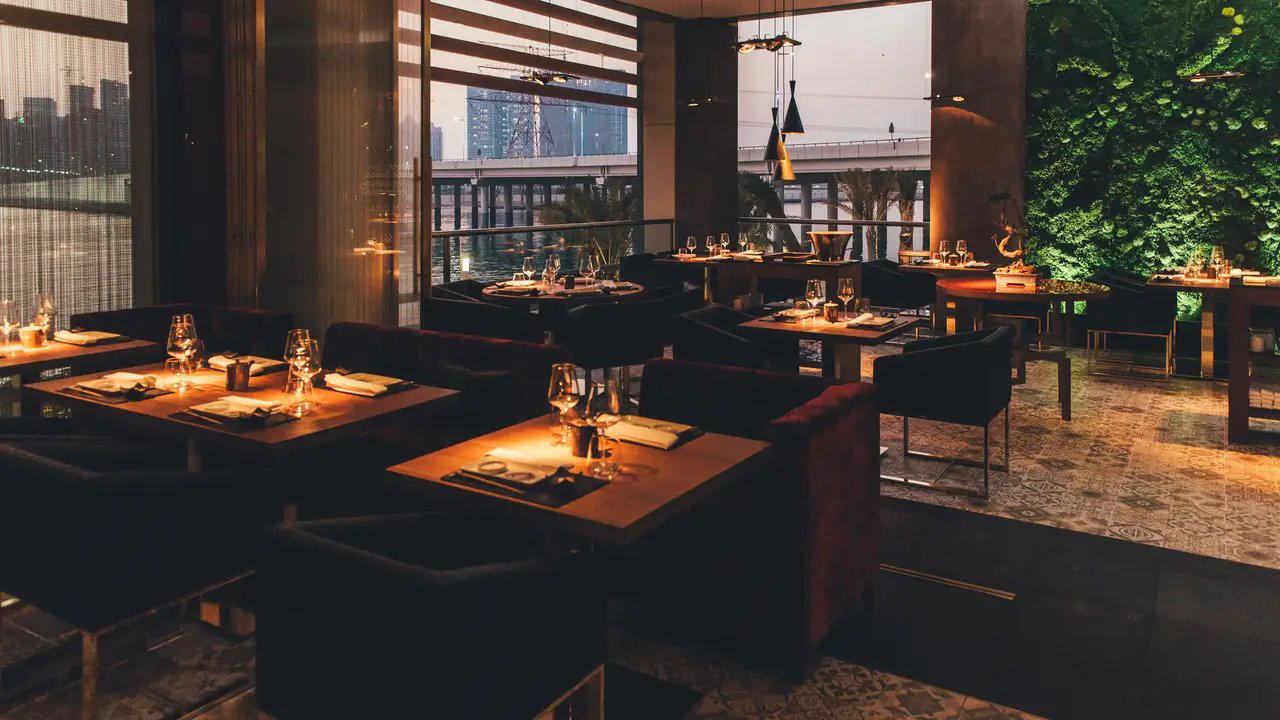
A boldly artistic, contemporary Middle Eastern aesthetic that blends clean lines and whimsical, fantastical details with a warm, inviting social atmosphere around the lagoon, pool, and lively dining venues.