Telal Resort Al Ain

World Travel Awards
Telal Resort Al Ain holds the 2025 World Travel Awards title for UAE's Leading Boutique Resort, positioning it at the top of the country's smaller-scale desert property tier. Set in the Remah–Makhoola area outside Al Ain, the resort sits where the Hajar foothills give way to open desert, offering a landscape and pace that urban UAE properties cannot replicate. It is the reference address for boutique desert stays within the Al Ain region.

Pearl is the En Primeur Club membership app, where members save venues, book tables and use the concierge.
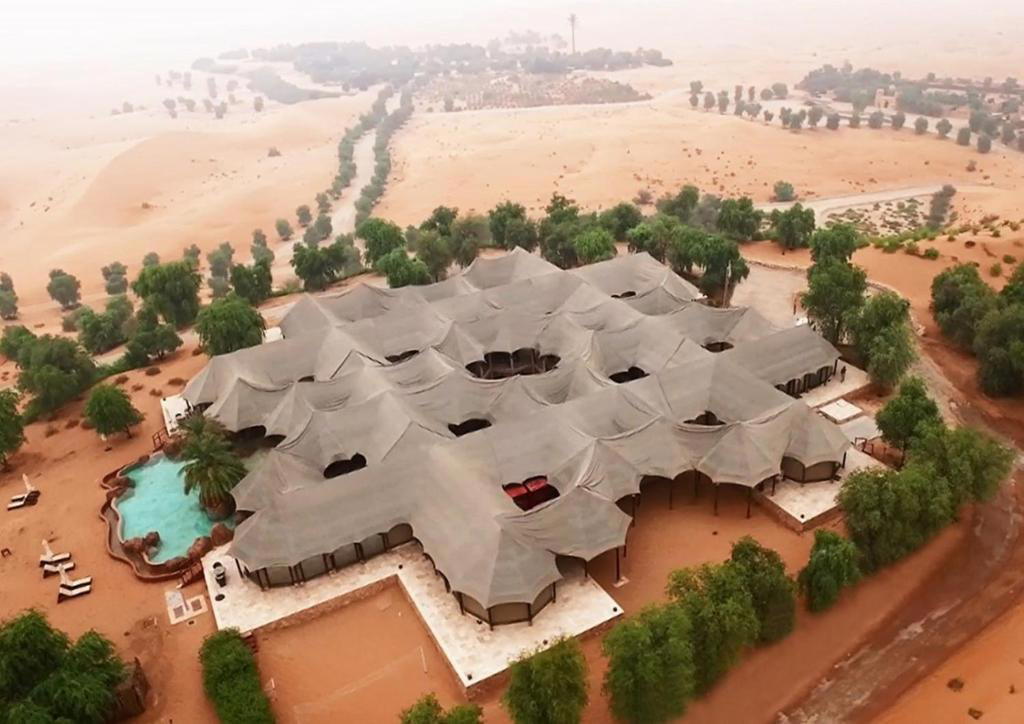
Desert Boutique in a Different Register
The UAE's resort market splits cleanly into two categories: the high-capacity, amenity-stacked city-edge properties that define Dubai and Abu Dhabi's waterfront strips, and a smaller cohort of low-key desert and mountain retreats built around scale restraint and natural setting. Telal Resort Al Ain sits firmly in the second group. Located in the Remah–Makhoola corridor on the outskirts of Al Ain, the property operates at a remove from both the urban density of the emirate's capital and the spectacle economy of the Gulf coast. That distance is the point. Where Atlantis The Royal in Dubai calibrates everything to scale and visual impact, the boutique desert tier, where Telal competes, is calibrated to silence and setting.
Al Ain itself occupies a distinct position within the UAE. Designated a UNESCO World Heritage city on the strength of its oasis system, falaj irrigation networks, and Bronze Age archaeological sites, it draws visitors interested in the Emirates before the oil era rather than after it. That context shapes what a resort here should do: ground guests in the physical and cultural terrain rather than insulate them from it. Telal's World Travel Awards recognition as UAE's Leading Boutique Resort for 2025 reflects a peer assessment of how well it delivers on that premise within the boutique category specifically.
The Boutique Desert Tier: What It Means in Practice
Boutique desert hospitality across the UAE and wider region has consolidated around a recognisable format: limited keys, strong landscape integration, and food and beverage programming that leans toward regional ingredients and open-air settings rather than imported celebrity-chef concepts. Compare this to how the model plays out elsewhere: Anantara Qasr Al Sarab Desert Resort in the Liwa Desert operates within a larger international group framework, while Arabian Nights Village Rd in Abu Dhabi leans explicitly into heritage staging. Telal in Al Ain competes within this territory but with the specific advantage of proximity to the city's UNESCO-listed oases and its relative positioning as a destination that rewards knowledge of the region rather than a first-visit spectacle.
The Al Badayer Retreat by Sharjah Collection in Sharjah and Desert Islands Resort and Spa by Anantara in Al Dhafra serve as useful peer comparisons. Both occupy the space where resort infrastructure meets desert or wilderness setting, but at different price points and with different scales of operation. Telal's boutique designation implies a smaller footprint and a more concentrated guest experience than the larger Anantara properties, with the World Travel Awards recognition for 2025 providing a verifiable credential for its standing within that specific tier.
Al Ain as a Dining and Hospitality Context
Dining at boutique desert resorts in the UAE's interior follows conventions distinct from coastal hospitality. Without the same density of independent restaurant competition that shapes menus in Dubai or Abu Dhabi, resort restaurants in Al Ain and the surrounding region function as primary dining destinations for their guests rather than as one option among many. That dynamic generally produces more deliberate food and beverage programming: the resort's kitchen has to cover broader ground across the day, and outdoor dining formats tied to the landscape, evening settings with desert views, morning meals in open-air pavilions, carry more weight than they would in a city hotel. For those wanting to explore the wider Al Ain dining scene beyond the resort, our full Al Ain restaurants guide maps the city's restaurant options and neighbourhood character.
Regionally, the pattern holds across properties in this category. Anantara Mina Ras Al Khaimah Resort and Fairmont Ajman both operate their dining programmes with an understanding that the resort itself anchors the guest's culinary experience for significant stretches of the stay. At the boutique scale, this means fewer outlets but typically sharper editorial intent in what each one does.
Positioning Within the UAE Boutique Resort Field
The World Travel Awards' 2025 designation of Telal as UAE's Leading Boutique Resort is a competitive category: it requires standing above properties that include similarly scaled desert and mountain retreats across all seven emirates. Jebel Hafeet, the mountain that anchors Al Ain's topography, provides the broader destination context that sets the city apart from flat desert alternatives. Internationally, boutique desert properties operating at a comparable register include Amangiri in Canyon Point, where the logic of limited keys, extreme landscape, and curated quietude has been refined over many years. Telal operates within the same broad philosophy, adapted to the Emirati interior.
For travellers who have experience with design-led boutique stays, Castello di Reschio in Lisciano Niccone, Hotel Esencia in Tulum, or Anantara Santorini Abu Dhabi Retreat in Ghantoot, the criteria are familiar: intimacy of scale, quality of setting, and programming that rewards unhurried attention. Telal's geographic position, in a city that carries genuine historical and archaeological weight, gives it raw material that purely aesthetic desert retreats in less contextually rich locations cannot match.
Planning a Stay
Al Ain sits approximately 160 kilometres from Dubai and around 130 kilometres from Abu Dhabi, making it accessible by road as a multi-night extension to either city or as a standalone destination. The cooler months between October and April represent the optimal window for desert and outdoor-oriented stays in the UAE interior; summer temperatures in the Al Ain region regularly exceed 40°C, which constrains daytime activity significantly. Given the boutique scale, room inventory is limited and the 2025 award recognition will likely sharpen demand during peak season. Travellers combining an Al Ain visit with broader UAE itineraries should also consider how the stay sequences against coastal properties: entering from a quieter, heritage-focused interior base before or after higher-intensity urban stops tends to produce a more balanced trip than treating it as a side excursion.
Pricing, Compared
Comparable venues nearby, for context on price, style, and recognition.
| Venue | Price | Awards | Notes |
|---|---|---|---|
| Telal Resort Al AinThis venue (the venue you are viewing) | $200–300 | World Travel Awards | Not listed |
| Jebel Hafeet | $100–200 | Not listed | Jebel Hafeet, contemporary mountain resort |
| Atlantis The Royal, Dubai | Not listed | 3 Michelin Keys | Palm Jumeirah, experiential oceanfront mega-resort with deconstructed tower design |
| Nikki Beach Dubai Resort & Spa | $300–500 | Michelin Selected · Virtuoso Luxury Hotel Partner | Jumeira, Contemporary luxury beachfront resort with Art Deco architecture, blending upscale sophistication with lively lifestyle entertainment. |
| Fairmont Fujairah Beach Resort | Not listed | Michelin Selected | Dibba, Arabic bohemian art hotel concept blending historical and modern sophistication with contemporary luxury interpretation |
| Anantara Sir Bani Yas Island Al Sahel Villa Resort | $2,500+ | 1 Michelin Key | Sir Bani Yas Island, Luxury all-villa safari resort inspired by African lodge design, blending rustic charm with contemporary five-star amenities on a protected wildlife sanctuary. |
Recognition history
Dated appearances from independent guides and award organizations, with the underlying list record or original source where available.
World Travel Awards
World Travel Awards
Continue exploring
More in Al Ain
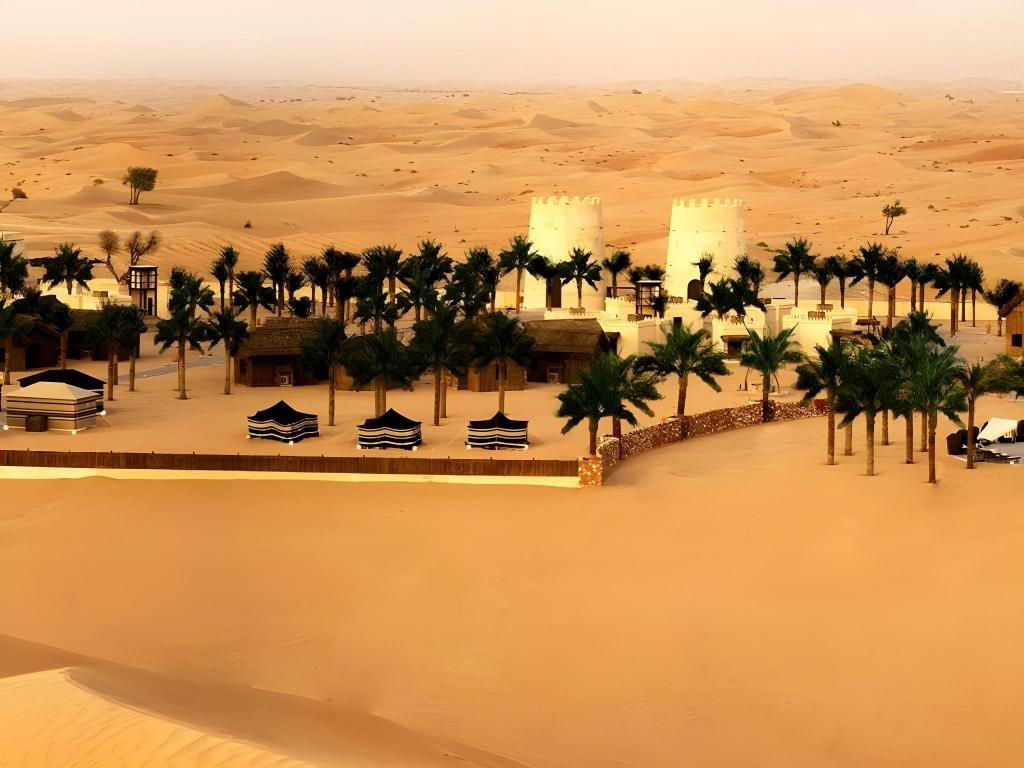
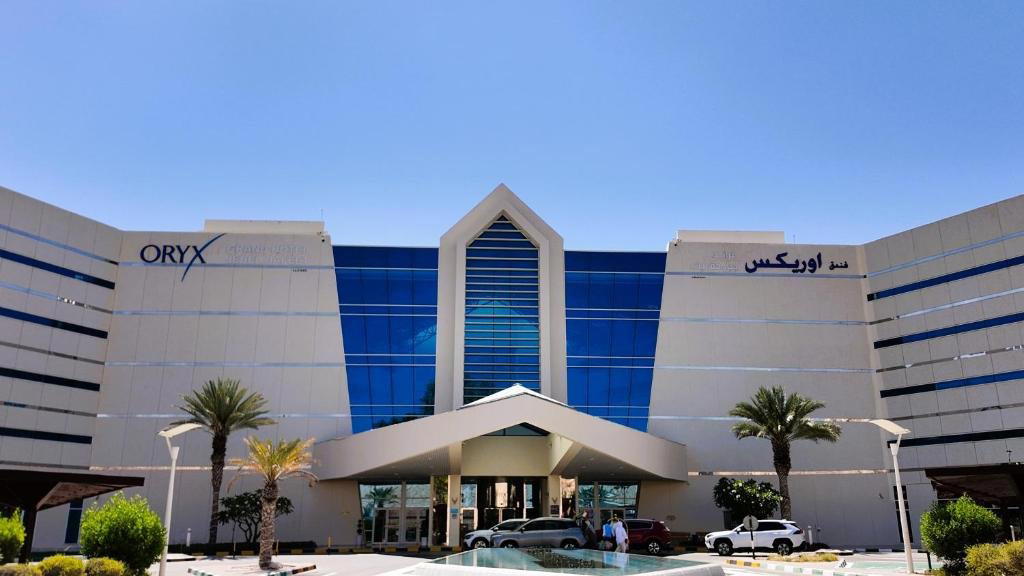
Restaurants in Al Ain
All restaurants in Al Ain →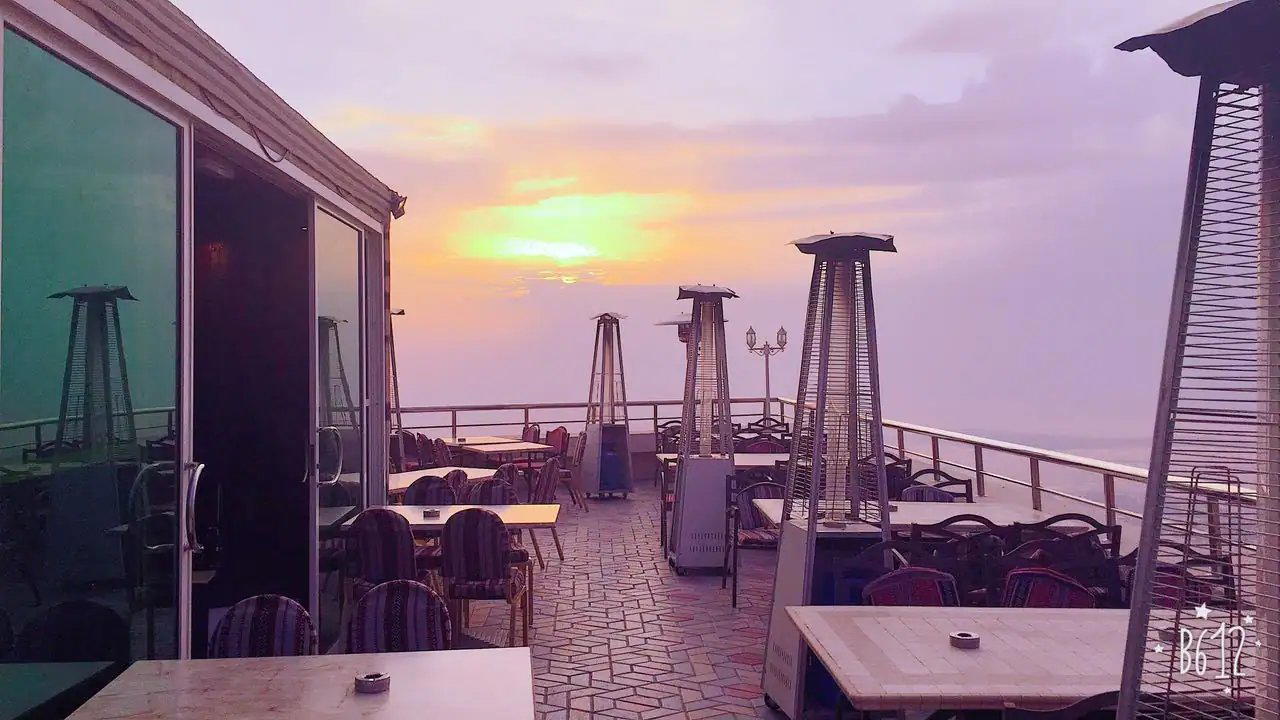
Details
- Romantic
- Scenic
- Elegant
- Sophisticated
- Honeymoon
- Romantic Getaway
- Family Vacation
- Wellness Retreat
- Anniversary
- Private Villa
- Destination Spa
- Garden
- Terrace
- Panoramic View
- Private Dining
- Wi Fi
- Pool
- Spa
- Fitness Center
- Room Service
- Concierge
- Valet Parking
- Kids Club
- Restaurant
- Sauna
- Garden
- Wheelchair Accessible
- Accessible Restroom
Warm and inviting with traditional Arabic decor, fairy-lit pools at dusk, fireplaces on private patios, and serene desert surroundings creating a magical evening atmosphere.