ERTH Abu Dhabi Hotel

1 Michelin Key
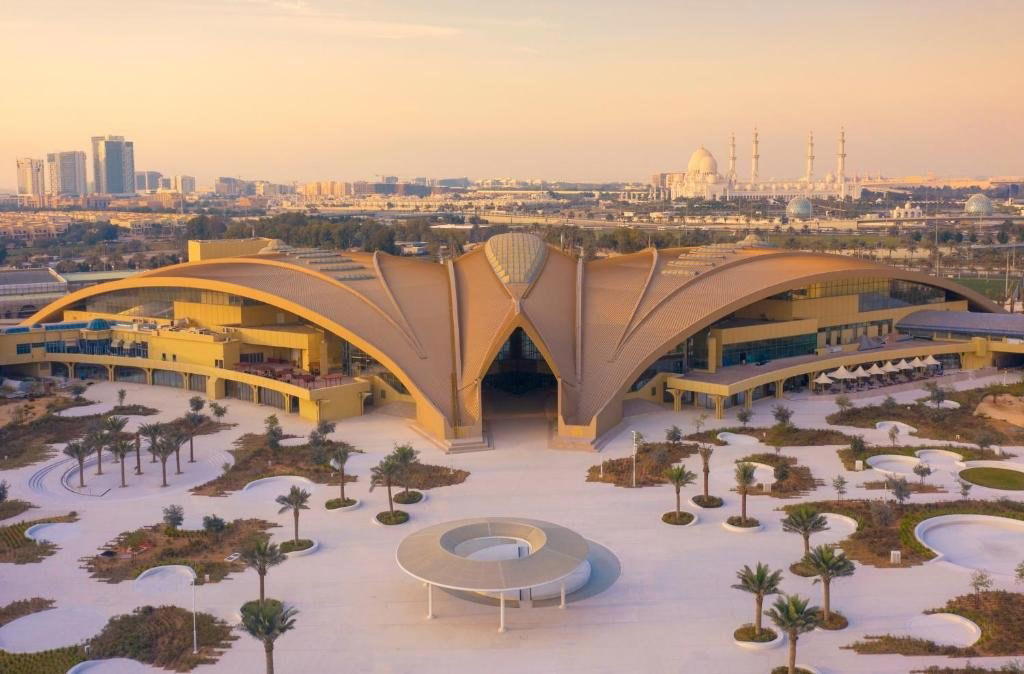
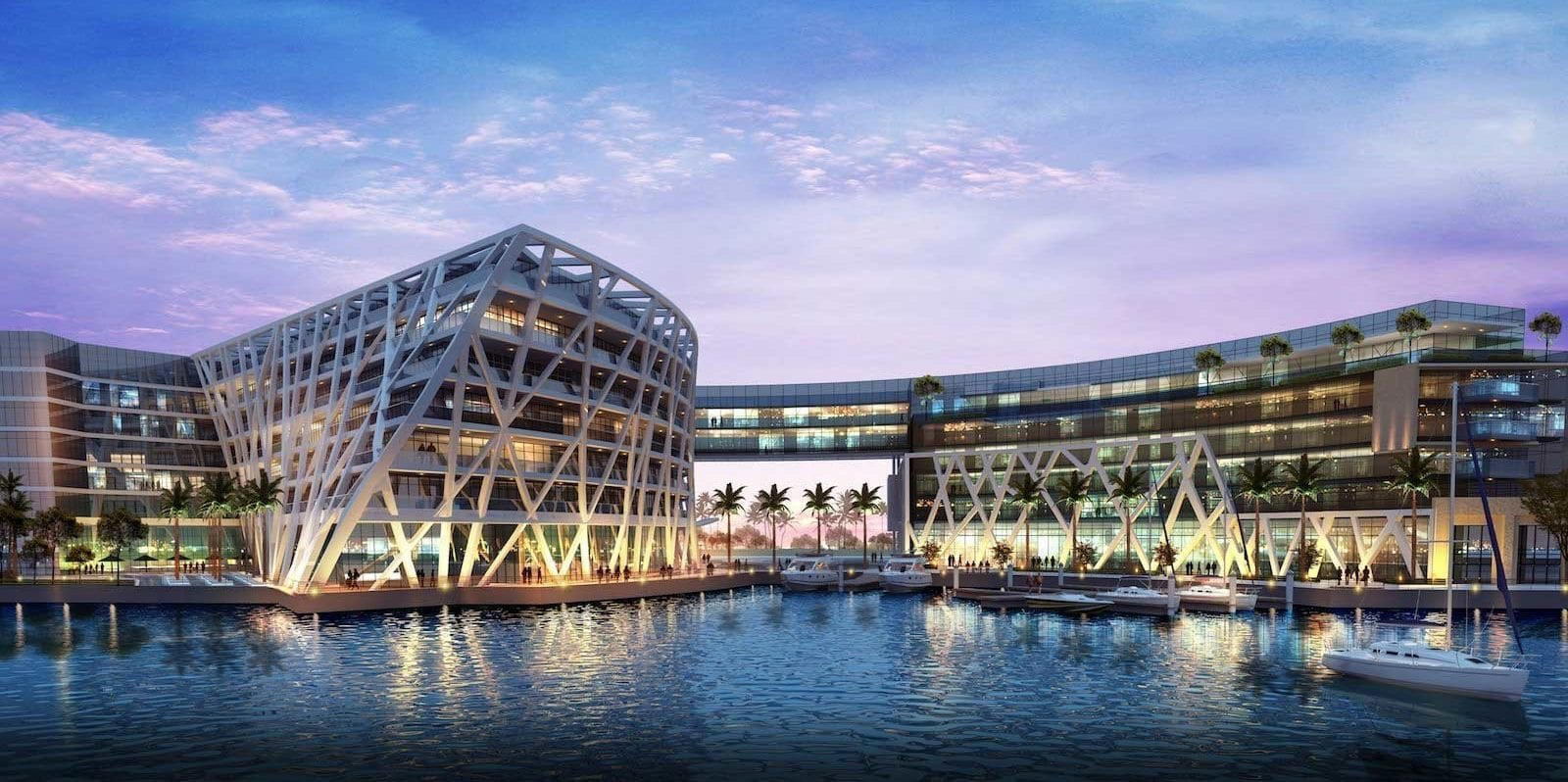
A former recreational compound for UAE Armed Forces officers, ERTH Abu Dhabi Hotel has been reimagined as a 294-room waterfront property on Khor Al Maqta. Its name means 'legacy' in Arabic, and the conversion retains genuinely Emirati character, a working mosque, an Arabic-style café, and landscaped gardens, alongside a FIFA-certified pitch, Blue Flag beach, and six restaurants.

Pearl is the En Primeur Club membership app, where members save venues, book tables and use the concierge.
Where Abu Dhabi's Military Past Becomes a Waterfront Address
The approach to ERTH along Khor Al Maqta sets a tone that few Abu Dhabi hotels can replicate. The Arabian Gulf stretches to one side, the old stone watchtower on the opposite bank anchors the view, and the sprawling compound ahead reads less like a constructed resort than like a place with actual history in its walls. That history is specific: this was once a recreational centre for officers of the UAE Armed Forces, and the conversion to a hotel has kept enough of the original scale and site logic that you register it physically before anyone tells you the backstory. The name, ERTH, translates from Arabic as 'legacy,' and the word does real descriptive work here rather than functioning as branding shorthand.
Abu Dhabi's upper hotel tier tends to organise itself around the spectacular and the new, the burnished towers of Conrad Abu Dhabi Etihad Towers, the gold-colonnaded grandeur of Emirates Palace Mandarin Oriental, the creek-facing modernity of Fairmont Bab Al Bahr. ERTH sits in a different register. The 294 rooms, suites, and villas occupy a waterfront compound whose footprint is determined by what was already there, not by a developer's floor plan. That distinction shapes everything from the room configuration to how the public spaces feel: generous, slightly asymmetric, and grounded in a specific place rather than assembled from an international hotel template.
Six Restaurants, One Coherent Logic
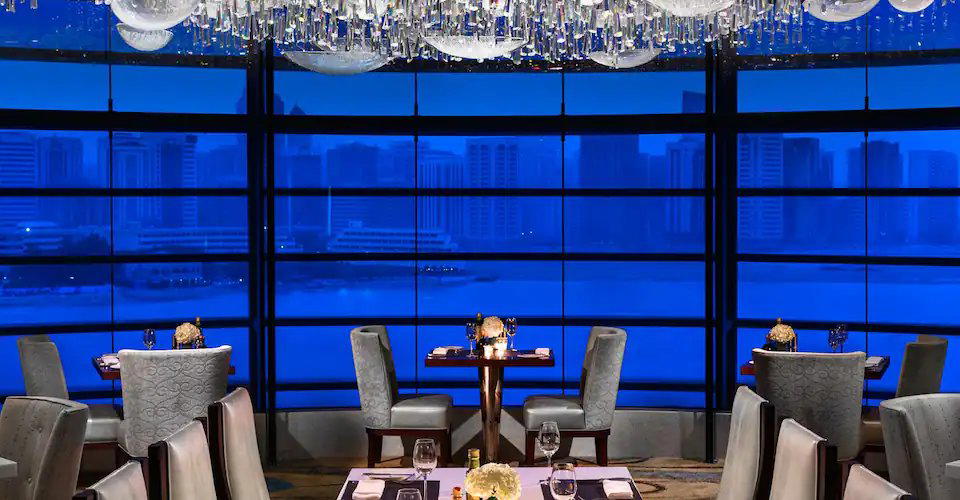
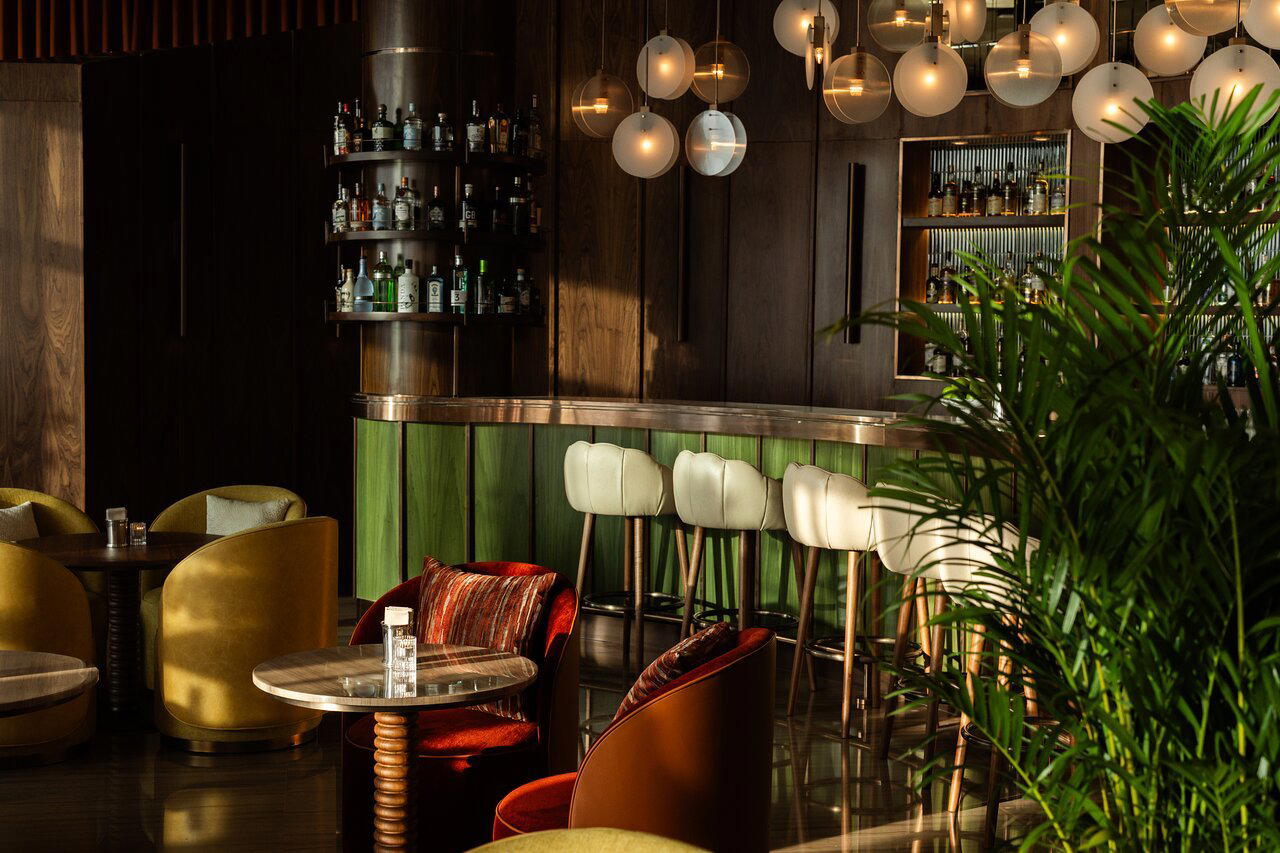
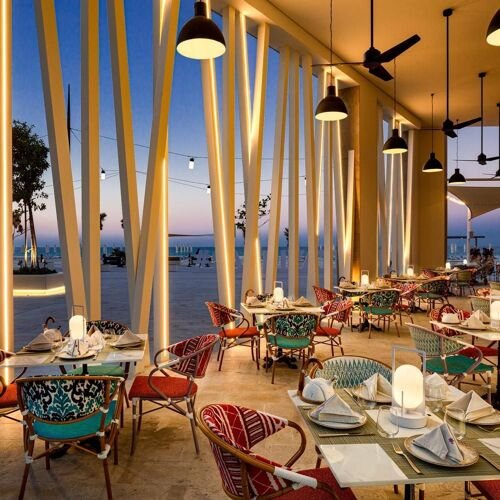
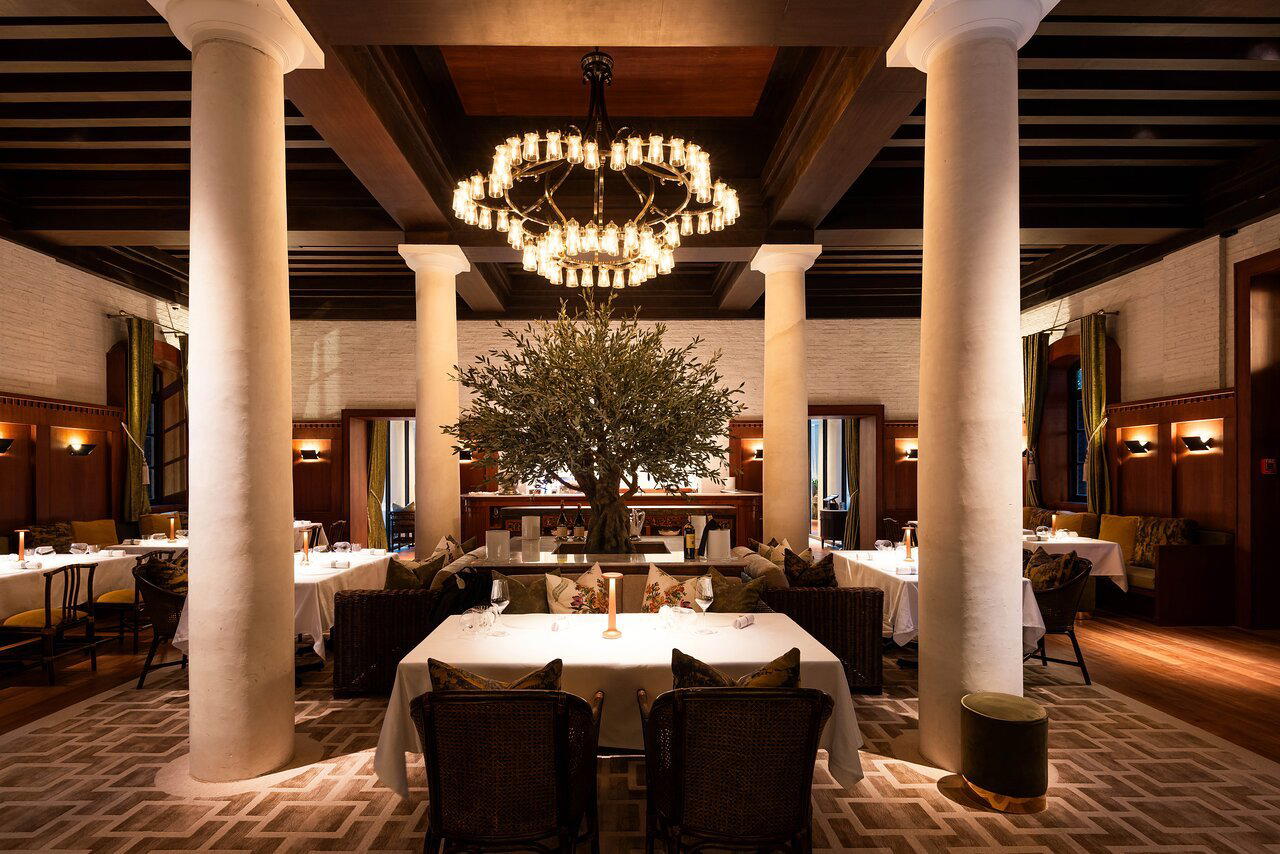
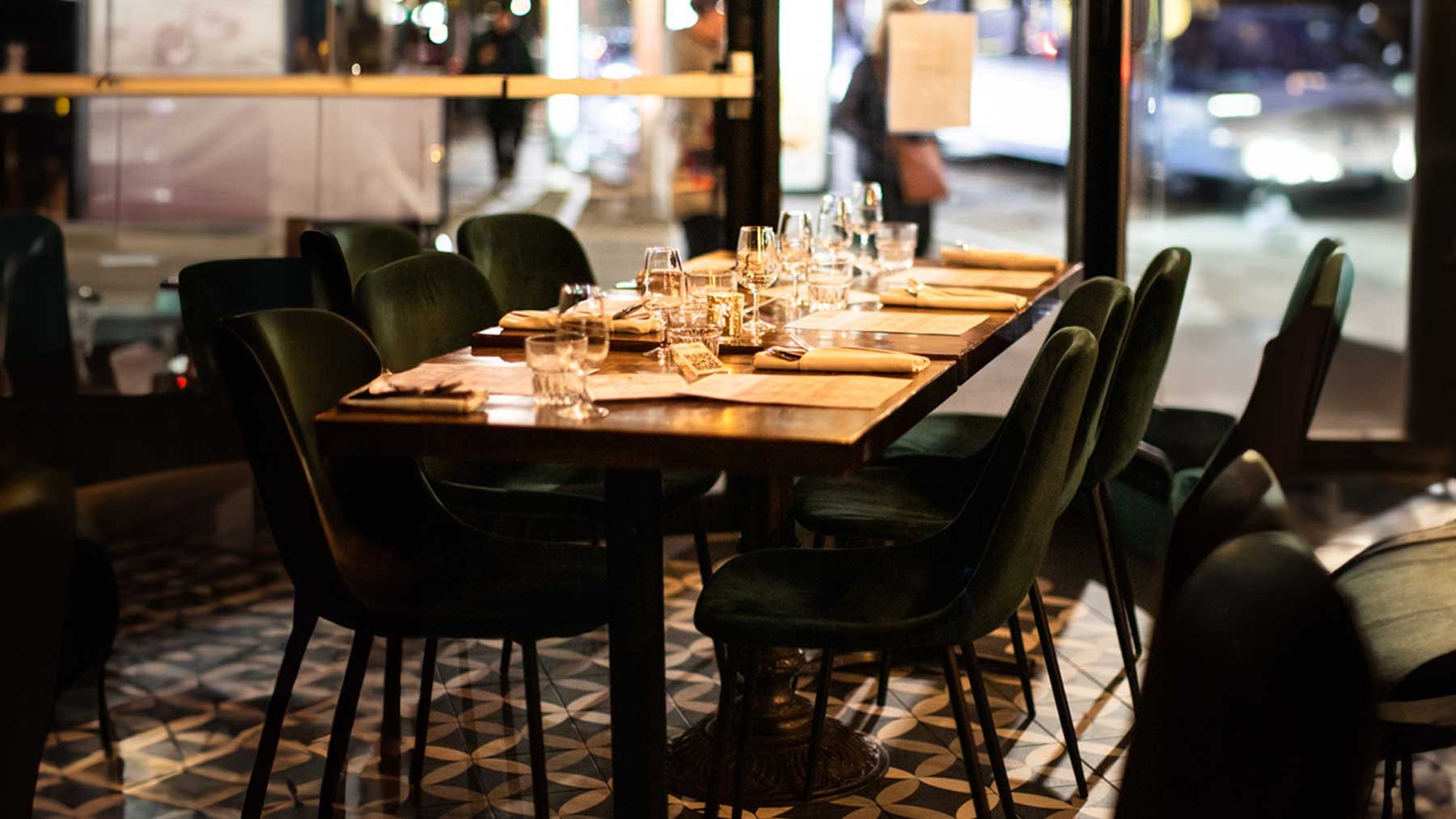
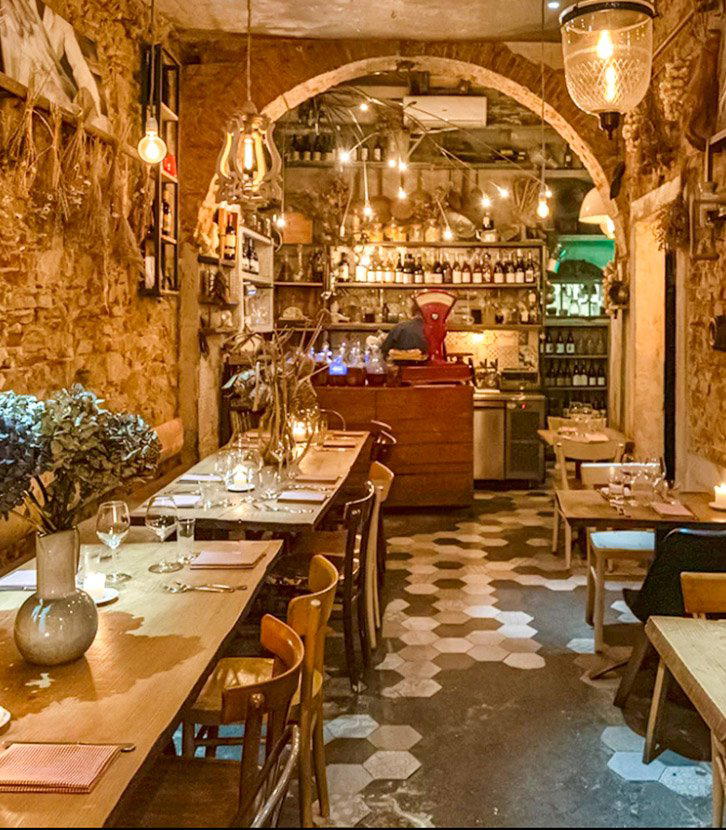
The dining programme across six restaurants is where ERTH's conversion from officers' compound to full-service hotel becomes most legible. In Abu Dhabi, a six-outlet food and beverage operation at a single property typically signals one of two things: a sprawling resort where restaurants are primarily convenience anchors for guests who don't want to leave, or a deliberate attempt to serve distinct moods and occasions within a unified culinary framework. ERTH's version leans toward the latter. The anchor points are culturally grounded: an Arabic-style café and patisserie operates alongside the other outlets, and this isn't a decorative gesture. In Gulf hospitality, the café-and-patisserie format carries its own social grammar, a place for coffee rituals, dates, and slow afternoon conversation, and its presence at ERTH positions the property differently from hotels that treat Emirati culture as an aesthetic backdrop rather than a functional programme element.
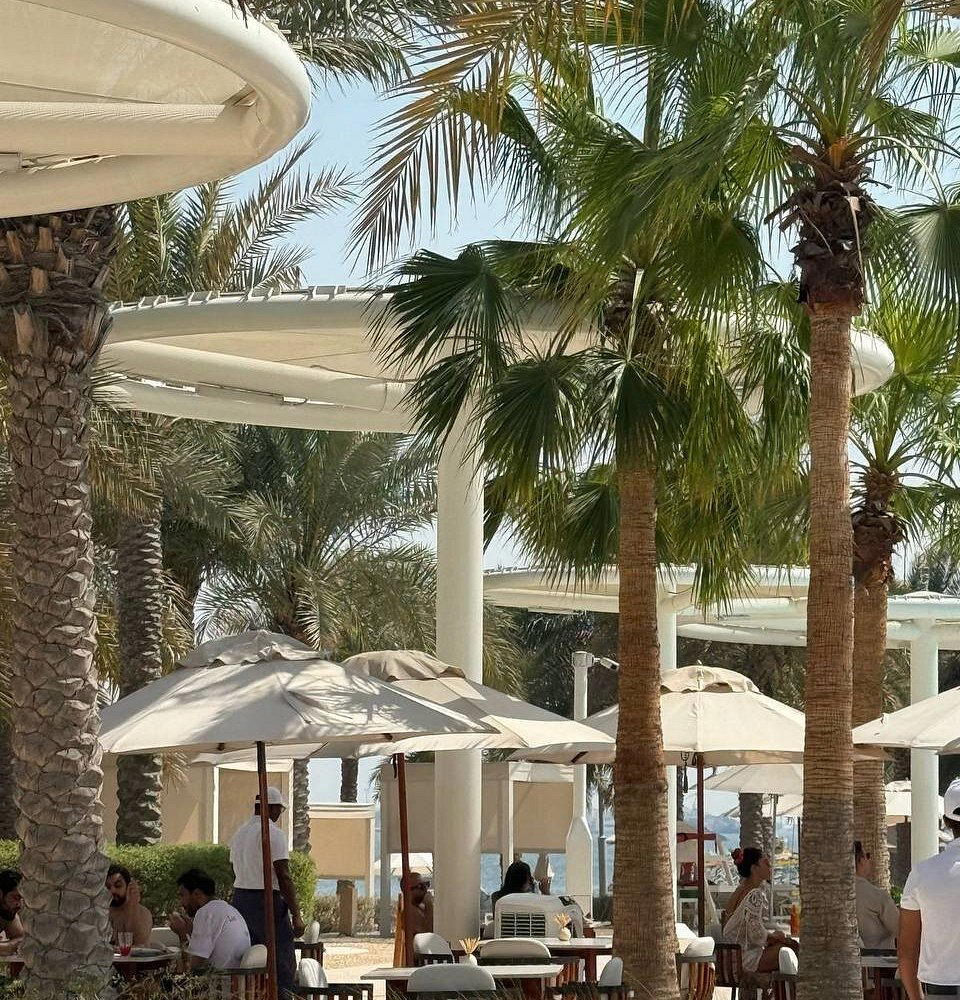
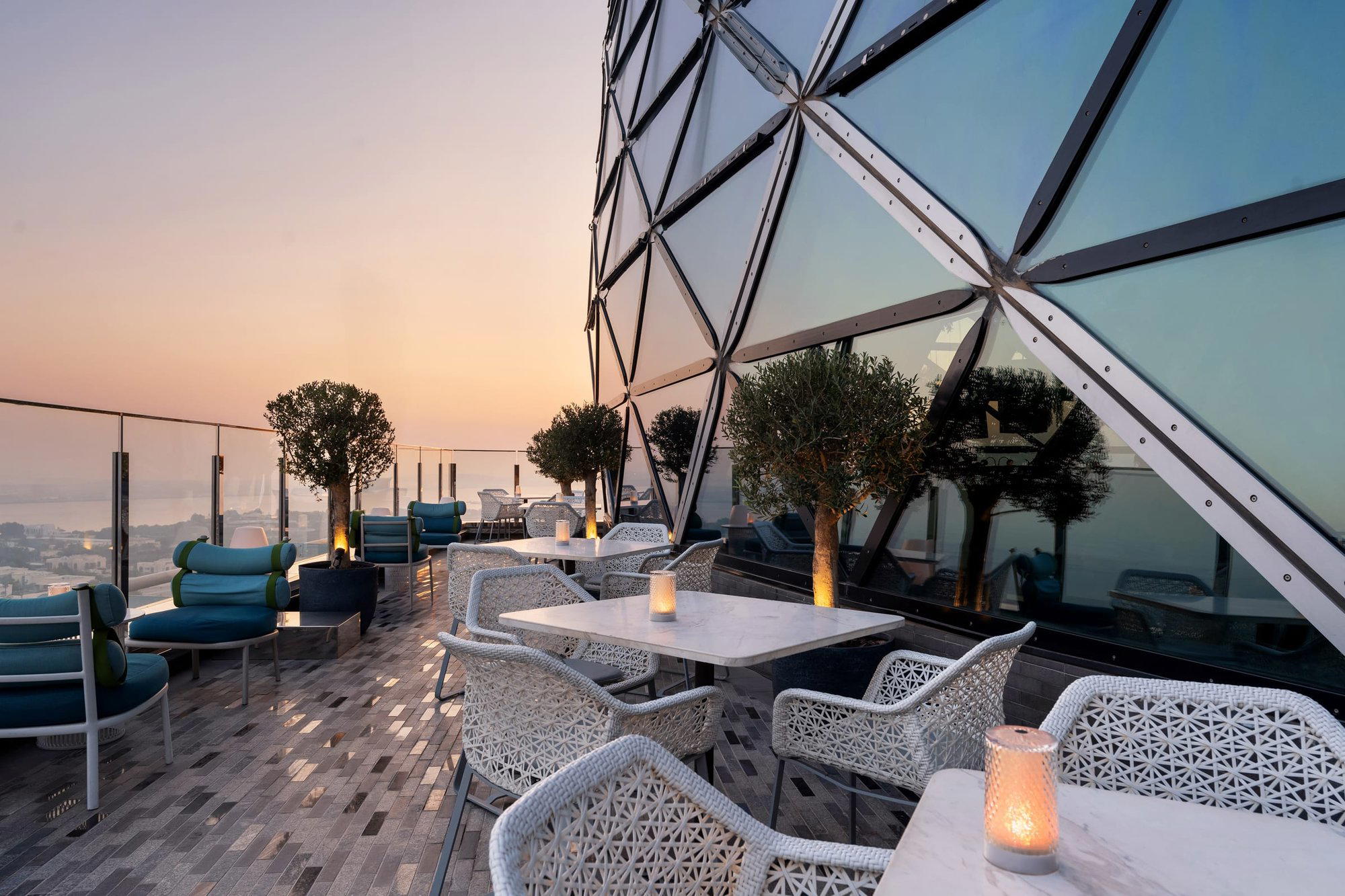
The Al Fayy Garden, a landscaped space that draws on traditional Emirati garden design, extends the outdoor hospitality logic beyond the beach and pool areas. In a city where outdoor dining is calendar-dependent, November through March offers the most reliable conditions, a well-designed garden space functions as both a restaurant amenity and a signal of how seriously the property has considered its relationship to the site. The oasis-style pools operate within the same framework: form referencing regional tradition, function matching contemporary resort expectations.
The Beach and Pitch as Programme Anchors
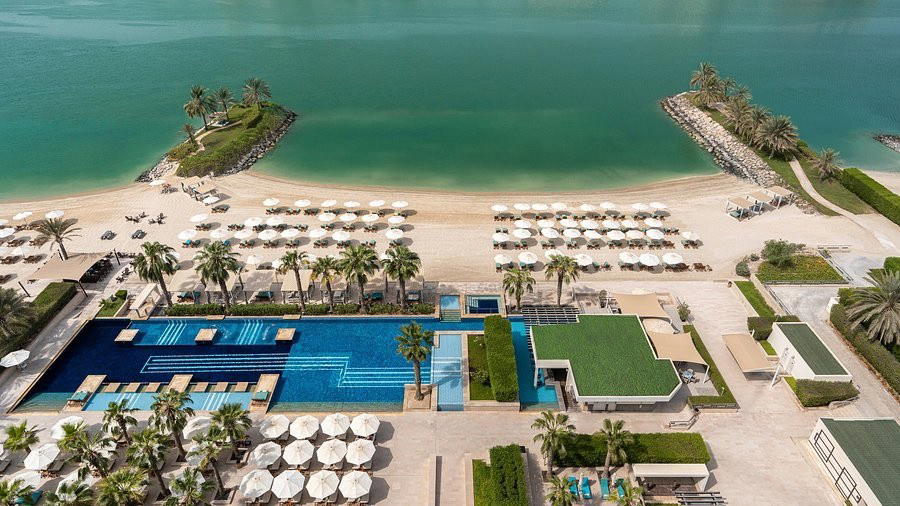
Blue Flag certification on the private beach is the kind of credential that rewards scrutiny. Blue Flag status requires compliance with environmental standards, water quality monitoring, and safety provisions under an international programme run by the Foundation for Environmental Education. Across the UAE's coastline, where rapid coastal development has put pressure on water quality and shore access, a certified private beach at a hotel compound carries substantive meaning beyond marketing language. Combined with the waterfront position on Khor Al Maqta, it places ERTH in a relatively small group of Abu Dhabi hotels where the beach is an asset that stands up to examination.
FIFA-certified football pitch addresses a different but equally specific segment. Abu Dhabi has positioned itself as a sports-tourism hub, hosting events across motorsport, golf, and football, and properties that can accommodate training sessions, corporate football events, or school tours with certified facilities occupy a useful niche in that infrastructure. For leisure guests without a team booking, the pitch signals the kind of resort completeness that justifies extended stays over weekend getaways. Compare this with the more wildlife-focused offering at Anantara Sir Bani Yas Island Al Yamm Villa Resort or the desert immersion model at Al Wathba, a Luxury Collection Desert Resort and Spa: each property configures its non-room amenities to attract a distinct type of extended-stay guest. ERTH's version is the urban-waterfront compound with genuine sporting infrastructure.
Emirati Character as a Structural Choice
Mosque on the property is worth pausing on, because it indexes something about the property's ambition that goes beyond the aesthetic decisions. In Gulf resort development, the presence of a functioning mosque on private hotel grounds is common enough to be expected at locally owned and operated properties but less consistent across internationally managed brands. Its inclusion at ERTH is part of a pattern: the Arabic café, the garden, the naming, the conversion narrative. These are not individual touches added to a generic hotel; they form a coherent argument about what kind of Abu Dhabi property ERTH intends to be.
That argument has a competitive context. Properties like Andaz Capital Gate and Four Seasons Hotel Abu Dhabi at Al Maryah Island operate under the logic of international brand excellence applied to an Abu Dhabi address. ERTH operates under a different logic: local history, waterfront site, and cultural specificity as the primary offer, with international resort amenities as supporting infrastructure rather than headline attractions. For travellers choosing between these approaches, the distinction is real and worth naming.
For those looking beyond Abu Dhabi, the same question of local character versus international template applies across the region. Arabian Nights Village pushes further into Emirati tradition through its desert-camp format, while Anantara Qasr Al Sarab Desert Resort in the Liwa Desert offers a different kind of landscape immersion. Beyond the UAE, properties like Al Badayer Retreat by Sharjah Collection and Anantara Mina Ras Al Khaimah Resort occupy comparable positions in their respective emirate contexts. At the opposite end of the spectrum internationally, properties like Castello di Reschio in Lisciano Niccone and Aman Venice demonstrate how conversion projects that foreground architectural history can occupy durable positions in premium travel.
Planning Your Stay
ERTH sits on Khor Al Maqta, the waterway that separates Abu Dhabi island from the mainland, placing it close to the Sheikh Zayed Grand Mosque and at a practical distance from both the airport and the city centre. The 294-room count puts it in the mid-large range for Abu Dhabi luxury properties, large enough to absorb group bookings without the compound feeling depleted, compact enough that the various amenity clusters remain walkable. The optimal visiting window for beach and outdoor dining use runs from November through to late March, when temperatures are consistently manageable through the day. The football pitch and indoor restaurant outlets extend utility through the hotter months for guests whose agenda leans toward sport and dining over beach time. Booking directly through the property is the standard approach for suite and villa categories where room type availability tends to be more constrained. For a broader view of Abu Dhabi's dining and hotel options, the EP Club Abu Dhabi guide covers the full city context.
How It Stacks Up
| Venue | Price | Awards |
|---|---|---|
| ERTH Abu Dhabi HotelThis venue (the venue you are viewing) | Not listed | 1 Michelin Key |
| Conrad Abu Dhabi Etihad Towers | Not listed | 1 Michelin Key · La Liste Top Hotels |
| Emirates Palace Mandarin Oriental, Abu Dhabi | Not listed | 2 Michelin Keys · La Liste Top Hotels |
| Fairmont Bab Al Bahr | Not listed | Michelin Selected · Forbes 4-Star |
| Four Seasons Hotel Abu Dhabi at Al Maryah Island | $300–500 | 1 Michelin Key · La Liste Top Hotels |
| Jumeirah Saadiyat Island | $750–1,000 | 1 Michelin Key · La Liste Top Hotels |
Recognition history
Dated appearances from independent guides and award organizations, with the underlying list record or original source where available.
Michelin 1 Key
Michelin
Full recognition history (2 entries)
Michelin 1 Key
Michelin
Continue exploring
More in Abu Dhabi
Hotels in Abu Dhabi
All hotels in Abu Dhabi →
Details
- Serene
- Modern
- Elegant
- Family Vacation
- Business Trip
- Weekend Escape
- Beachfront
- Rooftop Pool
- Panoramic View
- Wi Fi
- Pool
- Spa
- Fitness Center
- Room Service
- Concierge
- Business Center
- Valet Parking
- Garden
- Waterfront
- Wheelchair Accessible
- Elevator
- Step Free Entrance
Serene and tranquil atmosphere with silence, coolness, soothing background music, pleasant aromas, magnificent landscaping, and garden views.