Nobu Hotel Saadiyat Island
Nobu Hotel Saadiyat Island sits inside Abu Dhabi’s shifting luxury conversation, where beach resorts, cultural institutions, and branded hospitality increasingly compete on service rhythm rather than spectacle alone.

Pearl is the En Primeur Club membership app — saves, bookings, and concierge access live there. Same editors, same standards.
- Address
- Abu Dhabi, United Arab Emirates
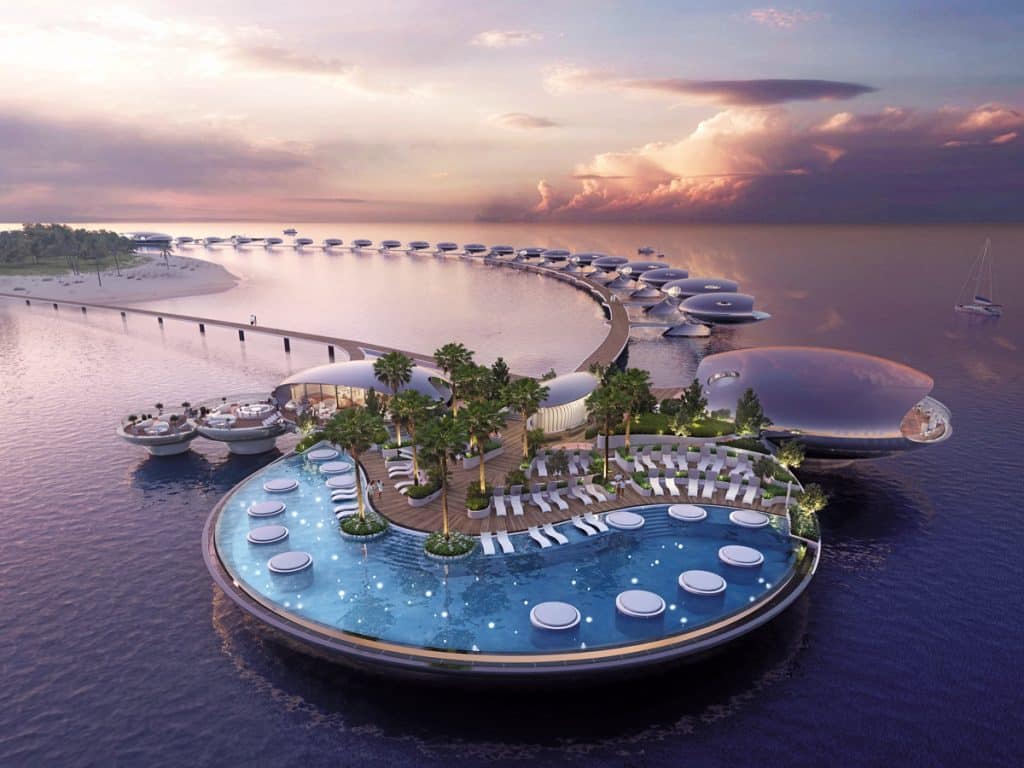
Saadiyat's beach-resort question
Approaching Saadiyat Island, Abu Dhabi changes register. The city’s glass towers and ceremonial avenues give way to low coastal light, museum architecture, and a slower resort cadence. In that setting, Nobu Hotel Saadiyat Island belongs to a hospitality category that is less about sheer scale than about how precisely a stay is choreographed: arrival pacing, restaurant-to-room movement, beach access, and staff who understand when to intervene and when to disappear.
That matters because Abu Dhabi luxury is no longer a single story. The emirate now has palace hotels, business towers, desert compounds, private-island villas, heritage-flavoured retreats, and culture-adjacent beach addresses. The question for a Saadiyat hotel is not whether it can look expensive. Many properties in the city can do that. The more telling test is whether the service philosophy can handle guests who split a day between beach, museum, dinner, and late check-out without making the experience feel processed.
That absence is useful rather than limiting: it keeps the editorial focus on fit. Readers should evaluate it as part of Saadiyat’s resort-and-culture district, not as a freestanding hotel profile loaded with unsupported claims.
Where it sits in Abu Dhabi's luxury map
Abu Dhabi’s hotel geography is unusually legible. The Corniche and central city favour ceremony, embassies, and skyline views. The desert properties trade on remoteness and silence. Island resorts use space, sand, and water as their core assets. Saadiyat adds another layer because it places beach hospitality beside the emirate’s cultural ambitions, giving the island a different rhythm from the capital’s corporate hotel corridors.
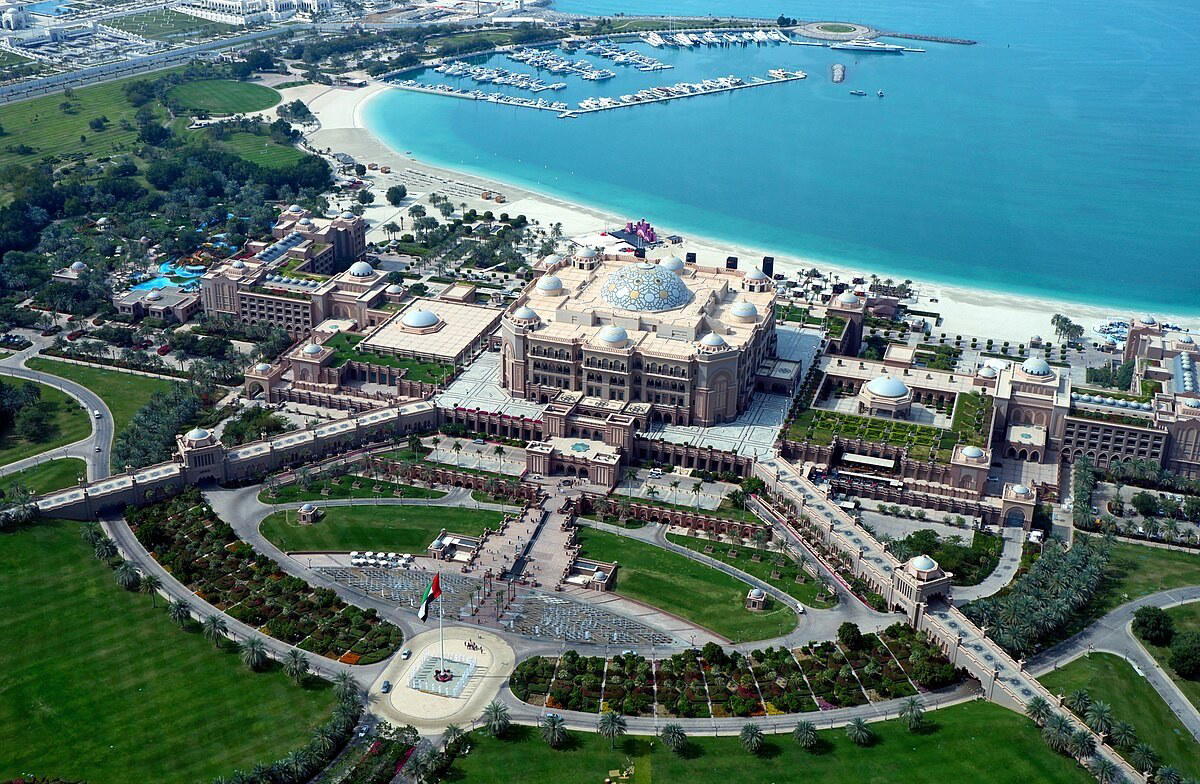
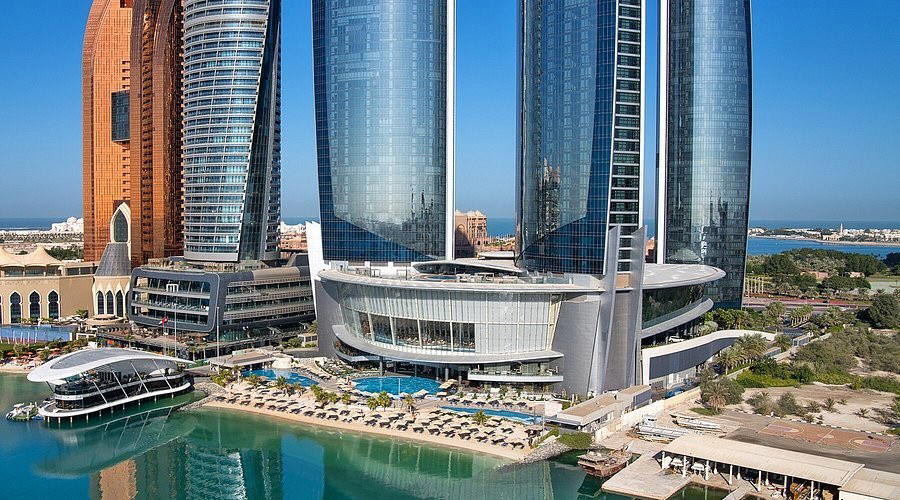
Within that map, Nobu Hotel Saadiyat Island should be read against beach and culture-led peers rather than airport convenience hotels or downtown business addresses. A stay here makes sense for travellers who want Abu Dhabi to feel coastal first and urban second. The city is present, but not pressing against the lobby doors. That is a different proposition from Conrad Abu Dhabi Etihad Towers, where the appeal is tied more closely to towers, views, and central-city momentum, or Emirates Palace Mandarin Oriental, Abu Dhabi, where grandeur and state-hotel theatre are part of the point.
The comparison also clarifies service expectations. At a palace hotel, formality can be a feature. At a desert resort, the service has to manage isolation, transfers, activities, and temperature. On Saadiyat, the better service model is lighter but highly anticipatory: towels before the request, restaurant timing that accounts for sunset and museum visits, transport advice that understands the island’s spread, and staff who do not confuse attentiveness with interruption.
The service philosophy that matters here
Service-led hotels in the Gulf often face the same trap: large teams, polished uniforms, and constant greetings can create activity without intimacy. Saadiyat demands a more restrained version of luxury. Guests are often in resort mode during the day, cultural mode by late afternoon, and restaurant mode at night. The experience works when each transition feels handled without being announced.
For Nobu Hotel Saadiyat Island, the relevant promise is not only brand recognition. It is whether a hotel can carry a dining-associated name into a full resort stay without letting the restaurant identity overwhelm the rest of the property. In practice, that means housekeeping, concierge, beach teams, restaurant hosts, and front office staff must operate from the same script. The guest should not need to repeat preferences at every handoff.
The critical lens is therefore structural. A Saadiyat hotel of this type has to compete on personalisation: remembered timings, smooth arrivals after long-haul flights, informed advice on when to cross into the city, and a dining programme that feels integrated rather than bolted on. In Abu Dhabi’s premium tier, those details decide whether a stay feels managed or merely staffed.
Dining identity without unsupported menu claims
That prevents any responsible discussion of specific plates, menus, pricing, or chef credentials. What can be said is broader and still useful: branded hotel dining has become a major force in Gulf luxury, especially where international restaurant names function as both dining destinations and hotel identity markers.
In Abu Dhabi, that context matters. The city’s dining scene has moved beyond hotel buffets and imported logos as simple status symbols. The stronger hotel restaurants now have to serve multiple audiences at once: in-house guests, residents crossing town for dinner, business travellers, and weekend visitors from nearby emirates. Service teams must read those audiences quickly. A resident expects sharper pacing and fewer hotel formalities; a resort guest may want convenience and continuity; a celebratory table wants discretion as much as theatre.
Nobu Hotel Saadiyat Island therefore belongs to a broader question in the city: how well can a hotel dining brand anchor a resort without turning the rest of the stay into a restaurant annex? For travellers using food as a reason to choose accommodation For broader Abu Dhabi dining context, Our full Abu Dhabi restaurants guide is the cleaner place to compare restaurants by cuisine, recognition, and neighbourhood logic.
Saadiyat versus the desert, the city, and the outer islands
Abu Dhabi’s premium hotels split into clear travel moods. Saadiyat is beach and culture. The central city is ceremony, commerce, and skyline. The desert is withdrawal. The wildlife and outer-island resorts are about distance from the mainland. A hotel on Saadiyat needs to be judged against that full spectrum because the right choice depends less on room finishes than on the kind of day a traveller wants to repeat.
For desert atmosphere, Al Wathba, a Luxury Collection Desert Resort & Spa, Abu Dhabi and Arabian Nights Village Rd sit in a different emotional register, where the horizon and heat shape the stay. For a stronger urban-hotel frame, Andaz Capital Gate Abu Dhabi, ERTH Abu Dhabi Hotel, and Fairmont Bab Al Bahr place guests closer to city infrastructure and a different version of Abu Dhabi daily life.
The island category is broader still. Anantara Sir Bani Yas Island Al Yamm Villa Resort and Anantara Sir Bani Yas Island Al Sahel Villa Resort in Sir Bani Yas Island belong to a more remote island-resort conversation, while Saadiyat keeps Abu Dhabi’s cultural and urban assets within the same trip structure. That is the central distinction: Saadiyat offers separation without full retreat.
How the wider UAE comparison sharpens the choice
Travellers often compare Abu Dhabi and Dubai as if they offer the same luxury model in different skylines. They do not. Dubai’s hotel scene tends to reward spectacle, speed, and high-density dining. Abu Dhabi places greater weight on space, institutions, and slower resort pacing. A Saadiyat hotel sits firmly in the latter camp, even when the brand name has global recognition.
That contrast becomes clearer against Atlantis The Royal in Dubai, where the hotel itself is part of Dubai’s theatre of scale. Other UAE resorts pull the lens away from both cities: Al Badayer Retreat by Sharjah Collection in Sharjah and Anantara Qasr al Sarab Desert Resort in Liwa Desert prioritise desert drama, while Mövenpick Resort Al Marjan Island in Ras al Khaimah, Fairmont Ajman in Ajman, and Anantara Santorini Abu Dhabi Retreat in Ghantoot show how coastal leisure changes by emirate and setting.
For travellers considering an inland UAE itinerary, Telal Resort Al Ain in Al Ain and Bateen Liwa Resort in Mzeer Ah represent another form of escape. Nobu Hotel Saadiyat Island, by contrast, is for the traveller who wants beach resort ease with the capital close enough to remain part of the stay.
Planning a stay with incomplete public detail
That means planning should be handled with confirmation from current official channels before fixing flights, transfers, restaurant plans, or occasion dining. In Abu Dhabi, pricing can change sharply by season, school holidays, major events, and winter demand, so any serious comparison should be made on actual dates rather than broad assumptions.
Seasonality matters in practical terms. Abu Dhabi’s cooler months are when outdoor dining, beach time, and cultural itineraries align most comfortably. The hotter months shift the day indoors and make service timing more important: shaded transfers, room readiness, flexible dining windows, and staff who can reduce friction. For a Saadiyat stay, travellers should think in sequences rather than isolated amenities: arrival, beach, museum, dinner, return, departure. The smoother that sequence, the stronger the hotel experience.
For a broader scan of the city’s accommodation field, Our full Abu Dhabi hotels guide is the natural comparison point. If the trip will include drinks, culture, or specialist activities beyond the hotel, Our full Abu Dhabi bars guide, Our full Abu Dhabi experiences guide, and Our full Abu Dhabi wineries guide help separate hotel choice from the rest of the itinerary.
Who should choose this address
Nobu Hotel Saadiyat Island fits travellers who want Abu Dhabi to feel composed, coastal, and service-led rather than maximalist. It is not the obvious choice for someone who wants the theatrical density of Dubai, the ceremonial weight of a palace hotel, or the hard reset of the desert. Its natural audience is more specific: guests who want beach time, cultural access, and a branded hospitality setting where the staff experience matters as much as the physical asset.
A sensible test is comparative. If rates sit near the city’s upper tier on a given date, the stay needs to justify itself through service coherence, location value, and dining convenience, not merely name recognition. If rates are closer to comparable Saadiyat or Abu Dhabi beach properties, the island setting and brand association may create a stronger case.
Globally, service-led hotels succeed when a guest feels known without being over-managed. That is as true at The Fifth Avenue Hotel in New York City as it is at Hôtel de Paris Monte-Carlo in Monte Carlo or Badrutt's Palace Hotel in St. Moritz. The settings differ, but the service question is consistent: does the hotel reduce decisions without flattening the guest’s sense of control?
How It Compares
Comparable venues nearby, for context on price, style, and recognition.
| Venue | Cuisine | Price | Awards | Notes |
|---|---|---|---|---|
| Nobu Hotel Saadiyat IslandThis venue — the venue you are viewing | Luxury lifestyle beachfront resort integrated into Saadiyat Island’s cultural district with branded residences and a focus on gastronomy and wellness. | Not listed | Not listed | Not listed |
| The St. Regis Abu Dhabi | Contemporary luxury resort blending authentic Arabian hospitality with over a century of St. Regis bespoke service tradition. | $750–1,000 | La Liste Top Hotels · Forbes 5-Star | Al Khubeirah |
| The Abu Dhabi EDITION | Boutique luxury with personalized service and inspired waterfront setting | $300–500 | Michelin Selected · La Liste Top Hotels | Al Bateen |
| Saadiyat Rotana Resort & Villas | Contemporary luxury beach resort blending modern Arabic architecture with serene interiors | Not listed | Michelin Selected · Forbes Recommended | Al Saadiyat Island |
| Anantara Sir Bani Yas Island Al Yamm Villa Resort | Eco-luxury beachfront villa resort blending rustic Emirati heritage with contemporary sophistication | Not listed | La Liste Top Hotels · World Travel Awards | Sir Bani Yas Island |
| Park Hyatt Abu Dhabi Hotel and Villas | Contemporary luxury resort blending understated elegance with timeless regional charm on a protected beachfront. | $500–750 | Michelin Selected · La Liste Top Hotels | Al Saadiyat Island |
Details
- Modern
- Elegant
- Scenic
- Sophisticated
- Well Known
- Ornate
- Romantic Getaway
- Weekend Escape
- Wellness Retreat
- Honeymoon
- Group Retreat
- Celebration
- Beachfront
- Waterfront
- Private Villa
- Design Destination
- Panoramic View
- Destination Spa
- Pool
- Spa
- Fitness Center
- Concierge
- Beach Access
- Golf Course
- Waterfront
- Skyline
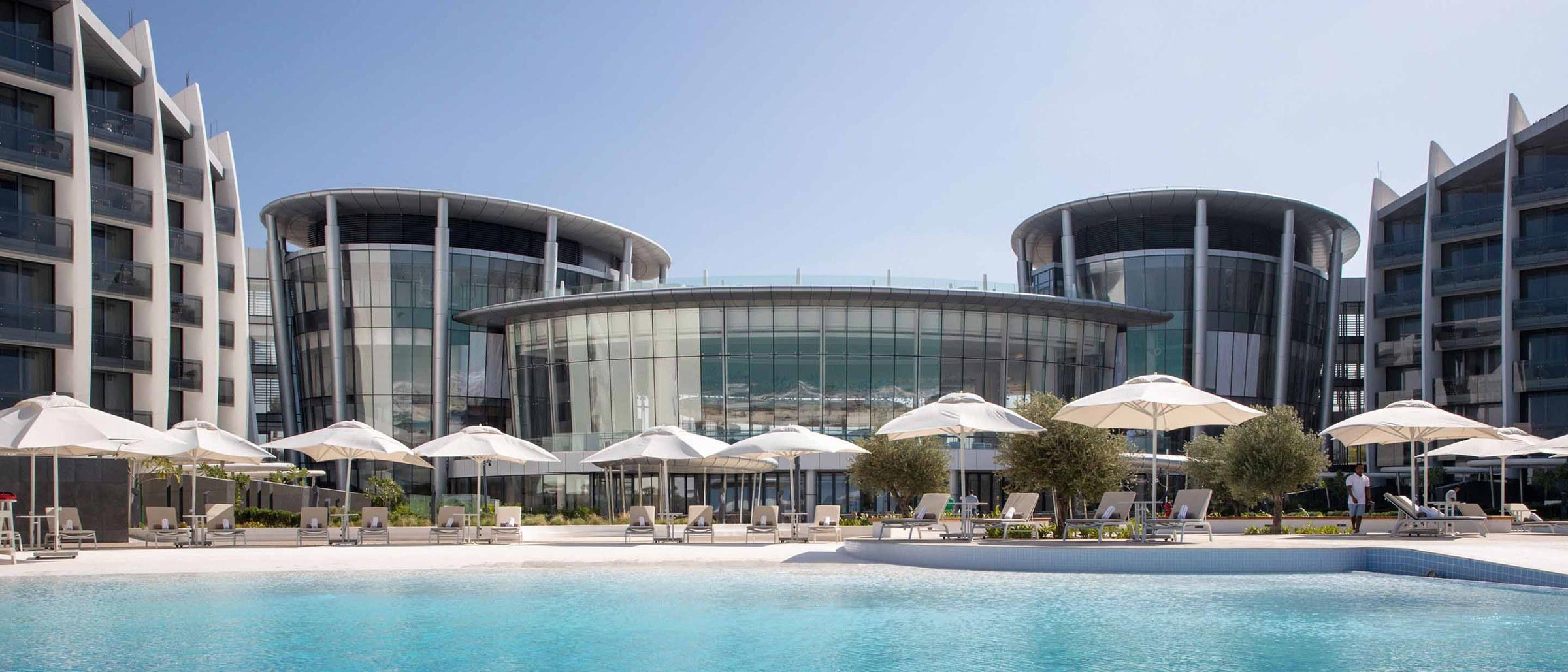
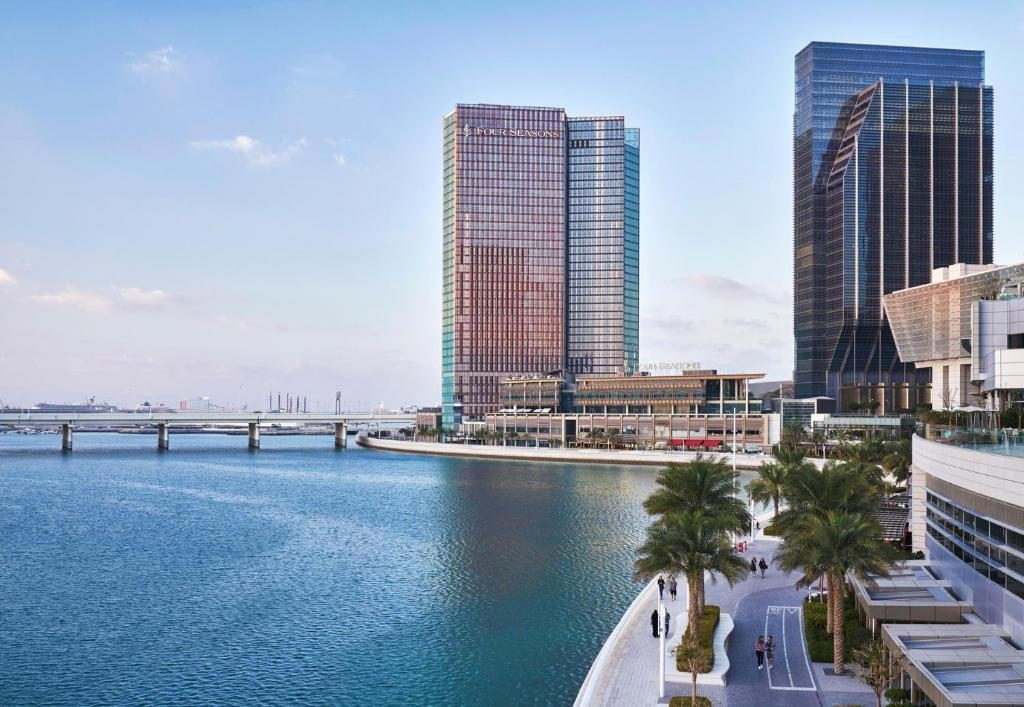
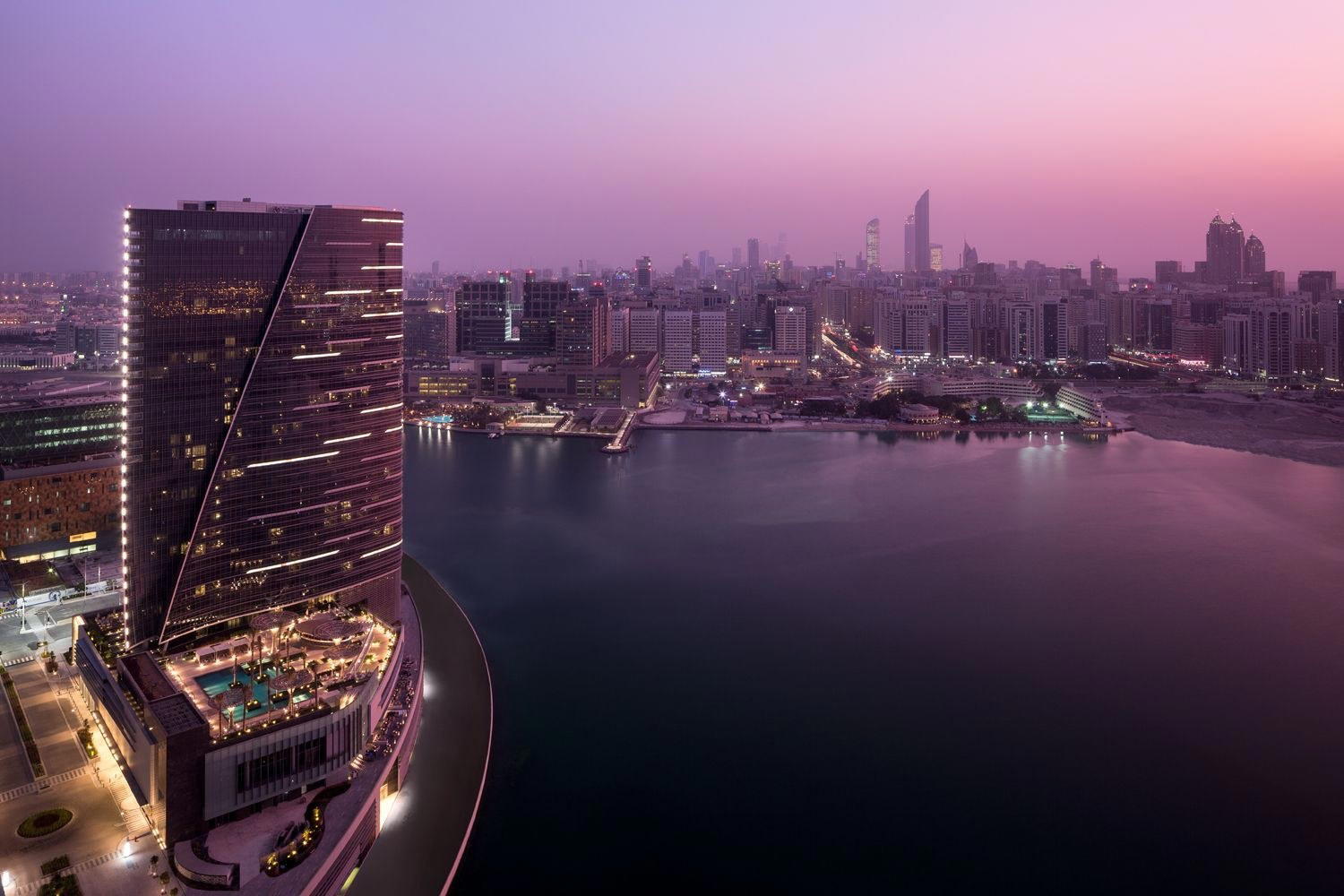
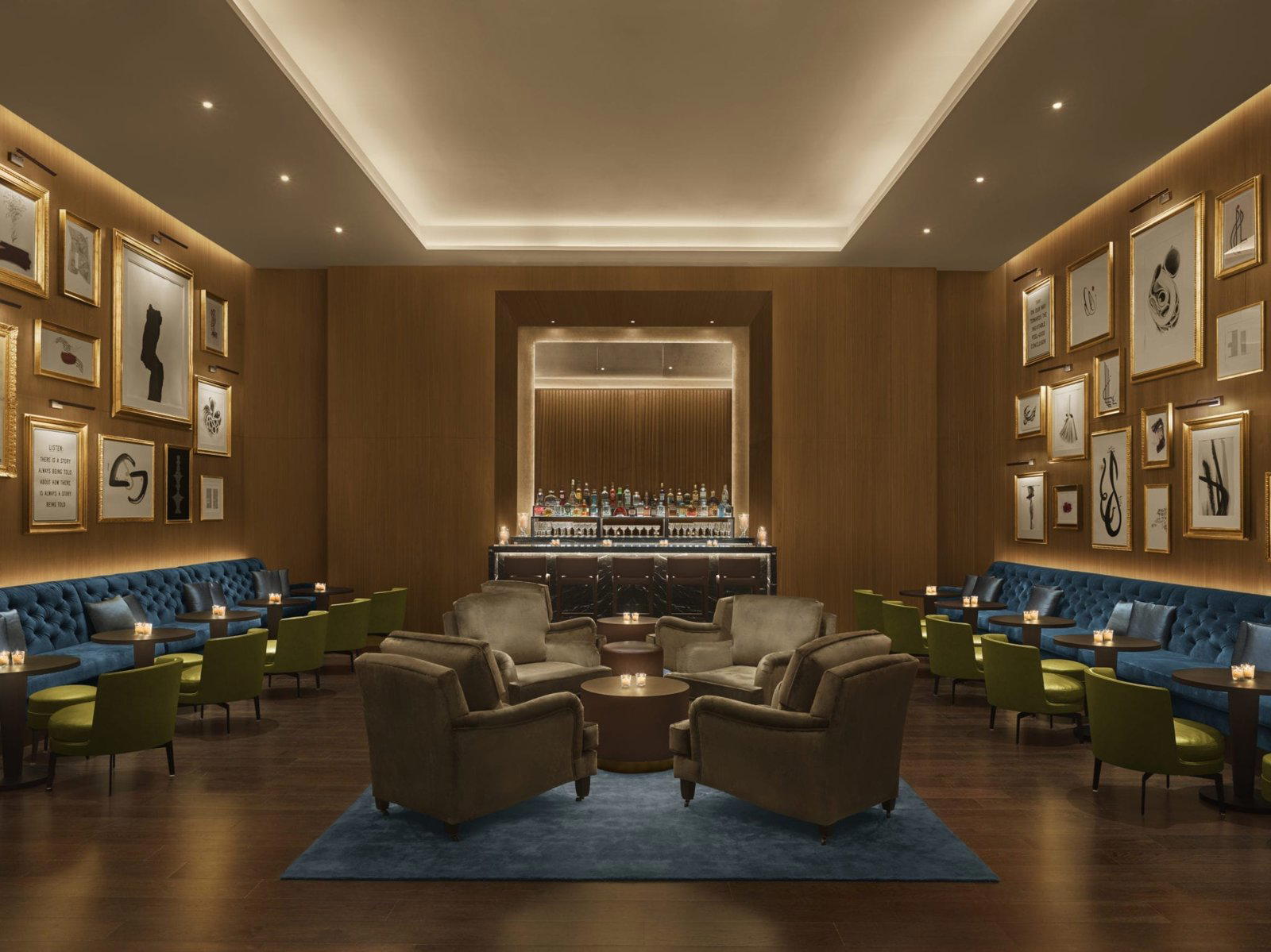
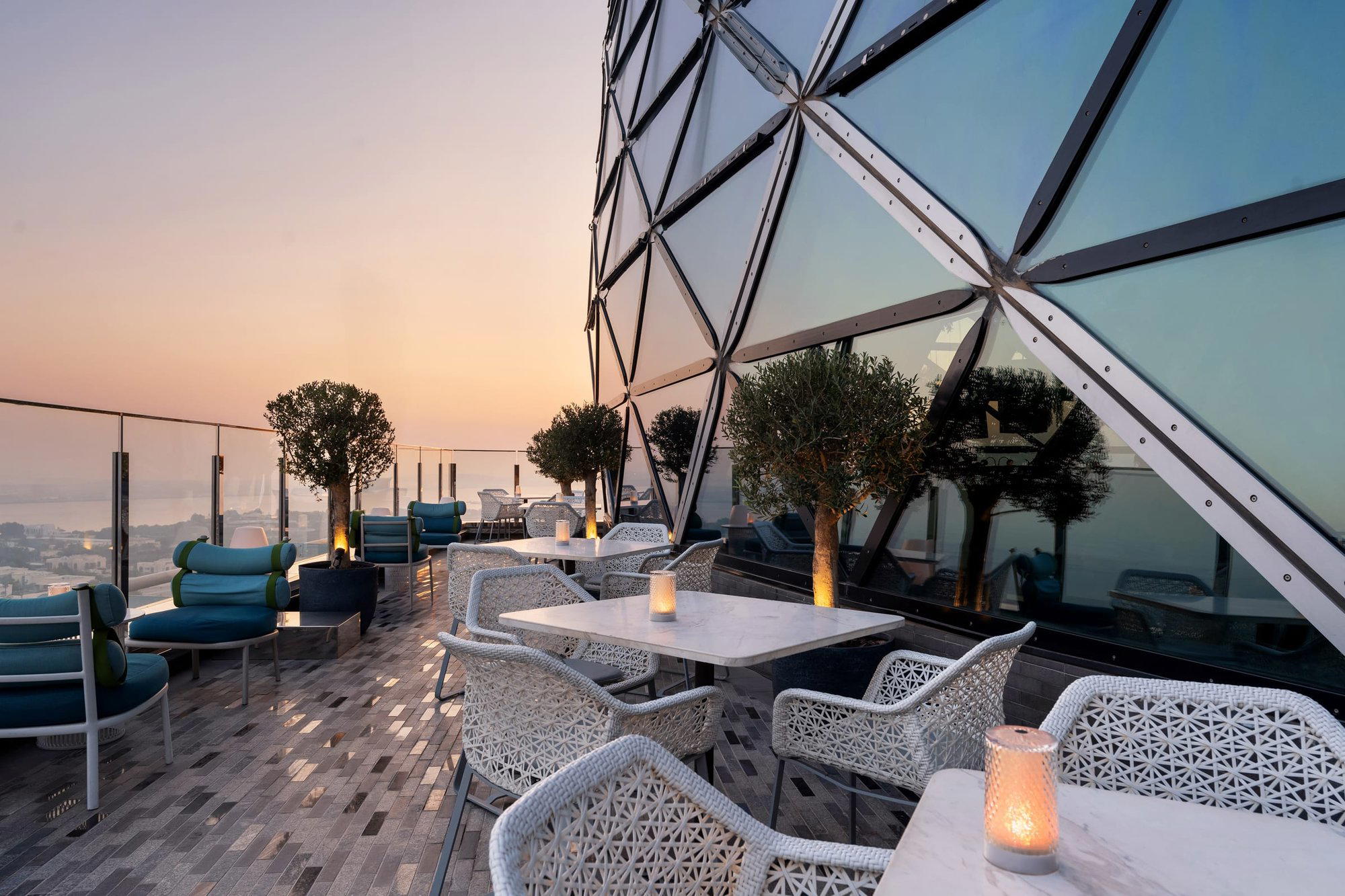
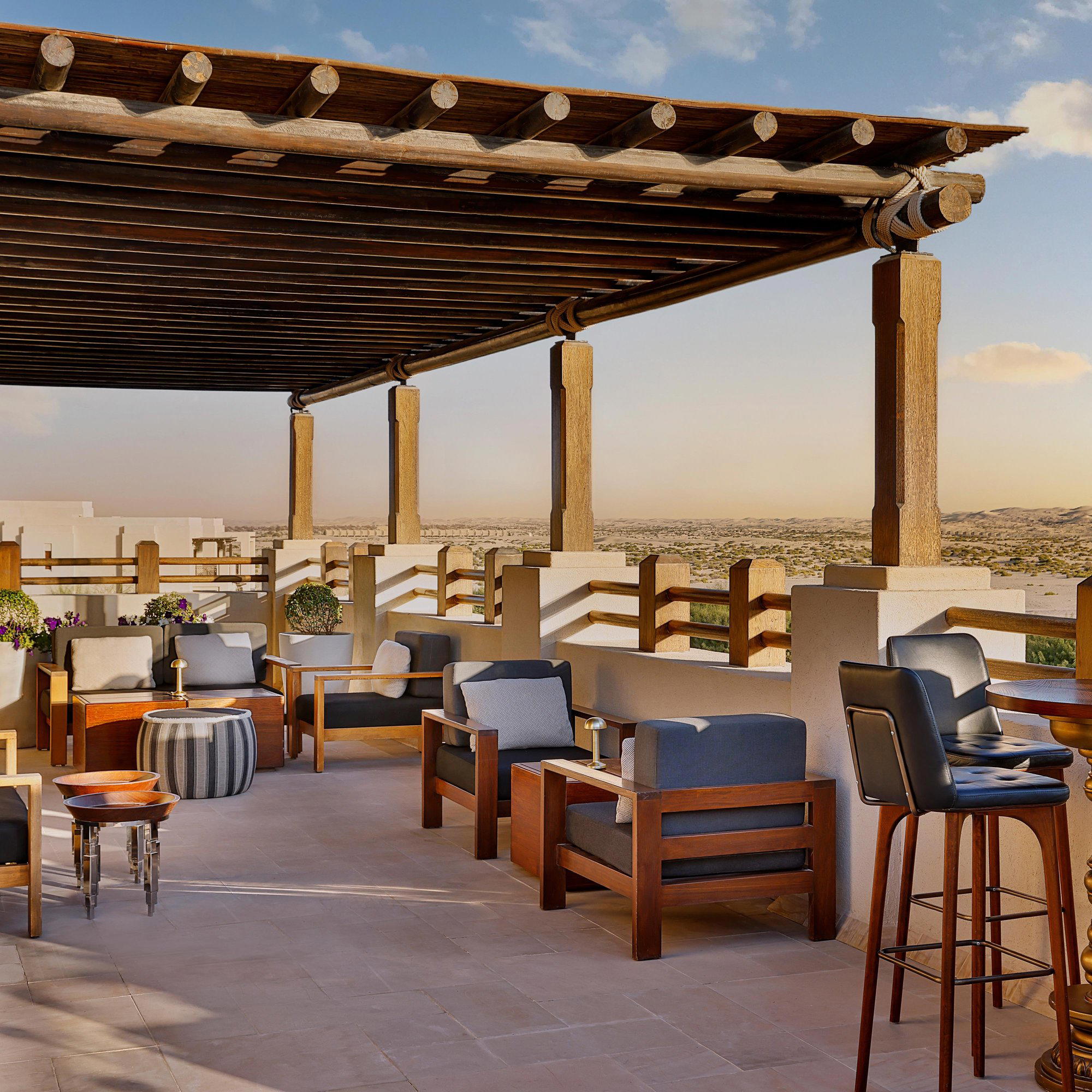
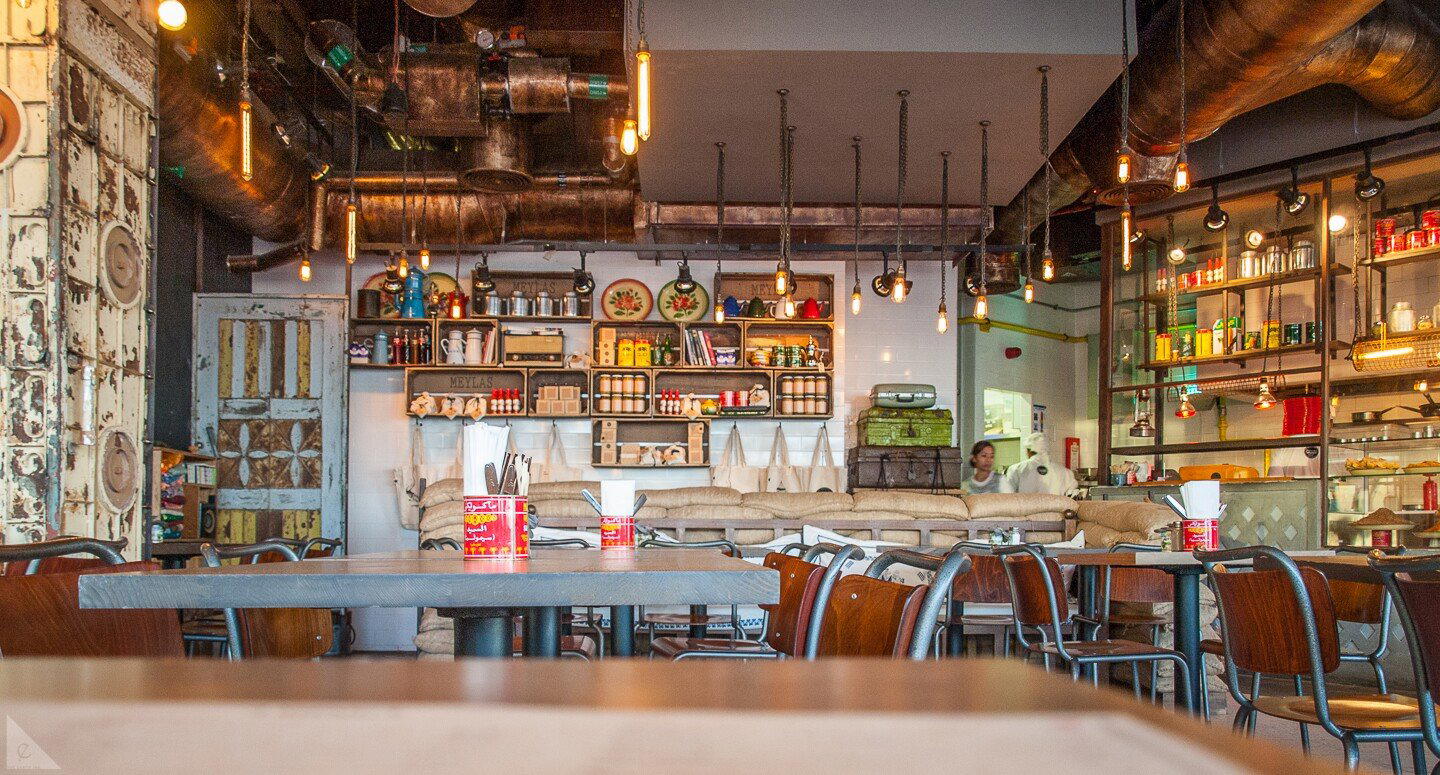
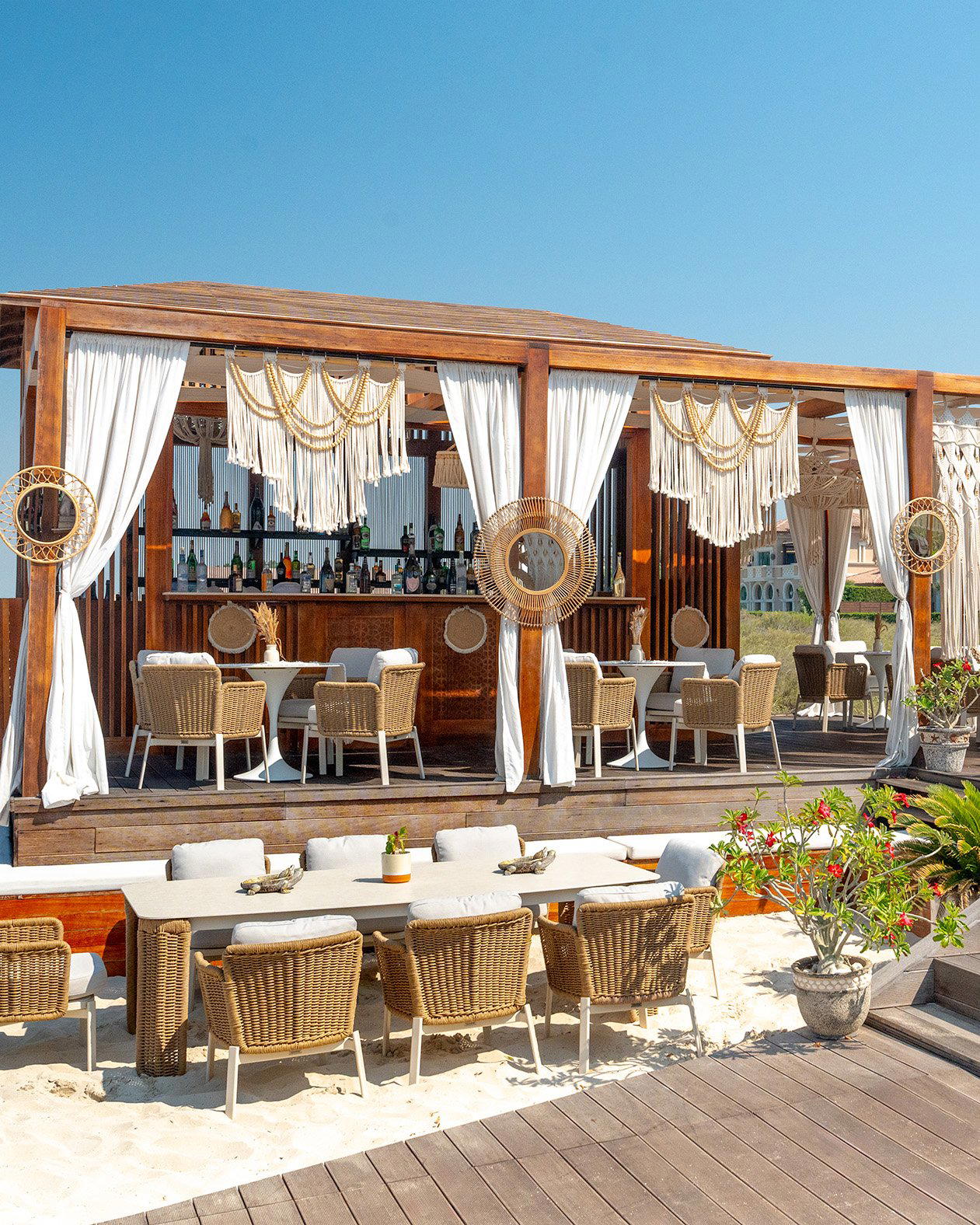
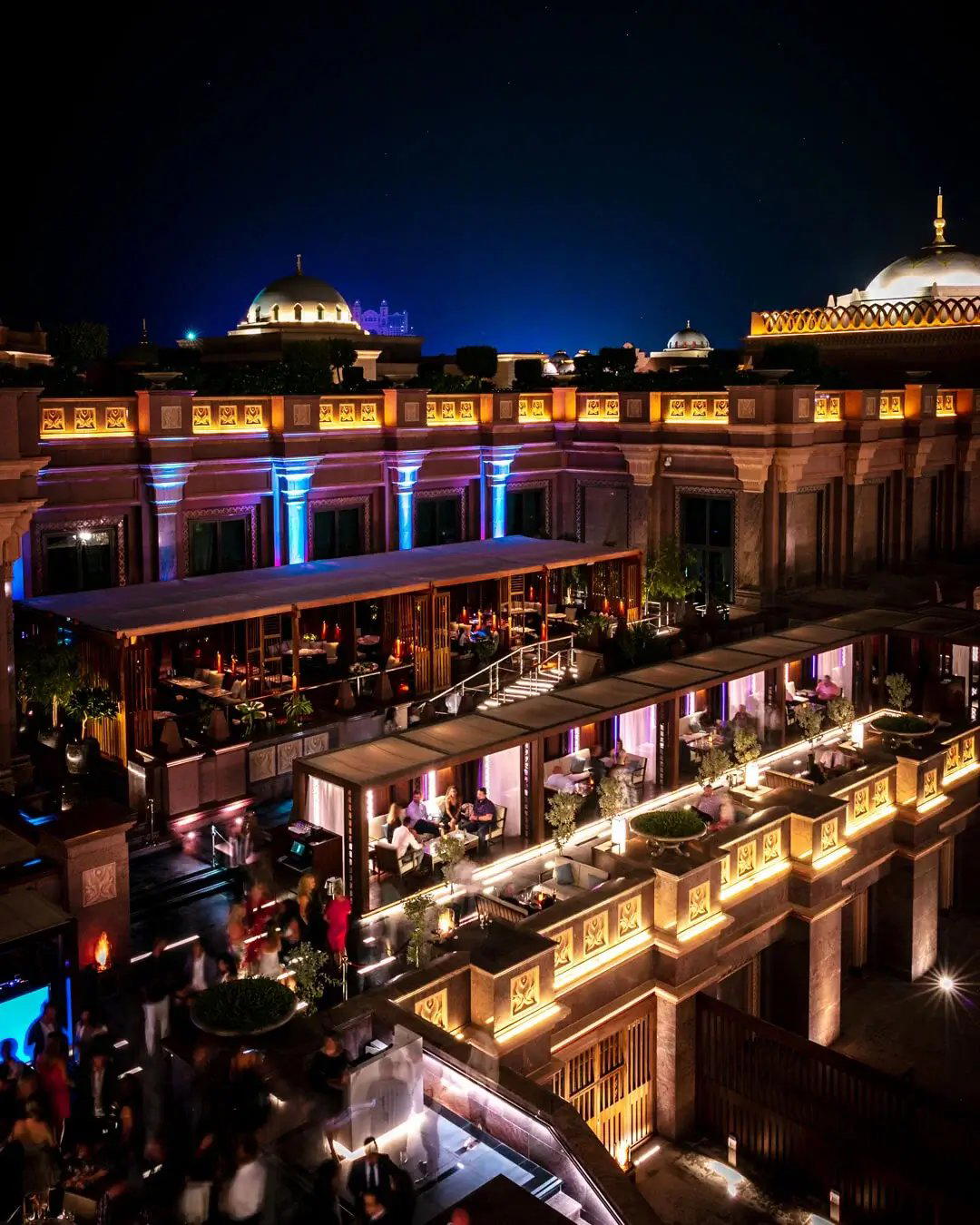
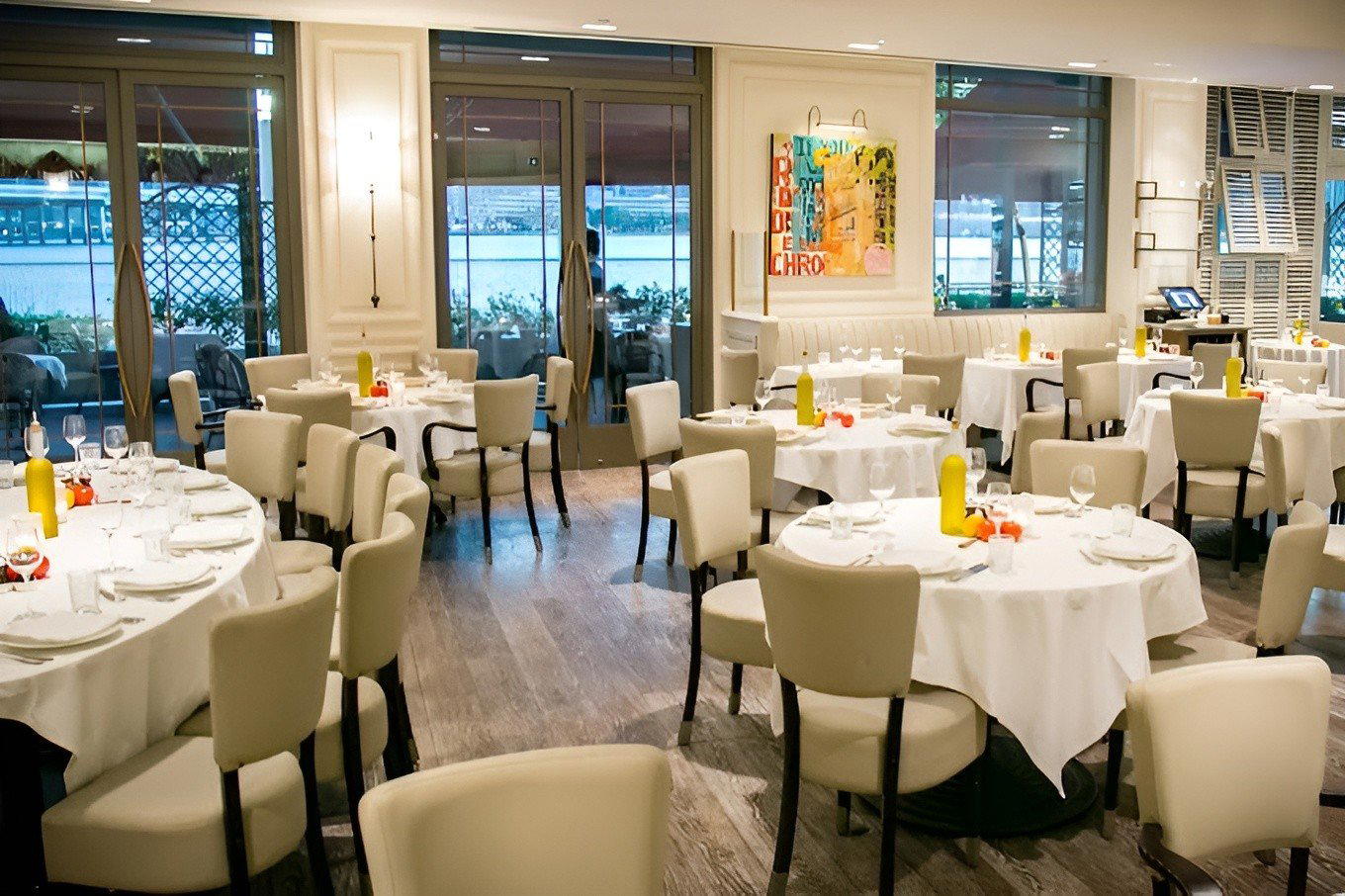
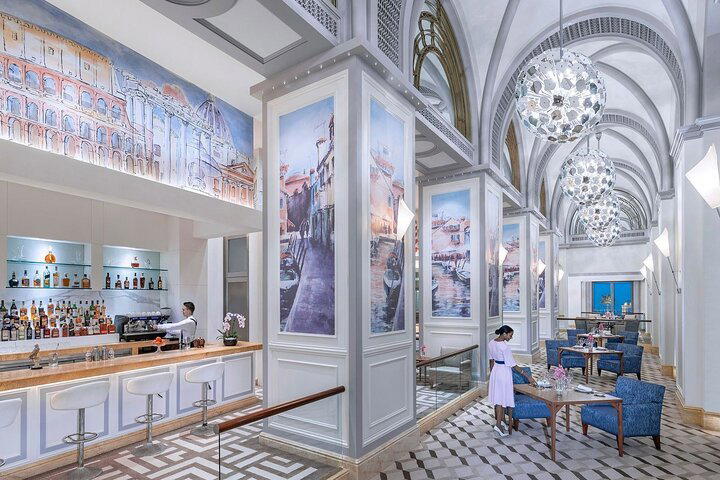
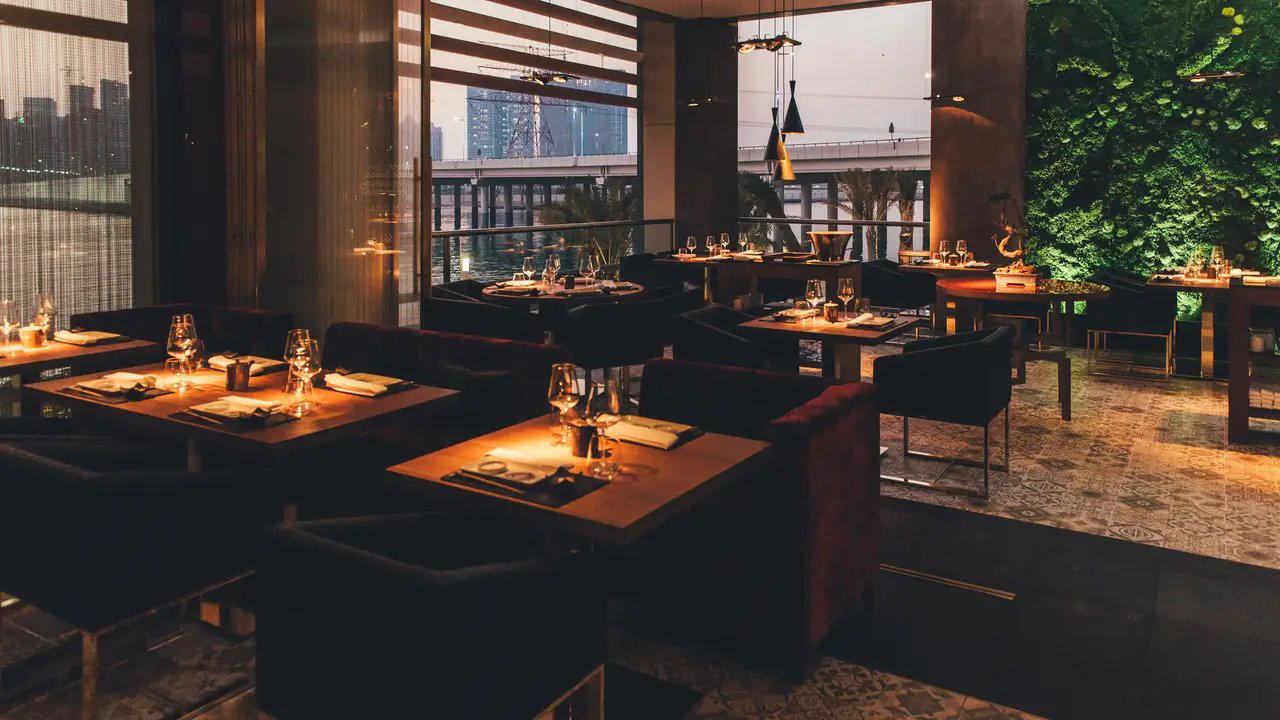
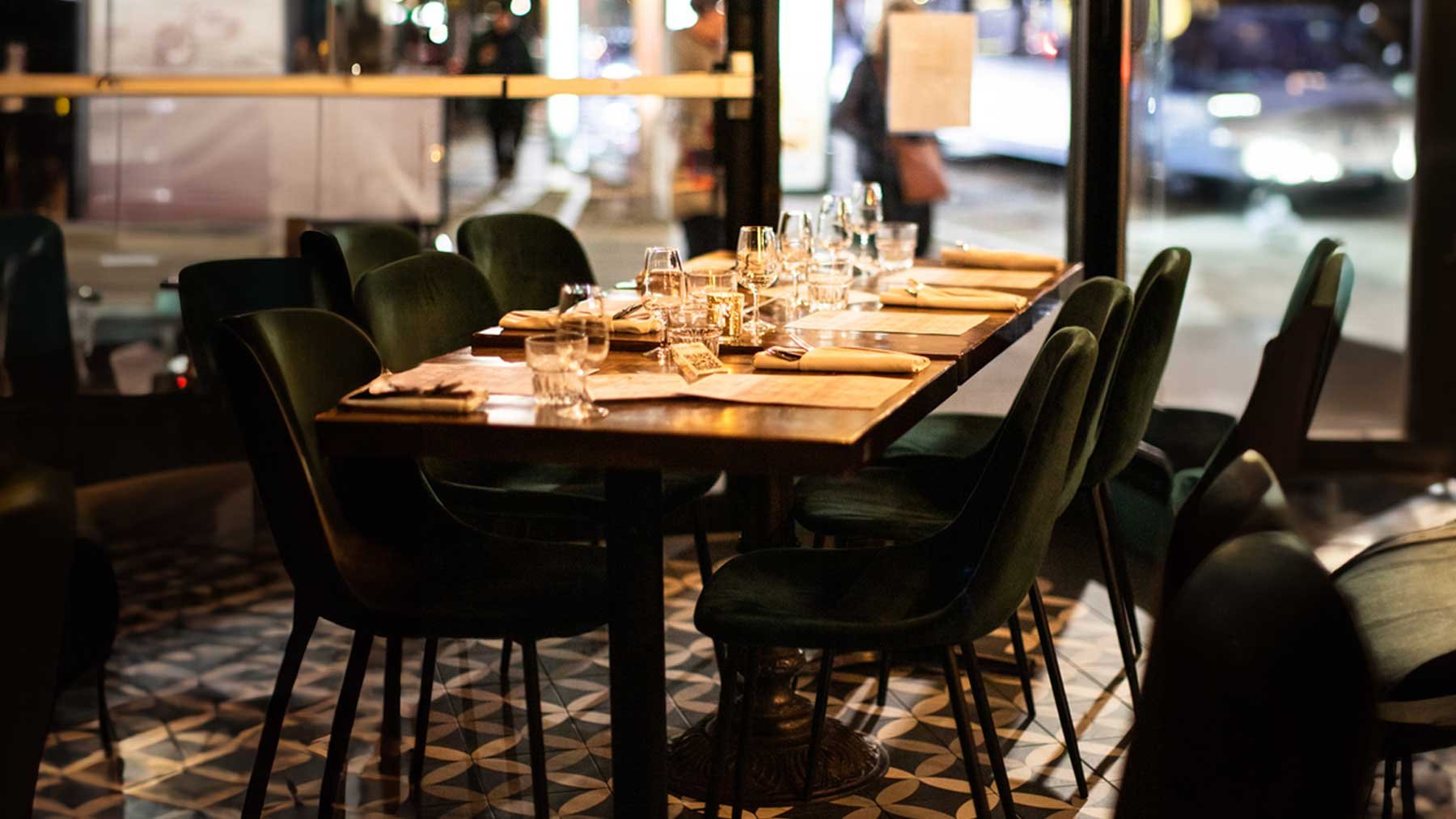
A high-end, design-forward resort atmosphere that blends Nobu’s contemporary Japanese-inspired aesthetic with Saadiyat Island’s calm white-sand beachfront and cultural-district setting, creating a refined yet relaxed luxury feel.