Anantara Qasr al Sarab Desert Resort




1 Michelin Key · La Liste Top Hotels · Fodor's Most Incredible Hotels in the World
Rising from the dunes of the Empty Quarter, Anantara Qasr Al Sarab Desert Resort occupies a genuinely remote position in the Liwa Desert, roughly 90 minutes from Abu Dhabi city. With 206 rooms, villas, and suites built in a fortress-palace vernacular, and a La Liste Top Hotels score of 94.5 points in 2026, it sits at the upper tier of destination desert resorts in the UAE.

Pearl is the En Primeur Club membership app, where members save venues, book tables and use the concierge.
A Fortress in the Empty Quarter
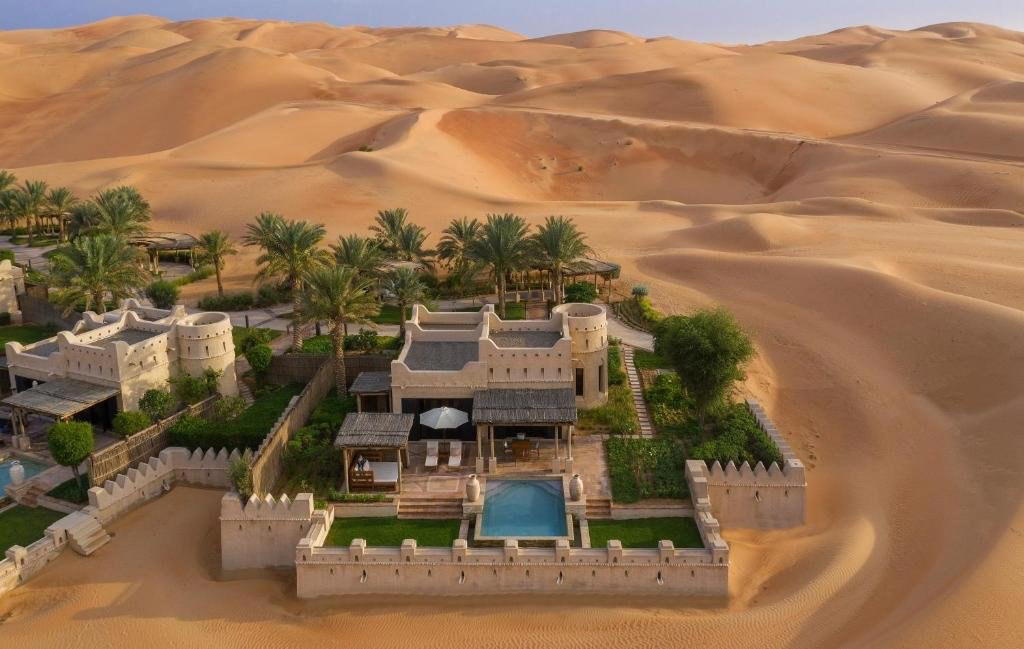
The Rub' al Khali, or Empty Quarter, is the largest continuous sand desert on earth, covering roughly 650,000 square kilometres across four countries. Most visitors to Abu Dhabi never get close to it. Anantara Qasr Al Sarab Desert Resort changes that calculus entirely, positioning itself as the only significant luxury property embedded within the Liwa Desert section of the Empty Quarter, approximately 90 minutes by road from Abu Dhabi city. The approach alone earns its reputation: the resort materialises out of the dunes like a sandstone fortification from another era, its castellated ramparts and warm-ochre walls scaled to match the drama of the surrounding landscape rather than shrink from it.
Desert luxury in the Gulf has historically concentrated on coastal or urban settings. The Conrad Abu Dhabi Etihad Towers and Emirates Palace Mandarin Oriental operate within the Abu Dhabi skyline, selling proximity to the city as part of their identity. Qasr Al Sarab takes the opposite position, where isolation is the product. That framing places it in a distinct competitive tier alongside remote desert retreats internationally, properties such as Amangiri in Canyon Point, where the surrounding landscape is not backdrop but primary experience.
The Architecture of Isolation
The resort's design draws from the vernacular of traditional Arabian fortified architecture, the qasr, a term that translates approximately as palace or castle. Thick walls, internal courtyard logic, shaded walkways, and a palette that reads as an extension of the dune environment rather than a contrast to it: these choices serve both aesthetic and functional purposes. The building mass provides natural thermal buffering against desert heat, and the layered spatial sequence from entrance gate through courtyards to private terraces mirrors the inward-turning logic of traditional desert settlements.
Inside, the interiors work with the same registers: rich textiles referencing Bedouin weaving traditions, locally sourced artefacts, and a material palette of warm stone, carved wood, and hand-finished plaster. This approach to interior design aligns Qasr Al Sarab with a broader movement in Gulf hospitality toward architectural identity grounded in regional heritage, rather than the imported European luxury vocabulary that dominated earlier generations of five-star development in the UAE. Comparable regional investments in this direction include Arabian Nights Village in Abu Dhabi and Al Badayer Retreat by Sharjah Collection, though neither operates at the same scale or with equivalent facilities.
At 206 rooms, villas, and suites, the property sits at a scale that supports full resort infrastructure without losing the spatial generosity that defines its offer. Room categories begin with oversized standard configurations featuring soaking tubs and direct dune views, and scale upward through private villa formats with plunge pools and dedicated terrace space. The suites and villas, in particular, frame the desert through architecture in a way that turns the view into a curated experience: the window or terrace becomes a considered frame, not an afterthought.
What La Liste 94.5 Points Actually Signals
The 2026 La Liste Leading Hotels score of 94.5 points places Anantara Qasr Al Sarab in competitive company globally. La Liste's methodology aggregates critical reviews, guest feedback, and international recognition to produce composite scores, meaning a 94.5 reflects sustained performance across multiple dimensions rather than a single strong category. For context, properties achieving scores in this range internationally include Badrutt's Palace Hotel in St. Moritz, Cheval Blanc Paris, and Hotel Du Cap-Eden-Roc. Within the UAE, that credential positions Qasr Al Sarab alongside the most recognised hospitality addresses in the country, including urban flagships such as Atlantis The Royal in Dubai.
Anantara's broader UAE expansion is also worth noting as context. The brand's other properties in the region, including Desert Islands Resort and Spa by Anantara in Al Dhafra, Anantara Mina Ras Al Khaimah Resort, and Anantara Santorini Abu Dhabi Retreat in Ghantoot, each occupy a distinct geographic and experiential niche. Qasr Al Sarab is the brand's most remote and arguably most singular UAE asset, a position it has held since opening.
Activities, Dining, and the Logic of the Stay
Desert resort programming typically divides between adventure formats and contemplative ones. Qasr Al Sarab runs both. Camel trekking across the surrounding dunes, dune bashing, and guided desert walks sit alongside the Anantara Spa, which draws on traditional wellness frameworks from across the region. The property's infinity pool and freeform swimming pool provide the kind of suspended-in-landscape experience that has become a visual signature of the desert resort category internationally, though here the scale and dune height surrounding the property give that experience particular force.
Four dining venues cover a range from Middle Eastern to international formats. Desert resort dining presents its own logistical realities: with no external dining market within easy reach, the property functions as a self-contained food and beverage ecosystem, which creates pressure on range and consistency. The four-venue structure is a standard response to that challenge at this tier of desert resort, mirroring the approach taken by comparable remote properties globally. For broader coverage of food and dining in the region, our full Liwa Desert restaurants guide maps what is available in the surrounding area.
The wellness infrastructure extends beyond the spa to include a fitness centre, tennis court, kids club, business centre, and library. That breadth of amenity signals a property designed for multi-day stays rather than overnight stopovers, and the room and villa formats support extended occupation comfortably.
Getting There and Planning the Visit
The resort sits in the Bateen Liwa area of Abu Dhabi emirate, accessible by road from Abu Dhabi city in approximately 90 minutes under normal conditions. The remote location means that arrival planning matters more than at urban properties: the drive through the Liwa oasis region is part of the experience, with the landscape shifting progressively from cultivated palm plantations to open desert as the resort approaches. Availability at the 206-room property should be confirmed well in advance for peak desert season, which runs October through March when temperatures are manageable. Summer months bring extreme heat that significantly changes the character of outdoor activity.
Travellers considering comparable UAE desert or remote properties might also evaluate Jebel Hafeet in Al Ain for mountain desert scenery, or look further afield within the Anantara network. Those drawn to the remote-immersion format internationally might reference Hotel Esencia in Tulum or Castello di Reschio in Lisciano Niccone as properties that share the same logic of landscape-as-primary-experience, even across radically different geographies.
Comparable Spots, Quickly
| Venue | Price | Awards |
|---|---|---|
| Anantara Qasr al Sarab Desert ResortThis venue (the venue you are viewing) | Not listed | 1 Michelin Key · La Liste Top Hotels |
| Anantara The Palm Dubai Resort | $300–500 | Forbes 4-Star · World Travel Awards #1 |
| Conrad Abu Dhabi Etihad Towers | Not listed | 1 Michelin Key · La Liste Top Hotels |
| Conrad Dubai | Not listed | La Liste Top Hotels · Forbes 4-Star |
| Emirates Palace Mandarin Oriental, Abu Dhabi | Not listed | 2 Michelin Keys · La Liste Top Hotels |
| Fairmont Bab Al Bahr | Not listed | Michelin Selected · Forbes 4-Star |
Recognition history
Dated appearances from independent guides and award organizations, with the underlying list record or original source where available.
Michelin 1 Key
Michelin
La Liste Top Hotels
La Liste
Fodor's Most Incredible Hotels in the World
Fodor's
Virtuoso Luxury Hotel Partner
Virtuoso
Full recognition history (5 entries)
Michelin 1 Key
Michelin
Continue exploring
More in Liwa Desert
Restaurants in Liwa Desert
All restaurants in Liwa Desert →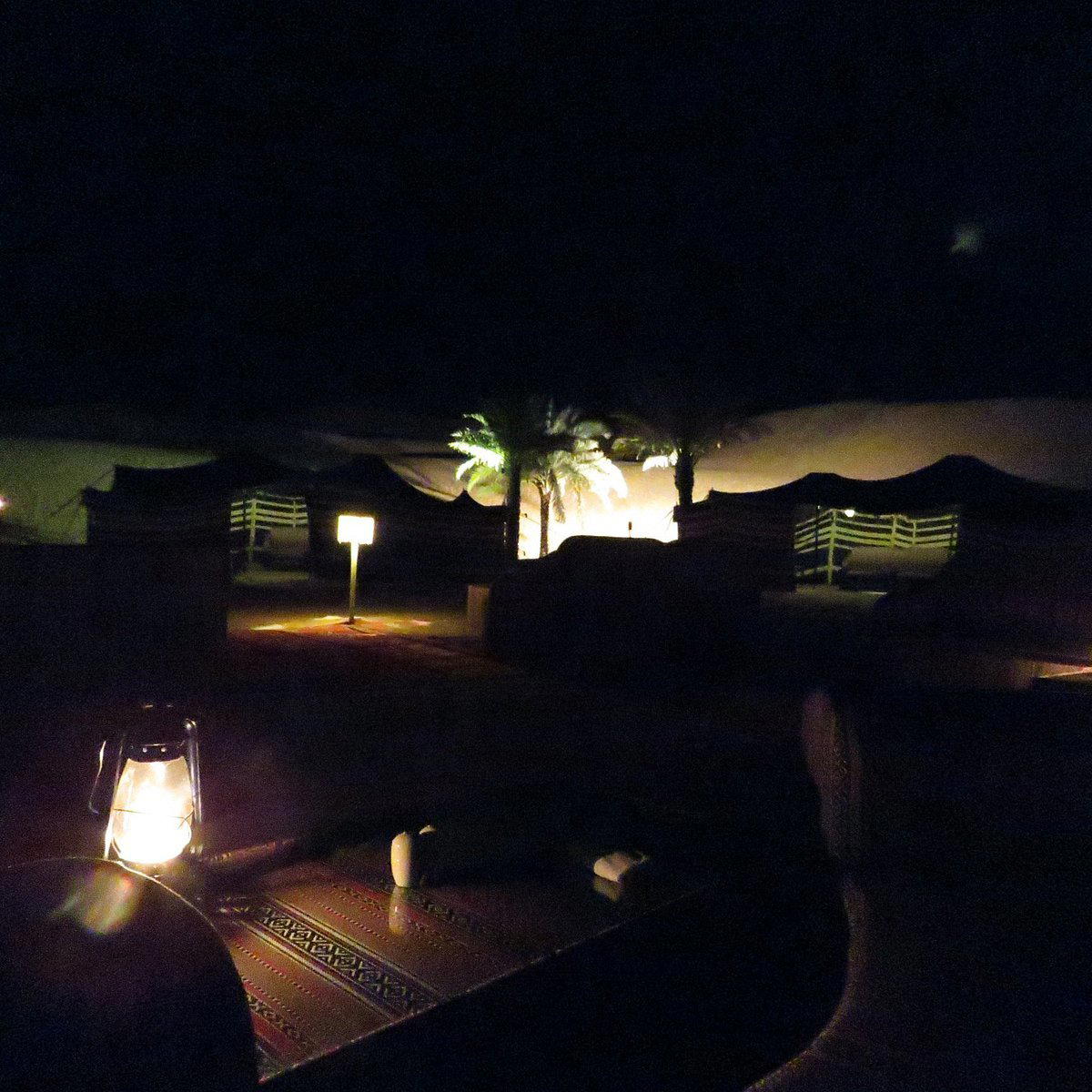
Details
- Ornate
- Romantic
- Scenic
- Quiet
- Elegant
- Well Known
- Romantic Getaway
- Honeymoon
- Family Vacation
- Wellness Retreat
- Anniversary
- Destination Wedding
- Private Villa
- Butler Service
- Destination Spa
- Panoramic View
- Private Dining
- Garden
- Terrace
- Wi Fi
- Pool
- Spa
- Fitness Center
- Room Service
- Concierge
- Kids Club
- Valet Parking
- Mountain
- Wheelchair Accessible
- Step Free Entrance
- Accessible Parking
- Elevator
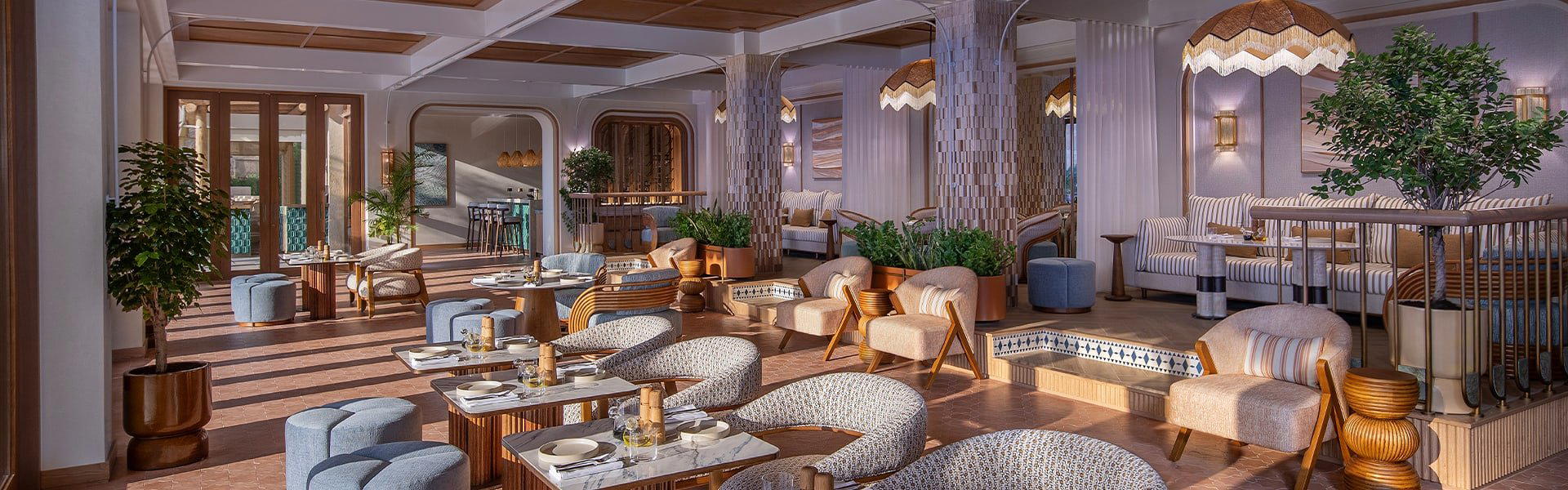
Elegant, serene, and palatial, with a romantic desert-luxury atmosphere shaped by sand-toned interiors, shaded courtyards, lantern lighting, and expansive dune views.