99 Sushi Bar



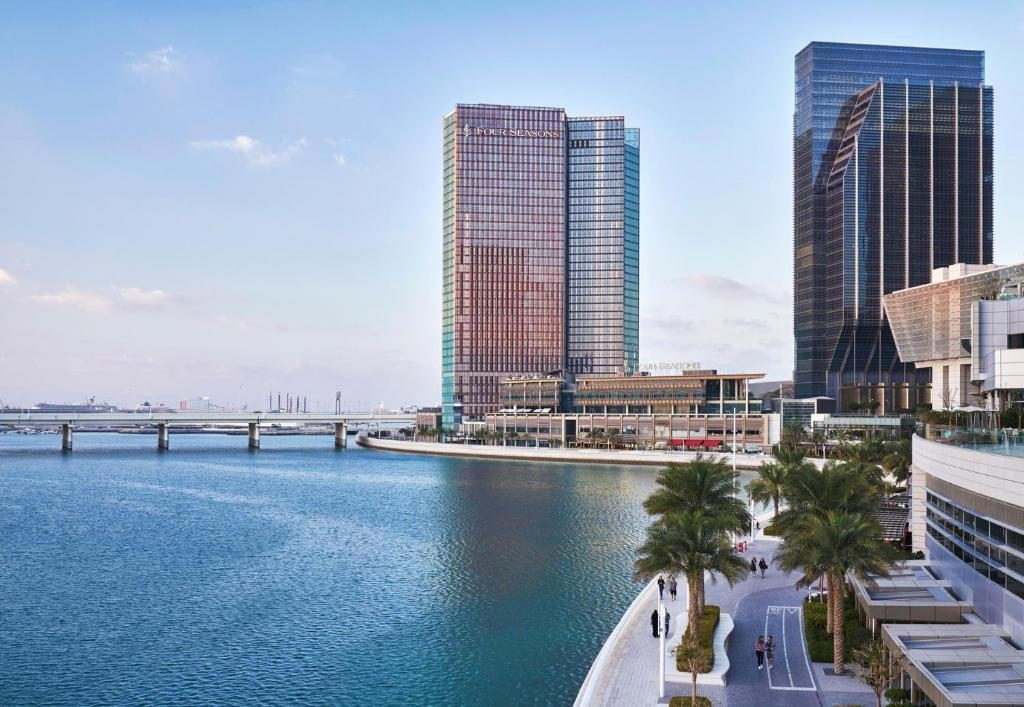
99 Sushi Bar sits on Level 1 of the Four Seasons at Al Maryah Island's Galleria, bringing Spanish-owned Japanese contemporary cooking to Abu Dhabi's premium dining tier. The kitchen imports much of its seafood from Spain, and the tasting menu format draws recognition for well-constructed, precisely presented dishes. Open daily for both lunch and dinner, it occupies the intimate end of the city's Japanese restaurant spectrum.
Pearl is the En Primeur Club membership app — saves, bookings, and concierge access live there. Same editors, same standards.
- Address
- The Galleria - Four Seasons Hotel - Level 1 - Al Maryah Island - Abu Dhabi - United Arab Emirates
- Phone
- +971 2 672 3333
- Website
- 99sushibar.com
- Directions
- Get directions
 Saves & bookings on Pearl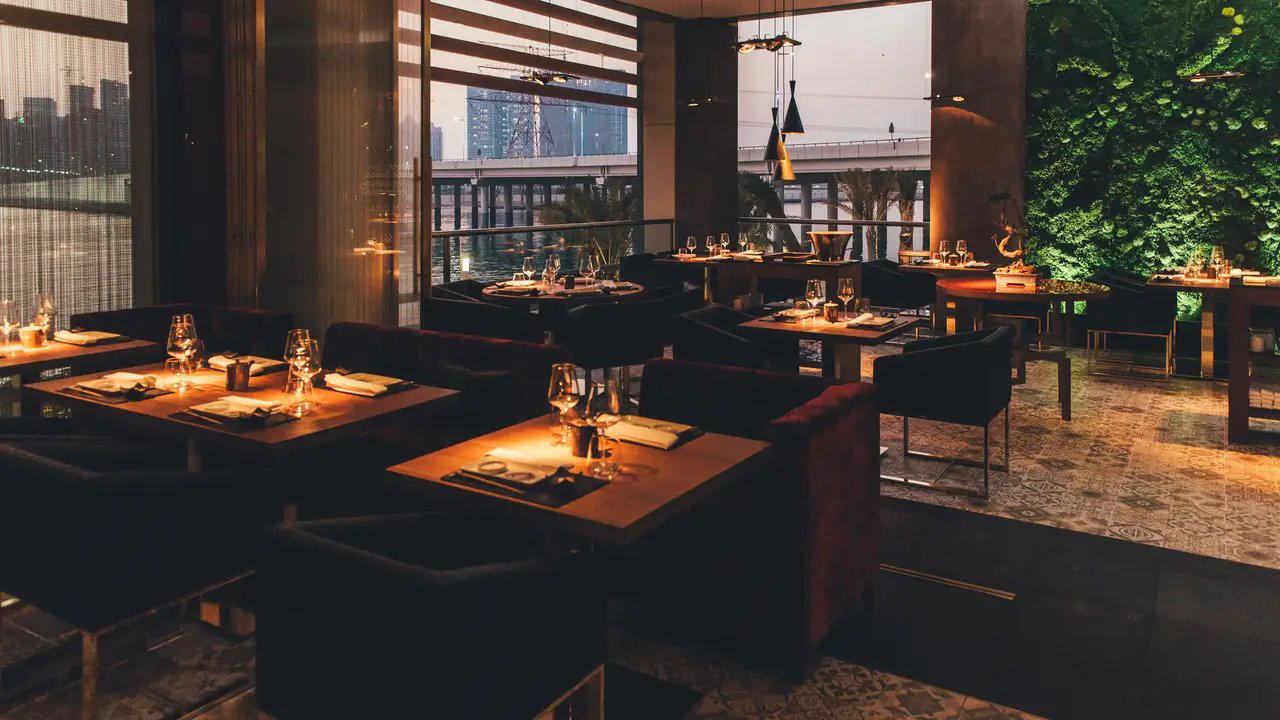
Japanese Precision at the Gulf's Premium Edge
Al Maryah Island has become Abu Dhabi's clearest statement of intent in fine dining: a concentrated corridor of four-star and four-dollar-sign restaurants where the city's most formally constructed menus compete against each other and, implicitly, against their international counterparts. The Japanese contemporary category is one instructive tier to examine here. Across the Gulf region, Japanese-influenced fine dining has bifurcated over the past decade, splitting between large-format omakase theatrics aimed at international visitors and smaller, more deliberate rooms that price and present themselves against a different competitive set altogether. 99 Sushi Bar is a one-Michelin-star restaurant in Abu Dhabi at Level 1 of the Four Seasons inside The Galleria, where intimacy and ingredient sourcing are the primary editorial arguments rather than spectacle.
That distinction matters when you are reading the Abu Dhabi market alongside venues like Hakkasan or Talea by Antonio Guida, both operating at the same price tier but with different structural ambitions. Hakkasan imports a high-volume, internationally branded formula. Talea carries a Michelin star and a single-chef authorial identity. 99 Sushi Bar's positioning is closer to the latter, though its provenance argument runs through Spain rather than through Japan's own fine dining lineage, which is the detail that sets it apart from either peer.
The Spanish-Japanese Axis
Spanish ownership running a Japanese kitchen is less unusual than it might read on first encounter. Spain's relationship with Japanese technique, particularly around precision seafood cookery and the interplay of acidity and raw protein, has been well-documented in the broader European culinary record since the late 1990s. San Sebastián's own fish markets and the obsessive sourcing culture of northern Spain's premium dining scene share more structural DNA with Tsukiji-era Japanese thinking than either tradition typically admits. When the kitchen at 99 Sushi Bar imports seafood from Spain to serve in Abu Dhabi, it is not importing a curiosity, it is sourcing from a coastline with specific species profiles and water temperatures that produce different textural results than Gulf or Pacific equivalents.
The editorial case for this approach appears most clearly in the flamed red mullet with kumquat tiger milk, a dish that demonstrates how spice, fruit, and acidity can be held in calibrated balance rather than allowed to compete. Tiger milk is a Peruvian-derived ceviche marinade technique, its appearance here suggesting a kitchen comfortable drawing from multiple acidic traditions simultaneously. The result is described as delivering well-judged flavours, the kind of language critics reach for when restraint is doing the structural work rather than volume. For the broader Gulf Japanese contemporary category, this multi-lineage approach reflects a wider regional pattern: the Gulf's premium Japanese rooms have, in many cases, more in common with European hybrid kitchens than with Tokyo's own formalist omakase tradition.
How the Room Functions
The izakaya tradition that underpins much of Japan's social eating culture is not about ceremony, it is about sustained presence at a table, dishes arriving in a rhythm that extends the evening rather than concluding it, and drinking woven into the food rather than separated into a pre-dinner ritual. The restaurant does not operate as a traditional izakaya, but the late dining window (last service running to midnight across all seven days) creates structural space for the kind of extended table that Abu Dhabi's Al Maryah Island audience tends to want. Lunch runs 12 PM to 3:30 PM; dinner opens at 7 PM and stays live until midnight. That evening window is longer than many of its peer venues in the building and the neighbourhood, and it reflects the social dining expectations of a room that seats guests who are as likely to have arrived from a business meeting in the hotel as from a leisure evening at The Galleria.
The tasting menu for two is the format that best demonstrates the kitchen's range. Tasting menus in this tier of Gulf dining occupy a specific social role: they convert a dinner into a shared editorial experience, where the sequence of dishes generates conversation rather than simply resolving hunger. That the menu is specifically noted for two, rather than as a solo or large-table format, reinforces the intimate-room argument. Parallel venues in the city operating at the same price tier, including LPM Abu Dhabi and Erth, are structurally better suited to group dining. The restaurant's format logic runs tighter.
Wine programme leans classically minded rather than contemporary natural. In a city where many Japanese-inflected restaurants default to sake lists or pan-Asian drinks programmes to match the kitchen's register, a wine selection constructed around classical references signals a room that treats the front-of-house programme as an argument equal to the food. That alignment with Le Bernardin in New York City or 8½ Otto e Mezzo Bombana in Hong Kong in terms of format discipline is notable, though the restaurant operates at a different scale and with a different kitchen vocabulary.
Planning Your Visit
Restaurant operates daily across both lunch and dinner. The Galleria at Al Maryah Island is a direct destination by Abu Dhabi standards, accessible by car, taxi, or the island's pedestrian links from the broader waterfront. Given the $$$$ price positioning and the tasting-menu emphasis, booking ahead rather than walking in is the sensible approach, particularly for weekend dinner slots.
The restaurant occupies a specific and deliberate position: Euro-Japanese sourcing intelligence, an intimate room, and a format built for two rather than for crowds. That is a considered editorial stance in a market where the incentive is almost always to scale up.
Price and Positioning
Comparable venues nearby, for context on price, style, and recognition.
| Venue | Cuisine | Price | Awards | Notes |
|---|---|---|---|---|
| 99 Sushi BarThis venue — the venue you are viewing | Japanese Contemporary | $$$$ | Michelin 1 Star | Not listed |
| Erth | Al Hisn, Modern Emirati Fine Dining | $$$ | Michelin 1 Star | Not listed |
| Talea by Antonio Guida | Not listed | $$$$ | Michelin 1 Star | Al Ras Al Akhdar, Michelin-Starred Italian Cucina di Famiglia |
| Strawfire by Ross Shonhan | Not listed | $$$$ | Michelin Plate | Al Ras Al Akhdar, Modern Japanese Warayaki |
| Hakkasan | Al Ras Al Akhdar, Modern Cantonese | $$$$ | Michelin 1 Star | Not listed |
| ťazal | Al Maqtaa, Mediterranean-Arabic Fusion | $$$$ | Bib Gourmand | Not listed |
Recognition history
Dated appearances from independent guides and award organizations, with the underlying list record or original source where available.
Gault & Millau UAE Selected Restaurant
Gault & Millau · Gault & Millau UAE 2026 - Selected Restaurant
Star Wine List
Star Wine List
Michelin 1 Star
Michelin
Continue exploring
More in Abu Dhabi
Restaurants in Abu Dhabi
Browse all →
Bars in Abu Dhabi
Browse all →
At a Glance
- Elegant
- Sophisticated
- Intimate
- Modern
- Date Night
- Special Occasion
- Business Dinner
- Chefs Counter
- Waterfront
- Hotel Restaurant
- Terrace
- Sake Program
- Extensive Wine List
- Sustainable Seafood
- Waterfront
Current opening hours
- Monday
- 12–3:30 PM, 6:30 PM–12 AM
- Tuesday
- 12–3:30 PM, 6:30 PM–12 AM
- Wednesday
- 12–3:30 PM, 6:30 PM–12 AM
- Thursday
- 12–3:30 PM, 6:30 PM–12 AM
- Friday
- 12–3:30 PM, 6:30 PM–12 AM
- Saturday
- 12–3:30 PM, 6:30 PM–12 AM
- Sunday
- 12–3:30 PM, 6:30 PM–12 AM
Hours can change for holidays and private events. Last verified .
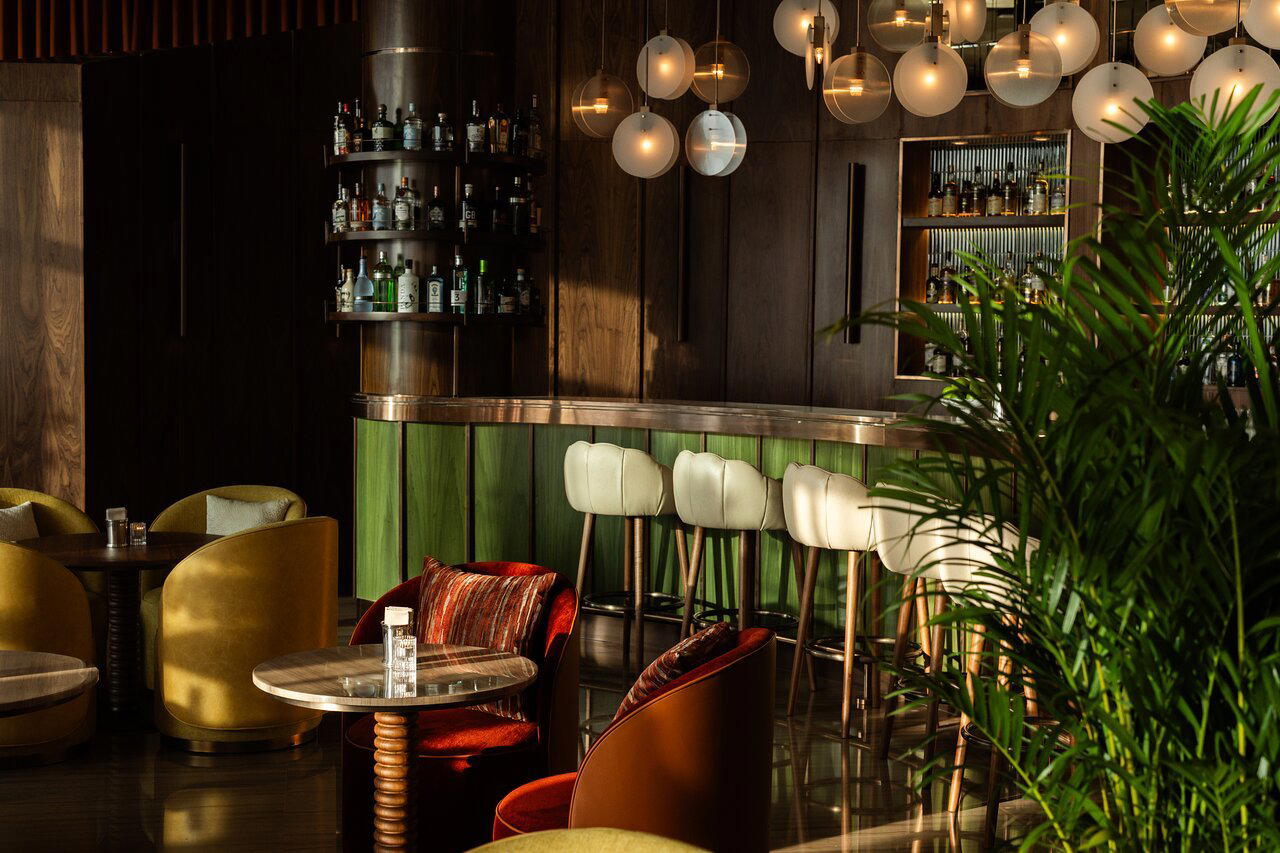
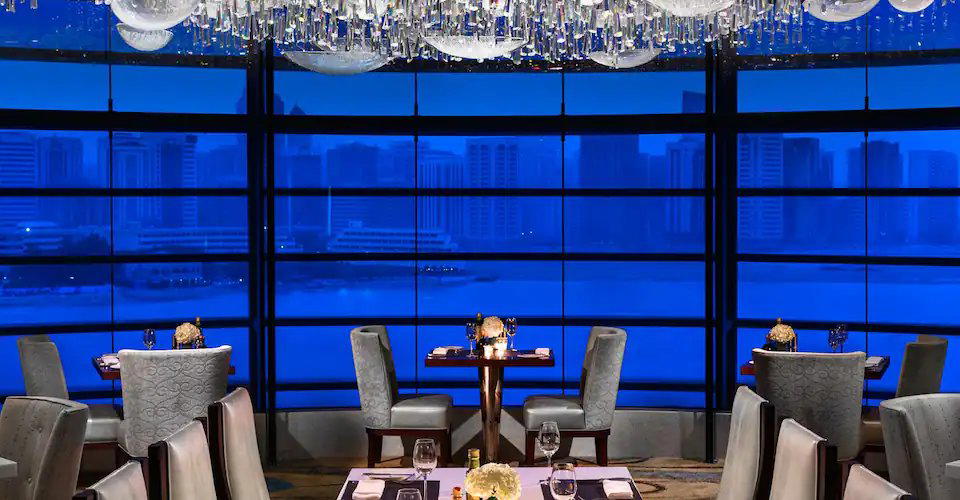
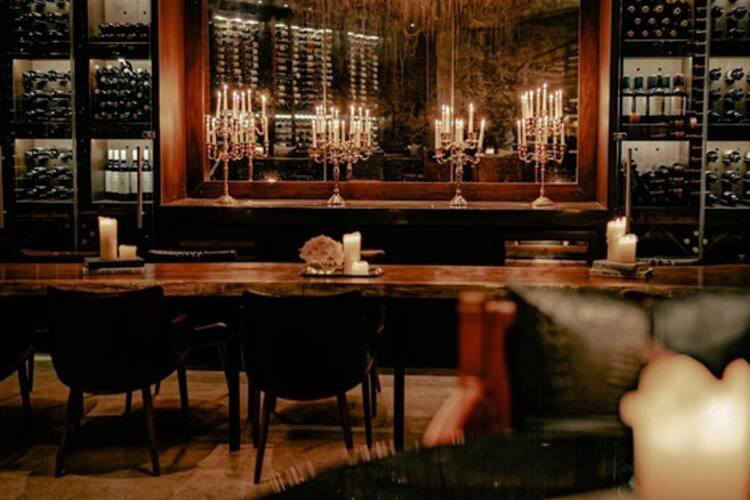
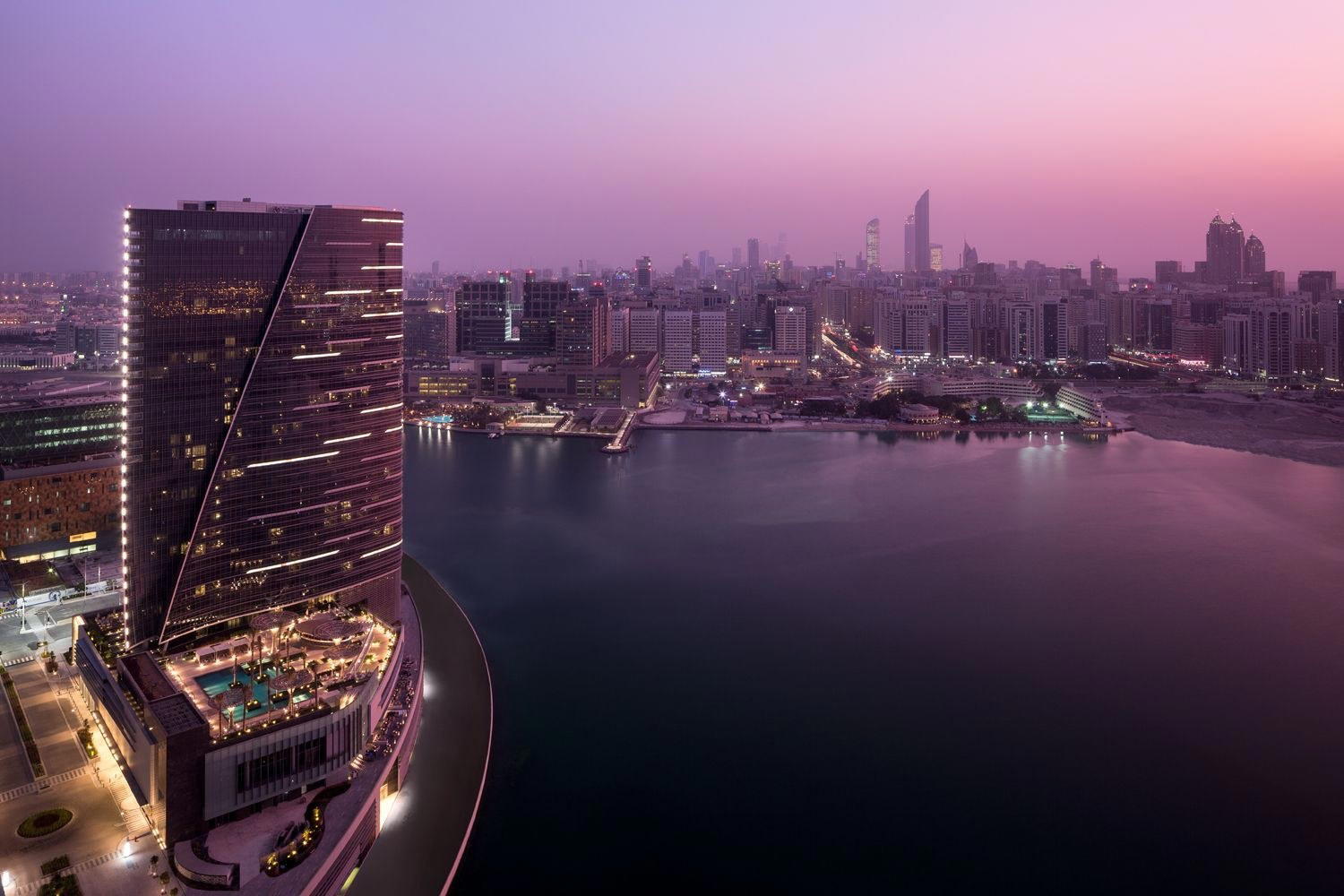
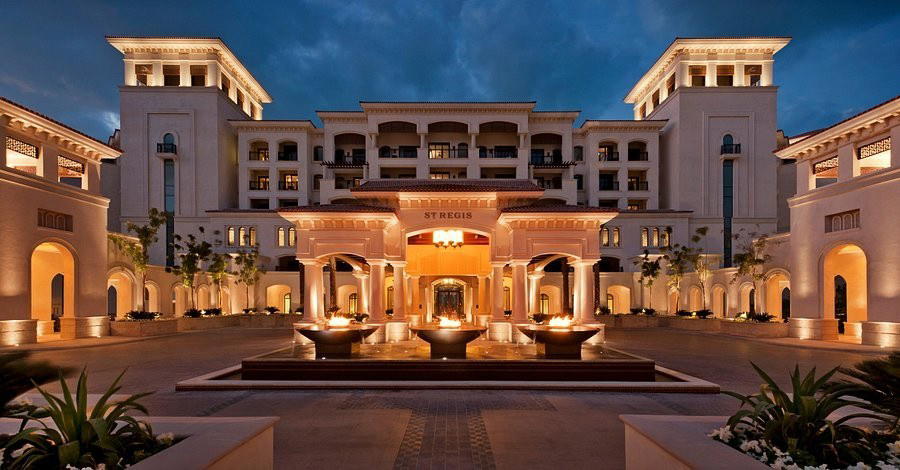
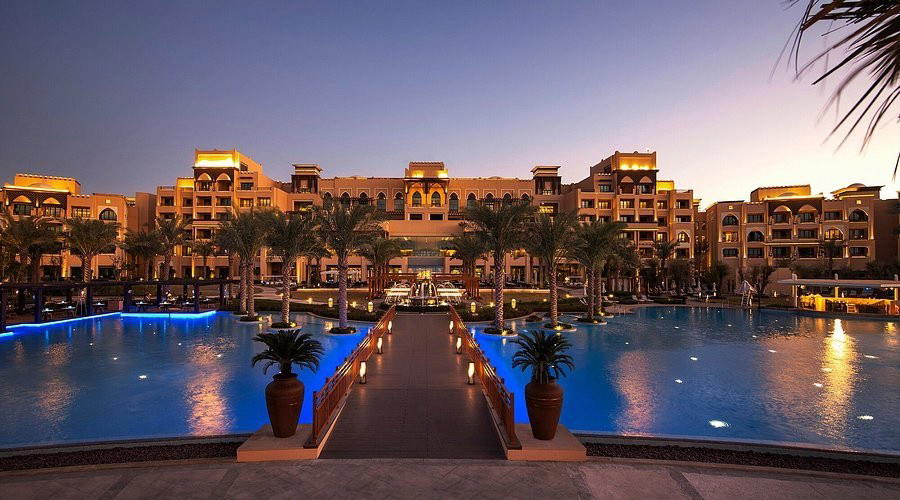
Quiet and elegant atmosphere with high ceilings, dramatic metallics, plush seating, and a sheltered waterfront terrace.