
Selected by the Michelin Guide Hotels 2025, Martius Private Suites occupies a quietly positioned address on Via degli Uffici del Vicario in Rome's historic centre. The property operates in a tier of small-scale, privacy-led accommodation that sits apart from the city's grand palace hotels, offering a residential intimacy that larger Roman addresses cannot replicate.
Pearl is the En Primeur Club membership app — saves, bookings, and concierge access live there. Same editors, same standards.
- Address
- Via degli Uffici del Vicario, 49, 00186 Roma RM, Italy
- Phone
- +39 06 678 4157
- Website
- martiusprivatesuites.com
- Directions
- Get directions
 Saves & bookings on Pearl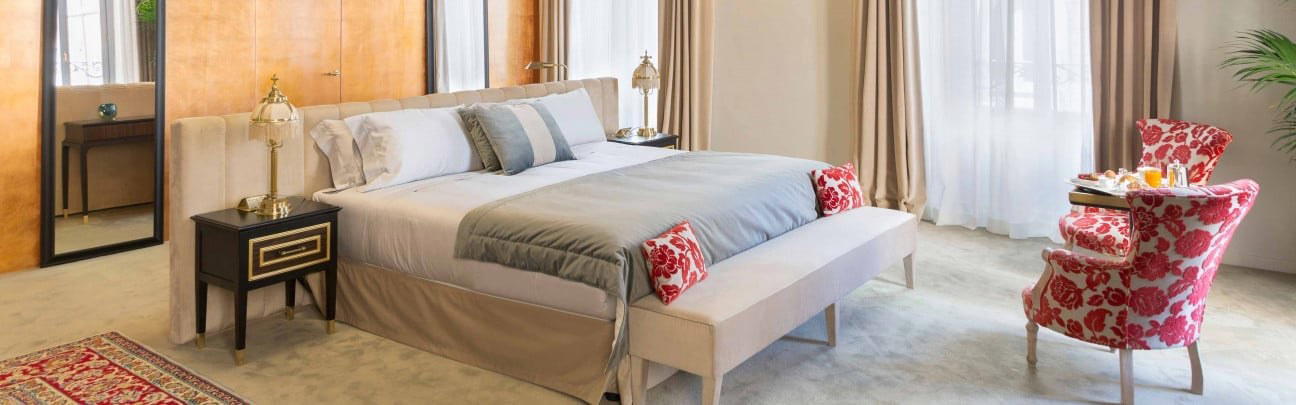
A Different Register of Roman Stay
Rome's premium accommodation market has long been dominated by grand palace addresses: the kind of properties where livery-clad staff work beneath frescoed ceilings and the room count runs into the hundreds. Over the past decade, however, a parallel tier has consolidated around smaller, more discreet formats. These are properties where the architecture is the inheritance, not the lobby spectacle, and where a limited number of suites allows for a quality of attention that scale tends to erode. Martius Private Suites belongs to this second cohort, positioned on Via degli Uffici del Vicario in the dense historic centre, a street close enough to the Pantheon that the dome appears almost incidentally as you orient yourself. The Michelin Guide's selection of Martius for its 2025 Hotels list places it alongside peers that share this discipline of reduced inventory and heightened particularity.
The Neighbourhood as Context
The area surrounding Via degli Uffici del Vicario is one of Rome's most layered quarters, where medieval alleys open without warning onto piazzas that function simultaneously as tourist circuits and neighbourhood gathering points. The Pantheon, one of the ancient world's best-preserved structures, sits within a short walk; so does Piazza Navona, with its Baroque fountain complex and the density of osterie and bars that have served the neighbourhood for centuries. What distinguishes this location for a small private-suite operation is the grain of the streetscape itself. The buildings along this stretch are relatively modest in their external presentation, which means a property like Martius can occupy a historic Roman palazzo form without announcing itself conspicuously. This quality of discretion, achieved through address rather than design theatre, is what separates this part of the centro storico from the more performative luxury corridors near the Spanish Steps or the Via Veneto.
Visitors planning time around Rome's northern historic centre will find the Martius address gives reasonably direct access to the Piazza del Popolo axis and the Prati neighbourhood across the Tiber, as well as the Campo de' Fiori and Trastevere to the south.
Scale, Privacy, and the Sustainability of Small
The editorial angle that most honestly frames a property like Martius is the specific set of choices that come with operating at small scale. In contemporary hospitality discourse, sustainability is often framed as carbon accounting or locally sourced breakfast produce, and those dimensions matter. But there is a prior, structural form of sustainability embedded in the private-suite model itself. When a property operates with limited keys, the consumption profile per guest is fundamentally different from that of a 200-room hotel running multiple restaurants, a conference wing, and a high-turnover spa. Staffing ratios can be calibrated with precision. Supply chains can be kept narrow. The relationship between the property and its immediate built environment, in this case a historic Roman building in a protected urban zone, becomes one of conservation rather than transformation.
Rome's historic centre is a UNESCO World Heritage Site, which means that properties embedded within it operate under regulatory constraints that effectively enforce a form of architectural restraint. For a small private-suite operation, those constraints align with a low-intervention approach. The building itself carries the ambient character; the intervention required to create a stay of quality is correspondingly lighter. This is a different proposition from, say, the Bulgari Hotel Roma, which brings a major brand's resources and design ambitions to bear on a historic property at considerable scale, or the Hotel Eden, whose rooftop and F&B infrastructure represent a substantial operational footprint. Neither model is wrong; they are simply different answers to the question of what a Roman luxury stay should be.
Placing Martius in Rome's Private-Suite Tier
The competitive comparable set for Martius sits closer to properties like Hotel Vilòn, Maalot Roma, and Portrait Roma, all of which operate in the smaller, more residential register of Roman hospitality. These addresses share a common logic: reduced inventory, positioning in historic fabric, and a guest experience built around atmosphere and locality rather than amenity breadth. JK Place Roma and Hotel Locarno also occupy adjacent positions in this tier, with a design-led sensibility and boutique scale that contrasts with the grand-hotel format of Hassler Roma. The Michelin Guide's 2025 selection of Martius signals that the property meets the Guide's baseline criteria for this category.
Across Italy more broadly, the small-property tier has developed considerable depth. Aman Venice represents the ceiling of the format in terms of price and prestige; Passalacqua on Lake Como has become a reference point for what attentive small-scale hospitality looks like at its most considered; and properties like Corte della Maestà in Civita di Bagnoregio and Castello di Reschio in Umbria show the model operating in rural contexts. In Rome specifically, the tension between small-scale discretion and a city that receives tens of millions of visitors annually is one of the factors that makes the private-suite format worth considering seriously. The city does not become quieter or easier to move around simply because your hotel is well-positioned; but beginning and ending each day in a residential-scale environment, rather than a lobby designed to process crowds, is a material difference.
Planning Your Stay
Martius Private Suites is located at Via degli Uffici del Vicario 49, in Rome's first municipio, the historic centre.
For those building a wider Italian itinerary around a Rome stay, properties worth considering in adjacent regions include Four Seasons Hotel Firenze and Portrait Milano to the north, Borgo Santandrea and Il San Pietro di Positano on the Amalfi Coast to the south, and Rosewood Castiglion Del Bosco in Montalcino for those combining city and countryside. For international travellers extending beyond Italy, comparably positioned small-luxury properties in Europe include Hôtel de Paris Monte-Carlo and Badrutt's Palace Hotel in St. Moritz, though both represent a significantly different scale and format from Martius.
Compact Comparison
Comparable venues nearby, for context on price, style, and recognition.
| Venue | Price | Notes |
|---|---|---|
| Martius Private SuitesThis venue — the venue you are viewing | $$$$ | Not listed |
| Palazzo Velabro | $$$$ | Ripa, Historic 18th-century mansion remodeled as a design-forward boutique hotel blending timeless architecture with modern luxury. |
| Hotel Lord Byron | $$$$ | Pinciano, Art Deco luxury boutique in a historic patrician villa. |
| Mario de Fiori 37 Boutique Hotel | $$$$ | Campo Marzio, Intimate luxury boutique in a restored 17th-century townhouse. |
| Hotel Scenario | $$$ | Pigna, Modern boutique in historic 18th-century palazzo |
| Hotel De' Ricci | $$$$ | Regola, repurposed historic palazzo with modern luxury hospitality focused on wine enthusiasts |
Recognition history
Dated appearances from independent guides and award organizations, with the underlying list record or original source where available.
Mr & Mrs Smith Smith Seal of Approval
Mr & Mrs Smith
Michelin Selected
Michelin

At a Glance
- Elegant
- Sophisticated
- Intimate
- Romantic
- Quiet
- Romantic Getaway
- Anniversary
- Weekend Escape
- Historic Building
- Wi Fi
- Room Service
- Concierge
- Street Scene
- Wi Fi
- Room Service
- Concierge
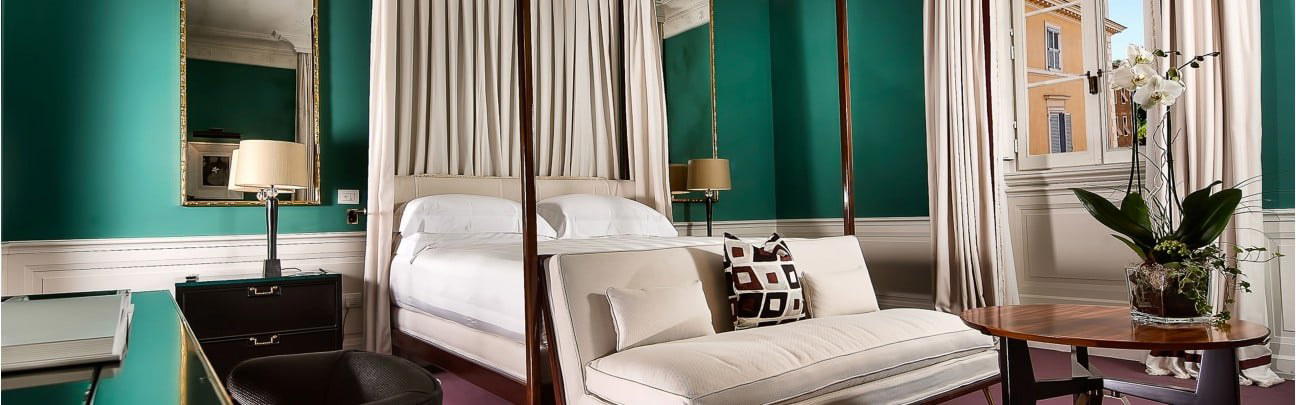
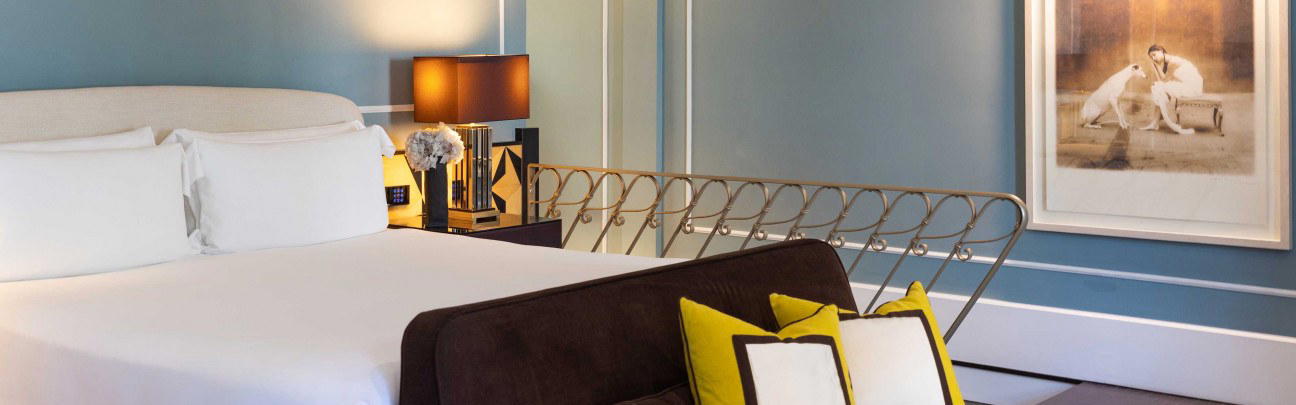
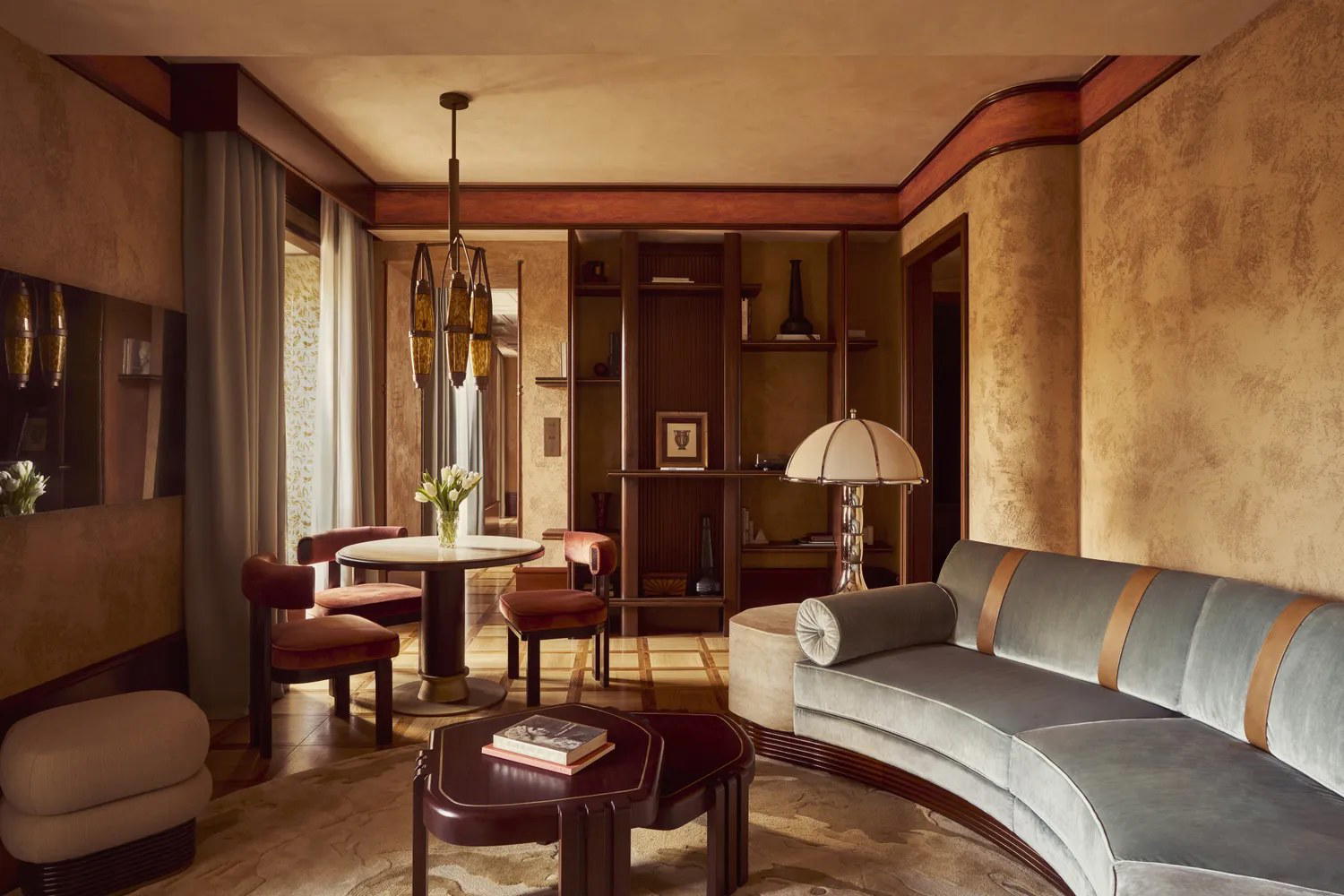
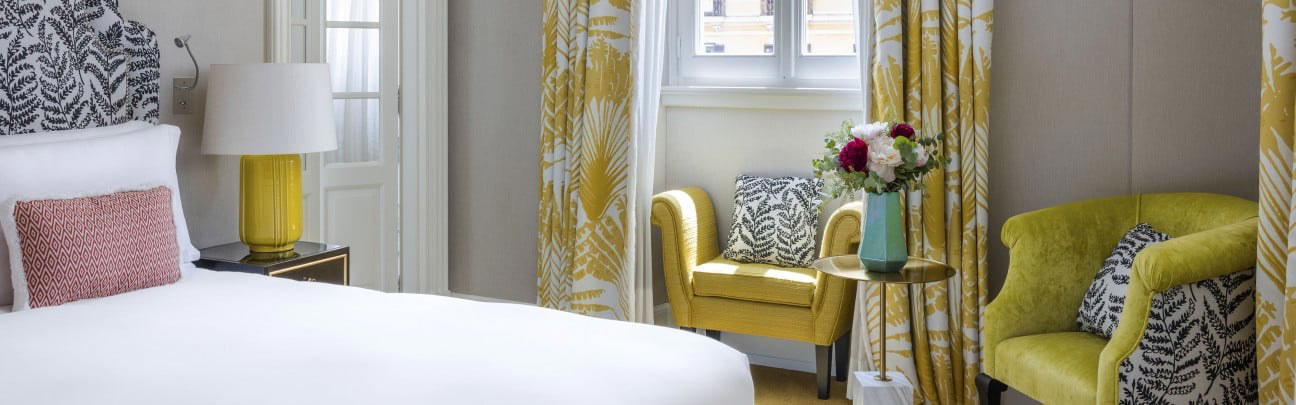
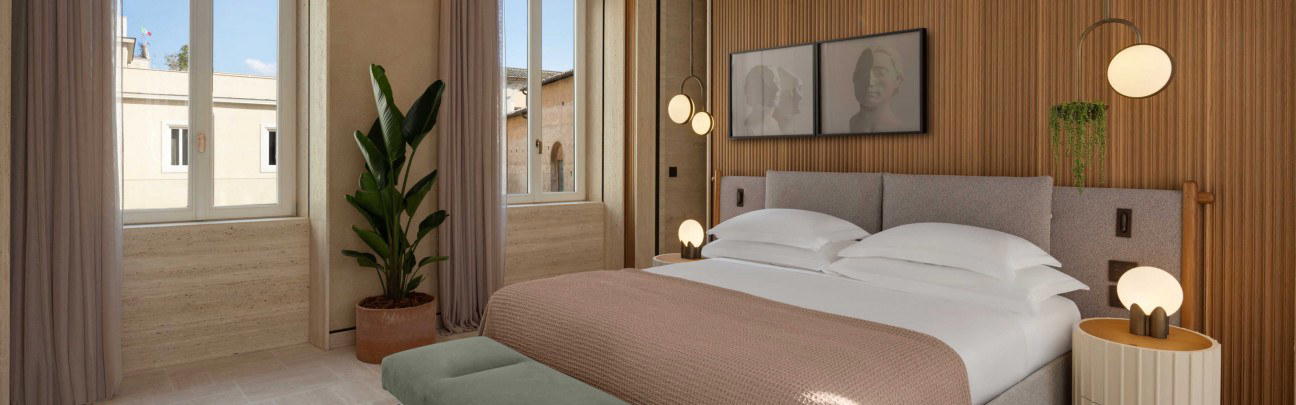
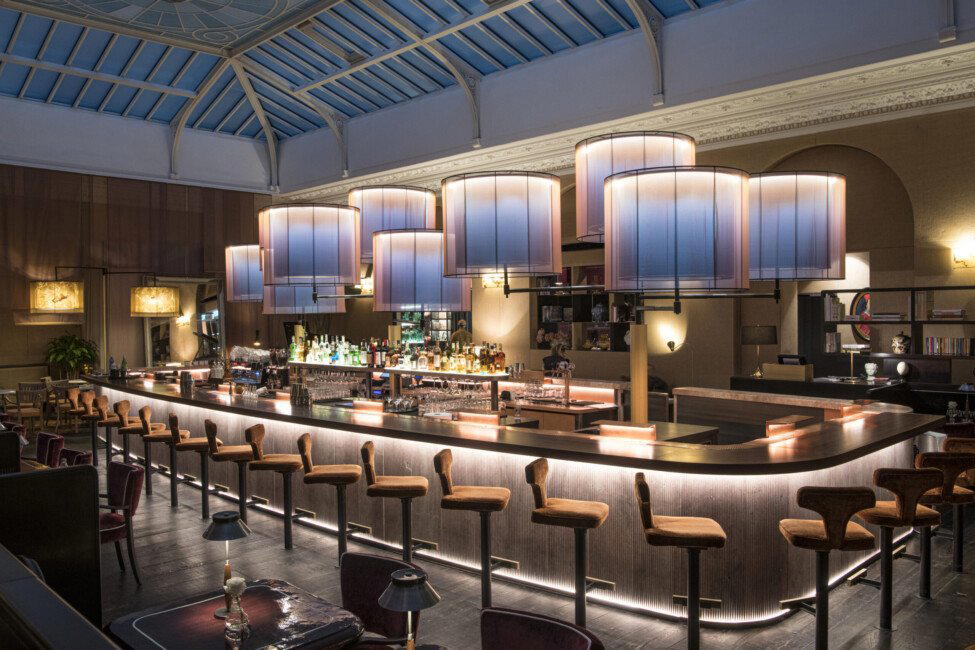
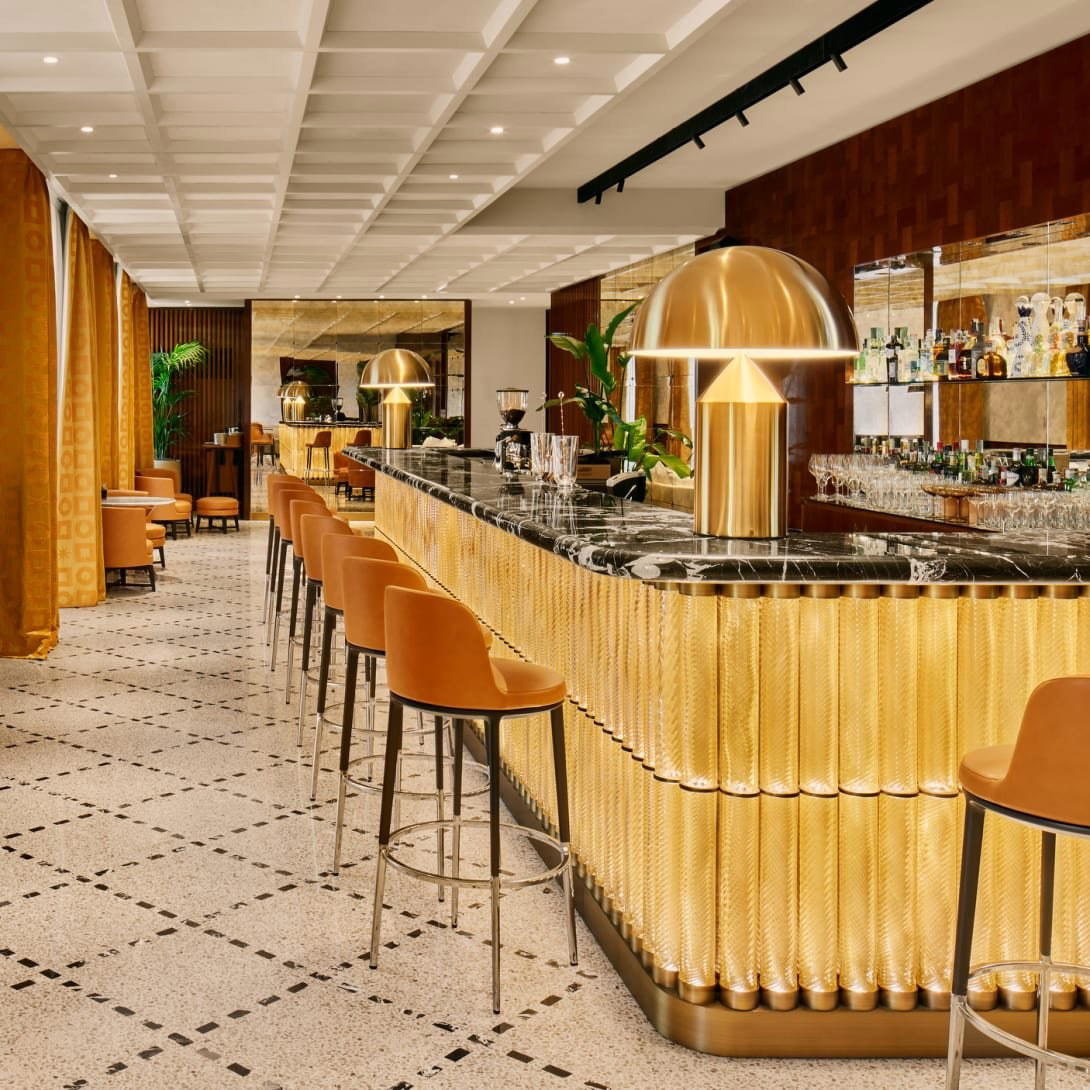
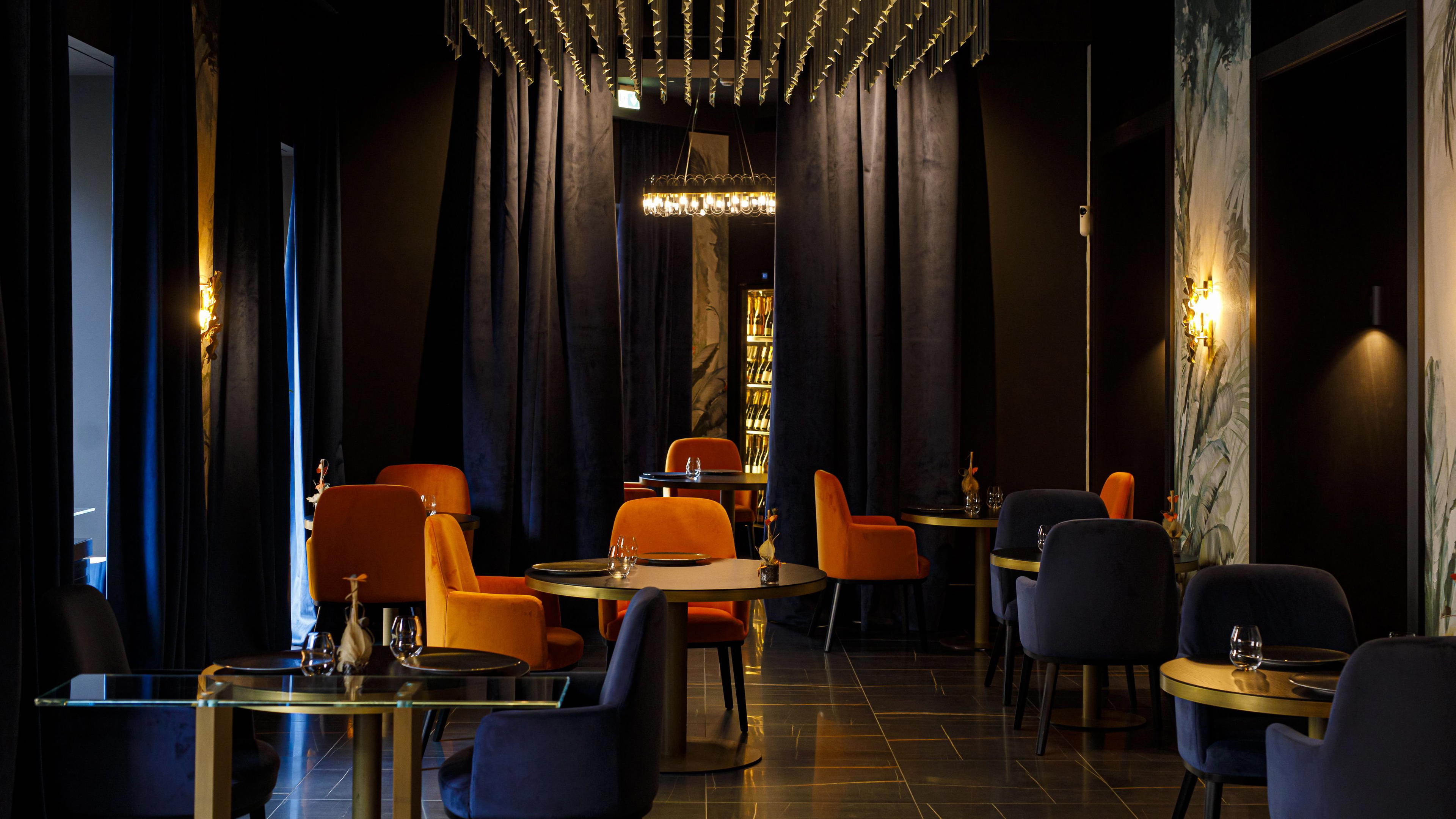
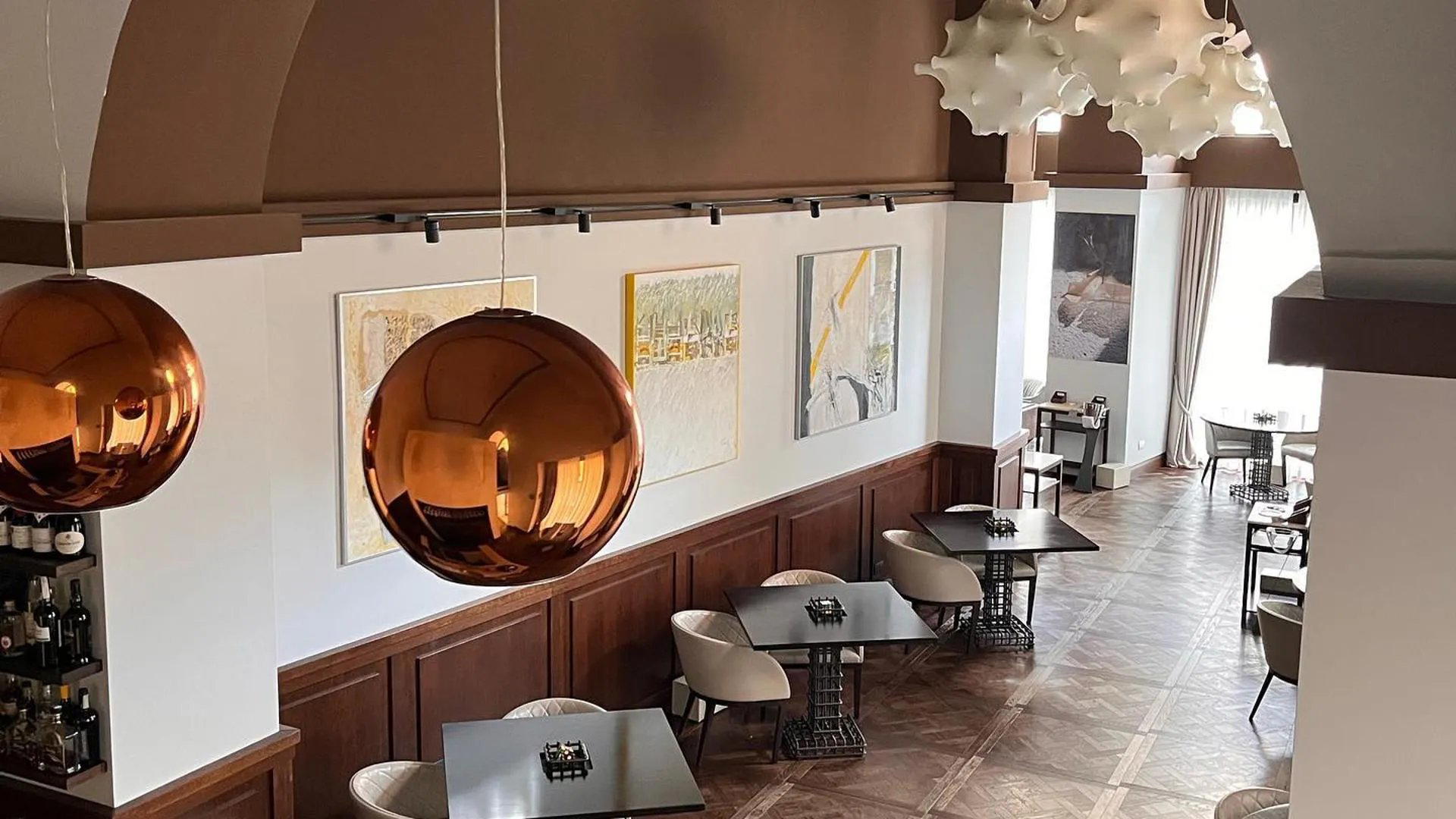
Refined and elegant atmosphere with high frescoed ceilings, plush fabrics, and a peaceful oasis despite central location.