

Michelin Guide New Hotels New Hotel · Michelin Selected · Small Luxury Hotels of the World Member
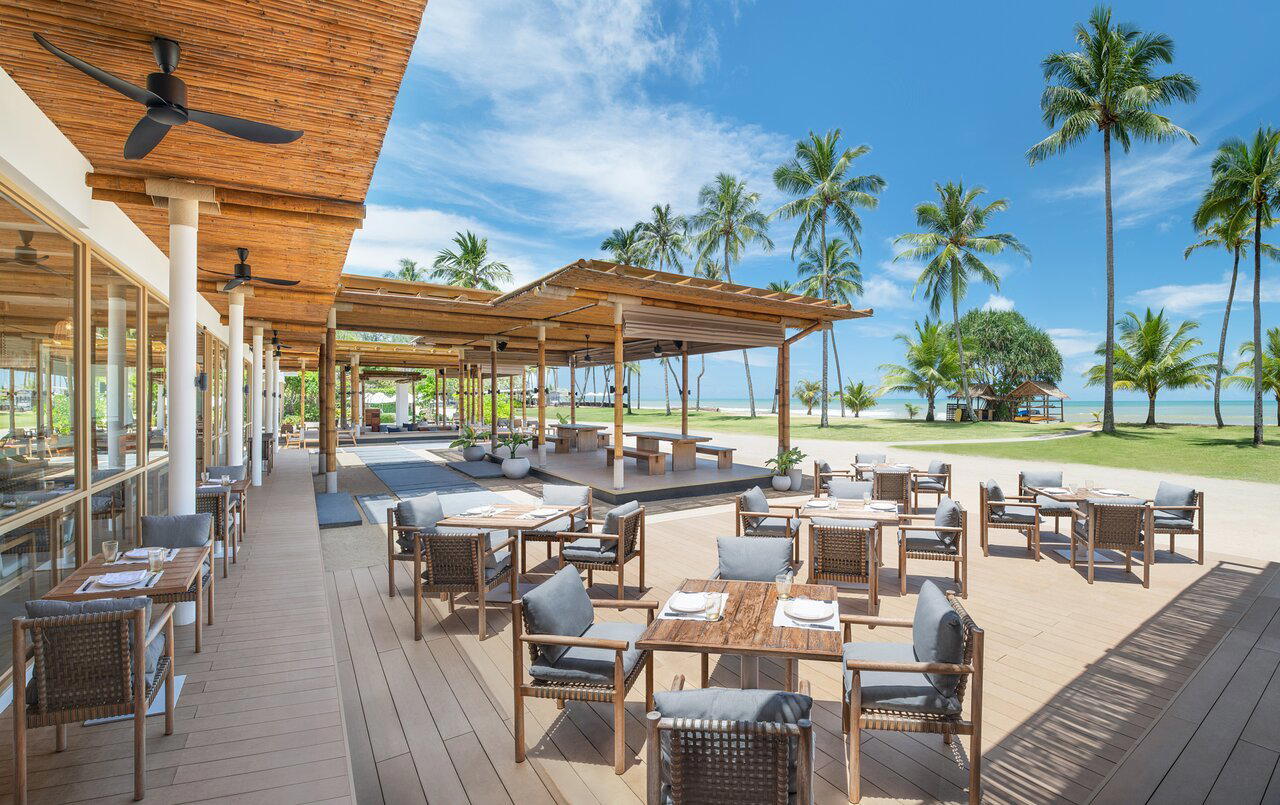
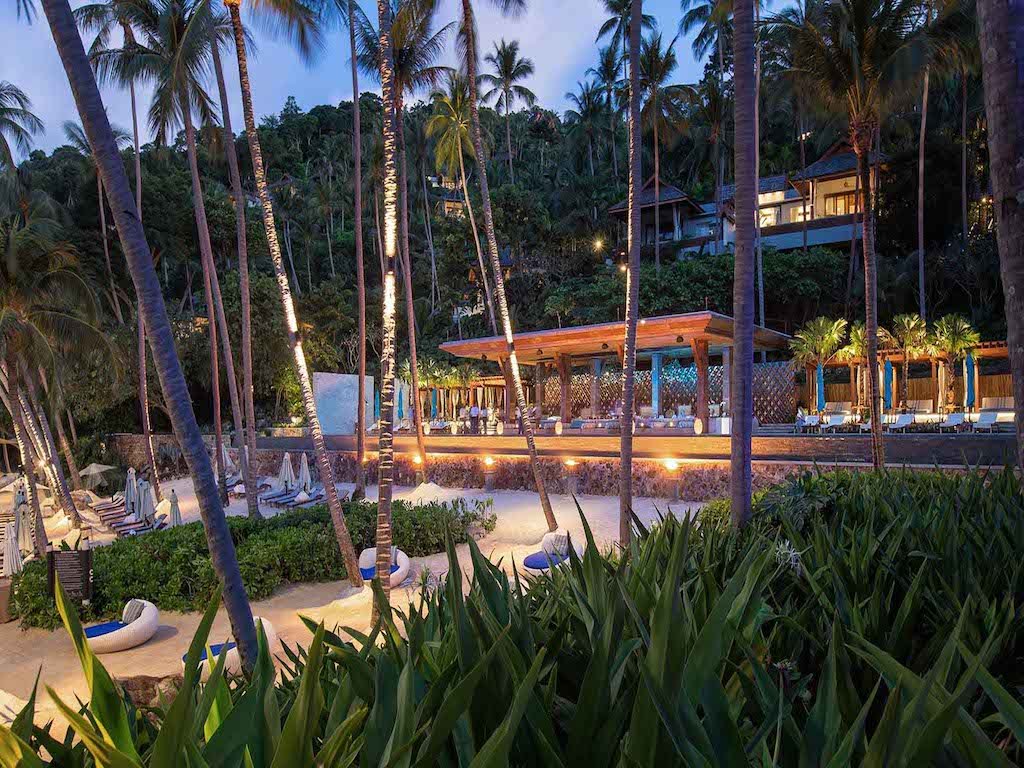
The property trades on direct ocean access, a lively beach atmosphere, and amenities calibrated for comfort rather than ceremony. It occupies a distinct mid-register in the island's accommodation spectrum, between barefoot guesthouses and the formal luxury tier.

Pearl is the En Primeur Club membership app, where members save venues, book tables and use the concierge.
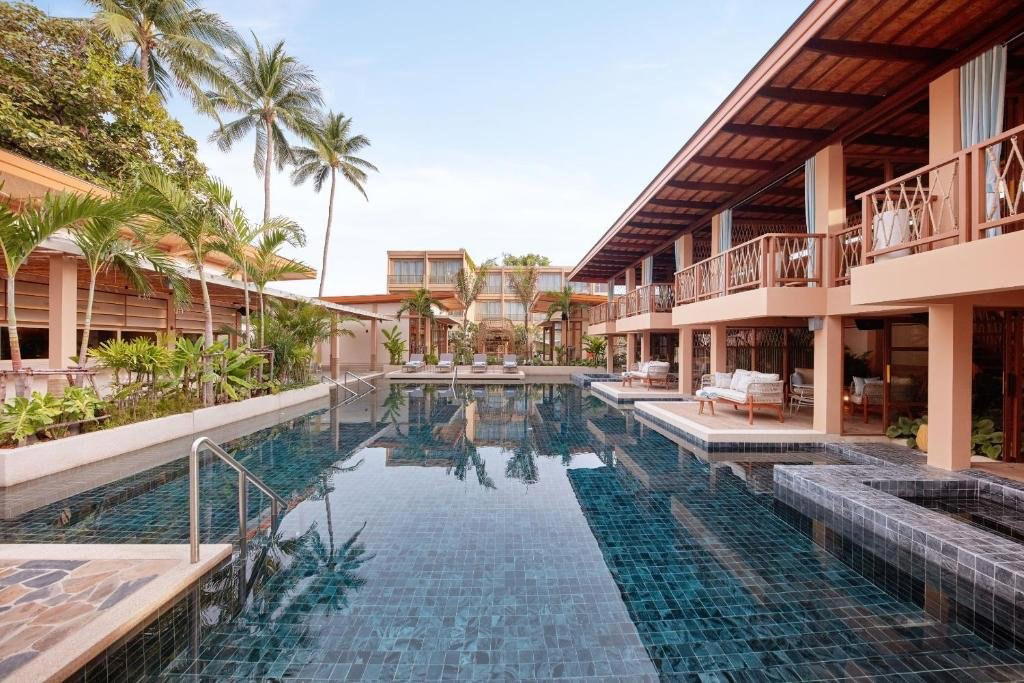
This placement has clear implications for who Marasca suits and who it doesn't. On Koh Samui, the luxury spectrum runs from high-overhead hillside pool villas like those at Six Senses Hideaway Samui and Bo Phut Resort are among the established properties that have built their identity around this same neighbourhood logic. Marasca enters that conversation as a modern addition to a beach corridor with existing character.
Style and Atmosphere on the Ground
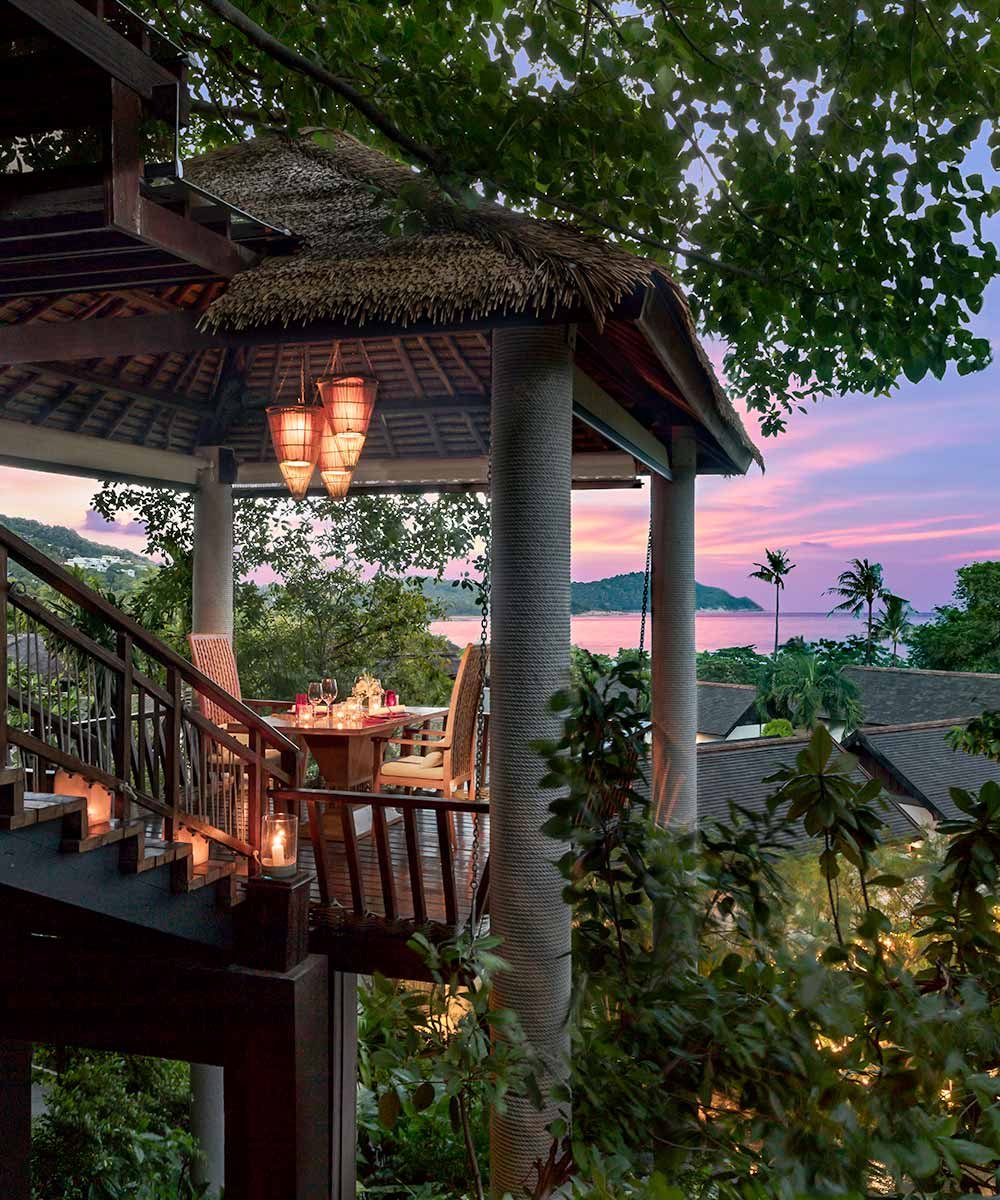
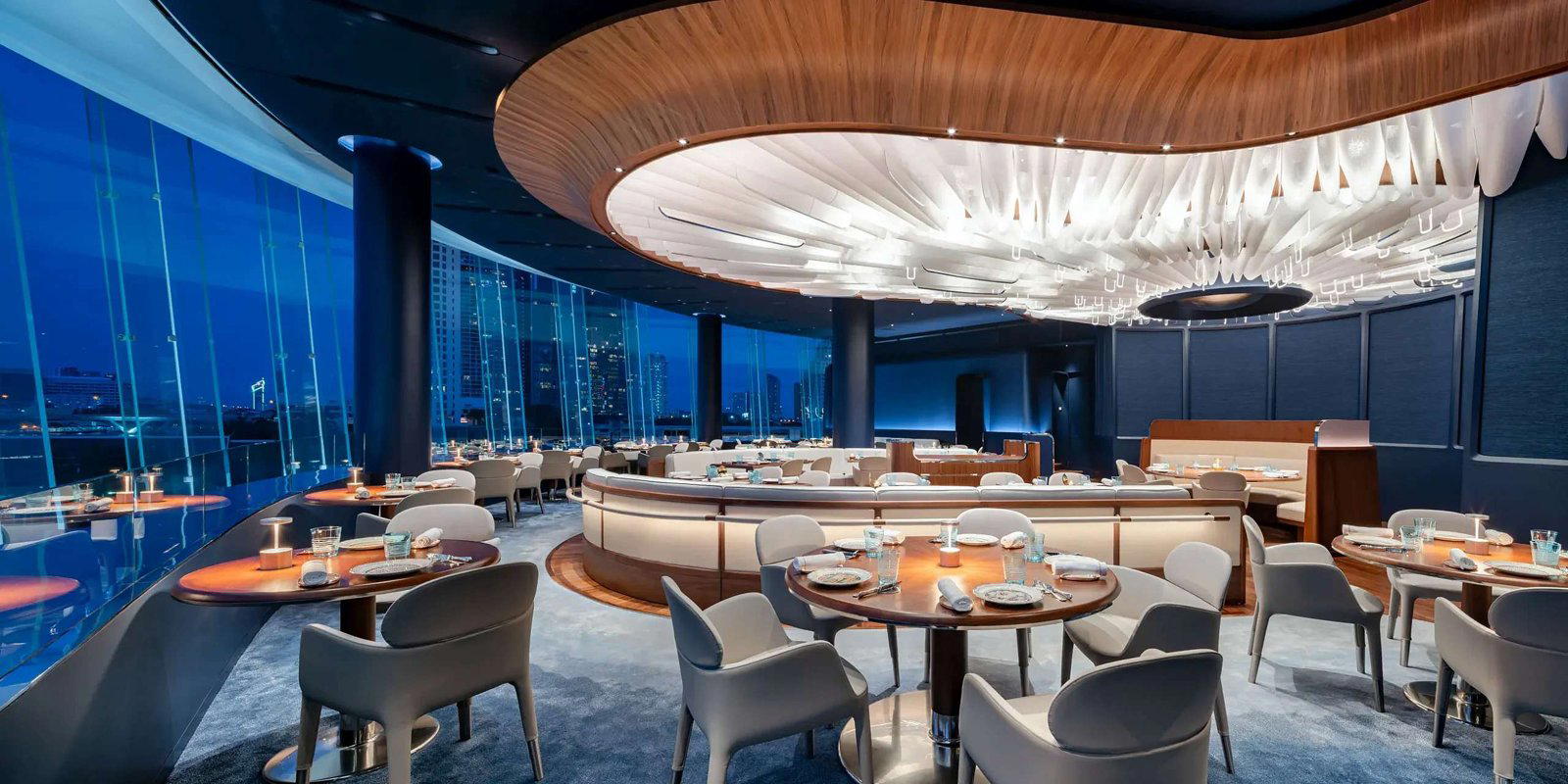
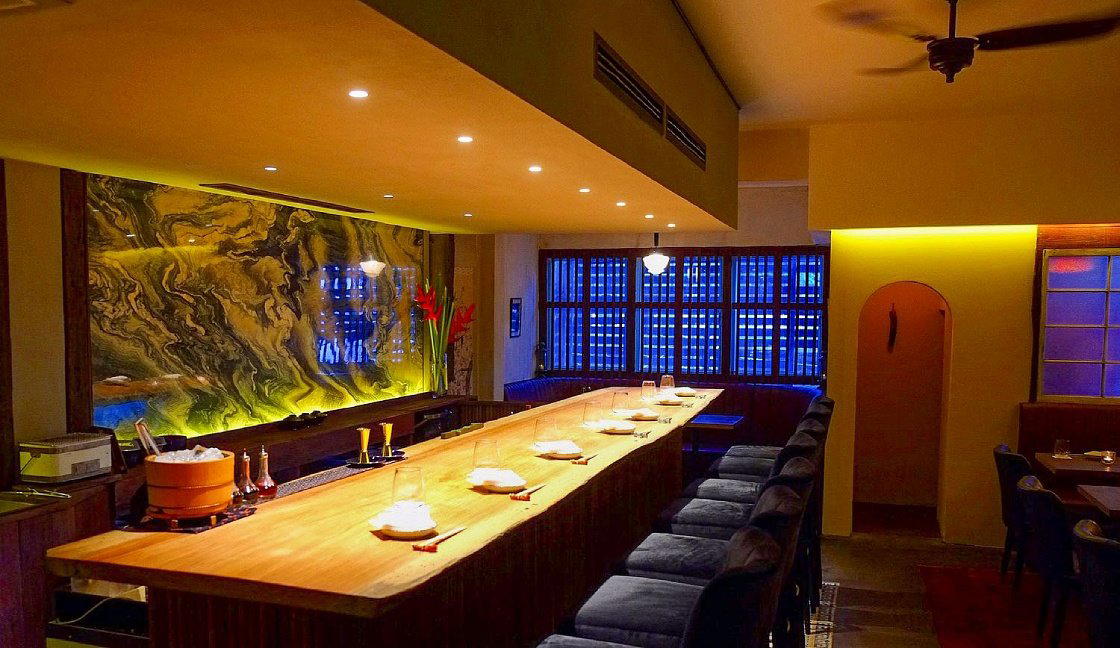
The property's own framing describes it as stylish with a sense of fun, which in Gulf of Thailand resort terms signals something specific: a design sensibility that is considered but not precious, social spaces that encourage interaction rather than isolation, and a mood calibrated for guests who are on holiday rather than on retreat. This is a different product philosophy from the deep-privacy, villa-only formats at properties like Belmond Napasai or the wellness-centred withdrawal offered at Six Senses Hideaway Samui. It is closer in spirit to Six Senses Yao Noi in Phang Nga and Soneva Kiri in Trat represent the eco-luxury extreme. Samui's strength is a different proposition entirely: an island with direct international flight connections, a functioning town infrastructure, and a beach culture that ranges from backpacker to boutique without the logistical complexity of more remote archipelagos. Anantara Rasananda Koh Phangan Villas on the neighbouring island shows how the broader Gulf of Thailand cluster of properties has developed its own identity separate from the Andaman coast. The neighbourhood functions as a quieter satellite, close enough to the island's main commercial strip for a taxi ride but buffered from its noise.
Planning a Stay
Koh Samui's optimal window runs from December through February, when Gulf of Thailand weather is most consistent and the northeast monsoon has passed. March and April extend the dry period with rising temperatures. Guests planning around the dry season will find the beach at its most usable and the Fisherman's Village night market at its most active. Booking in advance for December and January is advisable, as this peak window fills across Samui's mid-tier and upper-tier properties simultaneously. For a broader view of what Koh Samui offers across dining and hospitality, our full Koh Samui restaurants guide maps the island's food and drink scene in detail.
Travellers building a longer Thailand itinerary from Samui might consider combining the island with a Bangkok base at a property such as the Mandarin Oriental Bangkok, or extending south to the hillside and beach formats available in Krabi or Phuket. The Four Seasons Resort Chiang Mai and the Anantara Golden Triangle Elephant Camp and Resort in Chiang Rai represent the northern alternative for those pairing coast with culture. For Gulf-side properties with a wellness or seclusion emphasis, the Aleenta Resort and Spa in Pranburi and the Anantara Hua Hin Resort and Spa offer mainland Gulf alternatives with a different pace. Pimalai Resort and Spa on Koh Lanta sits in the same archipelago sensibility as Samui but with fewer crowds. For guests arriving from or departing to international hubs, the Grand Hyatt Erawan Bangkok and the Anantara Layan Phuket Resort offer practical stopover options at either end of a Samui-centred trip.
Price and Positioning
Comparable venues nearby, for context on price, style, and recognition.
| Venue | Price | Awards | Notes |
|---|---|---|---|
| Marasca SamuiThis venue (the venue you are viewing) | $300–500 | Michelin Guide New Hotels New Hotel · Michelin Selected | Not listed |
| Santiburi Koh Samui | Not listed | Michelin Selected | Mae Nam, Luxurious Thai-style villas and suites set in expansive tropical gardens on a secluded beach. |
| Meliá Koh Samui | $100–200 | Michelin Selected | Choeng Mon, Nautical-themed beach resort with 'resort within a resort' concept featuring The Level exclusive area. |
| SALA Samui Chaweng Beach Resort | $300–500 | Michelin Selected | Chaweng Beach, Modern design-led beachfront resort with two wings inspired by lunar phases. |
| Cape Fahn Hotel | Not listed | 1 Michelin Key · Mr & Mrs Smith Seal of Approval | Choeng Mon, Private island luxury villas with traditional Thai influences |
| Four Seasons Resort Koh Samui | Not listed | 2 Michelin Keys · La Liste Top Hotels | Ang Thong, Contemporary luxury tropical resort with traditional Thai architectural elements and modern amenities. |
Recognition history
Dated appearances from independent guides and award organizations, with the underlying list record or original source where available.
Michelin Guide New Hotels New Hotel
Michelin Guide New Hotels
Michelin Selected
Michelin
Small Luxury Hotels of the World Member
Small Luxury Hotels of the World
Continue exploring
More in Koh Samui
Hotels in Koh Samui
All hotels in Koh Samui →
Bars in Koh Samui
All bars in Koh Samui →
Details
- Lively
- Romantic
- Modern
- Intimate
- Romantic Getaway
- Wellness Retreat
- Weekend Escape
- Celebration
- Beachfront
- Destination Spa
- Terrace
- Panoramic View
- Private Dining
- Wi Fi
- Pool
- Spa
- Restaurant
- Bar
- Beach Access
- Room Service
- Airport Transfer
- Fitness Center
- Waterfront
- Garden
- Elevator
Modern, warm, and welcoming with a lively beach club atmosphere featuring curated music and lively social energy, though some guests note noise from entertainment programming extends into evening hours.