
1 Michelin Key
On the quieter northern curve of Koh Samui, SALA Samui Choengmon Beach positions itself in the mid-to-upper tier of the island's boutique resort category: 69 rooms and villas, 53 with private pools, a 2024 Michelin Keys recognition, and nightly rates from $245. The property sits five minutes from Samui Airport and ten from Chaweng, offering proximity to the island's commercial centre without absorbing its noise.

Pearl is the En Primeur Club membership app, where members save venues, book tables and use the concierge.
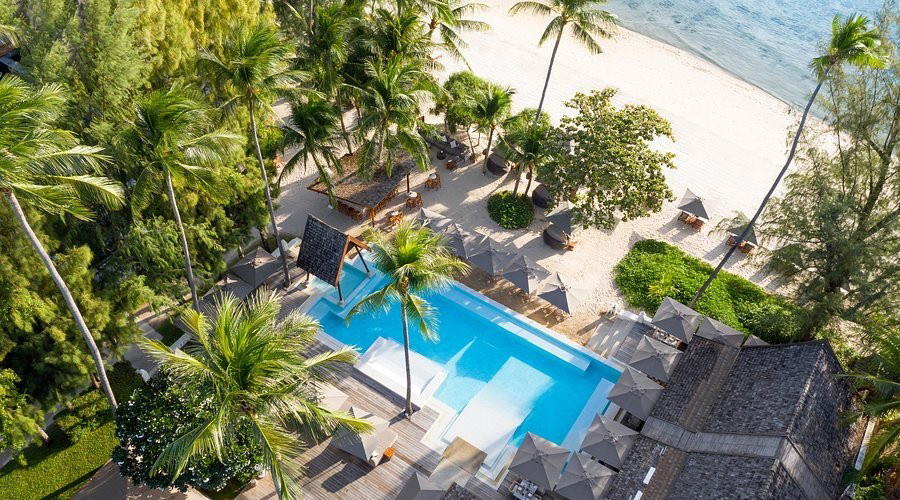
Choeng Mon Before the Crowds Wake Up
Koh Samui's reputation has been built, and occasionally undermined, by Chaweng Beach: the wide, commerce-lined strip that draws the island's highest volume of visitors and sets the default expectation for what a Samui stay looks like. The northern coastline, where Choeng Mon sits, operates at a different register. The beach here is narrower, calmer, and notably less developed, a stretch that attracts guests who have either done Chaweng and moved on, or arrived knowing to skip it. SALA Samui Choengmon Beach holds its position on that quieter arc, offering a resort format built around private space rather than shared spectacle.
How Booking Works, and What to Know Before You Arrive
SALA Samui sits in the assisted-booking category: reservations are not confirmed through a standard online checkout. The property collects additional guest information before finalising a stay, which means the process runs through a customer service team rather than an automated booking engine. For travellers accustomed to instant confirmation, this requires a small adjustment in expectations and timeline. Build in at least 24 hours for confirmation, particularly during peak season between December and April when Samui's northern beaches see higher occupancy from European and Australian visitors. Rates start at $245 per night, positioning the property clearly above Samui's mid-market hotel stock and below the stratospheric pricing of properties like Six Senses Hideaway Samui or Banyan Tree Samui at the island's upper end. The entry price reflects a pool villa product rather than a standard hotel room, which changes the comparison calculus considerably.
Getting there is direct. Samui Airport, one of Thailand's few privately operated airports and notably small by regional standards, sits five minutes away by road. That proximity matters more than it might at other destinations: Samui is not served by the major budget carriers that connect Bangkok to Phuket, which means most arrivals come through Bangkok Samui Airport routes or by ferry from the mainland. Factor that into overall trip cost. The Fisherman's Village at Bo Phut, which has developed a low-key night market and dining scene of its own, is five minutes in the opposite direction. Chaweng's shopping and nightlife, for guests who want access to it, is ten minutes away, close enough for an evening excursion, distant enough to be irrelevant to the resort's ambient quiet. Properties further from that axis, including Anantara Bophut Koh Samui Resort and Belmond Napasai, share this northern positioning and a similar logic: deliberate separation from the island's commercial energy without pretending the island doesn't have any.
The Room Breakdown: Where the Property Puts Its Square Footage
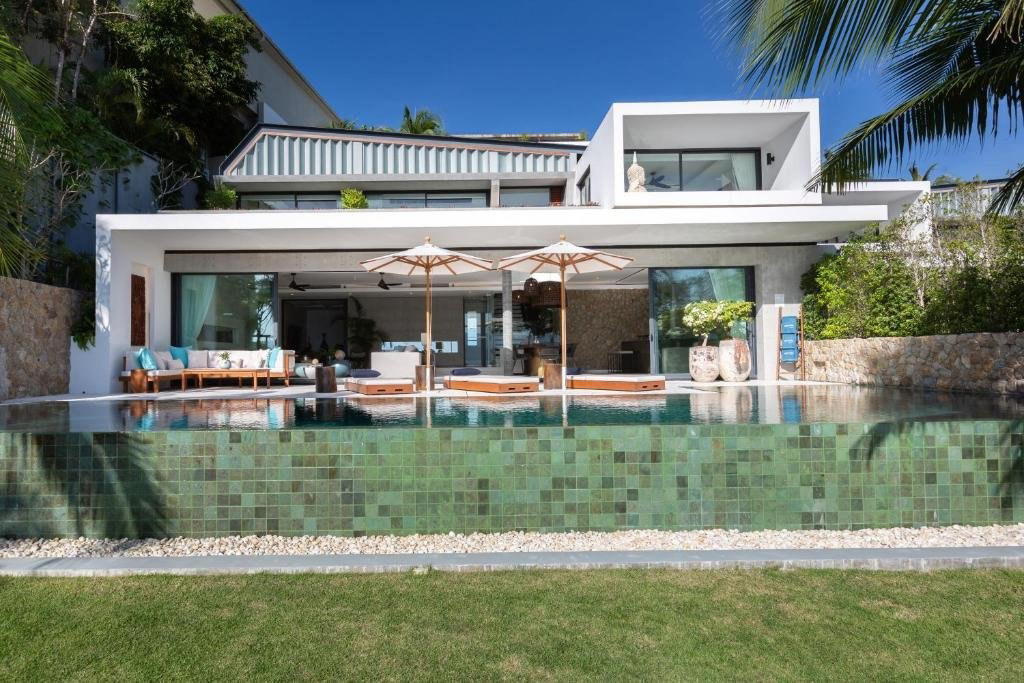
The 69-room count at SALA Samui is mid-sized for the category, larger than the villa-only boutique operations like Samujana Villas, which trades in a more exclusive format, but compact enough that the property avoids the anonymous corridor problem of larger beach resorts. The significant figure is 53: the number of villas that include private pools. In a market where private-pool accommodation has shifted from premium add-on to near-standard expectation among the guest demographic this price tier attracts, that ratio, roughly 77 percent of total inventory, is the functional product promise. The remaining rooms, described as Deluxe Balcony configurations, offer veranda space rather than plunge access. These sit at the entry point of the rate range and represent a different calculation for guests who prioritise location and resort amenities over in-villa privacy.
The pool sizing across the higher-tier villas is noted as genuinely usable for swimming rather than decorative. In Southeast Asian resort design, this is less automatic than it sounds: many villa pools are configured for visual appeal and twilight photographs rather than actual lap distance. The upper suites at SALA Samui, with pools scaled for real use, belong to a subset of regional properties, alongside Anantara Layan Phuket Resort and comparable pool villa operations, where the water feature functions as intended.
On the Ground: Amenities and What They Signal
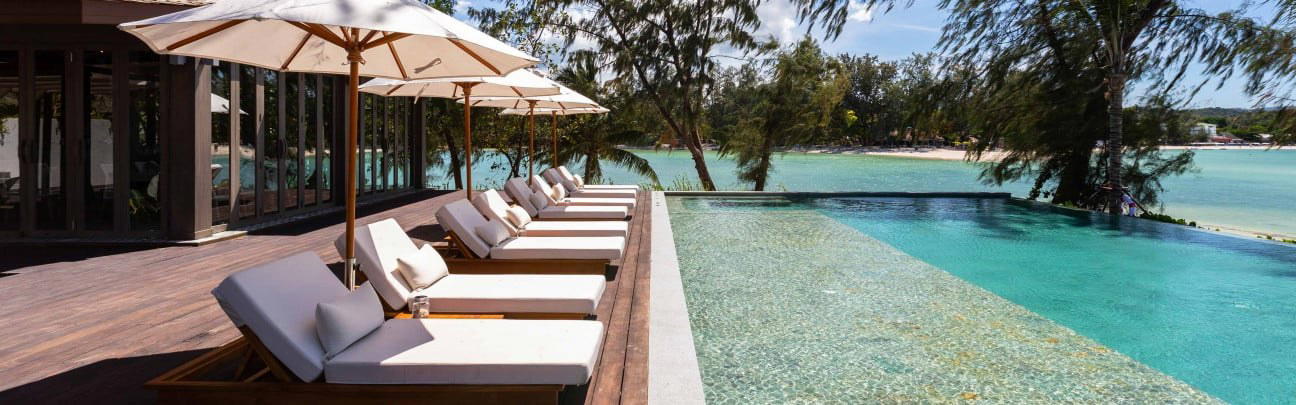
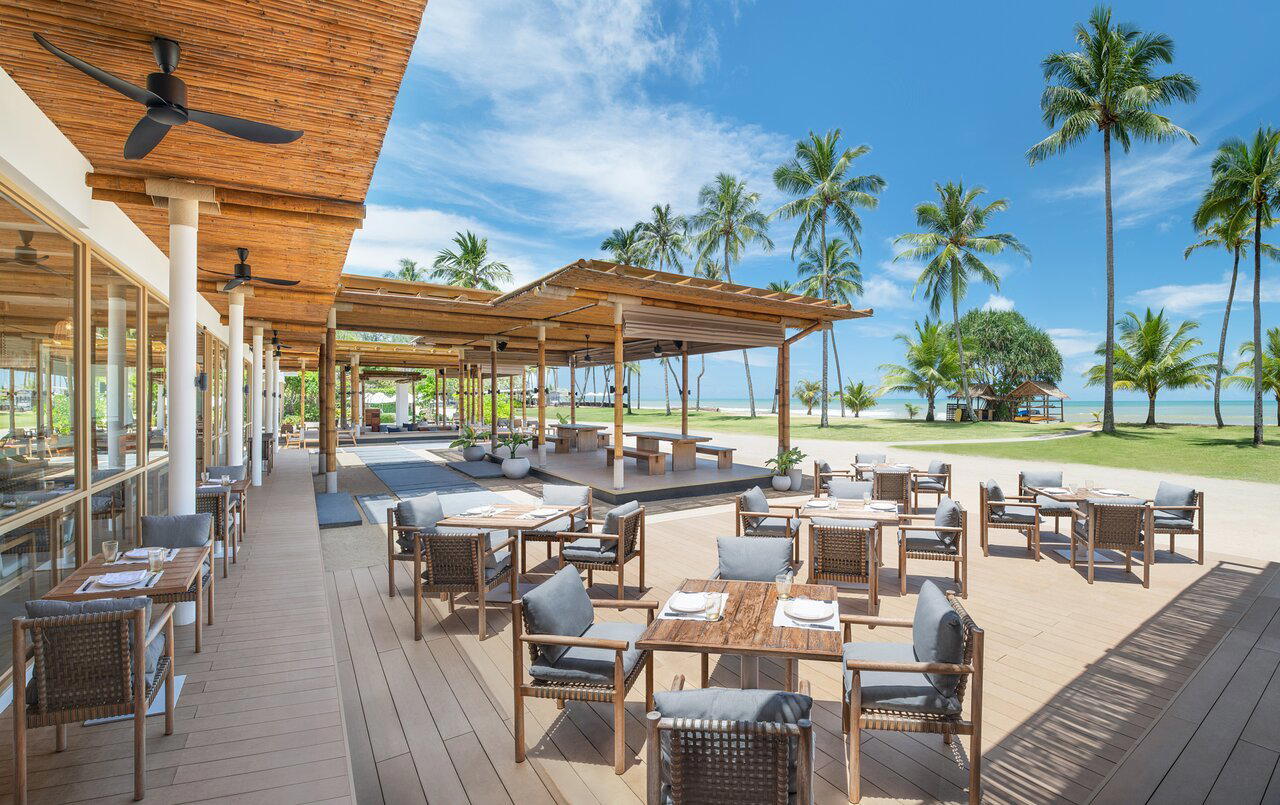
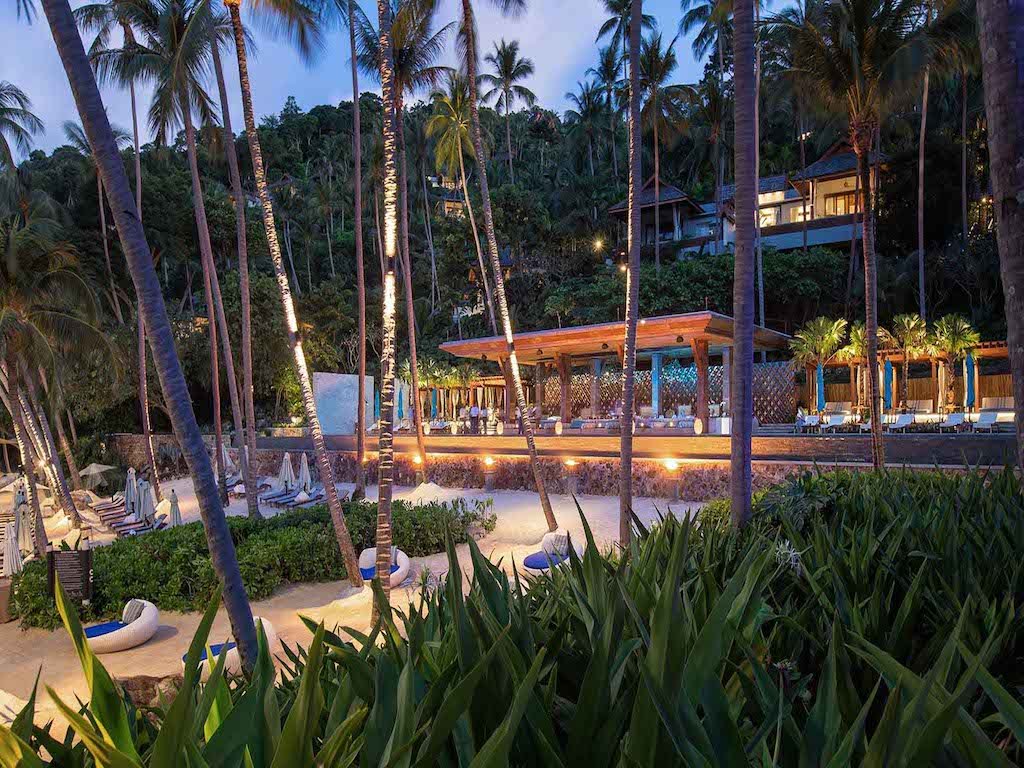
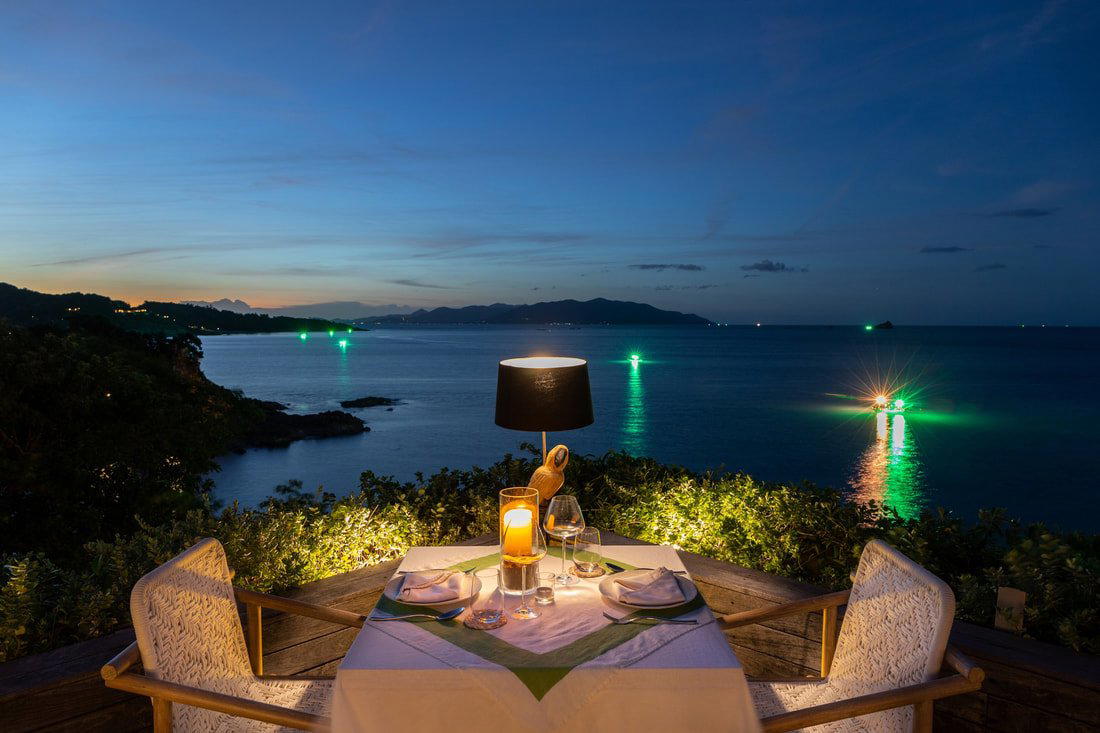
Property runs two restaurants, one positioned beachfront, which follows the standard structure for a resort of this size and category. Beyond the room count and pool ratio, the wine cellar is the detail worth noting: described as surprisingly extensive for a resort at this tier and location, it suggests a food and beverage programme investing beyond the expected pool-bar minimum. Whether that translates to a serious wine list or simply broader storage than the surrounding competition provides is a question the booking process will clarify. The spa and gym complement the core offering without distinguishing it; these are standard infrastructure at this price point across comparable Thai island resorts, from Bo Phut Resort to the larger Anantara Lawana Resort and Spa further south. The two shared beachfront pools extend the swimming options for guests in non-pool-villa rooms and serve as the resort's social infrastructure during the day.
How SALA Samui Fits the Wider Thailand Premium Picture
Thailand's premium resort market has developed distinct geographic clusters over the past two decades. Bangkok anchors the urban end, with properties like Mandarin Oriental Bangkok and Grand Hyatt Erawan Bangkok operating in a city-hotel register. The island and coastal markets, Samui, Phuket, Krabi, Koh Phangan, work differently, where room-to-pool ratio, beach access, and quiet-versus-activity positioning drive the guest selection more than urban amenities. Samui specifically has a dual identity: accessible enough to attract first-time Thailand visitors alongside the repeat traveller who has already covered Amanpuri in Phuket, Phulay Bay in Krabi, or Six Senses Yao Noi in Phang Nga.
Within Samui's premium tier, SALA occupies the rational middle: above the functional beach hotel category, below the ultra-luxury compounds with private butlers and helicopter transfers. The Michelin Keys designation in 2024, Michelin's first formal hospitality ranking cycle, provides a verification point for quality at that mid-premium position. For guests choosing between several Samui properties at similar price points, including Buri Rasa Village Samui and others along the northern coast, that external recognition carries weight as a differentiator. It does not place SALA in the same bracket as Soneva Kiri in Trat or Four Seasons Resort Chiang Mai at the top of Thailand's hospitality hierarchy, but it confirms the property belongs in a serious conversation about where to stay in Koh Samui for guests who have done their research.
A score at that level over a large review sample is more meaningful than a small-sample rating, and suggests operational consistency rather than the spiked performance that comes with a recent opening or intensive review-gathering period. For a resort depending partly on word-of-mouth among the connected traveller segment that the $245-plus price point implies, that consistency is more valuable than a higher rating over fewer data points. Explore the full range of northern Koh Samui options and nearby dining through our Koh Samui guide.
Planning Your Stay: Key Decisions
The primary choice is villa tier. Guests arriving as couples with a preference for privacy will find the pool villa configuration more aligned with what Choeng Mon offers than any alternative room type. The veranda rooms make sense for single travellers or those whose days will be spent off-property at the beach or exploring Bo Phut. Peak season timing, December through April, when the Gulf of Thailand coast receives its driest, calmest weather, means earlier outreach to the booking team is advisable. The shoulder months of May, June, and November offer lower occupancy with acceptable weather risk. July and August bring some rain but remain manageable on the northeast-facing coast. The assisted-booking model means that flexibility in travel dates, communicated upfront, will generally produce better rate options than a fixed-date inquiry. For broader Thailand itinerary context, the property's airport proximity makes it practical as a first or last stop rather than requiring a dedicated transfer day.
A Minimal comparable set
Comparable venues nearby, for context on price, style, and recognition.
| Venue | Cuisine | Price | Awards | Notes |
|---|---|---|---|---|
| SALA Samui Choengmon BeachThis venue (the venue you are viewing) | Not listed | $200–300 | 1 Michelin Key | Not listed |
| Six Senses Hideaway Samui | Not listed | Not listed | 2 Michelin Keys · La Liste Top Hotels | Choeng Mon Beach, Secluded cliffside luxury resort with private villas |
| Belmond Napasai | Not listed | $500–750 | 2 Michelin Keys · La Liste Top Hotels | Mae Nam, Secluded tropical beachfront resort with private villas cascading down a hillside amid lush gardens. |
| Banyan Tree Samui | Lamai, Luxury private pool villa resort | Not listed | 2 Michelin Keys · Virtuoso Luxury Hotel Partner | Not listed |
| Kimpton Kitalay Samui | Not listed | $300–500 | 1 Michelin Key · Forbes Recommended | Choeng Mon, Bophut, Contemporary luxury beachfront resort inspired by local fisherman village charm with modern design elements and natural materials. |
| The Ritz-Carlton, Koh Samui | Not listed | Not listed | Michelin Selected · Forbes 4-Star | Koh Samui, luxury beachfront resort with spacious suites and pool villas |
Recognition history
Dated appearances from independent guides and award organizations, with the underlying list record or original source where available.
Michelin 1 Key
Michelin
Full recognition history (3 entries)
Michelin 2 Keys
Michelin
Michelin 2 Keys
Michelin
Continue exploring
More in Koh Samui
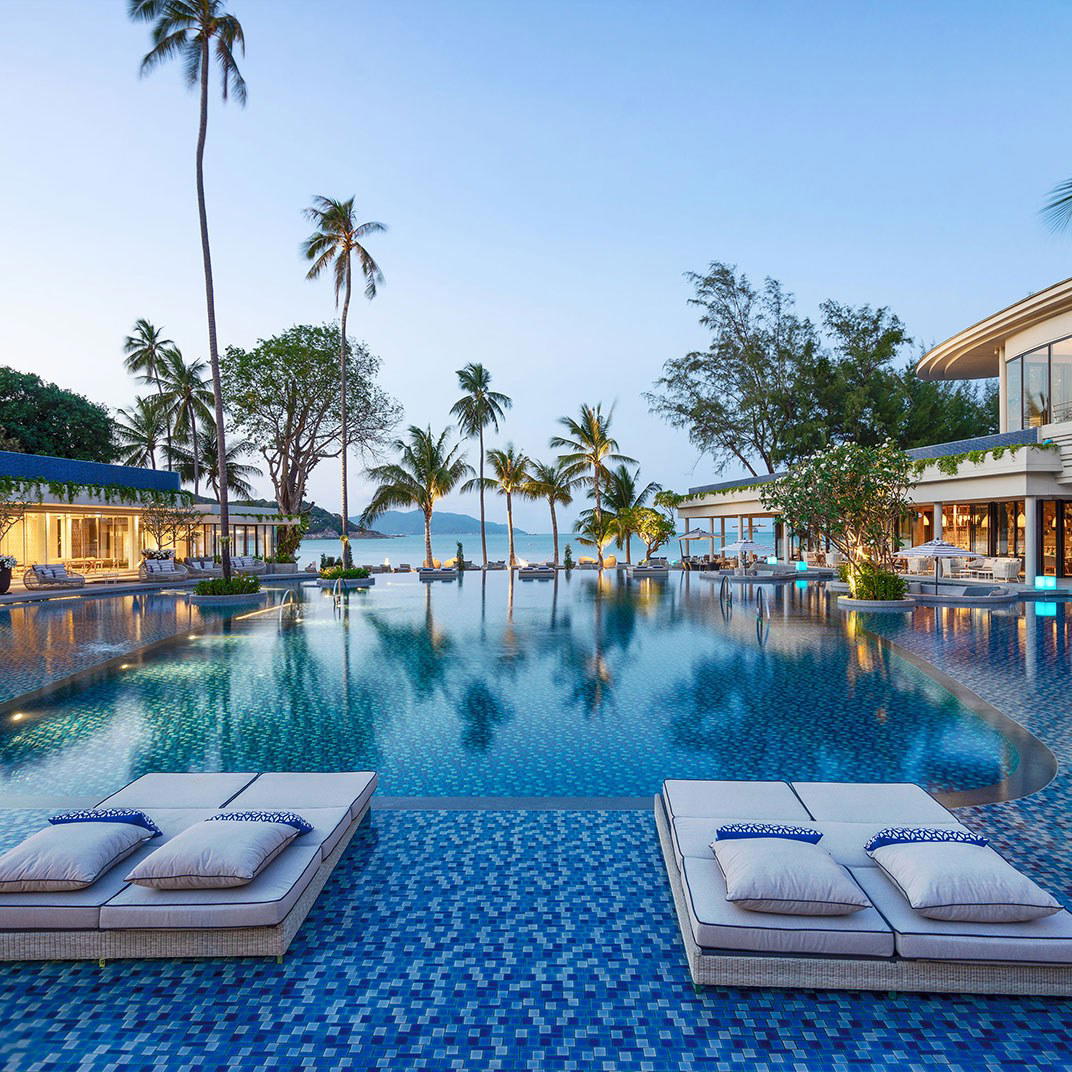
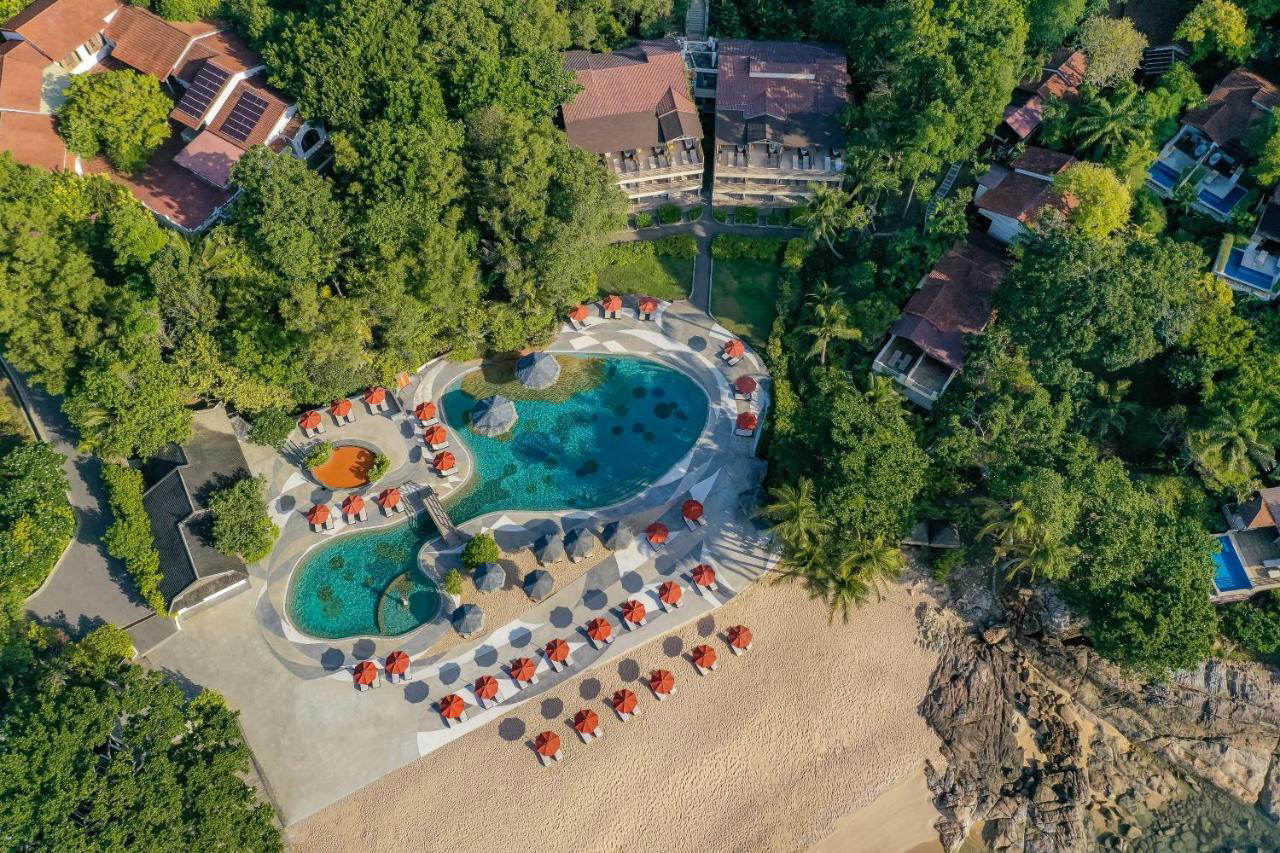
Hotels in Koh Samui
All hotels in Koh Samui →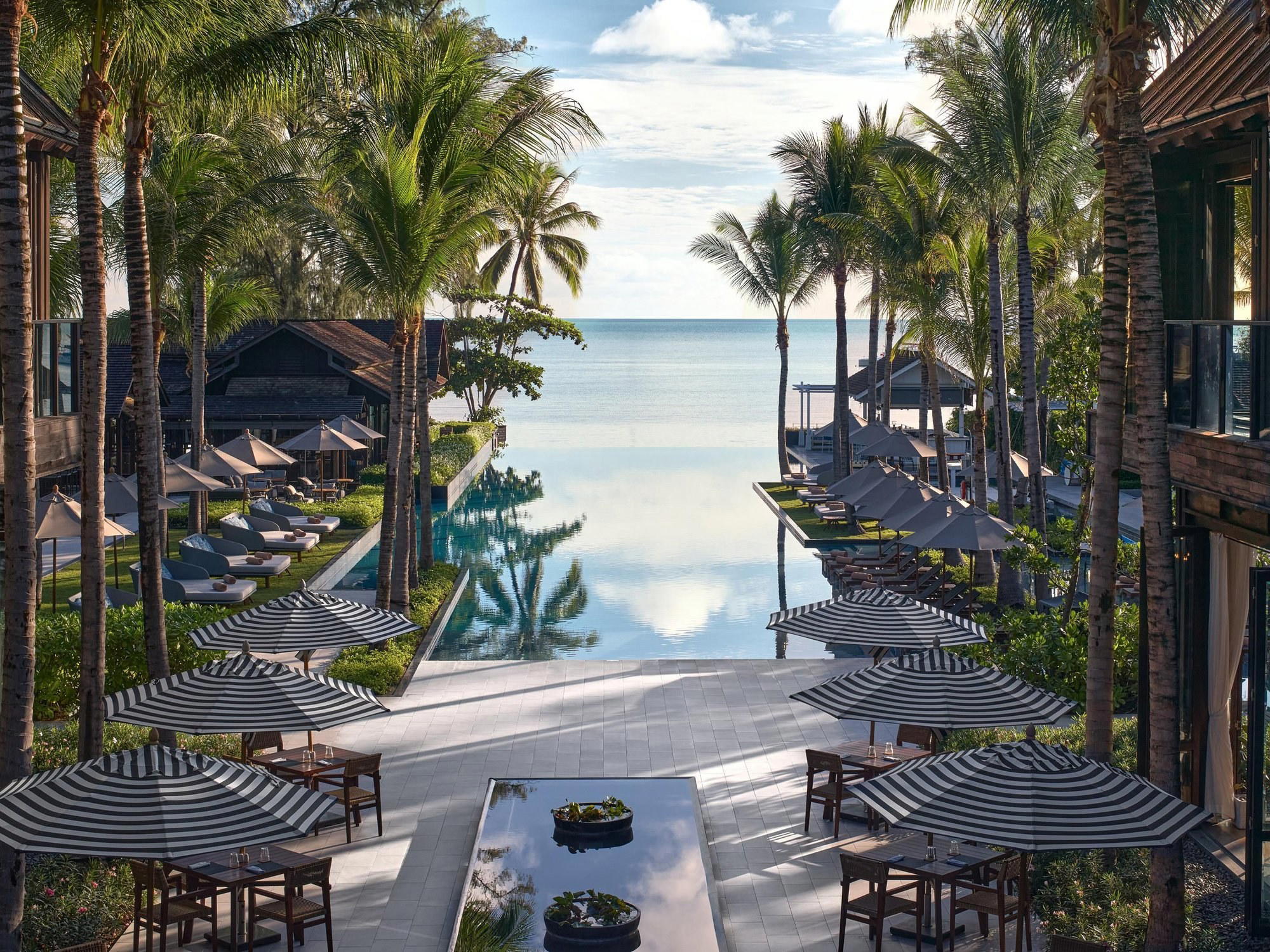
Bars in Koh Samui
All bars in Koh Samui →
Details
- Romantic
- Elegant
- Scenic
- Sophisticated
- Intimate
- Quiet
- Honeymoon
- Romantic Getaway
- Wellness Retreat
- Anniversary
- Weekend Escape
- Beachfront
- Infinity Pool
- Private Villa
- Rooftop Pool
- Destination Spa
- Panoramic View
- Wi Fi
- Pool
- Spa
- Fitness Center
- Room Service
- Concierge
- Beach Access
- Waterfront
- Garden
- Accessible Parking
- Step Free Entrance
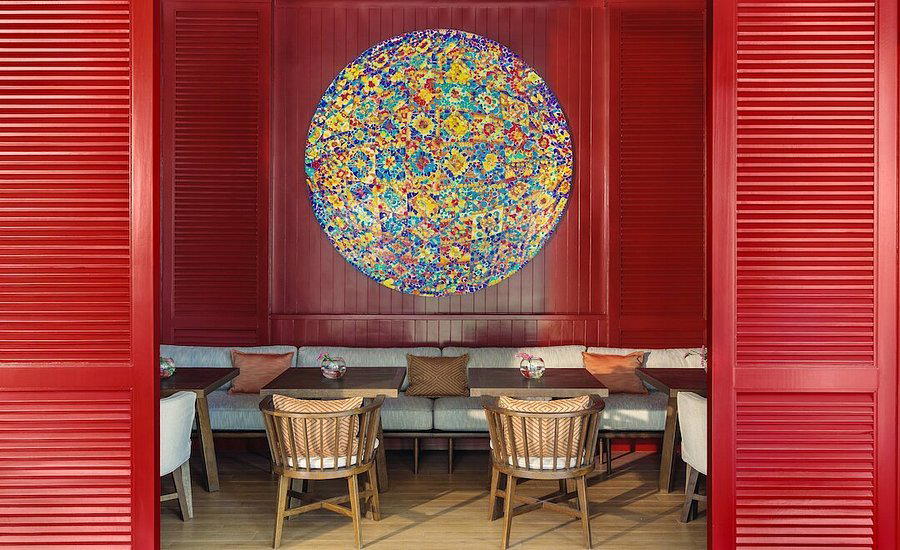
Tranquil and serene with elegant Thai-inspired design, beachfront pools, and relaxing spa atmosphere praised for its peaceful paradise vibe.