Anantara Rasananda Koh Phangan Villas



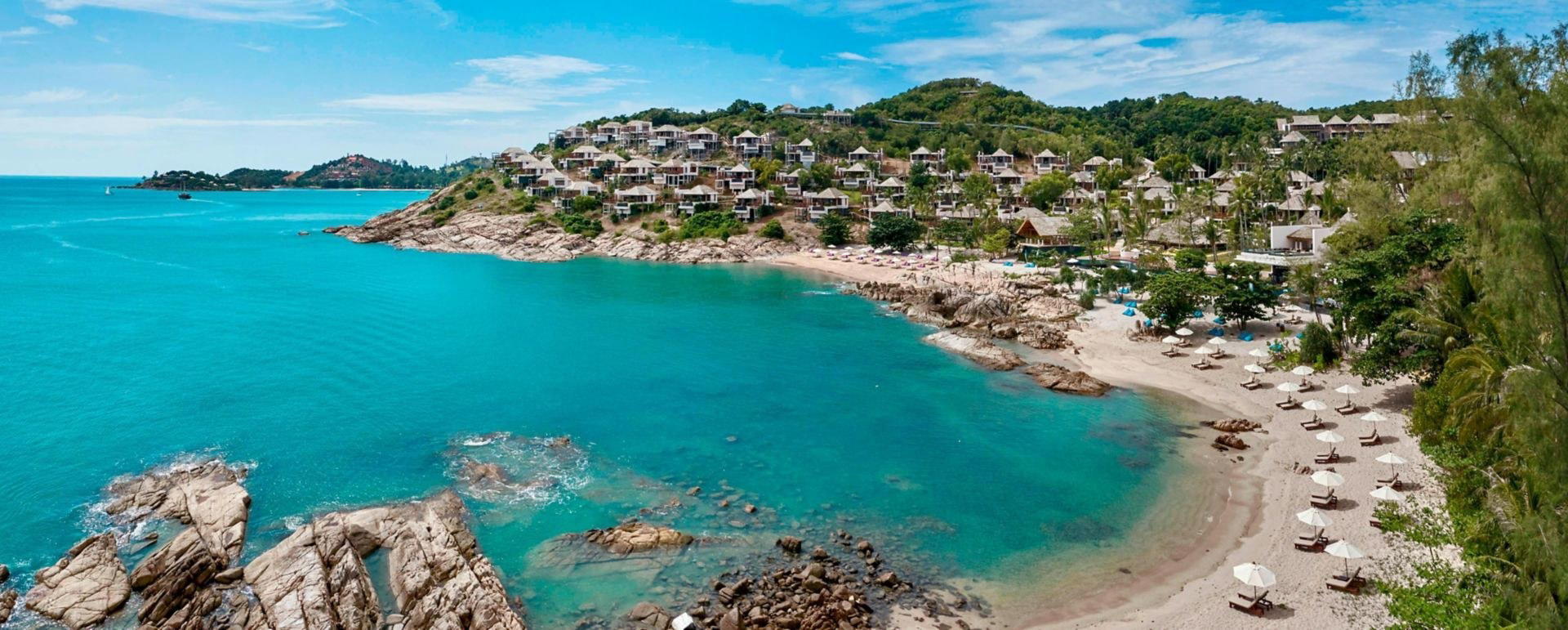
On Thong Nai Pan Noi, one of Thailand's most praised white-sand beaches, Anantara Rasananda occupies a quiet corner of Koh Phangan entirely separate from the island's full moon party circuit. Sixty-four villas and suites, all with private plunge pools, earn a 95.5-point La Liste Top Hotels score in 2026, with rates from $262 per night. Access is by private speedboat from Koh Samui.
Pearl is the En Primeur Club membership app — saves, bookings, and concierge access live there. Same editors, same standards.
- Address
- 5/5 Moo 5 Thong Nai Pan Noi Beach, Baan Tai, ตำบล บ้านใต้ Koh Phangan, Surat Thani 84280
- Phone
- +66 77 956 660
- Website
- anantara.com
- Directions
- Get directions
 Saves & bookings on Pearl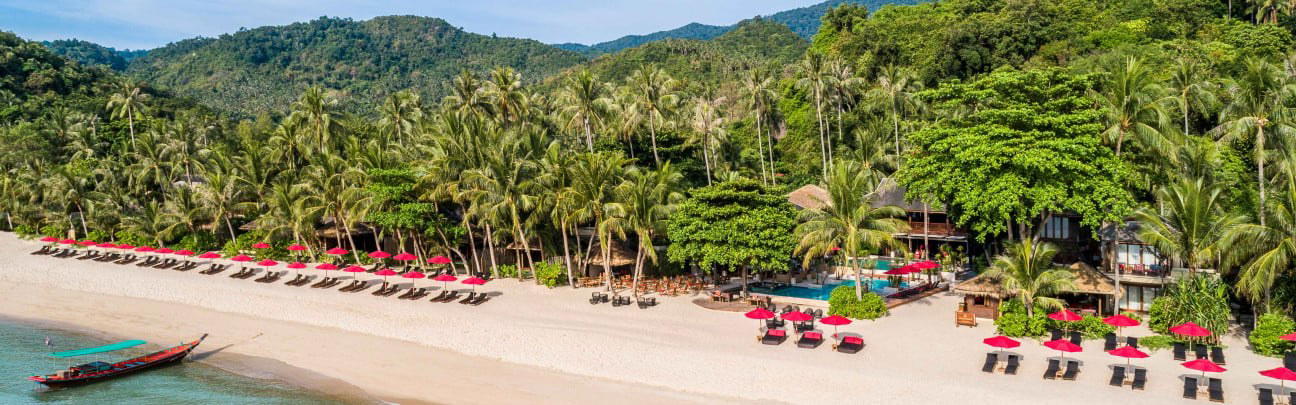
The Quiet Side of Koh Phangan
Koh Phangan's reputation is built on chaos: the full moon parties that draw tens of thousands to Hat Rin beach each month have defined how the island is perceived for decades. But the island has a second identity, largely invisible to that crowd, along its northern coast. Thong Nai Pan Noi is a cove beach that sits geographically and atmospherically apart from the party circuit, accessible by a winding road through jungle hills or, more directly, by private speedboat from Koh Samui. The result is a stretch of white sand where the water stays calm and the sound is mostly wind and water rather than bass lines. Anantara Rasananda Koh Phangan Villas occupies that beach, and its placement is the single most important fact about the property.
Architecture Rooted in Its Setting
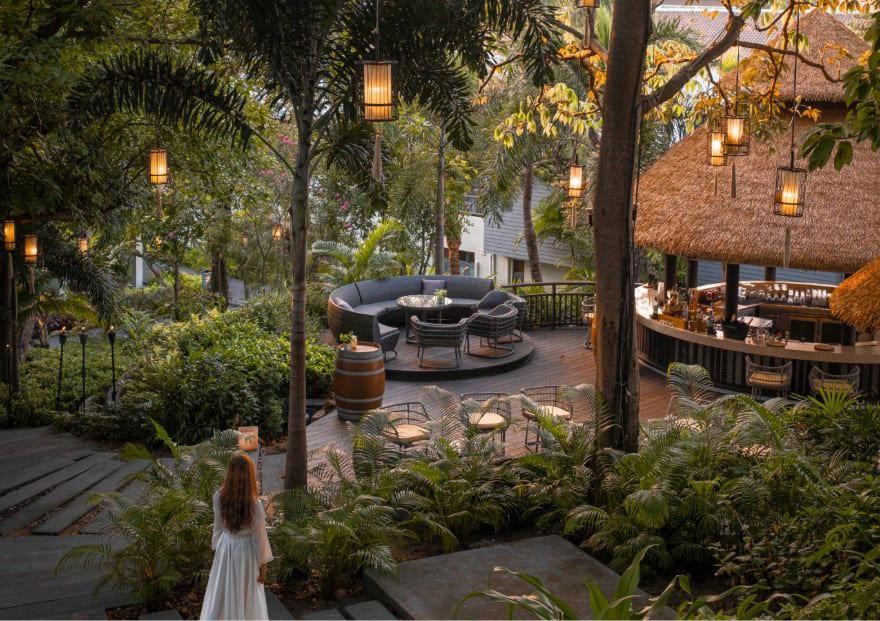
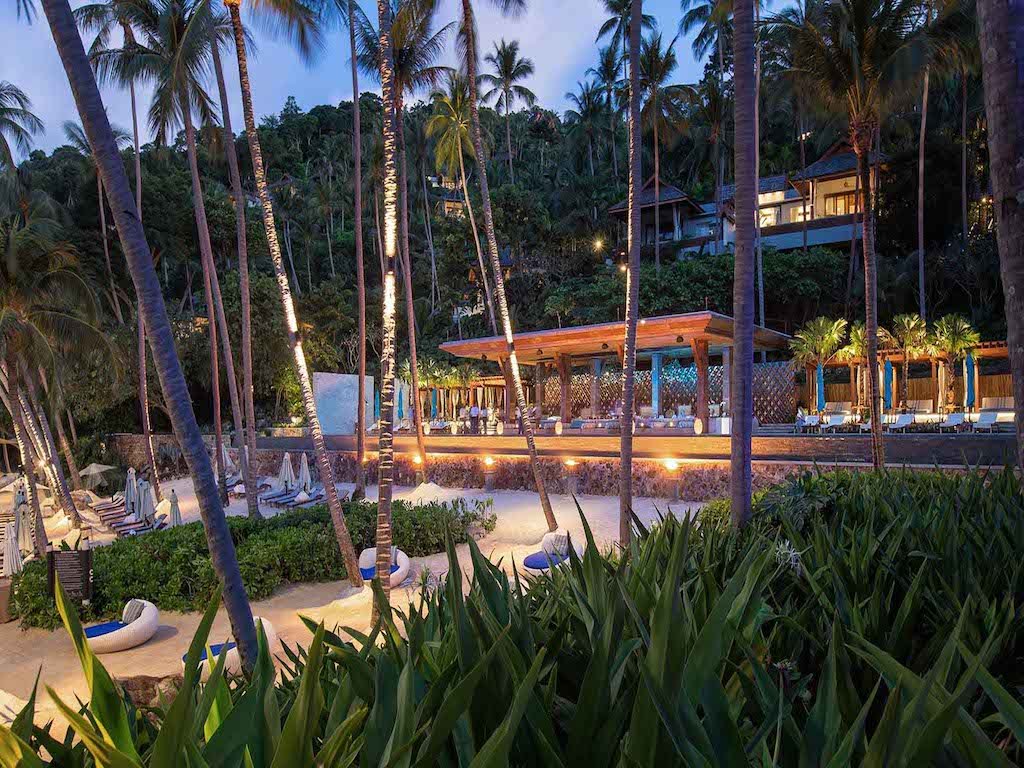
Thai island resort design has split across two broad approaches in recent years. The first reaches for the international: clean lines, poured concrete, minimalist interiors that could plausibly exist in Bali or the Maldives. The second looks inward, using local materials and vernacular forms as its structural logic. Rasananda belongs firmly to the second camp. Thatched-roof, two-storey buildings follow the line of the coconut palms rather than competing with them, keeping built volumes low against the treeline. Inside, the design language draws on native timber panelling and vaulted ceilings that pull hot air upward, a functional choice as much as an aesthetic one. Deep red accent walls appear throughout as a chromatic reference to traditional Thai textiles, grounding the interiors in a regional palette rather than a generic tropical one.
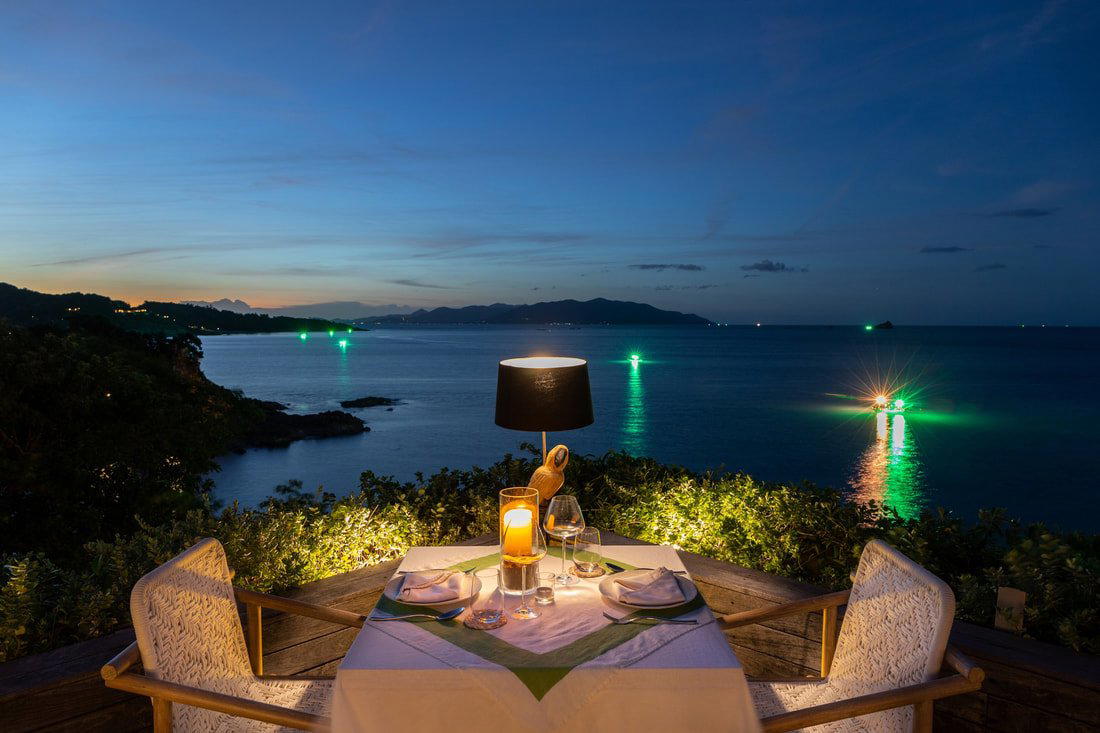
The 64 rooms, suites, and villas are configured for indoor-outdoor living as a structural principle, not an amenity afterthought. Private gardens or terraces with plunge pools come standard across the accommodation range, and a selection of rooms carry direct beach access with dedicated lounge space on the sand itself. Ocean-facing rooms capture the full sweep of Thong Nai Pan Noi, where aquamarine water and rows of timber chaise longues create a scene that functions as both view and foreground. Freestanding villas extend the format further with open-air terrazzo tubs and complimentary minibars, while all categories include home theatre systems, Nespresso machines, and bathrooms built around walk-in showers at a scale that feels generous even by premium island standards.
This architectural approach positions Rasananda within a broader regional pattern. Properties like Amanpuri in Phuket and Six Senses Yao Noi in Phang Nga have built their identities on similar logic: local-materials design, low-density footprints, and site-specific architecture that earns its place rather than imposing on it. Pimalai Resort and Spa in Koh Lanta operates on comparable principles in the Andaman Sea. Rasananda holds one Michelin Key, a signal that positions it clearly in this upper-tier, design-conscious cohort of Thai island properties rather than the volume-resort tier.
The Central Pool as Social Architecture
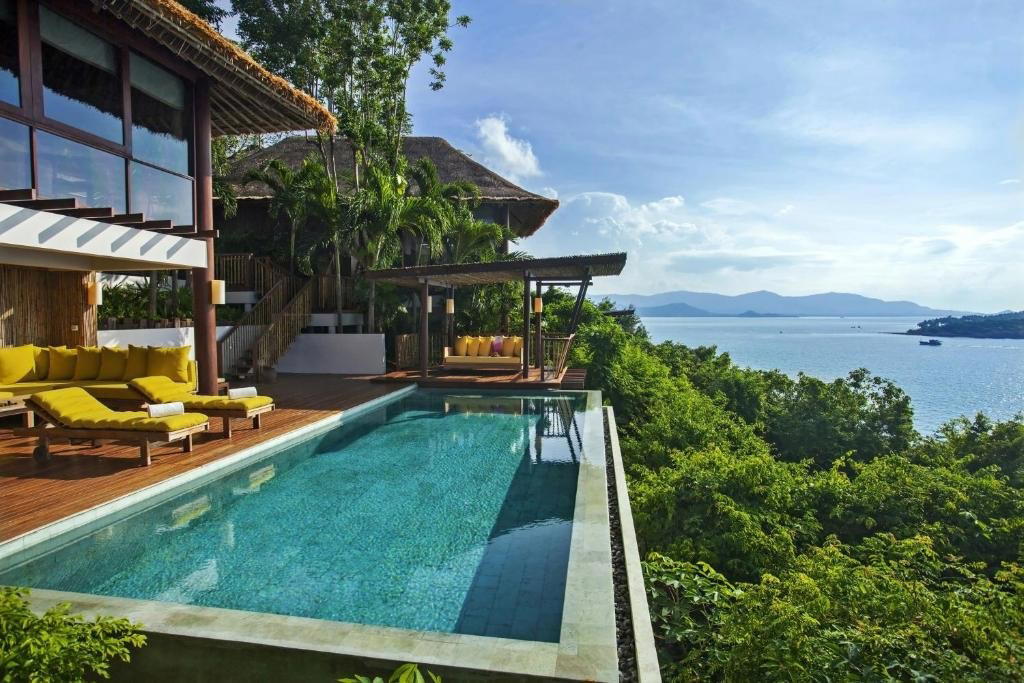
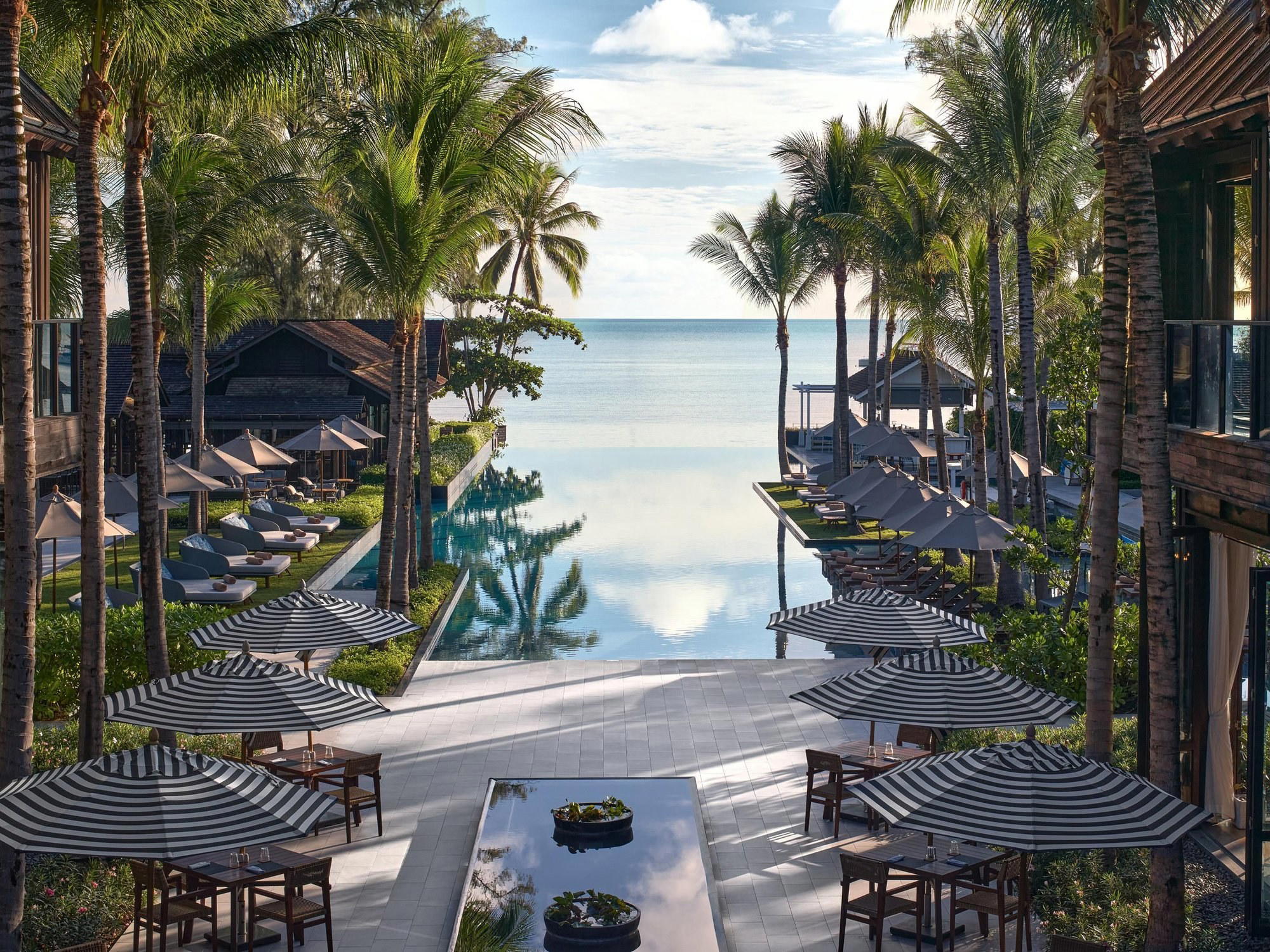
The infinity pool at the centre of the property functions as more than a swimming facility. It is the spatial hinge between the beach and the resort's interior, the place where the sight-line to open water is engineered at its most direct. A swim-up bar anchors the pool's social dimension, making it a gathering point through the afternoon hours when beach temperatures peak. This configuration, common across Gulf of Thailand properties, is executed here with the view geometry as the primary consideration: the pool edge drops visually into the sea beyond, creating a direct visual line to the sea.
That careful management of views carries through to the Anantara Spa, where Thai massage and Ayurvedic treatments are administered in outdoor treatment areas rather than enclosed rooms, a format that keeps guests connected to the surrounding garden environment during treatment. Beachfront yoga sessions and evening film screenings round out the on-property programming. For those who move beyond the resort, staff arrange boating and snorkelling excursions into the surrounding nature reserve, a marine environment whose protected status makes it among the more intact coral ecosystems in the Gulf of Thailand.
Dining: Thai and Japanese at the Same Address
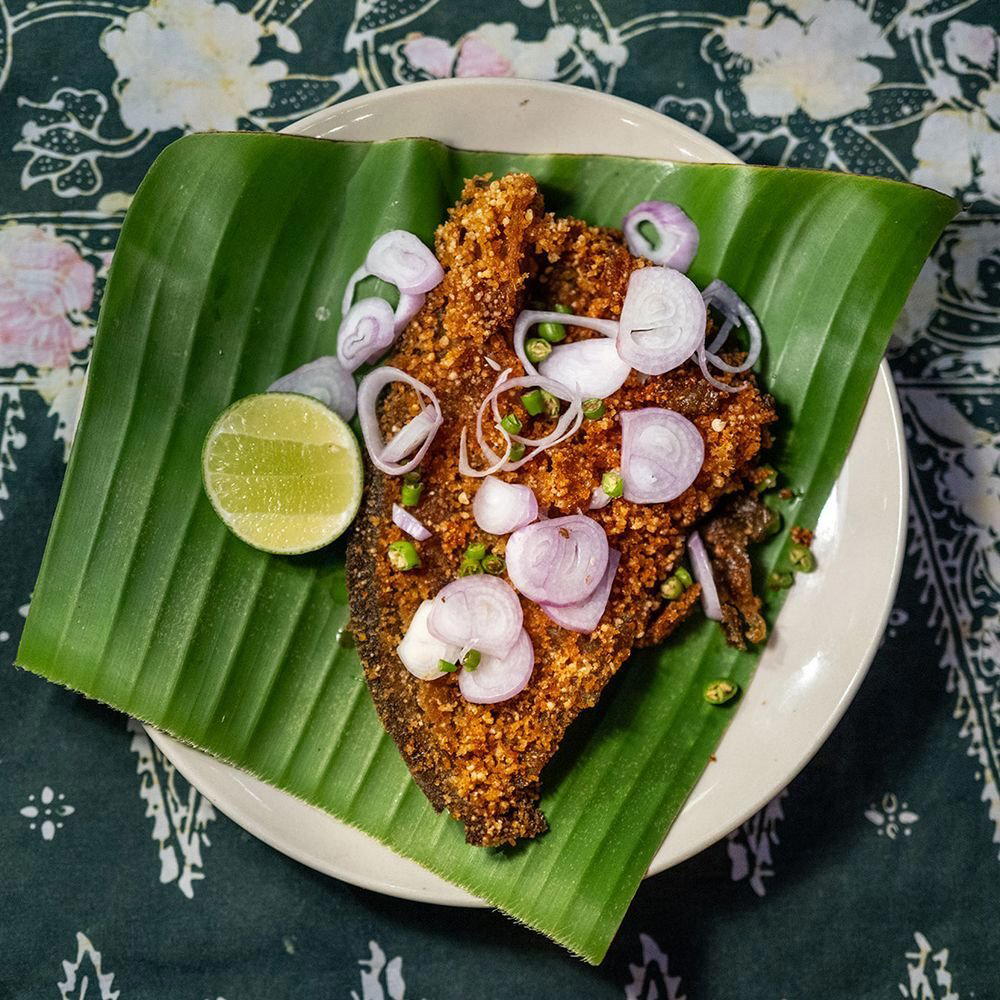
The dining program at Rasananda reflects a pattern common to premium Thai island properties: an all-day bistro anchored around local cuisine, supplemented by a specialist restaurant offering a distinct culinary register. The bistro oversees the pool area and carries Thai dishes as its primary frame, consistent with Anantara's broader brand emphasis on regional food traditions. The counterpoint is Yukinoya, a Japanese teppanyaki restaurant that the property identifies as the only dedicated teppanyaki venue on Koh Phangan island. Teppanyaki as a format, with its visible cooking and tableside drama, represents a different kind of dining than an open-air Thai kitchen, and the pairing gives the property range for guests across a multi-night stay. Comparable properties in the Anantara network, including Anantara Layan Phuket Resort and Anantara Hua Hin Resort and Spa, follow a similar dual-restaurant logic, though the specific programming varies by location.
Where It Sits in the Koh Phangan Market
Koh Phangan's accommodation market has historically skewed budget and mid-range, shaped by the backpacker economy that the full moon parties generate. Luxury inventory on the island is thin by comparison with Koh Samui or Phuket, which makes Rasananda's positioning somewhat different from its Anantara network siblings. Buri Rasa Village Phangan offers an alternative for those seeking a smaller boutique footprint on the same island. At $262 per night, Rasananda prices at a point that reflects its position as the island's leading luxury villa product rather than its entry-level luxury option. Properties operating at a comparable register elsewhere in the Gulf of Thailand, including Samujana Villas in Koh Samui and Soneva Kiri in Trat, typically carry higher price points, which frames Rasananda as an accessible entry to island villa luxury by Gulf of Thailand standards.
Access to Thong Nai Pan Noi itself is part of the calculation. The beach's relative isolation, which has historically been its selling point, is preserved partly by the difficulty of reaching it. The private speedboat transfer from Koh Samui is one direct route, and for guests arriving from Bangkok or international connections, Koh Samui's airport remains the primary gateway. For those considering the broader Thai luxury circuit, Mandarin Oriental Bangkok and Four Seasons Resort Chiang Mai pair naturally with a Koh Phangan stay as part of a multi-destination Thailand itinerary. Beach-focused alternatives on the Andaman coast include Phulay Bay, A Ritz-Carlton Reserve in Krabi and Anantara Golden Triangle Elephant Camp and Resort in Chiang Rai for those extending into northern Thailand.
Planning Your Stay
Quick Comparison
Comparable venues nearby, for context on price, style, and recognition.
| Venue | Cuisine | Price | Awards | Notes |
|---|---|---|---|---|
| Anantara Rasananda Koh Phangan VillasThis venue — the venue you are viewing | Tropical Thai villas blending luxury with nature's embrace | $$$$ | Michelin 1 Key | Not listed |
| Buri Rasa Village Phangan | Beachfront village-style resort with modern Thai bungalows | $$$ | 4-Star | Thong Nai Pan Noi |
| The Ritz-Carlton, Koh Samui | luxury beachfront resort with spacious suites and pool villas | $$$$ | Michelin 1 Key | Koh Samui |
| Kimpton Kitalay Samui | Contemporary luxury beachfront resort inspired by local fisherman village charm with modern design elements and natural materials. | $$$$ | Michelin 1 Key | Choeng Mon, Bophut |
| Kerem Luxury Beachfront Villas | Ultra-sleek modernist resort architecture by Gary Fell with Italian Meridiani furnishings, warm and livable luxury villas. | $$$$ | Michelin 1 Key | Bophut |
| Aleenta Resort & Spa, Hua-Hin | Barefoot luxury boutique resort blending contemporary comfort with Thai minimalism, featuring individually designed suites and villas with private pools and direct beach access. | $$$$ | Michelin 1 Key | Pranburi |
Recognition history
Dated appearances from independent guides and award organizations, with the underlying list record or original source where available.
La Liste Top Hotels
La Liste
Mr & Mrs Smith Smith Seal of Approval
Mr & Mrs Smith
Virtuoso Luxury Hotel Partner
Virtuoso
Michelin 1 Key
Michelin
Continue exploring
More in Koh Phangan
Hotels in Koh Phangan
Browse all →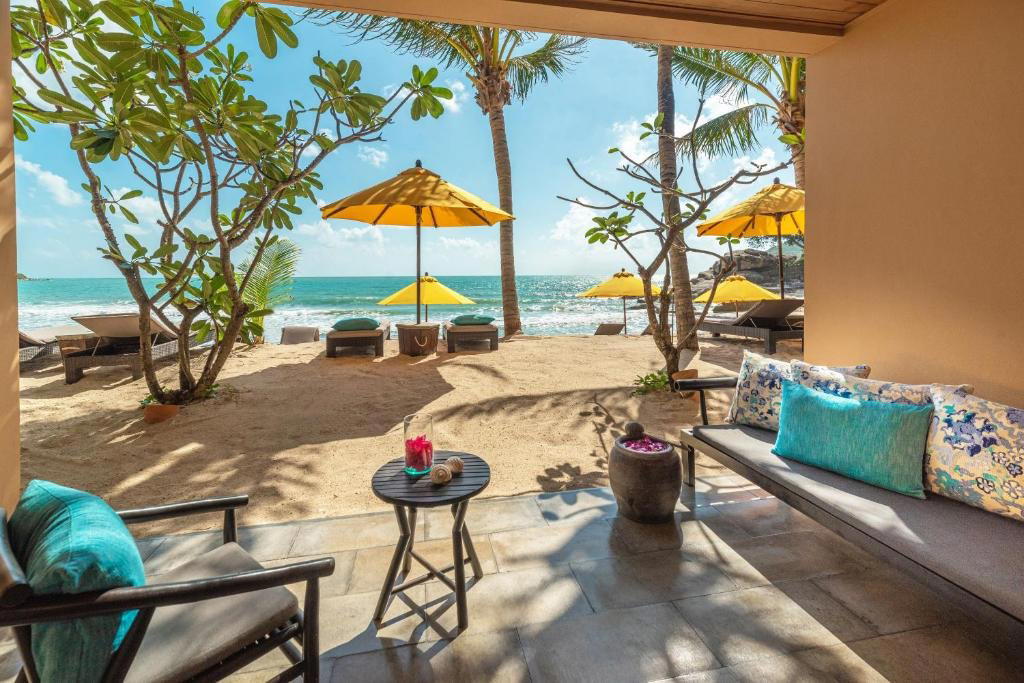
Bars in Koh Phangan
Browse all →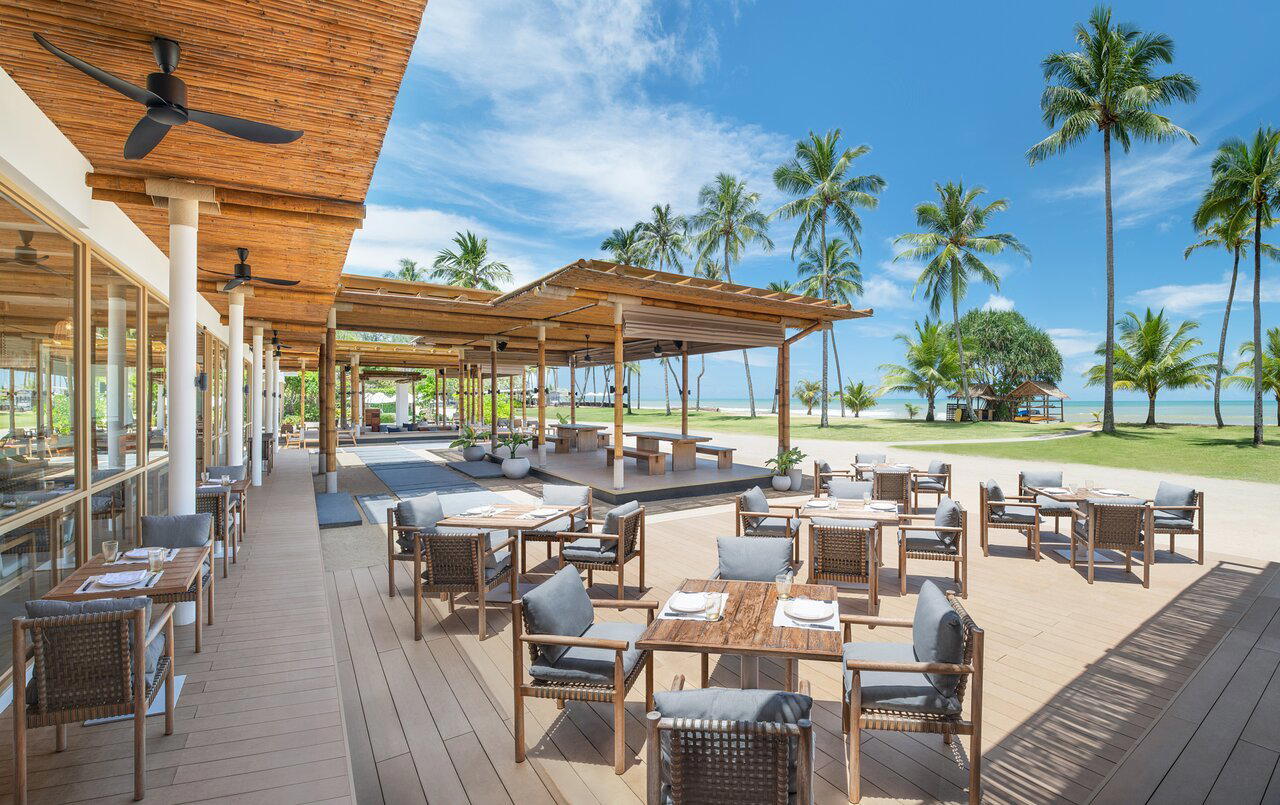
At a Glance
- Romantic
- Quiet
- Elegant
- Scenic
- Intimate
- Sophisticated
- Ornate
- Honeymoon
- Romantic Getaway
- Wellness Retreat
- Anniversary
- Weekend Escape
- Beachfront
- Private Villa
- Infinity Pool
- Wi Fi
- Pool
- Spa
- Fitness Center
- Room Service
- Concierge
- Beach Access
- Waterfront
- Garden
- Wi Fi
- Pool
- Spa
- Fitness Center
- Room Service
- Concierge
- Beach Access
Serene and luxurious with natural harmony of wood, stone, and rich silks, offering a tranquil island retreat amid coconut palms, lush gardens, and turquoise sea.