
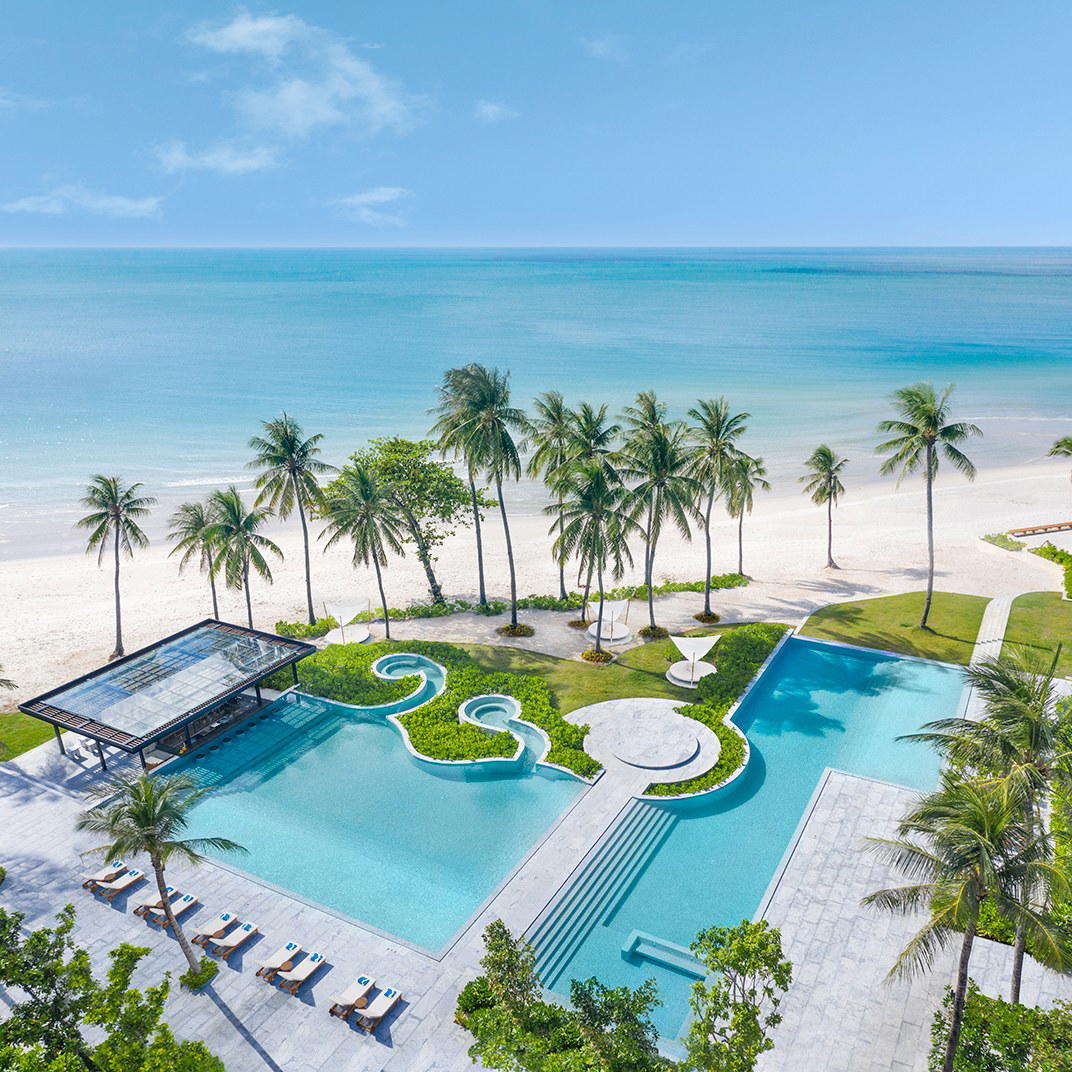
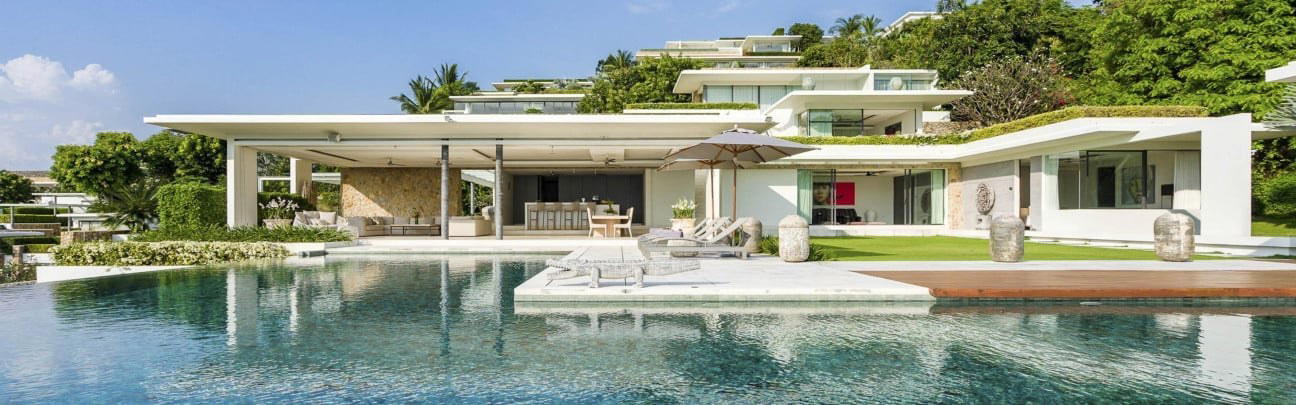
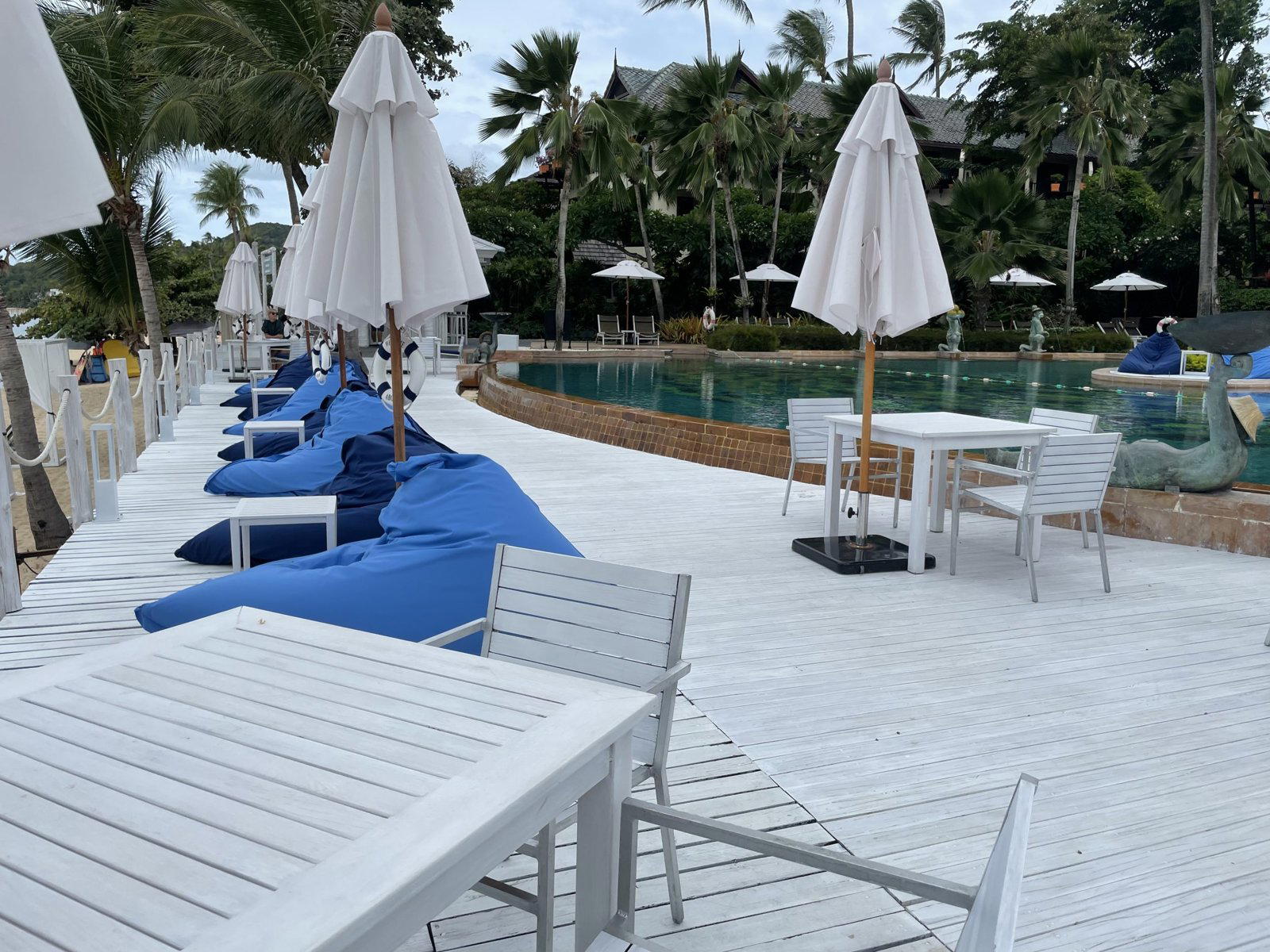
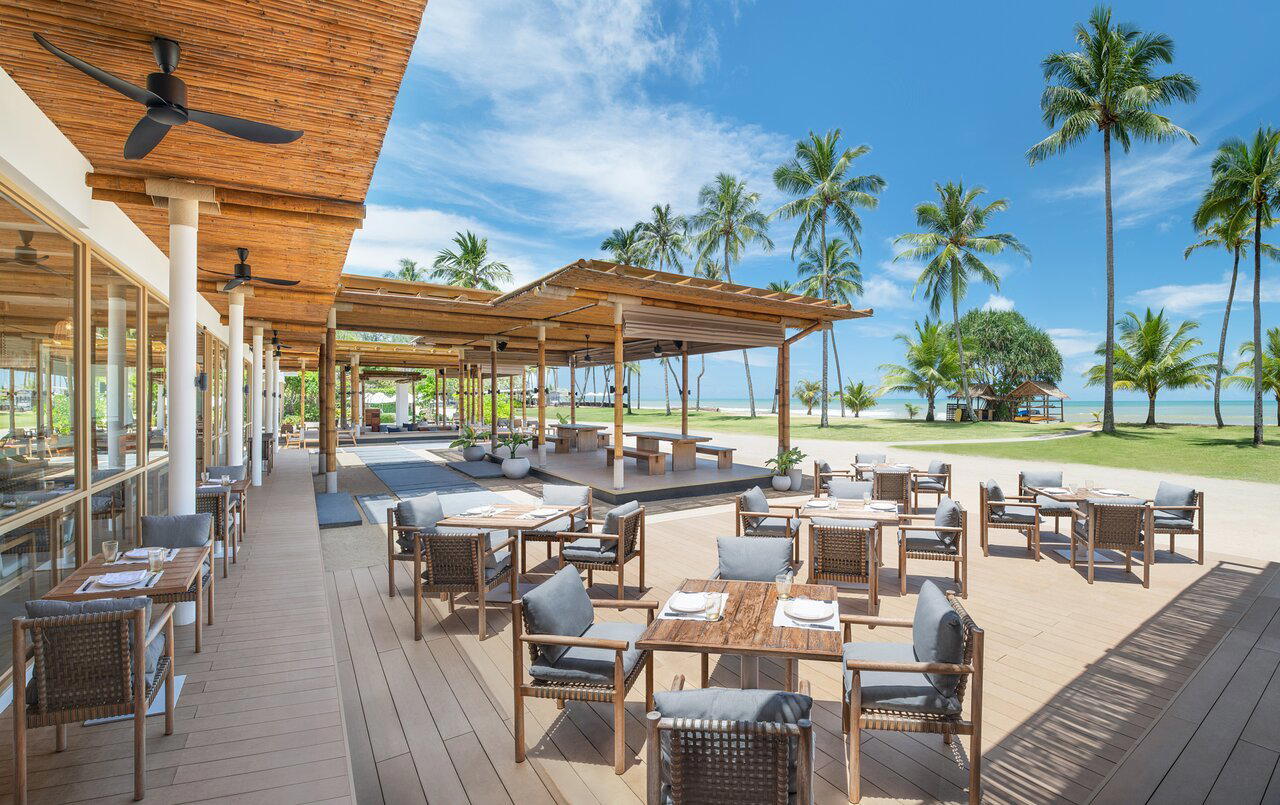
Buri Rasa Village Samui sits on Chaweng Beach Road in Bo Put, holding both a Country Winner award for Luxury Beachfront Resort and a Continent Winner distinction for Luxury Beach Retreat. The property occupies a quieter stretch of Koh Samui's north shore, positioning it between the island's high-energy beach club scene and the more secluded hillside retreats further south.
Pearl is the En Primeur Club membership app — saves, bookings, and concierge access live there. Same editors, same standards.
- Address
- 11 Beach 2 Chaweng Beach Rd, Bo Put, Amphoe Ko Samui, Surat Thani 84320, Thailand
- Phone
- +66 77 956 055
- Website
- burirasa.com
- Directions
- Get directions
 Saves & bookings on Pearl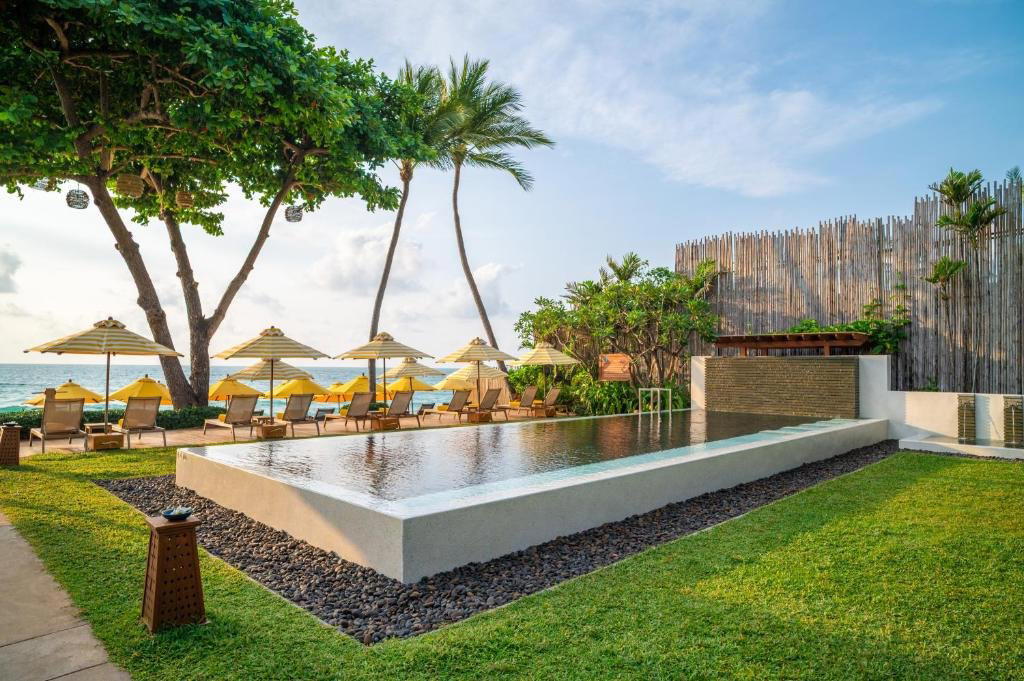
Where Chaweng's Energy Meets Bo Put's Quieter Shore
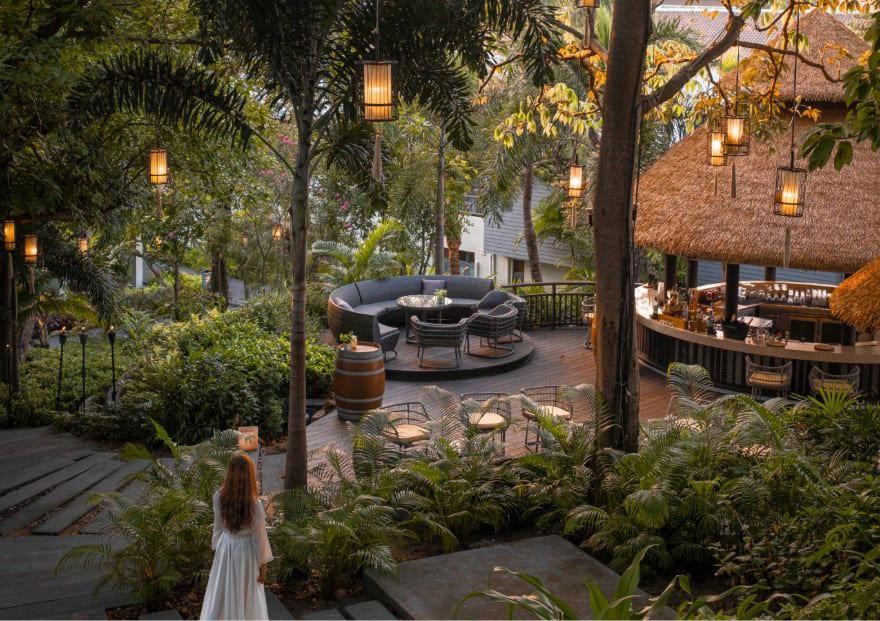
Koh Samui's accommodation market has fractured into distinct tiers over the past two decades. At one end sit the international branded resorts that anchor Chaweng's busiest strips; at the other, boutique hillside properties and private villa compounds that trade beach proximity for seclusion. Between these poles, a smaller category of beachfront properties operates with a village-style layout rather than a monolithic tower footprint, and Buri Rasa Village Samui belongs firmly to that middle category. Located on Chaweng Beach Road in the Bo Put district, it draws guests who want direct sand-and-water access without the sensory overload of Chaweng's commercial core.
The geography of Bo Put matters here. The sub-district sits on Samui's north coast, historically less developed than the east-facing Chaweng strip, and it retains a pace that the island's more visited zones have largely lost. Arriving along the coastal road, the property's name signals its design intent: the village framing describes a layout of low-rise structures set among tropical planting rather than a single resort block. That approach to scale places it in a comparable set closer to Bo Phut Resort and SALA Samui Choengmon Beach than to the larger branded operations further around the coast.
A North Shore Property in Context
Koh Samui's luxury beach retreat category has consolidated around a handful of recognisable formats. Properties like Banyan Tree Samui and Six Senses Hideaway Samui represent the high-design, high-tariff hillside segment, where Gulf of Thailand views substitute for direct beach access. Samujana Villas operates at the far end of the private villa spectrum. Buri Rasa Village Samui's dual award recognition positions it in a different competitive space: the beachfront resort category, where the defining credential is proximity to the water rather than elevation above it.
The property holds a Country Winner designation for Luxury Beachfront Resort and a Continent Winner designation for Luxury Beach Retreat, the latter placing it in a regional comparable set that extends beyond Thailand to cover Southeast Asia's broader beachfront luxury market. That continental recognition matters in a region where competition includes properties in Bali, the Maldives, and coastal Vietnam. Within Koh Samui specifically, the award signals a positioning above the mid-market beach hotels that dominate the island's room count, without requiring the ultra-premium tariffs of particularly recognised international brands.
For context on how the island's north shore properties compare more broadly, our full Koh Samui restaurants and hotels guide maps the scene across districts. Properties like Anantara Bophut Koh Samui Resort and Belmond Napasai operate in adjacent territory, making the north coast a coherent sub-zone for guests who prioritise a calmer environment over Chaweng's nightlife density.
The Village Format and What It Implies
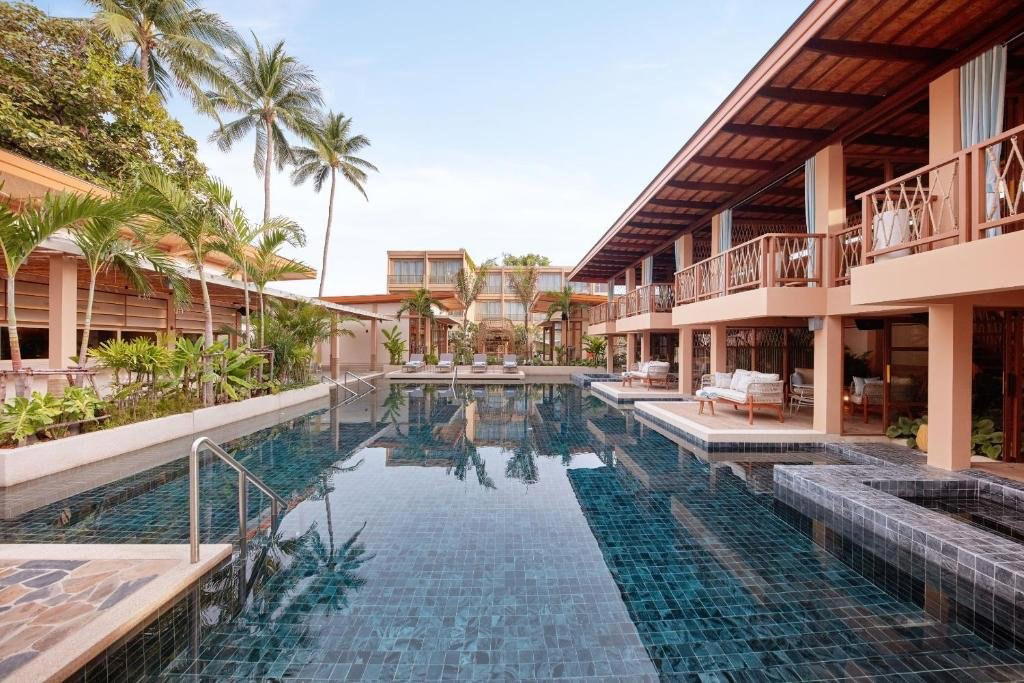
Across Southeast Asia, beachfront luxury has largely bifurcated between large-footprint resorts that operate as self-contained ecosystems and smaller properties where the design language, landscape, and service model carry more weight than amenity count. The village format that Buri Rasa adopts sits in the latter camp. Low-rise architecture distributed across a landscaped site typically produces a different guest experience than tower-based properties: sightlines are shorter, movement between accommodation and beach is more immediate, and the ambient noise profile stays lower. That format has proven durable in the Thai resort market, where properties like Anantara Lawana Resort and Spa have adopted similar spatial principles on Samui's west coast.
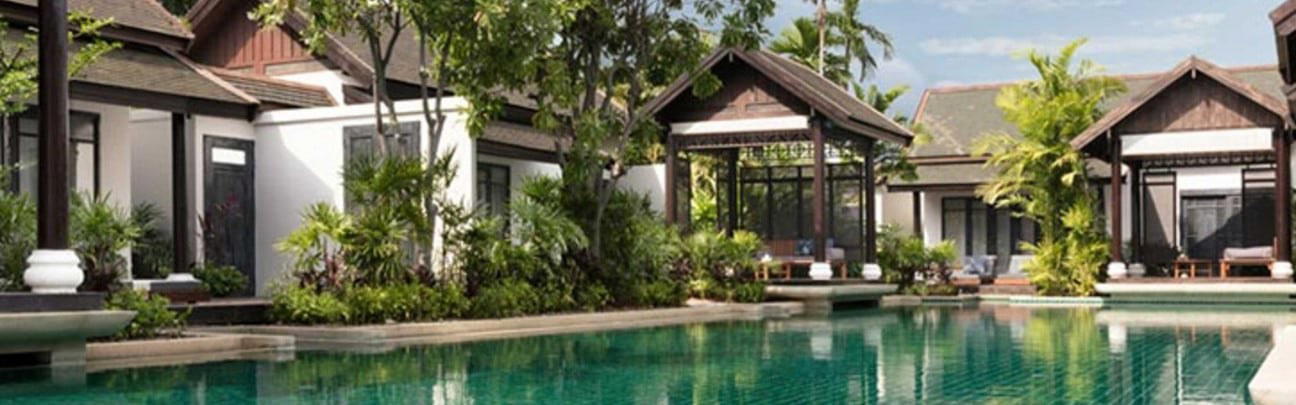
Thailand's premium island resort circuit has a longer history of this design approach than most of the region. The country's southern islands began attracting international attention in the 1980s and 1990s, and the properties that defined early luxury expectations in Koh Samui often drew on vernacular Thai architectural references: pitched sala rooftops, open-sided pavilions, and gardens designed around coconut palms and flowering tropical species. That heritage shapes the visual register that guests arriving at village-format properties encounter, even in properties that have updated their facilities substantially over time. Compare this to the trajectory of properties in Phuket, where Amanpuri established a particularly influential template for luxury minimalism that spread to resorts across the Andaman coast.
Planning a Stay: Timing and Logistics
Koh Samui's climate follows a Gulf of Thailand pattern that differs from Thailand's Andaman coast resorts. The island's peak season runs from approximately December through April, when the northeast monsoon has passed and humidity drops. The shoulder months of July and August bring a secondary wave of European visitors taking advantage of summer holidays. The period from October through early December carries the highest rainfall risk, with November historically the wettest month on the north and east coasts. Guests targeting Buri Rasa Village Samui's beachfront position should weight this timing consideration carefully: beach usability narrows during the wet season.
Bo Put's proximity to Samui International Airport is a practical advantage: the airport sits on the island's north coast and is roughly equidistant between Bo Put and Chaweng, keeping transfer times short regardless of which direction road traffic moves. Guests arriving from Bangkok connect most efficiently via Bangkok Airways. Those building a longer Thailand itinerary might combine a Samui stay with properties elsewhere in the country; Mandarin Oriental Bangkok covers the capital end of that itinerary, while Four Seasons Resort Chiang Mai handles the northern cultural circuit. For those extending into the southern islands, Phulay Bay, A Ritz-Carlton Reserve in Krabi, Pimalai Resort and Spa in Koh Lanta, and Six Senses Yao Noi in Phang Nga represent the Andaman alternative to Samui's position.
Comparable Options
Comparable venues nearby, for context on price, style, and recognition.
| Venue | Cuisine | Price | Notes |
|---|---|---|---|
| Buri Rasa Village SamuiThis venue — the venue you are viewing | Traditional southern Thai dwellings in a tropical garden setting | $$$ | Not listed |
| Vana Belle, a Luxury Collection Resort, Koh Samui | Contemporary Thai luxury resort with private pool accommodations | $$$$ | Chaweng Noi |
| Santiburi Koh Samui | Luxurious Thai-style villas and suites set in expansive tropical gardens on a secluded beach. | $$$$ | Mae Nam |
| The Library | Minimalist beachfront resort with conceptual design inspired by literature and zen. | $$$$ | Chaweng Beach |
| Marasca Samui | Mindfully sustainable casual luxury beachfront resort with homely interiors and green-certified design philosophy. | $$$ | Chaweng |
| SALA Samui Chaweng Beach Resort | Modern design-led beachfront resort with two wings inspired by lunar phases. | $$$$ | Chaweng Beach |
Recognition history
Dated appearances from independent guides and award organizations, with the underlying list record or original source where available.
World Luxury Hotel Awards WLHA Continent Winner
World Luxury Hotel Awards
World Luxury Hotel Awards WLHA Country Winner
World Luxury Hotel Awards
At a Glance
- Romantic
- Quiet
- Elegant
- Intimate
- Scenic
- Honeymoon
- Romantic Getaway
- Wellness Retreat
- Anniversary
- Weekend Escape
- Beachfront
- Panoramic View
- Wi Fi
- Pool
- Spa
- Fitness Center
- Room Service
- Concierge
- Restaurant
- Beach Access
- Garden
- Wi Fi
- Pool
- Spa
- Fitness Center
- Room Service
- Concierge
- Restaurant
- Beach Access
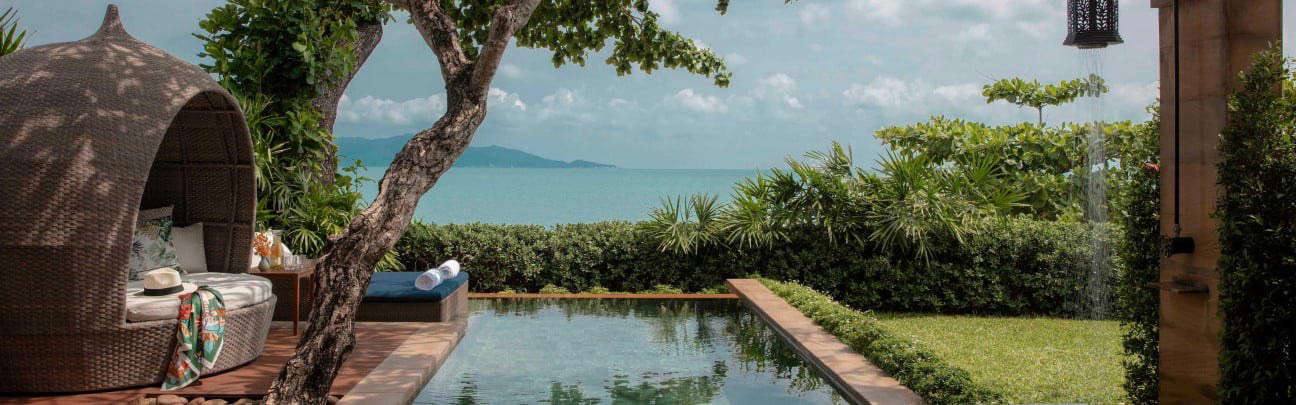
Relaxed and peaceful oasis with ocean views, lush tropical gardens, and barefoot luxury atmosphere.