
A Michelin Bib Gourmand recipient for two consecutive years, Kapi Sator brings Southern Thai cooking to Bo Phut with ingredients sourced directly from local markets and southern provinces. The stir-fried squid in sweet sauce and fried shrimp with sator and shrimp paste are reference points for the regional style. Tables fill quickly, so larger groups should reserve ahead.
Pearl is the En Primeur Club membership app — saves, bookings, and concierge access live there. Same editors, same standards.
- Address
- 25 236 ถ. ทวีราษฎร์ภักดี Tambon Bo Put, Ko Samui District, Surat Thani 84320, Thailand
- Phone
- +66 98 799 8007
- Website
- kapisator.com
- Directions
- Get directions
 Saves & bookings on Pearl
Southern Thai Cooking in Bo Phut: What Kapi Sator Tells You About the Region
Bo Phut's market strip is not the Ko Samui that most visitors photograph. The road running through this north-shore neighbourhood is lined with the kind of shophouses that still function as working restaurants rather than tourist set-pieces, and the air on a busy evening carries fermented shrimp paste and charcoal smoke in roughly equal measure. Kapi Sator sits along this stretch at 25/236 Thaweerat Phakdi Road, and walking toward it you are already reading the menu: the name itself references two of Southern Thai cooking's most assertive ingredients, kapi (shrimp paste) and sator (stink beans), which together signal where the kitchen's allegiances lie.
Southern Thai cuisine is one of the more demanding regional traditions in a country not short of regional complexity. It runs hotter, sourer, and more pungent than the central Thai cooking that most international visitors encounter first. The fermented and dried seafood products that anchor southern pantries, kapi chief among them, give dishes a depth that is built over time rather than assembled quickly. Kapi Sator sources ingredients from Bo Phut's local markets and from suppliers in the southern provinces, which matters here because the quality of kapi, dried shrimp, and fresh sator beans varies considerably depending on origin and handling.
The Bib Gourmand Context: What the Award Actually Measures
Michelin's Bib Gourmand category, awarded to the restaurant in both 2024 and 2025, measures something specific: high-quality cooking at a price point that sits below the Guide's full-star tier. In practical terms, that means the inspectors found cooking worth a deliberate detour at a price level that, in this case, corresponds to the ฿฿ bracket, roughly the same tier as Khao Horm and Baan Suan Lung Khai on the island. The Bib Gourmand is not a consolation prize below the stars; it is a recognition that accessibility and quality are not in conflict, which is exactly the claim Southern Thai street-adjacent cooking has always made for itself.
Two consecutive years of the award is also a consistency signal. A single-year Bib Gourmand can reflect a kitchen catching the inspector on a strong evening. Two years running suggests the kitchen is operating to a reliable standard, not spiking. For a restaurant in this price bracket, that kind of documented consistency is the relevant credential, and it places the restaurant in the same conversation as Michelin-recognised Southern Thai operations elsewhere in the country, including Chom Chan in Phuket and Beer Hima in Bangkok's Chatuchak. For the starred end of Southern Thai recognition, Sorn in Bangkok represents what the cuisine looks like when it moves into fine-dining territory, a useful point of comparison for understanding the range the tradition spans.
The Dishes: Reading the Regional Style Through Specific Plates
Two dishes function as entry points to the kitchen's approach. The stir-fried squid in sweet sauce represents the restaurant's reading of a widely cooked local style: squid is common across Ko Samui's seafood restaurants, but the sweet sauce preparation here is understood as a point of local specificity rather than a crowd-pleasing concession. It is the kind of dish that rewards comparison with other Bo Phut kitchens to understand where the regional consensus sits and where individual kitchens diverge.
The fried shrimp with sator and shrimp paste is the more explicitly Southern dish of the two. Sator beans carry a strong, slightly bitter flavour that does not soften much with cooking; paired with shrimp paste in a stir-fry, the result is assertive in a way that is characteristic of the peninsula's cooking rather than the central plains. This is the kind of preparation you are less likely to encounter at the island's resort restaurants or at broader Thai menus like Koh Thai Kitchen, which operate across a wider register.
Where Kapi Sator Sits in Ko Samui's Dining Range
Ko Samui's restaurant range runs from resort fine dining and European imports like FishHouse at the ฿฿฿ level down to market stalls. The restaurant occupies the ฿฿ middle tier alongside Bang Por Seafood Takho and represents a specific value in that tier: Michelin-recognised cooking at a price point that does not require a resort booking or a lengthy tasting format. The restaurant is not trying to be Long Dtai or to push Southern Thai into a modern fine-dining frame; it operates squarely within the everyday-restaurant tradition that the Bib Gourmand was designed to identify and reward.
Planning a Visit: Logistics That Matter
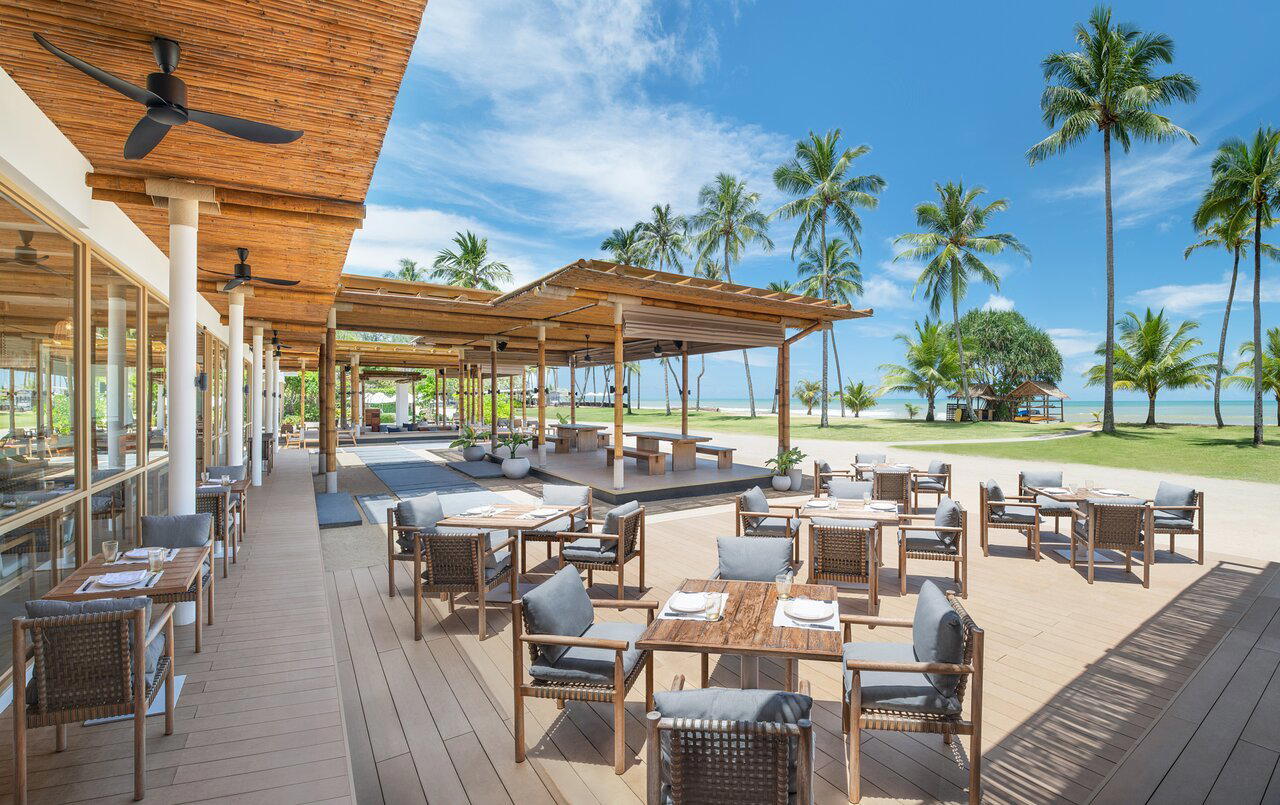
The practical details at the restaurant are direct: this is a restaurant that fills. Seating is available both inside and outside, which gives the space more flexibility than a single-room layout, but larger parties should reserve in advance. Individual diners and pairs have more flexibility, but arriving without a booking on a weekend evening carries real risk given the 4.7 rating across nearly 1,900 reviews and two years of Michelin attention directing traffic toward Bo Phut. The ฿฿ price positioning means turnover is faster than at a tasting-menu restaurant, which helps, but demand at this price-to-quality ratio tends to stay consistently high.
Bo Phut itself is worth building time around. The Night Market operates nearby and the waterfront area offers a different pace from the Chaweng strip. For visitors structuring a broader Ko Samui itinerary, Ko Samui's waterfront and night market are also worth time.
Awards and Standing
Comparable venues nearby, for context on price, style, and recognition.
| Venue | Cuisine | Price | Awards | Notes |
|---|---|---|---|---|
| Kapi SatorThis venue — the venue you are viewing | Southern Thai | $$ | Bib Gourmand | Not listed |
| Koh Thai Kitchen | Modern Southern Thai | $$$ | Michelin Plate | Ang Thong |
| Jun Hom | Southern Thai Seafood | $$ | Bib Gourmand | Mae Nam |
| Krua Chao Baan | Southern Thai Beachside | $$ | Bib Gourmand | Maret |
| Long Dtai | Authentic Southern Thai Seafood | $$$$ | Michelin Plate | Bo Phut |
| Baan Suan Lung Khai | Southern Thai Seafood | $$ | Bib Gourmand | Taling Ngam |
Recognition history
Dated appearances from independent guides and award organizations, with the underlying list record or original source where available.
Michelin Plate
Michelin
Michelin Bib Gourmand
Michelin
Michelin Bib Gourmand
Michelin
Continue exploring
More in Koh Samui
Restaurants in Koh Samui
Browse all →
Bars in Koh Samui
Browse all →





At a Glance
- Cozy
- Rustic
- Family
- Group Dining
- Casual Hangout
- Standalone
- Beer Program
- Local Sourcing
- Sustainable Seafood
- Farm To Table
Current opening hours
- Monday
- 10 a.m.–10 p.m.
- Tuesday
- 10 a.m.–10 p.m.
- Wednesday
- 10 a.m.–10 p.m.
- Thursday
- 10 a.m.–10 p.m.
- Friday
- 10 a.m.–10 p.m.
- Saturday
- 10 a.m.–10 p.m.
- Sunday
- 10 a.m.–10 p.m.
Hours can change for holidays and private events. Last verified .
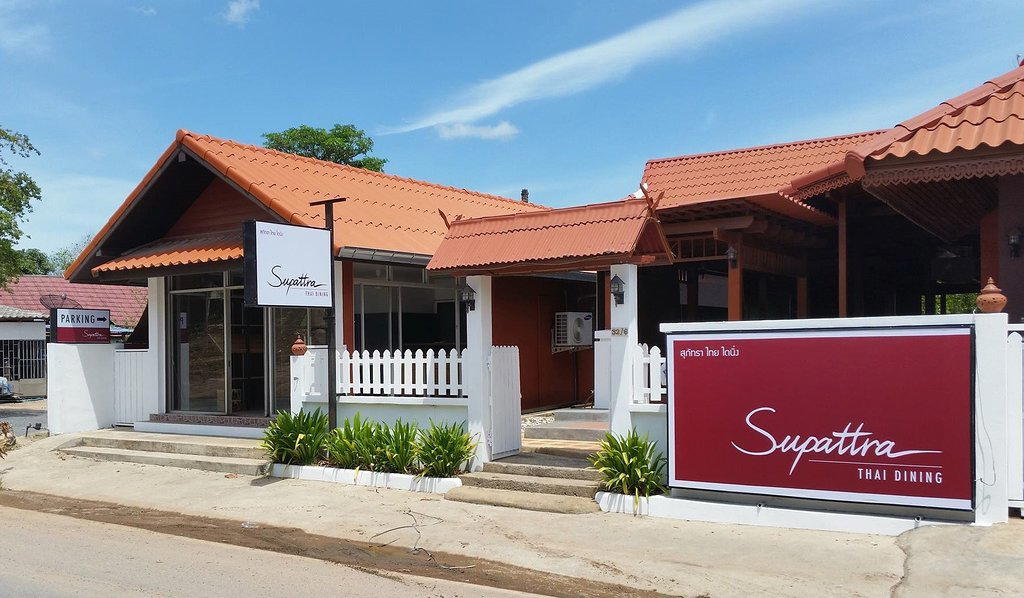
Cozy, inviting atmosphere with warm hospitality; simple, unassuming roadside setting with pleasant indoor and outdoor seating areas.