
1 Michelin Key
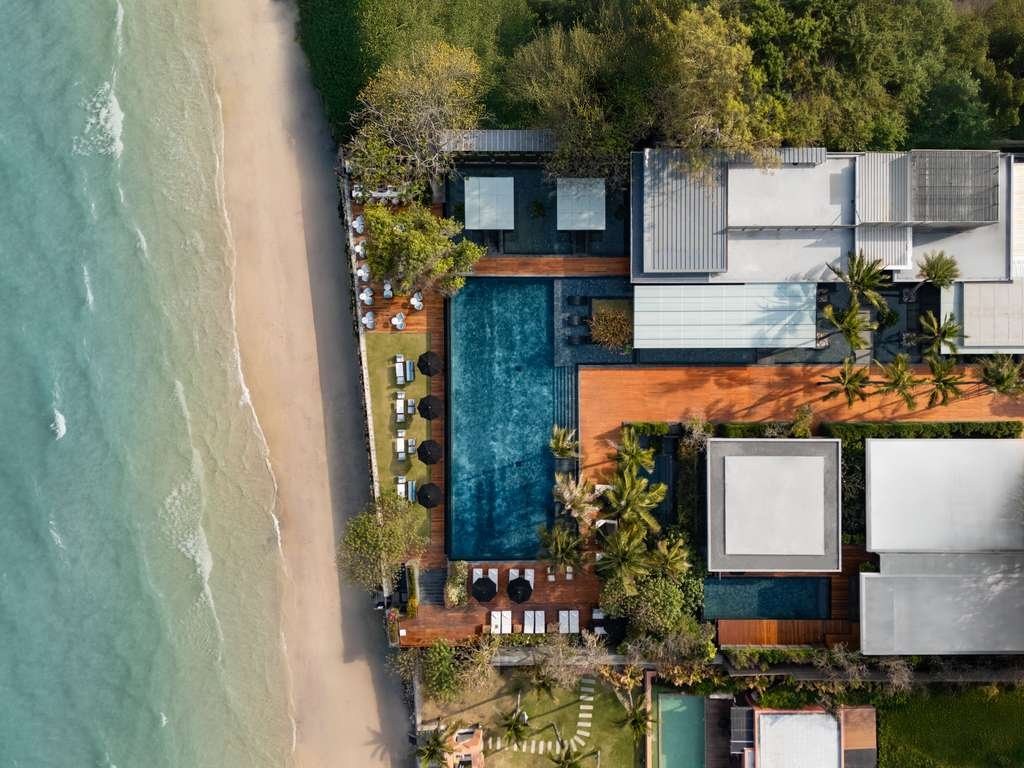
Twenty miles south of Hua Hin on a secluded stretch of Prachuap Khiri Khan coastline, Aleenta began as a private family villa before expanding into 15 rooms and suites priced from $193 per night. The property sits in Thailand's emerging gulf-coast luxury tier, drawing well-heeled Thai travellers and international guests seeking something closer to a private residence than a resort hotel.

Pearl is the En Primeur Club membership app, where members save venues, book tables and use the concierge.
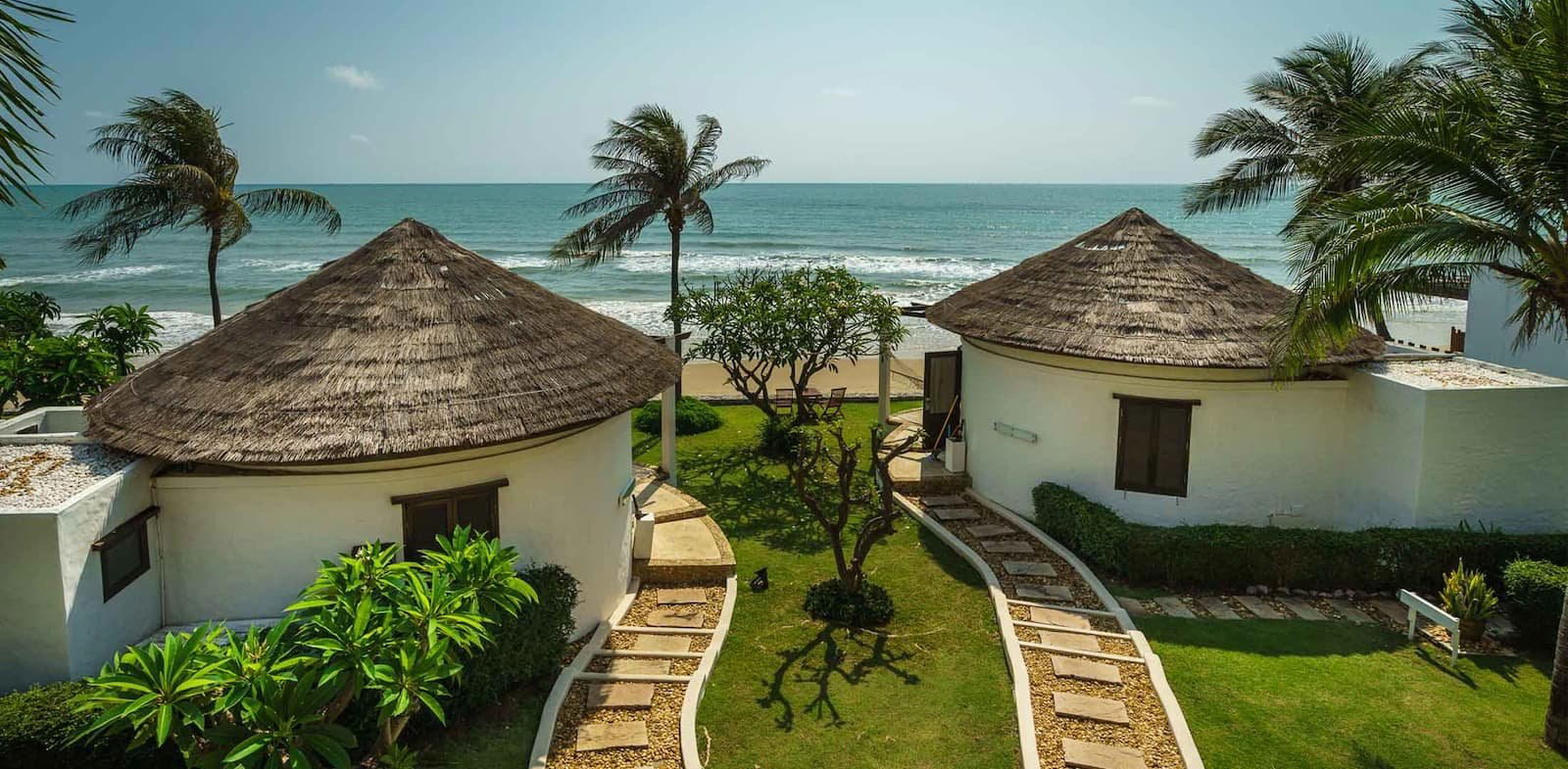
Gulf Coast Luxury on a Different Scale
Thailand's premium accommodation splits broadly into two camps: the large-footprint international resorts with full amenities stacked across hundreds of rooms, and a quieter tier of smaller, design-led properties where intimacy is the operating principle. Aleenta, located on a secluded beach in Pranburi's Tambon Pak Nam Pran district, belongs firmly in the second group. With just 15 rooms and suites, it occupies the same conceptual space as properties like Six Senses Yao Noi in Phang Nga or Pimalai Resort & Spa in Koh Lanta, where low key count and a residential sensibility define the offer rather than brand scale or lobby spectacle.
The property sits approximately 20 miles south of Hua Hin, placing it outside the busiest corridor of gulf-coast tourism while remaining accessible enough to function as a practical destination. For context within Thailand's wider luxury tier, the gulf coast has historically played second to Phuket, Krabi, and the Samui archipelago when it comes to international recognition, yet that relative anonymity is precisely what gives places like Aleenta their character.
Architecture and Spatial Identity
The design logic at Aleenta traces directly to its origin: a family vacation villa converted into a hospitality property rather than a purpose-built resort. That distinction matters architecturally. Where most hotels at this price point signal luxury through volume, scale, and lobby grandeur, Aleenta works through residential proportion and material restraint. Rooms feel like private apartments, breezy and outward-facing, with an emphasis on natural light and spatial comfort over theatrical interior design.
This approach to scale has a precedent in small-footprint Asian luxury. Properties at the intimate end of the Thai market, including Anantara Rasananda Koh Phangan Villas and Irene Pool Villa Resort on Koh Lipe, have used similar residential framing to justify premium positioning without the amenity stacking of larger operations. The calculation is that guests paying at this tier are buying privacy and atmosphere, not square footage of lobby marble. Aleenta's 15-room count keeps the poolside population small enough that the guest mix, reportedly as likely to include well-heeled Thai travellers as foreign visitors, shapes the atmosphere in a way that larger properties cannot control.
The spa is one area where the residential analogy breaks down deliberately. Whatever the architectural restraint elsewhere on the property, the spa operates at a caliber that distinguishes Aleenta from a genuinely private villa rental. This is a consistent pattern in Thailand's design-led small resort category: the spa functions as the amenity anchor that justifies the room rate when the room count alone cannot support a full facilities program.
The Kitchen and Dining Program
Aleenta's kitchen works from a rotating menu that combines health-conscious Thai cooking with Mediterranean reference points. This Thai-Mediterranean crossover is not unusual in the international resort segment, where kitchen programs often need to address both local identity and the dietary patterns of a globally mobile guest base.
For guests staying multiple nights, the rotating format matters more than it might at a city hotel. At 15 rooms, repeat dishes would be noticed quickly. The gulf between what a villa's private kitchen can produce and what a professionally operated resort kitchen delivers is usually measured in consistency and sourcing depth, both of which a property of Aleenta's positioning should be expected to maintain at a level above the package-resort baseline. Nearby, the Anantara Hua Hin Resort & Spa represents the more traditional large-footprint approach to gulf-coast dining, providing a useful point of comparison for those weighing scale against intimacy in their F&B experience.
Guest Profile and Atmosphere
The guest mix at Aleenta reflects something worth noting about the Hua Hin and Pranburi corridor more broadly. This stretch of coastline has long functioned as Bangkok's weekend escape for affluent Thai families, a dynamic that predates the area's international profile. Properties here developed alongside a domestic luxury market that already understood the value of seclusion and quality, rather than growing primarily in response to foreign tourism. The result is a guest atmosphere that skews local and understated in a way that differentiates the gulf coast from the more internationally oriented resort strips of the Andaman.
For the international traveller, this domestic-first culture translates into an environment that feels less performatively resort-like and more genuinely residential.
Positioning Within Thailand's Wider Luxury Tier
Thailand's premium hotel offer now spans an enormous range, from city addresses like the Mandarin Oriental Bangkok and Grand Hyatt Erawan Bangkok to mountain retreats like the Four Seasons Resort Chiang Mai and the Anantara Golden Triangle in Chiang Rai. Within the beach resort segment specifically, the competition between large-footprint Andaman properties and the more compact gulf-coast alternatives is real. Phulay Bay, a Ritz-Carlton Reserve in Krabi, represents the branded luxury end of the Andaman market, while Soneva Kiri in Trat occupies the eco-conscious high-end tier in the gulf. Aleenta sits at a price point, from $193 per night, that positions it as accessible relative to that upper bracket while maintaining the key differentiators of small scale and residential character.
The property has also expanded: a sister hotel in Phuket extends the Aleenta brand into the Andaman market without displacing the Pranburi property's particular identity. This kind of careful, limited expansion is consistent with the small-luxury model, where brand dilution risk rises sharply if the room count or footprint grows beyond the point at which intimacy can be maintained. See Anantara Layan Phuket Resort as one benchmark for what the Phuket end of the market delivers in terms of beach positioning and amenity depth. For broader gulf-coast context alongside other properties in the Prachuap Khiri Khan region, our full Pranburi guide maps the options across price tiers and formats.
Getting There and Planning
Pranburi sits roughly three and a half hours by road from Bangkok on a well-maintained highway, making it practical as a long weekend destination without the airport complexity of island travel. Several daily flights connect Bangkok to Hua Hin airport in approximately 45 minutes, after which Aleenta is around a 30-minute drive south. The road journey from Bangkok offers the option of stopping through the Hua Hin town itself, which functions as the commercial and dining hub for the broader coastline, before arriving at the more secluded Pranburi position. Entry rates from $193 per night make advance booking worthwhile, particularly for the more residential villa configurations, given the limited room count of 15.
In Context: Similar Options
Comparable venues nearby, for context on price, style, and recognition.
| Venue | Cuisine | Price | Awards | Notes |
|---|---|---|---|---|
| Aleenta Resort & Spa, Hua-HinThis venue (the venue you are viewing) | Barefoot luxury boutique resort blending contemporary comfort with Thai minimalism, featuring individually designed suites and villas with private pools and direct beach access. | $300–500 | 1 Michelin Key | Not listed |
| Veranda Resort & Villas Hua Hin Cha Am | Contemporary Asian boutique resort with modern amenities and local craftsman furnishings, positioned as an upscale beachfront retreat. | $100–200 | 1 Michelin Key | Cha-Am District, Phetchaburi Province |
| Anantara Rasananda Koh Phangan Villas | Tropical Thai villas blending luxury with nature's embrace | $200–300 | 1 Michelin Key · La Liste Top Hotels | Thong Nai Pan Noi Beach |
| SO/ Bangkok | Luxury design hotel overlooking Lumpini Park with element-themed interiors. | $100–200 | 1 Michelin Key · La Liste Top Hotels | Suan Lumphini |
| Anantara Siam Bangkok Hotel | Blends traditional Thai and contemporary design with authentic artifacts and teak furnishings | Not listed | 1 Michelin Key · La Liste Top Hotels | Siam Square |
| Anantara Lawana Resort and Spa | Contemporary Sino-Thai villa cluster with indigenous interior design elements and classic touches, positioned as a luxury tropical sanctuary. | $300–500 | 1 Michelin Key · La Liste Top Hotels | Chaweng Beach |
Recognition history
Dated appearances from independent guides and award organizations, with the underlying list record or original source where available.
Michelin 1 Key
Michelin
Full recognition history (2 entries)
Michelin 1 Key
Michelin
Continue exploring
More in Pranburi
Hotels in Pranburi
All hotels in Pranburi →

Bars in Pranburi
Browse all →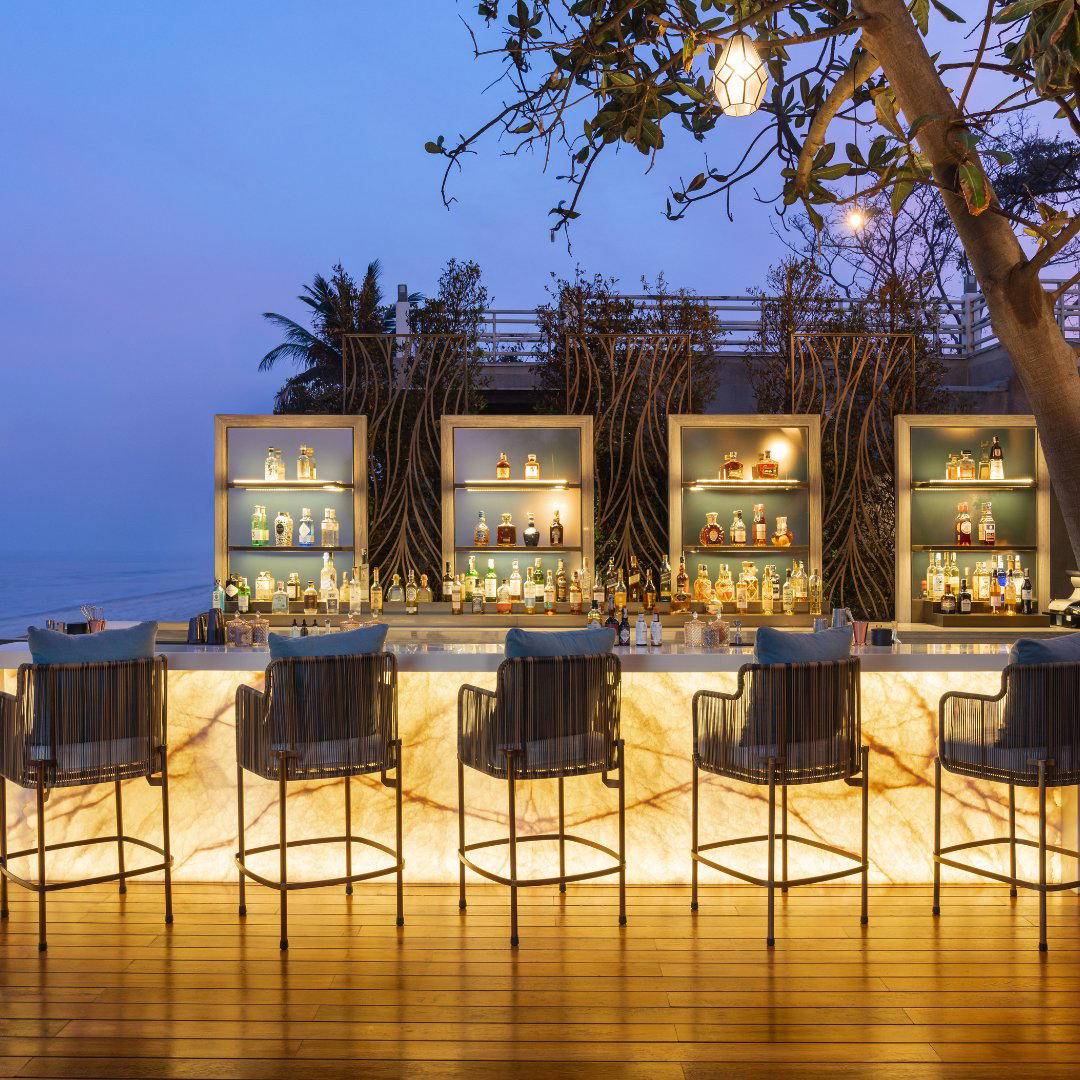
Restaurants in Pranburi
All restaurants in Pranburi →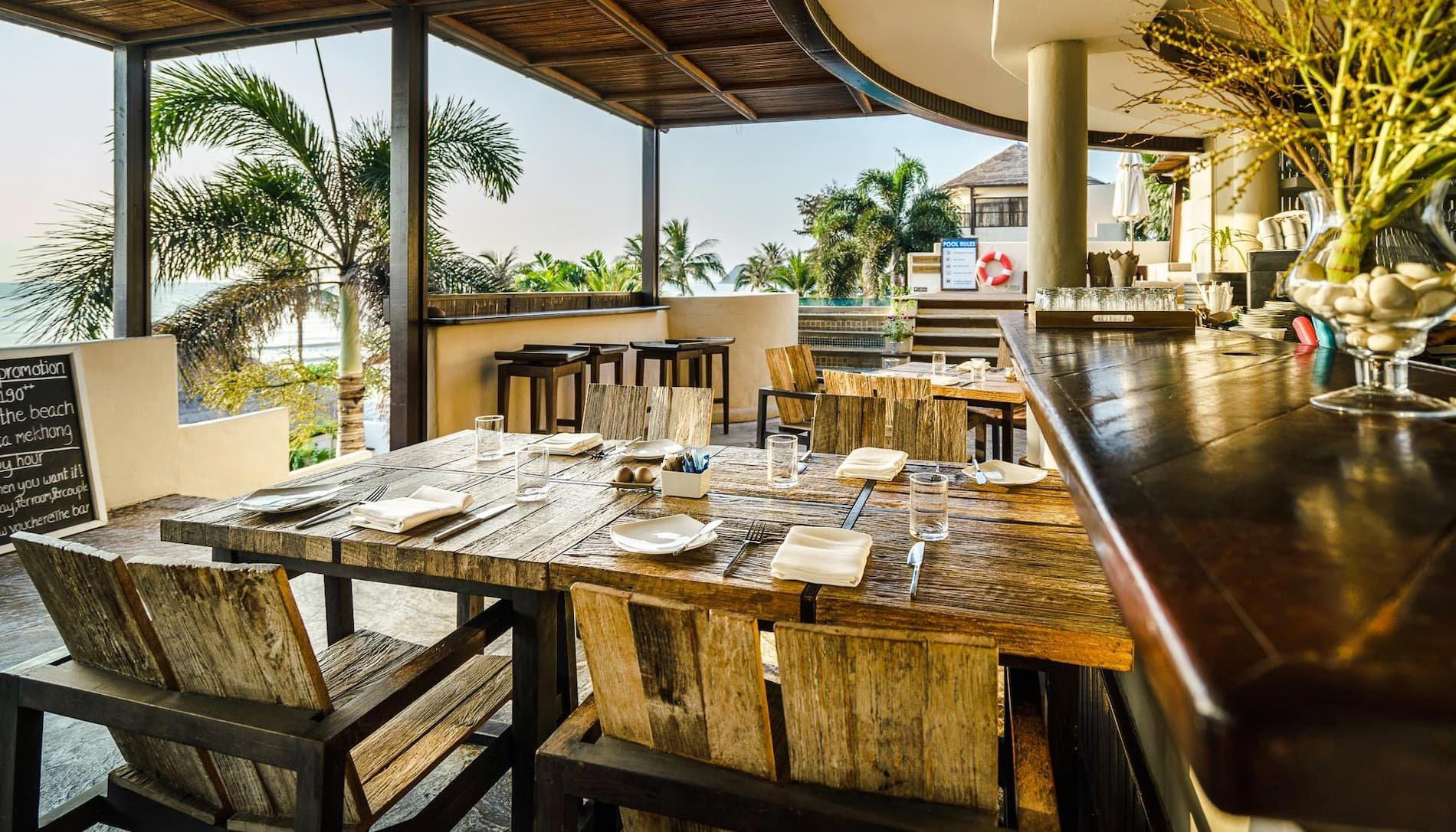
Details
- Romantic
- Quiet
- Elegant
- Scenic
- Intimate
- Honeymoon
- Romantic Getaway
- Wellness Retreat
- Anniversary
- Beachfront
- Private Villa
- Destination Spa
- Panoramic View
- Private Dining
- Garden
- Terrace
- Wi Fi
- Pool
- Spa
- Fitness Center
- Room Service
- Concierge
- Beach Access
- Bicycle Rental
- Restaurant
- Bar
- Massage
- Waterfront
- Garden
- Wheelchair Accessible
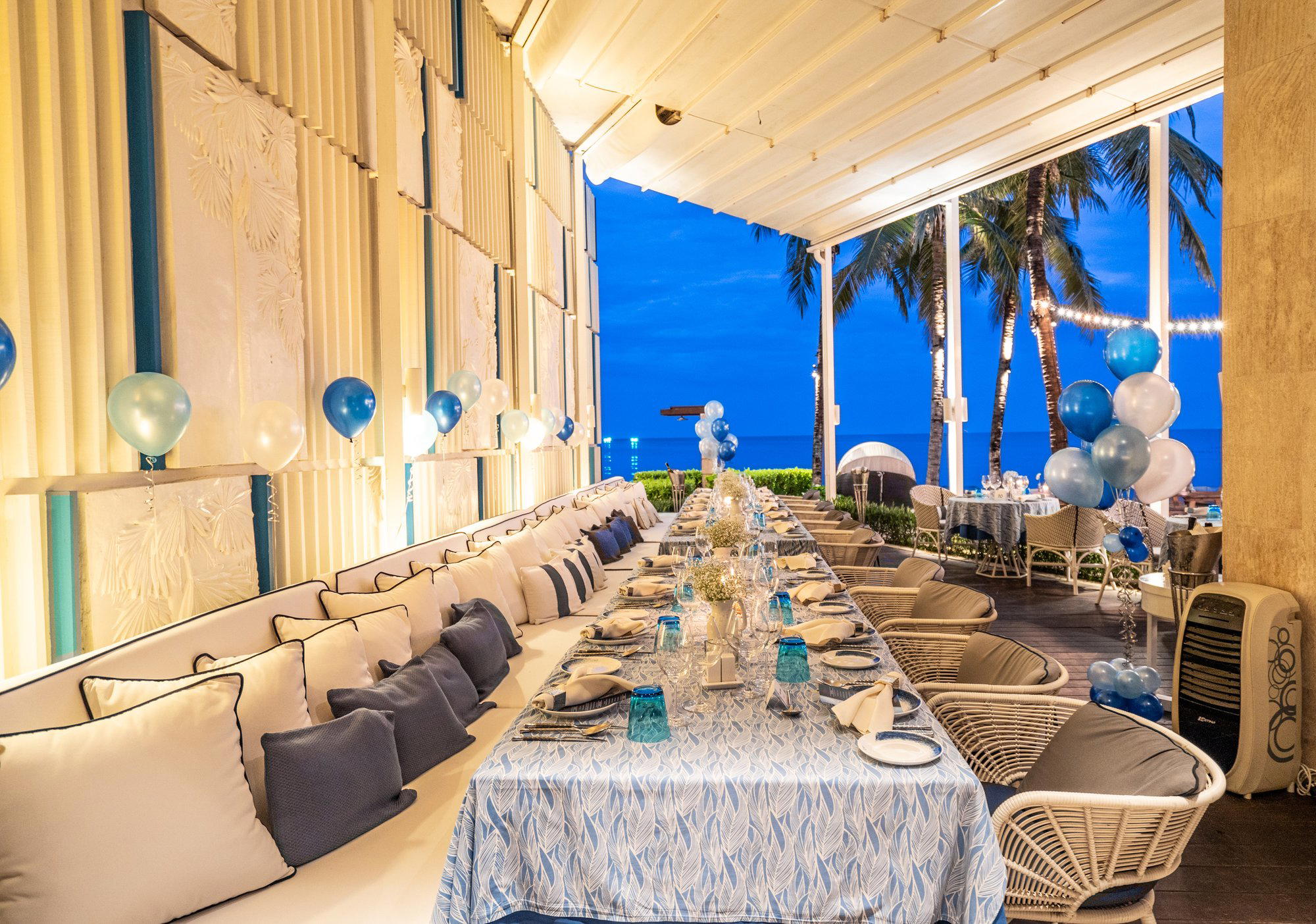
Serene and tranquil with minimalist yet elegant decor, whitewashed walls contrasting with deep wood accents, soft natural lighting, and an intimate barefoot luxury atmosphere that evokes a private beach house rather than a traditional hotel.