
Michelin Selected
Occupying a commanding position on Ratchadamri Road in Pathum Wan, Grand Hyatt Erawan Bangkok sits beside the revered Erawan Shrine, placing it at one of the city's most historically charged intersections. The hotel operates at the upper tier of Bangkok's international luxury market, with scale, location, and ceremonial architecture that position it differently from the capital's newer boutique entrants.

Pearl is the En Primeur Club membership app, where members save venues, book tables and use the concierge.
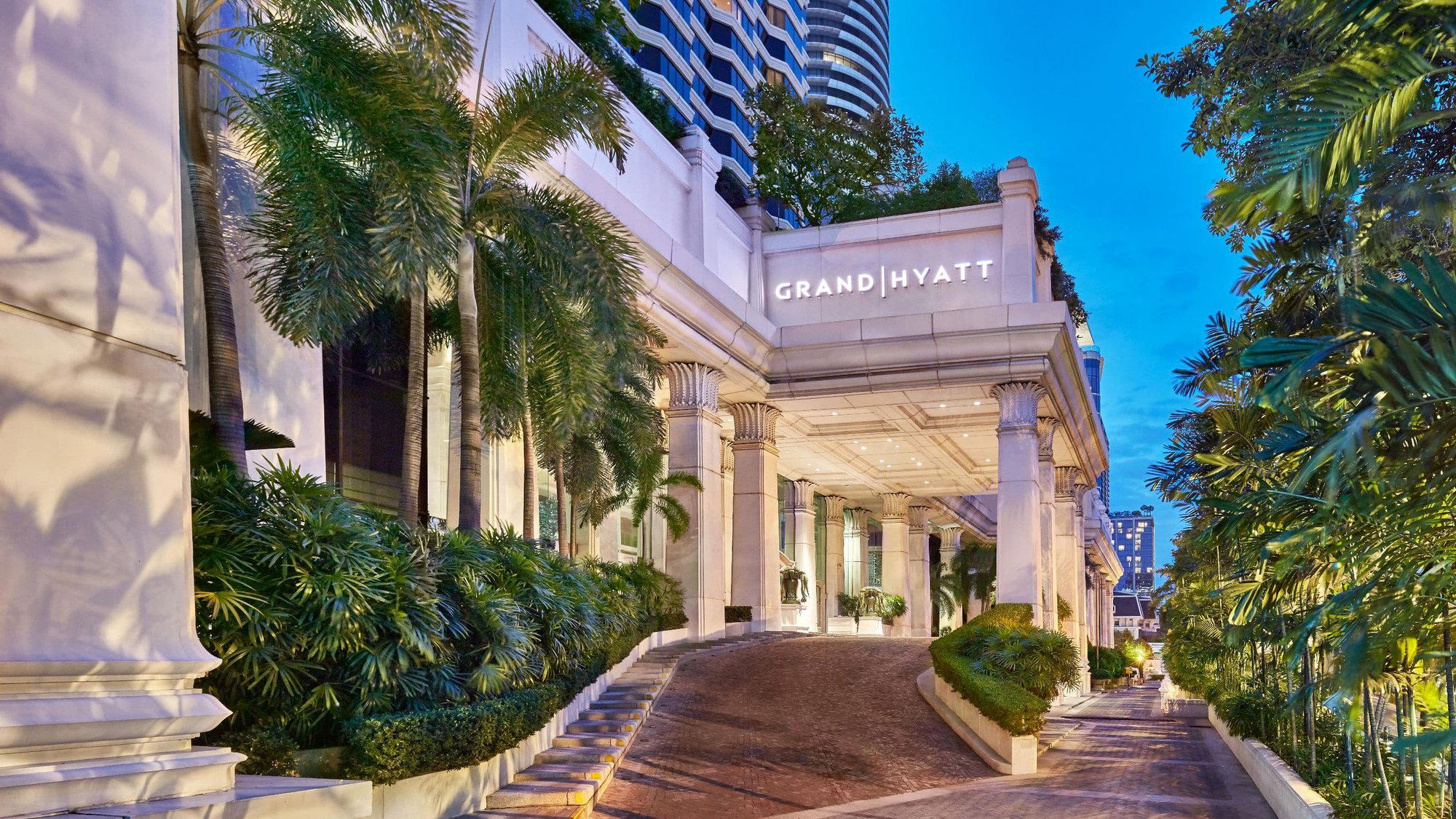
Where Ratchadamri Road Meets Ceremony
Bangkok's Pathum Wan district has long functioned as the city's commercial and ceremonial axis. Ratchadamri Road runs through it with the Erawan Shrine at one end and the sweep of Lumpini Park at the other, making it one of the few stretches in Southeast Asia where active religious devotion, luxury retail, and international hospitality occupy the same few hundred metres. Grand Hyatt Erawan Bangkok sits at this intersection, literally and figuratively. Its address at 494 Ratchadamri Road places it directly adjacent to the Erawan Shrine, a four-faced Brahma figure that draws worshippers and offerings around the clock. That adjacency is not incidental to the hotel's identity, it anchors the property in a civic and spiritual significance that newer luxury openings further along the Chao Phraya cannot replicate. For context on the broader Pathum Wan accommodation and dining scene, see our full Pathum Wan restaurants guide.
The Architecture of Occasion
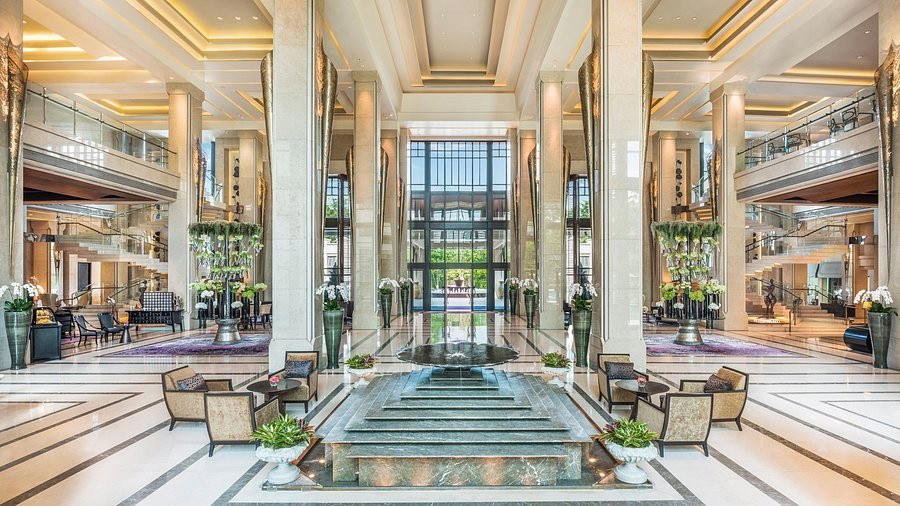
Bangkok's luxury hotel tier has split over the past decade into two recognisable camps: the scaled international tower with convention facilities and multiple food-and-beverage outlets, and the smaller, river-facing design property that prioritises atmosphere over footprint. Grand Hyatt Erawan belongs firmly to the first group. The building's presence on Ratchadamri is assertive, a mid-rise tower with a lobby scale designed for arrival as performance. High ceilings, wide corridors, and the visual weight of the structure communicate something about the city's approach to ceremony: Bangkok luxury, at this tier and in this district, has always leaned toward grandeur rather than restraint.
That architectural disposition places Grand Hyatt Erawan in a different competitive conversation from properties like Mandarin Oriental Bangkok, which draws its authority from colonial-era intimacy along the river, or the newer river-positioned properties that have entered the market over the last five years. The Chit Lom BTS station connects directly to the hotel via an enclosed walkway, a practical advantage that matters considerably in Bangkok's climate and traffic patterns.
Pathum Wan and the Logic of Centrality
Understanding why this location commands a premium requires understanding how Bangkok organises itself. Pathum Wan is not a neighbourhood in the European sense, where character accumulates street by street. It is Bangkok's nodal district: the point from which the BTS system extends outward, where Central World and Siam Paragon anchor retail at a scale found nowhere else in the city, and where the concentration of five-star hotel inventory is higher than any comparable stretch. Properties like Hansar Bangkok also occupy this district, representing a smaller, more design-led format that appeals to a different type of traveller.
For guests arriving for business at the nearby convention infrastructure, or for those using Bangkok as a regional hub before continuing to island properties such as Amanpuri in Phuket, Six Senses Yao Noi in Phang Nga, or Soneva Kiri in Trat, a central Bangkok base with reliable connectivity is a functional requirement rather than a luxury preference. Grand Hyatt Erawan addresses that requirement with scale and infrastructure that smaller boutique properties in the city's outer districts cannot match.
Scale as a Design Argument
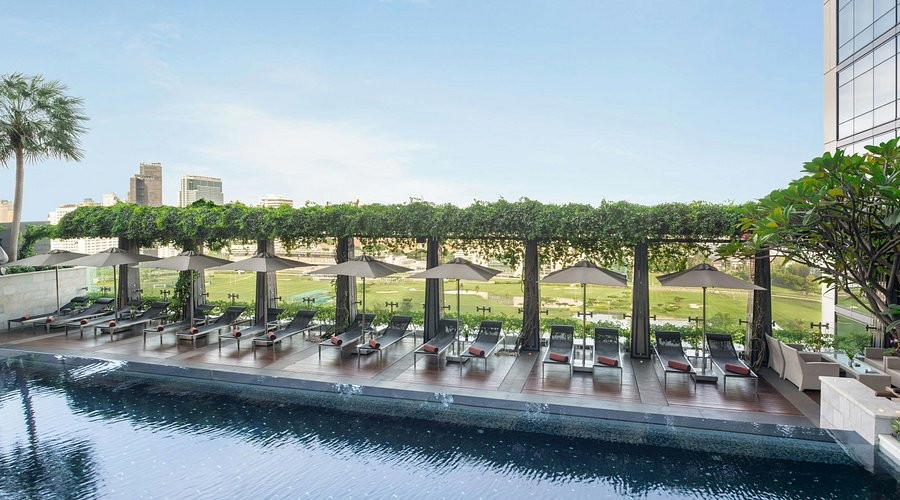
Bangkok's international hotel tier has often been criticised for prioritising scale over character, but in Pathum Wan, scale carries its own logic. A property of this footprint can sustain multiple dining concepts, a pool and fitness facility of meaningful size, and event spaces capable of handling diplomatic and corporate functions. These are not incidental amenities: they define who books the hotel and for what purpose. The conventions that bring delegations to Bangkok, the regional corporate meetings that fill the city's calendars from October through March, and the ceremonial occasions that accompany them all require the kind of infrastructure that a compact boutique cannot provide.
Thailand's broader resort circuit has moved toward intimacy and landscape immersion, as evidenced by properties such as Four Seasons Resort Chiang Mai, Phulay Bay, A Ritz-Carlton Reserve in Krabi, and Anantara Golden Triangle in Chiang Rai. But Bangkok's five-star core operates on different terms. Here, the argument for scale is also an argument for presence, and Grand Hyatt Erawan makes that argument through physical mass and location rather than aesthetic restraint.
The Shrine Adjacency
Few hotels in Southeast Asia share their address with an active religious site of this significance. The Erawan Shrine receives thousands of visitors daily, with traditional dance performances offered as merit-making acts by devotees who believe their prayers have been answered. This creates a specific atmospheric quality around the hotel's street-level approach that no amount of interior design can manufacture. Arriving at Grand Hyatt Erawan from the BTS walkway, the smell of incense and the sound of traditional music from the shrine's resident performers is part of the ambient experience of the address. It is not managed, curated, or staged by the hotel, which is precisely what makes it significant. Properties like Anantara Layan Phuket Resort or Pimalai Resort in Koh Lanta offer natural immersion in a landscape context; Grand Hyatt Erawan offers something different: immersion in urban ceremony.
Planning Your Stay
Bangkok's peak season runs from November through February, when humidity drops and temperatures are manageable for street-level movement. Booking during this window, particularly around the December and January periods when MICE events concentrate in the city, is advisable well in advance for a property of this profile. The Chit Lom BTS connection makes the hotel genuinely walkable to Siam, Asok, and Silom within a few stops, removing the taxi dependency that complicates stays in Bangkok's outer hotel clusters. For those continuing to Thailand's coastal properties after a Bangkok entry, the hotel's proximity to the BTS Airport Rail Link interchange at Phaya Thai (one transfer from Chit Lom) keeps Suvarnabhumi Airport within roughly 30 minutes under normal conditions. Other notable Thailand options worth considering alongside a Bangkok base include Samujana Villas in Koh Samui, Anantara Rasananda in Koh Phangan, and Aleenta Resort in Pranburi for those planning a drive south to Hua Hin.
At-a-Glance Comparison
| Venue | Price | Awards |
|---|---|---|
| Grand Hyatt Erawan BangkokThis venue (the venue you are viewing) | $100–200 | Michelin Selected |
| Mandarin Oriental Bangkok | $500–750 | 3 Michelin Keys · World's 50 Best #10 |
| Capella Bangkok | Not listed | 3 Michelin Keys · World's 50 Best #2 |
| Rosewood Bangkok | $200–300 | 2 Michelin Keys · Michelin Guide New Hotels New Hotel |
| Amanpuri | $1,000–1,500 | 3 Michelin Keys · La Liste Top Hotels |
| Soneva Kiri | $2,500+ | 3 Michelin Keys |
Recognition history
Dated appearances from independent guides and award organizations, with the underlying list record or original source where available.
Michelin Selected
Michelin
Continue exploring
More in Bangkok
Hotels in Bangkok
All hotels in Bangkok →
Bars in Bangkok
All bars in Bangkok →
Details
- Elegant
- Sophisticated
- Ornate
- Business Trip
- Romantic Getaway
- Rooftop Pool
- Panoramic View
- Pool
- Spa
- Fitness Center
- Room Service
- Concierge
- Wi Fi
- Skyline
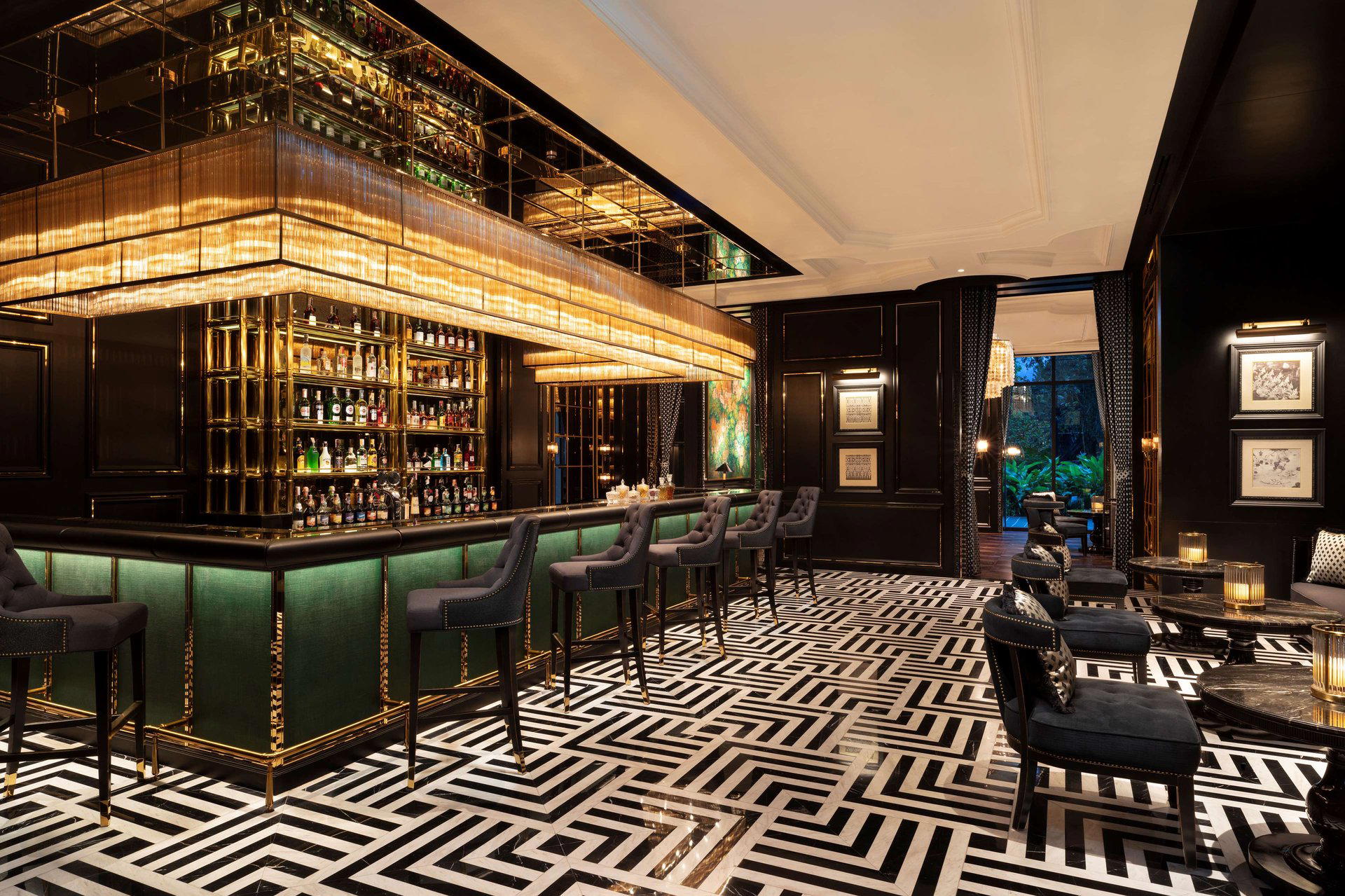
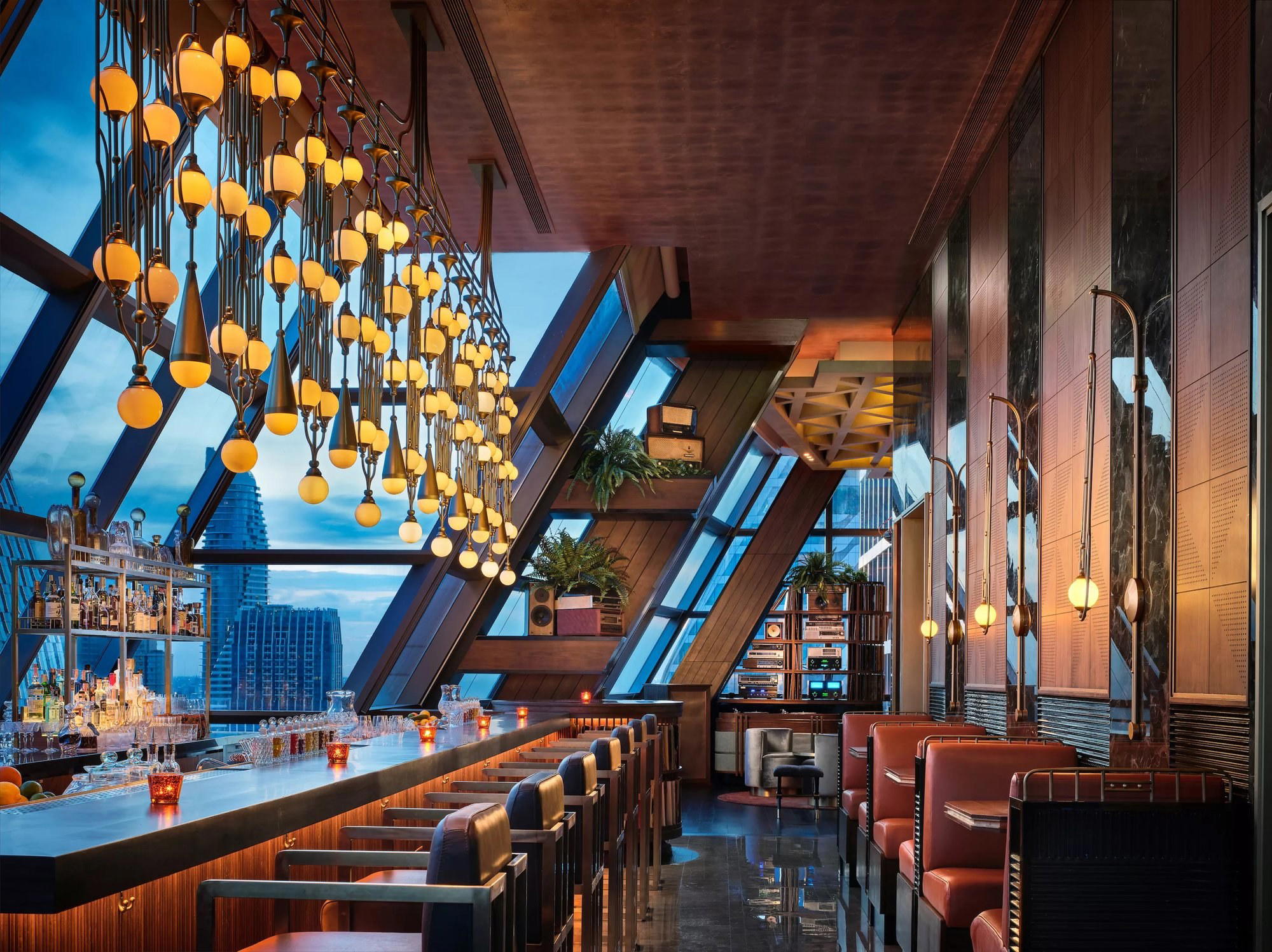
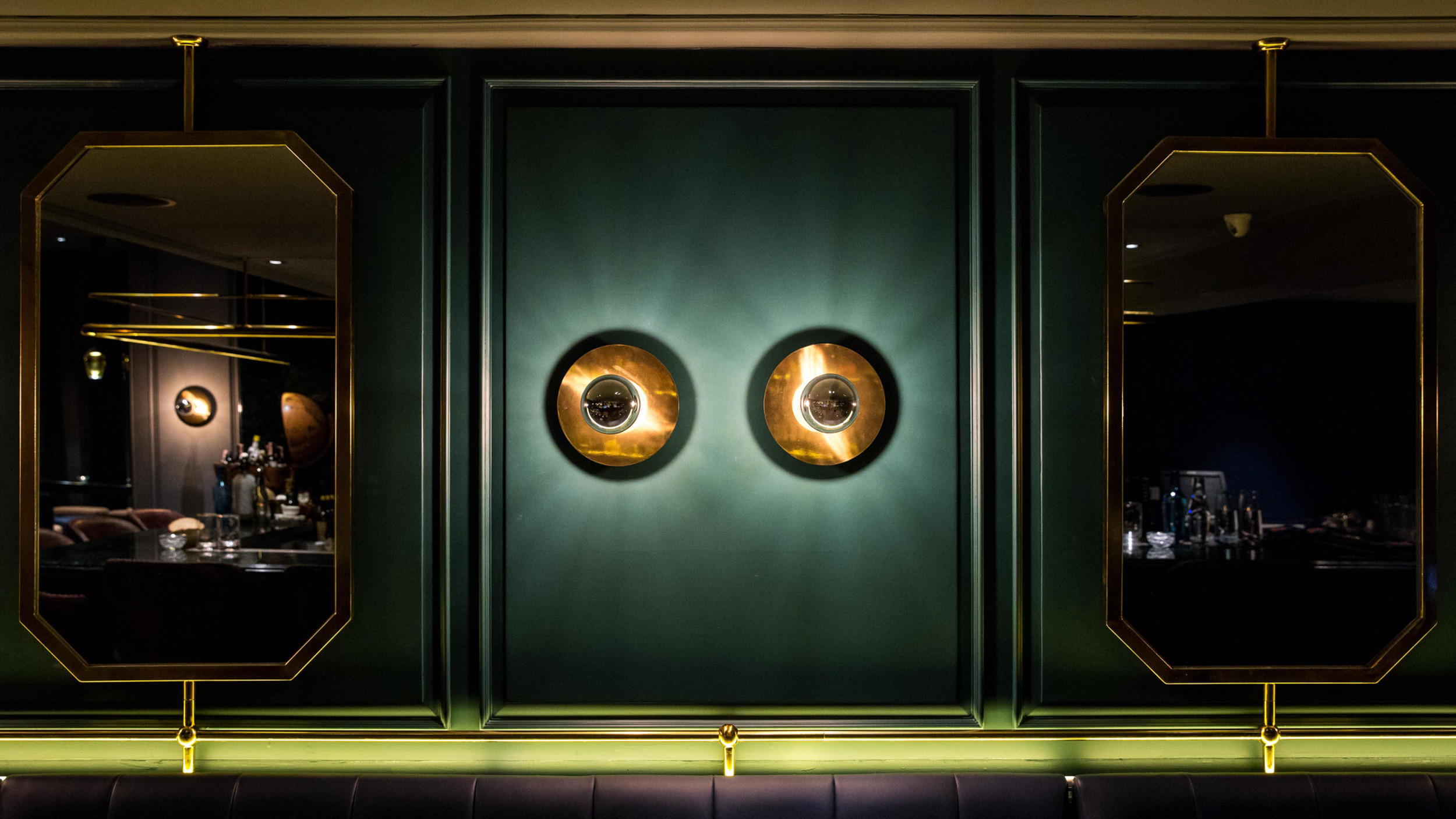
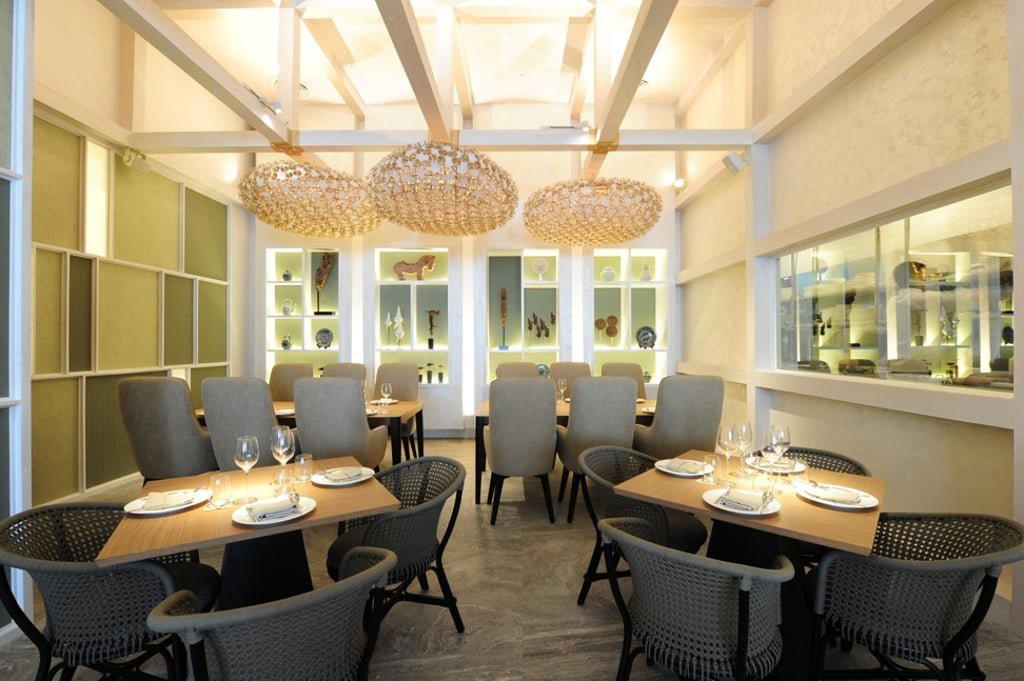
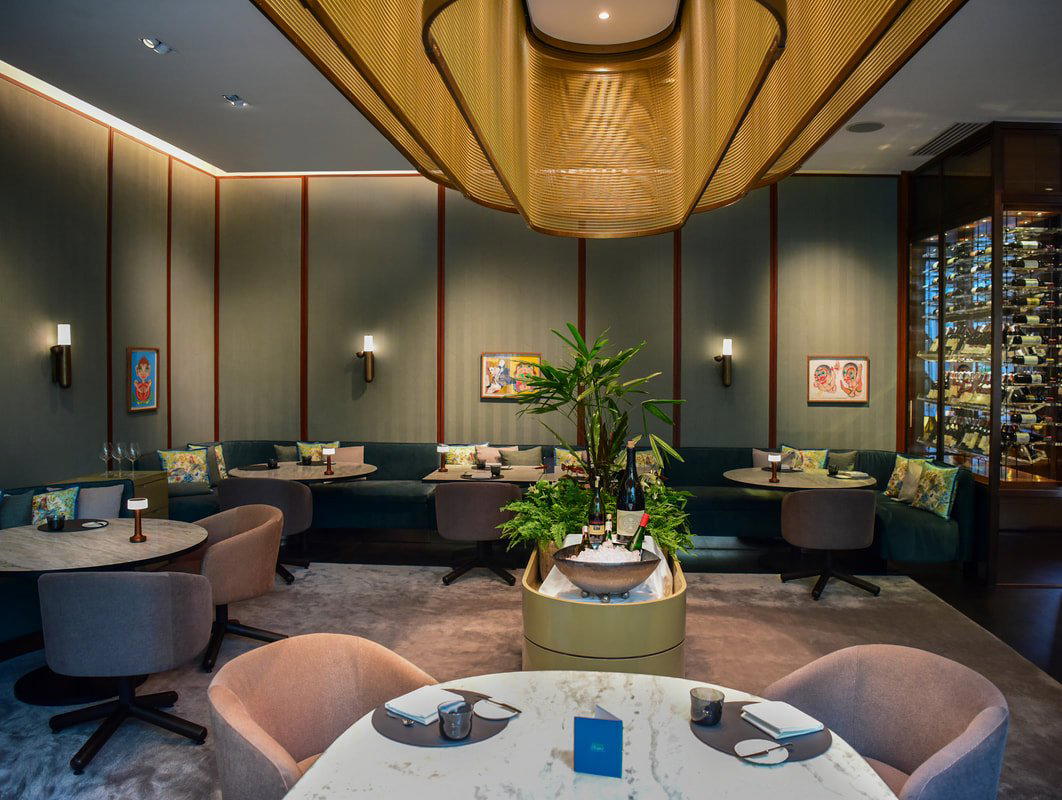
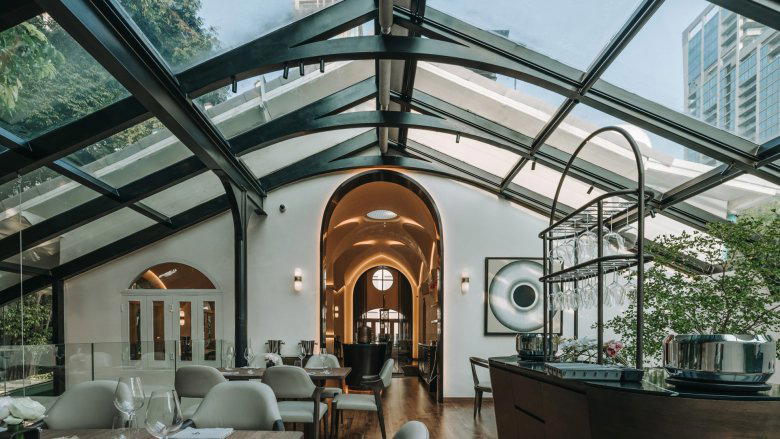
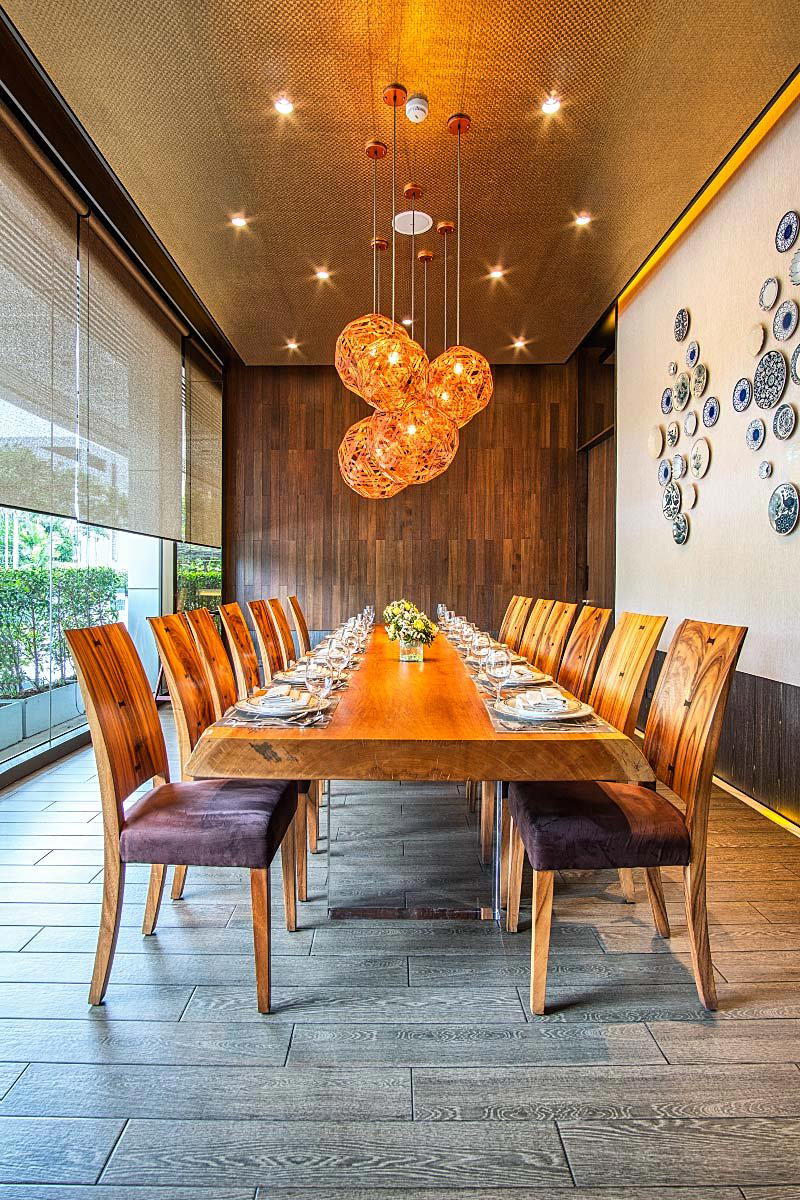
Elegant atmosphere with subtle sophistication blending Eastern and Western design, spacious contemporary rooms featuring clean lines and Thai touches, bathed in daylight amid tropical plants.