




2 Michelin Keys · La Liste Top Hotels · Forbes 4-Star
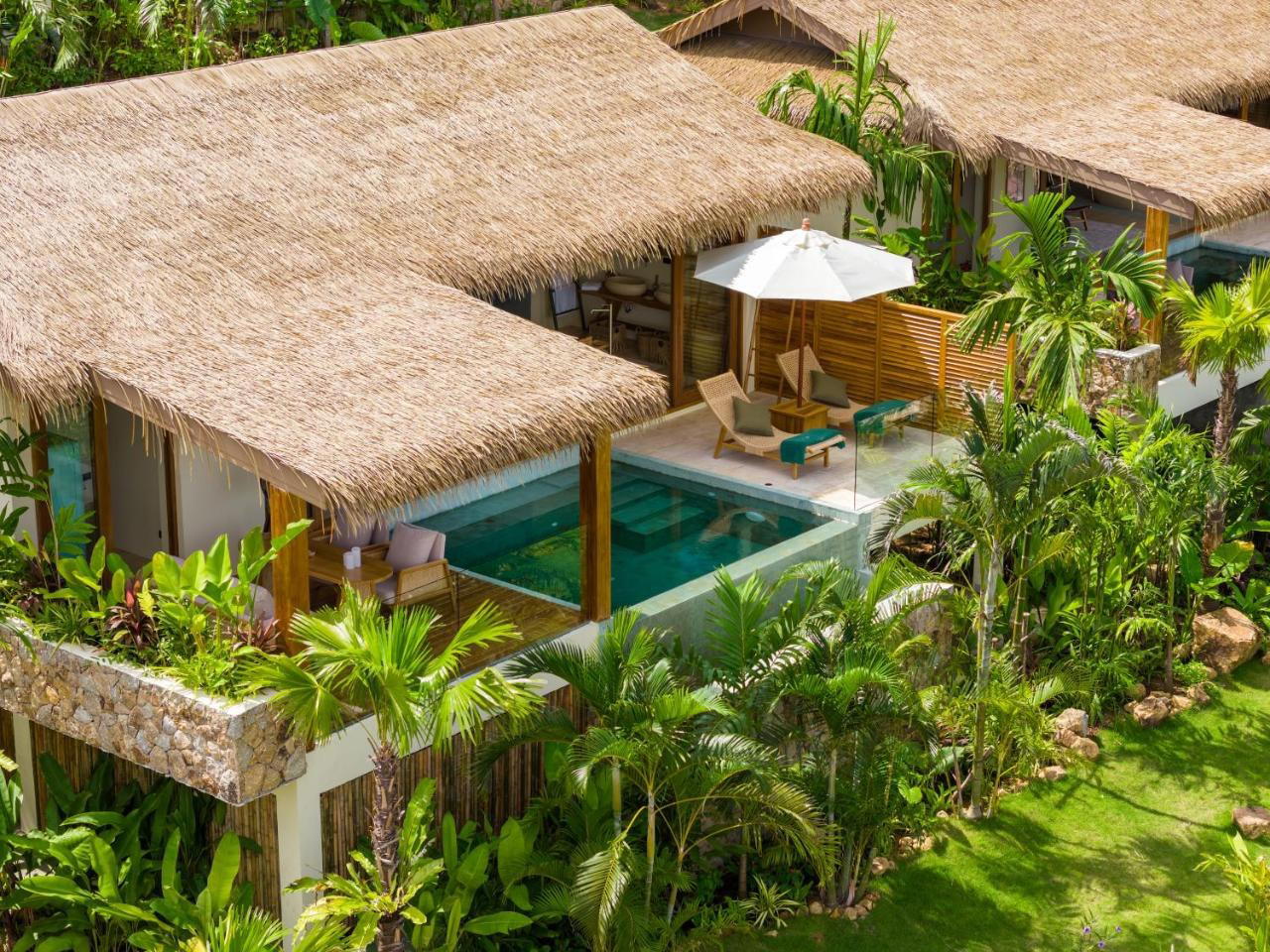
Positioned on a steep hillside above the Gulf of Thailand on Koh Samui's northeastern tip, Four Seasons Resort Koh Samui comprises 60 private villas and 11 residences, each with a plunge pool and sea views. Recognised by La Liste (94.5 points, 2026), Tatler Asia-Pacific Best Hotels 2025, and Condé Nast Traveler's Best Resorts (#48, 2025), it sits in Koh Samui's top tier alongside design-led competitors like Six Senses and Banyan Tree.

Pearl is the En Primeur Club membership app, where members save venues, book tables and use the concierge.
Where the Gulf of Thailand Does the Heavy Lifting
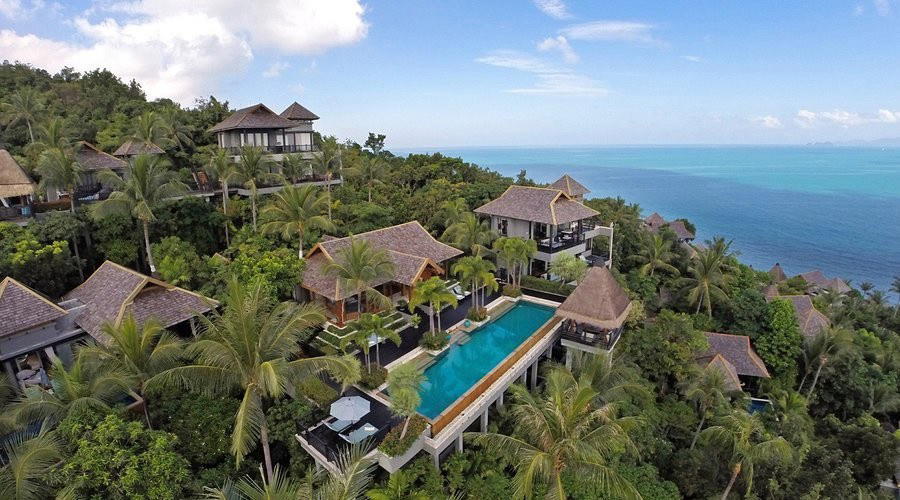
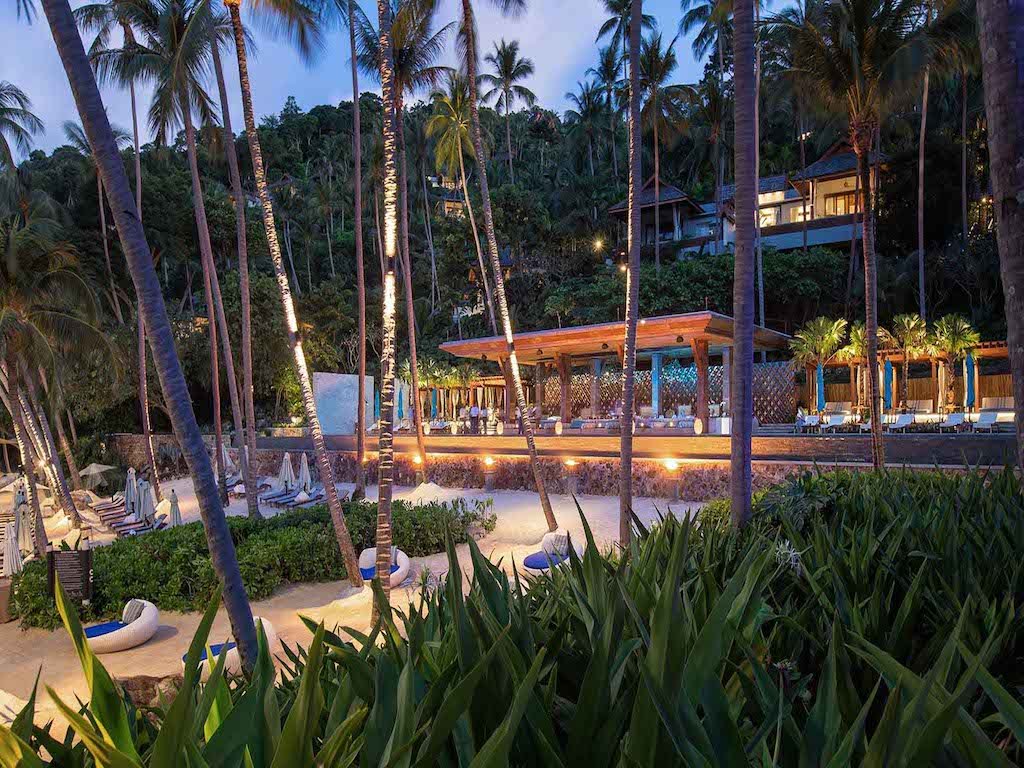
The approach to Four Seasons Resort Koh Samui sets the tone before you reach reception. A winding hillside drive above Ban Tai on the island's northeastern coast deposits guests at a property that terraces sharply down toward the water, with the Gulf of Thailand filling every sightline. This is not incidental scenery, the resort's architecture is organised entirely around the view, with villas stepped into the hillside at angles that ensure each of the 60 units holds an unobstructed line to the horizon. La Liste awarded the property 94.5 points in its 2026 Leading Hotels ranking, placing it in a tier where the physical environment is considered part of the product, not merely the backdrop.
Among Koh Samui's upper bracket of resort properties, a meaningful distinction exists between large-footprint hotels that rely on beachfront scale and hillside properties that trade volume for panoramic position. Four Seasons Koh Samui occupies the latter category, alongside Six Senses Hideaway Samui and Banyan Tree Samui, in a competitive set defined by private villa formats, refined sightlines, and a deliberate separation from the island's busier southern and western coasts. The property also features on Tatler's Leading Hotels Asia-Pacific 2025 list and reached number 48 on Condé Nast Traveler's Leading Resorts ranking for 2025, credentials that place it consistently within the region's recognised upper tier.
The Food Program: Local Sourcing and the Logic of Place
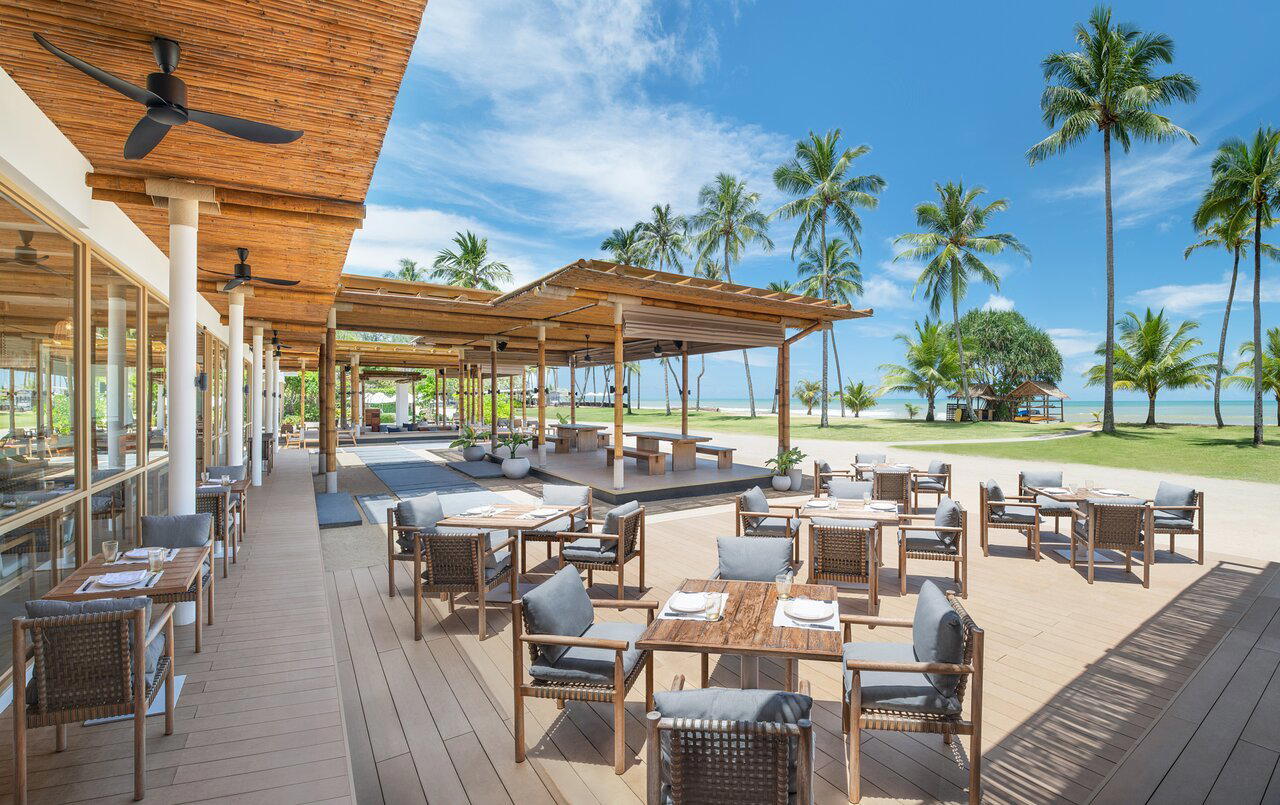
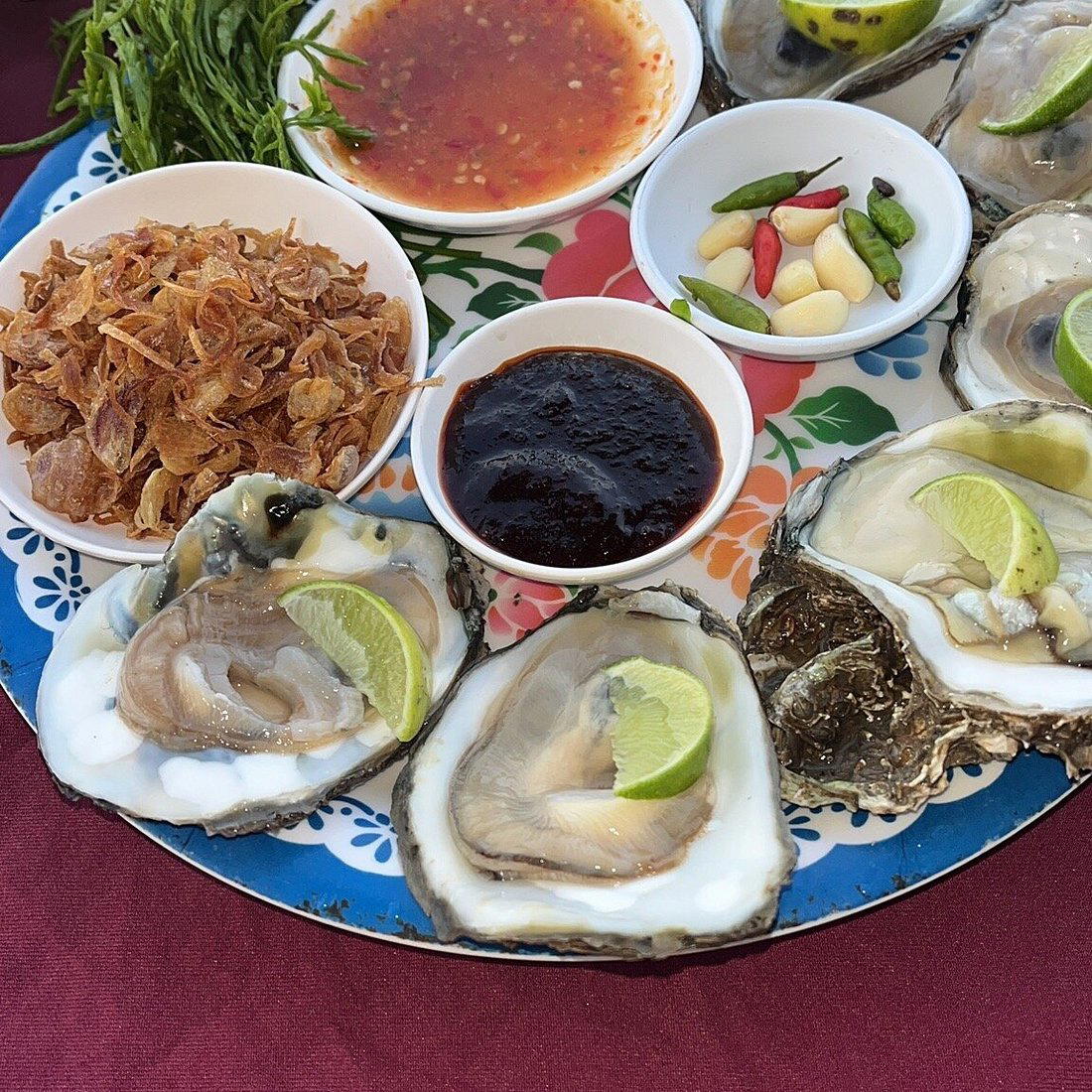
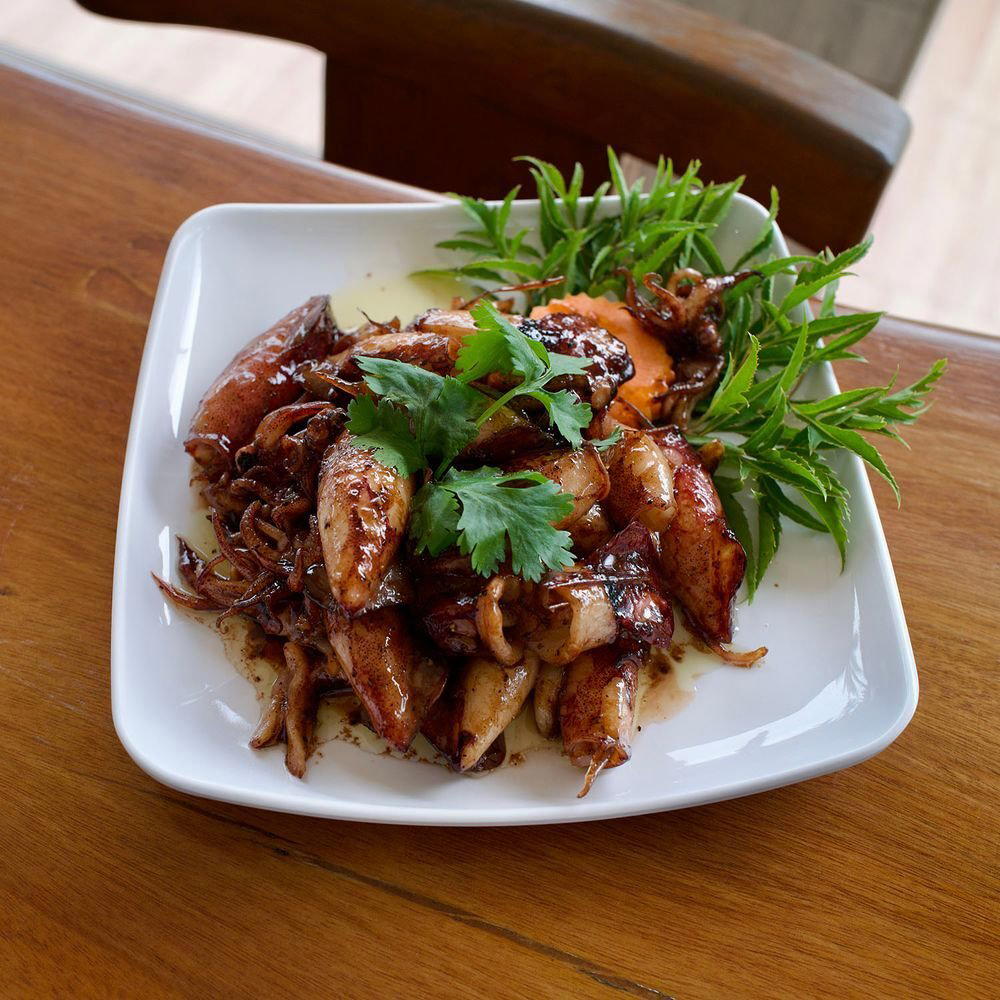
Across Thailand's premium resort market, dining has split between international fine-dining formats imported from urban hotel groups and kitchens that anchor their menus to regional sourcing and local technique. Four Seasons Koh Samui leans toward the latter. Koh Thai Kitchen, positioned on the hillside with views across the gulf, serves Thai dishes informed by local ingredients and framed by a sunset orientation that makes the dining hour as much about place as plate. The sourcing logic here matters: the Gulf of Thailand provides the seafood backbone, and proximity to the Surat Thani mainland, the provincial capital to which Koh Samui administratively belongs, means access to the produce networks and fresh-catch fishing operations that underpin authentic southern Thai cooking.
Pla Pla, the beachside restaurant, operates a grilled seafood format built around fresh catches, with a weekly beach barbecue that connects the food program directly to the waterfront. This model, where the catch dictates the menu rather than the menu dictating the sourcing, is what separates credible resort seafood from the kind of imported-protein approach common in large-scale hotel restaurants. When the kitchen is working with fish pulled from the same body of water guests are looking at from their terrace, the connection between ingredient origin and dining experience becomes legible rather than aspirational.
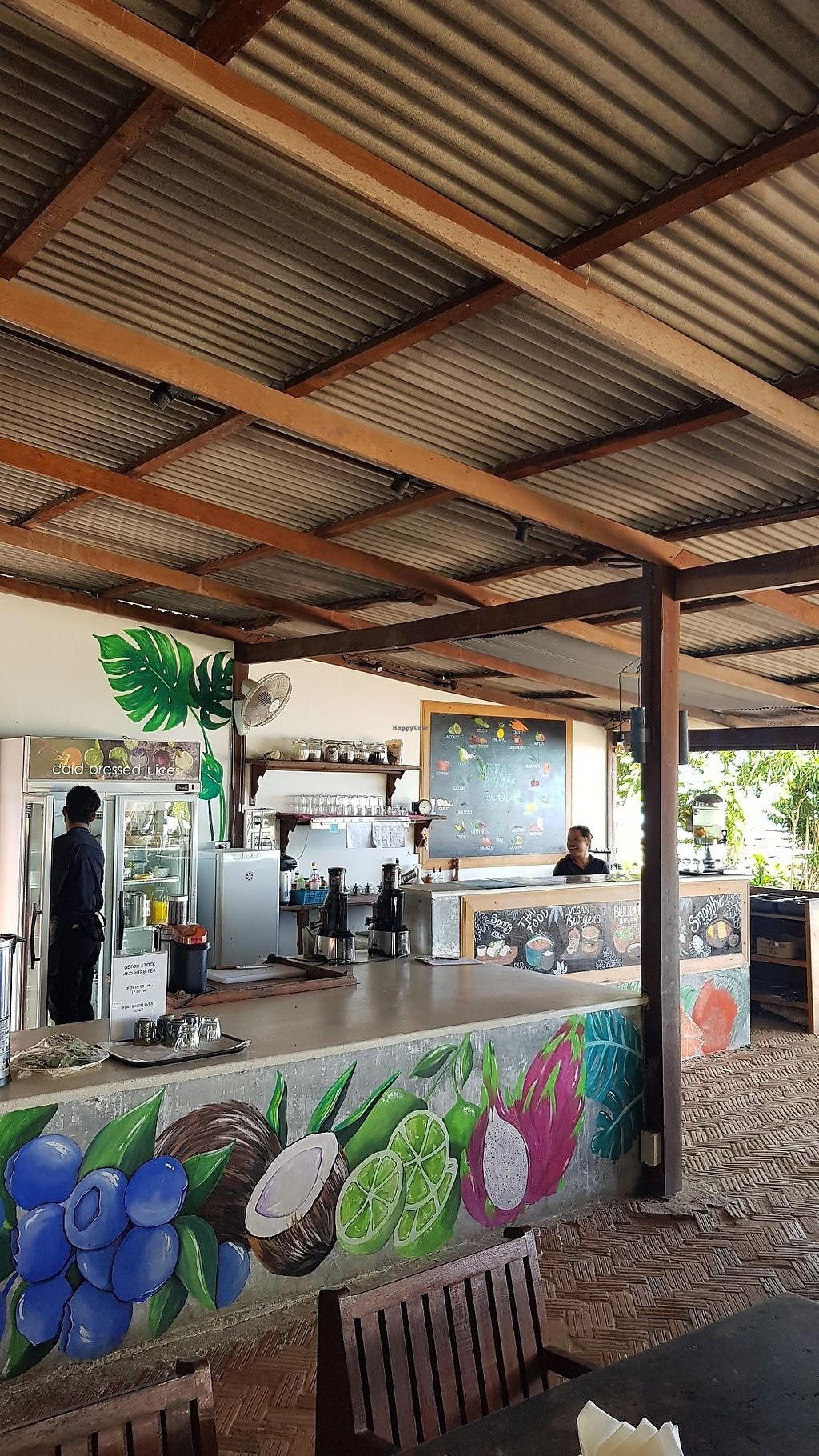
Koh Bar handles pre-dinner drinks, while the Rum Vault offers a more structured tasting format for spirits. The presence of a dedicated spirits vault is a signal worth noting: it places the property in a category of resorts that treat beverage programming as an anchor offering rather than an afterthought, consistent with what Tatler's inspectors highlighted in their Leading Hotels Asia-Pacific assessment.
The Villa Product: 1,000 Square Feet as a Baseline
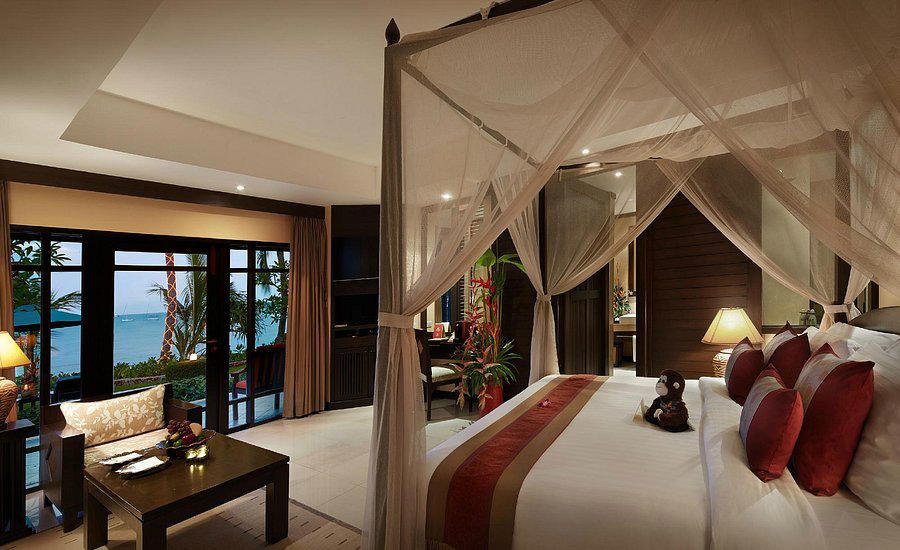
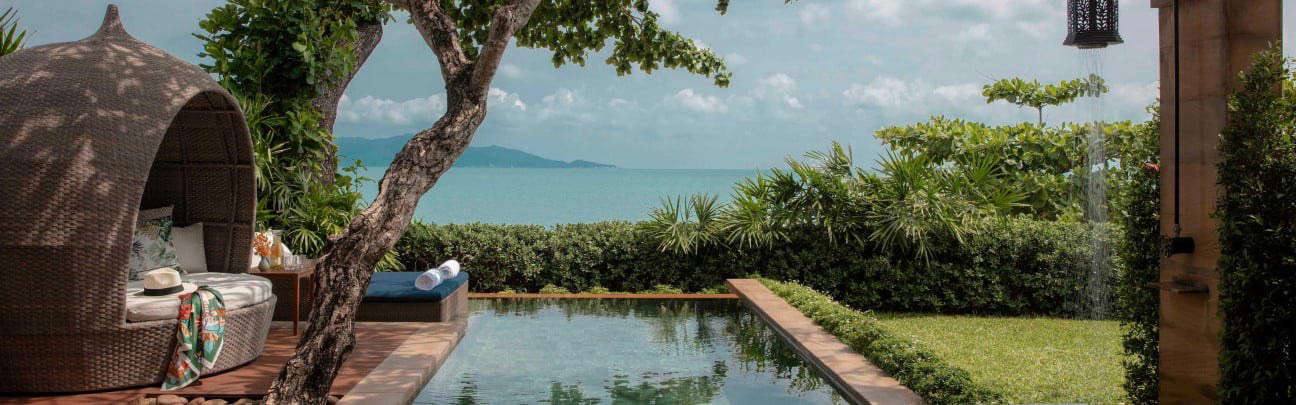
The 60 villas set a floor of just over 1,000 square feet per unit, each with a private plunge pool, furnished terrace, and a sightline to the gulf engineered by the hillside placement. King-sized beds, rain showers, and oversized oval bathtubs positioned beside floor-to-ceiling windows are standard across the villa category, the bathtub placement in particular reflects a design decision to make the act of bathing inseparable from the view. Sliding glass doors and high ceilings prevent the hillside position from feeling enclosed, a genuine design challenge on steep tropical terrain that competing properties on the island do not always solve as cleanly.
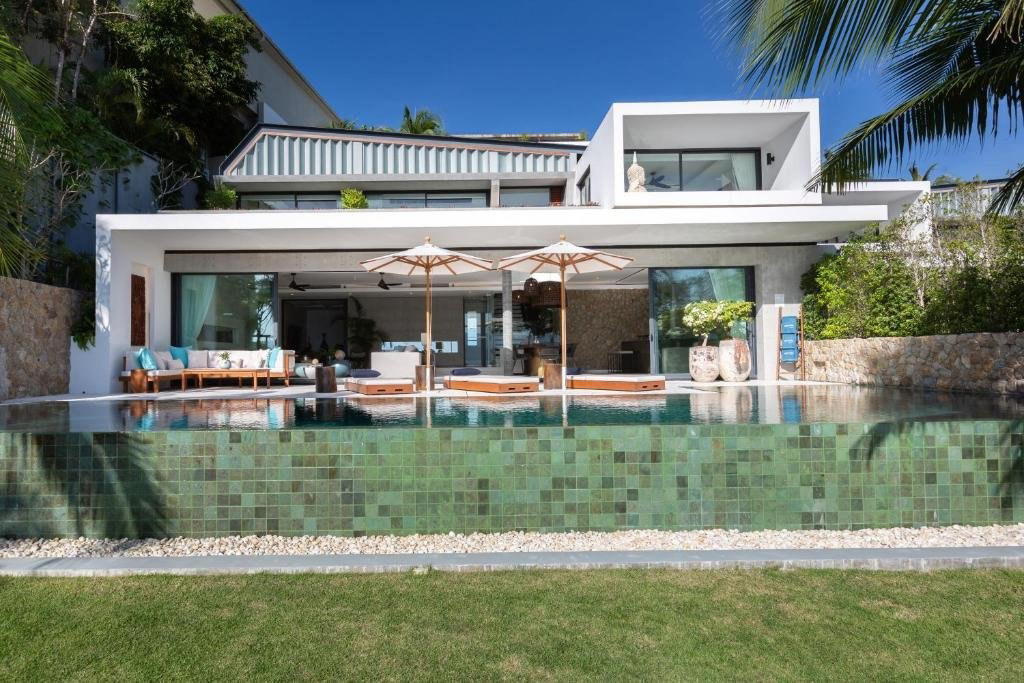
The 11 residences, ranging from one to five bedrooms, operate as a separate product tier with dedicated assistants, full-sized private pools, and alfresco dining pavilions. For comparison within the Koh Samui market, Samujana Villas also operates a villa-with-staff format targeting similar multi-bedroom demand. The Four Seasons residences differ primarily in the depth of brand infrastructure behind the product, a meaningful distinction for guests who want private-villa seclusion without losing the service systems of an international hotel group.
The Beach and Beyond: Activities Built Around the Environment
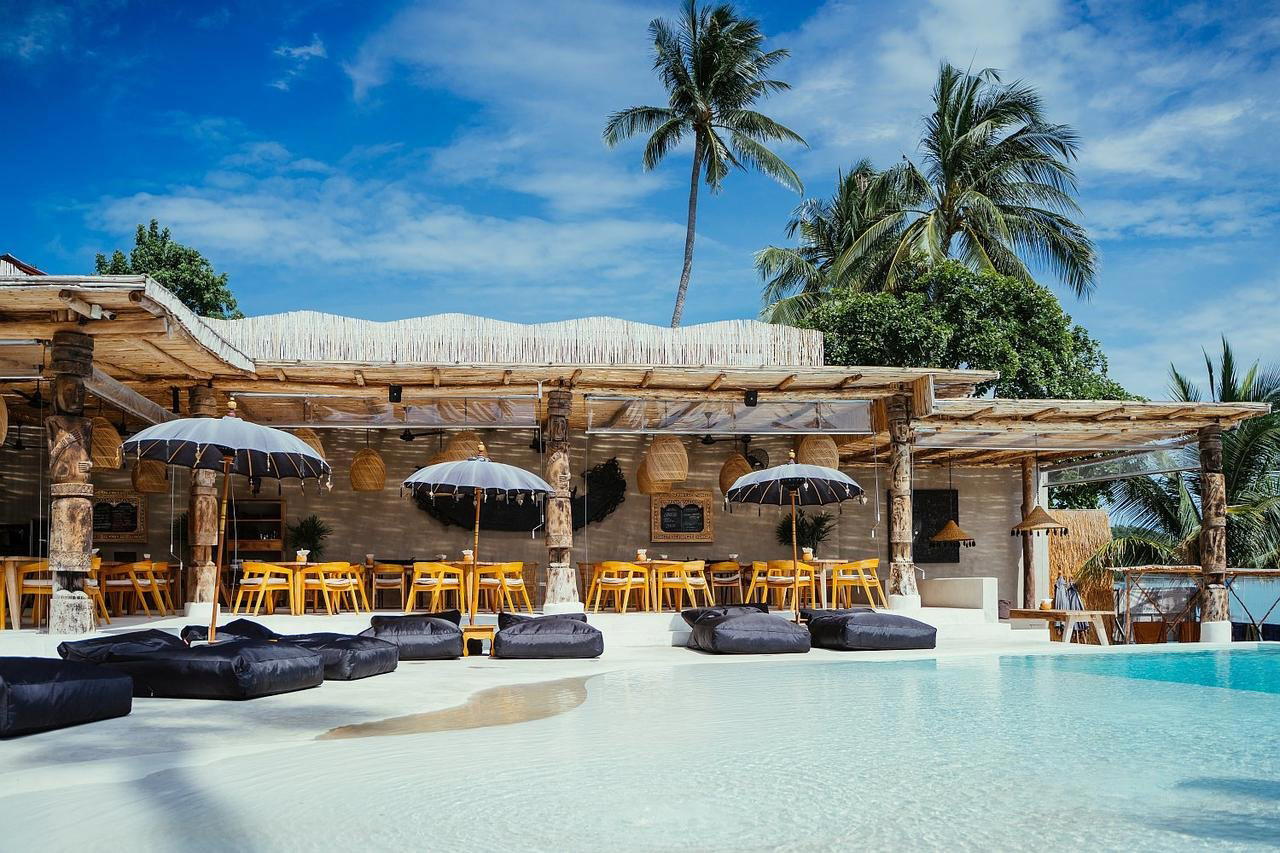
Not every beach on Koh Samui is reliably swimmable, the island's southern coast in particular suffers from seasonal seagrass and post-storm debris, which makes the resort's private beach notable for its consistency. Soft sand, direct gulf access, and an infinity pool at the shoreline create a functioning beach operation rather than a decorative one. The property serves complimentary snacks hourly both on the beach and at the pool, a logistical detail that reflects an understanding of what guests actually want from a high-end beach day: not to move.
The activities program extends the environmental premise. Marine biologist-led snorkeling tours use the gulf directly, Thai language classes and Muay Thai lessons ground guests in the island's cultural context, and a private yacht is available for charter, useful for reaching the Ang Thong Marine National Park archipelago, which sits accessible by water from this part of the island. The address at 219 Moo 5 in the Angthong sub-district of Surat Thani province places the resort on the island's less-developed northeastern tip, which means the charter option has practical value, not merely aspirational appeal.
The spa operates in an open-air format with a seaside treatment suite, offering treatments that range from CBD-infused therapies to immunity-focused massage techniques. The open-air format is a deliberate choice common across hillside resort spas in Southeast Asia: it uses the natural environment as part of the treatment rather than sealing guests in a climate-controlled room that could exist anywhere.
Planning Your Stay
Resort operates in Koh Samui's northeastern Angthong district, which sits outside the main tourist corridor running between Chaweng and Lamai. Guests arriving at Samui Airport (USM), the island's private airport, notably accessible only via Bangkok Airways, should expect a transfer of roughly 20 to 30 minutes depending on traffic through the island's single main ring road. The property's hillside address means the journey involves elevation, which is worth flagging for guests with mobility considerations. For Koh Samui comparisons at a different price point or format, Anantara Bophut Koh Samui Resort, SALA Samui Choengmon Beach, Bo Phut Resort, Anantara Lawana Resort and Spa, and Belmond Napasai offer points of reference across the island's spectrum. Within the broader Four Seasons Thailand portfolio, Four Seasons Resort Chiang Mai offers a useful contrast in terrain and culinary tradition. For wider regional context, properties like Amanpuri in Phuket, Phulay Bay, A Ritz-Carlton Reserve in Krabi, Six Senses Yao Noi in Phang Nga, Soneva Kiri in Trat, Pimalai Resort & Spa in Koh Lanta, Anantara Rasananda Koh Phangan Villas in Koh Phangan, and Anantara Golden Triangle Elephant Camp & Resort in Chiang Rai operate in the same regional upper tier. The high season runs November through April; the shoulder months of May and October offer lower rates with manageable weather. Full detail on Koh Samui's dining and hotel options is available in our full Koh Samui restaurants guide.
Cuisine Context
Comparable venues nearby, for context on price, style, and recognition.
| Venue | Cuisine | Price | Awards | Notes |
|---|---|---|---|---|
| Four Seasons Resort Koh SamuiThis venue (the venue you are viewing) | Contemporary luxury tropical resort with traditional Thai architectural elements and modern amenities. | Not listed | 2 Michelin Keys · La Liste Top Hotels | Not listed |
| Anantara Bophut Koh Samui Resort | Contemporary Thai resort with lush Bill Bensley-designed gardens on Bophut beach. | Not listed | Michelin Selected · La Liste Top Hotels | Bophut |
| Conrad Koh Samui | Contemporary Thai luxury resort | $500–750 | Forbes 4-Star · Virtuoso Luxury Hotel Partner | Taling Ngam |
| Marasca Samui | Mindfully sustainable casual luxury beachfront resort with homely interiors and green-certified design philosophy. | $300–500 | Michelin Guide New Hotels New Hotel · Michelin Selected | Chaweng |
| SALA Samui Chaweng Beach Resort | Modern design-led beachfront resort with two wings inspired by lunar phases. | $300–500 | Michelin Selected | Chaweng Beach |
| Garrya Tongsai Bay Samui | Mediterranean-style all-suite resort with Thai design elements, positioned as an eco-conscious luxury sanctuary emphasizing holistic wellbeing and sustainability. | $200–300 | 1 Michelin Key | Bophut |
Recognition history
Dated appearances from independent guides and award organizations, with the underlying list record or original source where available.
Michelin 2 Keys
Michelin
La Liste Top Hotels
La Liste
Forbes 4-Star
Forbes
Conde Nast Best Resorts #48
Conde Nast
Tatler Listed in Best Hotels Asia-Pacific
Tatler
Full recognition history (7 entries)
Forbes 4-Star
Forbes
Michelin Selected
Michelin
Continue exploring
More in Koh Samui
Hotels in Koh Samui
All hotels in Koh Samui →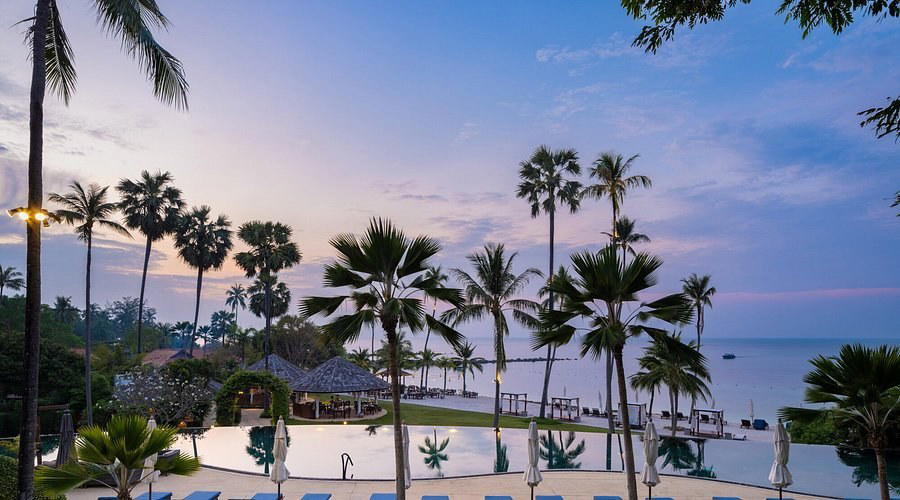
Bars in Koh Samui
All bars in Koh Samui →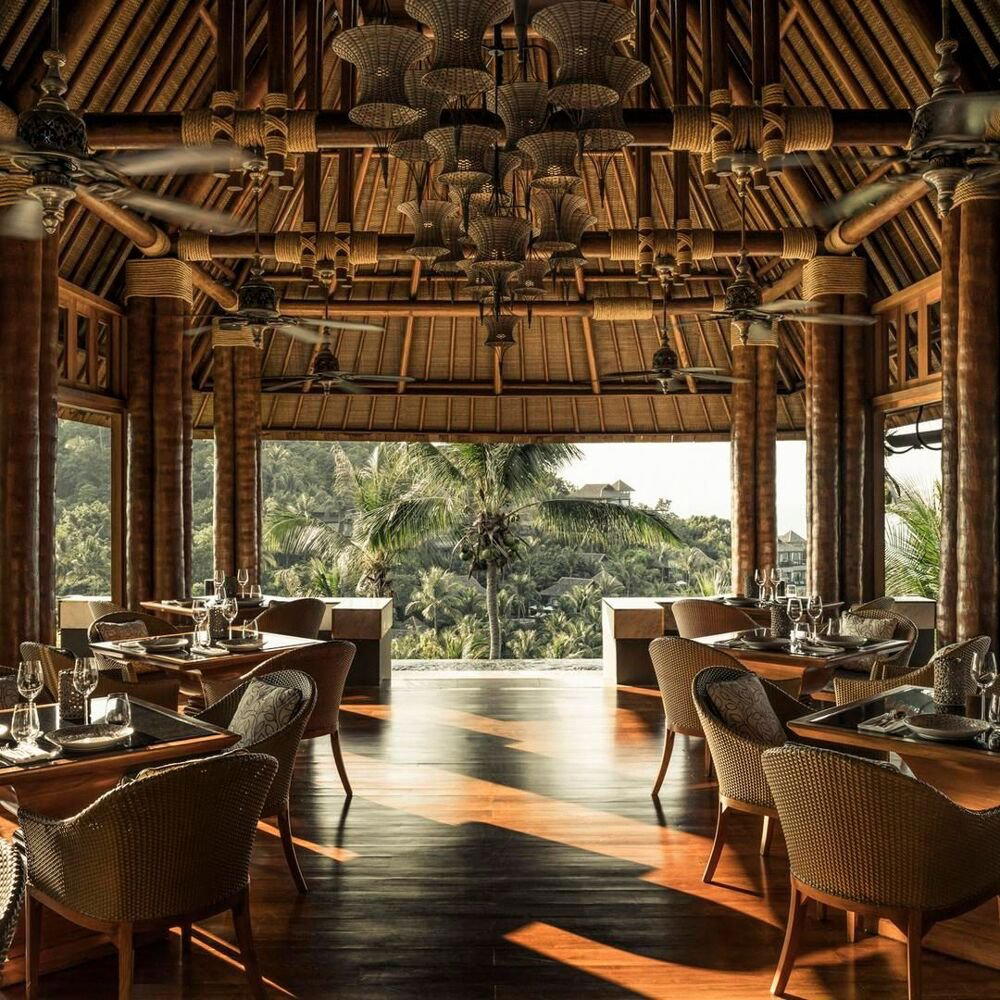
Details
- Romantic
- Scenic
- Elegant
- Sophisticated
- Honeymoon
- Romantic Getaway
- Family Vacation
- Wellness Retreat
- Anniversary
- Destination Wedding
- Beachfront
- Infinity Pool
- Private Villa
- Destination Spa
- Waterfront
- Garden
- Panoramic View
- Private Dining
- Wi Fi
- Pool
- Spa
- Fitness Center
- Room Service
- Concierge
- Business Center
- Kids Club
- Beach Access
- Restaurant
- Bar
- Waterfront
- Garden
- Wheelchair Accessible
- Elevator
Serene tropical setting with palm-fringed infinity pools overlooking the Gulf of Thailand, combining laid-back island atmosphere with sophisticated resort elegance.