
Michelin Plate
Our verdict
A Michelin Plate-recognised Southern Thai restaurant in Bo Phut, Khao Horm carries family recipes documented across more than a century of cooking. Set in an open-air pavilion close to Ko Samui airport, it operates at a mid-range price point where traditional southern spice profiles — turmeric, galangal, dried chillies — appear in forms rarely edited for tourist palates.

Pearl is the En Primeur Club membership app — saves, bookings, and concierge access live there. Same editors, same standards.
- Address
- H366+J7C, Tambon Bo Put, Ko Samui District, Surat Thani 84320, Thailand
- Phone
- +66 77 953 160
- Hours
- Daily 10:30 AM–10 PM
- Directions
- Get directions
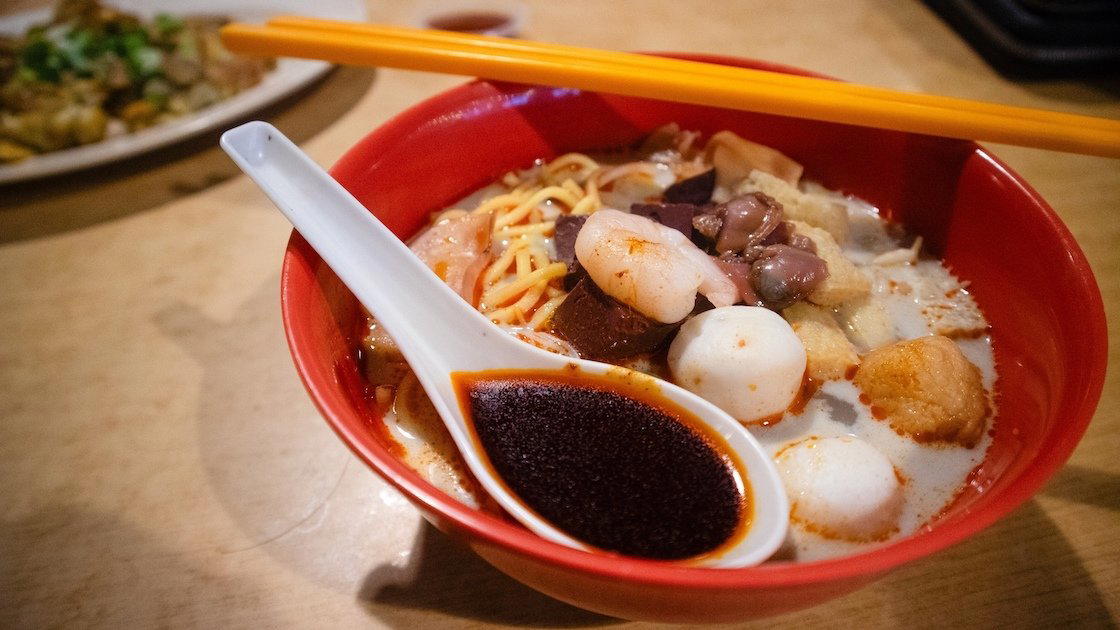
The menu
What to order
- Stir-fried_minced_pork
- Squid_in_curry_with_salted_egg
- Steamed_seabass
Southern Thai Cooking at the Departure End of the Island
The open-air pavilion at Khao Horm does not announce itself with much ceremony. Ceiling fans turn overhead, the car park fills early, and the menu arrives in the kind of laminated format that suggests the kitchen has no interest in reinventing itself for each new season. That absence of performance is precisely the point. In a part of Thailand where resort dining commands attention and marketing budgets, the restaurants that hold generational recipes tend to be quieter about it — and draw a more consistent crowd as a result.
Ko Samui's dining offer has widened considerably over the past decade. The island now hosts European fine dining, contemporary Thai tasting menus, and high-concept beach clubs alongside its older generation of family-run Thai kitchens. Within that expanded field, the mid-range Southern Thai tier — restaurants working from regional recipes rather than pan-Thai resort menus, occupies a specific and increasingly recognised position. Khao Horm sits in that tier, rated by Michelin with a Plate designation in both 2024 and 2025, a signal that the guide's inspectors found the cooking consistent and representative enough to include in their Thailand selection.
What Southern Thai Cooking Actually Means Here
Southern Thai cuisine operates on a different register from the central Thai food that most international visitors encounter first. The spice build is heavier, the heat more persistent, and the aromatic base more likely to feature turmeric and dried chillies than the sweeter, more coconut-forward profiles of the central plains. Yellow curry pastes in this tradition are constructed from fresh and dried ingredients ground together, and the result carries a depth that bottled commercial pastes rarely approach.
That context matters when assessing what Khao Horm is doing. The stir-fried minced pork with yellow curry paste that the kitchen is known for represents a cooking method, paste-forward, spice-driven, with a gutsy rather than gentle aromatic profile, that requires a paste made from scratch to read correctly on the palate. When that dish lands on the table, the yellow paste should read as a full aromatic construction, not a seasoning note. This is the kind of cooking that places like Sorn in Bangkok have brought into fine dining frameworks with considerable critical attention; Khao Horm offers the same regional tradition at a fraction of the price point and without the booking complexity.
Kapi Sator and Long Dtai both operate in the Southern Thai register at comparable price levels, and the island's visitors who want to understand what differentiates one from another would do well to eat across all three. Elsewhere in Thailand, Chom Chan in Phuket and Beer Hima in Bangkok's Chatuchak represent how the Southern Thai tradition travels across different city contexts.
A Century of Family Recipes in a Practical Format
The recipes at Khao Horm have been in the family for over a century, passed through generations rather than adapted for external audiences. That kind of documented continuity is rarer than menus tend to suggest. It positions the restaurant in a different category from kitchens that describe themselves as traditional but have built their menus more recently around a general idea of Thai cuisine.
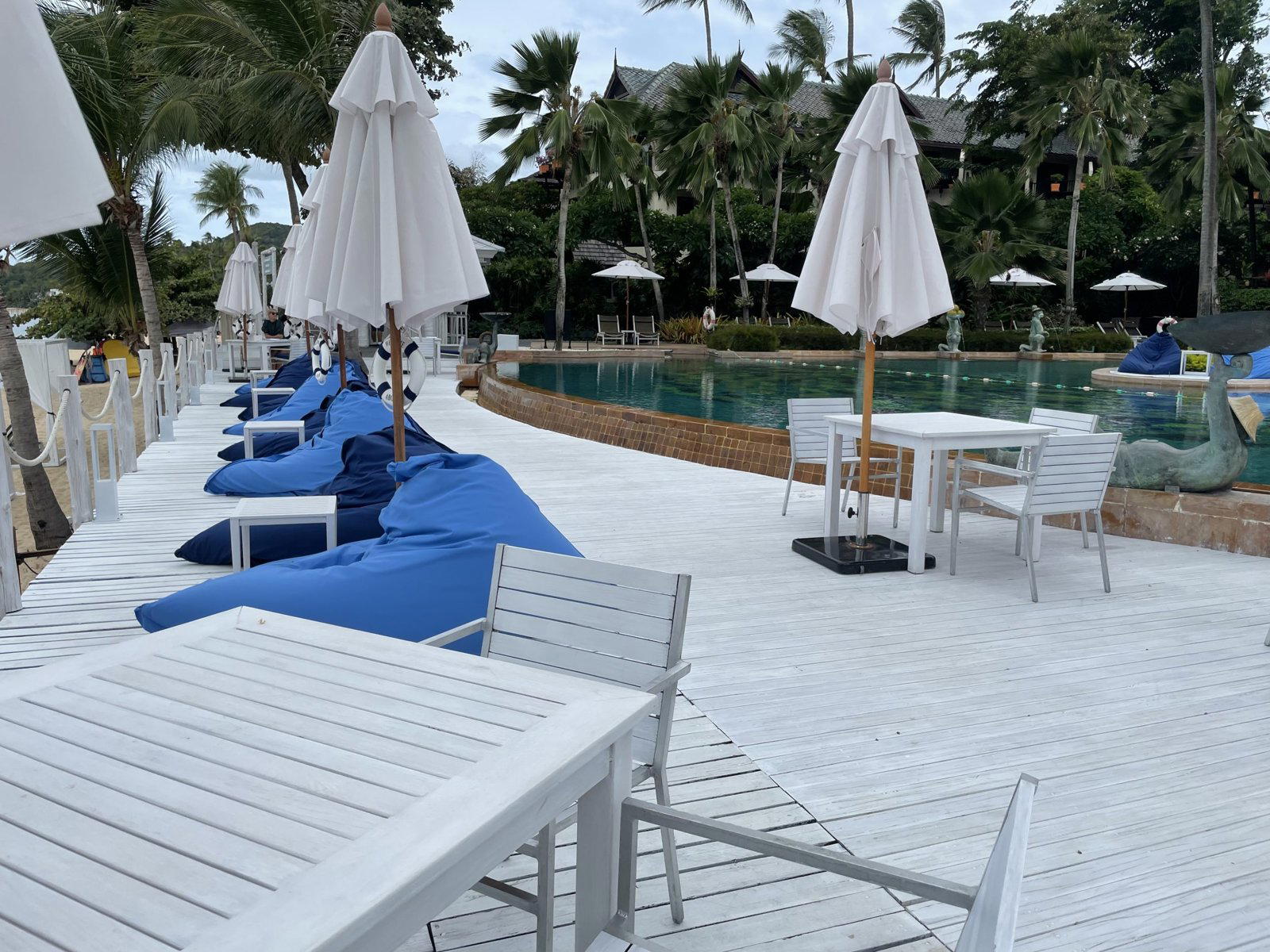
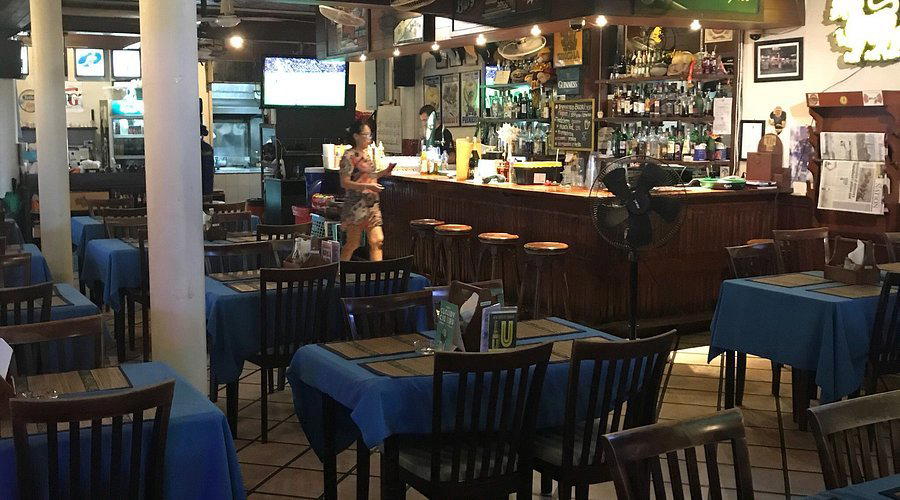
Dining format acknowledges different needs without compromising the core offer. The main space is a large open-air pavilion, suited to Ko Samui's climate, and consistent with how family-run Thai restaurants of this type have traditionally operated. Air-conditioned indoor seating is also available for those who want it, and the restaurant offers ample parking, which matters in a location where arriving by car is the practical default.
Michelin Plate recognition, sustained across two consecutive years, indicates the kind of consistency that the guide tends to reward in this format. Michelin's Thailand inspections cover a wide range of price points and formats, and a Plate designation at the ฿฿ level means the cooking is being assessed on its own terms rather than against fine dining standards.
The Airport Adjacency as Functional Asset
Khao Horm sits approximately five minutes from Ko Samui airport, which frames it as a practical option in both directions of travel: the last meal before a flight, or the first introduction to the island's food for visitors who have just landed. That geography is not incidental. Ko Samui's airport is in the northeast of the island, in the Bo Phut district, and the restaurant's location makes it accessible without a long transfer from either the terminal or the northern beach areas.
For visitors spending time across the island's full dining range, from seafood spots like Baan Suan Lung Khai and Bang Por Seafood Takho to European-influenced tables like FishHouse, Khao Horm represents the kind of Southern Thai baseline that provides useful context for everything else on the island. Understanding what a properly constructed yellow curry paste tastes like makes the compromised versions easier to identify.
Practical details: pricing sits at the ฿฿ level, making it accessible relative to the island's resort and fine dining options. For a broader view of the island's dining options, our full Ko Samui restaurants guide covers the range from family kitchens through to contemporary tasting menus.
Visitors planning further afield can also explore PRU in Phuket or Aeeen in Chiang Mai for a sense of how Thai regional cooking is being handled in different formats across the country. For more on Ko Samui's wider offer, see our Ko Samui hotels guide, bars guide, wineries guide, and experiences guide. For reference on how Southern Thai traditions translate into more formal settings, AKKEE in Pak Kret and Agave in Ubon Ratchathani offer useful comparison points on Thailand's broader regional dining spectrum. The Spa in Lamai Beach rounds out the Ko Samui picture from a different angle entirely.
Frequently asked questions
Is Khao Horm expensive?
Pricing at Khao Horm is listed as ฿฿.
What awards or recognition does Khao Horm have?
Khao Horm has received recognition including: Just 5 minutes from the airport, Khao Horm is a great spot to get your last-minute fill of delicious Southern Thai and local recipes before flying home. The family recipes have been passed down from generation to generation for over a centu….
What dish is Khao Horm famous for?
The stir-fried minced pork is the dish most cited in connection with Khao Horm, built around a yellow curry paste that draws on a gutsy mix of spices. It reflects the broader Southern Thai register here — sharper, more intensely spiced than the central Thai cooking most international visitors encounter. The recipes behind dishes like this have been in the family for over a century, which gives them a specificity that adapted, crowd-facing menus tend to lose.
What's Khao Horm's location?
Khao Horm is located at H366+J7C, Tambon Bo Put, Ko Samui District, Surat Thani 84320, Thailand, Ko Samui.
Do I need a reservation for Khao Horm?
The car park fills early, particularly given the restaurant's dual role as a neighbourhood regular and a last-meal stop for travellers heading to Ko Samui airport five minutes away. Booking ahead is the practical move, especially for groups or evening visits. Contact details are not publicly listed on a verified website, so arriving with some time buffer — or asking your accommodation to call ahead — is the reliable approach.
Peers You’d Cross-Shop
| Venue | Cuisine | Price | Awards | Notes |
|---|---|---|---|---|
| Khao HormThis venue — the venue you are viewing | Southern Thai | $10–20 | Michelin Plate | Not listed |
| Baan Suan Lung Khai | Southern Thai Seafood | $20–30 | Michelin Bib Gourmand | Seafood, ฿฿ |
| FishHouse | Modern Beachfront Seafood | $50–100 | Michelin Plate | European, ฿฿฿ |
| Kapi Sator | Southern Thai | $20–30 | Michelin Plate | ฿฿ |
| Phensiri | Southern Thai | $10–20 | Michelin Plate | Thai, ฿฿ |
| The Ranch | Premium Steakhouse | $150–200 | Michelin Plate | Steakhouse, ฿฿฿฿ |
Recognition history
Dated appearances from independent guides and award organizations, with the underlying list record or original source where available.
Michelin Plate
Michelin
Full recognition history (3 entries)
Michelin Plate
Michelin
Michelin Plate
Michelin
Continue exploring
More in Koh Samui
Restaurants in Koh Samui
Browse all →

Bars in Koh Samui
Browse all →



Details
- Cozy
- Rustic
- Family
- Casual Hangout
- A La Carte
- Vegetarian Friendly
Current opening hours
- Monday
- 10:30 AM–10 PM
- Tuesday
- 10:30 AM–10 PM
- Wednesday
- 10:30 AM–10 PM
- Thursday
- 10:30 AM–10 PM
- Friday
- 10:30 AM–10 PM
- Saturday
- 10:30 AM–10 PM
- Sunday
- 10:30 AM–10 PM
Hours can change for holidays and private events. Last verified .
Large open-air pavilion with cozy wooden house elements and AC indoor options.