

Set within a private bay on Koh Samui's southern coast, Banyan Tree Samui earned Michelin 2 Keys recognition in 2024 and operates 88 pool villas across hillside terrain above Lamai. The property sits at the quieter, more contained end of the island's luxury market, with an award-winning spa, multiple dining outlets, and rates from $675 per night positioning it among Samui's most considered retreat options.
Pearl is the En Primeur Club membership app — saves, bookings, and concierge access live there. Same editors, same standards.
- Address
- 99, 9 ตำบล มะเร็ต อำเภอเกาะสมุย สุราษฎร์ธานี 84310
- Phone
- +66 77 915 333
- Website
- banyantree.com
- Directions
- Get directions
 Saves & bookings on Pearl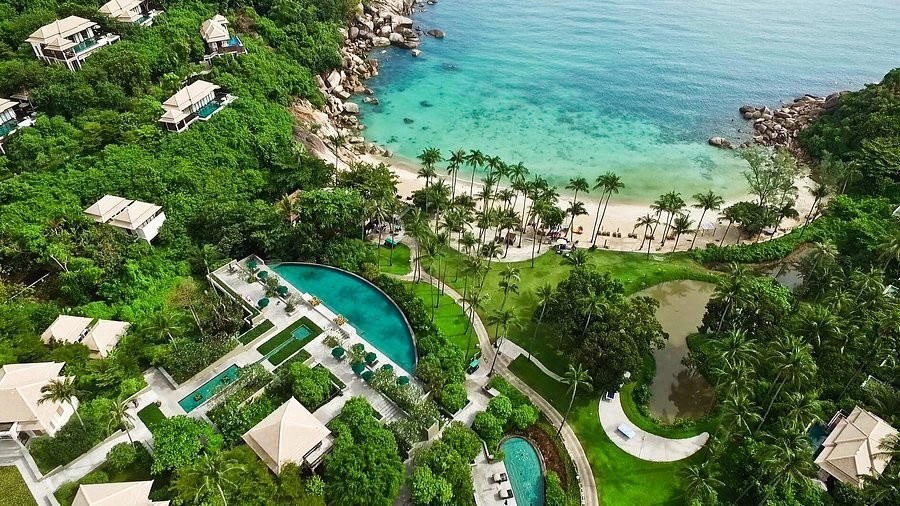
A Private Bay in a Different Register
Koh Samui has spent three decades pulling in opposite directions: the same coastline that attracts backpackers and bucket-and-spade families has also become fertile ground for high-containment resorts that treat proximity to the island's energy as a feature rather than a problem. Lamai, the southern beach that sits a tier below Chaweng in terms of nightlife intensity, has attracted some of the island's more considered properties precisely because it offers that balance. Banyan Tree Samui sits above a private inlet along this stretch, positioned in the hillside above the water rather than strung along a shared beach, which shapes everything about how the stay actually feels.
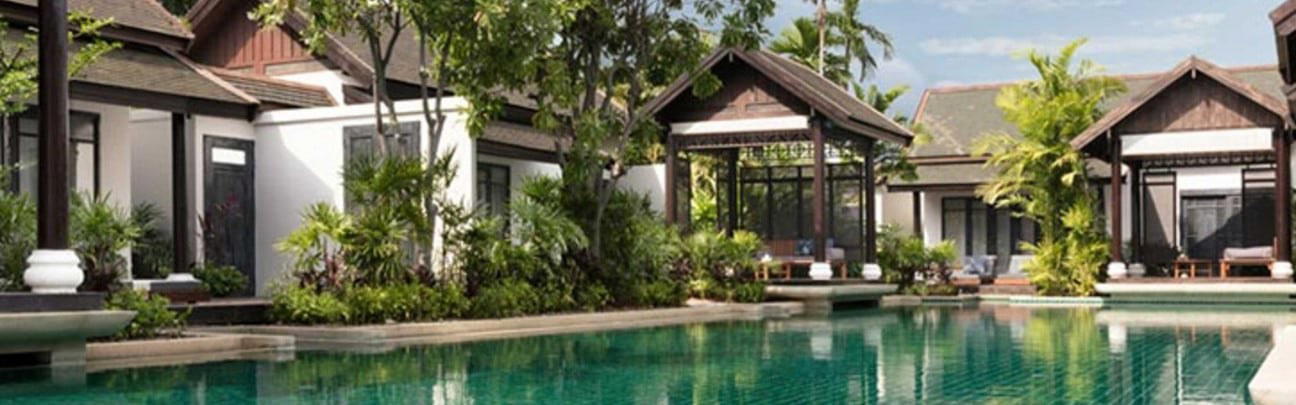
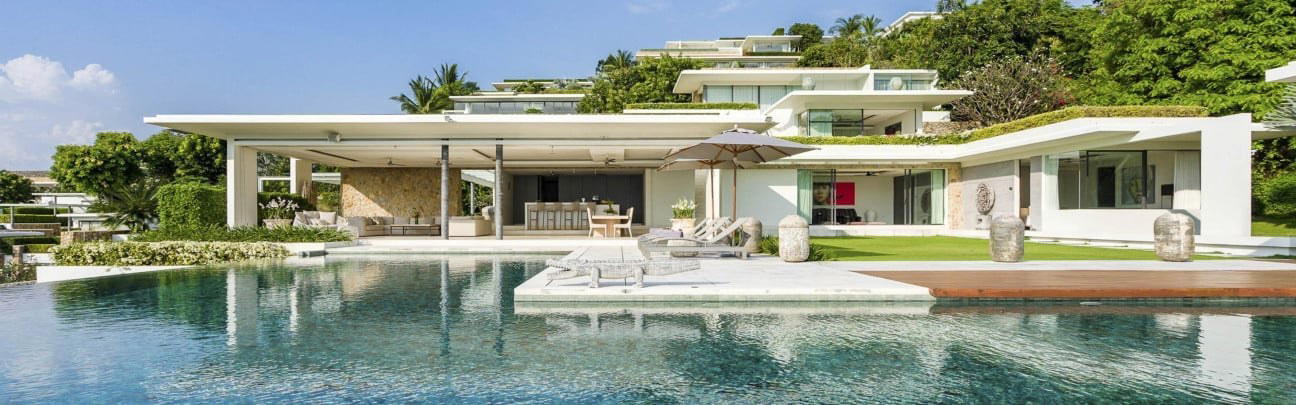
The approach to the resort is already doing editorial work: the drive up through the hills separates the property physically from the road-level activity of the island. Once inside, the 88 villas are distributed across the slope, each with a private pool and sightlines that look down toward the Gulf of Thailand. The architecture leans on dark timber, rain showers, and sliding glass panels that open the interior out toward the bay view. This is a familiar vocabulary in Southeast Asian luxury, but the hillside siting gives it a slightly different quality here than at flat-footprint beach resorts.
Where Banyan Tree Samui Sits in the Samui Market
Koh Samui's upper tier now includes a cluster of properties that compete on seclusion, design, and personalised service rather than beach frontage alone. Six Senses Hideaway Samui anchors the wellness-intensive end of that set, while Samujana Villas offers a more villa-rental model for groups. Belmond Napasai and Anantara Bophut Koh Samui Resort serve beachfront-oriented guests on the north coast. Banyan Tree Samui operates in a distinct niche within this group: the Banyan Tree Holdings brand carries its own international recognition, the Michelin Guide awarded the property 2 Keys in 2024, and the rate structure starting at $675 per night positions it in the same bracket as the island's more contained, high-service options rather than the all-inclusive or villa-rental models.
Properties like SALA Samui Choengmon Beach and Anantara Lawana Resort and Spa occupy adjacent price and style territory, though each arrives at the proposition differently. What differentiates Banyan Tree Samui is the combination of hillside positioning, the private bay setting, and a spa operation that has its own award-track record within the Banyan Tree group. For guests choosing between properties across the island, the configuration here rewards those who want to stay largely on-property rather than use the resort as a base for island exploration.
The Service Frame
Banyan Tree Holdings developed its identity around a specific idea of resort hospitality: contained, high-ratio, anticipatory rather than reactive. That pattern holds at the Samui property. The villa format naturally supports a more personalised service relationship than a hotel-corridor structure does, and the property's scale of 88 villas keeps the ratio manageable. A Romance and Events Concierge team handles weddings and group functions within what the property calls its Events Centre.
The concierge function extends to excursion programming beyond the resort grounds. Koh Samui's attractions beyond its beaches include cultural sites, nearby islands, and coral reef diving across the Gulf of Thailand, and the property positions itself as the coordinating layer between the secluded-villa experience and those external options. That mediation between contained luxury and the actual island is a service convention at this tier, but execution varies considerably. The Banyan Tree model has been refined across multiple properties in Thailand and internationally, which gives its teams a training depth that newer or more independent properties in the same price bracket are still building.
Thailand's wider luxury circuit, which runs through properties like Mandarin Oriental Bangkok, Amanpuri in Phuket, and Four Seasons Resort Chiang Mai, places the hotel in a mid-upper tier of the national market rather than at its absolute ceiling.
Dining on the Property
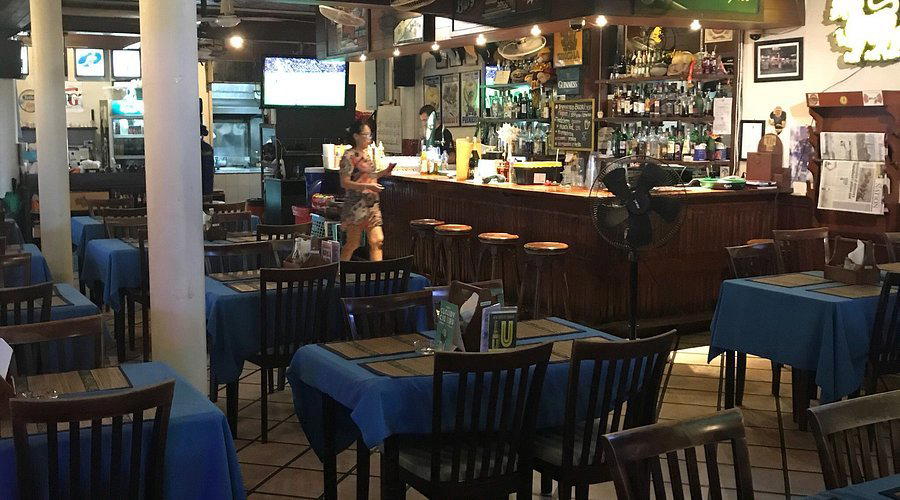
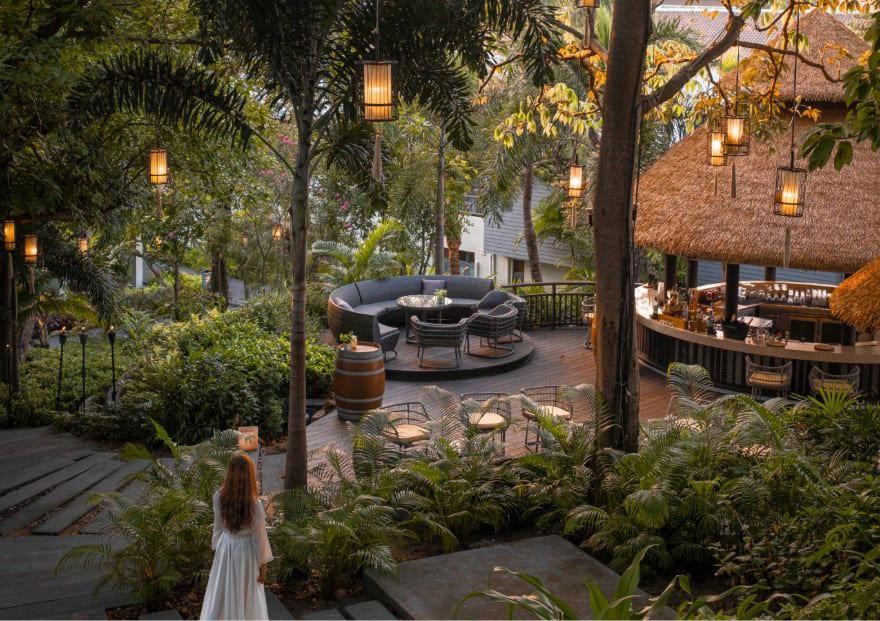
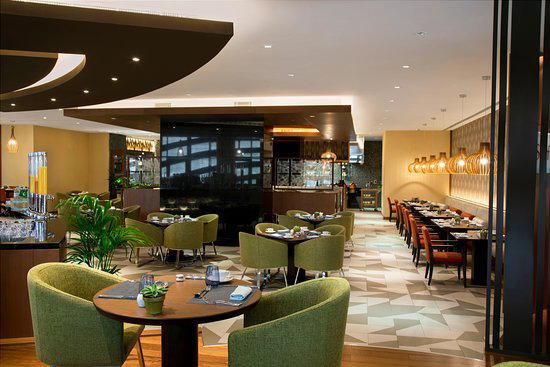
Multi-outlet dining is standard at resort properties of this size, and the hotel runs two named restaurants: Saffron, which focuses on traditional Thai cooking, and Sands, which takes seafood as its primary reference. This split between a regional cuisine anchor and a lighter, produce-led option is a format the Banyan Tree group applies across several of its properties, and it addresses one of the practical realities of destination resort dining, guests staying multiple nights need enough range to avoid repetition without the property having to maintain a more complex, harder-to-staff operation.
The Saffron name in particular carries some brand recognition within the Banyan Tree network as the group's Thai-cuisine anchor concept. For guests who want to eat beyond the resort, Lamai Beach's food scene sits within reach, and the concierge team handles transport and recommendations into the wider island.
The Spa and Wellness Infrastructure
The spa at this property includes Banyan Tree Spa Samui and The Rainforest hydrotherapy facility. The hydrotherapy facility, called The Rainforest, represents a category of wellness infrastructure that sits above what most resort spas offer and pushes the property into a competitive set that includes properties like Six Senses Yao Noi in Phang Nga and Pimalai Resort and Spa in Koh Lanta when wellness programming is a primary travel driver.
A fully equipped gym rounds out the wellness offer for guests whose routine runs toward training rather than recovery. That pairing of immersive spa programming with conventional gym access addresses both orientations without requiring guests to compromise.
Planning the Stay
Rates at the hotel begin at $675 per night, which puts it at the higher end of Koh Samui's property market. The 88-villa inventory is large enough that availability is generally less constrained than at smaller boutique properties like Bo Phut Resort or Buri Rasa Village Samui, but peak season on Koh Samui, December through February, when the Gulf coast is at its driest, compresses demand significantly across all upper-tier properties. The shoulder seasons of April to May and September to October offer more booking flexibility and often better rates, though the Gulf of Thailand's weather patterns mean there is greater variability during those months.
Lamai Beach itself is accessible from the resort, which means the property's seclusion is a deliberate architectural and operational condition rather than a function of geographic remoteness. Guests who want to spend time in the wider island, whether at Chaweng's commercial strip or at cultural sites inland, can do so without committing to a long transfer. This positioning also makes the hotel a workable choice for guests combining a resort stay with activity across the island, rather than exclusively for those seeking pure retreat. Comparable destination stays across Thailand's resort circuit, from Phulay Bay in Krabi to Soneva Kiri in Trat to Anantara Golden Triangle in Chiang Rai, each require more deliberate travel logistics. The relative accessibility of Koh Samui's airport and the island's own scale make the hotel one of the more straightforwardly reached options in its class.
What It’s Closest To
Comparable venues nearby, for context on price, style, and recognition.
| Venue | Cuisine | Price | Awards | Notes |
|---|---|---|---|---|
| Banyan Tree SamuiThis venue — the venue you are viewing | Luxury private pool villa resort | $$$$ | Michelin 2 Key | Not listed |
| SALA Samui Choengmon Beach | Luxury beachfront resort with private pool villas | $$$$ | Michelin 2 Key | Choeng Mon |
| Belmond Napasai | Secluded tropical beachfront resort with private villas cascading down a hillside amid lush gardens. | $$$$ | Michelin 2 Key | Mae Nam |
| Six Senses Hideaway Samui | Secluded cliffside luxury resort with private villas | $$$$ | Michelin 2 Key | Choeng Mon Beach |
| The Ritz-Carlton, Koh Samui | luxury beachfront resort with spacious suites and pool villas | $$$$ | Michelin 1 Key | Koh Samui |
| Anantara Lawana Resort and Spa | Contemporary Sino-Thai villa cluster with indigenous interior design elements and classic touches, positioned as a luxury tropical sanctuary. | $$$$ | Michelin 1 Key | Chaweng Beach |
Recognition history
Dated appearances from independent guides and award organizations, with the underlying list record or original source where available.
Virtuoso Luxury Hotel Partner
Virtuoso
Michelin 2 Keys
Michelin
Michelin 2 Keys
Michelin
At a Glance
- Romantic
- Elegant
- Sophisticated
- Ornate
- Scenic
- Quiet
- Honeymoon
- Romantic Getaway
- Wellness Retreat
- Anniversary
- Beachfront
- Infinity Pool
- Private Villa
- Destination Spa
- Wi Fi
- Pool
- Spa
- Fitness Center
- Room Service
- Concierge
- Private Beach
- Waterfront
- Garden
- Wi Fi
- Pool
- Spa
- Fitness Center
- Room Service
- Concierge
- Private Beach
Serene and luxurious with natural lighting, tropical surroundings, and a peaceful atmosphere emphasizing relaxation and romance.